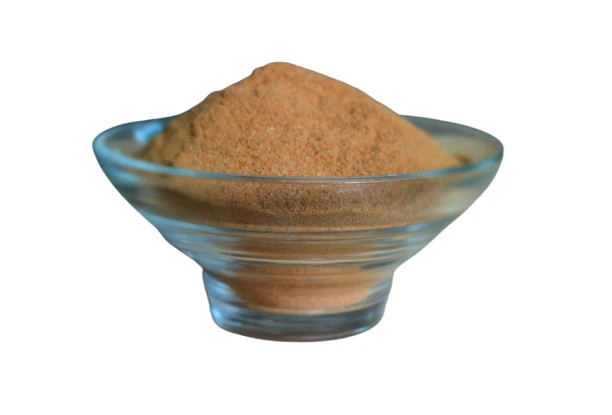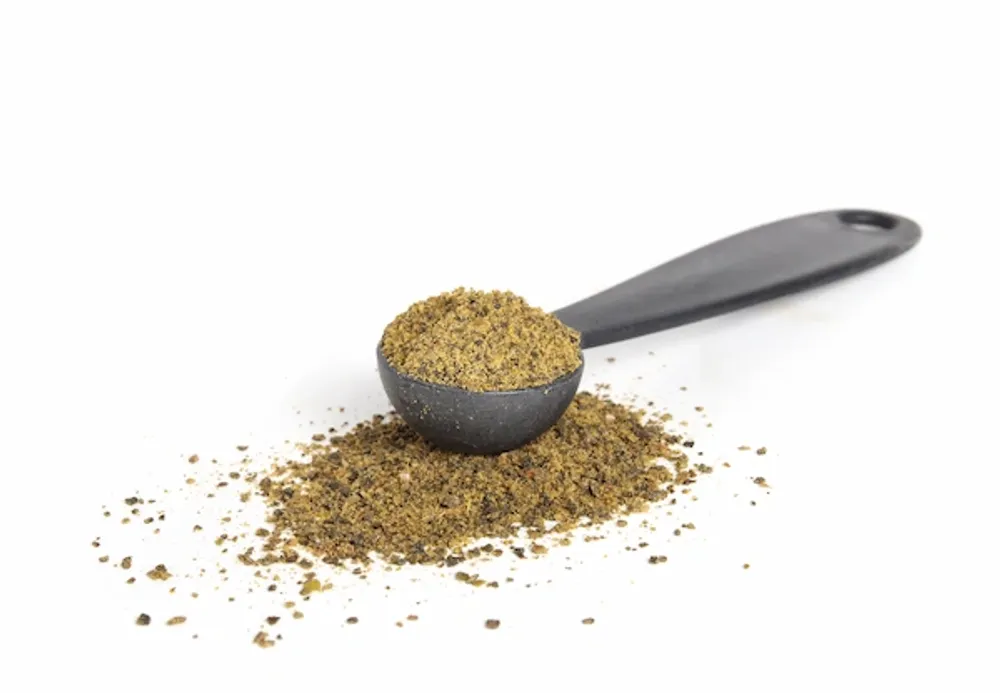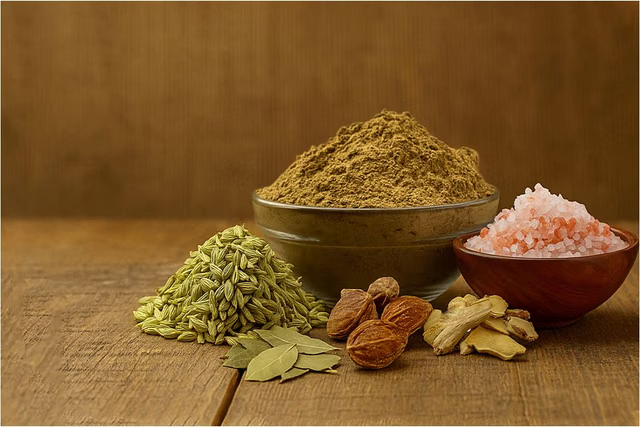

Dadimashtaka Churna is a traditional Ayurvedic herbal powder formulation primarily used to support digestion, improve appetite, reduce bloating, and help maintain healthy bowel function. Its key ingredient, pomegranate (Dadima), is combined with digestive herbs and spices such as ginger, black pepper, long pepper, coriander, cinnamon, and rock salt. According to Ayurveda, it helps strengthen digestive fire (Agni), supports nutrient absorption, and promotes digestive comfort in people experiencing indigestion, gas, loose stools, or digestive weakness.
Introduction
Digestive health plays a central role in overall well-being. In Ayurveda, the condition of your digestive system influences energy levels, immunity, metabolism, mental clarity, and long-term health. When digestion becomes weak, symptoms such as bloating, gas, poor appetite, heaviness after meals, irregular bowel movements, and digestive discomfort may gradually develop.
Among the many classical Ayurvedic digestive formulations, Dadimashtaka Churna holds a unique position because it combines the digestive-stimulating properties of traditional spices with the soothing and stabilizing qualities of pomegranate. Unlike some digestive formulas that focus mainly on stimulating digestion, Dadimashtaka Churna is traditionally valued for supporting both digestive efficiency and bowel balance simultaneously.
For centuries, Ayurvedic practitioners have used this formulation in individuals experiencing weak digestion (Mandagni), reduced appetite, occasional loose stools, abdominal discomfort, excessive gas formation, and symptoms associated with Grahani a digestive condition described in classical Ayurvedic literature.
Today, growing scientific interest in digestive wellness, gut microbiota, plant polyphenols, and traditional herbal medicine has renewed attention toward formulations like Dadimashtaka Churna. Its ingredients contain naturally occurring compounds that have been studied for their potential digestive-supportive and antioxidant properties.
In this comprehensive guide, we will explore its ingredients, traditional uses, benefits, dosage, Ayurvedic principles, scientific perspective, safety considerations, and practical applications for modern digestive health.
What Is Dadimashtaka Churna?
Dadimashtaka Churna is a classical Ayurvedic powdered herbal formulation traditionally used to support digestive function and maintain healthy bowel habits.
The name can be understood through its Sanskrit roots:
1. Dadima = Pomegranate
2. Ashtaka = Group of eight principal ingredients
3. Churna = Fine herbal powder
The formulation is centered around pomegranate and is complemented by carefully selected digestive herbs and spices that work together to support proper digestion, absorption, and intestinal comfort.
Unlike many digestive remedies that focus solely on stimulating digestive fire, Dadimashtaka Churna is traditionally recognized for its dual action:
1. Supporting efficient digestion.
2. Helping maintain bowel consistency and digestive stability.
Because of this balanced approach, Ayurvedic practitioners often consider it suitable when digestive weakness is accompanied by loose stools, irregular digestion, bloating, or reduced appetite.
Classical Ayurvedic Background
Classical Ayurvedic texts describe the importance of maintaining healthy digestion and preserving the integrity of the digestive tract. Many formulations were designed not only to stimulate digestion but also to support proper assimilation of nutrients.
Dadimashtaka Churna emerged as one such formulation, particularly valued in conditions where digestive efficiency is compromised and bowel function becomes irregular.
Traditional Ayurvedic principles classify the formulation as:
1. Deepana (enhancing digestive fire)
2. Pachana (supporting digestion of food and metabolic waste)
3. Grahi (supporting healthy bowel consistency)
4. Vata-Kapha balancing
Its popularity has continued across generations because it addresses multiple digestive concerns through a single herbal combination.
Dadimashtaka Churna Ingredients
The exact composition may vary slightly among manufacturers; however, the classical formulation generally includes the following ingredients:
| Sanskrit Name | Common Name | Botanical Name | Traditional Function |
| Dadima | Pomegranate | Punica granatum | Digestive support |
| Shunthi | Dry Ginger | Zingiber officinale | Stimulates digestion |
| Pippali | Long Pepper | Piper longum | Enhances bioavailability |
| Maricha | Black Pepper | Piper nigrum | Supports metabolism |
| Tvak | Cinnamon | Cinnamomum verum | Digestive comfort |
| Dhanyaka | Coriander | Coriandrum sativum | Cooling digestive support |
| Yavani | Ajwain | Trachyspermum ammi | Helps reduce gas |
| Saindhava Lavana | Rock Salt | Natural mineral salt | Supports digestive function |
Each ingredient contributes a specific action, creating a synergistic digestive formula rather than a simple herbal mixture.
Traditional Ayurvedic Perspective
In Ayurveda, Dadima (Pomegranate) is regarded as one of the most beneficial fruits for digestive health. Classical Ayurvedic texts describe it as nourishing yet easy to digest, making it suitable for people with delicate or weakened digestion.
Light to Digest
Unlike many foods that can leave a feeling of heaviness after eating, pomegranate is traditionally considered Laghu (light). This quality allows it to be digested comfortably while placing less burden on a weakened digestive system.
Pleasant for the Stomach
Ayurvedic practitioners have long valued pomegranate for its soothing effect on the gastrointestinal tract. Its natural balance of sweet and astringent tastes helps create digestive comfort without being overly heating or irritating.
Supportive of Healthy Appetite
A reduced appetite is often viewed in Ayurveda as a sign of weakened digestive fire (Mandagni). Pomegranate is traditionally used to encourage a natural desire for food while supporting the body’s digestive processes.
Helps Maintain Regular Bowel Function
One of the unique qualities attributed to pomegranate is its Grahi nature, meaning it helps support healthy bowel consistency. For this reason, it is often included in formulations designed for individuals experiencing digestive irregularity or loose stools.
Supports Vata and Pitta Balance
When consumed appropriately, pomegranate is traditionally believed to help balance both Vata and Pitta doshas. This makes it particularly useful in digestive conditions where excessive dryness, irregular digestion, or digestive irritation may be present.
A Unique Combination of Sweet and Astringent Qualities
Most digestive herbs work primarily through their pungent or heating properties. Pomegranate stands apart because it combines gentle sweetness with natural astringency, allowing it to support digestion while also promoting digestive stability. This distinctive characteristic is one of the main reasons it serves as the foundation of Dadimashtaka Churna.
From an Ayurvedic perspective, the inclusion of pomegranate in Dadimashtaka Churna is what gives the formulation its balanced nature. While digestive spices such as ginger, black pepper, and long pepper help stimulate digestion, pomegranate provides a stabilizing influence that supports bowel health and digestive comfort, creating a more comprehensive approach to digestive wellness.
Modern Scientific Perspective
Modern nutritional research has revealed that pomegranate contains a wide range of naturally occurring plant compounds that contribute to its nutritional and digestive value.
Polyphenols are among the most abundant bioactive compounds in pomegranate. These plant antioxidants have been widely studied for their potential role in supporting gut health and protecting cells from oxidative stress.
Ellagic acid derivatives are naturally formed from pomegranate polyphenols during digestion. Researchers believe these compounds may contribute to the fruit’s beneficial effects on intestinal health and overall wellness.
Tannins give pomegranate its characteristic mildly astringent taste. These compounds have attracted scientific interest for their potential role in supporting the intestinal lining and maintaining digestive balance.
Flavonoids are another group of plant-based antioxidants found in pomegranate. Studies suggest they may help support normal inflammatory responses and contribute to overall gastrointestinal well-being.
In addition to these compounds, pomegranate provides a broad spectrum of natural antioxidants that help protect the body from free radical damage and support long-term digestive and metabolic health.
The Gut Microbiome Connection
One of the most interesting areas of modern research involves the relationship between pomegranate and the gut microbiome the diverse community of microorganisms that live in the digestive tract.
Scientists have found that certain pomegranate polyphenols are not fully absorbed in the upper digestive system. Instead, they reach the colon, where beneficial gut bacteria break them down into smaller bioactive compounds. These metabolites may help support intestinal health and contribute to a balanced gut environment.
Although research in this field is still evolving, these findings offer an intriguing scientific explanation for why pomegranate has been traditionally valued in digestive wellness systems for centuries. The interaction between pomegranate compounds and beneficial gut bacteria highlights a potential bridge between classical Ayurvedic knowledge and contemporary microbiome research.
This growing body of evidence makes pomegranate one of the most extensively studied fruits in digestive health research and helps explain its important place in traditional formulations such as Dadimashtaka Churna.
Ayurvedic Properties of Dadimashtaka Churna
Ayurveda evaluates herbs according to qualities such as taste (Rasa), energy (Virya), post-digestive effect (Vipaka), and influence on doshas.
| Ayurvedic Property | Description |
| Rasa (Taste) | Sweet, Astringent, Pungent |
| Guna (Qualities) | Light, Dry |
| Virya (Potency) | Predominantly Warming |
| Vipaka | Sweet |
| Dosha Influence | Helps balance Vata and Kapha |
| Primary Action | Supports Agni and digestion |
Because of this unique profile, the formulation may simultaneously stimulate digestive processes while supporting digestive stability.
How Dadimashtaka Churna Works According to Ayurveda
According to Ayurveda, healthy digestion depends on the strength of Agni, the digestive fire responsible for breaking down food and converting it into nourishment. When Agni becomes weak (Mandagni), digestion slows down and symptoms such as bloating, poor appetite, heaviness after meals, fatigue, and irregular bowel movements may develop.
Dadimashtaka Churna is traditionally used to support digestion through several Ayurvedic actions.
1. Deepana (Supports Digestive Fire)
Dadimashtaka Churna contains herbs such as dry ginger, black pepper, long pepper, and rock salt that are traditionally known for their Deepana properties. These ingredients help kindle digestive fire, which may improve appetite and support more efficient digestion of food.
2. Pachana (Supports Proper Digestion)
In Ayurveda, incomplete digestion can lead to the formation of Ama, a term used for improperly processed metabolic waste. The warming spices in Dadimashtaka Churna are traditionally used to support Pachana, helping the body digest food more comfortably and efficiently.
3. Grahi Action (Supports Healthy Bowel Consistency)
One of the distinguishing features of Dadimashtaka Churna is its Grahi action. Ayurvedic practitioners traditionally use Grahi herbs to help maintain healthy stool consistency and support proper intestinal function, especially when digestion is weak.
4. Helps Balance Vata in the Digestive Tract
Digestive disturbances such as bloating, excessive gas, abdominal discomfort, and irregular bowel habits are often associated with aggravated Vata dosha. Ingredients like ginger, ajwain, cinnamon, and black pepper are traditionally used to promote digestive comfort and support healthy Vata balance.
5. Supports Nutrient Assimilation
Ayurveda considers digestion successful only when nutrients are properly absorbed and utilized by the body. By supporting digestive strength and gut function, Dadimashtaka Churna is traditionally used to help improve the assimilation of nutrients from food.
Top Benefits of Dadimashtaka Churna
Dadimashtaka Churna is primarily known for its digestive-supportive properties in Ayurveda. Its unique combination of pomegranate and digestive herbs helps support appetite, digestive comfort, bowel balance, and healthy nutrient absorption. Below are some of the most notable traditional and potential health benefits associated with this classical Ayurvedic formulation.
1. Supports Healthy Digestion
One of the most well-known benefits of Dadimashtaka Churna is its ability to support healthy digestion. The combination of pomegranate and digestive spices helps the digestive system process food more efficiently, which may reduce the feeling of heaviness or discomfort after meals. In Ayurveda, it is traditionally used when digestion becomes sluggish due to a weakened digestive fire (Mandagni).
2. Helps Improve Appetite Naturally
A poor appetite is often considered an early sign of digestive imbalance in Ayurveda. Dadimashtaka Churna contains herbs such as dry ginger, black pepper, and long pepper that are traditionally used to kindle digestive fire and encourage a healthy appetite. Regular use under proper guidance may help restore interest in food, especially after periods of digestive weakness or illness.
3. Helps Reduce Gas and Bloating
Excess gas and bloating can make even a healthy meal feel uncomfortable. Ingredients like ajwain, ginger, and black pepper have long been used in Ayurvedic practice to support comfortable digestion and reduce abdominal fullness. As a result, many people use Dadimashtaka Churna when they frequently experience bloating after eating.
4. Supports Healthy Bowel Function
Dadimashtaka Churna is traditionally valued for helping maintain normal bowel function while supporting digestion. Unlike formulations that focus only on stimulating digestion, it is often preferred when digestive weakness is accompanied by irregular stools or poor intestinal comfort. The presence of pomegranate gives the formula a unique balancing effect on the digestive tract.
5. May Support Digestive Recovery After Illness
Digestive strength often declines after infections, prolonged illness, or episodes of digestive upset. Ayurvedic practitioners traditionally recommend digestive-supportive formulations such as Dadimashtaka Churna during the recovery phase to help restore appetite, digestive efficiency, and overall gastrointestinal comfort.
6. Promotes Digestive Comfort During Travel
Travel can disrupt digestion because of changes in food choices, meal timing, hydration, and routine. Dadimashtaka Churna has traditionally been used as a supportive digestive formulation for people who experience occasional bloating, indigestion, or bowel irregularities while traveling. Its balanced combination of herbs helps the digestive system adapt more comfortably to dietary changes.
Dadimashtaka Churna for IBS: An Ayurvedic Perspective
Irritable Bowel Syndrome (IBS) is a common digestive condition that can affect people of all ages. Individuals with IBS may experience abdominal discomfort, bloating, irregular bowel movements, urgency after eating, constipation, diarrhea, or alternating episodes of both. Although IBS is not described by the same name in classical Ayurvedic texts, many of its symptoms closely resemble conditions associated with impaired digestion and weakened intestinal function.
From an Ayurvedic perspective, digestive health depends on the strength and stability of Agni, the body’s digestive and metabolic fire. When Agni becomes weak (Mandagni), food may not be digested efficiently, leading to heaviness, bloating, and irregular bowel habits. In some people, digestion becomes unpredictable (Vishamagni), causing symptoms to fluctuate from day to day. Ayurveda also associates long-standing digestive disturbances with Grahani, a condition characterized by impaired digestion, absorption, and assimilation of nutrients.
Because Dadimashtaka Churna is traditionally used to support digestive fire while helping maintain bowel stability, Ayurvedic practitioners may consider it in individuals whose digestive symptoms resemble certain forms of IBS.
Dadimashtaka Churna for IBS-D (Diarrhea-Predominant IBS)
People with IBS-D often report frequent loose stools, especially after meals. Many also experience an urgent need to use the restroom, even when food intake is relatively small.
Bloating and abdominal fullness are common complaints, often accompanied by excessive gas or gurgling sounds in the intestines. Despite repeated bowel movements, some individuals feel that digestion is incomplete or unsatisfactory.
According to Ayurveda, these symptoms may indicate weakened Agni and reduced Grahani function. In such situations, food is not processed efficiently, which can contribute to digestive instability and irregular bowel habits.
Dadimashtaka Churna has traditionally been used when digestive weakness is accompanied by loose stools, poor appetite, abdominal discomfort, and bloating. The formulation combines pomegranate with digestive spices, creating a balanced approach that aims to support digestion while promoting bowel consistency.
What About IBS-C (Constipation-Predominant IBS)?
IBS-C is characterized by infrequent bowel movements, hard stools, straining during defecation, and a persistent feeling of incomplete evacuation. Many individuals also experience abdominal discomfort, bloating, and digestive sluggishness.
In Ayurveda, constipation-dominant digestive disorders are often associated with increased Vata and dryness within the digestive tract. Because Dadimashtaka Churna is traditionally valued for its Grahi (bowel-stabilizing) action, it may not always be the first Ayurvedic choice when constipation is the primary concern.
The most appropriate herbal formulation depends on an individual’s constitution (Prakriti), digestive strength, bowel pattern, dietary habits, and underlying dosha imbalance. For this reason, personalized assessment remains an important part of Ayurvedic care.
Important Note
Dadimashtaka Churna should not be considered a treatment or cure for Irritable Bowel Syndrome. Persistent digestive symptoms such as ongoing diarrhea, chronic constipation, unexplained weight loss, rectal bleeding, severe abdominal pain, or significant changes in bowel habits require proper medical evaluation. An accurate diagnosis is essential before starting any herbal or dietary intervention.
Dadimashtaka Churna for Grahani Disorder
Among the traditional indications of Dadimashtaka Churna, Grahani occupies a particularly important place.
What Is Grahani?
In Ayurveda, Grahani is considered one of the most important organs involved in digestion and nutrient absorption. It is closely associated with Agni (digestive fire) and is responsible for properly processing food before nutrients are absorbed into the body.
When Agni becomes weak or irregular over time, Grahani may not function efficiently. As a result, food may remain partially digested, which can lead to various digestive complaints.
Common signs traditionally associated with Grahani imbalance include:
Irregular digestion: Some days digestion feels normal, while on other days even simple meals may cause discomfort or heaviness.
Loose stools: Bowel movements may become frequent, poorly formed, or difficult to control, especially after meals.
Alternating bowel habits: A person may experience episodes of loose stools followed by periods of constipation or incomplete evacuation.
Bloating and abdominal fullness: Excess gas formation can create a feeling of abdominal distension, particularly after eating.
Frequent gas: Improper digestion may contribute to increased flatulence and digestive discomfort throughout the day.
Fatigue after meals: Instead of feeling energized after eating, some individuals experience tiredness, sluggishness, or mental fog.
Reduced appetite: Hunger signals may become weaker, and meals may no longer feel appealing as digestion loses strength.
Poor nutrient assimilation: Even with a balanced diet, the body may not efficiently utilize nutrients when digestion remains compromised for a prolonged period.
Although Grahani is a classical Ayurvedic concept, many of its symptoms overlap with modern digestive complaints. However, it should not be considered a direct equivalent of any specific medical diagnosis.
Why Is Dadimashtaka Churna Traditionally Used for Grahani?
Dadimashtaka Churna has traditionally been recommended when digestive weakness is accompanied by symptoms such as bloating, reduced appetite, irregular stools, and poor digestive efficiency. Its ingredients work together to support several aspects of digestive health rather than targeting a single symptom.
Supports digestive fire (Agni): Herbs such as dry ginger, black pepper, and long pepper are traditionally used to encourage stronger and more efficient digestion.
Promotes better nutrient assimilation: By improving digestive efficiency, the formulation may help the body make better use of nutrients obtained from food.
Helps restore appetite: Individuals with weak digestion often experience a lack of hunger, and digestive herbs have traditionally been used to improve appetite naturally.
Supports bowel stability: Pomegranate and other ingredients are valued in Ayurveda for helping maintain healthy stool consistency and digestive balance.
Reduces excessive gas and bloating: Carminative herbs like ajwain and ginger have long been used to relieve digestive discomfort associated with gas formation.
This comprehensive digestive support is one of the reasons Dadimashtaka Churna continues to be widely used in Ayurvedic practice for managing symptoms associated with Grahani and digestive weakness.
Dadimashtaka Churna Uses
Dadimashtaka Churna is traditionally valued in Ayurveda for supporting digestive health and maintaining balanced bowel function. Ayurvedic practitioners commonly recommend it in situations where digestion becomes weak, appetite decreases, or digestive discomfort starts affecting daily life.
1. Reduced Appetite
Dadimashtaka Churna is traditionally used when a person experiences poor appetite, early satiety, or reduced interest in food. Its digestive herbs help stimulate Agni (digestive fire), which may encourage healthier hunger signals and better meal acceptance.
2. Weak Digestion
People who frequently feel heaviness after eating or notice that food takes longer to digest may benefit from its traditional Deepana and Pachana actions. Ayurveda uses this formulation to support more efficient digestion and nutrient assimilation.
3. Bloating and Gas
Bloating and excessive gas are often linked to impaired digestion and Vata imbalance. The warming spices present in Dadimashtaka Churna have traditionally been used to promote digestive comfort and reduce abdominal fullness after meals.
4. Loose Stool Tendency
Due to its Grahi properties, Dadimashtaka Churna is traditionally recommended when digestive weakness is associated with loose or irregular bowel movements. Pomegranate, one of its key ingredients, is particularly valued in Ayurveda for supporting bowel stability.
5. Post-Illness Digestive Recovery
After recovering from infections, digestive upset, or prolonged illness, many individuals experience a temporary decline in appetite and digestive strength. Ayurvedic practitioners may use digestive formulations like Dadimashtaka Churna to help restore normal digestive function during recovery.
6. Travel-Related Digestive Disturbances
Changes in food habits, water quality, meal timing, and sleep schedules during travel can temporarily affect digestion. Dadimashtaka Churna has traditionally been used to support digestive balance and reduce discomfort associated with dietary changes while traveling.
Dadimashtaka Churna Dosage
There is no single dosage that works for everyone. The appropriate amount of Dadimashtaka Churna can vary depending on several individual factors, including age, digestive strength, body constitution, and the specific digestive concern being addressed. For this reason, Ayurvedic practitioners often personalize the dosage rather than recommending the same quantity for every person.
Age
Age is an important consideration when determining the dosage. Adults with a healthy digestive system may tolerate the standard recommended amount, while children and older adults often require a lower dose based on their digestive capacity and overall health status.
Digestive Condition
The dosage may also depend on the digestive issue being managed. Someone experiencing occasional bloating or mild indigestion may require a different amount than an individual with long-standing digestive weakness, irregular bowel movements, or reduced appetite.
Body Constitution (Prakriti)
According to Ayurveda, every person has a unique constitutional makeup known as Prakriti. Individuals with a predominantly Vata constitution may respond differently to herbal formulations than those with Pitta or Kapha dominance, which can influence dosage recommendations.
Severity of Symptoms
The intensity and duration of symptoms can affect how much Dadimashtaka Churna is advised. Mild digestive discomfort may respond to smaller amounts, whereas persistent digestive imbalances may require a carefully adjusted dosage under professional supervision.
Physician Recommendation
Because digestive health is highly individualized, consulting a qualified Ayurvedic practitioner is always advisable. A practitioner can evaluate your symptoms, constitution, dietary habits, and overall health before recommending the most appropriate dosage and duration of use.
General Traditional Dosage
The commonly recommended dosage for adults is 1–3 grams once or twice daily, usually taken after meals or as directed by an Ayurvedic practitioner. The exact amount and frequency may vary depending on the formulation, manufacturer instructions, and individual health needs.
| Age Group | General Traditional Dosage |
| Adults | 1–3 grams once or twice daily |
| Elderly Individuals | As advised by an Ayurvedic practitioner |
| Children | Only under professional supervision |
Practical Measurement
For those using kitchen measurements, 1 gram is approximately one-quarter teaspoon, while 3 grams is roughly half to three-quarters of a teaspoon, depending on the powder’s texture and density.
Best Time to Take Dadimashtaka Churna
The ideal time to take Dadimashtaka Churna depends on the digestive concern being addressed. In Ayurveda, the timing of herbal formulations is often adjusted according to an individual’s digestive strength (Agni), symptoms, and treatment goals. Taking it at the right time may help maximize its digestive benefits.
For Supporting Appetite
People who experience a poor appetite, reduced hunger, or a feeling of fullness even before meals may benefit from taking Dadimashtaka Churna about 15–30 minutes before eating. According to Ayurvedic principles, this timing helps stimulate digestive fire (Agni), preparing the digestive system for better food intake and digestion.
For Supporting Digestion
When the goal is to support digestion after eating, Dadimashtaka Churna is traditionally taken shortly after meals. The digestive spices present in the formulation may help promote comfortable digestion, reduce bloating, and ease the feeling of heaviness that some people experience after consuming food.
For Digestive Weakness with Loose Stools
Individuals dealing with digestive weakness accompanied by frequent loose stools, irregular bowel habits, or Grahani-related symptoms should follow the timing recommended by a qualified Ayurvedic practitioner. Since digestive imbalances can vary significantly from person to person, the most appropriate timing often depends on the individual’s constitution, digestive capacity, and overall health condition.
Can Dadimashtaka Churna Be Taken Twice Daily?
In some cases, Ayurvedic practitioners may recommend taking Dadimashtaka Churna once or twice daily depending on the severity of digestive symptoms and treatment objectives. However, the dosage schedule should always follow professional guidance or the instructions provided by the manufacturer.
How to Take Dadimashtaka Churna
In Ayurveda, the substance taken along with a medicine is known as Anupana. The choice of Anupana can influence how the formulation acts in the body and is often selected according to the individual’s digestive condition and dosha imbalance.
With Warm Water
Warm water is one of the most commonly recommended ways to take Dadimashtaka Churna. It helps the herbs disperse easily in the digestive tract and is traditionally preferred when digestion feels sluggish, bloating occurs after meals, or appetite is reduced.
With Buttermilk
Ayurvedic practitioners often recommend Dadimashtaka Churna with freshly prepared buttermilk in conditions associated with weak digestion and Grahani. This combination is traditionally believed to support digestive strength while helping maintain healthy bowel function.
With Honey
In certain situations, a small amount of honey may be used as an Anupana under professional guidance. Ayurveda considers honey a carrier that helps herbal ingredients reach deeper tissues, but it should never be mixed with hot substances or heated directly.
With Ghee
For individuals with a predominance of Vata-related digestive symptoms such as dryness, abdominal discomfort, or irregular digestion, ghee may sometimes be used along with Dadimashtaka Churna. This approach aims to provide digestive support while also helping maintain internal lubrication.
With Lukewarm Milk
Although less commonly used, some practitioners may suggest lukewarm milk in selected cases where digestive weakness is accompanied by general debility or reduced nourishment. The suitability of milk depends on an individual’s digestive capacity and constitution.
Who Can Benefit Most from Dadimashtaka Churna?
Dadimashtaka Churna is traditionally used to support digestive health in individuals experiencing signs of weak digestion and irregular bowel function. According to Ayurvedic principles, it may be particularly helpful in the following situations:
People Who Frequently Experience Bloating After Meals
If you often feel abdominal fullness, tightness, or discomfort shortly after eating, it may indicate that food is not being digested efficiently. Dadimashtaka Churna is traditionally used to support digestion and reduce post-meal digestive discomfort.
Individuals With a Poor or Reduced Appetite
Some people rarely feel hungry or lose interest in food due to weakened digestive fire (Mandagni). The digestive spices present in Dadimashtaka Churna are traditionally used to encourage a healthy appetite and support normal digestive function.
Those Struggling With Slow or Sluggish Digestion
A feeling of heaviness after meals, prolonged fullness, or delayed digestion can sometimes be linked to reduced digestive efficiency. Ayurveda traditionally recommends digestive-supportive formulations to help improve digestive performance.
People Prone to Excessive Gas Formation
Frequent gas production may occur due to improper digestion or fermentation of food in the gut. Ingredients such as ginger, black pepper, and ajwain have long been used in Ayurveda to promote digestive comfort and support healthy digestion.
Individuals With a Tendency Toward Loose Stools
Dadimashtaka Churna is traditionally valued for its Grahi properties, which help support bowel stability while maintaining healthy digestive activity. This makes it particularly relevant when digestive weakness is accompanied by loose or irregular stools.
Those Experiencing Irregular Digestion
Some people alternate between good digestion and digestive discomfort without a clear pattern. Ayurveda associates such fluctuations with imbalance in digestive fire, and formulations like Dadimashtaka Churna are traditionally used to promote digestive consistency.
Travelers Facing Digestive Changes
Changes in food, water quality, meal timings, and daily routine during travel can temporarily affect digestion. Dadimashtaka Churna has traditionally been used to support digestive comfort during these periods of adjustment.
Individuals Recovering From Digestive Weakness After Illness
Digestive strength often declines following infections, prolonged illness, or periods of reduced food intake. In Ayurveda, digestive-supportive herbs are commonly used during recovery to help restore appetite and digestive efficiency.
People Who Frequently Feel Heavy After Eating
Persistent heaviness after meals may suggest that food is not being processed efficiently. Dadimashtaka Churna is traditionally used to support healthy digestion and reduce the feeling of post-meal sluggishness.
Individuals With Symptoms Associated With Grahani
People experiencing digestive irregularities such as inconsistent appetite, bloating, loose stools, and poor digestive comfort may benefit from Ayurvedic evaluation. Dadimashtaka Churna is one of the classical formulations traditionally used to support digestive balance in such cases.
Important: Dadimashtaka Churna is a traditional Ayurvedic formulation intended to support digestive health. It should not be used as a substitute for medical diagnosis, treatment, or professional healthcare advice. Individuals with ongoing digestive symptoms should consult a qualified healthcare provider for proper evaluation.
Who Should Avoid Dadimashtaka Churna?
Dadimashtaka Churna is generally considered safe when used in appropriate amounts and under professional guidance. However, it may not be suitable for everyone. The following individuals should consult a qualified Ayurvedic practitioner or healthcare provider before using this formulation:
Pregnant Women
There is limited scientific evidence regarding the safety of Dadimashtaka Churna during pregnancy. Since it contains several digestive spices with warming properties, pregnant women should use it only after medical consultation.
Breastfeeding Mothers
Breastfeeding mothers should seek professional advice before taking any herbal supplement. An Ayurvedic practitioner can determine whether Dadimashtaka Churna is appropriate based on individual health needs and the baby’s age.
Young Children
Children have different digestive and nutritional requirements than adults. Dadimashtaka Churna should only be given to children under the guidance of a qualified healthcare professional who can recommend the correct dosage and duration.
People Taking Prescription Medications
Individuals who regularly take medications for diabetes, blood pressure, heart conditions, digestive disorders, or other chronic illnesses should consult their healthcare provider before starting Dadimashtaka Churna to avoid potential herb-drug interactions.
Individuals with Chronic Medical Conditions
People living with liver disease, kidney disease, inflammatory bowel conditions, or other long-term health concerns should seek medical guidance before using this formulation. A healthcare professional can assess whether it is suitable for their specific condition.
People with Known Allergies to the Ingredients
Anyone with a known allergy or sensitivity to pomegranate, ginger, black pepper, cinnamon, coriander, or any other ingredient in the formulation should avoid using Dadimashtaka Churna to prevent allergic reactions.
People Experiencing Persistent Digestive Symptoms
Symptoms such as unexplained weight loss, blood in the stool, severe abdominal pain, persistent diarrhea, or ongoing digestive discomfort require medical evaluation. Self-treating these symptoms with herbal supplements may delay the diagnosis of an underlying condition.
Important: Dadimashtaka Churna is intended to support digestive health and should not replace professional medical care. If you have an existing health condition or are unsure whether this formulation is right for you, consult a qualified healthcare professional before use.
Possible Side Effects of Dadimashtaka Churna
When used in the recommended dosage and under the guidance of a qualified Ayurvedic practitioner, Dadimashtaka Churna is generally well tolerated by most individuals. However, like any herbal formulation, excessive use or use without considering an individual’s body constitution may occasionally lead to unwanted effects.
Stomach Irritation
Dadimashtaka Churna contains digestive spices such as ginger, black pepper, and long pepper. In sensitive individuals or when taken in larger-than-recommended amounts, these ingredients may sometimes cause mild stomach irritation or a feeling of gastric discomfort.
Heartburn or Acidic Sensation
People who are prone to acidity or acid reflux may occasionally experience a burning sensation in the chest or upper abdomen, particularly if the formulation is consumed on an empty stomach or in excessive quantities.
Feeling of Increased Body Heat
Since several ingredients possess naturally warming properties, some individuals may notice a mild increase in body heat, especially during hot weather or if they already have a Pitta-dominant constitution.
Mild Digestive Discomfort
When the body is not accustomed to herbal digestive formulations, temporary symptoms such as abdominal uneasiness, fullness, or changes in digestion may occur during the initial days of use.
Dryness in Certain Individuals
People with a naturally dry constitution or those experiencing Vata imbalance may occasionally feel increased dryness, particularly if the powder is taken without an appropriate anupana (vehicle) such as ghee or buttermilk when advised.
Temporary Gastrointestinal Upset
In rare cases, consuming more than the recommended dosage may lead to temporary digestive disturbances, including mild nausea, abdominal discomfort, or altered bowel movements. These symptoms usually improve after reducing the dosage or discontinuing use.
When to Seek Medical Advice
Stop using Dadimashtaka Churna and consult a qualified healthcare professional if you experience persistent digestive symptoms, allergic reactions, severe abdominal pain, worsening acidity, or any unexpected health concerns after taking the formulation.
Expert Note: Most reported side effects are associated with excessive intake, inappropriate self-medication, or use without considering an individual’s digestive condition and body constitution. Following the recommended dosage and professional guidance can help minimize the likelihood of adverse effects.
Dadimashtaka Churna vs Hingwashtak Churna
Both formulations support digestion, but their traditional applications differ.
| Feature | Dadimashtaka Churna | Hingwashtak Churna |
| Key Ingredient | Pomegranate | Asafoetida (Hing) |
| Primary Focus | Digestion + bowel stability | Gas and Vata reduction |
| Traditional Use | Weak digestion with loose stools | Gas, bloating, abdominal discomfort |
| Taste Profile | Mildly sweet and spicy | Strong and pungent |
| Grahi Action | More prominent | Less prominent |
| Suitability | Digestive weakness with bowel irregularity | Predominantly gas-related complaints |
Selection should be individualized based on symptoms and Ayurvedic assessment.
Scientific Perspective on Dadimashtaka Churna Ingredients
Although clinical studies specifically evaluating Dadimashtaka Churna are still limited, several of its key ingredients have been extensively researched for their potential effects on digestion and overall gastrointestinal health. Understanding these individual ingredients helps explain why this classical Ayurvedic formulation continues to be valued for digestive support.
Pomegranate (Punica granatum)
Pomegranate is naturally rich in polyphenols, tannins, flavonoids, and antioxidant compounds. Research suggests these plant compounds may help support gut health, maintain intestinal integrity, and contribute to a healthy digestive environment.
Ginger (Zingiber officinale)
Ginger is one of the most studied digestive herbs worldwide. Scientific evidence indicates that ginger may support normal gastric emptying, improve digestive comfort, and help reduce occasional nausea and digestive discomfort.
Black Pepper (Piper nigrum)
Black pepper contains piperine, an active compound known for its ability to enhance the absorption of certain nutrients and herbal constituents. It has also been investigated for its digestive-supportive and metabolic properties.
Long Pepper (Piper longum)
Long pepper has been used in Ayurvedic medicine for centuries as a digestive and rejuvenating herb. Preliminary research suggests its bioactive compounds may support digestive function, metabolic activity, and overall gastrointestinal health.
Cinnamon (Cinnamomum verum)
Cinnamon contains naturally occurring antioxidant compounds that have been studied for their potential role in digestive wellness and metabolic health. Its traditional use in digestive formulations may help explain its continued popularity in Ayurveda.
Coriander (Coriandrum sativum)
Coriander has traditionally been used to support comfortable digestion and maintain digestive balance. Emerging research suggests it may possess antioxidant and digestive-supportive properties that contribute to gastrointestinal well-being.
Ajwain (Trachyspermum ammi)
Ajwain contains thymol, a naturally occurring compound known for its digestive benefits. It has traditionally been used to help manage gas, bloating, and feelings of heaviness after meals.
Rock Salt (Saindhava Lavana)
Unlike common table salt, rock salt is considered highly valued in Ayurveda for digestive formulations. Traditionally, it is believed to support appetite, enhance digestive processes, and improve the palatability of herbal preparations.
Putting It All Together
The strength of Dadimashtaka Churna lies not in a single ingredient but in the synergistic combination of pomegranate and digestive spices. While modern research continues to explore the individual properties of these herbs, Ayurveda has long emphasized their combined role in supporting digestive fire (Agni), bowel balance, appetite, and digestive comfort.
Note: Current scientific evidence primarily relates to individual ingredients rather than the complete Dadimashtaka Churna formulation. More clinical studies are needed to fully evaluate the effects of the finished herbal combination.
Final Verdict
Dadimashtaka Churna is a time-tested Ayurvedic digestive formulation centered around pomegranate and digestive spices. Traditionally used to support appetite, digestive strength, bowel balance, and nutrient assimilation, it occupies a unique place among Ayurvedic digestive remedies.
Its combination of Deepana (digestive fire support), Pachana (digestive assistance), and Grahi (bowel-stabilizing) actions makes it particularly relevant for individuals experiencing weak digestion, bloating, gas, digestive discomfort, or loose stool tendencies.
While modern research continues to explore the health effects of ingredients such as pomegranate, ginger, black pepper, and cinnamon, Ayurvedic use should remain personalized and guided by qualified healthcare professionals. When used appropriately, Dadimashtaka Churna can serve as a valuable component of a holistic digestive wellness approach that includes proper diet, lifestyle, and digestive care.
Frequently Asked Questions
What is Dadimashtaka Churna used for?
It is traditionally used to support digestion, improve appetite, reduce bloating, and help maintain healthy bowel function.
Can Dadimashtaka Churna be taken daily?
Some individuals use it daily under Ayurvedic guidance, but duration should depend on individual needs and professional recommendations.
Is Dadimashtaka Churna good for IBS?
It may support digestive comfort in people experiencing IBS-like symptoms involving digestive weakness and loose stools. However, it is not a cure for IBS.
Does Dadimashtaka Churna improve appetite?
Traditionally, yes. It is commonly used to support digestive fire and encourage healthy appetite.
Can it help with bloating?
Many of its ingredients have traditionally been used to reduce gas formation and digestive discomfort.
When should I take Dadimashtaka Churna?
Depending on the purpose, it may be taken before meals for appetite support or after meals for digestive support.
Can children take Dadimashtaka Churna?
Only under the supervision of a qualified healthcare professional.
Is it safe during pregnancy?
Pregnant women should consult their healthcare provider before using any herbal formulation.
Does Dadimashtaka Churna cause constipation?
Generally, it is intended to support bowel balance. However, excessive use or inappropriate use may affect bowel habits differently among individuals.
How long can Dadimashtaka Churna be used?
Duration should be individualized and guided by a qualified Ayurvedic practitioner.
References and Sources
1. Charaka Samhita (English Translation) – Foundational Ayurvedic text explaining Agni (digestive fire), Grahani, digestion, metabolism, and digestive disorders.
2. Ashtanga Hridaya Samhita – Classical Ayurvedic text covering digestive health, dosha balance, and treatment principles.
3. Sharangadhara Samhita (English Translation) – Important Ayurvedic reference for Churna (herbal powder) formulations and Ayurvedic pharmaceutics.
4. Ask Ayurveda – Dadimashtaka Churna – Reference for traditional ingredients, uses, dosage, and Ayurvedic applications of Dadimashtaka Churna.
5. Pomegranate Bioactive Compounds and Gut Microbiota Review (PMC) – Scientific review discussing pomegranate polyphenols, antioxidants, and their relationship with gut microbiota and digestive health.
6. Ginger in Gastrointestinal Disorders: A Systematic Review (PMC) – Research exploring ginger’s role in digestive function, gastric motility, and gastrointestinal comfort.