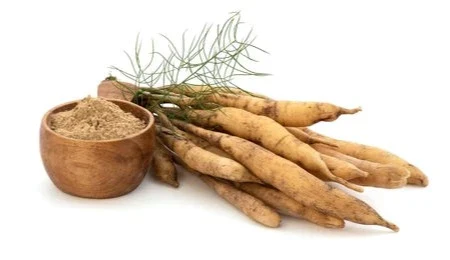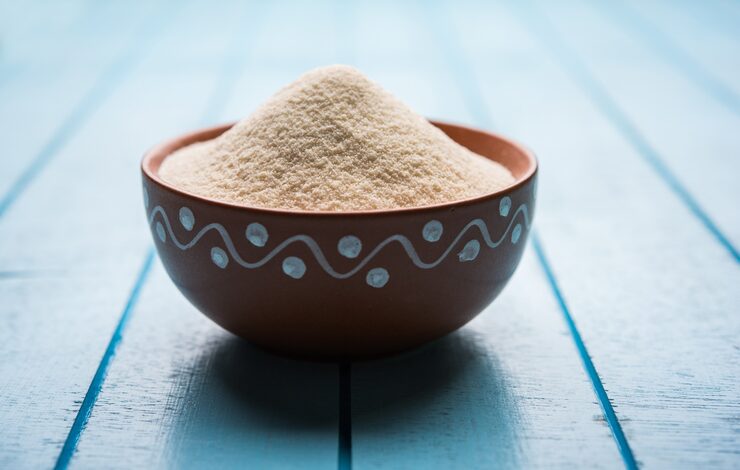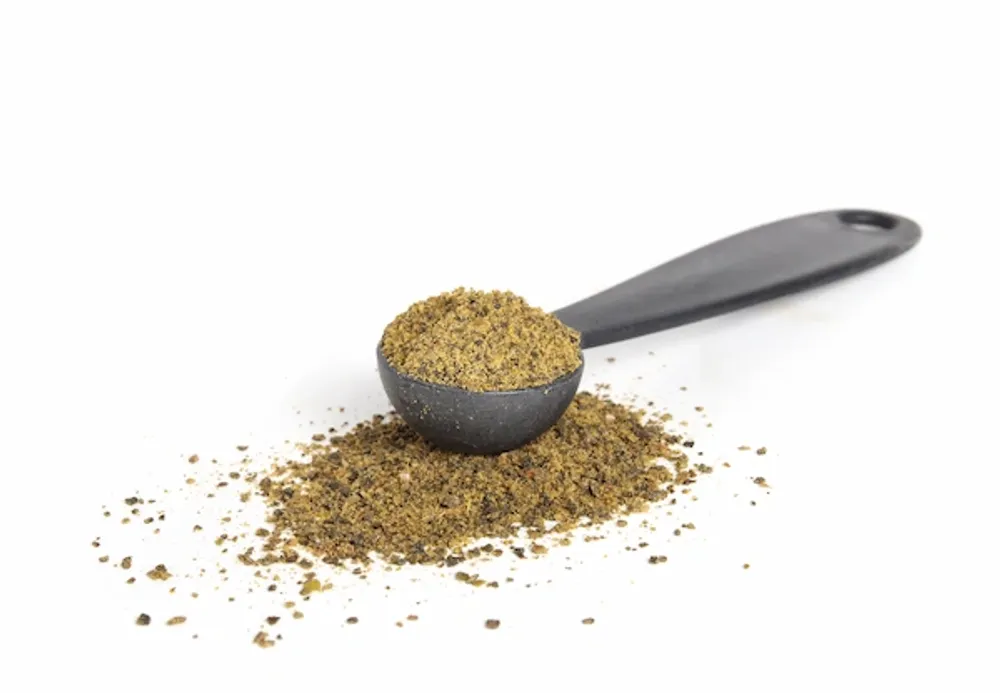
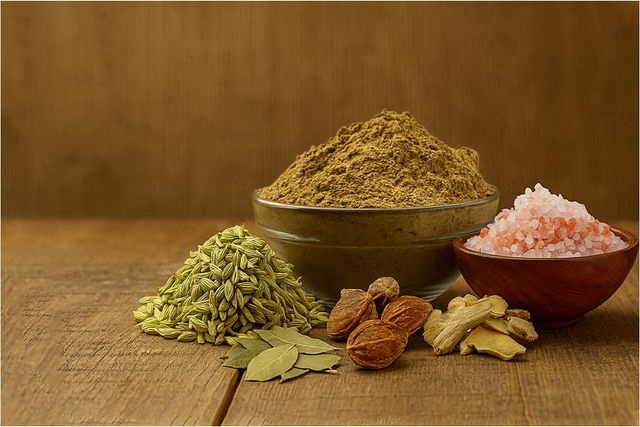
Panchsakar Churna is a traditional Ayurvedic herbal formulation commonly used to support healthy bowel movements, digestive comfort, and the natural elimination process. It typically contains Haritaki, Senna, Dry Ginger, Fennel Seeds, and Rock Salt. Traditionally, it is used for occasional constipation, bloating, gas, and sluggish digestion. The dosage varies according to age, digestive strength, and health condition, so it is best taken under the guidance of a qualified Ayurvedic practitioner.
What Is Panchsakar Churna?
Panchsakar Churna is a classical Ayurvedic digestive formulation traditionally used to support bowel regularity and digestive balance. In Ayurveda, healthy digestion is considered the foundation of overall well-being. When digestion becomes sluggish and bowel movements are irregular, symptoms such as bloating, abdominal discomfort, heaviness, and gas may develop.
To address these concerns, Ayurvedic practitioners have historically used Panchsakar Churna as a combination of herbs and mineral ingredients that work together to promote digestive function and support natural elimination.
Unlike many modern laxatives that focus only on bowel evacuation, Panchsakar Churna is traditionally described as supporting digestion while encouraging proper movement of Vata in the gastrointestinal tract.
Why Is It Called Panchsakar?
The word Panchsakar is derived from two Sanskrit terms:
Panch = Five
Sakar = Combination or composition
The formulation contains five primary ingredients that are believed to work synergistically to support digestive health and bowel regularity.
This multi-ingredient approach is one reason Panchsakar Churna remains a widely used classical Ayurvedic preparation.
Panchsakar Churna at a Glance
| Feature | Details |
| System of Medicine | Ayurveda |
| Form | Herbal Powder |
| Traditional Use | Digestive Support |
| Main Purpose | Bowel Regularity |
| Dosha Focus | Primarily Vata-Kapha |
| Common Usage Time | Evening or Bedtime |
| Taste Profile | Salty, Slightly Pungent |
| Administration | Usually with warm water |
Panchsakar Churna Ingredients Explained
The effectiveness of Panchsakar Churna comes from the combined action of its ingredients rather than a single herb. Each component serves a specific purpose some support digestion, others help reduce gas and bloating, while certain ingredients promote healthy bowel movements. Together, they create a balanced Ayurvedic formulation traditionally used to support digestive comfort and bowel regularity.
Haritaki (Terminalia chebula)
Haritaki is one of the most valued herbs in Ayurveda and has been used for centuries to support digestive health. Traditionally, it is believed to help maintain regular bowel movements, support the body’s natural cleansing processes, and promote balance in Vata dosha, which is often associated with constipation and digestive discomfort.
From a modern perspective, Haritaki contains naturally occurring plant compounds such as tannins and polyphenols that may help support digestive function and intestinal motility. Because of its broad digestive benefits, it is a key ingredient in many classical Ayurvedic formulations.
Senna (Cassia angustifolia)
Senna is widely recognized around the world for its natural laxative properties and is commonly included in herbal preparations designed to support bowel regularity. In traditional practice, it has been used to encourage bowel evacuation and help relieve occasional constipation.
The herb contains active compounds known as sennosides, which stimulate the muscles of the colon and promote bowel movements. This action makes Senna one of the primary ingredients responsible for Panchsakar Churna’s traditional use as a digestive and bowel-supportive formula.
Dry Ginger (Shunthi)
Dry Ginger, known as Shunthi in Ayurveda, is highly regarded for its ability to support healthy digestion. It has traditionally been used to stimulate digestive fire (Agni), improve the digestion of food, and help reduce symptoms such as gas, heaviness, and abdominal discomfort after meals.
Modern studies suggest that ginger may support gastric motility and digestive comfort by helping food move more efficiently through the digestive tract. Its warming nature and digestive-supportive properties make it an important component of Panchsakar Churna.
Fennel Seeds (Foeniculum vulgare)
Fennel seeds have long been used in many cultures as a natural digestive aid and are commonly consumed after meals to support digestive comfort. In Ayurveda, fennel is valued for its ability to reduce gas, ease bloating, and support healthy digestion without causing excessive heat in the body.
Fennel contains aromatic compounds and volatile oils that may help relax the digestive tract and reduce feelings of abdominal fullness. Its gentle digestive action complements the stronger bowel-supportive ingredients found in Panchsakar Churna.
Saindhava Lavana (Rock Salt)
Saindhava Lavana, commonly known as rock salt, is considered the preferred salt in Ayurveda due to its digestive-supportive qualities. Traditionally, it has been used to stimulate appetite, improve digestion, and help maintain proper movement of Vata within the digestive system.
In Panchsakar Churna, rock salt helps enhance the overall digestive action of the formulation and supports gastrointestinal comfort. It also contributes to the balanced synergy of the formula, allowing the herbal ingredients to work more effectively together.
Why These Ingredients Work Better Together
One of the unique features of Panchsakar Churna is that it combines ingredients with complementary actions rather than relying on a single herb. Haritaki and Senna help support bowel movements, while Dry Ginger and Fennel assist digestion and help reduce gas and bloating. Rock Salt further supports digestive function and enhances the effectiveness of the overall formulation. This multi-targeted approach is one reason Panchsakar Churna has remained a widely used Ayurvedic digestive formula for generations.
How Panchsakar Churna Works in the Body
Panchsakar Churna works through a combination of herbs and mineral ingredients that support different stages of the digestive process. Rather than targeting only bowel movements, the formulation is traditionally designed to improve digestion, reduce gas, and encourage regular elimination.
1. Supports Healthy Digestion
Dry Ginger (Shunthi) and Rock Salt (Saindhava Lavana) are traditionally used in Ayurveda to stimulate digestive activity. They may help improve the digestion of food and reduce the feeling of heaviness that can occur after meals.
2. Helps Reduce Gas and Bloating
Fennel seeds and Ginger are known for their carminative properties. These ingredients may help ease abdominal bloating, reduce excessive gas formation, and promote greater digestive comfort.
3. Encourages Natural Intestinal Movement
Senna is widely recognized for its natural laxative action. It supports intestinal motility, which may help move stool through the digestive tract more efficiently.
4. Promotes Easier Bowel Evacuation
Haritaki and Senna work together to support smoother bowel movements. This traditional combination may help reduce stool retention and encourage more comfortable elimination.
5. Supports Overall Digestive Balance
By combining digestive-supportive and bowel-regulating ingredients, Panchsakar Churna aims to promote a healthy digestive rhythm. In Ayurveda, this balanced approach is considered important for maintaining long-term digestive wellness.
In simple terms, Panchsakar Churna does not rely on a single ingredient or a single action. Its ingredients work together to support digestion, reduce bloating, encourage intestinal movement, and promote regular bowel habits, which is why it has remained a popular Ayurvedic formulation for digestive health.
Traditional Ayurvedic Uses of Panchsakar Churna
In Ayurveda, Panchsakar Churna has traditionally been used to support digestive health and promote regular bowel movements. Practitioners may recommend it for various digestive concerns, particularly those associated with sluggish digestion and irregular elimination.
Occasional Constipation
One of the most common traditional uses of Panchsakar Churna is supporting bowel regularity in people who experience occasional constipation. Its ingredients are traditionally valued for helping facilitate smoother stool passage and encouraging natural elimination.
Gas and Flatulence
Excess gas and flatulence can cause discomfort, abdominal pressure, and digestive uneasiness. Panchsakar Churna is traditionally used to support healthy digestion and may help reduce the accumulation of gas within the digestive tract.
Abdominal Bloating
Feelings of fullness or abdominal bloating after meals are often associated with inefficient digestion. In Ayurvedic practice, Panchsakar Churna may be used to support digestive balance and improve overall digestive comfort when bloating occurs occasionally.
Sluggish Digestion
When digestion feels slow and meals leave a lingering sense of heaviness, Panchsakar Churna is traditionally used to support digestive function. Ayurvedic practitioners often associate its use with promoting healthy digestive activity and maintaining digestive efficiency.
Supportive Use in Hemorrhoids (Piles)
Constipation and straining during bowel movements are common factors that can aggravate hemorrhoids. By supporting softer stools and more comfortable bowel movements, Panchsakar Churna may be used as part of a broader digestive care approach under professional guidance.
Digestive Heaviness After Meals
Some individuals experience a heavy or uncomfortable feeling after eating, particularly after large or rich meals. Traditionally, Panchsakar Churna has been used to support digestion and help maintain a feeling of digestive lightness and comfort.
Irregular Bowel Habits
Irregular bowel patterns can affect daily comfort and overall digestive well-being. Ayurveda traditionally uses Panchsakar Churna to help support a more consistent bowel routine and maintain healthy digestive rhythm.
Potential Benefits of Panchsakar Churna
Below is a detailed breakdown of the potential benefits of Panchsakar Churna, including how its ingredients may support digestion, bowel regularity, gut motility, and overall digestive well-being when used appropriately.
May Support Regular Bowel Movements
Panchsakar Churna is traditionally used in Ayurveda to promote smoother bowel movements and reduce stool retention. Its ingredients work together to support the body’s natural elimination process and digestive rhythm.
May Help Reduce Bloating
Excess gas and abdominal fullness can make digestion feel uncomfortable. Herbs such as fennel and dry ginger are traditionally valued for helping ease bloating and supporting digestive comfort after meals.
May Promote Healthy Gut Motility
Healthy intestinal movement plays an important role in regular digestion. Certain ingredients in Panchsakar Churna are traditionally used to encourage the natural movement of food and waste through the digestive tract.
May Reduce Feelings of Heaviness After Meals
A sluggish digestive system can sometimes lead to a feeling of heaviness or fullness after eating. By supporting digestive function, Panchsakar Churna may help some individuals feel lighter and more comfortable following meals.
May Support Overall Digestive Wellness
In Ayurveda, balanced digestion is considered essential for overall health. Panchsakar Churna is traditionally used to support digestive efficiency, maintain bowel regularity, and promote day-to-day digestive well-being.
May Help Reduce Straining During Bowel Movements
Hard stools often lead to excessive straining, which can cause discomfort. By supporting smoother bowel evacuation, Panchsakar Churna may help make bowel movements more comfortable for some individuals.
May Assist in Managing Occasional Gas and Flatulence
Digestive disturbances can sometimes result in excessive gas formation. Traditionally, Panchsakar Churna is used to support proper digestion and help reduce occasional flatulence associated with sluggish digestion.
May Support Better Digestive Comfort in Sedentary Lifestyles
People who spend long hours sitting or have limited physical activity may experience digestive sluggishness. Panchsakar Churna is traditionally used as part of a broader digestive wellness approach that also includes hydration, movement, and a balanced diet.
Panchsakar Churna Benefits According to Ayurveda
In Ayurveda, Panchsakar Churna is valued not only for supporting bowel regularity but also for helping maintain overall digestive balance. Its traditional benefits are explained through several important Ayurvedic concepts that describe how digestion and elimination function in the body.
Deepana (Supporting Digestive Fire)
According to Ayurveda, healthy digestion depends on a strong Agni or digestive fire. When Agni becomes weak, digestion may slow down, leading to feelings of heaviness, loss of appetite, or digestive discomfort. The ingredients in Panchsakar Churna are traditionally believed to support digestive fire and encourage healthy appetite and digestion.
Pachana (Promoting Proper Digestion)
Pachana refers to the body’s ability to properly digest and process food. Panchsakar Churna has traditionally been used to support this digestive process, helping the body break down food more efficiently and reducing symptoms associated with incomplete digestion, such as bloating and gas.
Rechana (Supporting Natural Elimination)
One of the most recognized traditional uses of Panchsakar Churna is its Rechana action, which refers to promoting the natural elimination of waste from the body. Ayurvedic practitioners have long used this formulation to support regular bowel movements and help relieve occasional constipation.
Vatanulomana (Supporting the Healthy Movement of Vata)
Ayurveda considers the proper movement of Vata Dosha essential for healthy digestion and elimination. When Vata becomes disturbed, symptoms such as gas, abdominal discomfort, bloating, and irregular bowel habits may occur. Panchsakar Churna is traditionally used to support the downward movement of Vata, helping maintain digestive comfort and bowel regularity.
Together, these Ayurvedic actions make Panchsakar Churna a well-known classical formulation for supporting digestive health. Rather than focusing on a single symptom, it is traditionally used to promote balanced digestion, comfortable elimination, and overall gastrointestinal well-being.
How to Take Panchsakar Churna
Taking Panchsakar Churna correctly is just as important as choosing the right dosage. In Ayurveda, it is often consumed with warm water and is commonly taken in the evening to support overnight digestive processes. Since every person’s digestive system and health condition are different, the method of use may need to be adjusted accordingly.
With Warm Water
Panchsakar Churna is traditionally taken with warm water, which is believed in Ayurveda to support digestion and improve the body’s ability to process herbal formulations. This remains one of the most commonly recommended methods of consumption.
Before Bedtime
Many Ayurvedic practitioners suggest taking Panchsakar Churna in the evening or before bedtime. This timing is often preferred because it may support comfortable bowel movements the following morning, although individual responses can vary.
Follow Personalized Medical Advice
The appropriate dosage and duration of use depend on factors such as age, digestive health, body constitution, and existing medical conditions. For regular or long-term use, it is advisable to consult a qualified Ayurvedic practitioner or healthcare professional.
Stay Well Hydrated
Adequate water intake is important when using Panchsakar Churna. Proper hydration supports normal digestive function and may help maintain comfortable bowel movements.
Use Alongside Healthy Lifestyle Habits
Panchsakar Churna is generally most effective when combined with a balanced diet, regular physical activity, and consistent sleep habits. Addressing these lifestyle factors can help support long-term digestive wellness.
Panchsakar Churna Dosage Guide
There is no single dosage of Panchsakar Churna that works for everyone. The appropriate amount can vary depending on several individual factors, including age, digestive capacity, body constitution, and overall health status. For this reason, it is generally recommended to use Panchsakar Churna under the guidance of a qualified Ayurvedic practitioner.
Age
The body’s digestive function changes throughout different stages of life. Children, adults, and older adults may have different digestive needs and sensitivities, which can influence the most suitable dosage and duration of use.
Digestive Strength
People with strong digestion may tolerate herbal formulations differently than those with a sensitive or sluggish digestive system. In some cases, a healthcare professional may recommend starting with a lower amount and adjusting it based on individual response.
Body Constitution (Prakriti)
According to Ayurveda, each person has a unique constitution, commonly referred to as Prakriti. Factors such as Vata, Pitta, and Kapha dominance may influence how Panchsakar Churna is incorporated into an individual’s wellness routine.
Existing Medical Conditions
Individuals with digestive disorders, chronic health conditions, or those taking prescription medications may require personalized guidance before using Panchsakar Churna. Professional advice can help determine whether the formulation is appropriate for their specific situation.
Individual Response
Every person responds differently to herbal preparations. While some individuals may notice changes in bowel habits relatively quickly, others may require adjustments in dosage or complementary dietary and lifestyle modifications to achieve the desired results.
Important: Panchsakar Churna should always be used according to the manufacturer’s instructions or the advice of a qualified healthcare professional. If constipation, digestive discomfort, or other symptoms persist, seeking medical evaluation is important to identify and address the underlying cause.
General Dosage Reference
While dosage recommendations may vary between manufacturers and practitioners, adults are commonly advised to take 1–3 grams (approximately ¼–½ teaspoon) once or twice daily, usually with warm water after meals or at bedtime. However, the ideal dosage should always be individualized based on a person’s health status and professional guidance.
Best Time to Take Panchsakar Churna
Panchsakar Churna is commonly taken at night, usually after dinner or before going to bed. According to Ayurvedic practice, this schedule allows the ingredients to support the digestive process overnight and may promote smoother bowel movements the next morning.
Many people also find bedtime administration more convenient because it can be incorporated into a regular daily routine without interfering with daytime activities. However, the best time to take Panchsakar Churna is not the same for everyone. Factors such as digestive strength, eating habits, age, and overall health can influence when it should be taken.
If you are using Panchsakar Churna for a specific digestive concern or planning to use it regularly, seeking advice from a qualified healthcare professional is recommended.
How Long Can Panchsakar Churna Be Used?
There is no single duration that applies to everyone when it comes to using Panchsakar Churna. The appropriate length of use depends on several factors, including the reason for taking it, the severity of symptoms, overall health status, and guidance from a qualified healthcare professional.
Reason for Use
The duration of use may vary depending on why Panchsakar Churna is being taken. Someone using it occasionally for temporary digestive discomfort may not require the same approach as a person dealing with long-standing bowel irregularities.
Severity of Symptoms
Mild, occasional constipation and chronic digestive issues often require different management strategies. People with persistent symptoms may need a more individualized treatment plan rather than relying on self-medication alone.
Individual Health Status
Factors such as age, digestive strength, hydration levels, diet, and existing medical conditions can influence how long Panchsakar Churna may be appropriate for use. Individual health needs should always be taken into consideration.
Professional Guidance
If you are considering using Panchsakar Churna for an extended period, it is advisable to consult a qualified Ayurvedic practitioner or healthcare professional. They can assess your symptoms and recommend an appropriate dosage and duration based on your specific needs.
Important: If constipation persists for several weeks, becomes recurrent, or is accompanied by symptoms such as unexplained weight loss, rectal bleeding, severe abdominal pain, or sudden changes in bowel habits, medical evaluation is recommended to identify the underlying cause.
Possible Side Effects of Panchsakar Churna
Panchsakar Churna is generally used for digestive support, but like any herbal formulation, it may cause side effects in some individuals, particularly when taken in excessive amounts or without proper guidance. The likelihood and severity of side effects can vary from person to person.
Loose Stools
Because Panchsakar Churna is traditionally used to promote bowel movements, some individuals may experience loose stools, especially when the dosage is higher than required. Reducing the dose may help minimize this effect.
Abdominal Cramping
Increased intestinal activity may occasionally lead to mild abdominal cramping or discomfort. This is more likely in individuals with sensitive digestion or when the product is taken in larger quantities.
Increased Bowel Frequency
Some users may notice more frequent bowel movements after taking Panchsakar Churna. While this may be expected in certain situations, excessive bowel frequency should be discussed with a healthcare professional.
Digestive Discomfort
Temporary digestive symptoms such as stomach rumbling, mild bloating, or abdominal uneasiness may occur during the initial stages of use. These symptoms are often mild and may improve as the body adjusts.
Risk of Dehydration
Frequent loose stools can increase fluid loss from the body. Maintaining adequate hydration is important, particularly if bowel movements become more frequent than usual.
Note: If you experience severe diarrhea, persistent abdominal pain, dizziness, weakness, or any unusual symptoms after taking Panchsakar Churna, discontinue use and seek medical advice promptly.
Who Should Avoid Panchsakar Churna?
Although Panchsakar Churna is widely used in Ayurvedic practice, it may not be suitable for everyone. Certain individuals should seek professional medical advice before using this formulation.
Pregnant Women
The use of herbal formulations during pregnancy should always be discussed with a qualified healthcare professional. Self-medicating during pregnancy is generally not recommended.
Breastfeeding Mothers
Women who are breastfeeding should consult their healthcare provider before taking Panchsakar Churna to determine whether it is appropriate for their individual circumstances.
Individuals With Chronic Diarrhea
People who already experience frequent loose stools or chronic diarrhea should avoid using Panchsakar Churna unless specifically advised by a healthcare professional, as it may worsen symptoms.
People With Severe Dehydration
Individuals who are dehydrated should address fluid and electrolyte balance before considering products that may increase bowel activity.
Those With Inflammatory Bowel Disease (IBD)
People diagnosed with conditions such as ulcerative colitis or Crohn’s disease should seek medical guidance before using Panchsakar Churna, as digestive symptoms can vary significantly between individuals.
Individuals With Unexplained Abdominal Pain
Persistent or unexplained abdominal pain should always be medically evaluated before starting any digestive supplement or herbal preparation.
People Taking Prescription Medications
If you are taking medications for digestive disorders, heart conditions, diabetes, or other chronic illnesses, consult your healthcare provider before use to rule out potential interactions or contraindications.
Children
Panchsakar Churna should only be given to children under the supervision of a qualified healthcare professional who can determine whether it is appropriate and advise on the correct dosage.
Panchsakar Churna vs Triphala Churna
| Feature | Panchsakar Churna | Triphala Churna |
| Main Goal | Bowel Support | Overall Digestive Support |
| Action Strength | Generally Stronger | Usually Gentler |
| Contains Senna | Yes | No |
| Long-Term Traditional Use | Physician Guided | Commonly Used |
| Focus | Constipation Support | Digestive Balance |
Panchsakar Churna vs Isabgol
| Feature | Panchsakar Churna | Isabgol |
| Type | Ayurvedic Formula | Soluble Fiber |
| Mechanism | Multi-Herb Action | Bulk Formation |
| Gas Relief | May Help | Variable |
| Digestive Support | Broad | Primarily Fiber Support |
| Traditional Ayurvedic Use | Extensive | Limited |
Diet Tips to Improve Results
While Panchsakar Churna is traditionally used to support digestive health, your daily diet can also play an important role in maintaining regular bowel movements and overall digestive comfort. Simple dietary adjustments may help improve results and support long-term digestive wellness.
Cooked Vegetables
Cooked vegetables are generally easier to digest than raw vegetables, especially for people with sensitive digestion. Options such as bottle gourd, zucchini, spinach, carrots, and pumpkin can be included as part of a balanced diet to support healthy bowel function.
Warm Soups
Warm soups and light broths are gentle on the digestive system and can help maintain hydration. They may be particularly useful when digestion feels sluggish or when heavier meals cause discomfort.
Whole Grains
Whole grains such as oats, whole wheat, brown rice, and barley provide dietary fiber, which supports normal bowel movements. Including adequate fiber in the diet may help promote digestive regularity.
Adequate Water Intake
Staying well hydrated is essential for healthy digestion. Insufficient fluid intake can contribute to hard stools and make bowel movements more difficult, even when digestive supplements or herbal formulations are being used.
Seasonal Fruits
Many fruits naturally contain fiber and water, making them a valuable addition to a digestive-friendly diet. Fruits such as papaya, pears, apples, and prunes are commonly included in dietary approaches aimed at supporting bowel regularity.
Excess Processed Foods
Highly processed foods are often lower in fiber and may not provide the same digestive benefits as whole foods. Limiting packaged snacks, refined foods, and heavily processed meals may help support better digestive function.
Deep-Fried Foods
Deep-fried and greasy foods can feel heavy for some individuals and may contribute to bloating or digestive discomfort. Reducing their intake may help improve overall digestive comfort.
Heavy Late-Night Meals
Eating large meals shortly before bedtime may place additional strain on digestion. Choosing a lighter evening meal and allowing sufficient time before sleep may help support more comfortable digestion.
Excess Alcohol Consumption
Excessive alcohol intake may contribute to dehydration and digestive disturbances in some people. Moderation is generally recommended as part of a healthy lifestyle.
Sugary Beverages
Soft drinks and sugar-sweetened beverages can increase overall sugar intake without providing significant nutritional value. Replacing them with water, herbal teas, or other lower-sugar alternatives may support better overall health.
Common Mistakes People Make
Although Panchsakar Churna is widely used in traditional Ayurvedic practice, certain habits may reduce its effectiveness or increase the likelihood of unwanted effects. Being aware of these common mistakes can help ensure more appropriate use.
Taking More Than Recommended
Some people assume that a larger amount will produce faster or better results. However, excessive intake may increase the risk of loose stools, abdominal discomfort, or digestive upset.
Not Drinking Enough Water
Adequate hydration remains important when addressing digestive concerns. Relying solely on herbal preparations while neglecting water intake may limit their potential benefits.
Ignoring the Underlying Cause of Constipation
Constipation can occur for many reasons, including dietary habits, medications, stress, hormonal changes, or certain medical conditions. Addressing only the symptom without understanding the cause may not provide long-term improvement.
Expecting Immediate Results
Digestive responses can vary from person to person. Factors such as diet, lifestyle, overall health, and digestive function may influence how quickly noticeable changes occur.
Overlooking Lifestyle Habits
Physical activity, sleep quality, stress levels, and eating patterns all affect digestive health. Even the best dietary supplements or traditional remedies may be less effective if these factors are consistently neglected.
Myth vs Fact
Myth: Panchsakar Churna permanently cures constipation.
Fact: Panchsakar Churna is traditionally used to support bowel regularity, but long-term digestive health also depends on factors such as diet, hydration, physical activity, and identifying any underlying medical causes.
Myth: Natural products do not cause side effects.
Fact: Natural ingredients can still produce unwanted effects in some individuals, particularly when used in excessive amounts or without appropriate guidance.
Myth: Everyone should take the same dosage.
Fact: The appropriate amount may vary depending on factors such as age, digestive strength, overall health, and individual needs. Personalized guidance is often recommended.
Myth: Panchsakar Churna can replace a healthy diet.
Fact: No herbal formulation can substitute for a balanced diet and healthy lifestyle. Sustainable digestive health is usually supported by a combination of proper nutrition, hydration, and healthy daily habits.
Myth: Chronic constipation is always a minor problem.
Fact: Persistent constipation should not be ignored. If symptoms continue for an extended period or are accompanied by other concerning signs, professional medical evaluation may be necessary.
Expert Takeaway
Panchsakar Churna is a classical Ayurvedic formulation traditionally used to support healthy bowel movements, digestive comfort, and gastrointestinal balance. Its combination of Haritaki, Senna, Ginger, Fennel, and Rock Salt provides a multi-dimensional approach that addresses digestion, gas, bloating, and elimination together rather than focusing on a single symptom. While many people use it for occasional constipation support, appropriate dosage, proper hydration, dietary improvements, and professional guidance remain essential for safe and effective use. For persistent digestive symptoms, seeking medical evaluation is always recommended.
Frequently Asked Questions
Is Panchsakar Churna safe for daily use?
Daily use should be discussed with a qualified healthcare professional, especially for long-term consumption.
Can Panchsakar Churna help with chronic constipation?
It is traditionally used for bowel support, but chronic constipation requires medical assessment to identify underlying causes.
Can it be taken with warm water?
Yes, warm water is one of the most commonly used traditional methods.
How fast does Panchsakar Churna work?
Response time varies depending on the individual, digestive status, dosage, and method of administration.
Can foreigners use Panchsakar Churna?
Yes, Ayurvedic formulations are used worldwide. However, users should purchase products from reputable manufacturers and consult healthcare professionals when needed.
Is Panchsakar Churna vegan?
Most formulations are plant-based, but checking the manufacturer’s ingredient list is always advisable.
References
- Ministry of AYUSH – Official Information on Ayurveda and Traditional Medicine
- Central Council for Research in Ayurvedic Sciences (CCRAS) – Evidence-Based Ayurvedic Research and Publications
- The Ayurvedic Formulary of India (Government of India) – Classical Ayurvedic Formulations and Standards
- National Center for Biotechnology Information (NCBI) – Terminalia chebula (Haritaki) Scientific Review
- National Center for Complementary and Integrative Health (NCCIH) – Senna: Uses, Safety and Research
- National Institute of Diabetes and Digestive and Kidney Diseases (NIDDK) – Evidence-Based Information on Constipation and Digestive Health