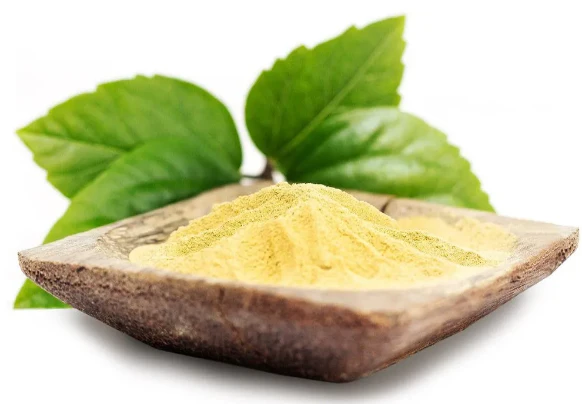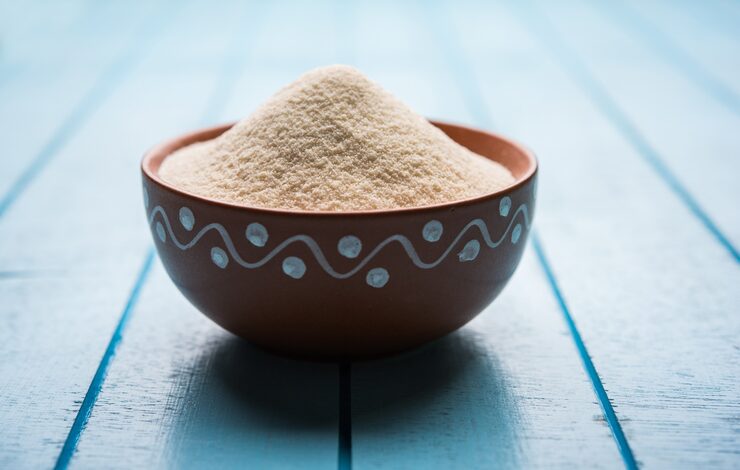
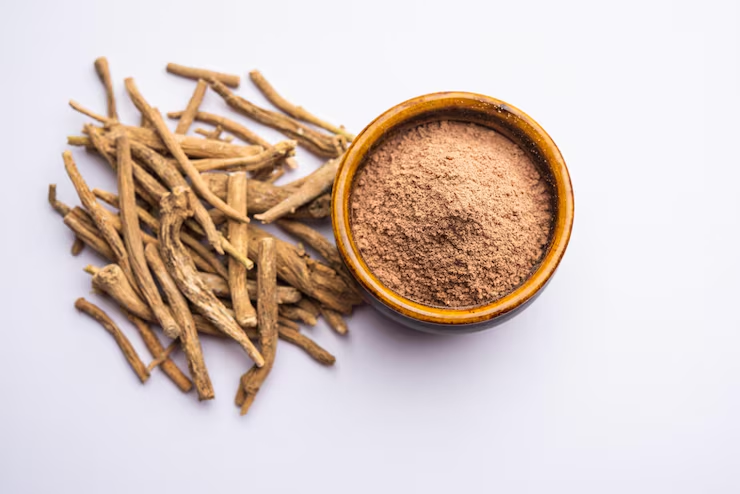
Ashwagandhadi Churna is a traditional Ayurvedic Rasayana formulation primarily used to support strength, vitality, stress resilience, recovery and reproductive wellness. The formulation combines Ashwagandha with nourishing herbs that help balance Vata dosha and support healthy tissue nourishment. It is commonly taken with milk or warm water and is traditionally used for fatigue, weakness and age-related decline in vitality.
Introduction
Modern lifestyles often demand more from the body and mind than ever before. Long working hours, irregular sleep, mental stress, poor dietary habits, excessive screen time and lack of physical recovery can gradually affect energy levels, vitality and overall well-being. In Ayurveda, these patterns are often linked to aggravated Vata dosha, weakened dhatus (body tissues) and reduced Ojas—the subtle essence associated with strength, resilience and vitality.
Among the traditional Ayurvedic formulations used to support nourishment and rejuvenation, Ashwagandhadi Churna holds a special place. Known for its strengthening, restorative and rejuvenative properties, this classical herbal powder has been traditionally used to support physical stamina, healthy stress adaptation, nervous system balance and reproductive wellness.
This comprehensive guide explores Ashwagandhadi Churna from both Ayurvedic and modern wellness perspectives, including its ingredients, traditional uses, potential benefits, dosage recommendations, safety considerations and frequently asked questions.
Quick Facts About Ashwagandhadi Churna
| Feature | Details |
| Formulation Type | Ayurvedic Herbal Powder |
| Main Ingredient | Ashwagandha (Withania somnifera) |
| Ayurvedic Category | Rasayana (Rejuvenative) |
| Traditional Actions | Balya, Brimhana, Vajikarana |
| Common Uses | Strength, vitality, recovery and wellness support |
| Dosha Action | Primarily supports Vata balance |
| Traditional Intake | With milk, ghee, honey or warm water |
| Suitable For | Adults seeking vitality and rejuvenative support |
What Is Ashwagandhadi Churna?
Ashwagandhadi Churna is a traditional Ayurvedic herbal formulation primarily centered around Ashwagandha (Withania somnifera) and other nourishing herbs that complement its rejuvenative properties. The formulation belongs to the category of Rasayana preparations, which are traditionally used in Ayurveda to support longevity, strength, tissue nourishment and overall vitality.
Unlike single-herb powders, Ashwagandhadi Churna is designed to provide a broader spectrum of support by combining herbs that work together to nourish the body at multiple levels. Ayurvedic practitioners have traditionally used such formulations for individuals experiencing weakness, fatigue, reduced stamina, stress-related exhaustion and age-related decline in vitality.
Rather than offering temporary stimulation, the Ayurvedic approach focuses on strengthening the body’s natural capacity for recovery and resilience. This is why Ashwagandhadi Churna is often considered a long-term wellness formulation rather than a quick-energy supplement.
The Ayurvedic Philosophy Behind Ashwagandhadi Churna
To understand why Ashwagandhadi Churna has remained relevant in Ayurvedic practice for generations, it is important to understand the traditional principles on which this formulation is based. Ayurveda does not focus only on temporary relief; instead, it emphasizes restoring balance, nourishing body tissues and supporting long-term vitality.
Rasayana: The Ayurvedic Approach to Rejuvenation
Ashwagandhadi Churna is traditionally classified under the Rasayana category of Ayurveda. Rasayana formulations are valued for supporting healthy aging, maintaining vitality and helping the body adapt to physical and mental stress over time.
Rather than providing a short-term boost, Rasayana herbs are traditionally used to nourish body tissues, support resilience and promote overall well-being as part of a healthy lifestyle.
Balya: Supporting Strength and Endurance
In Ayurveda, substances described as Balya are traditionally used to support physical strength, stamina and endurance. These formulations are often recommended when a person experiences tiredness, weakness or reduced vitality due to excessive work, stress or inadequate nourishment.
Ashwagandha, the primary herb in Ashwagandhadi Churna, has long been valued for its Balya properties and its role in supporting overall physical resilience.
Brimhana: Nourishing Depleted Tissues
Brimhana refers to therapies and herbs that help nourish and replenish the body’s tissues. This approach is particularly important for individuals experiencing physical depletion, unintended weight loss, reduced muscle mass or recovery after prolonged stress.
The nourishing nature of Ashwagandhadi Churna makes it a traditional choice for supporting healthy tissue development and overall vitality.
Vajikarana: Promoting Vitality and Reproductive Wellness
Vajikarana is a specialized branch of Ayurveda that focuses on reproductive health, vitality and the maintenance of healthy reproductive tissues. Herbs used in Vajikarana formulations are traditionally valued for supporting vigor, strength and overall well-being.
Because of its nourishing and rejuvenative properties, Ashwagandhadi Churna has historically been included in Ayurvedic wellness practices aimed at supporting vitality and reproductive health.
Why These Principles Matter
The traditional significance of Ashwagandhadi Churna lies in the combination of these Ayurvedic actions. By supporting nourishment (Brimhana), strength (Balya), rejuvenation (Rasayana) and vitality (Vajikarana), the formulation is traditionally used as a holistic wellness support rather than for addressing a single concern.
Ingredients of Ashwagandhadi Churna
The exact composition may vary among manufacturers, but Ashwagandha remains the primary ingredient in most formulations.
1. Ashwagandha (Withania somnifera)
Ashwagandha is one of the most respected herbs in Ayurveda and has been used for centuries as a Rasayana, or rejuvenative herb. Traditionally, it is valued for its ability to support strength, vitality and overall resilience while helping the body adapt to physical and mental stress.
Traditional Ayurvedic Actions
Supports Strength and Vitality
Ayurvedic practitioners traditionally recommend Ashwagandha to help maintain physical strength and stamina, particularly during periods of weakness, fatigue or increased physical demands.
Helps Maintain Healthy Energy Levels
Unlike stimulants that provide a temporary boost, Ashwagandha is traditionally used to support sustained energy by nourishing the body’s tissues and promoting overall balance.
Supports Nervous System Balance
According to Ayurveda, Ashwagandha helps calm aggravated Vata dosha, which may contribute to restlessness, nervous tension and mental fatigue.
Promotes Healthy Sleep
Ashwagandha has traditionally been used to support relaxation and encourage restful sleep, especially when sleep disturbances are linked to stress or excessive mental activity.
Supports Reproductive Wellness
In Ayurvedic practice, Ashwagandha is valued as a Vajikarana herb and is traditionally used to support reproductive health, vitality and overall well-being.
Encourages Recovery After Exertion
The herb is often included in rejuvenative formulations to support recovery following physical exertion and to help maintain endurance over time.
Modern Scientific Interest
In recent years, researchers have studied Ashwagandha for its potential role in supporting healthy stress responses, physical performance, sleep quality, cognitive function and healthy aging. While research findings continue to evolve, Ashwagandha remains one of the most widely investigated herbs in traditional wellness systems.
2. Vidarikand (Pueraria tuberosa)
Vidarikand is a traditional Ayurvedic herb known for its nourishing and rejuvenating properties. It is often included in formulations designed to support vitality, tissue nourishment and recovery from physical depletion.
Traditional Uses
Supports Healthy Tissue Nourishment
Ayurveda considers Vidarikand a Brimhana herb, meaning it is traditionally used to nourish and strengthen the body’s tissues.
Promotes Vitality
The herb has long been valued for supporting overall vigor and helping maintain a healthy sense of physical well-being.
Supports Recovery from Weakness
Vidarikand is traditionally used during periods of convalescence or physical exhaustion to help restore strength and support recovery.
Encourages Physical Endurance
Its nourishing nature makes it a popular ingredient in Ayurvedic formulations intended to support stamina and long-term physical resilience.
One of the reasons Vidarikand is commonly paired with Ashwagandha is its naturally cooling and nourishing character, which complements Ashwagandha’s strengthening and rejuvenative properties. Together, they create a balanced formulation traditionally used to support vitality, recovery and overall wellness.
Why Is the Combination of Ashwagandha and Vidarikand Traditionally Valued?
In Ayurveda, herbs are rarely selected based on a single property. Instead, formulations are designed so that different herbs complement each other and work in harmony. Ashwagandha and Vidarikand are traditionally combined because they provide both restorative and nourishing support, making the formulation suitable for individuals experiencing physical or mental depletion.
Ashwagandha: Supporting Adaptation and Resilience
Adaptogenic Support:
Ashwagandha is traditionally classified as a Rasayana herb that helps the body adapt to everyday physical and mental stressors while supporting overall balance and vitality.
Nervous System Nourishment:
According to Ayurvedic principles, Ashwagandha helps nourish the nervous system and is often used to support calmness, mental stability and healthy sleep patterns.
Stress Resilience:
By supporting balanced Vata dosha, Ashwagandha is traditionally valued for helping individuals maintain resilience during periods of stress, overwork or fatigue.
Physical Endurance:
Ashwagandha has long been used to promote strength and stamina, making it a popular herb for individuals seeking support for physical performance and recovery.
Vidarikand: Promoting Nourishment and Restoration
Tissue Nourishment:
Vidarikand is traditionally regarded as a nourishing herb that supports the healthy development and maintenance of body tissues, particularly during periods of weakness or depletion.
Recovery Support:
Its rejuvenating nature makes it useful in Ayurvedic wellness practices aimed at restoring strength after physical exertion or prolonged fatigue.
Rejuvenative Properties:
As a Rasayana herb, Vidarikand is traditionally used to promote vitality, support healthy aging and encourage long-term wellness.Strength-Building Qualities:
Ayurvedic practitioners have historically included Vidarikand in formulations intended to support strength, endurance and overall physical well-being.
How These Herbs Work Together
When combined, Ashwagandha and Vidarikand offer a complementary approach to wellness. Ashwagandha is traditionally used to support adaptation, resilience and nervous system balance, while Vidarikand contributes nourishment and restorative support. Together, they help create a formulation that addresses both the body’s need for recovery and its capacity to maintain strength and vitality over time.
Ayurvedic Properties of Ashwagandhadi Churna
| Ayurvedic Attribute | Traditional Description |
| Rasa (Taste) | Predominantly Madhura (sweet) |
| Guna (Qualities) | Guru (heavy), Snigdha (unctuous) |
| Virya (Potency) | Generally Ushna (warming) |
| Vipaka (Post-Digestive Effect) | Madhura |
| Dosha Effect | Primarily supports Vata balance |
| Dhatu Support | Mamsa, Majja and Shukra Dhatu |
What Does This Mean?
In practical terms, these properties indicate that the formulation is traditionally regarded as nourishing, strengthening and supportive for individuals experiencing depletion, dryness, weakness or excessive stress.
Traditional Ayurvedic Uses of Ashwagandhadi Churna
Ashwagandhadi Churna has been traditionally used in Ayurveda for a variety of wellness purposes. Below, we explore its key traditional uses and understand how this classical formulation supports strength, vitality and overall well-being according to Ayurvedic principles.
Supports General Weakness and Fatigue
According to Ayurveda, Ashwagandhadi Churna is traditionally used when the body experiences weakness due to physical exhaustion, mental stress or inadequate nourishment. Its nourishing herbs are valued for supporting strength, stamina and overall vitality.
Helps Recovery After Physical Exertion
Individuals engaged in strenuous physical activity may experience gradual depletion of energy and body tissues. Traditionally, Ashwagandhadi Churna is used to support recovery, maintain endurance and promote physical resilience.
Promotes Nervous System Balance
Ayurvedic texts describe Ashwagandha as a herb that supports balance in Vata-related conditions. Ashwagandhadi Churna is traditionally used to promote mental calmness, support concentration and encourage healthy sleep patterns.
Supports Healthy Aging and Longevity
As a Rasayana formulation, Ashwagandhadi Churna is traditionally used to nourish body tissues and support vitality as people age. Regular use under professional guidance is often associated with maintaining strength, mobility and overall wellness.
Supports Reproductive Health and Vitality
In traditional Ayurvedic practice, Ashwagandhadi Churna is valued for supporting healthy reproductive tissues and overall vitality. It has long been used in formulations intended to promote vigor, endurance and reproductive wellness.
Potential Benefits of Ashwagandhadi Churna
While individual results may vary, Ashwagandhadi Churna is traditionally used in Ayurveda to support strength, vitality and overall well-being. Its benefits are largely attributed to the rejuvenative properties of Ashwagandha and other nourishing herbs present in the formulation.
Supports Healthy Energy Levels
Ashwagandhadi Churna is traditionally used to help combat feelings of tiredness and physical weakness. Unlike quick-energy stimulants, Ayurvedic Rasayana formulations aim to support long-term vitality by nourishing the body’s tissues and promoting overall balance.
Helps Promote Physical Strength and Endurance
In Ayurvedic practice, Ashwagandha is valued for its Balya (strength-promoting) properties. Regular use alongside a nutritious diet and active lifestyle may help support stamina, physical performance and recovery from daily exertion.
Supports Stress Resilience
Ashwagandha is widely known as an adaptogenic herb that helps the body cope with everyday stress more effectively. Traditionally, it has been used to support emotional balance and promote a sense of calm during mentally demanding periods.
Encourages Healthy Sleep Patterns
A restless mind and poor-quality sleep can gradually affect energy and overall wellness. Because Ashwagandha is traditionally used to support nervous system balance, many people include Ashwagandhadi Churna in their evening routine to promote relaxation and healthy sleep habits.
Supports Cognitive Wellness
Ayurvedic texts describe Ashwagandha as a herb that supports mental clarity and concentration. It is traditionally used to help maintain focus, memory and overall cognitive performance, particularly during periods of mental fatigue.
Supports Muscle Recovery
Physical activity places continuous demands on muscles and body tissues. Traditionally, nourishing herbs such as Ashwagandha and Vidarikand have been used to support recovery and help the body adapt to physical exertion more efficiently.
Supports Healthy Aging
Ayurveda emphasizes maintaining vitality throughout all stages of life rather than simply addressing age-related concerns later. Rasayana formulations like Ashwagandhadi Churna are traditionally used to support strength, resilience and overall wellness as individuals grow older.
Supports Ojas According to Ayurveda
In Ayurveda, Ojas is considered the essence of vitality, strength and overall resilience. Ashwagandhadi Churna is traditionally used as part of rejuvenative wellness practices that help nourish the body and support healthy Ojas over time.
Ashwagandhadi Churna for Men
In Ayurveda, Ashwagandhadi Churna has traditionally been used as a rejuvenative formulation for men seeking support for overall vitality, strength and long-term wellness. Its nourishing herbs are valued for helping maintain physical performance, support recovery and promote balance during periods of mental or physical strain.
Physical Endurance
Men involved in physically demanding work, regular exercise or sports may experience fatigue due to continuous exertion. Ashwagandhadi Churna is traditionally used to support stamina and help the body recover from everyday physical stress.
Healthy Energy Levels
Unlike stimulant-based products that provide short-term energy, Ashwagandhadi Churna is traditionally valued for supporting sustained vitality through nourishment of the body’s tissues. This makes it a popular choice among individuals looking to maintain consistent energy throughout the day.
Strength Maintenance
According to Ayurvedic principles, maintaining strength depends on proper nourishment of the body’s tissues. The herbs in Ashwagandhadi Churna are traditionally used to support muscle strength, physical resilience and overall robustness when combined with a balanced lifestyle.
Reproductive Wellness
Ashwagandhadi Churna has long been included in Ayurvedic wellness practices aimed at supporting healthy reproductive tissues and overall vitality. Traditionally, such formulations are used as part of a holistic approach to men’s wellness rather than for addressing a specific medical condition.
Recovery from Physical Exertion
Intense physical activity can place additional demands on the body. The nourishing nature of Ashwagandhadi Churna makes it a traditional choice for supporting post-exercise recovery and helping individuals maintain an active lifestyle.
From an Ayurvedic perspective, men’s vitality is influenced by proper digestion, balanced doshas and healthy tissue nourishment. Ashwagandhadi Churna is traditionally valued because it addresses these foundational aspects of wellness rather than simply providing temporary stimulation.
Ashwagandhadi Churna for Women
Although Ashwagandhadi Churna is often discussed in relation to male vitality, traditional Ayurvedic practice also recognizes its role in supporting women’s overall wellness when used appropriately and under professional guidance. Its nourishing and rejuvenative properties have traditionally been valued for maintaining strength, vitality and balance during different stages of adult life.
Supports Energy and Vitality
Daily responsibilities, work-related stress and lifestyle demands can sometimes leave women feeling physically drained. In Ayurveda, Ashwagandhadi Churna is traditionally used to support natural energy levels and help maintain overall vitality without relying on temporary stimulants.
May Help Reduce Physical Fatigue
Periods of increased workload, travel, exercise or inadequate rest can contribute to feelings of tiredness. The nourishing herbs present in Ashwagandhadi Churna are traditionally used to support recovery and promote a sense of physical well-being.
Supports Stress Resilience
Mental and emotional stress can affect overall wellness, sleep quality and daily productivity. Ashwagandha, the primary ingredient in the formulation, is traditionally regarded as a herb that helps the body adapt to everyday stress while supporting emotional balance.
Promotes General Wellness
Ayurveda focuses on maintaining harmony within the body rather than addressing isolated concerns. Ashwagandhadi Churna is traditionally used as part of a broader wellness routine aimed at supporting strength, nourishment and overall health.
Supports Healthy Aging
As women age, maintaining energy, mobility and vitality becomes increasingly important. Traditional Rasayana formulations such as Ashwagandhadi Churna are valued in Ayurveda for their rejuvenative properties and their role in supporting healthy aging practices.
Important: Pregnant or breastfeeding women, as well as those with existing medical conditions or taking medications, should consult a qualified healthcare professional before using Ashwagandhadi Churna.
Ashwagandhadi Churna for Athletes and Active Individuals
Athletes, fitness enthusiasts and individuals with physically demanding lifestyles often place significant stress on their muscles, joints and nervous system. In Ayurveda, maintaining strength and proper recovery is considered essential for long-term performance and overall well-being. Ashwagandhadi Churna has traditionally been used as a nourishing Rasayana formulation that supports the body’s natural recovery processes and vitality.
Supports Physical Strength
Ashwagandha is traditionally valued for promoting strength and endurance. Regular use as part of a balanced lifestyle may help active individuals maintain physical performance during periods of intense training or physical exertion.
Helps Maintain Endurance
Sustained physical activity requires both energy and resilience. Traditionally, Ashwagandhadi Churna has been used to support stamina and help the body adapt to the demands of regular exercise and strenuous activity.
Encourages Recovery After Exercise
Recovery is an important part of any fitness routine. The nourishing herbs present in Ashwagandhadi Churna are traditionally used to support tissue nourishment and help the body recover after physical effort.
Supports Adaptation to Physical Stress
Intense training places stress on multiple body systems. Ashwagandha is widely recognized in Ayurveda for its adaptogenic properties, which may help the body maintain balance during periods of increased physical and mental demand.
Promotes Muscle Nourishment
According to Ayurvedic principles, proper nourishment of muscle tissue (Mamsa Dhatu) is essential for strength and stability. Ashwagandhadi Churna is traditionally used to support healthy tissue nourishment and overall vitality.
While Ashwagandhadi Churna may complement an active lifestyle, it should be viewed as part of a broader wellness approach that includes appropriate training, balanced nutrition, adequate hydration and sufficient rest.
Who May Benefit From Ashwagandhadi Churna?
Ashwagandhadi Churna is traditionally used in Ayurveda to support strength, vitality and overall well-being. Depending on an individual’s constitution, lifestyle and health goals, the formulation may be considered in the following situations:
Individuals Experiencing Low Energy Levels
People who often feel low on energy despite adequate rest may consider Ashwagandhadi Churna as part of a balanced wellness routine. Traditionally, it is used to support vitality and help maintain physical and mental stamina.
Those Dealing with Physical Fatigue
Continuous work, intense physical activity or a demanding lifestyle can sometimes contribute to feelings of tiredness and exhaustion. Ayurvedic practitioners have traditionally used nourishing formulations like Ashwagandhadi Churna to support recovery and strength.
Active Individuals and Fitness Enthusiasts
Individuals involved in regular exercise, sports or physically demanding activities may use Ashwagandhadi Churna to complement their recovery and wellness goals. Its traditional use focuses on supporting endurance, resilience and tissue nourishment.
People Experiencing Stress-Related Exhaustion
Periods of prolonged mental stress can affect overall well-being and energy levels. Ashwagandha, the primary ingredient in the formulation, is traditionally valued for supporting the body’s natural ability to adapt to everyday stress.
Individuals Recovering from Physical Exertion
Following intense physical activity or prolonged periods of exertion, the body requires adequate nourishment and recovery. Ashwagandhadi Churna has traditionally been used as a rejuvenative formulation to support this process.
Adults Focused on Healthy Aging
As people age, maintaining strength, mobility and vitality becomes increasingly important. In Ayurveda, Rasayana formulations such as Ashwagandhadi Churna are traditionally used to support long-term wellness and healthy aging practices.
Those Seeking Overall Vitality and Wellness Support
Many individuals incorporate Ayurvedic formulations into their daily routine not for a specific concern but to support general health and vitality. Ashwagandhadi Churna is traditionally valued for promoting balance, nourishment and overall well-being.
Important: Individual suitability may vary based on age, body constitution (Prakriti), current health status and existing medical conditions. Consulting a qualified Ayurvedic practitioner Important: Individual suitability may vary based on age, body constitution (Prakriti), current health status and existing medical conditions. Consulting a qualified Ayurvedic practitioner or healthcare professional can help determine whether Ashwagandhadi Churna is appropriate for your specific needs.
How to Take Ashwagandhadi Churna
Ashwagandhadi Churna is traditionally consumed once or twice daily with warm milk, honey, ghee or water. The appropriate dosage and timing depend on individual health needs, body constitution and wellness goals, making personalized guidance important for optimal results.
General Dosage
The commonly recommended dosage of Ashwagandhadi Churna is 3–6 grams once or twice daily, although the exact amount may vary depending on an individual’s age, body constitution, digestive capacity and overall health goals. For personalized recommendations, it is always advisable to consult a qualified Ayurvedic practitioner who can determine the appropriate dosage based on your specific needs.
Best Time to Take Ashwagandhadi Churna
In the Morning
Many people prefer taking Ashwagandhadi Churna in the morning as part of their daily wellness routine. Traditionally, morning consumption is considered beneficial for individuals looking to support energy, physical stamina and overall vitality throughout the day.
In the Evening
Taking Ashwagandhadi Churna in the evening may be suitable for those who wish to support recovery after a physically or mentally demanding day. In Ayurvedic practice, it is often used as part of a restorative routine aimed at promoting balance and rejuvenation.
Before Bedtime
Ashwagandhadi Churna is traditionally consumed with warm milk before bedtime. This method is commonly preferred by individuals seeking relaxation, nourishment and support for overall well-being as part of their nightly routine.
Traditional Ways to Consume Ashwagandhadi Churna
Ashwagandhadi Churna is most commonly taken with warm milk, which is traditionally believed to enhance its nourishing and rejuvenating properties. Depending on individual preferences and Ayurvedic recommendations, it may also be mixed with honey, ghee or warm water. The choice of carrier can vary according to a person’s constitution, digestive strength and wellness objectives.
How Long Does It Take to Notice Results?
Ashwagandhadi Churna is traditionally used as a rejuvenative Ayurvedic formulation, which means its effects are generally gradual rather than immediate. The timeframe for noticeable results can vary from person to person based on several individual and lifestyle factors.
People who maintain a balanced diet rich in wholesome foods may experience better outcomes, as proper nutrition supports the body’s natural healing and nourishment processes. Similarly, individuals who follow healthy lifestyle habits such as regular exercise and consistent daily routines often respond more effectively to Ayurvedic wellness practices.
Stress levels can also influence results. Those experiencing chronic mental or physical stress may require a longer period of consistent use before noticing meaningful improvements in energy, vitality or overall well-being. Adequate sleep is equally important, as quality rest allows the body to recover and fully benefit from rejuvenative herbs.
Ayurveda also recognizes that every individual has a unique body constitution, or Prakriti. Factors such as age, digestive strength, current health status and overall vitality can affect how quickly the body responds to herbal formulations.
While some individuals may notice positive changes in energy levels, recovery or general wellness within a few weeks, traditional Ayurvedic practice typically recommends consistent use for several weeks to a few months to fully appreciate the nourishing and rejuvenative benefits of Ashwagandhadi Churna.
Typical Timeline
First 2–4 Weeks: Some individuals may begin to notice improvements in overall energy, daily stamina and general well-being.
After 4–8 Weeks: Consistent use, along with a healthy lifestyle, may support better resilience to everyday stress, improved recovery and enhanced vitality.
After 2–3 Months: The deeper rejuvenative benefits traditionally associated with Rasayana herbs, including long-term nourishment and vitality support, may become more apparent.
Important: Individual experiences can vary. For personalized guidance on dosage and duration of use, it is advisable to consult a qualified Ayurvedic practitioner.
Safety and Precautions
Ashwagandhadi Churna is generally well tolerated when taken in the recommended amount and under the guidance of a qualified Ayurvedic practitioner. However, individual health conditions, medications and physiological differences can influence how the body responds to herbal formulations. For this reason, certain individuals should seek professional medical advice before adding Ashwagandhadi Churna to their wellness routine.
Pregnancy
Pregnant women should consult their healthcare provider before using Ashwagandhadi Churna. Although Ashwagandha has a long history of traditional use in Ayurveda, herbal supplements should only be taken during pregnancy under professional supervision to ensure safety for both mother and baby.
Breastfeeding
Women who are breastfeeding are advised to seek medical or Ayurvedic guidance before using Ashwagandhadi Churna. Limited clinical evidence is available regarding its use during lactation, making individualized professional advice important.
Thyroid Disorders
Ashwagandha may influence thyroid hormone activity in some individuals. People with thyroid conditions or those taking thyroid medications should discuss its use with their healthcare provider to determine whether dosage adjustments or monitoring may be necessary.
Autoimmune Conditions
Individuals living with autoimmune disorders such as rheumatoid arthritis, lupus or multiple sclerosis should consult their physician before using Ashwagandhadi Churna. Herbal products that affect immune function may not be suitable for every individual or medical situation.
Prescription Medications
If you are currently taking prescription medications, including medicines for blood pressure, blood sugar management, sleep or mental well-being, it is advisable to speak with a healthcare professional before starting Ashwagandhadi Churna to avoid potential interactions.
Chronic Health Conditions
People managing long-term health conditions such as diabetes, cardiovascular disorders, kidney disease or liver concerns should seek personalized guidance before using any herbal supplement, including Ashwagandhadi Churna.
Ongoing Medical Treatment
Those undergoing active medical treatment or following a physician-directed treatment plan should consult their healthcare provider before introducing herbal formulations. This helps ensure that the supplement complements existing care and does not interfere with treatment goals.
Possible Side Effects of Ashwagandhadi Churna
Most healthy adults tolerate Ashwagandhadi Churna well when consumed in appropriate amounts. However, as with any herbal formulation, mild side effects may occasionally occur in sensitive individuals.
Digestive Discomfort
Some individuals may experience mild digestive symptoms such as stomach heaviness or abdominal discomfort, particularly when taking higher doses or consuming the formulation on an empty stomach.
Stomach Upset
Temporary stomach irritation, nausea or mild gastrointestinal uneasiness may occur in certain individuals. Taking the churna with milk, warm water or another suitable carrier may help improve tolerance.
Bloating
People with sensitive digestion may occasionally notice bloating or a feeling of fullness after use. Adjusting the dosage or timing of intake may help reduce such symptoms.
Drowsiness
Because Ashwagandha is traditionally associated with relaxation and nervous system support, some individuals may feel mildly sleepy or relaxed after consumption, especially when taken in the evening.
Feeling of Warmth or Heaviness
According to Ayurvedic principles, Ashwagandha possesses warming and nourishing qualities. In some individuals, particularly those prone to heat-related imbalance, this may create a temporary sensation of warmth or heaviness.
If any unexpected or persistent symptoms develop after taking Ashwagandhadi Churna, discontinue use and seek guidance from a qualified healthcare professional or Ayurvedic practitioner.
Potential Interactions
Individuals who are taking prescription medications should consult a qualified healthcare professional before adding Ashwagandhadi Churna to their wellness routine. Although traditional Ayurvedic herbs are generally used for supporting overall health, certain ingredients may influence how some medications work in the body.
Sedative Medications
Ashwagandha is traditionally known for supporting relaxation and restful sleep. When used alongside sedative or sleep-support medications, it may enhance their calming effects in some individuals. Professional guidance can help determine whether this combination is appropriate.
Thyroid Medications
Some research suggests that Ashwagandha may influence thyroid hormone activity. Individuals taking medication for thyroid-related conditions should consult their healthcare provider before using Ashwagandhadi Churna to ensure their treatment plan remains appropriate.
Blood Sugar Management Medications
Ashwagandha has been studied for its potential role in supporting healthy blood sugar levels. People using medications for blood sugar management should seek medical advice before use, as regular monitoring may be recommended.
Blood Pressure Medications
Certain herbal ingredients may support healthy cardiovascular function and could influence blood pressure regulation. Individuals taking blood pressure medications should discuss the use of Ashwagandhadi Churna with their healthcare provider to determine suitability based on their individual health needs.
Why Professional Guidance Matters
Every individual has unique health requirements, medication schedules and wellness goals. Consulting a qualified healthcare professional or Ayurvedic practitioner can help ensure that Ashwagandhadi Churna is used safely and appropriately as part of a personalized health plan.
How to Choose a High-Quality Ashwagandhadi Churna
The effectiveness of any Ayurvedic formulation depends not only on the herbs used but also on the quality standards followed during manufacturing. Before purchasing Ashwagandhadi Churna, consider the following factors:
Check the Ingredient List Carefully
Always read the label and ensure that all ingredients are clearly mentioned. Transparent labeling helps consumers understand exactly what they are consuming and reduces the risk of unwanted additives.
Choose a Trusted Ayurvedic Manufacturer
Products made by established Ayurvedic companies are generally more likely to follow recognized quality-control and manufacturing standards. Researching the brand’s reputation can help you make a more informed decision.
Look for GMP-Certified Manufacturing Facilities
Good Manufacturing Practices (GMP) certification indicates that the product is manufactured under standardized procedures designed to maintain consistency, hygiene and quality throughout production.
Verify Quality Testing and Safety Standards
Reputable manufacturers often conduct quality checks to evaluate identity, purity and safety before products reach consumers. This additional testing can provide greater confidence in the final product.
Prefer Brands With Transparent Sourcing Practices
The quality of Ayurvedic herbs depends heavily on where and how they are sourced. Brands that openly share information about ingredient sourcing and quality control often demonstrate a stronger commitment to product integrity.
Avoid Unnecessary Fillers and Artificial Additives
A high-quality Ashwagandhadi Churna should focus on the intended herbal ingredients rather than unnecessary fillers, artificial colors, flavors or preservatives that do not contribute to the traditional formulation.
Examine the Packaging and Storage Information
Proper packaging helps protect herbal powders from moisture, contamination and environmental damage. Always check the manufacturing date, expiry date and storage instructions before use.
Consider Third-Party Laboratory Testing When Available
Some manufacturers provide independent laboratory testing reports to verify product quality and purity. While not always mandatory, third-party testing can offer an additional level of assurance for consumers.
By paying attention to these quality indicators, consumers can make more informed choices and select an Ashwagandhadi Churna that aligns with recognized Ayurvedic quality standards and responsible manufacturing practices.
Final Thoughts
Ashwagandhadi Churna is a time-honored Ayurvedic formulation traditionally used to support strength, vitality, recovery and overall well-being. Centered around the renowned herb Ashwagandha and complemented by nourishing ingredients such as Vidarikand, the formulation reflects Ayurveda’s philosophy of restoring balance through nourishment rather than temporary stimulation.
Whether the goal is supporting healthy energy levels, maintaining physical endurance, promoting stress resilience or encouraging healthy aging, Ashwagandhadi Churna continues to be valued as a versatile Rasayana formulation. When combined with a balanced diet, quality sleep, regular exercise and professional guidance where appropriate, it can form part of a comprehensive wellness approach rooted in traditional Ayurvedic wisdom.
Disclaimer: This article is intended for educational purposes only and should not be considered medical advice. Always consult a qualified healthcare professional or Ayurvedic practitioner before starting any herbal supplement, particularly if you are pregnant, breastfeeding, taking medications or managing a medical condition.
Frequently Asked Questions
What is Ashwagandhadi Churna used for?
Traditionally, it is used to support strength, vitality, recovery, stress resilience, healthy aging and overall wellness.
Is Ashwagandhadi Churna the same as Ashwagandha powder?
No. Ashwagandha powder contains a single herb, whereas Ashwagandhadi Churna is typically a formulation containing Ashwagandha along with other complementary herbs.
Can Ashwagandhadi Churna be taken daily?
Many Ayurvedic practitioners recommend regular use for specific wellness goals, but the appropriate duration should be individualized.
What is the best time to take Ashwagandhadi Churna?
It may be taken in the morning, evening or before bedtime depending on individual needs and practitioner recommendations.
Can Ashwagandhadi Churna be taken with milk?
Yes. Warm milk is one of the most traditional methods of consumption in Ayurveda.
Does Ashwagandhadi Churna help with stress?
Ashwagandha is traditionally regarded as an adaptogenic herb that supports resilience to everyday stress and promotes overall balance.
Can women use Ashwagandhadi Churna?
Yes, under appropriate professional guidance and depending on individual circumstances.
Are there any side effects?
Most people tolerate it well, although mild digestive discomfort or drowsiness may occasionally occur.
References
The information presented in this article has been developed using classical Ayurvedic literature, government health resources and scientific research databases to provide a balanced understanding of Ashwagandhadi Churna, its traditional uses and modern evidence.
- Charaka Samhita. Available at: https://archive.org/details/CharakaSamhitaEnglish
- Ashtanga Hridayam. Available at: https://archive.org/details/ashtangahridayam
- Bhavaprakasha Nighantu. Available at: https://archive.org/details/BhavaprakashaNighantu
- National Center for Complementary and Integrative Health (NCCIH). Ashwagandha. Available at: https://www.nccih.nih.gov/health/ashwagandha
- PubMed Database – Ashwagandha Research. Available at: https://pubmed.ncbi.nlm.nih.gov/?term=ashwagandha
- Ministry of AYUSH, Government of India. Available at: https://www.ayush.gov.in
- Central Council for Research in Ayurvedic Sciences (CCRAS). Available at: https://ccras.nic.in
- Ayur Times. Ashwagandhadi Churna. Available at: https://www.ayurtimes.com/ashwagandhadi-churna/