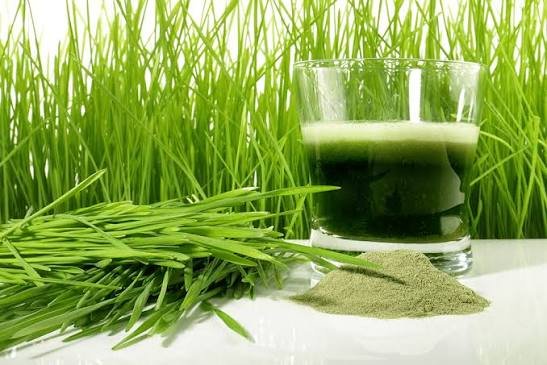

Have you ever wondered why wheatgrass powder is often called a green superfood? From smoothie bowls and wellness drinks to dietary supplements, this vibrant green powder has become a popular choice for people looking to support a healthy lifestyle. Rich in naturally occurring vitamins, minerals, antioxidants, chlorophyll, and plant compounds, wheatgrass powder is valued as a convenient way to increase the intake of nutrient-rich greens.
While wheatgrass has been used in natural wellness practices for decades, today’s interest is driven by growing research into plant-based nutrition. Scientists continue to explore how its antioxidant and nutrient content may support overall health. At the same time, it’s important to understand that wheatgrass powder is not a medicine or a cure for disease, and many proposed health benefits still require more high-quality human studies.
If you’re thinking about adding wheatgrass powder to your daily routine, you probably have questions:
- What exactly is wheatgrass powder?
- Is it good for your health?
- What nutrients does it provide?
- Are there any side effects?
- How much should you take?
- What’s the best time to use it?
- Is it safe for everyone?
This comprehensive guide answers these questions using current scientific knowledge and practical advice from a health-focused perspective. Whether you’re new to wheatgrass or comparing it with other green superfoods, you’ll learn how to use it wisely and what to expect.
What Is Wheatgrass Powder?
Wheatgrass powder is produced from the freshly harvested young shoots of the wheat plant (Triticum aestivum), typically collected within 7–10 days of sprouting. At this stage, the plant is rich in natural pigments, vitamins, minerals, enzymes, and beneficial plant compounds.
Unlike wheat flour, wheatgrass powder comes only from the grass, not from the mature grain. Because it is harvested before the seed forms, high-quality wheatgrass powder is generally considered gluten-free, although people with celiac disease should always choose products that are certified gluten-free to avoid possible cross-contamination.
After harvesting, manufacturers usually dry the grass using low-temperature methods to help retain heat-sensitive nutrients. The dried grass is then milled into a fine powder that can easily be mixed into water, smoothies, juices, yogurt, or other foods.
Today, wheatgrass powder is widely available in:
- Powder
- Capsules
- Tablets
- Drink mixes
- Smoothie blends
- Green superfood supplements
Its versatility makes it an easy addition to many daily wellness routines.
Why Has Wheatgrass Powder Become So Popular?
Interest in wheatgrass powder has grown steadily as more people look for simple ways to include nutrient-dense plant foods in their diet. Instead of relying solely on supplements that provide one or two nutrients, many consumers prefer whole-food powders that naturally contain a wide range of vitamins, minerals, and phytonutrients.
Several factors have contributed to its popularity:
Rich Source of Plant Nutrients
Wheatgrass contains naturally occurring vitamins, minerals, antioxidants, chlorophyll, amino acids, and beneficial plant compounds in one food source.
Convenient for Busy Lifestyles
Not everyone eats enough leafy green vegetables every day. Wheatgrass powder offers a quick way to add more greens to smoothies, juices, or water.
Fits Multiple Eating Patterns
It can be incorporated into vegetarian, vegan, and many plant-forward diets, making it a versatile option for a variety of lifestyles.
Growing Interest in Natural Wellness
Consumers are increasingly interested in foods that support overall wellness through balanced nutrition. Wheatgrass powder has become one of several popular “greens” alongside spirulina, barley grass, and moringa.
Easy to Include in Everyday Meals
Unlike fresh wheatgrass, which requires juicing equipment and has a very short shelf life, wheatgrass powder is portable, easy to store, and convenient to use at home or while traveling.
Health Expert’s Perspective
As nutrition science continues to evolve, it’s important to look beyond marketing claims. Wheatgrass powder is best viewed as a nutrient-rich food, not a miracle supplement.
People often expect one product to solve multiple health concerns, but no single superfood can replace a balanced diet, regular physical activity, quality sleep, and appropriate medical care. Wheatgrass powder may complement a healthy lifestyle by contributing valuable nutrients and antioxidants, but it should not be relied upon as a treatment for any disease.
The most meaningful benefits are likely to come when it is used consistently as part of an overall healthy eating pattern rather than as a quick fix.
Nutritional Highlights of Wheatgrass Powder
Wheatgrass powder contains a variety of naturally occurring nutrients that work together to support overall health. While the exact nutrient content varies by brand and processing method, it is commonly known for providing vitamins, minerals, antioxidants, and beneficial plant compounds.
Vitamins
Vitamin A (Beta-Carotene): Supports normal vision, healthy skin, and immune function. The body converts beta-carotene into vitamin A as needed.
Vitamin C: Helps protect cells from oxidative stress while supporting collagen production, wound healing, and immune health.
Vitamin E: A natural antioxidant that helps protect cells from free radical damage and contributes to healthy skin and immune function.
Vitamin K: Essential for normal blood clotting and maintaining healthy bones. People taking blood-thinning medication should consult their healthcare provider before increasing vitamin K intake.
B Vitamins (Including Folate): Help convert food into energy and support healthy brain function, red blood cell formation, and normal metabolism.
Essential Minerals
Iron: Supports the production of healthy red blood cells and helps transport oxygen throughout the body.
Magnesium: Contributes to muscle function, nerve signaling, energy production, and bone health.
Calcium: Helps maintain strong bones and teeth while supporting normal muscle and nerve function.
Potassium: Supports fluid balance, healthy muscle contractions, and normal blood pressure.
Zinc: Plays a role in immune function, wound healing, and normal cell growth, although wheatgrass contains only modest amounts.
Phosphorus: Works with calcium to support healthy bones and helps the body produce and store energy.
Manganese: Supports bone development and helps activate enzymes involved in metabolism and antioxidant defense.
Plant-Based Nutrients
Chlorophyll: Gives wheatgrass its vibrant green color and provides antioxidant properties that are currently being studied for their potential health benefits.
Flavonoids: Natural plant compounds that help protect cells from oxidative stress and support overall wellness.
Polyphenols: Act as antioxidants and may help reduce the effects of oxidative damage caused by free radicals.
Carotenoids: Plant pigments that support eye health and contribute to the body’s antioxidant defenses.
Other Naturally Occurring Components
Dietary Fiber: Supports healthy digestion and helps maintain regular bowel movements as part of a balanced diet.
Plant Protein: Provides small amounts of protein along with other nutrients, though it should not replace high-protein foods.
Amino Acids: Naturally occurring building blocks that support normal growth and repair processes in the body.
Natural Enzymes: Present in fresh wheatgrass, although some enzyme activity may decrease during processing and drying.
Potential Benefits of These Nutrients
Instead of relying on a single nutrient, wheatgrass powder provides a combination of vitamins, minerals, antioxidants, and plant compounds that work together as part of a balanced diet. When consumed regularly alongside healthy eating habits, these nutrients may help:
Support normal immune function and overall wellness.
Help protect cells from oxidative stress through natural antioxidants.
Contribute to healthy digestion when included in a fiber-rich diet.
Support healthy skin, vision, and bone health.
Provide additional plant-based nutrients for people who don’t eat enough leafy greens.
Health Expert Note: Wheatgrass powder should be viewed as a nutrient-rich whole food, not a substitute for fruits, vegetables, or medical treatment. Its greatest value comes from complementing a healthy lifestyle rather than acting as a miracle supplement.
Does Wheatgrass Powder Contain Protein?
Yes—but only in modest amounts.
While wheatgrass powder contains plant protein and amino acids, it should not be considered a high-protein food or a substitute for complete protein sources such as legumes, dairy, eggs, fish, or lean meats.
Instead, its nutritional value comes from the combination of vitamins, minerals, antioxidants, and phytonutrients rather than protein alone.
Science-Backed Health Benefits of Wheatgrass Powder
No single food can prevent or cure disease, but research suggests that wheatgrass powder may offer several potential health benefits when included as part of an overall healthy lifestyle.
Let’s look at what the current evidence says.
1. May Help Increase Your Intake of Essential Nutrients
Many adults fall short of the recommended intake for fruits and vegetables.
Wheatgrass powder provides a convenient way to add more plant-based nutrients to smoothies, juices, yogurt, or water.
Although it shouldn’t replace whole vegetables, it can complement a balanced diet by contributing additional vitamins, minerals, and beneficial plant compounds.
2. Provides Natural Antioxidant Support
One of the strongest areas of research on wheatgrass focuses on its antioxidant content.
Antioxidants help protect cells from oxidative stress, a natural process associated with aging and many chronic health conditions.
Laboratory and preliminary human studies suggest that wheatgrass contains compounds capable of neutralizing free radicals. However, researchers continue to investigate how these effects translate into long-term health outcomes in larger human studies.
3. May Support a Healthy Immune System
Healthy immune function depends on many factors, including adequate nutrition.
Because wheatgrass powder naturally contains vitamins A, C, E, iron, zinc (in small amounts), and antioxidant plant compounds, it can contribute nutrients that support normal immune function.
It’s important to note that wheatgrass powder does not “boost” the immune system in the way many advertisements claim. Instead, it may help support normal immune function as part of a nutritious diet and healthy lifestyle.
4. May Support Healthy Digestion
Wheatgrass powder contains dietary fiber and plant compounds that may contribute to digestive wellness.
Many people enjoy adding it to smoothies or juices as part of a fiber-rich diet that includes fruits, vegetables, legumes, and whole grains.
Digestive health depends on many lifestyle factors, so wheatgrass powder should be viewed as one supportive component rather than a standalone solution.
5. May Help Support Overall Wellness
Perhaps the greatest strength of wheatgrass powder lies in its overall nutritional profile rather than any single benefit.
By supplying a range of vitamins, minerals, antioxidants, and phytonutrients, it can help support healthy eating habits and overall wellness when used consistently alongside a balanced diet.
6. May Support Heart Health as Part of a Healthy Lifestyle
Heart health depends on many factors, including a balanced diet, regular physical activity, quality sleep, stress management, and avoiding tobacco. Wheatgrass powder alone cannot prevent or treat heart disease, but its naturally occurring nutrients may complement a heart-conscious lifestyle.
It contains:
Potassium, which helps maintain normal blood pressure when consumed as part of a balanced diet.
Antioxidants that help protect cells from oxidative stress.
Plant compounds such as flavonoids and polyphenols that continue to be studied for their role in cardiovascular wellness.
Some preliminary studies suggest wheatgrass may have a positive effect on certain cardiovascular markers. However, these findings are still limited, and more well-designed human research is required before drawing firm conclusions.
Practical Tip
For better heart health, focus on your overall dietary pattern. Pair wheatgrass powder with foods like leafy greens, berries, oats, nuts, seeds, beans, and healthy fats instead of relying on a single supplement.
7. May Help Support Healthy Blood Sugar Management
Blood sugar management is a common reason people search for wheatgrass powder online. Some early studies suggest that wheatgrass contains compounds that may influence glucose metabolism, but the evidence is not yet strong enough to recommend it as a treatment for diabetes.
If you have diabetes or prediabetes:
- Continue following your healthcare provider’s advice.
- Never replace prescribed medications with wheatgrass powder.
- Monitor your blood sugar if you introduce any new dietary supplement.
Health Expert Insight
The most effective strategies for blood sugar management remain:
- Eating a balanced diet rich in fiber.
- Maintaining a healthy body weight.
- Exercising regularly.
- Taking prescribed medications when needed.
Wheatgrass powder may be one part of an overall healthy eating pattern, but it should not be considered a substitute for medical care.
8. May Support Healthy Weight Management
Many websites claim wheatgrass powder “burns fat” or causes rapid weight loss. These claims are not supported by strong scientific evidence.
Instead, wheatgrass powder may support weight management in more realistic ways:
It Can Be Part of a Nutrient-Dense Diet
Replacing sugary beverages with a wheatgrass smoothie made with fruits and vegetables may help improve overall diet quality.
It May Encourage Healthier Food Choices
People who regularly consume green smoothies or nutrient-rich beverages often adopt other healthy habits, such as eating more vegetables and reducing ultra-processed foods.
It Is Naturally Low in Calories
When used without added sugars, wheatgrass powder provides nutrients without significantly increasing calorie intake.
Bottom Line: Wheatgrass powder does not directly cause weight loss, but it can fit into a healthy eating plan designed to support weight management.
9. May Contribute to Healthy Skin
Healthy skin reflects many aspects of overall health, including hydration, nutrition, sleep, sun protection, and genetics.
Because wheatgrass powder contains vitamins A, C, E, and antioxidant plant compounds, it may help support normal skin health by contributing important nutrients to the diet.
Potential nutritional benefits include:
- Vitamin C supports normal collagen formation.
- Vitamin A contributes to healthy skin maintenance.
- Vitamin E helps protect cells from oxidative stress.
- Antioxidants help reduce oxidative damage caused by environmental factors.
What It Doesn’t Do
There is no reliable evidence that wheatgrass powder can eliminate wrinkles, cure acne, or dramatically improve skin appearance on its own.
Think of it as one small part of a comprehensive skincare and nutrition routine.
10. May Support Exercise Recovery
Active individuals often look for foods rich in antioxidants to help support recovery after exercise.
Although research specifically on wheatgrass powder and athletic performance is still limited, its nutritional profile makes it a reasonable addition to a balanced recovery meal.
It can easily be blended into:
- Protein smoothies
- Fruit shakes
- Green juices
- Yogurt bowls
Pairing wheatgrass powder with adequate protein, carbohydrates, hydration, and rest is far more important than relying on any single ingredient.
11. May Help Increase Daily Vegetable Intake
One of the simplest benefits of wheatgrass powder is that it makes eating more greens easier.
Many adults struggle to meet the recommended intake of vegetables each day. Adding a serving of wheatgrass powder to a morning smoothie can increase the variety of plant foods in your diet.
However, remember that powdered greens should complement—not replace—whole vegetables, which provide fiber, water, and a broader range of nutrients.
12. May Support Healthy Aging Through Antioxidant Intake
As we age, our bodies naturally experience increased oxidative stress.
A diet rich in colorful fruits, vegetables, herbs, and whole grains provides antioxidants that help protect cells from everyday oxidative damage.
Wheatgrass powder contributes antioxidants to this overall dietary pattern and may help support healthy aging when combined with other nutritious foods and healthy lifestyle habits.
Common Myths About Wheatgrass Powder
The popularity of wheatgrass has led to many exaggerated claims online. Let’s separate fact from fiction.
| Myth | Reality |
| Wheatgrass powder detoxifies the body. | Your liver and kidneys are your body’s natural detoxification system. Wheatgrass powder supports nutrition but does not “flush toxins.” |
| Wheatgrass powder cures diseases. | There is no scientific evidence that wheatgrass powder cures cancer, diabetes, heart disease, or any other medical condition. |
| More wheatgrass powder means better results. | Taking more than recommended may increase the risk of digestive discomfort without providing additional proven benefits. |
| Wheatgrass powder replaces vegetables. | Whole vegetables provide fiber, texture, and a wide variety of nutrients that powders cannot fully replace. |
| Everyone should take wheatgrass powder. | Some individuals, such as those with allergies, certain medical conditions, or those taking specific medications, should consult a healthcare professional before using it regularly. |
What Current Research Says
Research on wheatgrass powder is promising, but it’s important to understand the quality of the evidence.
Laboratory Studies
Researchers have observed antioxidant activity and other biological effects in laboratory settings. These studies help explain how certain plant compounds work but cannot predict how they affect people in real life.
Animal Studies
Some animal studies have reported positive findings related to oxidative stress and metabolic health. While useful for generating hypotheses, these results do not automatically apply to humans.
Human Studies
A limited number of small human studies have explored wheatgrass in different health contexts. Some findings are encouraging, but most studies involve small sample sizes or specific populations.
Overall Scientific Consensus
Current evidence supports wheatgrass powder as a nutrient-rich food that may contribute to a healthy diet. However, more large, high-quality clinical trials are needed before making strong recommendations for many of the health claims commonly seen online.
How to Use Wheatgrass Powder
One of the biggest advantages of wheatgrass powder is its versatility. Unlike fresh wheatgrass, which often requires a juicer and immediate consumption, wheatgrass powder is easy to store and can be added to many everyday foods and beverages.
If you’re trying wheatgrass powder for the first time, start with a small amount and gradually increase your intake as your body adjusts to its taste and fiber content.
Easy Ways to Add Wheatgrass Powder to Your Diet
1. Mix It with Water
The easiest way to enjoy wheatgrass powder is by mixing it into a glass of cold water. This option is quick, low in calories, and ideal for busy mornings.
Best for:
- Quick morning drink.
- People who prefer a simple, low-calorie option.
Tip: Stir well and drink immediately for the freshest taste.
2. Add It to Smoothies
Smoothies are one of the most popular ways to enjoy wheatgrass powder because fruits naturally balance its earthy taste while adding extra nutrients.
Try adding:
- Banana or berries for natural sweetness.
- Yogurt, spinach, and chia seeds for a more balanced smoothie.
3. Blend It into Green Juices
Wheatgrass powder mixes well with fresh vegetable and fruit juices, making it easier to enjoy its natural flavor.
Good combinations include:
- Cucumber, celery, and lemon.
- Apple, ginger, and fresh mint.
4. Stir It into Yogurt
Mix a small serving into plain yogurt for a quick breakfast or healthy snack that’s rich in protein and probiotics.
Top it with:
- Fresh fruit or berries.
- Nuts, seeds, or granola for extra crunch.
5. Add It to Overnight Oats
A small amount of wheatgrass powder can be mixed into overnight oats without changing the texture too much.
Pair it with:
- Chia seeds and berries.
- Cinnamon and a spoonful of nut butter.
6. Make a Refreshing Green Drink
For a light and refreshing drink, combine wheatgrass powder with hydrating ingredients instead of sugary beverages.
Popular choices include:
- Coconut water and lemon juice.
- Mint leaves with ice for extra freshness.
If You Don’t Like the Taste, Try Mixing It With
Wheatgrass powder has a naturally earthy flavor, but pairing it with naturally sweet fruits can make it much more enjoyable.
Best fruits to pair with:
- Banana or mango for a creamy texture.
- Pineapple or orange for a fresh, citrus flavor.
- Apple, kiwi, or mixed berries for a balanced taste.
What Does Wheatgrass Powder Taste Like?
Many first-time users are surprised by its distinctive flavor.
Wheatgrass powder has an earthy, grassy, and slightly sweet taste. Some people enjoy it plain, while others prefer mixing it with fruit to make it more palatable.
If You Don’t Like the Taste, Try Mixing It With:
- Banana
- Pineapple
- Mango
- Apple
- Orange
- Lemon
- Kiwi
- Mixed berries
These fruits naturally balance wheatgrass’s strong green flavor without requiring added sugar.
Recommended Wheatgrass Powder Dosage
Because products vary in concentration and processing methods, there is no single dosage that fits everyone.
General Starting Amount
If you’re new to wheatgrass powder:
Start with:
- 1–2 teaspoons (approximately 3–5 grams) per day, or follow the serving size recommended by the manufacturer.
Starting with a smaller amount allows you to see how your digestive system responds before increasing your intake.
Can You Take More?
Some products recommend higher daily servings, but taking more does not necessarily provide greater health benefits.
More isn’t always better—consistency matters more than quantity.
How Often Should You Take Wheatgrass Powder?
Most people who use wheatgrass powder include it once daily as part of breakfast or a morning snack.
If your healthcare provider recommends a different routine based on your nutritional needs, follow their guidance.
Best Time to Take Wheatgrass Powder
One of the most frequently searched questions is:
Should You Take Wheatgrass Powder in the Morning or at Night?
The answer is simple:
There isn’t a scientifically proven “best” time to take wheatgrass powder.
The ideal time is the one that fits your daily routine and helps you use it consistently.
Morning
Many people prefer taking wheatgrass powder in the morning because it’s easy to include in breakfast smoothies or juices.
Potential Advantages
- Helps establish a consistent habit.
- Pairs well with other nutrient-rich breakfast foods.
- Convenient for busy schedules.
Before Meals
Some people like taking wheatgrass powder before meals because it encourages them to include more nutrient-dense foods throughout the day.
However, there is no strong evidence that taking it before meals provides unique health benefits.
With Meals
Taking wheatgrass powder alongside a balanced meal may be easier on the stomach for individuals who experience mild digestive sensitivity.
Evening
There’s no evidence that taking wheatgrass powder at night is harmful for most healthy adults.
Choose the timing that you can maintain consistently.
Should You Take Wheatgrass Powder on an Empty Stomach?
Some wellness blogs recommend consuming wheatgrass powder on an empty stomach, claiming it improves absorption or detoxification.
Current scientific evidence does not support these claims.
If taking wheatgrass powder on an empty stomach causes nausea or stomach discomfort, simply enjoy it with food instead.
How Long Does It Take to Notice Results?
Many people expect immediate changes after adding wheatgrass powder to their diet.
In reality, nutrition works differently.
The benefits of nutrient-rich foods are generally linked to consistent, long-term healthy eating habits, not overnight results.
Some individuals report feeling more motivated to maintain healthy routines after incorporating green powders into their diets, but experiences vary widely from person to person.
Can You Take Wheatgrass Powder Every Day?
For most healthy adults, using wheatgrass powder daily within the recommended serving size is generally considered acceptable as part of a balanced diet.
However, it should complement—not replace—whole vegetables, fruits, lean proteins, whole grains, and healthy fats.
If you experience persistent digestive discomfort or any unusual symptoms, discontinue use and consult a healthcare professional.
Can You Mix Wheatgrass Powder with Coffee?
Technically, yes—but it’s usually not recommended.
Coffee’s strong flavor tends to overpower wheatgrass, and the combination isn’t appealing to most people.
Instead, pair wheatgrass powder with:
- Smoothies
- Water
- Fresh juices
- Yogurt
- Coconut water
- Plant-based milk
These options provide a much better taste and overall experience.
Common Mistakes People Make When Using Wheatgrass Powder
Many people unknowingly reduce the benefits of wheatgrass powder by making simple mistakes. Avoid these common pitfalls:
1. Expecting Instant Results
Wheatgrass powder supports a healthy diet but is not a quick fix or miracle solution.
2. Taking Too Much Too Soon
Starting with large servings may increase the likelihood of digestive discomfort.
Instead, begin with the recommended serving and increase only if appropriate.
3. Replacing Vegetables with Wheatgrass Powder
Whole vegetables provide fiber, water, texture, and a wider variety of nutrients.
Think of wheatgrass powder as an addition to your diet—not a replacement.
4. Ignoring Product Quality
Not all supplements are created equal.
Choose products from reputable manufacturers that:
- Clearly list ingredients.
- Avoid unnecessary fillers.
- Use quality testing practices.
- Offer transparent sourcing information.
We’ll discuss how to choose a high-quality wheatgrass powder in detail later in this guide.
5. Believing Marketing Hype
If a product claims to cure diseases, melt fat, or detox your body,” be skeptical.
Reliable health information should be based on scientific evidence—not exaggerated promises.
Is Wheatgrass Powder Safe?
For most healthy adults, wheatgrass powder is generally considered safe when consumed in moderation and according to the manufacturer’s instructions. However, its safety depends on individual health conditions, medications, product quality, and the amount consumed.
Before adding wheatgrass powder to your routine, consider the following factors:
Overall health: Your age, lifestyle, and current health status can influence how your body responds to dietary supplements.
Medical conditions: People with chronic illnesses or weakened immune systems should consult a healthcare professional before regular use.
Prescription medications: Wheatgrass may interact with certain medications, particularly blood thinners, so professional guidance is recommended.
Product quality: Choose products from trusted manufacturers that follow quality testing and clearly list all ingredients.
Serving size: Stick to the recommended serving on the product label instead of assuming that larger amounts provide greater benefits.
Possible Side Effects of Wheatgrass Powder
Most people tolerate wheatgrass powder well. If side effects occur, they are usually mild, temporary, and more likely when using it for the first time or consuming larger-than-recommended servings.
1. Digestive Discomfort
Some individuals may experience mild digestive changes while their body adjusts to wheatgrass powder.
Common symptoms may include:
Bloating: A feeling of fullness or abdominal swelling that usually improves as your digestive system adapts.
Mild stomach discomfort: Some people notice temporary stomach irritation, especially if taken on an empty stomach.
Gas: Increased intestinal gas may occur when introducing more plant-based foods into your diet.
Loose stools: A temporary change in stool consistency may happen during the first few days of use.
Changes in bowel habits: Fiber and other plant compounds may slightly affect digestion until your body adjusts.
How to Reduce the Risk
Start with a small serving: Begin with a lower dose and increase gradually if needed.
Take it with food: Mixing wheatgrass powder into a meal or smoothie may help reduce stomach discomfort.
Stay hydrated: Drinking enough water supports normal digestion and may reduce digestive irritation.
2. Nausea
Some people experience mild nausea after taking wheatgrass powder, particularly when consuming it for the first time or on an empty stomach.
This is more likely if you:
Take it on an empty stomach: Sensitive individuals may tolerate it better with food.
Consume large servings: More isn’t necessarily better, especially when starting.
Use it for the first time: Your digestive system may need a few days to adjust.
Health Expert Tip
If nausea occurs, reduce the serving size and mix wheatgrass powder into a smoothie, yogurt, or juice instead of drinking it with plain water.
3. Allergic Reactions
Although uncommon, allergic reactions to wheatgrass powder can occur, particularly in people with wheat or grass allergies.
Watch for symptoms such as:
Skin rash: Redness or irritation that appears shortly after consumption.
Itching: Mild to moderate itching may indicate an allergic response.
Swelling: Swelling of the lips, tongue, or face requires immediate medical attention.
Hives: Raised, itchy welts can develop as part of an allergic reaction.
Difficulty breathing: This is a medical emergency and requires immediate emergency care.
4. Headache
A small number of people report headaches after starting wheatgrass powder, although current research has not established a direct link.
Possible contributing factors include dehydration, dietary changes, or individual sensitivity rather than wheatgrass itself.
5. Changes in Stool Color
Because wheatgrass contains chlorophyll, it may temporarily turn stools a greener color.
This change is generally harmless and reflects the natural pigments passing through the digestive system.
Can Wheatgrass Powder Cause Detox Symptoms?
Some online sources suggest that wheatgrass powder causes “detox symptoms” such as headaches, fatigue, nausea, or skin breakouts as toxins leave the body. At present, there is no strong scientific evidence supporting this explanation.
If you feel unwell after taking wheatgrass powder, it is more likely due to:
Digestive sensitivity: Your stomach may simply be adjusting to a new food.
Large serving sizes: Taking more than recommended can increase the chance of digestive discomfort.
Ingredient intolerance: Some people may not tolerate certain products or added ingredients.
Another health condition: Symptoms may be unrelated to wheatgrass and should not automatically be considered a detox reaction.
People Who Should Be Cautious
Although wheatgrass powder is suitable for many healthy adults, some individuals should speak with a healthcare provider before using it regularly.
People with Wheat or Grass Allergies
Even though wheatgrass is harvested before the grain develops, allergic reactions are still possible in sensitive individuals.
People Taking Blood-Thinning Medications
Because wheatgrass naturally contains vitamin K, people taking medications such as warfarin should maintain consistent vitamin K intake and seek medical advice before adding wheatgrass powder.
People with Autoimmune Conditions
There is not enough high-quality evidence to determine how wheatgrass powder affects autoimmune diseases, so medical guidance is recommended.
Pregnant or Breastfeeding Women
Research on wheatgrass powder during pregnancy and breastfeeding remains limited. Speak with your healthcare provider before using any dietary supplement.
Children
Most healthy children can meet their nutritional needs through a balanced diet. Parents should consult a pediatrician before giving wheatgrass powder regularly.
People with Chronic Medical Conditions
Individuals managing kidney disease, liver disease, cancer, or other serious illnesses should discuss supplement use with their healthcare team to ensure it is appropriate for their situation.
Is Wheatgrass Powder Gluten-Free?
This is one of the most common questions people ask before adding wheatgrass powder to their diet, especially those with celiac disease or gluten sensitivity.
Pure wheatgrass harvested before the wheat grain develops is naturally gluten-free. Since the gluten-containing grain has not yet formed, the young grass itself does not contain gluten.
Cross-Contamination Matters
Although pure wheatgrass is gluten-free, contamination can happen if it is harvested too late or processed in facilities that also handle wheat grains. This is why product quality and manufacturing practices are important.
If You Have Celiac Disease or Gluten Sensitivity
If you have celiac disease or are sensitive to gluten, choose your wheatgrass powder carefully.
- Look for a certified gluten-free label, as it confirms the product has been tested to meet recognized gluten safety standards.
- Choose products that are third-party tested whenever possible, as independent testing provides additional confidence in product quality and purity.
- Buy from reputable brands that clearly disclose their ingredients and manufacturing practices instead of products with limited quality information.
Can Wheatgrass Powder Interact with Medications?
Research on wheatgrass powder and medication interactions is still limited. However, because it naturally contains vitamins and other biologically active plant compounds, it’s a good idea to speak with your healthcare provider before using it regularly if you take prescription medicines.
Extra caution is recommended for people taking:
Blood-thinning medications, because wheatgrass naturally contains vitamin K, which may affect how some anticoagulant medicines work.
Diabetes medications, as any significant dietary change should be discussed with your healthcare provider to help maintain stable blood sugar management.
Medicines influenced by vitamin K intake, where keeping your daily vitamin K consumption consistent is often more important than avoiding it altogether.
Health Expert Tip: Never stop, start, or change the dose of your prescribed medication without consulting your healthcare provider.
Can You Take Wheatgrass Powder Every Day?
For most healthy adults, wheatgrass powder can be enjoyed daily when taken within the serving size recommended on the product label.
To get the greatest benefit, it should be part of an overall healthy lifestyle rather than used as a substitute for nutritious foods or medical care.
Eat a balanced diet that includes fruits, vegetables, whole grains, lean proteins, and healthy fats alongside wheatgrass powder.
Stay well hydrated, as drinking enough water supports normal digestion and overall health.
Be physically active, since regular exercise remains one of the most effective ways to support long-term wellness.
Continue routine medical care, especially if you have a chronic health condition or take prescription medications.
Signs You Should Stop Using Wheatgrass Powder
Although side effects are uncommon, discontinue use and seek medical advice if you notice any concerning symptoms after taking wheatgrass powder.
Persistent stomach pain that does not improve after stopping the product should be evaluated by a healthcare professional.
Severe nausea or repeated vomiting may indicate that the product is not suitable for you or that another medical issue is present.
Difficulty breathing or swelling of the face, lips, or throat may be signs of a serious allergic reaction and require immediate emergency medical attention.
A widespread rash, intense itching, or hives could indicate an allergic response and should not be ignored.
Severe or ongoing diarrhea may lead to dehydration and should be assessed if it continues.
Any unusual or unexpected symptoms that begin after using wheatgrass powder should be discussed with your healthcare provider.
Choosing a Safe Wheatgrass Powder
The quality of your wheatgrass powder is just as important as how you use it. Choosing a product from a trusted manufacturer helps ensure you receive a safe and reliable supplement.
Check the Ingredient List
Read the label carefully to make sure wheatgrass powder is clearly listed and that all additional ingredients are disclosed.
Avoid products with unnecessary fillers, artificial additives, or undisclosed proprietary blends, as transparency is a good indicator of quality.
Look for Third-Party Testing
Choose products that have been independently tested, as third-party certification helps verify the product’s identity, purity, and quality.
Testing can also help confirm the absence of unwanted contaminants, giving you greater confidence in what you’re consuming.
Buy from Reputable Manufacturers
Select brands that openly share their manufacturing standards, sourcing practices, and quality certifications, as transparency reflects a stronger commitment to product quality.
Established manufacturers are generally more likely to follow recognized quality control practices and provide reliable customer support.
Choose Proper Packaging
Look for airtight, moisture-resistant packaging that protects the powder from humidity, light, and oxidation.
Proper packaging helps preserve freshness and maintain the product’s quality throughout its shelf life.
How to Choose the Best Wheatgrass Powder
With hundreds of wheatgrass supplements available online, selecting the right one can feel overwhelming. Attractive packaging and marketing claims don’t always reflect product quality.
Instead of looking for the “most powerful” product, focus on transparency, ingredient quality, and manufacturing standards.
1. Choose 100% Pure Wheatgrass Powder
The best products usually contain only one ingredient: wheatgrass powder.
Read the ingredient label carefully and avoid products that include unnecessary:
- Artificial colors
- Artificial flavors
- Added sugars
- Preservatives
- Fillers
- Proprietary blends with undisclosed amounts
A clean ingredient list makes it easier to know exactly what you’re consuming.
2. Look for Organic Certification
Although organic certification doesn’t automatically make a product healthier, it demonstrates that the wheatgrass was grown according to established organic farming standards.
Many consumers prefer organic products because they may reduce exposure to certain synthetic pesticides and fertilizers.
3. Prefer Low-Temperature Drying
Fresh wheatgrass contains heat-sensitive nutrients.
High-quality manufacturers often use low-temperature drying techniques to help preserve naturally occurring vitamins, enzymes, chlorophyll, and antioxidants before grinding the grass into powder.
4. Choose Reputable Manufacturers
A trustworthy manufacturer should provide clear information about:
- Ingredient sourcing
- Manufacturing practices
- Product testing
- Customer support
- Company contact information
Brands that openly share these details often demonstrate a stronger commitment to product quality and transparency.
5. Look for Third-Party Testing
Independent laboratory testing can help verify:
- Product identity
- Purity
- Quality
- Absence of unwanted contaminants such as heavy metals or harmful microorganisms
Although third-party testing isn’t mandatory for every product, it provides an additional level of confidence.
6. Check the Expiration Date
Freshness matters.
Always purchase products with sufficient shelf life remaining and avoid containers that appear damaged, swollen, or improperly sealed.
7. Read Customer Reviews Carefully
Reviews can provide useful insights into:
- Taste
- Mixability
- Packaging quality
- Overall customer experience
However, avoid relying on reviews that make unrealistic medical claims such as “cured my disease” or worked overnight.
How to Store Wheatgrass Powder Properly
Proper storage helps maintain freshness and protects the powder from moisture, heat, and light.
Best Storage Practices
Store wheatgrass powder:
- In a cool, dry place
- Away from direct sunlight
- With the container tightly sealed after each use
- Away from excessive humidity
Avoid storing it near:
- Stovetops
- Ovens
- Windows with direct sunlight
- Damp kitchen cabinets
Does Wheatgrass Powder Need Refrigeration?
Most commercial wheatgrass powders do not require refrigeration after opening unless the manufacturer specifically recommends it.
Always follow the storage instructions printed on the product label.
How Long Does Wheatgrass Powder Last?
Shelf life varies by manufacturer.
Most unopened products remain fresh for many months when stored correctly.
Once opened:
- Keep the lid tightly closed.
- Use a clean, dry spoon.
- Avoid introducing moisture into the container.
If you notice an unusual smell, discoloration, mold, or clumping caused by moisture, discard the product.
Wheatgrass Powder vs Other Green Superfoods
Many people compare wheatgrass with other popular green supplements. While each offers unique nutritional benefits, no single product is “best” for everyone.
The right choice depends on your dietary preferences, nutritional goals, and overall eating pattern.
Wheatgrass Powder vs Barley Grass Powder
| Wheatgrass Powder | Barley Grass Powder |
| Made from young wheat leaves | Made from young barley leaves |
| Naturally rich in chlorophyll and antioxidants | Also rich in antioxidants and plant nutrients |
| Mild grassy flavor | Slightly sweeter flavor |
| Commonly used in green smoothies | Popular in green drink blends |
Health Expert Insight: Both can be nutritious additions to a balanced diet. Choosing between them often comes down to personal taste and product quality.
Wheatgrass Powder vs Spirulina
| Wheatgrass Powder | Spirulina |
| Land-grown grass | Blue-green algae |
| Contains vitamins, minerals, and chlorophyll | Naturally higher in protein |
| Mild earthy taste | Strong ocean-like flavor |
| Popular in smoothies | Frequently used in capsules and powders |
Spirulina and wheatgrass provide different nutritional profiles rather than competing directly.
Wheatgrass Powder vs Moringa Powder
| Wheatgrass Powder | Moringa Powder |
| Harvested from young wheat plants | Made from moringa leaves |
| Rich in chlorophyll | Rich in plant protein and antioxidants |
| Fresh grassy taste | Slightly earthy and peppery flavor |
Both fit well within a varied, plant-rich diet.
Wheatgrass Powder vs Greens Powder Blends
Many commercial greens powders combine multiple ingredients, including:
- Wheatgrass
- Barley grass
- Spirulina
- Chlorella
- Spinach
- Kale
- Broccoli
- Herbs
- Probiotics
These blends may offer greater variety, but it’s important to review the ingredient list carefully. Some products contain proprietary blends that don’t disclose the exact amount of each ingredient.
Final Thoughts
Wheatgrass powder has earned its place among today’s most popular green superfoods because it offers a convenient way to increase your intake of plant-based nutrients. While it shouldn’t be viewed as a miracle supplement, it can be a valuable addition to a balanced diet when chosen carefully and used consistently.
The most important lesson is that overall dietary patterns matter more than any single ingredient. Pair wheatgrass powder with colorful fruits and vegetables, whole grains, quality protein, healthy fats, regular physical activity, and sufficient sleep to build a sustainable foundation for long-term health.
By approaching wheatgrass powder with realistic expectations and evidence-based knowledge, you can make informed decisions that support your wellness goals—without falling for exaggerated marketing claims.
Frequently Asked Questions
What is wheatgrass powder made from?
Wheatgrass powder is made from the young leaves of the wheat plant (Triticum aestivum), harvested before the grain develops, then dried and ground into a fine powder.
Is wheatgrass powder healthy?
Wheatgrass powder provides naturally occurring vitamins, minerals, antioxidants, and plant compounds that can contribute to a balanced diet. It is best viewed as a nutrient-rich food rather than a medical treatment.
Can I take wheatgrass powder every day?
For most healthy adults, daily use within the recommended serving size is generally considered acceptable. Always follow the product label and consult a healthcare provider if you have medical conditions or take medications.
Does wheatgrass powder help with weight loss?
There is no strong evidence that wheatgrass powder directly causes weight loss. However, it can fit into a healthy eating plan that supports weight management.
Is wheatgrass powder gluten-free?
Pure wheatgrass harvested before the grain develops is naturally gluten-free. People with celiac disease should choose certified gluten-free products to minimize the risk of cross-contamination.
Can wheatgrass powder replace vegetables?
No. Wheatgrass powder should complement a balanced diet, not replace whole vegetables, which provide fiber, water, and a broader range of nutrients.
What’s the best way to take wheatgrass powder?
Many people enjoy it in smoothies, water, yogurt, or green juices. The best method is the one you can maintain consistently.
How long does wheatgrass powder stay fresh?
Shelf life depends on the product and storage conditions. Keep it tightly sealed in a cool, dry place and follow the manufacturer’s expiration date.
References & Research Sources
- Healthline – Wheatgrass Benefits
- Healthline – Wheatgrass Benefits (Health Section)
- Verywell Health – Wheatgrass Benefits
- Health.com – Wheatgrass Shots: Benefits & Safety
- Health.com – What Happens When You Drink Wheatgrass Every Day?
- PubMed (U.S. National Library of Medicine) – Scientific Research Database