

Shatavari (Asparagus racemosus) is a well-known Ayurvedic herb traditionally used to support women’s reproductive and overall health. Modern research suggests it may help support hormonal balance, menstrual comfort, reproductive wellness, stress resilience, healthy digestion, immune function, and antioxidant defense. Some studies also explore its role during menopause and breastfeeding, although more high-quality human research is needed for several of these uses.
When combined with a balanced diet, regular exercise, quality sleep, and medical guidance when needed, Shatavari can be part of a holistic wellness routine rather than a standalone solution.
Introduction
Women’s bodies go through remarkable changes at every stage of life. From the first menstrual cycle to pregnancy planning, postpartum recovery, and menopause, hormones play a central role in physical health, emotional well-being, and energy levels. Even everyday factors like stress, poor sleep, irregular eating habits, and a fast-paced lifestyle can influence hormonal balance.
Because of these changes, many women are looking beyond quick fixes and exploring traditional herbs that have been used for generations. One such herb is Shatavari, an important botanical in Ayurveda that has earned a reputation for supporting women’s health.
But an important question remains:
Does modern science support the traditional claims about Shatavari?
The answer is encouraging—but nuanced.
While Ayurveda has valued Shatavari for centuries, current scientific research is still evolving. Some studies suggest promising benefits for areas such as reproductive health, stress management, antioxidant activity, and menopausal well-being. However, not every traditional use has been confirmed through large-scale clinical trials, making it important to separate established evidence from emerging research.
In this guide, you’ll discover:
What Shatavari is and why it’s so highly regarded in Ayurveda.
The bioactive compounds that may contribute to its effects.
10 science-backed potential benefits for women’s health.
Who may benefit from using it.
Possible side effects and precautions.
Practical tips for choosing and using a quality Shatavari supplement.
Whether you’re in your 20s, planning a pregnancy, navigating postpartum life, or managing menopause, this guide will help you understand what Shatavari may—and may not—offer, so you can make informed decisions about your health.
What Is Shatavari?
Shatavari (Asparagus racemosus) is a climbing plant native to India, Sri Lanka, Nepal, and parts of Southeast Asia. The name “Shatavari” comes from Sanskrit and is often translated as “she who possesses a hundred husbands,” a symbolic expression reflecting its traditional association with female vitality and reproductive wellness—not a literal claim.
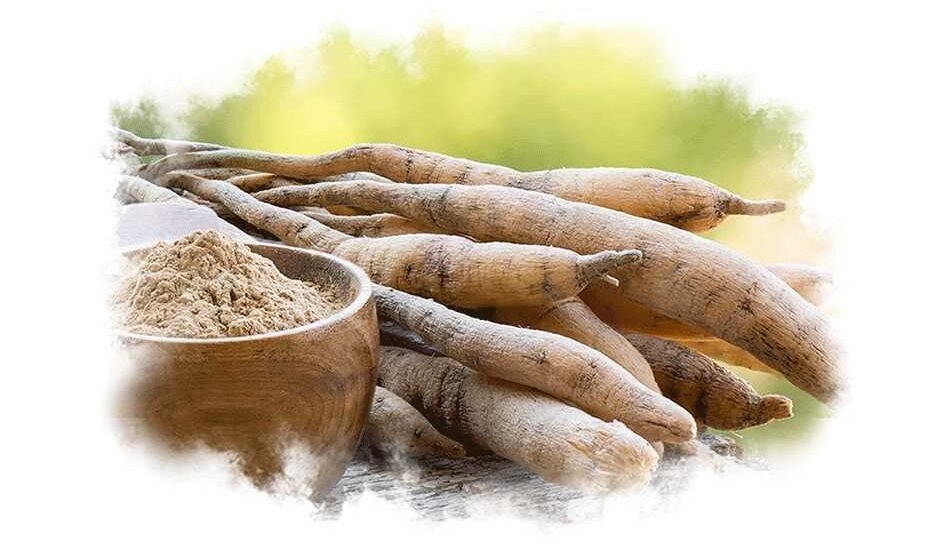
The plant belongs to the asparagus family, but unlike the vegetable commonly eaten, it is the root of Shatavari that is valued in herbal medicine.
For centuries, Ayurvedic practitioners have used Shatavari as a Rasayana, a category of herbs traditionally believed to support overall vitality, resilience, and healthy aging. It has historically been recommended for women during different life stages, including menstruation, fertility planning, postpartum recovery, and menopause.
Today, Shatavari is available in several forms:
- Capsules
- Tablets
- Root powder (Churna)
- Liquid extracts
- Herbal teas
Among these, standardized capsules are often preferred because they provide a measured amount of the herb and are convenient for daily use.
Health Expert’s Note:
Traditional use alone doesn’t prove effectiveness. While Shatavari has a long history in Ayurveda, modern research continues to investigate which benefits are well-supported by scientific evidence and which require further study.
Why Is Shatavari Called the Queen of Herbs for Women?
In Ayurveda, Shatavari is often referred to as the Queen of Herbs because of its traditional role in supporting women’s health across different stages of life.
Rather than targeting a single concern, Ayurvedic texts describe Shatavari as a nourishing herb that helps maintain balance in the body’s systems. Traditionally, it has been used to support:
- Female reproductive wellness
- Menstrual comfort
- Healthy lactation after childbirth
- Strength and vitality
- Emotional resilience
- Digestive health
Modern researchers are exploring whether compounds found in Shatavari may influence some of these areas through antioxidant activity, anti-inflammatory effects, and interactions with certain biological pathways. However, the degree of benefit can vary, and more well-designed human studies are needed.
This combination of centuries of traditional use and growing scientific interest is one reason Shatavari continues to receive attention in both Ayurvedic practice and modern wellness discussions.
Nutritional & Bioactive Compounds in Shatavari
Shatavari’s potential health benefits are linked to several naturally occurring plant compounds rather than a single active ingredient.
Some of the key constituents identified in research include:
| Compound | Potential Role |
| Steroidal saponins (Shatavarins) | Studied for their potential role in reproductive and immune health. |
| Flavonoids | Help protect cells from oxidative stress through antioxidant activity. |
| Polyphenols | Contribute to overall antioxidant defense. |
| Alkaloids | Being investigated for various biological activities. |
| Essential minerals | Present in small amounts as part of the root’s natural composition. |
These compounds work together in complex ways, which is why Shatavari is often viewed as a whole-herb botanical rather than a source of a single isolated ingredient.
How Does Shatavari Work in the Body?
Unlike medications designed to target one specific pathway, Shatavari appears to have multiple biological actions that researchers are still studying.
Current evidence suggests that Shatavari may:
- Support the body’s natural antioxidant defenses.
- Help manage oxidative stress.
- Promote a healthy inflammatory response.
- Influence certain hormone-related pathways, though the exact mechanisms remain under investigation.
- Support overall resilience during periods of physical or emotional stress.
It’s important to note that these findings come from a mix of laboratory, animal, and human studies. While the results are promising, stronger clinical evidence is needed before definitive health claims can be made.
10 Science-Backed Shatavari Benefits for Women’s Health
Important: Shatavari is a dietary supplement—not a medicine. The benefits below are based on a combination of traditional Ayurvedic use and modern scientific research. Evidence is stronger for some uses than others, and results vary from person to person.
1. Supports Hormonal Balance
Shatavari is traditionally used in Ayurveda to help maintain healthy hormonal balance in women. While research is still evolving, its natural plant compounds may support hormonal well-being during menstruation, reproductive years, and menopause as part of an overall healthy lifestyle.
2. May Help Ease Menstrual Discomfort
Shatavari has been traditionally used to support menstrual comfort and overall reproductive wellness. Some women use it to help manage occasional cramps, mood fluctuations, and cycle-related discomfort, though individual results can vary.
3. Supports Female Fertility
In Ayurveda, Shatavari is valued for supporting reproductive health and preparing the body for conception. Emerging research suggests it may help create a healthy reproductive environment, but it should not be considered a treatment for infertility.
4. May Support Menopause Wellness
Shatavari may help women during menopause by supporting overall hormonal well-being and helping manage symptoms such as occasional hot flashes, mood changes, and sleep disturbances. More clinical studies are needed to confirm these effects.
5. Supports Healthy Breastfeeding
Traditionally, Shatavari has been used as a galactagogue—a herb believed to support breast milk production. Some small studies suggest it may promote lactation in certain women, but breastfeeding mothers should consult their healthcare provider before use.
6. Helps the Body Manage Stress
As an Ayurvedic adaptogenic herb, Shatavari may help the body adapt to physical and emotional stress. Better stress resilience can also support energy, sleep quality, and overall emotional well-being.
7. Rich in Antioxidants
Shatavari contains natural antioxidants, including flavonoids and polyphenols, which help protect cells from oxidative stress. This may contribute to healthy aging and support overall wellness.
8. Supports Digestive Health
Ayurveda traditionally recommends Shatavari to soothe the digestive system and promote gut comfort. It may help support healthy digestion and reduce occasional acidity or digestive irritation in some individuals.
9. May Help Support Immune Function
Research suggests Shatavari contains bioactive compounds that may support normal immune function and the body’s natural defense mechanisms. It should be viewed as part of a healthy lifestyle rather than a substitute for medical care.
10. Promotes Overall Women’s Wellness
Rather than targeting one specific concern, Shatavari is traditionally used to nourish the body, support vitality, and promote overall women’s health across different life stages—from reproductive years to menopause.
How to Take Shatavari for the Best Results
Choosing the right form of Shatavari is just as important as taking it consistently. Today, it’s available as capsules, tablets, powder (churna), liquid extracts, and herbal teas. For most people, standardized Shatavari capsules are the most convenient option because they provide a consistent amount of the herb and are easy to include in a daily routine.
If you prefer a traditional Ayurvedic approach, Shatavari powder can be mixed with warm milk or water. However, its earthy taste may not suit everyone.
Health Expert Tip: Consistency matters more than taking a high dose. Shatavari is traditionally used as a daily wellness herb, and noticeable benefits may take several weeks of regular use depending on your health goals.
Recommended Shatavari Dosage for Women
There isn’t a single recommended dosage that works for everyone. The ideal amount depends on factors such as age, overall health, the product’s concentration, and the reason for taking it.
General guidance includes:
Capsules: Follow the dosage recommended on the product label or by your healthcare professional.
Powder (Churna): Traditionally used in small measured amounts, often mixed with warm milk or water.
Liquid Extracts: Use only as directed by the manufacturer or a qualified practitioner.
Avoid taking more than the recommended amount, as higher doses do not necessarily provide better results.
Best Time to Take Shatavari
The best time to take Shatavari depends on your routine and the product you’re using. Many people prefer taking it after meals to support comfortable digestion.
Some Ayurvedic practitioners recommend taking it with warm milk in the morning or at bedtime, while capsules are commonly taken with water after breakfast or dinner.
The most important factor is taking it at the same time each day to maintain consistency.
How Long Does Shatavari Take to Work?
Shatavari is not an instant remedy. Because it is traditionally used as a nourishing Ayurvedic herb, its effects may develop gradually with regular use.
Some women may notice improvements in overall well-being within a few weeks, while benefits related to hormonal health or reproductive wellness may take longer. Results vary depending on lifestyle, diet, stress levels, and individual health conditions.
Remember: Shatavari works best as part of a healthy lifestyle that includes balanced nutrition, regular exercise, quality sleep, and stress management.
Who May Benefit Most from Shatavari?
Shatavari may be a suitable option for women who are looking for natural support for their overall wellness, including those who:
- Want to support hormonal balance naturally.
- Experience occasional menstrual discomfort.
- Are planning for pregnancy and wish to support reproductive health.
- Are navigating perimenopause or menopause.
- Want additional support for stress management and overall vitality.
It is intended to support general wellness and should not replace medical treatment for hormone-related or reproductive conditions.
Possible Side Effects of Shatavari
Shatavari is generally considered well tolerated when used appropriately. However, like any herbal supplement, it may not be suitable for everyone.
Some people may experience:
- Mild stomach discomfort
- Nausea
- Loose stools
- Allergic reactions (rare), especially in individuals sensitive to asparagus or related plants
If you notice any unusual symptoms after taking Shatavari, discontinue use and seek medical advice.
Who Should Avoid Shatavari?
Although Shatavari is widely used, certain individuals should consult a healthcare professional before taking it, including:
- Pregnant or breastfeeding women (unless advised by a healthcare provider).
- Individuals with hormone-sensitive medical conditions.
- People taking hormonal medications or fertility treatments.
- Those with known allergies to asparagus or related plants.
- Anyone with a chronic medical condition or taking prescription medications.
Seeking professional advice helps ensure that Shatavari is appropriate for your individual health needs
Who Can Benefit from Shatavari?
Shatavari may be a suitable choice for women who want natural support for their overall well-being, especially those who:
✔ Experience occasional menstrual discomfort.
✔ Want to support hormonal health naturally.
✔ Are planning for pregnancy and want to maintain reproductive wellness.
✔ Are going through perimenopause or menopause.
✔ Feel physically or mentally stressed due to a busy lifestyle.
✔ Want additional antioxidant and digestive support.
Remember, Shatavari is intended to support general wellness and should not replace prescribed medical treatment.
How to Choose the Best Shatavari Supplement
Not all Shatavari supplements are created equal. To ensure quality and safety, consider the following before making a purchase:
Look for Standardized Extracts
Choose products that clearly mention the amount of Shatavari extract or root powder and provide transparent ingredient information.
Check for Third-Party Testing
Supplements tested for purity and quality offer greater confidence in their safety and consistency.
Read the Ingredient List
Opt for products with minimal additives, artificial colors, preservatives, or unnecessary fillers.
Buy from Reputable Brands
Select brands that follow Good Manufacturing Practices (GMP) and provide clear labeling, batch information, and customer support.
Follow the Recommended Dosage
Avoid taking more than the suggested amount unless advised by a qualified healthcare professional.
Health Expert Tip: A quality supplement combined with a healthy lifestyle is more effective than relying on any single herb alone.
Common Myths About Shatavari
Myth: Shatavari works instantly.
Fact: Shatavari is traditionally used as a long-term wellness herb. Consistent use over several weeks, along with healthy lifestyle habits, is generally needed before noticeable benefits may appear.
Myth: More Shatavari means better results.
Fact: Taking higher doses does not necessarily increase effectiveness and may increase the likelihood of side effects. Always follow the recommended dosage.
Myth: Every woman should take Shatavari.
Fact: While many women may use Shatavari as part of a wellness routine, it is not suitable for everyone. Women who are pregnant, breastfeeding, taking medications, or living with certain medical conditions should seek medical advice before use.
Myth: Shatavari can cure hormonal disorders.
Fact: Shatavari is a traditional herbal supplement that may support overall hormonal wellness, but it is not a cure or replacement for medical treatment for hormone-related conditions.
Why Lifestyle Matters Alongside Shatavari
Even the best herbal supplement cannot replace healthy daily habits. Supporting your body with nutritious food, regular physical activity, quality sleep, hydration, and effective stress management creates the foundation for long-term wellness.
Think of Shatavari as one part of a balanced health routine rather than a standalone solution. When paired with healthy lifestyle choices, it may provide better support for overall well-being.
Final Thoughts
Shatavari has earned its place as one of Ayurveda’s most respected herbs for women’s health, thanks to its long history of traditional use and growing scientific interest. While research continues to explore its full potential, current evidence suggests it may support hormonal wellness, reproductive health, stress management, digestion, and overall vitality when used as part of a healthy lifestyle.
It’s important to remember that Shatavari is not a substitute for medical treatment or a balanced lifestyle. Eating a nutrient-rich diet, staying physically active, managing stress, and getting adequate sleep remain the foundation of long-term health. If you’re considering adding Shatavari to your routine, choose a high-quality supplement from a trusted brand and consult a healthcare professional—especially if you’re pregnant, breastfeeding, taking medications, or managing a medical condition.
When used responsibly, Shatavari can be a valuable addition to a holistic wellness plan, helping women support their health naturally through different stages of life.
Frequently Asked Questions
What are the main benefits of Shatavari for females?
Shatavari is traditionally used to support women’s health by promoting hormonal balance, reproductive wellness, menstrual comfort, stress resilience, and healthy digestion. It also contains antioxidants that help protect cells from oxidative stress and support overall well-being.
Can Shatavari help with hormonal imbalance?
Shatavari has been used in Ayurveda for centuries to support female hormonal health. While some studies suggest it may influence hormone-related pathways, more high-quality human research is needed to confirm its effectiveness for hormonal imbalance.
Is Shatavari good for PCOS?
Some women with PCOS use Shatavari as part of their wellness routine because of its traditional use in supporting reproductive health. However, there is currently limited clinical evidence to recommend it as a treatment for PCOS, so it should only be used under medical guidance.
Can Shatavari improve fertility?
Ayurveda traditionally recommends Shatavari to nourish the female reproductive system and support fertility. Although early research is promising, it should not replace fertility treatments or professional medical advice for women experiencing infertility.
Is Shatavari helpful during menopause?
Shatavari may help support women during menopause by promoting overall hormonal well-being and helping manage symptoms such as occasional hot flashes, mood changes, and sleep disturbances. More research is needed to fully understand its role in menopausal health.
How long does Shatavari take to show results?
Shatavari is a traditional wellness herb that works gradually rather than providing immediate results. Depending on individual health, lifestyle, and the reason for use, some women may notice benefits after several weeks of consistent use.
Can I take Shatavari every day?
Shatavari is commonly used as a daily Ayurvedic supplement when taken in the recommended amount. Always follow the dosage instructions on the product label or seek advice from a qualified healthcare professional before long-term use.
Are there any side effects of Shatavari?
Shatavari is generally well tolerated, but some individuals may experience mild digestive discomfort, nausea, or allergic reactions. If you are pregnant, breastfeeding, taking medications, or have a medical condition, consult your healthcare provider before using it.
References
The information in this article is based on traditional Ayurvedic literature and evidence from reputable scientific and healthcare resources, including:
2. National Library of Medicine – PubMed. Asparagus racemosus (Shatavari) Research Publications.
3. World Health Organization (WHO). Traditional, Complementary and Integrative Medicine.
4. Ministry of AYUSH, Government of India. Ayurveda and Medicinal Plants.
6. Frontiers in Pharmacology. Herbal Medicine and Women’s Health Research.
Medical Disclaimer
This article is intended for educational purposes only and should not be considered medical advice. The information provided is based on traditional Ayurvedic knowledge and currently available scientific research. It is not intended to diagnose, treat, cure, or prevent any disease. Always consult a qualified healthcare professional before starting any herbal supplement, especially if you are pregnant, breastfeeding, taking prescription medications, or have an existing medical condition.