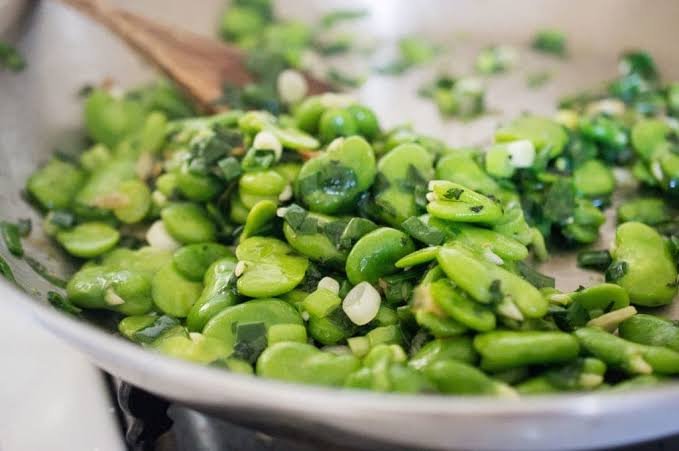

Fava beans, also known as broad beans, are nutrient-rich legumes packed with plant protein, dietary fiber, folate, iron, magnesium, and antioxidants. They may support heart health, digestive health, weight management, healthy blood sugar levels, and overall nutrition when included as part of a balanced diet. However, people with Glucose-6-Phosphate Dehydrogenase (G6PD) deficiency, a condition associated with favism, should avoid fava beans because they can trigger serious health complications.
Whether you’re looking for a high-protein plant food, exploring Mediterranean cuisine, or simply adding more nutrient-dense legumes to your meals, fava beans can be a wholesome addition to your diet. In this guide, you’ll learn everything about their nutrition, scientifically supported health benefits, possible side effects, cooking methods, and the best ways to enjoy them.
Introduction
Not every superfood has to come from an expensive supplement or an exotic fruit. Sometimes, one of the healthiest foods has been around for thousands of years.
Fava beans are one such example.
Also called broad beans, these large, flat green legumes have been cultivated for over 8,000 years and remain a staple food across the Mediterranean, the Middle East, North Africa, and parts of Asia. Today, they are gaining popularity worldwide among health-conscious individuals because they provide an impressive combination of protein, fiber, vitamins, minerals, and beneficial plant compounds.
Unlike many trendy health foods, fava beans offer practical nutrition that fits into everyday meals. They are naturally cholesterol-free, low in saturated fat, and rich in nutrients that support overall health.
Research suggests that diets rich in legumes, including fava beans, are associated with better heart health, improved digestive function, and healthier weight management. Their high fiber and protein content can also help you feel satisfied for longer, making them a valuable addition to balanced eating patterns.
However, despite their many advantages, fava beans are not suitable for everyone. Certain individuals—particularly those with G6PD deficiency (favism)—should avoid consuming them due to the risk of severe reactions. Understanding both the benefits and the precautions is essential before making them a regular part of your diet.
In this comprehensive guide, you’ll discover:
- What fava beans are and where they come from
- Their complete nutritional profile
- Evidence-based health benefits
- Who should and shouldn’t eat them
- How to cook and enjoy them
- Storage tips and buying advice
- Common mistakes to avoid
- Frequently asked questions answered by a health expert
Whether you’re a beginner or already enjoy legumes regularly, this guide will help you make informed, healthy choices.
What Are Fava Beans?
Fava beans (Vicia faba), commonly known as broad beans, are one of the oldest cultivated legumes in the world. They belong to the pea and bean family (Fabaceae) and are grown in many regions with cool climates.
Unlike green beans, which are eaten as whole pods, fava beans are primarily valued for the large seeds inside their thick pods. Depending on maturity, they may be eaten fresh, dried, frozen, or canned.
Fresh fava beans have a slightly sweet, buttery flavor with a creamy texture. Mature dried beans develop a richer, earthier taste and are commonly used in soups, stews, dips, and traditional dishes.
Why Are They Called Broad Beans?
The term broad beans refers to the bean’s wide, flattened shape. In many countries, the names fava beans and broad beans are used interchangeably.
Although the names differ, they refer to the same plant species.
What Do Fava Beans Taste Like?
Many people describe their flavor as:
- Mild and slightly sweet
- Earthy and nutty
- Creamy after cooking
- Similar to green peas but richer
Their versatility allows them to pair well with vegetables, grains, herbs, olive oil, garlic, lemon, and many Mediterranean seasonings.
Fava Beans at a Glance
| Feature | Details |
| Scientific Name | Vicia faba |
| Common Names | Fava Beans, Broad Beans |
| Plant Family | Fabaceae (Legume Family) |
| Origin | Mediterranean and Southwest Asia |
| Main Nutrients | Protein, Fiber, Folate, Iron, Magnesium, Potassium |
| Popular Forms | Fresh, Frozen, Dried, Canned |
| Common Uses | Salads, Soups, Curries, Stews, Dips, Pasta, Rice Dishes |
| Taste | Mild, Earthy, Slightly Sweet |
| Suitable For | Vegetarians, Vegans, Balanced Diets |
Fava Beans Nutrition Facts (Per 100 g, Cooked)
The nutritional value of cooked fava beans makes them one of the most nutrient-dense legumes available. They provide a satisfying balance of plant protein, complex carbohydrates, fiber, vitamins, and minerals while remaining relatively low in fat.
| Nutrient | Approximate Amount |
| Calories | 110 kcal |
| Protein | 7.6 g |
| Carbohydrates | 19.7 g |
| Dietary Fiber | 5.4 g |
| Total Fat | 0.4 g |
| Folate | 104 mcg |
| Iron | 1.5 mg |
| Magnesium | 43 mg |
| Phosphorus | 125 mg |
| Potassium | 268 mg |
| Calcium | 36 mg |
| Vitamin C | 1.4 mg |
| Manganese | 0.5 mg |
Note: Nutritional values may vary slightly depending on the variety of fava beans and the cooking method.
Why Are Fava Beans Considered a Nutrient-Dense Food?
Many legumes provide protein or fiber, but fava beans stand out because they deliver multiple essential nutrients in a single serving. Instead of relying on one standout nutrient, they offer a balanced combination that supports several aspects of overall health.
Rich Source of Plant Protein
Protein plays an important role in maintaining muscles, repairing tissues, and supporting many normal body functions. Fava beans provide a meaningful amount of plant-based protein, making them a valuable option for vegetarians, vegans, and anyone looking to reduce their intake of animal protein.
High in Dietary Fiber
The fiber found in fava beans supports healthy digestion and contributes to a feeling of fullness after meals. Diets rich in fiber are also associated with better digestive health and can help people meet their daily fiber needs.
Excellent Source of Folate
Folate is essential for DNA synthesis, cell growth, and the production of healthy red blood cells. It is especially important during pregnancy because adequate folate intake supports normal fetal development.
Naturally Rich in Iron
Iron contributes to the normal formation of red blood cells and helps transport oxygen throughout the body. Pairing fava beans with vitamin C-rich foods, such as lemon juice, tomatoes, or bell peppers, may help improve the absorption of non-heme iron.
Packed with Beneficial Minerals
Fava beans also provide magnesium, potassium, phosphorus, and manganese—minerals that support normal muscle function, nerve signaling, energy metabolism, and bone health as part of a balanced diet.
Contains Beneficial Plant Compounds
In addition to vitamins and minerals, fava beans naturally contain polyphenols and other antioxidant compounds. These plant chemicals help protect the beans themselves and contribute to the variety of beneficial compounds present in plant-based diets.
Top 12 Evidence-Based Health Benefits of Fava Beans
Fava beans are more than just a source of plant-based protein. They provide a combination of dietary fiber, essential vitamins, minerals, and naturally occurring plant compounds that may support different aspects of health when included in a balanced diet.
While no single food can prevent or cure disease, adding nutrient-rich legumes like fava beans to your meals can contribute to better overall nutrition and long-term wellness. Let’s explore the science-backed benefits in detail.
1. Rich in Plant Protein for Muscle Health and Daily Nutrition
One of the biggest reasons people include fava beans in their diet is their impressive protein content. Cooked fava beans provide around 7–8 grams of protein per 100 grams, making them one of the better plant-based protein sources.
Protein is essential for:
- Building and repairing body tissues
- Maintaining muscle mass
- Supporting enzyme and hormone production
- Promoting healthy growth and development
- Keeping you feeling full after meals
For vegetarians and vegans, fava beans can help increase daily protein intake. Pairing them with whole grains such as brown rice, quinoa, or whole wheat bread creates a more complete amino acid profile.
If you’re trying to increase your protein intake naturally, combine fava beans with other legumes, nuts, seeds, and whole grains throughout the day instead of relying on a single food.
2. Supports Digestive Health with Dietary Fiber
Healthy digestion begins with enough dietary fiber, and fava beans are an excellent source.
Fiber helps by:
- Promoting regular bowel movements
- Supporting beneficial gut bacteria
- Improving stool consistency
- Increasing feelings of fullness
- Supporting overall digestive health
Unlike refined carbohydrates, the fiber in fava beans slows digestion, helping nutrients be absorbed more gradually.
A healthy gut microbiome is linked with better digestion, immune function, and overall health, making fiber-rich foods like fava beans an important part of a balanced diet.
Many people focus only on protein when eating beans, but fiber is equally valuable. A serving of fava beans contributes meaningfully toward the recommended daily fiber intake, making them a smart choice for people who don’t eat enough whole plant foods.
3. May Support Heart Health
Heart disease remains one of the leading health concerns worldwide, and dietary choices play an important role in maintaining cardiovascular health.
Fava beans support heart-friendly eating patterns because they are naturally:
- Low in saturated fat
- Cholesterol-free
- Rich in dietary fiber
- A source of potassium and magnesium
Potassium helps maintain normal blood pressure, while magnesium supports normal muscle and nerve function, including the heart.
Additionally, replacing highly processed foods with legumes such as fava beans may contribute to a healthier overall dietary pattern.
Health Expert Insight
Instead of viewing fava beans as a heart medicine, think of them as one component of a heart-healthy lifestyle that also includes regular physical activity, adequate sleep, stress management, and a balanced diet.
4. May Help with Healthy Weight Management
If you’re trying to manage your weight, choosing foods that keep you satisfied is important.
Fava beans contain a combination of:
- Protein
- Fiber
- Complex carbohydrates
This combination digests more slowly than refined foods, helping you stay fuller for longer after meals.
Feeling satisfied may help reduce unnecessary snacking and make it easier to follow a balanced eating plan.
Easy Ways to Include Fava Beans for Weight Management
- Add them to salads instead of croutons.
- Mix them into grain bowls.
- Blend them into dips.
- Include them in vegetable soups.
- Use them as a protein-rich side dish.
Remember
Weight management depends on your overall eating pattern, physical activity, sleep, and lifestyle—not on any single food.
5. Helps Maintain Healthy Blood Sugar Levels
Fava beans have a relatively low glycemic impact compared with many refined carbohydrate foods.
Their combination of:
- Dietary fiber
- Plant protein
- Complex carbohydrates
helps slow digestion and the release of glucose into the bloodstream.
For people looking to maintain healthy blood sugar levels as part of an overall balanced diet, replacing refined starches with legumes can be a practical strategy.
Health Expert Tip
Pair fava beans with:
- Leafy vegetables
- Healthy fats like olive oil
- Whole grains
- Lean protein
This creates a balanced meal that supports steady energy throughout the day.
Important: People with diabetes should continue following advice from their healthcare provider. Fava beans are a nutritious food, but they are not a substitute for prescribed treatment.
6. Excellent Source of Folate for Cell Growth
Folate (Vitamin B9) is one of the standout nutrients in fava beans.
It plays an important role in:
- DNA synthesis
- Cell division
- Formation of healthy red blood cells
- Normal fetal development during pregnancy
Because the body cannot produce folate on its own, getting enough from food is essential.
Who May Benefit Most?
- Women planning pregnancy
- Pregnant women (under medical guidance)
- Growing children
- Adolescents
- People following plant-based diets
Including folate-rich foods like fava beans alongside a varied diet helps support daily nutritional needs.
7. Provides Iron That Supports Healthy Red Blood Cell Formation
Iron is essential for carrying oxygen throughout the body.
Fava beans provide non-heme iron, the form of iron naturally found in plant foods.
Iron contributes to:
- Normal oxygen transport
- Healthy red blood cell production
- Reduced risk of inadequate dietary iron intake when consumed as part of a varied diet
Maximize Iron Absorption
To help your body absorb more iron from fava beans, pair them with foods rich in vitamin C, such as:
- Lemon juice
- Tomatoes
- Bell peppers
- Citrus fruits
- Fresh herbs like parsley
Health Expert Tip
Avoid drinking tea or coffee immediately with iron-rich meals, as they may reduce the absorption of non-heme iron.
8. Supports Bone Health with Essential Minerals
Healthy bones require more than just calcium.
Fava beans naturally provide several minerals involved in bone maintenance, including:
- Magnesium
- Phosphorus
- Manganese
- Calcium (in smaller amounts)
These nutrients work together to support normal bone structure and overall skeletal health.
While fava beans shouldn’t replace calcium-rich foods like dairy or fortified alternatives, they can contribute to a balanced diet that supports healthy bones.
9. Contains Antioxidants That Help Protect Cells
Fava beans naturally contain antioxidant compounds, including polyphenols and flavonoids.
Antioxidants help protect cells from oxidative stress caused by unstable molecules known as free radicals.
Eating a variety of antioxidant-rich plant foods is associated with better overall health and supports the body’s natural defense systems.
New Perspective
Rather than relying on antioxidant supplements, most nutrition experts recommend obtaining antioxidants from whole foods because they come packaged with fiber, vitamins, minerals, and other beneficial plant compounds.
10. Supports Healthy Immune Function
A strong immune system depends on many nutrients working together.
Fava beans provide several that contribute to normal immune function, including:
- Iron
- Folate
- Copper
- Zinc (small amounts)
- Protein
Together, these nutrients help support the normal function of immune cells and overall health.
No single food can “boost” immunity overnight, but a nutrient-rich diet can help your immune system function normally over time.
11. A Smart Choice for Vegetarian and Vegan Diets
Meeting nutritional needs on a plant-based diet requires thoughtful food choices.
Fava beans are an excellent addition because they provide:
- Plant protein
- Iron
- Folate
- Fiber
- Magnesium
- Potassium
Combined with whole grains, vegetables, nuts, and seeds, they help create balanced, nutrient-rich meals.
Practical Meal Ideas
- Fava bean quinoa bowls
- Mediterranean salads
- Whole-grain wraps
- Vegetable curries
- Homemade bean spreads
12. Contains Naturally Occurring L-DOPA – An Interesting Area of Research
One unique feature of fava beans is that they naturally contain L-DOPA (levodopa), a compound also used as a medication in the treatment of Parkinson’s disease.
Researchers continue to study how naturally occurring L-DOPA in foods interacts with the body.
Important Medical Note
Although this is an interesting area of research, eating fava beans should not be considered a treatment for Parkinson’s disease or any neurological condition. Anyone with Parkinson’s disease should only make dietary changes in consultation with their neurologist or healthcare provider, as food may interact with prescribed medications.
Why This Matters
Including this information helps readers understand a unique aspect of fava beans while setting appropriate expectations based on current scientific evidence.
Are Fava Beans Good for Weight Loss?
Yes, fava beans can support healthy weight management because they are high in protein and dietary fiber, two nutrients that help you feel fuller for longer. However, they don’t directly cause weight loss.
Many weight-loss plans fail because people feel hungry soon after eating. Fava beans can help address this challenge by providing slow-digesting carbohydrates along with protein and fiber, which may reduce the urge to snack between meals.
How Fava Beans May Support Weight Management
- Protein helps increase feelings of fullness after meals.
- Fiber slows digestion and promotes satiety.
- Complex carbohydrates provide a steady source of energy.
- Naturally low in saturated fat.
- Can replace highly processed, calorie-dense side dishes.
Best Ways to Eat Fava Beans for Weight Management
Instead of relying on creamy or fried preparations, choose healthier cooking methods:
- Add boiled fava beans to salads.
- Mix them into vegetable soups.
- Prepare a Mediterranean-style bean salad with olive oil and lemon.
- Add them to grain bowls with quinoa or brown rice.
- Blend them into a homemade bean spread instead of high-fat dips.
Common Mistake to Avoid
Many packaged or restaurant-prepared fava bean dishes contain excessive oil, butter, or salt. These additions can significantly increase calories and sodium.
Are Fava Beans Good for People with Diabetes?
Fava beans can be included in a diabetes-friendly eating plan because they contain fiber, protein, and complex carbohydrates that digest more slowly than refined starches.
The combination of these nutrients helps support steadier energy levels after meals.
Why They May Be Helpful
Compared with sugary snacks or refined grains, fava beans provide:
- Slower carbohydrate digestion
- Higher fiber intake
- Better meal satisfaction
- Valuable vitamins and minerals
These characteristics make legumes a smart choice in many balanced dietary patterns.
Smart Pairing Ideas
To create a balanced meal, combine fava beans with:
- Leafy green vegetables
- Olive oil
- Whole grains
- Lean protein such as grilled fish or tofu
This combination provides a variety of nutrients while helping create a filling meal.
Portion Matters
Even healthy carbohydrate-containing foods should be eaten in appropriate portions. Individual needs vary depending on age, activity level, medications, and overall health.
Important Reminder
People with diabetes should continue following the guidance of their healthcare provider or registered dietitian. Fava beans are a nutritious food—not a replacement for prescribed medications or individualized nutrition advice.
Are Fava Beans Good for Heart Health?
Yes. Fava beans fit well into heart-healthy dietary patterns because they are naturally cholesterol-free, low in saturated fat, and rich in fiber and potassium.
Heart health depends on many lifestyle factors, including diet, exercise, sleep, and avoiding tobacco. Fava beans can be one nutritious part of that overall picture.
Heart-Friendly Nutrients in Fava Beans
Dietary Fiber
Fiber supports overall cardiovascular health and is associated with healthier dietary patterns.
Potassium
Potassium helps maintain normal blood pressure by balancing the effects of sodium in the diet.
Magnesium
Magnesium contributes to normal muscle function, including the heart muscle, and supports many essential body processes.
Plant Protein
Replacing some processed meats with plant-based protein sources may support healthier eating habits.
Easy Heart-Healthy Meal Idea
Try combining:
- Boiled fava beans
- Cherry tomatoes
- Cucumbers
- Spinach
- Olive oil
- Lemon juice
- Fresh herbs
This simple meal is rich in fiber, vitamins, minerals, and healthy fats.
Health Expert Tip
Heart health isn’t built by one “superfood.” It’s built by consistently choosing nutrient-rich foods like legumes, vegetables, fruits, whole grains, nuts, and healthy fats.
Are Fava Beans Good During Pregnancy?
Fava beans can be a nutritious food during pregnancy for many women because they are rich in folate and iron. However, they are not suitable for everyone, especially those with G6PD deficiency (favism). Pregnant women should always discuss dietary changes with their healthcare provider.
Why Folate Matters
Folate supports:
- Normal fetal growth and development
- DNA synthesis
- Healthy cell division
- Formation of red blood cells
Adequate folate intake before and during early pregnancy is particularly important.
Iron Benefits
Iron helps support the increased blood volume needed during pregnancy and contributes to normal oxygen transport.
Safe Eating Tips
- Cook fava beans thoroughly.
- Choose fresh or properly prepared dried beans.
- Eat them as part of a balanced diet.
- Avoid excessive portions if they cause digestive discomfort.
Health Expert Note
Pregnant women should continue taking prenatal vitamins if recommended by their healthcare provider. Fava beans are a nutritious food but should not replace prenatal supplements.
Are Fava Beans Good for Gut Health?
Yes. Fava beans are naturally rich in dietary fiber, which plays an important role in maintaining digestive health.
Your digestive system depends on a healthy balance of beneficial gut bacteria. Fiber serves as a food source for many of these microorganisms, helping support a healthy gut environment.
Gut Health Benefits
Fiber may help:
- Promote regular bowel movements
- Support beneficial gut bacteria
- Improve digestive comfort
- Increase feelings of fullness
New Insight
Many people think probiotics alone are the key to gut health. In reality, prebiotic fiber from foods like fava beans is just as important because it nourishes the beneficial bacteria already living in your digestive system.
Reduce Digestive Discomfort
If you’re new to eating beans:
- Start with small portions.
- Increase intake gradually.
- Drink enough water.
- Soak dried beans before cooking.
- Cook them thoroughly.
These simple steps may help reduce gas and bloating while allowing your digestive system to adjust.
Are Fava Beans Good for Muscle Building?
Short Answer
Yes, fava beans can support muscle-building goals, especially as part of a balanced diet that includes adequate total protein.
Although they don’t contain as much protein per serving as animal-based foods, they remain an excellent plant-based option.
Why They’re Helpful
Fava beans provide:
- Plant protein
- Complex carbohydrates
- Magnesium
- Iron
- Potassium
Together, these nutrients help support energy production, normal muscle function, and recovery after physical activity.
Best Post-Workout Meal Ideas
Try pairing fava beans with:
- Brown rice
- Quinoa
- Sweet potatoes
- Tofu
- Grilled chicken (if you eat meat)
- Mixed vegetables
Combining legumes with whole grains also improves the overall amino acid profile of the meal.
Athletes and gym-goers should focus on meeting their total daily protein needs rather than depending on one protein source. Fava beans work best alongside other protein-rich foods such as lentils, chickpeas, soy products, dairy, eggs, fish, or lean meats, depending on your dietary preferences.
Are Fava Beans Good for Vegetarians and Vegans?
One of the greatest strengths of fava beans is their nutritional value for plant-based diets.
They provide:
- High-quality plant protein
- Dietary fiber
- Iron
- Folate
- Magnesium
- Potassium
Because plant-based diets can sometimes be lower in certain nutrients, including a variety of legumes like fava beans helps improve overall nutritional quality.
Easy Plant-Based Meal Ideas
- Fava bean hummus with whole-grain pita
- Mediterranean grain bowls
- Vegetable and fava bean curry
- Pasta with fava beans and herbs
- Roasted vegetable salad with fava beans
How to Cook Fava Beans
One of the biggest reasons people avoid cooking fava beans is that they think they’re difficult to prepare. In reality, once you understand the basics, they’re no more complicated than other dried or fresh legumes.
Whether you buy fresh pods from the market, dried beans, frozen beans, or canned fava beans, each type has its own preparation method and best use.
This section will help you choose the right type, cook it correctly, and enjoy it in delicious, healthy meals.
Fresh vs. Dried vs. Frozen vs. Canned Fava Beans
Not all fava beans are the same. The best choice depends on your cooking style, available time, and the recipe you’re making.
| Type | Best For | Preparation | Nutrition | Convenience |
| Fresh Fava Beans | Salads, pasta, stir-fries | Shelling and peeling required | Excellent | Moderate |
| Dried Fava Beans | Soups, stews, curries | Soaking and cooking required | Excellent | Lower |
| Frozen Fava Beans | Quick everyday meals | Usually pre-blanched | Very Good | High |
| Canned Fava Beans | Instant recipes | Ready to use | Good (may contain added sodium) | Highest |
Which Type Is the Healthiest?
From a nutritional perspective, fresh, dried, and frozen fava beans are all excellent choices. Frozen beans are often processed soon after harvest, helping preserve many nutrients.
If you choose canned beans, rinse them under running water before use to reduce excess sodium.
If you’re new to fava beans, start with frozen peeled beans. They save time while still offering excellent nutritional value.
How to Choose Fresh Fava Beans
When shopping, look for pods that are:
- Bright green
- Firm and plump
- Free from dark spots or mold
- Slightly flexible rather than dry
- Medium-sized (very large pods may contain older, starchier beans)
Avoid pods that are:
- Yellowing
- Wrinkled
- Split open
- Soft or slimy
- Showing signs of mold
Fresh pods should feel heavy for their size, indicating that the beans inside are still moist.
How to Prepare Fresh Fava Beans
Fresh fava beans have two layers:
- The thick outer pod
- A thin skin surrounding each bean
For the best texture and flavor, mature beans are usually peeled after blanching.
Step 1: Remove the Beans from the Pods
Open each pod by pulling along its seam and remove the beans.
Step 2: Blanch the Beans
Bring a pot of water to a boil.
Add the beans and cook for 2–3 minutes.
Immediately transfer them to ice water.
This stops the cooking process and makes peeling easier.
Step 3: Peel the Outer Skin
Gently squeeze each bean, and the bright green inner bean will slide out.
Young, very tender beans may not require peeling.
How to Cook Dried Fava Beans
Dried beans need more preparation but develop a richer flavor and creamy texture.
Step 1: Sort and Rinse
Remove any damaged beans or small stones.
Rinse thoroughly.
Step 2: Soak Overnight
Place the beans in plenty of water for 8–12 hours.
They will expand significantly.
Step 3: Drain and Rinse Again
Discard the soaking water and rinse the beans with fresh water.
Step 4: Cook
Add fresh water and simmer for approximately 45–90 minutes, depending on the size and age of the beans.
Cook until they become tender but not mushy.
Health Expert Tip
Avoid adding acidic ingredients such as tomatoes, vinegar, or lemon juice until the beans are almost fully cooked. Acid can slow the softening process.
Can You Eat Raw Fava Beans?
This is one of the most frequently asked questions.
Short Answer
It’s generally best to eat fava beans cooked rather than raw.
Very young, tender fresh beans are sometimes eaten raw in small amounts in certain traditional cuisines, but mature beans are usually cooked to improve texture, flavor, and digestibility.
Cooking also helps reduce naturally occurring compounds that may interfere with digestion.
People with G6PD deficiency (favism) should avoid fava beans entirely, whether raw or cooked.
Best Healthy Ways to Eat Fava Beans
One of the best things about fava beans is their versatility. Their mild, slightly nutty flavor pairs well with fresh vegetables, whole grains, herbs, and healthy fats, making them easy to include in a wide variety of meals. Whether you’re preparing a quick lunch, a hearty dinner, or a healthy snack, there are plenty of delicious ways to enjoy them without compromising on nutrition.
Here are some of the healthiest and most popular ways to add fava beans to your diet.
1. Mediterranean Fava Bean Salad
A fresh Mediterranean salad is one of the simplest and healthiest ways to enjoy fava beans. Toss cooked fava beans with the following ingredients:
Cherry tomatoes – Add natural sweetness and provide vitamin C, which helps improve the absorption of plant-based iron.
Cucumbers – Give the salad a refreshing crunch while adding hydration with very few calories.
Fresh parsley – Enhances the flavor and contributes antioxidants along with vitamin K.
Extra virgin olive oil – Supplies heart-healthy monounsaturated fats and gives the salad a rich, smooth taste.
Fresh lemon juice – Brightens the flavor and boosts vitamin C to support better iron absorption.
Black pepper – Adds mild heat and complements the fresh ingredients without the need for extra salt.
Health Expert Tip: Enjoy this salad as a light lunch or pair it with grilled fish, tofu, or whole-grain bread for a more balanced meal.
2. Homemade Fava Bean Dip
If you’re looking for a healthier alternative to processed spreads, try making a creamy fava bean dip using simple pantry ingredients.
Cooked fava beans – Create a smooth, protein-rich base that is naturally high in fiber.
Garlic – Adds a bold flavor and blends well with Mediterranean-inspired recipes.
Tahini – Gives the dip a creamy texture while contributing healthy fats and calcium.
Fresh lemon juice – Balances the richness of the tahini with a bright, tangy flavor.
Olive oil – Improves the texture and provides heart-friendly fats.
Ground cumin – Adds warmth and a traditional earthy flavor that pairs perfectly with beans.
Serve this dip with whole-grain crackers, toasted pita bread, cucumber slices, carrot sticks, or celery for a wholesome snack.
3. Vegetable Soup with Fava Beans
Adding fava beans to homemade vegetable soup is an easy way to increase both protein and fiber while making the meal more filling.
Carrots – Add natural sweetness and are a good source of beta-carotene.
Celery – Provides a fresh flavor and complements the other vegetables.
Spinach – Increases the soup’s vitamin, mineral, and antioxidant content.
Tomatoes – Bring natural acidity and vitamin C while enhancing the overall taste.
Fresh herbs – Herbs like thyme, parsley, or basil add aroma and flavor without extra calories.
This soup works well as a satisfying lunch or a light dinner, especially during colder months.
4. Protein-Packed Grain Bowls
Grain bowls are an excellent way to create a balanced meal using fava beans as the primary plant-based protein source.
Brown rice or quinoa – Provide complex carbohydrates that supply steady energy throughout the day.
Roasted vegetables – Add color, texture, and a wide range of vitamins and minerals.
Avocado – Contributes healthy fats that make the meal more satisfying.
Pumpkin seeds – Add a crunchy texture along with magnesium, zinc, and additional plant protein.
A grain bowl combines protein, fiber, healthy fats, and complex carbohydrates in one nutritious meal.
5. Whole-Wheat Pasta with Fava Beans
Fava beans make a delicious addition to pasta dishes and increase their nutritional value without changing the flavor too much.
Whole-wheat pasta – Provides more fiber than refined pasta and helps keep you feeling full longer.
Garlic – Adds rich flavor and pairs naturally with legumes.
Extra virgin olive oil – Creates a light, healthy sauce without heavy cream.
Fresh basil – Brings freshness and enhances the Mediterranean flavor profile.
Parmesan cheese (optional) – Adds a savory finish for those who include dairy in their diet.
This simple meal is perfect for busy weekdays when you want something quick, nutritious, and satisfying.
6. Healthy Vegetable Stir-Fry
Fava beans blend well with colorful vegetables and simple seasonings to create a nutritious stir-fry.
Bell peppers – Add natural sweetness along with vitamin C and antioxidants.
Mushrooms – Provide a rich, savory flavor while keeping the meal light.
Broccoli – Increases fiber, vitamin C, and several important plant nutrients.
Fresh ginger – Adds warmth and complements the vegetables with its aromatic flavor.
Garlic – Enhances the overall taste and brings the ingredients together.
Serve the stir-fry over brown rice or quinoa for a complete and balanced meal.
7. Traditional Ful Medames
Ful Medames is one of the oldest and most popular fava bean dishes in the world, enjoyed for centuries across Egypt and many Middle Eastern countries.
It is traditionally prepared by slow-cooking fava beans until tender and then seasoning them with:
Extra virgin olive oil – Adds richness and heart-healthy fats.
Fresh garlic – Gives the dish its signature bold flavor.
Lemon juice – Brightens the taste and complements the earthy beans.
Fresh herbs – Parsley and cilantro add freshness and aroma.
Ground cumin – Provides the warm, distinctive flavor that makes Ful Medames unique.
This wholesome dish is commonly served with whole-grain bread, fresh vegetables, and boiled eggs, making it a balanced and satisfying breakfast.
Creative Ways to Add Fava Beans to Everyday Meals
If you’re new to legumes or simply want more variety in your meals, fava beans are surprisingly easy to incorporate into everyday recipes. Here are a few practical ideas:
- Add them to omelets to boost the protein and fiber content of your breakfast.
- Mix them into scrambled tofu for a filling, plant-based meal with extra texture.
- Toss them into green salads to make a simple salad more satisfying and nutrient-dense.
- Blend them into sandwich spreads as a wholesome alternative to processed spreads.
- Stir them into vegetable curries to add protein while making the curry more filling.
- Mix them with roasted vegetables for an easy side dish that works with almost any meal.
- Use them in wraps or burritos instead of refined fillings for added fiber and nutrition.
- Add them to creamy risotto to create a richer texture and increase the meal’s protein.
- Include them in homemade veggie burgers to improve both texture and nutritional value.
- Sprinkle them over grain bowls for an easy way to add plant protein and make the meal more balanced.
How Many Fava Beans Should You Eat Per Day?
There is no official daily recommendation for fava beans. The right amount depends on your age, activity level, overall diet, and digestive tolerance. Since fava beans are naturally rich in protein, fiber, and complex carbohydrates, enjoying them in moderate portions as part of a balanced diet is generally the best approach.
Recommended Daily Serving
Adults
½ to 1 cup of cooked fava beans (approximately 80–170 grams) is a practical serving for most healthy adults. This amount provides a good balance of protein, fiber, vitamins, and minerals without replacing the variety of other nutritious foods your body needs.
Beginners
Start with ¼ to ½ cup if you’re new to legumes. Increasing your intake gradually over a few weeks gives your digestive system time to adjust and may help reduce temporary gas or bloating.
Athletes
People with higher energy or protein needs can include larger portions based on their daily nutrition goals. Pairing fava beans with whole grains or other protein-rich foods can help create a well-balanced recovery meal.
Children
Offer smaller, age-appropriate servings that are fully cooked and easy to chew. Introducing legumes gradually helps children become familiar with different textures and flavors while supporting a varied diet.
Rather than eating large amounts of one food every day, aim to include a variety of legumes throughout the week. Alternating between fava beans, lentils, chickpeas, kidney beans, black beans, and peas helps provide a broader range of nutrients and supports a more balanced eating pattern.
Best Time to Eat Fava Beans
Unlike many foods promoted online as “best eaten at a certain time,” there is no scientific evidence that fava beans are only beneficial at breakfast or dinner. Their nutritional value remains the same, so the ideal time depends on your lifestyle, meal preferences, and overall eating routine.
Breakfast
Fava beans make a satisfying, protein-rich breakfast, especially in traditional Mediterranean dishes such as Ful Medames. Combined with whole-grain bread and fresh vegetables, they create a filling start to the day.
Lunch
Lunch is one of the easiest times to enjoy fava beans because they pair well with salads, grain bowls, soups, and wraps. Their combination of protein and fiber may help keep you feeling satisfied throughout the afternoon.
Dinner
Fava beans also work well in evening meals, especially when served with roasted vegetables, whole grains, or lean protein. Their slow-digesting carbohydrates make them a wholesome addition to a balanced dinner.
Before Exercise
Eating fava beans a few hours before exercise can provide steady energy thanks to their complex carbohydrates. For better comfort during workouts, avoid eating a very large portion immediately before intense physical activity.
After Exercise
After a workout, fava beans can contribute to recovery when paired with another quality protein source. Combining them with foods such as quinoa, tofu, eggs, dairy, or lean meat helps create a more balanced post-workout meal.
How to Store Fresh Fava Beans
Fresh fava beans are at their best when cooked soon after purchase, but proper storage helps maintain their freshness and flavor for several days.
Storage Tips
Keep fresh pods in the refrigerator inside a breathable bag or perforated container. This helps reduce excess moisture while allowing enough airflow to preserve their quality.
Use fresh fava beans within 3–5 days for the best taste and texture. As they age, the beans may become drier and slightly starchier.
Avoid washing the pods before storing them. Extra moisture can encourage spoilage, so it’s best to wash them only when you’re ready to cook.
Wash thoroughly just before preparation to remove any dirt or surface impurities.
How to Store Cooked Fava Beans
Proper storage helps preserve both the quality and safety of cooked fava beans.
Refrigeration
Allow the cooked beans to cool completely before storing them. Placing hot food directly into the refrigerator can increase moisture and affect texture.
Transfer them to an airtight container to help retain freshness and prevent them from absorbing odors from other foods.
Consume refrigerated cooked fava beans within 3–4 days for the best quality.
Freezing
Freeze cooked beans in small, meal-sized portions if you don’t plan to use them within a few days. Properly stored, they can remain in good condition in the freezer for up to three months.
How to Store Dried Fava Beans
Dried fava beans have a long shelf life when stored correctly.
Storage Tips
Keep them in an airtight container to protect them from humidity, insects, and unwanted odors.
Store the container in a cool, dry place such as a pantry or kitchen cupboard where temperatures remain fairly consistent.
Avoid direct sunlight and excessive heat, as these conditions may gradually reduce the beans’ quality over time.
Protect the beans from moisture, since damp conditions can lead to spoilage or mold growth.
When stored properly, dried fava beans can maintain good quality for many months, making them a convenient pantry staple.
Common Cooking Mistakes to Avoid
Many people believe they don’t enjoy fava beans when, in reality, the issue is often how the beans were prepared. Avoiding a few common mistakes can greatly improve their flavor, texture, and overall cooking experience.
1. Skipping the Overnight Soak
Soaking dried fava beans before cooking helps them absorb water evenly, which often improves texture and may reduce overall cooking time. It also helps produce more consistently cooked beans.
2. Forgetting to Peel Mature Fresh Beans
The outer skin of mature fava beans can be thick and slightly bitter. Removing this outer layer after blanching reveals the tender, bright green bean inside and creates a much smoother texture.
3. Overcooking the Beans
Cooking fava beans for too long can make them overly soft and mushy. Check them regularly toward the end of cooking so they remain tender while still holding their shape.
4. Adding Salt Too Early
Seasoning is important, but adding large amounts of salt at the beginning may increase cooking time for some legumes. For the best texture, many cooks prefer to season toward the end of cooking.
5. Using Too Much Oil or Butter
Fava beans already have a naturally creamy texture, so they don’t require excessive butter or oil to taste good. Fresh herbs, garlic, lemon juice, and spices can add plenty of flavor while keeping meals balanced.
6. Ignoring Portion Size
Even nutrient-rich foods should be enjoyed in moderation. Eating appropriate serving sizes allows you to benefit from fava beans while still making room for a variety of other healthy foods.
7. Forgetting About G6PD Deficiency (Favism)
This is the most important safety consideration when eating fava beans. Individuals with G6PD deficiency should avoid fava beans because they can trigger a serious reaction known as favism, regardless of how the beans are prepared.
Side Effects of Fava Beans, Favism (G6PD Deficiency), Who Should Avoid Them & Safety Precautions
While fava beans are highly nutritious, they’re not the right choice for everyone. Like many healthy foods, they can cause side effects in some people, especially when eaten in large amounts or by individuals with certain medical conditions.
Understanding these precautions is just as important as knowing the benefits. A balanced health article should explain both the advantages and the risks, helping readers make informed decisions.
Health Expert Note: Most healthy adults can enjoy cooked fava beans as part of a balanced diet. However, people with Glucose-6-Phosphate Dehydrogenase (G6PD) deficiency, also known as favism, should avoid them because they can trigger a serious medical emergency.
Are Fava Beans Safe to Eat?
Yes, for most healthy people, properly cooked fava beans are safe and nutritious.
They have been consumed for thousands of years in many parts of the world and are a staple ingredient in Mediterranean, Middle Eastern, African, and Asian cuisines.
However, certain individuals should either avoid them or eat them with caution.
Common Side Effects of Fava Beans
Although fava beans are considered a healthy and nutrient-rich legume, they may cause mild side effects in some individuals, especially if they are eaten in large portions or introduced too quickly into the diet. Most of these side effects are related to digestion and are temporary.
For the majority of healthy adults, these symptoms improve as the body gradually adapts to a higher intake of dietary fiber. Understanding these common effects can help you enjoy fava beans comfortably while reducing the chances of digestive discomfort.
1. Gas and Bloating
The most commonly reported side effect of eating fava beans is gas and bloating, particularly among people who do not regularly consume beans or other high-fiber foods.
Fava beans contain dietary fiber and naturally occurring complex carbohydrates that are fermented by beneficial bacteria in the large intestine. This fermentation is a normal digestive process, but it can produce gas as a by-product.
You may notice:
A feeling of bloating or tightness in the abdomen, especially after eating a larger serving than your body is used to digesting.
Mild stomach discomfort or pressure that usually settles on its own within a few hours as digestion continues.
An increase in intestinal gas, which is a normal response to the breakdown of fiber by healthy gut bacteria.
A sensation of fullness for longer than usual, as the combination of fiber and protein slows digestion and promotes satiety.
These symptoms are generally mild, temporary, and tend to decrease as your digestive system becomes accustomed to eating more fiber-rich foods.
How to Reduce Gas
Begin with a small serving, allowing your digestive system time to adjust before increasing the amount over the following weeks.
Increase your fiber intake gradually, rather than making sudden changes, to help reduce bloating and improve digestive comfort.
Drink plenty of water throughout the day, as adequate hydration helps fiber move more efficiently through the digestive tract.
Soak dried fava beans overnight before cooking, which may improve their texture and make them easier to digest.
Cook the beans thoroughly until they are tender, as properly cooked legumes are generally gentler on the digestive system.
Eat slowly and chew each bite well, giving your digestive enzymes more time to begin breaking down the food before it reaches the stomach.
Many people stop eating legumes after experiencing temporary bloating the first few times. In reality, this discomfort often decreases within a few weeks as the gut microbiome adapts to a higher-fiber eating pattern. Introducing fava beans gradually is usually the best approach for long-term digestive comfort.
2. Digestive Discomfort
Eating a very large portion of fava beans in a single meal may lead to temporary digestive discomfort, particularly if your usual diet is low in fiber.
Because fava beans are rich in both protein and dietary fiber, consuming excessive amounts at once may slow digestion and make your stomach feel unusually heavy.
You may experience:
A feeling of stomach heaviness or discomfort, particularly after eating a large serving in one sitting.
Prolonged fullness after meals, which may be uncomfortable for people who are not accustomed to high-fiber foods.
Mild abdominal cramping, as the digestive system works to break down the fiber and complex carbohydrates.
Temporary indigestion or digestive uneasiness, especially when fava beans are eaten quickly or combined with very heavy meals.
These symptoms are usually short-lived and often improve as your body becomes more familiar with fiber-rich foods.
Prevention Tips
Choose moderate serving sizes instead of very large portions, especially if you’re eating fava beans for the first time.
Pair them with vegetables, whole grains, and lean protein, creating a balanced meal that is easier to digest and more nutritionally complete.
Allow your body time to adjust by including legumes regularly rather than eating them only occasionally in large amounts.
Digestive discomfort is usually related to portion size rather than the beans themselves. Eating moderate amounts as part of a balanced meal is often more comfortable than consuming a large serving all at once.
3. Allergic Reactions (Rare)
Although uncommon, some individuals may have an allergy to fava beans or other legumes. Food allergies occur when the immune system mistakenly identifies certain food proteins as harmful and triggers an allergic response.
Most people can eat fava beans safely, but anyone with a known legume allergy should exercise caution and seek medical advice before including them in their diet.
Possible symptoms include:
An itchy skin rash or red patches, which may appear shortly after eating fava beans.
Persistent itching around the mouth, throat, or skin, which can be an early sign of an allergic reaction.
Swelling of the lips, tongue, face, or throat, which should always be taken seriously and evaluated promptly.
Raised, itchy hives on the skin, which may develop suddenly after consuming the beans.
Difficulty breathing, wheezing, or tightness in the chest, which could indicate a severe allergic reaction requiring emergency medical care.
A severe allergic reaction, known as anaphylaxis, is a medical emergency and requires immediate treatment.
If you experience any symptoms of an allergic reaction after eating fava beans for the first time, stop eating them immediately and seek prompt medical attention.
Favism (G6PD Deficiency): The Most Important Safety Concern
This is the single most important health risk associated with fava beans and one that every comprehensive guide should explain clearly.
What Is G6PD Deficiency?
Glucose-6-Phosphate Dehydrogenase (G6PD) deficiency is an inherited genetic condition in which the body lacks enough of the G6PD enzyme.
This enzyme helps protect red blood cells from damage caused by oxidative stress.
Without enough of this enzyme, certain triggers—including fava beans—can cause red blood cells to break down faster than the body can replace them. This process is called hemolysis.
The resulting condition is commonly known as favism when triggered by fava beans.
Why Do Fava Beans Trigger Favism?
Fava beans naturally contain compounds such as vicine and convicine. In people with G6PD deficiency, these compounds can increase oxidative stress, which may damage red blood cells.
It’s important to note that this reaction does not occur in most healthy individuals. It is specific to people with G6PD deficiency.
Symptoms of Favism
Symptoms of favism usually develop within a few hours to two days after eating fava beans. The severity of symptoms can vary depending on the person’s enzyme deficiency and the amount of beans consumed.
Common signs and symptoms include:
Sudden tiredness or weakness: Many people feel unusually fatigued because the body is losing healthy red blood cells faster than it can produce new ones.
Pale skin: A noticeable loss of skin color may occur due to reduced red blood cell levels and decreased oxygen delivery throughout the body.
Yellowing of the skin or eyes (Jaundice): As damaged red blood cells break down, bilirubin levels may rise, leading to yellow discoloration of the skin or the whites of the eyes.
Dark-colored urine: Urine may appear tea-colored or dark brown because of the breakdown products released from damaged red blood cells.
Rapid heartbeat: The heart may beat faster than usual as it works harder to deliver oxygen throughout the body.
Shortness of breath: Reduced oxygen-carrying capacity of the blood can make everyday activities feel more tiring or cause difficulty breathing.
Dizziness or lightheadedness: Some individuals may feel faint or dizzy due to the sudden drop in healthy red blood cells.
Fever (in some cases): Although less common, some people may develop a mild fever during an acute hemolytic episode.
Symptoms can range from mild to severe and should never be ignored.
Medical Alert: If a person with known or suspected G6PD deficiency develops any of these symptoms after eating fava beans, they should seek immediate medical attention. Early diagnosis and treatment can help prevent serious complications.
Who Is More Likely to Have G6PD Deficiency?
G6PD deficiency is one of the most common inherited enzyme disorders worldwide. Although it can affect anyone, it is more frequently seen in certain populations due to genetic inheritance.
People with ancestry from the following regions are more likely to have G6PD deficiency:
Africa: Several African populations have a higher prevalence of G6PD deficiency because of inherited genetic traits.
Mediterranean countries: People with family roots in countries such as Italy, Greece, or surrounding Mediterranean regions may have a greater likelihood of carrying the condition.
The Middle East: G6PD deficiency is relatively common in many Middle Eastern populations and may be identified through family history or newborn screening.
Parts of South Asia: Certain communities in countries such as India and Pakistan have reported higher rates of this inherited enzyme deficiency.
Southeast Asia: The condition is also more prevalent in several Southeast Asian countries due to genetic factors.
Although these populations have a higher prevalence, G6PD deficiency can occur in people of any ethnicity or nationality.
Some individuals are diagnosed shortly after birth through newborn screening or family history, while others may remain unaware of the condition until they experience a reaction after eating fava beans or taking certain medications.
Should Everyone Avoid Fava Beans Because of Favism?
No.
This is a common misconception.
People without G6PD deficiency can generally enjoy properly prepared fava beans as part of a healthy diet.
The concern specifically applies to individuals with G6PD deficiency.
Avoiding fava beans is not necessary for the general population unless advised by a healthcare professional.
Who Should Avoid or Limit Fava Beans?
Although fava beans are safe for the majority of people, there are certain situations where extra caution is needed.
1. People with G6PD Deficiency
People diagnosed with G6PD deficiency should completely avoid fava beans because even small amounts may trigger hemolytic anemia.
This precaution applies to every form of the bean, including:
Fresh fava beans: Fresh beans contain the same naturally occurring compounds that may trigger favism in susceptible individuals.
Dried fava beans: Drying changes the moisture content but does not remove the compounds responsible for the reaction.
Frozen fava beans: Frozen varieties remain nutritionally similar to fresh beans and should also be avoided by people with G6PD deficiency.
Canned fava beans: Although already cooked, canned beans still contain the compounds that may cause hemolysis in susceptible individuals.
Raw fava beans: Eating raw beans can trigger the same reaction and should never be considered safer for people with G6PD deficiency.
Cooked fava beans: Cooking improves texture and digestibility but does not eliminate vicine and convicine, the compounds associated with favism.
2. People with a Legume Allergy
Individuals who have been diagnosed with an allergy to fava beans or other legumes should avoid eating them unless advised otherwise by an allergy specialist.
Food allergies can vary from mild skin reactions to severe allergic responses. If you’ve previously experienced swelling, hives, itching, or difficulty breathing after eating legumes, consult an allergist before adding fava beans to your diet.
3. Individuals with Sensitive Digestion
People who are not used to eating high-fiber foods may experience temporary digestive discomfort after eating fava beans. Fortunately, a few simple steps can often improve tolerance.
Start with smaller portions: Begin with a modest serving so your digestive system has time to adjust to the increased fiber intake.
Choose peeled fava beans: Removing the outer skin can make the beans easier to digest and improve their texture.
Soak dried beans thoroughly: Overnight soaking helps soften the beans and may reduce compounds that contribute to digestive discomfort.
Increase fiber gradually: Introducing fiber-rich foods slowly over several weeks allows beneficial gut bacteria to adapt more comfortably.
4. People Following Special Medical Diets
Individuals with kidney disease, chronic digestive disorders, or other medical conditions requiring specialized nutrition plans should speak with their healthcare provider or a registered dietitian before making significant dietary changes.
Although fava beans are highly nutritious, every medical condition has unique dietary considerations, and personalized advice is always the safest approach.
Can Fava Beans Interact with Medications?
For most healthy adults, fava beans do not interact with common medications.
However, there are two situations where medical advice is important.
Parkinson’s Disease Medications
Because fava beans naturally contain L-DOPA, people taking levodopa-based medications for Parkinson’s disease should discuss their intake with their neurologist. Eating large amounts of fava beans may influence how medication works in some individuals.
Blood-Thinning Medications
Unlike some leafy green vegetables, fava beans are not considered particularly high in vitamin K. However, people taking anticoagulant medications should maintain a consistent overall diet and follow their healthcare provider’s advice rather than making sudden dietary changes.
Can Children Eat Fava Beans?
Yes, most children can enjoy well-cooked fava beans as part of a balanced diet.
Serve age-appropriate portions and ensure the beans are soft enough to reduce choking risk.
If there is a family history of G6PD deficiency, consult your pediatrician before introducing fava beans.
Can Older Adults Eat Fava Beans?
Yes.
Fava beans can be a valuable addition to the diets of older adults because they provide:
- Plant protein
- Dietary fiber
- Folate
- Iron
- Magnesium
If chewing or digestion is a concern, mashed or pureed fava beans may be easier to consume.
Myths vs. Facts About Fava Beans
| Myth | Fact |
| Fava beans are dangerous for everyone. | They are safe for most healthy people but should be avoided by individuals with G6PD deficiency. |
| Cooking removes the risk of favism. | No. Cooking does not eliminate the compounds that can trigger favism. |
| Fava beans cure diseases. | No single food can cure disease. Fava beans support overall nutrition as part of a balanced diet. |
| Only fresh fava beans cause problems. | Fresh, dried, frozen, and canned fava beans can all trigger favism in susceptible individuals. |
| Everyone gets bloating from beans. | Some people experience temporary gas or bloating, but this often improves as the body adapts to a higher-fiber diet. |
Final Thoughts
Fava beans are a nutritious, versatile legume that can be a valuable part of a balanced diet. Rich in plant protein, dietary fiber, folate, iron, and essential minerals, they support overall health and fit well into a variety of meals, from salads and soups to grain bowls and traditional recipes.
While most healthy adults can enjoy fava beans safely, people with G6PD deficiency (favism) should avoid them due to the risk of serious health complications.
No single food can transform your health, but consistently choosing nutrient-dense foods like fava beans—alongside a balanced diet and healthy lifestyle—can help support your long-term well-being.