

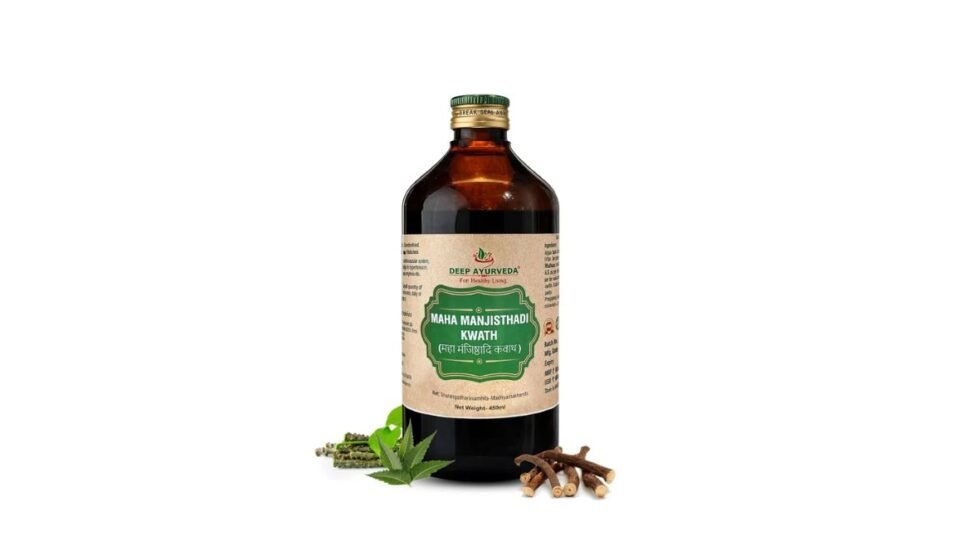
Mahamanjisthadi Kwath: A Complete Ayurvedic Guide for Blood Purification, Skin Health, and Overall Wellness

If you’ve been searching for a natural Ayurvedic remedy to support healthy skin, blood purification, chronic skin disorders, or Pitta imbalance, you’ve likely come across Mahamanjisthadi Kwath. It is one of Ayurveda’s well-known classical herbal decoctions, traditionally prescribed to help manage conditions associated with Rakta Dushti (impure blood), excess Pitta, inflammation, and certain chronic skin disorders.
As an Ayurvedic physician, I often explain to patients that skin problems are not always limited to the skin itself. According to Ayurveda, recurring acne, eczema, itching, pigmentation, psoriasis, or boils may reflect deeper imbalances involving the Rakta Dhatu (blood tissue), liver function, digestion (Agni), and accumulated Ama (metabolic toxins). Simply applying creams or treating the surface may provide temporary relief, but lasting improvement often requires addressing these underlying imbalances.
This is where Mahamanjisthadi Kwath has traditionally been valued. Prepared from a combination of carefully selected Ayurvedic herbs, it is primarily known for supporting healthy blood circulation, maintaining skin health, balancing aggravated Pitta and Kapha Dosha, promoting natural detoxification, and supporting the body’s normal inflammatory response. Rather than targeting only one symptom, Ayurveda considers this formulation a holistic approach to restoring internal balance.
However, it’s equally important to understand that Mahamanjisthadi Kwath is not a universal cure or a substitute for medical treatment. Its suitability depends on an individual’s Prakriti (body constitution), Vikriti (current imbalance), age, digestive strength, existing health conditions, and overall Ayurvedic assessment. Taking any herbal medicine without proper guidance may not produce the desired results and, in some situations, may not be appropriate.
In this comprehensive guide, we’ll explore everything you need to know about Mahamanjisthadi Kwath, including:
What Mahamanjisthadi Kwath is and how it works according to Ayurveda
Its traditional ingredients and their health-supporting properties
Potential uses and health benefits
Recommended dosage and the best time to take it
Possible side effects and important precautions
Dietary and lifestyle recommendations to maximize its effectiveness
Frequently asked questions based on real patient concerns
By the end of this guide, you’ll have a clear understanding of when Mahamanjisthadi Kwath may be considered, how it supports overall wellness according to Ayurvedic principles, and the precautions you should keep in mind before using it.
Mahamanjisthadi Kwath at a Glance
| Feature | Details |
| Classical Name | Mahamanjisthadi Kwath |
| Medicine Type | Classical Ayurvedic Herbal Decoction (Kwath) |
| Primary Action | Supports blood purification, skin health, detoxification, and Pitta-Kapha balance |
| Ayurvedic Category | Kashaya (Herbal Decoction) |
| Main Therapeutic Focus | Rakta Dhatu support, skin disorders, inflammatory conditions, detoxification |
| Major Doshas Balanced | Primarily Pitta and Kapha Dosha |
| Primary Tissues (Dhatus) | Rakta Dhatu, Rasa Dhatu, Twak (Skin) |
| Common Dosage Form | Liquid decoction, Kwath Churna (powder), concentrated extracts |
| Best Time to Take | Usually before meals or as directed by an Ayurvedic physician |
| Suitable For | Adults; dosage for children should only be decided by a qualified practitioner |
| Prescription Requirement | Recommended under Ayurvedic medical supervision |
| Storage | Store in a cool, dry place away from direct sunlight |
What is Mahamanjisthadi Kwath?
Mahamanjisthadi Kwath is a classical Ayurvedic herbal formulation traditionally used to support healthy blood, skin, liver function, and the body’s natural detoxification processes. The word “Kwath” refers to a herbal decoction prepared by boiling selected medicinal herbs in water until their active constituents are extracted.
The name Mahamanjisthadi literally means that Manjistha (Rubia cordifolia) is the principal herb in the formulation, accompanied by several other herbs that work together to promote balanced health. In Ayurveda, Manjistha is widely respected for its role in maintaining the health of Rakta Dhatu (blood tissue) and supporting normal skin physiology.
Unlike medicines designed to target a single symptom, Mahamanjisthadi Kwath is considered a multi-dimensional Ayurvedic formulation. Its herbs are selected to support several interconnected body systems, including:
- Healthy blood circulation
- Skin nourishment
- Liver support
- Digestive balance
- Natural detoxification pathways
- Immune system function
- Healthy inflammatory response
From an Ayurvedic perspective, this formulation is commonly recommended when symptoms suggest Rakta Dushti (vitiation of blood), aggravated Pitta Dosha, Kapha accumulation, or Ama (metabolic toxins). These internal imbalances may contribute to recurring skin concerns, inflammatory conditions, and reduced tissue health.
It is important to understand that Ayurveda does not view skin diseases as isolated problems. Instead, skin health reflects the condition of multiple body systems. If digestion is weak, toxins accumulate, liver function becomes compromised, or blood tissue becomes imbalanced, the skin often acts as an outlet for these disturbances. This is why Ayurvedic treatment focuses on correcting the root cause rather than only suppressing external symptoms.
Why Do Ayurvedic Physicians Prescribe Mahamanjisthadi Kwath?
As an Ayurvedic doctor, I usually explain it this way to patients:
Imagine your body’s internal environment as a flowing river. When the river remains clean and unobstructed, every surrounding area thrives. However, if impurities accumulate, the water becomes stagnant and begins affecting everything around it.
Similarly, according to Ayurveda:
- Healthy digestion produces healthy nutrition.
- Healthy nutrition forms healthy blood.
- Healthy blood nourishes healthy skin.
- Healthy skin reflects internal balance.
When this natural process is disturbed, you may notice concerns such as:
- Recurrent acne
- Persistent pimples
- Itching
- Eczema
- Psoriasis
- Skin redness
- Pigmentation
- Recurrent boils
- Slow wound healing
- General inflammatory tendencies
Mahamanjisthadi Kwath is traditionally used as part of a broader Ayurvedic treatment plan aimed at supporting the body’s natural healing mechanisms, restoring balance, and promoting healthier skin from within.
However, the formulation works best when combined with:
- An appropriate Ayurvedic diet
- Healthy digestion (Agni)
- Proper hydration
- Adequate sleep
- Stress management
- Individualized treatment based on your Dosha and health condition
This holistic approach is one of the key principles that distinguishes Ayurveda from symptom-focused care.
How Mahamanjisthadi Kwath Works According to Ayurveda
To truly understand Mahamanjisthadi Kwath, it’s important to first understand why Ayurveda recommends it. As an Ayurvedic physician, I often tell my patients that we don’t prescribe this formulation simply because someone has acne, eczema, or itching. Instead, we prescribe it after identifying the underlying imbalance that is contributing to these symptoms.
In Ayurveda, the goal is not just to reduce visible skin problems but to restore harmony within the body so that the skin can heal naturally.
Understanding the Root Cause: It’s More Than a Skin Problem
Many people believe that skin conditions are caused only by external factors such as dust, pollution, or cosmetics. While these can aggravate the skin, Ayurveda explains that most chronic or recurring skin concerns begin internally.
For example, if a patient comes to my clinic with repeated acne breakouts, itchy skin, or eczema, I don’t look at the skin alone. I also evaluate:
- How well they digest food.
- Whether they experience constipation or sluggish digestion.
- Their daily diet and lifestyle.
- Sleep quality and stress levels.
- Signs of excess heat (Pitta) or toxin accumulation (Ama).
- The condition of their blood (Rakta Dhatu) according to Ayurvedic assessment.
Only after understanding this complete picture do I decide whether Mahamanjisthadi Kwath is appropriate.
Rakta Dushti: The Ayurvedic Concept of Blood Impurity
One of the primary reasons Mahamanjisthadi Kwath is traditionally recommended is Rakta Dushti, a condition in which the Rakta Dhatu (blood tissue) becomes imbalanced.
It is important to understand that Rakta Dushti does not mean “dirty blood” in the modern medical sense. Rather, it is an Ayurvedic concept that describes an imbalance in the blood tissue, which may be associated with inflammatory skin conditions and other health concerns.
When Rakta Dhatu is disturbed, a person may notice:
Frequent acne or pimples: Repeated breakouts may indicate an underlying imbalance in Pitta and Rakta Dhatu rather than just oily skin.
Redness of the skin: Persistent redness or flushing can be a sign of excess internal heat affecting the blood tissue.
Itching: Unexplained itching without an obvious external cause is often linked to aggravated Pitta or vitiated Rakta in Ayurveda.
Burning sensation: A feeling of warmth or burning in the skin may suggest increased Pitta Dosha and blood imbalance.
Recurrent boils: Painful boils that return frequently may indicate deeper tissue imbalance requiring internal Ayurvedic support.
Skin rashes: Repeated rashes may occur when aggravated Doshas affect the quality of Rakta Dhatu and skin health.
Pigmentation: Uneven skin tone or post-inflammatory marks may persist when the underlying imbalance is not addressed.
Slow wound healing: Delayed healing can reflect poor tissue nourishment and impaired blood quality according to Ayurveda.
Certain chronic skin disorders: Long-standing skin concerns may involve multiple factors, including Rakta Dushti, Pitta aggravation, weak digestion, and Ama.
From an Ayurvedic perspective, Mahamanjisthadi Kwath is traditionally used to support the healthy functioning of Rakta Dhatu, helping maintain balanced skin health and overall well-being as part of a personalized treatment approach.
The Role of Pitta Dosha
Among the three Doshas—Vata, Pitta, and Kapha—Mahamanjisthadi Kwath is most commonly considered when Pitta Dosha is aggravated.
Pitta governs several essential physiological functions, including:
Metabolism: Pitta helps regulate how efficiently the body converts food into energy and nutrients.
Digestion: Healthy digestive fire (Agni) largely depends on balanced Pitta for proper breakdown and absorption of food.
Body temperature: Pitta plays an important role in maintaining the body’s internal heat and thermal balance.
Skin complexion: Natural skin glow, texture, and healthy coloration are closely linked with balanced Pitta.
Blood health: Ayurveda associates Pitta with the healthy functioning and nourishment of Rakta Dhatu.
Hormonal activity: Many metabolic and biochemical processes influenced by hormones are considered Pitta-dominant functions.
Inflammatory responses: Pitta supports normal immune activity, but excessive Pitta may contribute to inflammation.
When Pitta becomes aggravated, a person may experience:
Acne with redness: Inflamed pimples accompanied by redness often suggest excess internal heat.
Burning sensation: Burning in the skin, palms, soles, or stomach is commonly associated with aggravated Pitta.
Excessive body heat: Feeling unusually warm or intolerant to heat may indicate increased Pitta activity.
Inflammatory skin conditions: Skin disorders with redness, irritation, or swelling are often linked to Pitta imbalance.
Skin sensitivity: The skin may react more easily to sunlight, cosmetics, or environmental irritants.
Mouth ulcers: Recurrent mouth ulcers are considered a common sign of excess Pitta in Ayurveda.
Acid reflux: Hyperacidity and burning in the stomach frequently accompany aggravated Pitta.
Irritability: Emotional symptoms such as impatience or irritability may also increase when Pitta is out of balance.
In clinical practice, I often explain to patients that treating only the visible symptoms may provide temporary relief, but supporting internal balance is equally important. This is why Mahamanjisthadi Kwath is traditionally valued for its cooling, blood-supportive, and Pitta-balancing herbs within Ayurvedic medicine.
Kapha Dosha and Skin Congestion
Not every skin disorder is caused by Pitta alone. In many individuals, Kapha Dosha also contributes to persistent skin concerns.
When Kapha accumulates, patients may notice:
Oily skin: Excess oil production can create an environment where pores become clogged more easily.
Deep, painful pimples: Large cystic acne is often associated with Kapha accumulation along with inflammation.
Whiteheads: Blocked pores filled with trapped oil and dead skin cells may indicate Kapha dominance.
Blackheads: Persistent blackheads can develop when excess sebum combines with clogged pores.
Thick skin lesions: Some chronic skin conditions produce thicker or raised lesions due to Kapha imbalance.
Slow healing: Healing may take longer when circulation and tissue metabolism become sluggish.
Sticky skin secretions: Oozing or sticky discharge from skin lesions is another feature often linked with aggravated Kapha.
Ayurveda explains that when Pitta-generated inflammation combines with Kapha-related congestion, skin conditions can become more persistent and difficult to manage. Mahamanjisthadi Kwath is traditionally used because its herbal combination helps support the balance of both Doshas as part of an individualized Ayurvedic treatment plan.
Ama: Why Digestion Matters for Healthy Skin
One of Ayurveda’s unique concepts is Ama, which refers to improperly processed metabolic waste that forms when digestion (Agni) is weak.
Ama may develop due to:
Overeating: Eating beyond your digestive capacity can weaken Agni and promote Ama formation.
Processed foods: Highly processed foods are generally considered harder to digest and may disturb digestive balance.
Excess sugar: Frequent intake of sugary foods may contribute to metabolic imbalance and sluggish digestion.
Heavy, oily meals: Rich meals can overload digestion, especially when Agni is already weak.
Irregular eating habits: Skipping meals or eating at inconsistent times may interfere with healthy digestive rhythms.
Chronic stress: Ongoing stress can negatively affect digestion and contribute to digestive disturbances.
Lack of physical activity: A sedentary lifestyle may slow metabolism and reduce digestive efficiency.
Patients with Ama may experience:
Coated tongue: A thick coating on the tongue is one of the commonly described signs of Ama in Ayurveda.
Bloating: Persistent gas or abdominal fullness may indicate incomplete digestion.
Indigestion: Feeling heavy after meals or poor digestion often reflects weakened Agni.
Fatigue: Low energy despite adequate rest may occur when nutrients are not properly utilized.
Bad breath: Chronic unpleasant breath can sometimes accompany digestive imbalance.
Constipation: Incomplete bowel movements may contribute to toxin accumulation according to Ayurvedic principles.
Dull skin: Skin may lose its natural glow when digestion and tissue nourishment are compromised.
Recurring skin eruptions: Repeated skin flare-ups may reflect ongoing internal imbalance rather than an isolated skin issue.
For this reason, Ayurvedic physicians often focus on improving digestion alongside herbal therapy. Mahamanjisthadi Kwath is generally prescribed as one part of a comprehensive treatment plan that also includes dietary changes, lifestyle modifications, and measures to strengthen digestive health.
How Mahamanjisthadi Kwath Supports Different Body Systems
Unlike medicines designed for a single organ, Mahamanjisthadi Kwath is traditionally believed to support multiple interconnected systems.
Supports Rakta Dhatu (Blood Tissue)
Healthy blood is considered essential for nourishing every tissue in the body, including the skin. The formulation is traditionally used to help maintain the quality and balance of Rakta Dhatu.
Supports Twak (Skin)
Ayurveda considers the skin a reflection of internal health. By addressing underlying imbalances, Mahamanjisthadi Kwath aims to support healthy skin from within rather than only managing surface symptoms.
Supports Yakrit (Liver)
Although classical Ayurvedic texts describe liver function differently from modern medicine, the liver is recognized as an important organ in maintaining healthy blood and metabolism. Many herbs in Mahamanjisthadi Kwath are traditionally valued for supporting normal liver function.
Supports Agni (Digestive Fire)
Healthy digestion is the foundation of Ayurveda. When Agni functions properly, nutrients are better absorbed and Ama formation is reduced, creating a healthier internal environment.
Supports the Srotas (Body Channels)
Ayurveda describes Srotas as channels through which nutrients, fluids, and metabolic products circulate. When these pathways are functioning optimally, tissues receive proper nourishment and waste is eliminated efficiently. Mahamanjisthadi Kwath is traditionally used to support the healthy functioning of these channels, particularly those associated with blood and skin.
Why Mahamanjisthadi Kwath Should Be Individualized
One of the biggest misconceptions is that anyone with a skin problem should automatically take Mahamanjisthadi Kwath.
As an Ayurvedic physician, I always emphasize that the medicine should match the person’s imbalance—not just the disease name.
For example:
Two people may both have acne, but one has excess Pitta, while the other has Kapha with weak digestion.
Two patients may have eczema, yet one requires blood-supportive herbs, while the other needs therapies focused on improving Agni and reducing Ama.
This is why Ayurvedic treatment is personalized. Mahamanjisthadi Kwath may be highly beneficial for some individuals, but it is most effective when selected after evaluating factors such as Prakriti (body constitution), Vikriti (current imbalance), digestive strength, age, lifestyle, and associated health conditions.
Mahamanjisthadi Kwath Ingredients: Complete Ayurvedic Composition and Their Health Benefits
One of the reasons Mahamanjisthadi Kwath has been trusted in Ayurveda for centuries is its thoughtfully selected combination of herbs. Rather than relying on a single ingredient, this classical formulation combines multiple medicinal plants that work together to support Rakta Dhatu (blood tissue), healthy skin, liver function, digestion, and the body’s natural detoxification processes.
As an Ayurvedic doctor, I often explain to patients that the strength of a classical formulation lies in the synergy of its ingredients. Each herb has its own role, but when combined in the correct proportion, they complement one another to create a balanced therapeutic effect while reducing the likelihood of unwanted reactions.
Important Note: The exact ingredient list and proportions may vary slightly among manufacturers while remaining based on classical Ayurvedic principles. Always refer to the product label or consult an Ayurvedic physician for the formulation you are using.
| Herb | Botanical Name | Traditional Ayurvedic Role | Potential Health-Supporting Actions |
| Manjistha | Rubia cordifolia | Rakta Shodhaka, Pitta balancing | Supports healthy blood, skin, and inflammatory balance |
| Haritaki | Terminalia chebula | Deepana, Anulomana | Supports digestion and natural detoxification |
| Bibhitaki | Terminalia bellirica | Kapha balancing | Supports metabolism and respiratory wellness |
| Amalaki | Emblica officinalis | Rasayana, Pitta balancing | Rich in antioxidants and supports immunity |
| Neem | Azadirachta indica | Krimighna, Rakta Shodhaka | Traditionally used for skin and blood health |
| Guduchi | Tinospora cordifolia | Rasayana | Supports immune function and healthy metabolism |
| Daruharidra | Berberis aristata | Pitta balancing | Traditionally used for skin and liver support |
| Khadira | Acacia catechu | Kushtaghna | Supports healthy skin and blood |
| Triphala | Classical combination | Gentle detoxification | Supports digestive and bowel health |
How Mahamanjisthadi Kwath Works in the Body: Ayurvedic and Modern Scientific Perspective
One of the most common questions patients ask me is:
Doctor, how does Mahamanjisthadi Kwath actually work? Does it only work on the skin?
My answer is usually no.
Unlike topical creams that act only on the surface, Mahamanjisthadi Kwath is traditionally intended to support the body’s internal balance. According to Ayurveda, many chronic skin conditions are linked to imbalances in digestion, blood tissue (Rakta Dhatu), Doshas, and metabolic waste (Ama). This formulation is designed to support these interconnected systems rather than targeting only one symptom.
Think of it this way:
Healthy skin is often the result of a healthy internal environment. When digestion is functioning well, nutrients are absorbed efficiently, blood tissue is nourished, and metabolic waste is eliminated properly. Mahamanjisthadi Kwath is traditionally used to support this internal balance.
Let’s understand this process step by step.
Step 1: Supports Healthy Digestion (Agni)
In Ayurveda, Agni (digestive fire) is considered the foundation of good health. When digestion is strong, the body can absorb nutrients efficiently, nourish tissues, and naturally eliminate waste. Since many chronic skin concerns are believed to begin with impaired digestion, Ayurvedic treatment often starts by improving Agni.
When Agni Is Healthy
Efficient digestion: Food is broken down and utilized properly.
Better nutrient absorption: Essential nutrients reach different body tissues.
Healthy tissue nourishment: Skin, blood, and other Dhatus receive proper nutrition.
Reduced Ama formation: Less undigested metabolic waste accumulates in the body.
Signs of Weak Agni
Frequent bloating or gas: May indicate sluggish digestion.
Constipation or irregular bowel movements: Waste elimination becomes less efficient.
Indigestion after meals: Food may not be digested completely.
Persistent fatigue: Poor digestion can reduce energy production.
Recurring skin issues: Ayurveda often links weak digestion with chronic skin concerns.
Several herbs in Mahamanjisthadi Kwath are traditionally selected to support digestive function, making digestive balance an important first step toward overall wellness.
Doctor’s Advice: If your digestion is consistently weak, improving Agni through the right diet, lifestyle, and Ayurvedic guidance is often just as important as treating the skin itself.
Step 2: Helps Reduce Ama (Metabolic Waste)
According to Ayurveda, weak digestion can lead to the formation of Ama, an incompletely processed metabolic by-product that may interfere with normal body functions. Reducing Ama is considered an important part of restoring internal balance.
Ama May Affect the Body By
Blocking Srotas: Restricting the smooth flow of nutrients and waste.
Disturbing Dosha balance: Especially Pitta and Kapha in skin disorders.
Influencing Rakta Dhatu: Affecting the quality of blood tissue.
Increasing inflammatory tendencies: Contributing to chronic imbalances.
Impacting skin health: Skin may reflect these internal disturbances.
Mahamanjisthadi Kwath is traditionally used alongside dietary and lifestyle measures to help improve digestion and support the body’s natural elimination processes.
Note: Ama is an Ayurvedic concept and does not have a direct equivalent in modern medical terminology.
Step 3: Supports Rakta Dhatu (Blood Tissue)
Once digestion improves, Ayurveda focuses on maintaining the health of Rakta Dhatu, the tissue responsible for nourishing the body and supporting healthy skin.
Healthy Rakta Dhatu Helps
Nourish body tissues: Delivers nutrition throughout the body.
Support healthy skin: Contributes to a clearer complexion.
Maintain natural skin tone: Supports normal pigmentation.
Promote tissue repair: Assists the body’s natural healing process.
Signs of Rakta Dushti
Acne or pimples: Especially when recurring.
Itching or redness: Often associated with aggravated Pitta.
Eczema or psoriasis: Traditionally linked with blood imbalance.
Boils and delayed healing: May indicate deeper tissue involvement.
The herbs in Mahamanjisthadi Kwath are traditionally chosen to help maintain the healthy functioning of Rakta Dhatu and support skin wellness from within.
Step 4: Helps Balance Pitta and Kapha Dosha
Mahamanjisthadi Kwath is commonly recommended when both Pitta and Kapha contribute to skin imbalances.
When Pitta Is Aggravated
Burning sensation: Skin feels hot or irritated.
Redness and inflammation: Common in inflammatory skin conditions.
Sensitive skin: Easily reacts to heat or spicy foods.
Excess body heat: May worsen skin flare-ups.
When Kapha Is Aggravated
Oily skin: Increased sebum production.
Deep or cystic acne: Congested skin with slow healing.
Blocked pores: Whiteheads and blackheads become more common.
Sluggish metabolism: May contribute to toxin accumulation.
Ayurveda aims to restore Dosha balance through herbal medicines, diet, and lifestyle rather than focusing only on visible symptoms.
Step 5: Supports Healthy Liver Function
Ayurveda recognizes the liver as an important organ involved in maintaining healthy blood and metabolism. Supporting liver function is therefore considered beneficial for overall wellness.
A Healthy Liver Supports
Efficient metabolism: Helps process nutrients effectively.
Healthy digestion: Works closely with digestive functions.
Balanced blood health: Supports the nourishment of Rakta Dhatu.
Overall vitality: Contributes to better energy and well-being.
Modern research suggests that some herbs in Mahamanjisthadi Kwath possess antioxidant and hepatoprotective properties, although more clinical studies are needed.
Step 6: Supports the Body’s Natural Inflammatory Response
Persistent inflammation is often associated with long-term skin concerns. Traditionally, Mahamanjisthadi Kwath is used to support the body’s normal inflammatory balance.
Traditionally Supports
Antioxidant defense: Helps protect cells from oxidative stress.
Healthy inflammatory response: Supports balanced tissue function.
Immune regulation: Helps maintain overall wellness.
Tissue protection: Supports healthy skin and blood tissues.
These traditional uses are supported by emerging research on individual herbs, but they should not be interpreted as evidence of disease treatment or cure.
Step 7: Supports Healthy Skin Regeneration
Healthy skin depends on much more than external care. Ayurveda emphasizes nourishing the body from within to support the skin’s natural renewal process.
Skin Health Depends On
Balanced nutrition: Provides building blocks for healthy skin.
Healthy circulation: Delivers nutrients to skin cells.
Proper hydration: Maintains skin elasticity.
Restful sleep: Supports overnight tissue repair.
Balanced inflammation: Helps maintain normal skin function.
Mahamanjisthadi Kwath is traditionally used to support these internal processes rather than acting as a quick cosmetic remedy.
Step 8: Supports Immune System Balance
Ayurveda describes Vyadhikshamatva as the body’s natural ability to maintain health and resilience. Rasayana herbs in this formulation are traditionally used to support overall vitality.
Traditionally Helps Support
Natural resilience: Supports overall body strength.
Healthy tissue nourishment: Promotes long-term wellness.
Balanced immunity: Helps maintain normal immune function.
General recovery: Supports the body’s natural restorative processes.
Mahamanjisthadi Kwath should be viewed as part of a comprehensive Ayurvedic approach, not as a substitute for appropriate medical treatment.
Step 9: Supports Healthy Circulation and Tissue Nourishment
According to Ayurveda, healthy circulation through the Srotas (body channels) is essential for delivering nutrients and removing waste efficiently.
Supports Healthy Functioning Of
Rakta Dhatu: Helps nourish blood tissue.
Twak (Skin): Supports healthy skin from within.
Rasa Dhatu: Assists the distribution of nutrients.
Metabolic pathways: Helps maintain overall physiological balance.
This holistic approach explains why Mahamanjisthadi Kwath is traditionally recommended for supporting multiple body systems rather than focusing on a single symptom.
Health Benefits of Mahamanjisthadi Kwath
One of the questions I hear most often in my clinic is:
Doctor, what exactly are the benefits of Mahamanjisthadi Kwath? Can it help with my skin problem?
My answer is always the same:
Mahamanjisthadi Kwath is not prescribed simply because someone has a particular disease. In Ayurveda, the medicine is selected after understanding the individual’s Dosha imbalance, digestive health (Agni), tissue involvement (Dhatus), and overall body constitution (Prakriti).
If your condition is associated with Rakta Dushti (vitiated blood), aggravated Pitta, Kapha imbalance, or Ama accumulation, Mahamanjisthadi Kwath may be recommended as part of a personalized treatment plan.
Let’s explore its traditional health applications in detail.
1. Supports Healthy Blood Purification (Rakta Shodhana)
According to Ayurveda, Mahamanjisthadi Kwath is traditionally used to support Rakta Dhatu (blood tissue) and maintain its healthy function. This may help promote healthier skin, support normal inflammatory balance, and improve overall tissue nourishment when used under Ayurvedic guidance.
2. Helps Maintain Healthy Skin
Mahamanjisthadi Kwath is widely used in Ayurveda to support healthy skin by balancing Pitta Dosha, reducing Rakta Dushti, and promoting internal wellness. It focuses on improving the body’s internal balance rather than providing temporary cosmetic effects.
3. Traditionally Supports Acne and Pimples
When acne is associated with Pitta aggravation, excess oil, and impaired digestion, Mahamanjisthadi Kwath may be recommended as part of an Ayurvedic treatment plan. It works by addressing the underlying imbalance rather than only targeting visible breakouts.
4. Supports the Ayurvedic Management of Eczema
Ayurveda considers eczema to be associated with Dosha imbalance, Rakta Dushti, and Ama accumulation. Mahamanjisthadi Kwath is traditionally used alongside dietary and lifestyle modifications to support healthy skin and maintain normal inflammatory balance.
5. Traditionally Used in the Ayurvedic Care of Psoriasis
Mahamanjisthadi Kwath is commonly included in Ayurvedic care plans for chronic skin conditions like psoriasis. It is traditionally used to support blood health, skin nourishment, and balanced Pitta and Kapha Doshas under professional supervision.
6. Supports the Body’s Natural Inflammatory Response
Several herbs in Mahamanjisthadi Kwath are traditionally valued for helping maintain a healthy inflammatory response. Modern research has also explored some of these herbs for their antioxidant and anti-inflammatory properties, although more human studies are needed.
7. Supports Liver Health
Ayurveda associates healthy liver function with balanced blood and improved metabolism. Mahamanjisthadi Kwath contains herbs traditionally used to support liver health, which may indirectly contribute to healthier skin and overall wellness.
8. Supports Natural Detoxification
Rather than promoting rapid detoxification, Mahamanjisthadi Kwath supports the body’s natural cleansing processes by encouraging healthy digestion, metabolism, and elimination according to Ayurvedic principles.
9. Supports Healthy Wound Healing
Herbs such as Manjistha, Neem, and Khadira have traditionally been used to support the body’s natural tissue repair processes. Mahamanjisthadi Kwath may help maintain healthy skin regeneration as part of a comprehensive Ayurvedic approach.
10. Helps Maintain a Healthy Complexion
By supporting healthy blood circulation, balanced Pitta, and proper tissue nourishment, Mahamanjisthadi Kwath is traditionally used to promote a naturally healthy complexion and overall skin vitality.
11. Supports Immune Resilience
Rasayana herbs like Guduchi and Amalaki help nourish body tissues and support overall vitality. They are traditionally used in Ayurveda to maintain the body’s natural defense mechanisms and long-term wellness.
12. Supports Digestive Health
Healthy digestion is considered the foundation of good health in Ayurveda. Mahamanjisthadi Kwath contains herbs that support Agni (digestive fire), helping improve nutrient absorption and reduce Ama formation.
13. Supports Healthy Circulation
Ayurveda emphasizes that healthy circulation is essential for delivering nutrients to every tissue. Mahamanjisthadi Kwath is traditionally used to support Rakta Dhatu and maintain proper nourishment of the skin and other body tissues.
14. Supports Overall Wellness
By supporting digestion, blood health, skin nourishment, Dosha balance, and tissue health, Mahamanjisthadi Kwath contributes to holistic wellness. Its benefits are best achieved when combined with an Ayurvedic diet and healthy lifestyle.
Uses of Mahamanjisthadi Kwath: Traditional Ayurvedic Applications for Different Health Conditions
After understanding the benefits of Mahamanjisthadi Kwath, the next question many patients ask is:
Doctor, what conditions is Mahamanjisthadi Kwath actually used for?
The answer is important because Ayurveda does not prescribe medicines based only on the disease name. Instead, an Ayurvedic physician evaluates the patient’s Prakriti (body constitution), Vikriti (current imbalance), Dosha involvement, digestive strength (Agni), age, lifestyle, and overall health before recommending any formulation.
For example, two people may both have acne, but one may need Mahamanjisthadi Kwath while the other may benefit from a completely different treatment. This personalized approach is one of the core principles of Ayurveda.
Below are some of the most common traditional applications of Mahamanjisthadi Kwath in Ayurvedic practice.
Important: The following uses are based on traditional Ayurvedic practice. They should not be interpreted as proof that Mahamanjisthadi Kwath can prevent, treat, or cure any disease. Always seek professional medical advice for diagnosis and treatment.
1. Mahamanjisthadi Kwath for Acne (Yauvana Pidika)
According to Ayurveda, acne is often associated with aggravated Pitta and Kapha Dosha, along with Rakta Dushti and weak digestion. Mahamanjisthadi Kwath is traditionally used to support healthy skin from within by promoting Dosha balance, healthy blood tissue, and improved digestion as part of a comprehensive Ayurvedic treatment plan.
2. Mahamanjisthadi Kwath for Eczema
Ayurveda considers eczema to be linked with Pitta, Kapha, Rakta Dhatu imbalance, and Ama accumulation. Mahamanjisthadi Kwath may be recommended to support internal balance and skin health alongside appropriate diet, lifestyle changes, and physician-guided Ayurvedic therapies.
3. Mahamanjisthadi Kwath for Psoriasis
In Ayurvedic practice, psoriasis is viewed as a chronic condition involving multiple Doshas and disturbed Rakta Dhatu. Mahamanjisthadi Kwath is traditionally used to support skin nourishment, Pitta balance, and healthy tissue metabolism under professional supervision.
4. Mahamanjisthadi Kwath for Chronic Itching (Kandu)
Persistent itching is often associated with Rakta Dushti, Pitta, or Kapha imbalance in Ayurveda. Mahamanjisthadi Kwath may help support internal balance and healthy skin when prescribed after a proper Ayurvedic assessment.
5. Mahamanjisthadi Kwath for Recurrent Boils
Recurring boils are traditionally linked to vitiated blood, aggravated Pitta, and impaired digestion. Mahamanjisthadi Kwath is used to support healthy blood tissue and the body’s natural healing processes while addressing the underlying Ayurvedic imbalance.
6. Mahamanjisthadi Kwath for Pigmentation and Uneven Skin Tone
Ayurveda associates pigmentation with Pitta imbalance, chronic inflammation, and Rakta Dhatu disturbances. Mahamanjisthadi Kwath may be included in a holistic skincare approach to support healthy skin and an even complexion from within.
7. Mahamanjisthadi Kwath for Urticaria (Sheetapitta)
Urticaria, or hives, is often linked to aggravated Pitta and Rakta imbalance according to Ayurveda. Mahamanjisthadi Kwath may be used as supportive Ayurvedic care to help maintain Dosha balance under the guidance of a qualified practitioner.
8. Mahamanjisthadi Kwath for Allergic Skin Conditions
For recurring allergic skin concerns, Ayurveda focuses on correcting Pitta, Kapha, Ama, and Rakta Dushti rather than treating symptoms alone. Mahamanjisthadi Kwath may support this holistic approach when combined with dietary and lifestyle modifications.
9. Mahamanjisthadi Kwath for Supporting Liver Health
Ayurveda considers healthy liver function important for maintaining balanced Rakta Dhatu and overall metabolism. Mahamanjisthadi Kwath is traditionally used to support these natural functions, which may also contribute to healthier skin.
10. Mahamanjisthadi Kwath for Blood Tissue Support (Rakta Dhatu)
One of the primary traditional uses of Mahamanjisthadi Kwath is supporting the health of Rakta Dhatu (blood tissue). Balanced Rakta Dhatu is considered essential in Ayurveda for healthy skin, proper circulation, and tissue nourishment.
11. Mahamanjisthadi Kwath for General Skin Wellness
Mahamanjisthadi Kwath may be recommended for individuals with recurring skin concerns related to Pitta-Kapha imbalance and Rakta Dushti. It supports overall skin wellness by addressing internal health rather than focusing only on external appearance.
12. Mahamanjisthadi Kwath as Part of Panchakarma Therapy
Ayurvedic physicians may prescribe Mahamanjisthadi Kwath before, during, or after Panchakarma as part of a personalized detoxification and rejuvenation program. It is typically combined with appropriate diet, lifestyle changes, and other Ayurvedic therapies to support holistic healing.
Who May Benefit the Most?
After a proper Ayurvedic assessment, Mahamanjisthadi Kwath may be considered for individuals who have:
- Recurrent acne and pimples
- Chronic eczema
- Psoriasis (as supportive Ayurvedic care)
- Persistent itching
- Frequent boils
- Pitta-Kapha imbalance
- Signs of Rakta Dushti according to Ayurveda
- Weak digestion associated with skin concerns
- Need for holistic skin support under professional guidance
When Is Mahamanjisthadi Kwath Not the Right Choice?
Despite its wide range of traditional applications, Mahamanjisthadi Kwath is not suitable for everyone.
It may not be appropriate if:
- Your skin problem is caused by a bacterial, fungal, or viral infection requiring specific medical treatment.
- You have a severe allergic reaction or anaphylaxis.
- You have an undiagnosed skin lesion that could be cancerous.
- You are pregnant or breastfeeding without medical advice.
- You have significant liver or kidney disease unless approved by your healthcare provider.
- Your symptoms require urgent medical evaluation.
Remember, self-diagnosing based on internet information can delay proper treatment.
Mahamanjisthadi Kwath Dosage
One of the most important questions patients ask is:
Doctor, how should I take Mahamanjisthadi Kwath to get the best results?”
My answer is always the same:
The correct dosage depends on your age, body constitution (Prakriti), digestive strength (Agni), health condition, and the form of Mahamanjisthadi Kwath you are using.
Unlike over-the-counter supplements, classical Ayurvedic medicines should not be taken in the same dose by everyone. A dose that is suitable for one person may not be appropriate for another.
This section explains the commonly recommended dosage, the best time to take Mahamanjisthadi Kwath, how to prepare it correctly, and important precautions to help you use it safely.
Important: The following dosage information is for educational purposes only. Always follow the instructions provided on the product label or the advice of your qualified Ayurvedic physician.
Recommended Dosage of Mahamanjisthadi Kwath
The dosage varies depending on whether you are using the ready-made liquid decoction, Kwath Churna (herbal powder), or another formulation.
General Adult Dosage
| Dosage Form | Common Adult Dose |
| Ready-made liquid Kwath | 15–30 ml, usually diluted with an equal quantity of lukewarm water, once or twice daily, or as directed by an Ayurvedic physician |
| Kwath Churna (Decoction Powder) | Prepared according to the manufacturer’s instructions or classical Ayurvedic method before consumption |
| Concentrated Extract | Use only as directed on the product label or by your physician |
Note: Dosage recommendations may differ between manufacturers because the concentration of herbal extracts can vary.
Dosage for Children
The dosage for children should always be individualized. Before prescribing Mahamanjisthadi Kwath, an Ayurvedic pediatric practitioner typically considers:
Age: Younger children generally require much smaller doses than older children or adolescents.
Body Weight: Weight helps determine an appropriate and safe amount of the herbal preparation.
Digestive Capacity: A child’s digestive system is still developing, so tolerance to herbal medicines may vary.
Medical Condition: The dosage depends on the specific health concern and its severity rather than age alone.
Other Medications: Any ongoing prescription medicines or supplements should be reviewed to avoid unwanted interactions.
Doctor’s Advice: Never estimate a child’s dose by reducing an adult dose. Herbal medicines should always be prescribed according to the child’s individual needs.
Dosage for Older Adults
Older adults often require additional attention because several factors can influence how herbal medicines work.
Slower Digestion: Aging may reduce digestive efficiency, which can affect the absorption and tolerance of herbal formulations.
Existing Medical Conditions: Chronic conditions such as diabetes, hypertension, or kidney disease may require dosage adjustments.
Prescription Medicines: Since many older adults take multiple medications, potential herb-drug interactions should always be considered.
Regular Monitoring: Follow-up visits allow the physician to evaluate the response to treatment and adjust the dosage if necessary.
Best Time to Take Mahamanjisthadi Kwath
One of the most common questions is:
“Should I take it before food or after food?”
In many Ayurvedic treatment plans, Mahamanjisthadi Kwath is commonly recommended before meals, usually with lukewarm water. However, the exact timing depends on your digestive capacity and the condition being treated.
Common Recommendations
✔ Usually taken before meals
✔ Often taken in the morning and evening
✔ Usually diluted with lukewarm water
✔ Take it at approximately the same time each day for consistency
Some individuals with a sensitive stomach may be advised to take it after meals. Your physician will decide what is most suitable for your condition.
Should Mahamanjisthadi Kwath Be Taken on an Empty Stomach?
This depends on the individual.
Many patients tolerate it well before meals, but those who experience:
- Acidity
- Gastric irritation
- Sensitive digestion
- Nausea
may be advised to take it after food.
Never continue taking the medicine if it consistently causes discomfort without discussing it with your healthcare provider.
How to Prepare Mahamanjisthadi Kwath from Kwath Churna
If you are using Kwath Churna, proper preparation is important because the extraction process affects the quality of the decoction.
Traditional Preparation Method
Step 1
Measure the recommended quantity of Kwath Churna according to the product instructions or your physician’s advice.
Step 2
Add the herbal powder to the recommended amount of water.
Step 3
Boil the mixture over low heat until the water is reduced according to the preparation instructions.
Step 4
Filter the decoction using a clean strainer.
Step 5
Allow it to become comfortably warm before drinking.
Avoid storing freshly prepared decoction for long periods unless the manufacturer specifically recommends it.
Can You Mix Mahamanjisthadi Kwath with Honey?
Patients often ask whether they can improve the taste by adding honey.
In Ayurveda, the Anupana (vehicle) depends on the individual’s condition and the physician’s recommendation.
Depending on your health status, your physician may advise:
- Lukewarm water
- Plain water
- Honey (only in selected cases)
- Other suitable Anupana
Never add honey to very hot liquids, as classical Ayurveda advises against heating honey.
How Long Should You Take Mahamanjisthadi Kwath?
There is no fixed duration that suits everyone.
The treatment period depends on:
- The underlying health condition
- Severity of symptoms
- Chronicity of the disease
- Response to treatment
- Dietary compliance
- Lifestyle habits
General Guidance
Acute conditions may require a shorter duration, while chronic conditions often need a longer treatment period with regular follow-up and periodic reassessment.
Do not continue taking Mahamanjisthadi Kwath indefinitely without professional supervision.
What Should You Do If You Miss a Dose?
If you forget to take a dose:
- Take it when you remember if it is not close to your next scheduled dose.
- If your next dose is due soon, skip the missed dose.
- Continue with your regular schedule.
Do not double the dose to compensate for the missed one.
Can You Take More Than the Recommended Dose?
Some people believe that taking a larger dose will produce faster results.
This is not true.
Taking excessive quantities may increase the risk of:
- Digestive discomfort
- Loose stools
- Stomach irritation
- Unwanted side effects
Always use the dosage recommended by your physician or the product manufacturer.
Can Mahamanjisthadi Kwath Be Taken with Modern Medicines?
This is an important question, especially for people taking medicines for:
- Diabetes
- High blood pressure
- Thyroid disorders
- Heart disease
- Autoimmune conditions
Although many individuals use Ayurvedic and conventional medicines together under medical supervision, potential herb-drug interactions are possible.
Inform both your Ayurvedic physician and your primary healthcare provider about:
- Prescription medicines
- Over-the-counter medicines
- Herbal supplements
- Vitamins
- Nutritional supplements
This helps ensure safe and coordinated care.
Tips to Get the Best Results from Mahamanjisthadi Kwath
Herbal medicines work best when supported by healthy daily habits.
Follow a Pitta-Friendly Diet
Choose:
- Fresh vegetables
- Seasonal fruits
- Whole grains
- Adequate water
- Light, freshly prepared meals
Limit:
- Deep-fried foods
- Excess sugar
- Processed snacks
- Very spicy meals
- Alcohol
- Smoking
Common Mistakes Patients Make
As an Ayurvedic doctor, these are some of the most common mistakes I see:
❌ Stopping the medicine after a few days because results are not immediate.
❌ Taking a higher dose without consulting a physician.
❌ Ignoring dietary advice while expecting the medicine to work alone.
❌ Taking multiple herbal formulations simultaneously without guidance.
❌ Using internet recommendations instead of getting an individualized Ayurvedic assessment.
Avoiding these mistakes can improve both safety and treatment outcomes.
Mahamanjisthadi Kwath Side Effects
One of the most common concerns patients express before starting any Ayurvedic medicine is:
Doctor, is Mahamanjisthadi Kwath safe? Does it have any side effects?
This is an important question, and as an Ayurvedic physician, I always appreciate when patients ask about safety before beginning treatment.
The short answer is:
Mahamanjisthadi Kwath is generally considered well tolerated when prescribed appropriately by a qualified Ayurvedic physician and taken in the recommended dosage. It has been used in Ayurvedic practice for many years as a classical herbal formulation.
However, natural does not always mean risk-free. Like any medicine—Ayurvedic or modern—it may not be suitable for everyone, and side effects or interactions are possible, particularly if it is taken without proper guidance or in excessive amounts.
Understanding these precautions helps you use the medicine more safely and effectively.
Is Mahamanjisthadi Kwath Safe?
For most healthy adults, Mahamanjisthadi Kwath is generally well tolerated when:
- It is prescribed for the appropriate condition.
- The dosage is individualized.
- It is taken according to medical advice.
- High-quality products from reputable manufacturers are used.
- The patient follows the recommended diet and lifestyle.
Even so, every person’s response to herbal medicines is different. Factors such as age, digestion, body constitution, and existing medical conditions can influence how the body responds.
Possible Side Effects of Mahamanjisthadi Kwath
Mahamanjisthadi Kwath is generally well tolerated when taken in the recommended dosage under the supervision of a qualified Ayurvedic physician. However, like any herbal or conventional medicine, some individuals may experience mild side effects, particularly during the initial days of treatment or if the medicine is not suitable for their body constitution.
Mild Stomach Discomfort
People with sensitive digestion may occasionally notice:
Mild stomach irritation: A temporary feeling of discomfort, especially when taken on an empty stomach.
Heaviness after taking the medicine: Some individuals may feel mild digestive heaviness until their body adapts.
Nausea: A few people may experience mild nausea, particularly if the taste is difficult to tolerate.
Temporary abdominal discomfort: Mild stomach uneasiness may occur but usually settles after adjusting the dosage or timing.
In many cases, these symptoms improve when the medicine is taken as advised by an Ayurvedic physician.
Loose Stools
Since several herbs in Mahamanjisthadi Kwath support digestion and bowel function, some people may notice temporary changes in bowel habits.
Loose stools: Mild diarrhea may occur if the dose is higher than required.
Frequent bowel movements: Some individuals may pass stools more often during the initial days.
Mild abdominal cramping: Occasional stomach cramps can accompany loose stools in sensitive individuals.
If diarrhea becomes persistent, severe, or is accompanied by dehydration, stop taking the medicine and consult your healthcare provider.
Acidity or Gastric Irritation
Individuals with pre-existing digestive conditions may occasionally experience gastric discomfort.
Acid reflux: Those with a history of acidity may notice increased heartburn.
Gastritis: People with stomach inflammation may experience temporary irritation.
Sensitive stomach: Mild burning or discomfort may occur when taken before meals.
If these symptoms develop, your Ayurvedic physician may recommend taking the medicine after food or adjusting the dosage.
Allergic Reactions
Although rare, allergic reactions can occur with any herbal formulation.
Seek immediate medical attention if you experience:
Skin rash: A new rash or redness after starting the medicine.
Severe itching: Persistent itching that worsens after each dose.
Swelling of the lips or face: This may indicate a serious allergic reaction.
Difficulty breathing or wheezing: These symptoms require emergency medical care.
Dizziness: Sudden dizziness accompanied by other allergic symptoms should not be ignored.
If you notice any of these symptoms, discontinue Mahamanjisthadi Kwath immediately and seek prompt medical attention.
Can Mahamanjisthadi Kwath Cause Serious Side Effects?
When taken as directed and obtained from a reliable manufacturer, serious side effects are considered uncommon.
However, problems may occur if:
- The medicine is taken in excessive doses.
- Poor-quality or contaminated products are used.
- It is combined with other medicines without medical advice.
- It is taken despite having contraindications.
Always purchase Ayurvedic medicines from trusted and reputable manufacturers that follow recognized quality standards.
Who Should Avoid Mahamanjisthadi Kwath?
Although Mahamanjisthadi Kwath is widely used in Ayurveda, it is not suitable for everyone.
The following individuals should avoid self-medication and seek professional advice before using it.
1. Pregnant Women
If you are pregnant or planning a pregnancy:
Do not start Mahamanjisthadi Kwath without consulting both your obstetrician and a qualified Ayurvedic physician.
Many herbal medicines have not been adequately studied during pregnancy, so treatment should always be individualized.
2. Breastfeeding Mothers
If you are breastfeeding, consult your healthcare provider before taking Mahamanjisthadi Kwath.
The safety of many herbal formulations during lactation has not been fully established through high-quality clinical research.
3. Children
Children should only receive Mahamanjisthadi Kwath under the supervision of an experienced Ayurvedic pediatric practitioner.
Dosage depends on:
- Age
- Weight
- Digestive capacity
- Medical condition
Never administer an adult dose to a child.
4. Older Adults
Older individuals often have:
- Multiple medical conditions
- Reduced kidney or liver function
- Several prescription medications
These factors may influence treatment decisions, so dosage adjustments and closer monitoring may be necessary.
5. People with Liver Disease
Although some herbs in Mahamanjisthadi Kwath are traditionally used to support liver health, this formulation should not be used as a replacement for medical treatment of liver diseases.
If you have:
- Hepatitis
- Cirrhosis
- Fatty liver disease
- Elevated liver enzymes
consult your physician before taking any herbal medicine.
6. People with Kidney Disease
Individuals with chronic kidney disease or reduced kidney function should avoid self-prescribing Mahamanjisthadi Kwath.
Because kidney disease affects how the body handles many substances, professional medical guidance is essential.
7. Individuals with Autoimmune Disorders
If you have conditions such as:
- Rheumatoid arthritis
- Systemic lupus erythematosus
- Multiple sclerosis
- Inflammatory bowel disease
consult your healthcare provider before starting any herbal medicine, including Mahamanjisthadi Kwath.
Can Diabetic Patients Take Mahamanjisthadi Kwath?
Patients with diabetes frequently ask this question.
The answer depends on:
- Blood sugar control
- Current medications
- Overall health
- Individual Ayurvedic assessment
Some herbal ingredients have been studied for their potential effects on glucose metabolism, but Mahamanjisthadi Kwath should not replace prescribed diabetes medication.
If you have diabetes:
- Monitor your blood glucose regularly.
- Inform both your endocrinologist and Ayurvedic physician.
- Never stop prescribed medicines without medical advice.
Can Patients with High Blood Pressure Use It?
People with hypertension should consult their physician before starting Mahamanjisthadi Kwath, particularly if they take:
- Blood pressure medicines
- Blood thinners
- Diuretics
- Other long-term medications
Although significant interactions are not well documented, individualized medical guidance remains important.
Can Mahamanjisthadi Kwath Be Taken with Other Medicines?
Research on herb-drug interactions is still evolving.
Potential interactions may occur with:
- Blood-thinning medicines
- Diabetes medications
- Immunosuppressive medicines
- Liver-metabolized drugs
- Herbal supplements
- Nutritional supplements
To reduce the risk of interactions:
✔ Tell every healthcare provider about all the medicines and supplements you are taking.
✔ Do not hide your use of herbal medicines from your doctor.
Coordinated care helps improve both safety and treatment outcomes.
When Should You Stop Taking Mahamanjisthadi Kwath?
Stop taking the medicine and seek medical advice if you experience:
- Persistent vomiting
- Severe diarrhea
- Allergic reactions
- Difficulty breathing
- Severe abdominal pain
- Yellowing of the skin or eyes
- Significant worsening of symptoms
- Any unusual reaction after starting the medicine
Do not attempt to treat serious symptoms at home.
How to Minimize the Risk of Side Effects
As an Ayurvedic physician, I usually recommend the following precautions:
Follow the Correct Dosage
Never increase the dose without professional advice.
Buy Quality Products
Choose products manufactured by reputable Ayurvedic companies that follow quality-control standards and provide clear ingredient information.
Follow Dietary Recommendations
Many patients overlook this step.
Limiting:
- Fried foods
- Excess sugar
- Alcohol
- Smoking
- Highly processed foods
while following a balanced, Pitta-friendly diet may improve overall treatment outcomes.
Attend Regular Follow-Up Visits
Ayurvedic treatment is dynamic.
Your physician may adjust:
- Dosage
- Duration
- Supporting medicines
- Diet
- Lifestyle recommendations
based on your progress.
Common Safety Myths About Mahamanjisthadi Kwath
Myth 1: Herbal Medicines Never Cause Side Effects
Fact: Any medicine, whether herbal or conventional, can cause side effects in some individuals.
Myth 2: Taking More Will Produce Faster Results
Fact: Higher doses increase the risk of adverse effects and do not necessarily improve outcomes.
Myth 3: It Is Safe for Everyone
Fact: Pregnancy, breastfeeding, chronic diseases, and prescription medications all require individualized assessment before starting treatment.
Myth 4: If It Works for Someone Else, It Will Work for Me
Fact: Ayurveda is personalized. Two people with the same diagnosis may receive completely different treatments depending on their Dosha imbalance, digestion, and overall health.
Diet and Lifestyle While Taking Mahamanjisthadi Kwath
As an Ayurvedic physician, one of the biggest mistakes I see is that patients rely only on herbal medicine while continuing unhealthy eating habits and lifestyle practices.
Many people tell me:
Doctor, I’ve been taking Mahamanjisthadi Kwath for two weeks, but my skin hasn’t improved much.
When I ask about their routine, I often find:
- Sleeping after midnight
- Eating fast food several times a week
- Drinking very little water
- High levels of stress
- Skipping meals
- Frequent sugary drinks
- Lack of physical activity
In such cases, the medicine is only doing part of the work.
Ayurveda teaches that medicine (Aushadha), diet (Ahara), and lifestyle (Vihara) work together. If one of these is neglected, the overall results may be slower or less effective.
Think of Mahamanjisthadi Kwath as helping to restore internal balance. Your daily habits either support that healing process—or work against it.
Why Diet Matters in Ayurveda
According to Ayurveda:
Food is the first medicine.
Everything you eat influences:
- Digestion (Agni)
- Blood tissue (Rakta Dhatu)
- Dosha balance
- Skin health
- Energy levels
- Immunity
If digestion remains weak because of poor food choices, Ama (metabolic waste) may continue to accumulate despite taking herbal medicine.
This is why Ayurvedic treatment always includes dietary guidance.
Foods to Include While Taking Mahamanjisthadi Kwath
The foods below generally support healthy digestion and help maintain Pitta balance. Your Ayurvedic physician may adjust these recommendations based on your Prakriti (body constitution) and current health condition.
1. Fresh Seasonal Vegetables
Freshly cooked vegetables are easy to digest and provide essential vitamins, minerals, and fiber that support healthy digestion and skin nourishment.
Bottle gourd (Lauki): Naturally light and hydrating, making it a suitable choice for supporting digestion and balancing Pitta.
Ridge gourd (Turai): Easy on the stomach and commonly included in Ayurvedic diets for digestive comfort.
Pumpkin: Provides antioxidants and fiber while being gentle on the digestive system.
Ash gourd: Traditionally valued in Ayurveda for its cooling nature and hydration-supporting properties.
Cucumber: Helps maintain hydration and may provide a cooling effect during hot weather.
Zucchini: A light vegetable that fits well into a balanced diet and is generally easy to digest.
Carrot: Rich in beta-carotene and other nutrients that contribute to overall skin and eye health.
Beetroot: Contains natural antioxidants and nutrients, but should be consumed in moderation if advised by your physician.
Green beans: A good source of fiber and plant nutrients that support a balanced diet.
Spinach: Well-cooked spinach provides iron and antioxidants while being easier to digest than raw spinach.
Doctor’s Tip: Prefer freshly prepared vegetables over canned or heavily processed options to support healthy digestion.
2. Fresh Fruits
Seasonal fruits supply vitamins, antioxidants, and water that help support overall wellness and healthy skin.
Pomegranate: Traditionally appreciated in Ayurveda for supporting digestion and maintaining healthy blood tissue.
Apple: A fiber-rich fruit that can be included as part of a balanced daily diet.
Pear: Naturally hydrating and generally gentle on digestion.
Papaya: Contains digestive enzymes that may support comfortable digestion in many people.
Guava: Rich in vitamin C and dietary fiber, making it a nutritious snack option.
Sweet grapes: Provide hydration and natural sweetness when eaten in moderation.
Ripe mango: Can be enjoyed seasonally in moderate portions if it suits your body constitution.
Watermelon: Best eaten separately from heavy meals to support comfortable digestion.
3. Whole Grains
Whole grains provide sustained energy and dietary fiber while supporting healthy digestive function.
Brown rice: Offers more fiber than refined rice and helps provide steady energy.
Aged rice (Old rice): Traditionally preferred in Ayurveda because it is considered lighter to digest.
Oats: A wholesome breakfast choice that supports satiety and digestive health.
Barley: Traditionally used in Ayurveda to support metabolism and balanced nutrition.
Whole wheat: Suitable for many individuals when well tolerated and eaten in moderation.
Millets: Different millets may be recommended depending on your body constitution and seasonal needs.
4. Healthy Protein Sources
Adequate protein supports tissue repair, immune function, and overall health.
Moong dal: One of the easiest legumes to digest and commonly recommended in Ayurvedic diets.
Masoor dal: Provides plant-based protein and fits well into a balanced meal.
Chickpeas: A nutritious protein source when properly soaked, cooked, and well tolerated.
Lentils: Supply protein, fiber, and essential minerals that support overall nutrition.
Homemade paneer: Can be included in moderation as a source of protein and calcium.
Fresh tofu: A suitable plant-based protein option for many people following vegetarian diets.
5. Healthy Fats
Healthy fats help the body absorb fat-soluble vitamins and contribute to healthy skin.
Cow’s ghee: Traditionally valued in Ayurveda when consumed in moderation as part of a balanced diet.
Sesame oil: Often used in cooking and Ayurvedic practices, depending on individual constitution. Coconut: Provides healthy fats and is commonly preferred in warmer climates for its cooling properties.
Flaxseeds: Rich in omega-3 fatty acids and dietary fiber that support overall wellness.
Soaked almonds: Provide healthy fats, vitamin E, and antioxidants that support skin health.
Walnuts: Contain beneficial fats that contribute to heart and brain health.
Foods to Limit or Avoid
1. Deep-Fried Foods
Deep-fried foods are often heavy to digest and may contribute to sluggish digestion in susceptible individuals.
French fries: High in unhealthy fats and best enjoyed only occasionally.
Pakoras: Deep-fried snacks that may burden digestion when eaten frequently.
Chips: Highly processed and often contain excess salt and unhealthy fats.
Fried snacks: Regular consumption may interfere with healthy eating habits.
Fast food: Usually high in calories, refined oils, and sodium while offering limited nutritional value.
2. Excessively Spicy Foods
Very spicy foods may aggravate Pitta in some individuals, especially those prone to acidity or skin sensitivity.
Excess green chilies: Can increase heat sensations in susceptible people.
Red chili powder: Use in moderation if your physician recommends a Pitta-balancing diet.
Very spicy curries: Frequent consumption may not suit everyone with inflammatory skin concerns.
Hot sauces: Often contain concentrated spices and added preservatives.
3. Foods High in Added Sugar
A diet high in added sugar may affect overall metabolic health and should be limited.
Soft drinks: Provide excess sugar with little nutritional value.
Packaged fruit juices: Often contain added sugars despite appearing healthy.
Cakes and pastries: Best reserved for occasional treats rather than daily consumption.
Candy and sweets: Frequent intake may not support a balanced diet.
Sweetened beverages: Replace them with water or fresh homemade drinks whenever possible.
4. Highly Processed Foods
Highly processed foods are often rich in sodium, preservatives, and refined ingredients while being low in essential nutrients.
Instant noodles: Convenient but generally low in fiber and high in sodium.
Packaged snacks: Often contain refined oils and artificial flavoring.
Processed meats: Typically high in preservatives and salt.
Frozen ready meals: May lack the freshness and nutritional quality of home-cooked meals.
Daily Lifestyle Recommendations
As an Ayurvedic doctor, I always remind my patients that medicine alone cannot restore balance if daily habits continue to disturb the body. Following a healthy routine helps improve digestion, supports blood health, and enhances the overall effectiveness of Mahamanjisthadi Kwath.
Wake Up Early
Starting your day around sunrise helps align your body with its natural biological rhythm and supports healthy digestion, metabolism, and energy levels throughout the day.
Eat Meals at Regular Times
A consistent meal schedule helps maintain a healthy digestive fire (Agni), which Ayurveda considers essential for proper nutrient absorption.
- Eat breakfast, lunch, and dinner at regular times.
- Avoid skipping meals or eating late at night.
- Choose moderate portions instead of overeating.
Get Adequate Sleep
Quality sleep allows the body to repair and rejuvenate itself. Poor sleep may negatively affect skin health, immunity, stress levels, and hormonal balance.
- Aim for 7–9 hours of restful sleep each night.
- Try to sleep and wake up at the same time every day.
- Reduce screen time before bedtime for better sleep quality.
Stay Physically Active
Regular physical activity improves circulation, supports digestion, and contributes to overall physical and mental well-being.
- A 30–45 minute walk most days of the week is a great start.
- Choose activities you enjoy, such as cycling or swimming.
- Avoid intense exercise if you’re sick or recovering from illness.
Yoga That May Complement Ayurvedic Care
Yoga can be a valuable addition to your daily routine by supporting flexibility, reducing stress, and promoting overall wellness. It should be practiced as a complement to—not a replacement for—medical treatment.
- Surya Namaskar: Supports overall fitness and improves circulation.
- Bhujangasana: Helps improve posture and gently stretches the spine.
- Vajrasana: Can support digestion when practiced comfortably after meals.
- Tadasana: Improves posture, balance, and body awareness.
- Trikonasana: Enhances flexibility and supports healthy circulation.
If you’re new to yoga or have any medical condition, practice under the guidance of a qualified instructor.
Pranayama for Stress Management
Stress can influence overall health and may contribute to flare-ups in some skin conditions. Gentle breathing exercises can help promote relaxation and mental balance.
- Anulom Vilom: Encourages calm breathing and supports relaxation.
- Nadi Shodhana: Helps balance the breath and improve mental focus.
- Bhramari: May help reduce stress and create a sense of calm.
If you have a respiratory or heart condition, consult your healthcare provider before beginning any new breathing practice.
Manage Stress Effectively
Emotional well-being plays an important role in maintaining healthy skin and overall wellness. Simple daily habits can help you manage stress more effectively.
- Practice meditation or mindfulness for a few minutes each day.
- Spend time outdoors to refresh your mind and body.
- Stay connected with family and friends for emotional support.
- Make time for hobbies that help you relax and unwind.
- Limit unnecessary screen time, especially before bedtime.
Skin Care Tips While Taking Mahamanjisthadi Kwath
The medicine works internally, but external care is also important.
Follow These Simple Practices
✔ Wash your face with a gentle cleanser.
✔ Avoid scrubbing the skin aggressively.
✔ Use non-comedogenic skincare products if you are acne-prone.
✔ Protect your skin from excessive sun exposure.
✔ Avoid picking pimples or scratching itchy skin.
✔ Keep the skin moisturized if dryness is present.
Consult a dermatologist if your skin condition is severe or worsening.
Habits That May Delay Recovery
As an Ayurvedic physician, these are some of the habits I most commonly see slowing progress:
❌ Staying awake late every night
❌ Eating fast food regularly
❌ Skipping breakfast
❌ Drinking very little water
❌ Chronic stress without relaxation
❌ Smoking or excessive alcohol consumption
❌ Frequently changing herbal medicines without medical advice
❌ Expecting immediate results while ignoring dietary recommendations
Small, consistent improvements in daily habits often have a greater long-term impact than relying on medicine alone.
Lifestyle Checklist for Better Results
| Healthy Habit | Why It Matters |
| Eat freshly prepared meals | Supports healthy digestion (Agni) |
| Drink enough water | Helps maintain hydration and overall body functions |
| Sleep 7–9 hours | Supports recovery and skin repair |
| Exercise regularly | Promotes circulation and metabolism |
| Practice stress management | May help reduce stress-related flare-ups |
| Avoid smoking and alcohol | Supports liver, skin, and overall health |
| Follow your physician’s advice | Ensures safe and personalized treatment |
Final Thoughts
Mahamanjisthadi Kwath is a classical Ayurvedic formulation traditionally used to support healthy blood (Rakta Dhatu), skin health, digestion, and Pitta-Kapha balance. Its benefits are best achieved when it is taken under the guidance of a qualified Ayurvedic physician and combined with a balanced diet, healthy lifestyle, and proper daily routine.While it may help support overall skin wellness and internal balance according to Ayurvedic principles, it is not a substitute for professional medical care or self-medication. If you have a chronic health condition, are pregnant, breastfeeding, or taking prescription medicines, consult your healthcare provider before using Mahamanjisthadi Kwath.
Frequently Asked Questions
What is Mahamanjisthadi Kwath used for?
Mahamanjisthadi Kwath is a classical Ayurvedic formulation traditionally used to support blood tissue (Rakta Dhatu), healthy skin, Pitta-Kapha balance, digestion, and overall detoxification. It is commonly included in Ayurvedic management plans for various chronic skin concerns.
Can Mahamanjisthadi Kwath help with acne and pimples?
According to Ayurveda, it may help support acne management by addressing underlying imbalances such as Rakta Dushti, aggravated Pitta, and weak digestion. Results vary from person to person and should be guided by an Ayurvedic physician.
Is Mahamanjisthadi Kwath safe for daily use?
It is generally well tolerated when taken in the recommended dosage under the supervision of a qualified Ayurvedic practitioner. Long-term use should always be reviewed by your healthcare provider.
When is the best time to take Mahamanjisthadi Kwath?
It is commonly taken before meals with an equal quantity of lukewarm water, or as directed by an Ayurvedic physician. Follow the dosage instructions on your product or your doctor’s advice.
Are there any side effects of Mahamanjisthadi Kwath?
Most people tolerate it well, but some may experience mild digestive discomfort, loose stools, or stomach irritation. Stop using it and consult your doctor if you notice any unusual or allergic reactions.
Can Mahamanjisthadi Kwath be taken with allopathic medicines?
It may be used alongside conventional medicines in some cases, but you should consult your healthcare provider to avoid potential herb–drug interactions and ensure safe treatment.
Who should avoid Mahamanjisthadi Kwath?
Pregnant or breastfeeding women, children, and individuals with serious liver, kidney, or chronic medical conditions should use Mahamanjisthadi Kwath only under the guidance of a qualified healthcare professional.

[…] readers researching Ayurvedic approaches to skin health, Khadirarishta and Mahamanjisthadi Kwath naturally appear in the same conversation because both are associated with traditional skin and […]
[…] example, Mahamanjisthadi Kwath contains Manjistha but has a different classical therapeutic […]