Respiratory discomfort, seasonal coughs, throat irritation, excess mucus, and weak digestion are among the most common health concerns worldwide. While modern healthcare offers several treatment approaches, traditional systems such as Ayurveda have long relied on herbal formulations designed to support respiratory and digestive wellness naturally.
One such classical Ayurvedic formulation is Talisadi Churna, a herbal powder that has been used for centuries in traditional Ayurvedic practice. Known primarily for its role in supporting respiratory health, Talisadi Churna is also valued for its ability to promote healthy digestion, improve appetite, and help maintain balance in individuals with excess Kapha dosha.
Unlike many modern cough-support formulations that focus on a single symptom, Talisadi Churna follows a broader Ayurvedic philosophy. Ayurveda recognizes that respiratory discomfort often develops alongside impaired digestion, accumulation of Ama (metabolic toxins), and Kapha imbalance. For this reason, Talisadi Churna combines herbs that support both the respiratory and digestive systems.
As interest in traditional wellness practices continues to grow, Talisadi Churna has gained attention among individuals seeking natural approaches to support respiratory comfort, digestive function, and overall well-being. Its unique combination of herbs and long history of traditional use make it one of the most recognized classical Ayurvedic formulations available today.
In this comprehensive guide, we will explore:
What Talisadi Churna is
Its classical Ayurvedic background
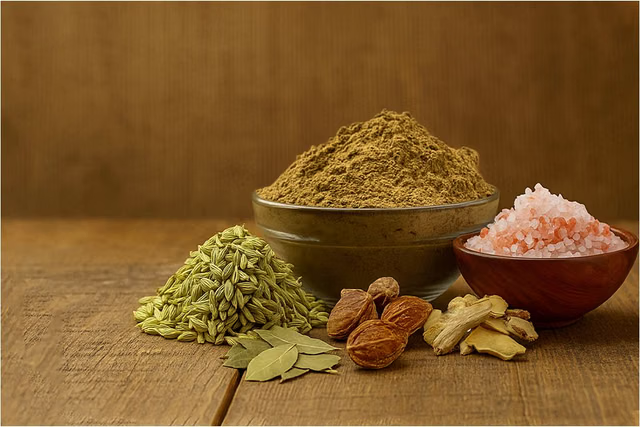
Ingredients and their traditional roles
Potential health benefits
Traditional uses
Dosage guidelines
Safety considerations
Frequently asked questions
Whether you are new to Ayurveda or researching traditional herbal formulations, this guide aims to provide balanced, evidence-informed, and easy-to-understand information.
Quick Facts About Talisadi Churna
| Feature | Details |
|---|
| Ayurvedic Formulation Type | Churna (Herbal Powder) |
| Classical Category | Respiratory and Digestive Support Formula |
| Primary Dosha Action | Kapha-Vata Balancing |
| Traditional Uses | Cough, Cold, Excess Mucus, Poor Digestion |
| Main Ingredient | Talisapatra |
| Common Adjuvants | Honey, Warm Water, Ghee |
| Traditional Reference | Sharangadhara Samhita |
| Ayurvedic Nature | Deepana and Pachana Supporting |
| Suitable For | Adults under professional guidance |
| Availability | Powder and Capsule Forms |
What Is Talisadi Churna?
According to traditional Ayurvedic literature, Talisadi Churna is commonly used to support respiratory comfort, particularly during periods of increased mucus production and seasonal respiratory concerns.
The formulation is also valued for its ability to promote healthy digestion, which Ayurveda considers essential for overall well-being.
Ayurvedic practitioners traditionally recommend Talisadi Churna when Kapha dosha becomes aggravated, leading to symptoms such as heaviness, congestion, and sluggish digestion.
Several ingredients in the formulation are known for their Deepana and Pachana properties, which may help stimulate appetite and support digestive fire (Agni).
Talisadi Churna has also been traditionally used to support the body’s natural ability to manage excess mucus and maintain clear respiratory passages.
By combining respiratory-supportive and digestive-supportive herbs, the formulation aims to address both the symptoms and the underlying imbalances described in Ayurveda.
Historical Background of Talisadi Churna
Talisadi Churna has been mentioned in classical Ayurvedic literature and continues to be widely prescribed by Ayurvedic practitioners.
For centuries, Ayurvedic physicians have used this formulation during seasonal transitions, periods of increased Kapha accumulation, and situations involving respiratory congestion.
Historically, Ayurvedic medicine has emphasized preventive care. Rather than waiting for symptoms to become severe, formulations like Talisadi Churna were traditionally used to support the body’s natural balance and maintain healthy respiratory function.
Its continued use in modern Ayurvedic practice demonstrates the lasting relevance of traditional herbal wisdom.
Ingredients of Talisadi Churna
The effectiveness of Talisadi Churna lies in its carefully selected combination of herbs.
Each ingredient contributes a specific function according to Ayurvedic principles.
Ingredient Overview Table
| Ingredient | Botanical Name | Traditional Role |
| Talisapatra | Abies webbiana | Respiratory Support |
| Pippali | Piper longum | Kapha Balance and Digestion |
| Maricha | Piper nigrum | Digestive Support |
| Shunthi | Zingiber officinale | Agni Support |
| Vanshlochana | Bambusa arundinacea | Respiratory Comfort |
| Ela | Elettaria cardamomum | Digestive Comfort |
| Tvak | Cinnamomum zeylanicum | Metabolic Support |
| Mishri | Sugar Candy | Taste and Balance |
Ingredient-by-Ingredient Analysis
1. Talisapatra (Abies webbiana)
Talisapatra is considered the principal ingredient of Talisadi Churna. Traditionally, Ayurvedic practitioners value it for its aromatic nature and its ability to support healthy respiratory function.
According to Ayurvedic principles, Talisapatra may help:
Support respiratory comfort: Talisapatra is traditionally used to help maintain clear airways and support overall respiratory wellness, particularly during seasonal changes.
Promote natural mucus clearance: Ayurveda considers Talisapatra beneficial for managing excess Kapha, which may contribute to mucus accumulation in the respiratory tract.
Balance excess Kapha: Its warming and aromatic qualities are believed to help reduce heaviness, congestion, and sluggishness associated with Kapha imbalance.
Maintain throat comfort: Traditionally, the herb has been used to soothe throat irritation and support vocal comfort.
Support healthy breathing: By helping maintain respiratory balance, Talisapatra is often included in formulations intended to support comfortable breathing.
Its aromatic compounds have made it a respected herb in respiratory-supportive formulations for centuries. Because of its central role, the formulation derives its name from this ingredient.
2. Pippali (Long Pepper)
Pippali is one of Ayurveda’s most respected herbs. Traditionally classified as a Rasayana herb, Pippali is widely used to support both respiratory and digestive wellness.
Ayurvedic texts suggest that Pippali may help:
Support healthy lung function: Pippali is traditionally valued for promoting respiratory strength and supporting healthy lung performance.
Promote digestive strength: Ayurveda regards Pippali as a Deepana herb that may help stimulate digestive fire and improve digestive efficiency.
Improve appetite: It has traditionally been used when poor digestion and reduced appetite are associated with weakened Agni.
Balance Kapha and Vata: Pippali’s warming nature is believed to help manage imbalances linked to both Kapha and Vata doshas.
Support nutrient absorption: Traditional Ayurvedic practice suggests that Pippali may enhance the body’s ability to utilize nutrients more effectively.
Modern scientific interest in Pippali largely focuses on piperine, a bioactive compound that may influence nutrient absorption. Its inclusion makes Talisadi Churna more than just a respiratory-supportive formula.
3. Maricha (Black Pepper)
Black pepper has been used for thousands of years in both traditional medicine and culinary applications.
In Ayurveda, Maricha is valued for its ability to support:
Digestion: Maricha is traditionally used to encourage efficient digestion and help reduce feelings of heaviness after meals.
Metabolism: Ayurvedic practitioners often include black pepper in formulations intended to support healthy metabolic activity.
Kapha balance: Its warming properties may help counteract excess Kapha-related symptoms such as congestion and mucus accumulation.
Appetite: Black pepper has traditionally been used to stimulate appetite when digestive fire is considered weak.
Natural detoxification processes: Ayurveda associates Maricha with reducing Ama, which is described as incompletely digested metabolic waste.
Ayurvedic practitioners often use black pepper when excess mucus, sluggish digestion, or Ama accumulation is present. Its warming nature complements the actions of the other herbs in the formulation.
4. Shunthi (Dry Ginger)
Dry ginger is one of the most versatile herbs in Ayurveda. Known as Shunthi, it is traditionally used to support digestive health, circulation, and respiratory wellness.
Potential traditional roles include:
Supporting Agni: Shunthi is widely used to strengthen digestive fire, which Ayurveda considers essential for overall health.
Promoting digestion: It may help support the breakdown and assimilation of food while reducing digestive discomfort.
Maintaining respiratory comfort: Traditional Ayurvedic texts often recommend dry ginger to support respiratory wellness and Kapha balance.
Supporting healthy circulation: Ginger has historically been used to promote warmth and healthy circulation throughout the body.
Assisting Kapha balance: Its heating nature makes it particularly useful in managing Kapha-related sluggishness and congestion.
Many Ayurvedic practitioners consider ginger a foundational herb because of its broad applications throughout the body.
5. Vanshlochana (Bamboo Silica)
Vanshlochana is a naturally occurring silica-rich substance obtained from bamboo. Traditionally it is used in respiratory-supportive Ayurvedic formulations.
Ayurvedic texts describe its role in supporting:
Respiratory health: Vanshlochana is traditionally included in formulations intended to promote respiratory comfort and balance.
Throat comfort: It has long been used to help soothe throat irritation and support vocal wellness.
Natural mucus balance: Ayurveda associates Vanshlochana with helping maintain a healthy balance of respiratory secretions.
General wellness: Beyond respiratory applications, it has traditionally been regarded as a supportive ingredient for overall health.
Its inclusion contributes to the traditional respiratory focus of Talisadi Churna.
6. Ela (Cardamom)
Cardamom is one of the world’s most recognized aromatic spices. In Ayurveda, Ela is appreciated for its digestive-supportive and balancing qualities.
Traditional uses include:
Supporting digestion: Cardamom is commonly used to ease digestive discomfort and promote digestive harmony.
Promoting appetite: It may help stimulate appetite in individuals experiencing digestive sluggishness.
Maintaining freshness of breath: Its naturally aromatic properties have made it a traditional choice for supporting oral freshness.
Supporting Kapha balance: Ayurveda considers cardamom useful for reducing heaviness and maintaining Kapha equilibrium.
Cardamom also contributes to the pleasant aroma and taste profile of Talisadi Churna.
7. Tvak (Cinnamon)
Cinnamon has a long history of use in traditional wellness systems.
In Ayurveda, it is considered warming and supportive of digestive function.
Traditional benefits include:
Digestive support: Cinnamon is traditionally used to support healthy digestion and reduce digestive sluggishness.
Metabolic support: Ayurvedic practitioners often include cinnamon in formulations intended to support balanced metabolic activity.
Kapha balance: Its warming qualities are believed to help manage Kapha-related heaviness and congestion.
Circulatory support: Cinnamon has historically been used to promote warmth and healthy circulation.
Its warming properties complement the overall formulation.
8. Mishri (Sugar Candy)
Mishri serves multiple traditional purposes.
While many people assume it is included only for sweetness, Ayurvedic formulations often use Mishri to create balance among stronger herbs.
Traditional roles include:
Improving palatability: Mishri helps make herbal formulations easier to consume, especially for individuals sensitive to pungent herbs.
Supporting formulation balance: Ayurveda often combines sweet ingredients with heating herbs to maintain harmony within a formulation.
Enhancing patient compliance: A more pleasant taste may encourage regular use when recommended by a healthcare practitioner.
However, individuals managing blood sugar levels should seek professional guidance before using products containing Mishri.
How Talisadi Churna Works According to Ayurveda
One reason Talisadi Churna has remained popular for centuries is its multi-dimensional approach. Instead of focusing on a single symptom, Ayurveda considers the body as an interconnected system where digestion, metabolism, respiratory health, and immunity influence each other. This classical formulation combines herbs that traditionally support several of these functions simultaneously.
1. Supports Healthy Agni (Digestive Fire)
According to Ayurveda, Agni is the body’s digestive and metabolic force responsible for breaking down food and converting it into nourishment. When Agni becomes weak, digestion may slow down, leading to symptoms such as bloating, heaviness, poor appetite, and discomfort after meals. Ingredients like Pippali, Shunthi (dry ginger), and Maricha (black pepper) are traditionally included in Talisadi Churna to support healthy digestion and help maintain balanced metabolic activity.
2. Helps Reduce Ama Accumulation
Ayurveda describes Ama as unwanted metabolic residue that may form when digestion is incomplete. Excess Ama is traditionally associated with sluggishness, digestive discomfort, heaviness, and an increased tendency toward Kapha-related imbalances. By supporting digestive efficiency and Agni, Talisadi Churna is traditionally used to help reduce the formation of Ama and promote better overall balance within the body.
3. Supports Kapha Balance
Kapha dosha is associated with qualities such as heaviness, coldness, moisture, and stability. When Kapha becomes excessive, it may contribute to symptoms such as mucus accumulation, congestion, sluggish digestion, a feeling of heaviness, and reduced appetite. The warming and aromatic herbs present in Talisadi Churna are traditionally used to help balance excess Kapha and support normal respiratory and digestive function.
4. Promotes Respiratory Comfort
Talisadi Churna has long been used in Ayurveda to support respiratory wellness, particularly during seasonal changes when cough, throat irritation, and mucus accumulation are more common. Herbs such as Talisapatra, Pippali, and Vanshlochana are traditionally valued for their role in maintaining respiratory comfort and supporting the body’s natural mechanisms for managing excess mucus. This makes the formulation a popular choice in traditional Ayurvedic respiratory care.
A Dual Approach to Respiratory and Digestive Health
One of the most distinctive features of Talisadi Churna is its dual-action Ayurvedic approach. While many formulations focus only on respiratory symptoms, Talisadi Churna traditionally supports both digestion and respiratory wellness. Ayurveda considers strong digestion essential for maintaining balance throughout the body, which is why this formulation combines digestive-supportive herbs with ingredients traditionally used for respiratory comfort. This holistic approach is one reason Talisadi Churna continues to be widely used in Ayurvedic practice today.
From an Ayurvedic perspective, respiratory issues are often not viewed in isolation. Classical Ayurvedic texts suggest that weakened digestion, Kapha accumulation, and the formation of Ama can contribute to respiratory discomfort. Talisadi Churna is traditionally formulated to address these interconnected factors, making it a comprehensive Ayurvedic formulation rather than a symptom-focused remedy.
Evidence-Based Benefits of Talisadi Churna
While Talisadi Churna originates from traditional Ayurvedic medicine, modern researchers have shown growing interest in many of its individual ingredients.
It is important to understand that most scientific studies currently focus on the herbs used in the formulation rather than the complete Talisadi Churna itself. As a result, more high-quality clinical studies are needed to fully understand the effects of the finished formulation.
Even so, the traditional uses of Talisadi Churna are supported by the long history of Ayurvedic practice and the well-documented properties of several of its ingredients.
1. May Support Respiratory Comfort
Respiratory support is one of the primary reasons Talisadi Churna has been used in Ayurveda for centuries. The formulation combines herbs that are traditionally valued for maintaining airway comfort and helping the body manage excess Kapha.
Some of the ways it may support respiratory wellness include:
Supporting healthy mucus balance: Herbs such as Talisapatra, Pippali, and Maricha have traditionally been used to help maintain normal mucus levels and prevent the feeling of heaviness associated with excess Kapha.
Maintaining throat comfort: The warming and aromatic ingredients in the formulation may help soothe temporary throat irritation and support vocal comfort during seasonal changes.
Promoting respiratory wellness: Ayurveda traditionally uses Talisadi Churna to support healthy lung function and overall respiratory well-being, particularly during periods of increased congestion.
Supporting seasonal respiratory resilience: Because respiratory discomfort often increases during winter and rainy seasons, Talisadi Churna has historically been used as part of seasonal wellness routines.
The combination of aromatic herbs and warming spices is one of the reasons this formulation continues to be widely used for respiratory support in Ayurvedic practice.
2. May Help Maintain Healthy Digestion
One of the most overlooked aspects of Talisadi Churna is its strong connection with digestive health. While many people associate it only with cough and cold support, Ayurveda considers digestion to be the foundation of overall wellness.
Several ingredients contribute to this traditional digestive-supportive action:
Ginger (Shunthi): Traditionally used to stimulate digestive fire (Agni) and support comfortable digestion after meals.
Black Pepper (Maricha): Valued in Ayurveda for promoting digestive efficiency and helping the body process food more effectively.
Long Pepper (Pippali): Traditionally used to support both respiratory and digestive health, making it one of the key herbs in the formulation.
Cardamom (Ela): Known for its soothing effect on the digestive system and its ability to support digestive comfort.
This combination makes Talisadi Churna unique because it addresses both respiratory and digestive wellness rather than focusing on a single body system.
3. May Support Healthy Appetite
A reduced appetite is often linked with weakened digestive function in Ayurveda. When Agni becomes sluggish, people may experience a lack of interest in food, early fullness, or a feeling of heaviness after eating.
The warming herbs in Talisadi Churna are traditionally used to encourage healthy digestive activity and naturally support appetite.
For this reason, Ayurvedic practitioners may consider Talisadi Churna in individuals who experience respiratory discomfort alongside digestive sluggishness or reduced appetite.
4. May Support Metabolic Function
According to Ayurvedic principles, healthy metabolism depends largely on the strength of Agni, the body’s digestive and metabolic fire.
A balanced Agni is believed to influence several important functions, including:
Digestion: Efficient digestion helps the body break down food and utilize nutrients more effectively.
Nutrient utilization: Proper metabolic activity supports the absorption and use of nutrients needed for daily functions.
Energy production: Ayurveda associates balanced digestion with healthy energy levels and overall vitality.
General well-being: When metabolic processes function efficiently, the body is better able to maintain balance and resilience.
Because Talisadi Churna contains several digestive-supportive herbs, it has traditionally been used to support these interconnected processes.
5. May Help During Seasonal Changes
Many people experience respiratory discomfort during periods of seasonal transition, especially in colder or wetter weather conditions.
These situations commonly include:
Winter months: Lower temperatures often contribute to increased Kapha accumulation and respiratory congestion.
Rainy seasons: Damp weather may aggravate Kapha-related symptoms such as heaviness and mucus production.
Sudden temperature fluctuations: Rapid changes in weather can affect respiratory comfort and throat health.
Seasonal transitions: The body’s adaptation to changing environmental conditions may temporarily influence respiratory wellness.
Because Talisadi Churna contains multiple warming and Kapha-balancing herbs, it has traditionally been used during these periods to support seasonal wellness.
Talisadi Churna for Cough: What Does Ayurveda Say?
One of the most common reasons people search for Talisadi Churna is its traditional use in cough management.
From an Ayurvedic perspective, cough can develop due to several factors, including:
Kapha imbalance: Excess Kapha may lead to mucus accumulation, congestion, and a productive cough.
Vata imbalance: Dryness and irritation in the respiratory passages may contribute to a dry or non-productive cough.
Environmental influences: Dust, cold weather, pollution, and seasonal allergens may aggravate respiratory discomfort.
Digestive weakness: Ayurveda believes that impaired digestion can contribute to the formation of Ama, which may indirectly affect respiratory health.
Talisadi Churna is most commonly associated with Kapha-dominant cough patterns, which may present with:
Mucus production: Excess mucus can create a feeling of chest congestion and frequent coughing.
Congestion: Kapha accumulation may lead to heaviness and blocked respiratory passages.
Heaviness in the chest: Individuals often describe a feeling of chest fullness or mucus retention.
Frequent throat clearing: Persistent throat clearing may occur when excess mucus accumulates in the upper respiratory tract.
In Ayurvedic practice, herbal support is usually combined with dietary and lifestyle recommendations for a more comprehensive approach.
Talisadi Churna for Cold and Congestion
Seasonal colds and congestion are often associated with increased Kapha dosha according to Ayurvedic principles.
Traditional Ayurvedic management focuses on several key goals:
Supporting Agni: Strong digestion is believed to help the body maintain internal balance during periods of illness.
Reducing Kapha accumulation: Warming herbs are traditionally used to help counter feelings of heaviness and excess mucus.
Maintaining respiratory comfort: Supporting comfortable breathing and throat health is an important part of Ayurvedic respiratory care.
The warming nature of ingredients such as ginger, black pepper, and long pepper has contributed to the traditional use of Talisadi Churna during periods of congestion.
Ayurvedic practitioners may also advise avoiding:
Cold foods and beverages: These are traditionally believed to aggravate Kapha and slow digestion.
Excess dairy products: Some individuals may experience increased mucus production when consuming large amounts of dairy.
Heavy meals: Rich or difficult-to-digest foods may place additional stress on digestion during periods of respiratory discomfort.
Talisadi Churna for Sore Throat
Temporary throat discomfort can occur due to weather changes, excessive voice use, environmental irritants, or respiratory congestion.
Common contributing factors include:
Seasonal changes: Shifts in temperature and humidity can affect throat comfort.
Dry weather: Reduced moisture in the air may contribute to throat dryness and irritation.
Respiratory irritation: Environmental pollutants and allergens can affect throat tissues.
Traditionally, Talisadi Churna is often taken with honey because honey is highly valued in Ayurveda for supporting respiratory and throat wellness.
This combination has been used for generations as part of traditional Ayurvedic respiratory care.
Talisadi Churna for Digestive Health
This is one of the most under-discussed benefits online.
In reality, digestive support is central to the formulation.
Ayurveda teaches that impaired digestion contributes to the accumulation of Ama, which may affect multiple systems of the body.
Talisadi Churna contains several herbs known for their digestive-supportive actions:
Ginger
Traditionally used to support digestion and Agni.
Black Pepper
Traditionally used to support digestive efficiency.
Long Pepper
Traditionally valued for digestive and respiratory support.
Cardamom
Traditionally used to support digestive comfort.
Together, these herbs create a formulation that supports both respiratory and digestive wellness.
Talisadi Churna vs Sitopaladi Churna
One of the most frequently searched comparisons online is Talisadi Churna versus Sitopaladi Churna.
Although both formulations are used in Ayurvedic respiratory support, they differ significantly.
| Feature | Talisadi Churna | Sitopaladi Churna |
|---|---|---|
| Main Focus | Respiratory + Digestion | Respiratory Support |
| Warming Nature | Stronger | Milder |
| Digestive Support | Higher | Moderate |
| Kapha Reduction | Stronger | Moderate |
| Sweetness | Lower | Higher |
| Pungency | Higher | Lower |
Talisadi Churna vs Trikatu Churna
Another common comparison is with Trikatu Churna.
| Feature | Talisadi Churna | Trikatu Churna |
| Respiratory Support | Strong | Moderate |
| Digestive Support | Strong | Very Strong |
| Cooling Ingredients | Present | Absent |
| Sweet Components | Present | No |
| Overall Balance | Moderate | Highly Heating |
Trikatu is generally considered more heating and primarily digestion-focused.
Talisadi offers a broader respiratory-digestive balance.
Scientific Perspective on Key Ingredients
Modern research has increasingly focused on the individual herbs found within Talisadi Churna. While most scientific studies have evaluated these ingredients separately rather than the complete formulation, the findings help explain why these herbs have remained important in traditional Ayurvedic practice for centuries.
Piperine (Pippali and Black Pepper)
Piperine is a naturally occurring plant compound found in both long pepper (Pippali) and black pepper (Maricha). It is one of the most extensively studied bioactive constituents in these spices.
Researchers have studied piperine for several reasons:
Bioavailability enhancement: Piperine may help improve the absorption of certain nutrients and plant compounds, which is why it is often described as a natural bioavailability enhancer in scientific literature.
Digestive support: Traditional Ayurvedic texts use pepper-based herbs to support digestion, and modern research has explored how piperine may influence digestive processes and gastrointestinal function.
Metabolic effects: Some studies suggest that piperine may interact with metabolic pathways involved in nutrient utilization, although further research is still needed to understand these effects fully.
Its potential role in enhancing nutrient absorption has made piperine one of the most researched compounds found in Ayurvedic herbs.
Gingerols (Ginger)
Ginger contains a variety of naturally occurring compounds, with gingerols being among the most well-known and widely studied.
Research has explored gingerols for their potential involvement in several areas of health:
Digestive wellness: Ginger has traditionally been used to support healthy digestion, and scientific studies have investigated its effects on gastric function and digestive comfort.
Inflammatory balance: Researchers have examined gingerols for their role in supporting the body’s natural inflammatory response, making ginger one of the most studied medicinal spices worldwide.
General health support: Due to its broad range of bioactive compounds, ginger continues to be investigated for its potential contribution to overall wellness and physiological balance.
The growing scientific interest in ginger reflects its long-standing reputation as a valuable herb in both traditional and modern health systems.
Cinnamon Polyphenols
Cinnamon contains several naturally occurring plant compounds, including polyphenols, which are known for their antioxidant properties.
Modern research has investigated cinnamon in relation to:
Antioxidant activity: Cinnamon polyphenols have been studied for their ability to help protect cells from oxidative stress caused by free radicals.
Metabolic health: Scientists continue to explore how cinnamon compounds may interact with pathways involved in glucose metabolism and overall metabolic function.
Cellular protection: Preliminary research suggests that cinnamon’s bioactive compounds may contribute to maintaining normal cellular health, although more human studies are needed.
While research remains ongoing, cinnamon continues to attract attention because of its unique combination of culinary and traditional medicinal uses.
Cardamom Phytochemicals
Cardamom contains a range of aromatic phytochemicals that contribute to its distinctive flavor and traditional therapeutic applications.
Researchers have explored cardamom for several potential properties:
Digestive support: Traditional systems of medicine have long used cardamom to support digestive comfort, and modern studies continue to investigate this relationship.
Antioxidant potential: Cardamom contains naturally occurring compounds that may help support the body’s antioxidant defense systems.
Aromatic benefits: The essential oils found in cardamom contribute to its characteristic aroma and are believed to play a role in many of its traditional uses.
Although more high-quality human studies are needed, cardamom remains an important ingredient in many traditional herbal formulations.
What Makes Talisadi Churna Different From Other Ayurvedic Formulations?
Many Ayurvedic formulations are designed to target a specific area of health. Talisadi Churna stands out because it follows Ayurveda’s broader understanding of the connection between respiratory health and digestive function.
Instead of focusing only on respiratory symptoms, the formulation traditionally supports multiple aspects of wellness:
Respiratory wellness: The combination of Talisapatra, Pippali, Vanshlochana, and other herbs has traditionally been used to support healthy respiratory function and throat comfort.
Digestive health: Ingredients such as ginger, black pepper, and cardamom are traditionally valued for supporting digestion and maintaining healthy digestive fire (Agni).
Kapha balance: Several herbs in the formulation possess warming properties that are traditionally used to help manage excess Kapha, which Ayurveda associates with mucus accumulation and heaviness.
Appetite support: By supporting digestive efficiency, Talisadi Churna has traditionally been used in situations where appetite is reduced due to digestive sluggishness.
Metabolic function: Ayurveda views digestion and metabolism as closely connected, and the formulation’s digestive-supportive ingredients contribute to its broader wellness applications.
This dual focus on respiratory and digestive wellness is one of the key reasons Talisadi Churna has remained relevant in Ayurvedic practice for generations.
According to Ayurvedic philosophy, addressing digestion is often an important part of supporting respiratory health. Rather than viewing these systems separately, Ayurveda recognizes their interconnection, and Talisadi Churna is a classic example of this holistic approach.
Which Anupana Is Best?
| Goal | Common Traditional Choice |
|---|---|
| Cough Support | Honey |
| Excess Mucus | Honey |
| Digestion Support | Warm Water |
| General Wellness | Warm Water |
| Vata Dominance | Ghee |
| Seasonal Support | Honey or Warm Water |
Individual recommendations may vary.
Talisadi Churna Dosage
One of the most common questions people ask is: How much Talisadi Churna should I take?
The answer depends on several factors because Ayurvedic formulations are traditionally prescribed according to an individual’s constitution, symptoms, and overall health status.
Factors That May Influence Dosage
Age: Children, adults, and older adults may require different amounts based on their body’s ability to process herbal formulations.
Body Constitution (Prakriti): In Ayurveda, a person’s natural dosha balance can influence how they respond to certain herbs and formulations.
Digestive Strength: Individuals with strong digestion may tolerate herbal preparations differently than those with sensitive or weakened digestion.
Current Health Status: Existing medical conditions, respiratory concerns, or digestive issues can affect dosage recommendations.
Purpose of Use: The recommended amount may vary depending on whether Talisadi Churna is being used for respiratory support, digestive health, or general wellness.
Professional Guidance: A qualified Ayurvedic practitioner can adjust the dosage according to an individual’s needs and health goals.
Because herbal formulations affect people differently, personalized guidance is always preferable.
General Adult Dosage
Traditionally, Ayurvedic practitioners may recommend:
1–3 grams, once or twice daily
The exact amount can vary depending on the individual’s constitution, symptoms, and practitioner recommendations.
Children’s Dosage
Children should only take Talisadi Churna under the supervision of a qualified Ayurvedic practitioner or healthcare professional.
Dosage is usually adjusted based on:
Age: Younger children generally require significantly smaller amounts than adolescents.
Weight: Body weight is often considered when determining an appropriate dosage range.
Digestive Capacity: Children’s digestive systems may be more sensitive and require individualized recommendations.
Overall Health Status: Existing health conditions and nutritional status may influence the suitability and amount of the formulation.
Elderly Individuals
Older adults may have different digestive and metabolic capacities compared to younger individuals.
For this reason, practitioners may recommend starting with a lower amount and adjusting gradually based on tolerance and individual requirements.
Best Time to Take Talisadi Churna
The ideal time to take Talisadi Churna often depends on the intended purpose and the guidance of an Ayurvedic practitioner.
For Respiratory Support
Traditionally, Talisadi Churna may be taken after meals because this timing is often considered easier on digestion and may support better tolerance.
After Meals: Taking the formulation after food may help reduce digestive discomfort in sensitive individuals.
With Honey: Honey is traditionally used as an Anupana (carrier substance) and is highly valued in Ayurveda for supporting respiratory wellness.
With Warm Water: Warm water is commonly used because it complements the warming nature of the herbs and may support digestion.
For Digestive Support
Some practitioners recommend taking Talisadi Churna after meals when the goal is to support healthy digestion and appetite.
Always follow the specific guidance provided by your healthcare professional.
How to Take Talisadi Churna
In Ayurveda, the carrier substance used with a herbal formulation is known as an Anupana.
The choice of Anupana may influence how the formulation is traditionally used and is often selected according to an individual’s constitution and health goals.
1. Talisadi Churna with Honey
Taking Talisadi Churna with honey is one of the most traditional methods described in Ayurvedic practice.
Honey is highly valued for its ability to complement respiratory-supportive formulations and is commonly used when Kapha-related symptoms are present.
Traditionally, this combination may be preferred in cases of:
Excess Mucus: Honey is often used in Ayurvedic respiratory formulations when mucus accumulation is a concern.
Seasonal Cough: The combination is traditionally recommended during seasonal respiratory discomfort.
Throat Discomfort: Honey’s soothing nature makes it a commonly used carrier for throat-supportive herbal preparations.
Kapha Imbalance: Ayurvedic practitioners may use honey with formulations intended to help balance excess Kapha.
Important Note: Honey should never be heated excessively, as Ayurveda traditionally advises against consuming heated honey.
2. Talisadi Churna with Warm Water
Warm water is one of the simplest and most commonly recommended ways to take Talisadi Churna.
Because the formulation contains warming herbs such as ginger, black pepper, and long pepper, warm water is considered a compatible carrier.
It is often preferred for:
Digestive Support: Warm water may complement the digestive-supportive properties of the formulation.
Seasonal Wellness: Many people traditionally use warm herbal preparations during seasonal transitions.
General Use: Warm water is a convenient option for individuals seeking a simple method of administration.
3. Talisadi Churna with Ghee
In some situations, Ayurvedic practitioners may recommend taking Talisadi Churna with ghee.
The choice depends on individual needs and constitution.
Body Constitution: Ghee may be selected for individuals who require a more nourishing carrier according to Ayurvedic principles.
Digestive Status: A practitioner may recommend ghee when it is considered appropriate for the individual’s digestive condition.
Individual Health Goals: The choice of carrier often depends on the overall treatment approach and wellness objectives.
Ghee has been valued in Ayurveda for centuries and is traditionally regarded as a nourishing substance that supports overall balance.
Who Should Avoid Talisadi Churna?
Although Talisadi Churna has a long history of traditional Ayurvedic use, it may not be suitable for everyone. Certain individuals should exercise extra caution and seek professional guidance before using this formulation.
You should consult a healthcare professional before taking Talisadi Churna if you:
Are Pregnant
Pregnant women should avoid self-medicating with herbal formulations because certain ingredients may not be appropriate during different stages of pregnancy.
Are Breastfeeding
Since herbal compounds can potentially affect both the mother and nursing infant, breastfeeding women should use Talisadi Churna only after professional consultation.
Have Diabetes
Traditional Talisadi Churna contains Mishri (sugar candy), which may influence carbohydrate intake and should be considered when managing blood sugar levels.
Have Chronic Medical Conditions
Individuals living with conditions such as heart disease, kidney disorders, liver disease, or autoimmune conditions should seek medical advice before starting any herbal supplement.
Take Prescription Medications
Some herbal ingredients may interact with medications or influence how the body absorbs certain drugs, making professional guidance important.
Have Known Allergies to Ingredients
Anyone with a history of allergies to spices, herbs, or any ingredient present in the formulation should carefully review the product label before use.
A qualified healthcare provider or Ayurvedic practitioner can evaluate your individual health status and determine whether Talisadi Churna is appropriate for you.
Can Diabetic Patients Take Talisadi Churna?
This is one of the most frequently asked questions about Talisadi Churna.
Traditional formulations typically contain Mishri (sugar candy), which is added to balance the taste and overall formulation. Because of this, people with diabetes or those actively monitoring their blood sugar levels should be particularly cautious.
Before using Talisadi Churna, diabetic individuals should consider the following:
Sugar Content May Vary Between Products
The amount of Mishri can differ between manufacturers, so checking the ingredient label is always important.
Carbohydrate Intake Should Be Accounted For
Even small amounts of sugar may contribute to total daily carbohydrate intake, especially for individuals following strict dietary plans.
Individual Health Conditions Matter
The suitability of Talisadi Churna may depend on factors such as blood sugar control, current medications, and overall metabolic health.
Professional Guidance Is Recommended
An Ayurvedic practitioner or healthcare provider can help determine whether the formulation fits safely into an individual’s health management plan.
People with diabetes should not assume that a product is automatically suitable simply because it is herbal or Ayurvedic. Reading ingredient labels and seeking professional advice remain important steps.
Is Talisadi Churna Safe During Pregnancy?
Pregnancy is a period when extra caution is required with all supplements, herbal products, and traditional remedies.
Although Talisadi Churna has been used in Ayurveda for generations, there is currently limited high-quality clinical research confirming its safety during pregnancy across all populations.
For this reason, pregnant women should keep the following points in mind:
Avoid Self-Medication
Even traditional herbal formulations should not be started during pregnancy without professional guidance.
Every Pregnancy Is Different
Health needs, medical history, and pregnancy-related conditions vary from person to person, making individualized advice important.
Professional Assessment Is Essential
A qualified obstetrician and experienced Ayurvedic practitioner can evaluate whether the formulation is appropriate based on your specific circumstances.
As a general precaution, Talisadi Churna should only be used during pregnancy under professional supervision.
Is Talisadi Churna Safe During Breastfeeding?
Breastfeeding mothers often look for natural remedies to support their health, but caution is still necessary when using herbal products.
The effects of herbal ingredients may vary between individuals, and limited research is available regarding the use of Talisadi Churna during lactation.
Before using the formulation while breastfeeding, consider the following:
Herbal Ingredients May Affect Individuals Differently
Responses to herbs can vary depending on the mother’s health, nutritional status, and overall medical history.
Product Quality Can Differ
Ingredient composition and manufacturing standards may vary between brands, making product selection important.
Professional Guidance Provides Added Safety
Consulting a healthcare professional helps ensure that any supplement used during breastfeeding is appropriate for both mother and child.
Because individual circumstances vary, seeking personalized medical advice remains the safest approach for breastfeeding mothers considering Talisadi Churna.
Possible Side Effects of Talisadi Churna
When used appropriately, Talisadi Churna is generally considered well tolerated in traditional Ayurvedic practice. However, like any herbal formulation, individual responses can vary depending on factors such as body constitution, dosage, health status, and sensitivity to specific ingredients.
Some people may experience mild side effects, especially when the product is taken in excessive amounts or without professional guidance.
Digestive Discomfort
Although Talisadi Churna is traditionally used to support digestion, some individuals may notice temporary digestive discomfort when starting the formulation.
Mild Stomach Discomfort
People with sensitive digestive systems may occasionally experience a feeling of heaviness, stomach irritation, or mild abdominal discomfort after taking the churna, particularly if it is consumed on an empty stomach.
Digestive Sensitivity
The warming herbs present in the formulation, such as ginger, black pepper, and long pepper, may not suit every individual equally and can sometimes cause digestive sensitivity in people who are naturally heat-prone.
Temporary Digestive Changes
Some users may notice temporary changes in digestion, appetite, or bowel habits as the body adjusts to the herbal ingredients, although these effects are usually short-lived.
Excess Heat Sensation
Talisadi Churna contains several herbs that are considered warming in Ayurveda. Because of this property, certain individuals may experience signs of increased internal heat.
Body Heat
People with a Pitta-dominant constitution or those living in very hot climates may occasionally feel an increase in body warmth while taking the formulation.
Mild Burning Sensation
In sensitive individuals, excessive use may contribute to a mild burning sensation in the stomach, throat, or chest area due to the heating nature of ingredients such as Pippali, Maricha, and Shunthi.
Heat-Related Discomfort
Individuals who are prone to acidity, heartburn, or excess body heat may experience greater discomfort if the formulation is not used appropriately or if dietary habits already promote heat in the body.
Sensitivity to Ingredients
Although uncommon, some individuals may have sensitivity or intolerance to one or more ingredients present in Talisadi Churna.
Allergic Reactions
People with known allergies to herbal ingredients, spices, or specific plant compounds may experience symptoms such as itching, skin irritation, or digestive upset after consumption.
Individual Intolerance
Even in the absence of a true allergy, certain individuals may find that specific ingredients do not suit their constitution and may experience mild unwanted effects.
If any unusual symptoms develop after taking Talisadi Churna, discontinue use and consult a qualified healthcare professional for further evaluation.
Can Talisadi Churna Be Taken Daily?
One of the most frequently asked questions is whether Talisadi Churna can be taken every day. The answer depends on several individual factors rather than a single universal recommendation.
Health Goals
The duration and frequency of use often depend on whether the formulation is being used for short-term respiratory support, digestive wellness, or broader Ayurvedic health goals.
Body Constitution (Prakriti)
Ayurveda recognizes that each person has a unique constitution, and a formulation that works well for one individual may not be equally suitable for another.
Medical History
Existing health conditions, particularly those affecting digestion, metabolism, or blood sugar regulation, should be considered before daily use.
Practitioner Recommendations
The most appropriate dosage schedule is best determined by a qualified Ayurvedic practitioner who can evaluate individual needs and health status.
Some Ayurvedic formulations are used for brief periods, while others may be incorporated into longer wellness plans under professional supervision. For this reason, long-term self-medication is generally not recommended.
Is Talisadi Churna Safe for Long-Term Use?
The suitability of long-term use varies from person to person and should ideally be assessed on an individual basis.
Existing Medical Conditions
People with chronic health conditions should seek professional advice before using any herbal formulation for an extended period.
Dietary Habits
Food choices can influence how the body responds to Ayurvedic herbs, making dietary assessment an important part of long-term use considerations.
Medication Use
Individuals taking prescription medications should discuss potential interactions with their healthcare provider before combining therapies.
Dosha Balance
Long-term suitability may depend on current dosha status, as warming formulations may not be appropriate for every constitution in every season.
Overall Health Goals
The intended purpose of use, whether respiratory support, digestive health, or seasonal wellness, plays an important role in determining how long the formulation should be continued.
If Talisadi Churna is being considered for prolonged use, periodic monitoring and professional guidance can help ensure that it remains appropriate for the individual’s changing health needs.
Common Mistakes People Make While Taking Talisadi Churna
Although Talisadi Churna has been used in Ayurveda for generations, many people do not get the expected benefits because they use it incorrectly or without proper guidance. Understanding these common mistakes can help ensure safer and more effective use.
1. Self-Diagnosing Symptoms
Many people start taking Talisadi Churna as soon as they develop a cough or digestive discomfort, but not every respiratory or digestive issue is caused by the same underlying factor. Identifying the root cause is important before choosing any herbal formulation.
2. Ignoring Medical Evaluation
A persistent cough, recurring throat irritation, breathing difficulty, or long-term digestive symptoms may indicate an underlying health condition that requires professional medical attention rather than self-treatment alone.
3. Taking More Than the Recommended Amount
Some individuals assume that increasing the dosage will provide faster results, but excessive intake may increase the likelihood of unwanted effects and does not necessarily improve outcomes.
4. Using Low-Quality or Unverified Products
The quality of Ayurvedic products can vary significantly between manufacturers, which is why choosing products from reputable brands that follow recognized quality standards is essential.
5. Ignoring Diet and Lifestyle Habits
Ayurveda views herbs as one part of a broader wellness approach, and factors such as diet, sleep quality, physical activity, and daily routines often play an equally important role in supporting overall health.
6. Expecting Immediate Results
Unlike symptom-focused remedies, Ayurvedic formulations are traditionally used as part of a holistic approach, so the response may vary depending on the individual’s constitution, lifestyle, and health condition.
7. Assuming Natural Means Completely Risk-Free
Although Talisadi Churna contains traditional herbal ingredients, natural products can still interact with medications or may not be suitable for everyone, particularly during pregnancy, breastfeeding, or certain medical conditions.
8. Continuing Use Despite Worsening Symptoms
If symptoms become more severe, persist for several weeks, or are accompanied by warning signs such as high fever, chest pain, or breathing difficulties, professional medical evaluation should not be delayed.
When Should You See a Doctor?
While Talisadi Churna has a long history of traditional use in Ayurveda, it should not be used as a substitute for professional medical care. Certain symptoms may indicate an underlying condition that requires timely diagnosis and treatment by a qualified healthcare provider.
Seek medical attention promptly if you experience any of the following:
Difficulty Breathing
Shortness of breath, wheezing, or difficulty breathing may be a sign of a serious respiratory condition that requires immediate medical evaluation rather than self-treatment.
Persistent High Fever
A high fever that lasts for several days or keeps returning may indicate an infection or other health issue that should be assessed by a healthcare professional.
Chest Pain
Chest pain should never be ignored, as it can sometimes be associated with respiratory, cardiac, or other medical conditions that need urgent attention.
Blood in Mucus
Coughing up blood or noticing blood-streaked mucus is not considered normal and should be evaluated by a doctor as soon as possible.
Severe Weakness or Fatigue
Persistent weakness, unusual tiredness, or a significant drop in energy levels may indicate an underlying health concern that requires medical assessment.
Symptoms Lasting More Than Several Weeks
A cough, throat irritation, congestion, or other respiratory symptoms that persist for several weeks should be properly investigated to identify the underlying cause.
Unexplained Weight Loss
Losing weight without changes in diet, exercise, or lifestyle may be a warning sign of an underlying medical condition and should not be overlooked.
Symptoms That Continue to Worsen
If respiratory or digestive symptoms become progressively worse despite home care or traditional remedies, professional medical advice should be sought promptly.
Early medical evaluation can help identify the cause of symptoms, ensure appropriate treatment, and prevent potential complications. Herbal formulations such as Talisadi Churna may be used as part of a broader wellness approach when appropriate, but persistent or severe symptoms should always be discussed with a qualified healthcare professional.
Final Verdict
Talisadi Churna is one of Ayurveda’s most respected classical formulations for supporting respiratory and digestive wellness.
Its unique combination of Talisapatra, Pippali, Ginger, Black Pepper, Cardamom, Cinnamon, Vanshlochana, and Mishri provides a broad-spectrum Ayurvedic approach that addresses more than just respiratory symptoms.
Frequently Asked Questions
What is Talisadi Churna used for?
Traditionally, it is used to support respiratory wellness, digestive health, appetite, and Kapha balance.
Is Talisadi Churna good for cough?
It has traditionally been used in Ayurveda to support respiratory comfort and healthy mucus balance.
Can Talisadi Churna help with digestion?
Yes. Several ingredients are traditionally valued for digestive support and appetite enhancement.
Does Talisadi Churna contain sugar?
Traditional formulations typically contain Mishri (sugar candy).
Is Talisadi Churna suitable for diabetics?
Individuals with diabetes should consult their healthcare provider before use due to the presence of sugar in many formulations.
Can children take Talisadi Churna?
Only under professional supervision.
What is the best way to take Talisadi Churna?
Traditionally, it is often taken with honey, warm water, or other suitable Anupanas depending on individual needs.
Can Talisadi Churna be used during seasonal changes?
Traditionally, it has been used during seasonal transitions as part of Ayurvedic wellness practices.
References and Sources
The information in this article is based on traditional Ayurvedic literature, published research, and educational health resources. These references are provided for informational and educational purposes only.
- Ayurvedic Formulary of India (Government of India)
- Sharangadhara Samhita (Classical Ayurvedic Reference)
- National Center for Biotechnology Information (NCBI) – Piper Longum (Pippali)
- National Center for Biotechnology Information (NCBI) – Ginger (Zingiber officinale) Review
- Talisadi Churna Overview – 1mg
- Talisadi Churna: Uses, Benefits and Side Effects – PharmEasy