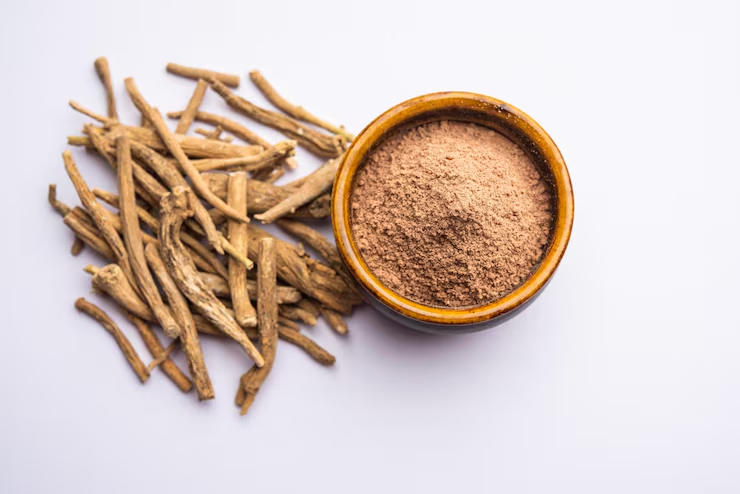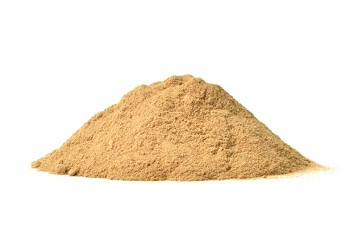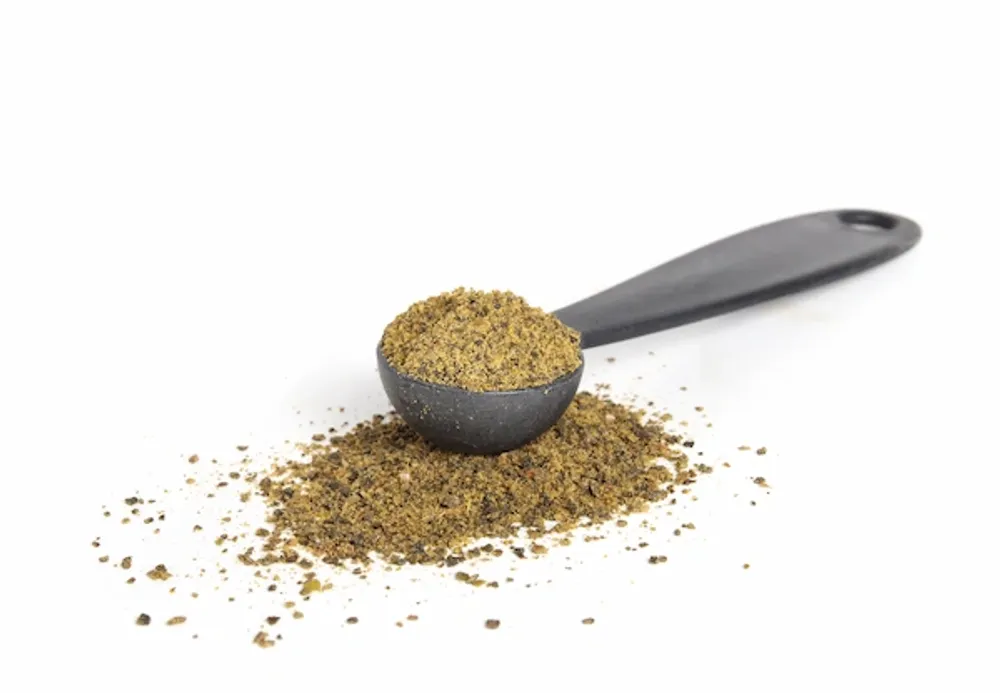
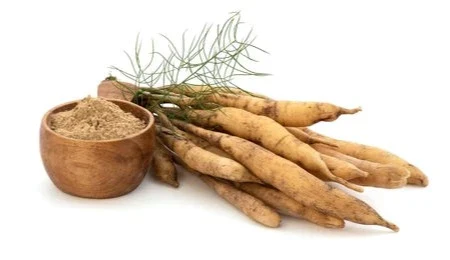
Shatavaryadi Churna is a traditional Ayurvedic polyherbal formulation centered around Shatavari (Asparagus racemosus) and other nourishing herbs. In Ayurveda, it is traditionally used as a Rasayana (rejuvenative) and Vajikarana (vitality-supporting) formulation to promote strength, vitality, tissue nourishment, reproductive wellness, and overall well-being in both men and women.
Unlike plain Shatavari powder, Shatavaryadi Churna combines multiple herbs that work together according to Ayurvedic principles, making it a broader wellness formulation rather than a single-herb supplement.
Shatavaryadi Churna at a Glance
| Feature | Details |
|---|---|
| Ayurvedic Name | Shatavaryadi Churna |
| Dosage Form | Herbal Powder (Churna) |
| Main Herb | Shatavari |
| Traditional Category | Rasayana & Vajikarana |
| Traditionally Used For | Vitality, Strength, Nourishment |
| Suitable For | Men and Women |
| Traditional Nature | Cooling and Nourishing |
| Common Anupana | Milk, Honey, Ghee |
| Ayurvedic Focus | Dhatu Nourishment and Ojas Support |
Introduction
Ayurveda has long emphasized the importance of nourishment, balance, and vitality as the foundation of good health. Rather than focusing only on symptoms, traditional Ayurvedic practice aims to strengthen the body’s natural capacity to maintain wellness over time.
Among the many classical formulations used for this purpose, Shatavaryadi Churna occupies a unique place. It is a combination of carefully selected herbs traditionally valued for their nourishing and rejuvenating qualities. While many people recognize Shatavari as an herb commonly associated with women’s health, the broader Shatavaryadi formulation has historically been used for both men and women due to its role in supporting strength, vitality, and reproductive wellness.
Today, interest in Ayurvedic wellness continues to grow as more people explore traditional herbal formulations as part of a holistic approach to health and well-being. As a result, Shatavaryadi Churna has gained attention among individuals seeking natural support for vitality, nourishment, and long-term wellness.
This guide explains everything you need to know about Shatavaryadi Churna, including its ingredients, traditional Ayurvedic uses, potential benefits, dosage considerations, and safety information.
What Is Shatavaryadi Churna?
The term Shatavaryadi literally means a formulation beginning with Shatavari. In Ayurvedic terminology, the suffix -adi often indicates that the named herb is the primary ingredient, accompanied by several supporting herbs.
Shatavaryadi Churna is therefore not a single herb but a polyherbal formulation. Its ingredients may vary slightly between manufacturers and classical references, but Shatavari remains the central herb.
Traditional Ayurvedic practitioners have used such formulations because they believe that combining herbs can create synergistic effects. Rather than relying on one plant alone, multiple herbs are selected to support digestion, nourishment, vitality, and overall balance.
This multi-herb approach is one of the key reasons Shatavaryadi Churna continues to be valued in Ayurvedic practice.
Shatavaryadi Churna is a traditional Ayurvedic herbal powder that combines Shatavari with other supportive herbs to promote nourishment, vitality, and overall wellness.
Why Is Shatavaryadi Churna Different from Shatavari Powder?
One of the most common misconceptions is that Shatavari Powder and Shatavaryadi Churna are identical products.
They are not.
Shatavari Powder contains only one herb:
Shatavari (Asparagus racemosus): Shatavari Powder is made exclusively from the root of Shatavari and is traditionally used in Ayurveda for its nourishing, cooling, and rejuvenating properties.
Shatavaryadi Churna contains:
Shatavari: The primary ingredient that forms the foundation of the formulation and contributes many of its traditional nourishing and Rasayana properties.
Additional supportive herbs: Depending on the formulation, herbs such as Gokshura, Vidari, Amalaki, or Nagabala may be included to complement the actions of Shatavari and provide broader traditional wellness support.
A broader Ayurvedic formulation approach: Unlike a single-herb powder, Shatavaryadi Churna follows the Ayurvedic principle of combining multiple herbs that work together to support nourishment, vitality, and overall balance.
This distinction matters because Ayurvedic formulations are designed to address multiple aspects of wellness simultaneously. While Shatavari alone is highly respected, the addition of complementary herbs may help create a more comprehensive traditional formulation.
Comparison Table
| Feature | Shatavari Powder | Shatavaryadi Churna |
| Composition | Single Herb | Multi-Herb Formula |
| Ayurvedic Approach | Individual Herb | Synergistic Formula |
| Traditional Scope | More Specific | Broader Traditional Use |
| Complexity | Simple | More Comprehensive |
For this reason, users should not assume that benefits discussed for Shatavari Powder automatically apply to every Shatavaryadi Churna formulation.
1. Shatavari (Asparagus racemosus)
Shatavari is the primary herb and the foundation of the formulation.
In Ayurveda, Shatavari is traditionally regarded as:
Nourishing: Traditionally valued for its ability to support healthy tissue nourishment and help maintain overall strength and vitality.
Rejuvenating: Classified as a Rasayana herb in Ayurveda and commonly used in formulations intended to promote long-term wellness and healthy aging.
Cooling: Traditionally considered cooling in nature, which may help balance excess Pitta and support overall comfort within the body.
Supportive of Vitality: Historically used in Ayurvedic practice to promote energy, resilience, and overall well-being in both men and women.
It is widely used in formulations intended to promote tissue nourishment and long-term wellness.
Traditional Ayurvedic Properties
Rasa (Taste): Madhura (Sweet) – The sweet taste is traditionally associated with nourishment, strength, and support for healthy body tissues.
Virya (Potency): Cooling – Its cooling potency is believed to help maintain balance while supporting nourishment and rejuvenation.
Vipaka (Post-Digestive Effect): Sweet – According to Ayurveda, a sweet post-digestive effect is often linked with long-term tissue support and vitality.
Its reputation as a Rasayana herb makes it a central component of many rejuvenative formulations.
2. Gokshura (Tribulus terrestris)
Gokshura is another respected Ayurvedic herb traditionally associated with vitality and strength.
Traditional Ayurvedic practitioners have used Gokshura in formulations intended to support:
Physical Stamina: Traditionally valued for supporting endurance and helping the body maintain strength during daily activities.
Urinary Wellness: Commonly included in Ayurvedic formulations that focus on supporting normal urinary tract function and comfort.
Reproductive Health: Historically used in wellness programs aimed at supporting reproductive vitality and overall well-being.
General Vitality: Often regarded as a nourishing herb that contributes to overall strength, resilience, and wellness.
Its nourishing nature complements the action of Shatavari.
3. Vidari Kand (Pueraria tuberosa)
Vidari Kand is often included in nourishing formulations because of its traditional role in supporting healthy body tissues.
It has historically been used to promote:
Strength: Traditionally used to support physical strength and maintain healthy body nourishment.
Vitality: Valued in Ayurveda for helping support overall vigor and long-term wellness.
Recovery from Weakness: Commonly included in formulations intended to provide nourishment during periods of physical recovery.
Tissue Nourishment: Traditionally regarded as a Brimhana herb that supports healthy tissue development and maintenance.
In many formulations, Vidari works alongside Shatavari to enhance overall nourishment.
4. Amalaki (Emblica officinalis)
Amalaki is one of Ayurveda’s most highly regarded Rasayana herbs.
Traditional Ayurvedic texts describe Amalaki as supportive of:
Digestion: Traditionally used to support healthy digestive function and overall digestive balance.
Rejuvenation: Considered one of Ayurveda’s premier rejuvenative herbs and frequently included in Rasayana formulations.
Long-Term Wellness: Valued for its role in supporting overall health and maintaining vitality over time.
Healthy Aging: Traditionally associated with promoting longevity and supporting wellness throughout different stages of life.
Its inclusion helps balance and complement the nourishing qualities of other herbs.
5. Nagabala
Nagabala is traditionally used in Ayurveda to support strength and resilience.
Its historical applications include:
Physical Recovery: Traditionally used to help support recovery and maintain strength following periods of physical strain.
General Nourishment: Valued for its nourishing qualities and role in supporting overall well-being.
Vitality Support: Often included in formulations intended to promote healthy energy levels and resilience.
Healthy Tissue Function: Traditionally regarded as supportive of maintaining healthy body tissues and overall balance.
Why Do Different Brands Use Different Ingredients?
This is one of the most overlooked questions online.
Many consumers notice that ingredient labels differ between brands and wonder whether the products are authentic.
In reality, Ayurveda has a long tradition of regional adaptation. Different classical references may recommend slightly different supporting herbs while maintaining the same therapeutic goal.
Several factors contribute to ingredient variation:
Regional Ayurvedic traditions: Different regions of India have historically followed their own Ayurvedic practices and formulations. As a result, some manufacturers may include herbs that are traditionally preferred in a particular region.
Different classical references: Ayurvedic formulations are often derived from multiple classical texts. Depending on which reference a manufacturer follows, minor variations in ingredient combinations may be seen.
Manufacturer preferences: Some companies may choose specific herbs based on their formulation philosophy, research focus, or desired product positioning while still staying within Ayurvedic principles.
Availability of herbs: The availability and quality of certain herbs can vary by location and season. In some cases, manufacturers may use acceptable alternatives recommended in Ayurvedic literature.
Formulary adaptations: Modern Ayurvedic formularies and regulatory guidelines may occasionally lead to adjustments in traditional formulations while preserving the intended Ayurvedic purpose.
As long as the formulation follows recognized Ayurvedic principles and quality manufacturing standards, ingredient differences do not automatically indicate a problem.
The most important step is reading the ingredient label carefully before purchasing any product marketed as Shatavaryadi Churna.
Ayurvedic Properties of Shatavaryadi Churna
Although the exact Ayurvedic properties may vary slightly depending on the formulation and ingredients used by different manufacturers, Shatavaryadi Churna is generally understood through the following traditional Ayurvedic framework.
Rasa (Taste)
Primarily:
Madhura (Sweet): In Ayurveda, Madhura Rasa is traditionally associated with nourishment, strength, and tissue building. Herbs with a predominantly sweet taste are often valued for their role in supporting vitality, promoting overall well-being, and helping maintain healthy body tissues.
Guna (Qualities)
Commonly described as:
Guru (Heavy/Nourishing): Guru Guna is traditionally linked with nourishment and stability. It is believed to support the body’s natural tissue-building processes and contribute to strength and resilience over time.
Snigdha (Unctuous): Snigdha Guna refers to a naturally lubricating and nourishing quality. According to Ayurveda, this property helps support healthy tissues, promotes comfort within the body, and contributes to overall vitality.
Virya (Potency)
Most formulations are considered:
Sheeta (Cooling): The cooling nature of Shatavaryadi Churna is primarily influenced by Shatavari and other nourishing herbs. Ayurveda traditionally considers cooling herbs helpful for maintaining Pitta balance while supporting overall nourishment and well-being.
Vipaka (Post-Digestive Effect)
Typically:
Madhura Vipaka (Sweet Post-Digestive Effect): A sweet post-digestive effect is traditionally associated with long-term nourishment and tissue support. Ayurveda suggests that herbs with Madhura Vipaka may contribute to vitality, strength, and overall wellness when used appropriately.
Dosha Action
Shatavaryadi Churna is generally considered supportive for:
Vata Dosha: Due to its nourishing and grounding qualities, the formulation is traditionally regarded as supportive for maintaining healthy Vata balance and promoting overall stability within the body.
Pitta Dosha: The cooling nature of several ingredients makes Shatavaryadi Churna traditionally suitable for supporting Pitta balance and maintaining internal comfort.
Kapha Dosha: The formulation’s effect on Kapha may vary depending on the specific ingredients used. For this reason, Ayurvedic practitioners often consider an individual’s constitution and overall health status before recommending its use.
Traditional Ayurvedic Uses of Shatavaryadi Churna
For centuries, Ayurvedic practitioners have used nourishing herbal formulations to support the body’s natural ability to maintain strength, vitality, and balance. Shatavaryadi Churna belongs to this category of formulations and has traditionally been valued for its rejuvenating and nourishing properties.
Unlike products designed for a single purpose, Shatavaryadi Churna has historically been used in multiple wellness contexts. The exact application may vary depending on the individual’s constitution (Prakriti), age, digestive strength (Agni), and overall health status.
Below are some of the most commonly described traditional Ayurvedic uses of Shatavaryadi Churna.
1. Traditionally Used for General Weakness
One of the primary traditional uses of Shatavaryadi Churna is supporting individuals experiencing physical weakness or reduced vitality.
According to Ayurveda, weakness can develop when body tissues are not receiving proper nourishment. This may occur after prolonged stress, inadequate nutrition, illness, or excessive physical exertion.
The nourishing herbs present in Shatavaryadi Churna are traditionally believed to help support healthy tissue replenishment and overall strength.
In Ayurvedic practice, Shatavaryadi Churna has traditionally been used as a nourishing formulation for individuals seeking support for general weakness and reduced vitality.
2. Traditionally Used to Support Physical Strength
Strength in Ayurveda is not viewed solely as muscle power. It includes resilience, endurance, stability, and the body’s ability to adapt to physical demands.
Several herbs commonly found in Shatavaryadi Churna have historically been used to promote healthy physical capacity and support recovery from fatigue.
This is one reason the formulation has often been included in broader wellness programs focused on maintaining strength and vitality.
3. Traditionally Used for Reproductive Wellness
Ayurveda places significant importance on reproductive health as part of overall well-being.
Shatavaryadi Churna has traditionally been used to support healthy reproductive function in both men and women.
Classical Ayurvedic literature frequently categorizes similar nourishing formulations under Vajikarana therapy, which focuses on supporting vitality, reproductive wellness, and healthy tissue nourishment.
It is important to understand that traditional Ayurvedic use does not necessarily imply treatment of any specific medical condition. Instead, these formulations are generally used to support overall wellness and balance.
4. Traditionally Used During Recovery Periods
Recovery after periods of physical strain requires adequate nourishment.
Traditional Ayurvedic practitioners have often recommended nourishing formulations alongside proper diet and lifestyle measures to support recovery and rebuilding.
Because Shatavaryadi Churna contains herbs traditionally associated with nourishment and rejuvenation, it has historically been used during periods when additional support for vitality was desired.
5. Traditionally Used to Support Ojas
One of the most unique concepts in Ayurveda is Ojas. Ojas is often described as the refined essence of all body tissues and is associated with vitality, resilience, and overall well-being.
When Ojas is considered strong, Ayurveda suggests that the body is better able to maintain balance and vitality.
Because Shatavaryadi Churna is classified as a nourishing and rejuvenating formulation, it is traditionally associated with supporting healthy Ojas.
6. Traditionally Used in Rasayana Programs
Rasayana is one of the most respected branches of Ayurveda.
The goal of Rasayana therapy is not merely symptom management but the promotion of long-term vitality, healthy aging, and overall wellness. Many ingredients found in Shatavaryadi Churna are recognized within Ayurvedic tradition as Rasayana herbs.
This connection helps explain why the formulation continues to be valued in traditional wellness practices today.
How Shatavaryadi Churna Works According to Ayurveda
Many modern wellness articles discuss herbs only in terms of nutrients or active compounds.
Ayurveda takes a broader view.
According to traditional Ayurvedic principles, the body functions best when digestion, tissue nourishment, and vitality remain balanced. Shatavaryadi Churna is traditionally believed to work through several interconnected mechanisms.
1. The Importance of Digestive Health in Ayurveda
According to Ayurveda, proper digestion (Agni) is the foundation of overall health. Even highly nourishing formulations such as Shatavaryadi Churna may not provide their full traditional benefits if digestion is weak or imbalanced.
This is why Ayurvedic practitioners often emphasize digestive wellness before focusing on rejuvenation and nourishment therapies. A healthy digestive system helps the body properly process food, absorb nutrients, and support the natural nourishment of the body’s tissues (Dhatus).
For readers interested in learning more about Ayurvedic approaches to digestive balance, our detailed guide on Avipattikar Churna explains how this traditional formulation has been used to support digestive comfort and maintain healthy Agni according to Ayurvedic principles.
2. Nourishing the Seven Dhatus
Ayurveda describes seven primary body tissues known as Dhatus. These tissues are believed to support different aspects of growth, nourishment, strength, and overall bodily function.
Rasa Dhatu: Considered the primary nourishing fluid of the body, Rasa is responsible for carrying nutrition to different tissues and supporting overall vitality.
Rakta Dhatu: Associated with healthy circulation and nourishment, Rakta helps sustain the body’s tissues and supports overall well-being.
Mamsa Dhatu: This tissue is related to muscles and physical structure, helping provide strength, stability, and support to the body.
Meda Dhatu: Meda is associated with healthy fat tissue and is traditionally considered important for lubrication, energy storage, and nourishment.
Asthi Dhatu: Asthi refers to the bones and skeletal framework that provide structure and support throughout the body.
Majja Dhatu: Traditionally linked with bone marrow and nervous system functions, Majja is considered important for overall strength and vitality.
Shukra Dhatu: Regarded as the most refined tissue in the Ayurvedic model, Shukra is associated with reproductive wellness, vitality, and long-term nourishment.
According to Ayurvedic principles, proper nourishment of these Dhatus helps maintain overall health and supports the body’s natural resilience over time.
Step 3: Supporting Ojas
As nourishment reaches the tissues, Ayurveda teaches that healthy Ojas may gradually develop.
Ojas is often associated with:
Vitality: Ojas is traditionally considered a reflection of the body’s overall energy, vigor, and capacity to maintain wellness.
Strength: Healthy Ojas is believed to support physical resilience and help the body adapt to everyday demands.
Endurance: Ayurveda associates Ojas with the ability to sustain activity and maintain balance over the long term.
Overall Wellness: Ojas is often described as the essence of well-nourished tissues and is considered important for maintaining general well-being.
This concept helps explain why Rasayana formulations such as Shatavaryadi Churna are highly valued in traditional Ayurvedic practice.
Shatavaryadi Churna for Men
Although Shatavari is often discussed in relation to women’s wellness, traditional Ayurvedic literature does not restrict nourishing formulations only to women.
In fact, many ingredients commonly found in Shatavaryadi Churna have historically been included in Vajikarana formulations intended to support male vitality, strength, and reproductive wellness.
Ayurveda views male wellness through a broader lens that includes:
Long-term vitality: Ayurvedic Rasayana formulations are traditionally valued for promoting healthy aging, resilience, and overall vitality throughout different stages of life.
Physical strength: Traditional Ayurvedic texts place importance on maintaining healthy strength and endurance, which are considered essential for supporting daily activities and overall well-being.
Healthy energy levels: Sustained energy in Ayurveda is associated with proper nourishment and balanced body functions rather than temporary stimulation or quick boosts.
Tissue nourishment: Ayurveda emphasizes the nourishment of body tissues (Dhatus), as well-nourished tissues are believed to support vitality, resilience, and long-term health.
Reproductive wellness: Traditional Vajikarana practices focus on supporting reproductive health and vitality as part of a comprehensive approach to wellness.
Potential Traditional Benefits for Men
Supports Vitality
Ayurvedic practitioners have historically used nourishing formulations to support healthy vitality and overall well-being.
Supports Physical Strength
The nourishing nature of herbs such as Shatavari, Vidari, and Gokshura may help support strength as part of a healthy lifestyle.
Supports Reproductive Wellness
Traditional Vajikarana formulations are often associated with reproductive health and vitality.
Supports Recovery from Fatigue
Individuals experiencing periods of physical or mental strain may explore nourishing Ayurvedic formulations as part of a broader wellness strategy.
Shatavaryadi Churna has traditionally been used in Ayurveda to support male vitality, nourishment, strength, and overall wellness rather than targeting a single health concern.
Ayurvedic practitioners have historically used Shatavari-containing formulations to support:
Female Vitality: Traditionally used to help maintain overall vitality and well-being, particularly during life stages that may require additional nourishment and support.
Reproductive Wellness: Ayurveda has long associated Shatavari-based formulations with supporting women’s reproductive health and maintaining natural balance within the body.
Postpartum Nourishment: Traditionally included in postpartum wellness practices, where nourishing herbs are valued for supporting recovery and replenishment after childbirth.
Long-Term Well-Being: As a Rasayana herb, Shatavari has historically been used in Ayurvedic wellness routines aimed at promoting long-term health, vitality, and resilience.
Because the formulation contains additional nourishing herbs, its traditional scope may extend beyond the benefits typically associated with Shatavari alone.
Traditional Women’s Wellness Applications
Supports General Nourishment
Ayurveda places strong emphasis on maintaining proper nourishment throughout all stages of life, and Shatavaryadi Churna is traditionally valued for its nourishing and rejuvenating qualities.
Supports Reproductive Wellness
Traditional Ayurvedic practitioners have often included nourishing herbal formulations as part of broader women’s wellness approaches focused on maintaining balance, vitality, and overall reproductive health.
Supports Postpartum Recovery
The postpartum period has historically received special attention within Ayurveda, and nourishing formulations are often used alongside appropriate diet and lifestyle practices to support recovery and wellness.
Supports Breastfeeding Wellness
Shatavari is traditionally recognized for its role in supporting healthy lactation and maternal nourishment, although breastfeeding women should always consult a qualified healthcare professional before using any herbal supplement.
In traditional Ayurvedic practice, Shatavaryadi Churna has often been used as a nourishing formulation to support women’s vitality, recovery, reproductive wellness, and overall well-being.
Shatavari Powder vs Shatavaryadi Churna
Many consumers are unsure whether they should choose plain Shatavari Powder or a complete Shatavaryadi Churna formulation.
The answer depends on individual goals and practitioner recommendations.
| Feature | Shatavari Powder | Shatavaryadi Churna |
|---|---|---|
| Composition | Single Herb | Multi-Herb Formula |
| Main Ingredient | Shatavari | Shatavari + Supporting Herbs |
| Traditional Scope | More Focused | Broader Traditional Applications |
| Ayurvedic Philosophy | Individual Herb | Synergistic Formulation |
| Complexity | Simple | More Comprehensive |
Which Is Better?
Neither option is universally better. Shatavari Powder may be suitable when a practitioner specifically recommends Shatavari.
Shatavaryadi Churna may be preferred when a broader nourishing formulation is desired. The most appropriate choice depends on individual needs and professional guidance.
Dosage of Shatavaryadi Churna
One of the most frequently searched questions online is:
How much Shatavaryadi Churna should I take?
The answer varies from person to person.
In Ayurveda, there is no single dosage that is suitable for everyone. The appropriate amount may depend on several individual factors, including age, digestive strength, body constitution, and overall wellness goals.
Ayurvedic Factors That May Influence Dosage
Age: Dosage recommendations may differ for younger adults, older individuals, and those with specific nutritional or wellness requirements.
Constitution (Prakriti): Ayurveda recognizes that every person has a unique body constitution. A formulation that works well for one individual may require adjustments for another.
Digestive Capacity (Agni): Strong digestion is considered essential for the proper utilization of Ayurvedic formulations. Individuals with weaker digestion may require a different approach.
Health Goals: The recommended dosage may vary depending on whether the formulation is being used as part of a general wellness routine or for a specific traditional Ayurvedic purpose.
Formulation Strength: Ingredient composition and potency can differ between manufacturers, which may influence the suggested serving size.
Practitioner Guidance: Ayurvedic practitioners often personalize dosage recommendations after considering an individual’s constitution, lifestyle, and overall health status.
General Traditional Dosage Range
A commonly referenced traditional dosage range is:
3–12 grams per day
This range may vary depending on the manufacturer, product formulation, and practitioner recommendations.
Common Methods of Use
Traditionally, Shatavaryadi Churna may be taken with:
Warm Milk: Often used as a traditional Anupana because it complements the nourishing nature of many Rasayana formulations.
Honey: In certain situations, honey may be used as a vehicle to support the administration of Ayurvedic herbal powders.
Ghee: Ayurveda traditionally values ghee for its nourishing qualities and its ability to accompany various herbal formulations.
Warm Water: Some individuals may prefer warm water as a simple and convenient way to consume the churna.
The appropriate Anupana (vehicle) depends on individual needs and practitioner advice.
Important Note
Always follow the dosage instructions provided on the product label or seek guidance from a qualified Ayurvedic practitioner before starting any new herbal formulation.
Best Time to Take Shatavaryadi Churna
Timing can influence how Ayurvedic formulations are traditionally used.
Morning
Some individuals prefer taking Shatavaryadi Churna in the morning as part of their wellness routine.
Evening
Others may use it in the evening, particularly when focusing on nourishment and recovery.
With Milk
Milk is one of the most common traditional vehicles for nourishing Ayurvedic formulations.
Why Milk?
According to Ayurveda, milk complements the nourishing qualities of many Rasayana herbs.
With Honey
Honey may be used in specific situations depending on practitioner guidance.
With Ghee
Ghee is traditionally valued for its nourishing and supportive properties.
The ideal timing depends on individual goals, digestive capacity, and practitioner recommendations.
Who Should Avoid Shatavaryadi Churna?
Although Shatavaryadi Churna is generally regarded as a traditional Ayurvedic formulation, it may not be suitable for everyone. Individual health needs can vary, and certain groups should seek professional advice before using any herbal supplement.
Professional guidance is particularly important for:
Pregnant women: The safety of herbal formulations can vary during pregnancy. Women who are pregnant or planning a pregnancy should consult a qualified healthcare professional before using Shatavaryadi Churna.
Breastfeeding women: Although Shatavari-containing formulations have a long history of traditional use, breastfeeding mothers should discuss any supplement use with their healthcare provider to ensure it is appropriate for their individual situation.
Individuals with chronic medical conditions: People managing long-term health conditions such as diabetes, hypertension, thyroid disorders, or autoimmune conditions should seek medical guidance before adding herbal products to their routine.
People taking prescription medications: Herbal ingredients may interact with certain medications. Individuals using prescription drugs should consult their doctor or pharmacist before starting Shatavaryadi Churna.
Individuals with known herbal allergies: Anyone with a history of allergies or sensitivity to herbal products should carefully review the ingredient list and seek professional advice if they are unsure about suitability.
As with any herbal supplement, it is best to consult a qualified healthcare professional before starting Shatavaryadi Churna, especially if you have an existing medical condition or are taking medications.
Possible Side Effects of Shatavaryadi Churna
Most people tolerate Ayurvedic formulations well when used appropriately.
However, individual responses can vary based on factors such as age, digestive capacity, dosage, underlying health conditions, and the specific formulation being used.
Possible side effects may include:
Mild Digestive Discomfort: Some individuals may experience temporary digestive discomfort when starting a new herbal formulation, particularly if they have a sensitive digestive system.
Bloating: In certain cases, users may notice a feeling of abdominal fullness or mild bloating, especially when the formulation is taken in larger amounts than recommended.
Loose Stools: Due to individual differences in digestion and metabolism, some people may experience softer stools or occasional loose bowel movements after use.
Stomach Upset in Sensitive Individuals: People with sensitive stomachs may occasionally experience mild stomach irritation or digestive uneasiness, particularly if the product is not taken according to directions.
These effects are not experienced by everyone and may depend on dosage, formulation, and individual constitution.
If unusual symptoms occur or discomfort persists, discontinue use and consult a qualified healthcare professional for personalized guidance.
How to Choose a High-Quality Shatavaryadi Churna
Not all herbal products are created equal.
When selecting a product, consider the following factors.
1. Transparent Ingredient List
Choose products that clearly list all ingredients.
2. Reputable Manufacturer
Select products from established manufacturers with quality-control practices.
3. GMP Certification
Good Manufacturing Practices (GMP) certification can indicate quality standards.
4. Proper Packaging
Look for airtight packaging that protects the powder from moisture and contamination.
5. Manufacturing and Expiry Dates
Always check freshness before purchasing.
Key Takeaway
Quality matters. Choosing a well-manufactured product can help ensure consistency and reliability.
Scientific Perspective on Shatavaryadi Churna
Interest in Ayurvedic formulations continues to grow worldwide.
Researchers have explored different aspects of traditional Ayurvedic formulations such as Shatavaryadi Churna to better understand their composition, quality, and traditional applications. Scientific investigations have primarily focused on the following areas:
Ingredient Identification: Researchers have examined the botanical authenticity of individual herbs used in Shatavaryadi Churna to ensure that the ingredients match their traditional Ayurvedic descriptions and are free from substitution or adulteration.
Quality Control: Studies have evaluated various quality parameters, including purity, moisture content, and manufacturing consistency, to help maintain reliable standards across different batches of the formulation.
Standardization: Scientific standardization methods are used to establish consistent quality benchmarks, ensuring that formulations contain the intended herbal ingredients in appropriate proportions.
Phytochemical Composition: Researchers have analyzed the naturally occurring plant compounds present in the formulation’s ingredients to better understand their traditional properties and overall composition.
While some individual ingredients found in Shatavaryadi Churna have been studied extensively, more high-quality human research is needed to fully understand the effects of complete Shatavaryadi Churna formulations.
This is important because traditional use and modern clinical evidence are not always identical.
The strongest approach is to view Shatavaryadi Churna through both lenses:
Traditional Ayurvedic Knowledge: Centuries of Ayurvedic practice have documented the traditional uses of Shatavaryadi Churna as a nourishing and rejuvenating formulation that supports overall wellness.
Modern Scientific Investigation: Ongoing scientific research helps evaluate formulation quality, ingredient composition, and potential areas for future study while contributing to a broader understanding of traditional herbal preparations.
Together, these perspectives provide a more balanced understanding of Shatavaryadi Churna and its place within both traditional Ayurveda and modern wellness discussions.
Final Verdict
Shatavaryadi Churna is a traditional Ayurvedic formulation that combines Shatavari with other nourishing herbs to support vitality, strength, tissue nourishment, and overall wellness.
Frequently Asked Questions
What is Shatavaryadi Churna used for?
Traditionally, Shatavaryadi Churna is used to support vitality, nourishment, reproductive wellness, strength, and overall well-being.
Is Shatavaryadi Churna good for men?
Yes. Traditional Ayurvedic practice has historically used nourishing formulations such as Shatavaryadi Churna for both men and women.
Can women take Shatavaryadi Churna?
Yes. Shatavari-containing formulations have long been associated with women’s wellness in Ayurveda.
Is Shatavaryadi Churna safe during breastfeeding?
Breastfeeding women should consult a qualified healthcare professional before use.
What is the best time to take Shatavaryadi Churna?
The ideal time varies depending on individual needs and practitioner recommendations.
Can Shatavaryadi Churna be taken daily?
Many Ayurvedic formulations are traditionally used regularly, but appropriate use depends on individual circumstances.
Can it help with weakness?
Traditionally, Shatavaryadi Churna has been used to support strength, nourishment, and recovery.
What is the difference between Shatavari and Shatavaryadi Churna?
Shatavari is a single herb, whereas Shatavaryadi Churna is a multi-herb formulation centered around Shatavari.
Does Shatavaryadi Churna cause weight gain?
There is no guarantee of weight gain. Its traditional role is nourishment and vitality support.
Is Shatavaryadi Churna cooling or heating?
Most formulations are traditionally considered cooling in nature due to the influence of Shatavari.