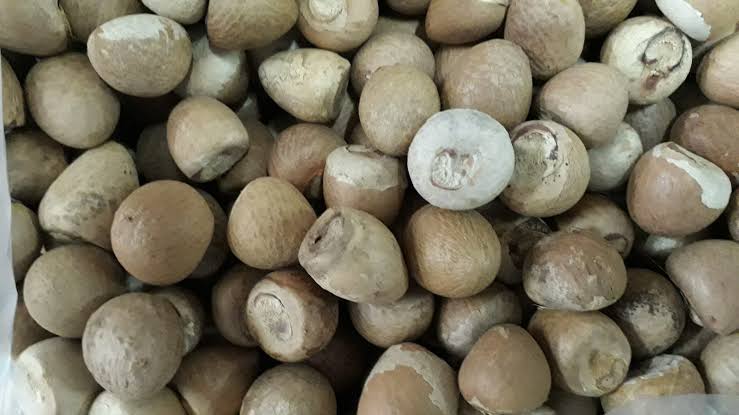
Supari, also known as Areca Nut or Betel Nut, has been chewed for centuries across many Asian countries as part of cultural traditions, religious ceremonies, and social customs. Some people chew it alone, while others consume it with betel leaf (paan) or in commercially prepared mixtures.
Today, Supari has become a topic of growing interest worldwide—not only because of its traditional significance but also because researchers have studied its potential health effects. While some traditional systems associate Supari with digestive and cultural practices, modern scientific research has raised important concerns about its long-term safety, particularly when consumed regularly.
If you’ve searched questions like What is Supari?, Is Supari good or bad for health?, Does Supari cause cancer? or Are there any benefits of Areca Nut?, you’re not alone. These are among the most common questions people ask online.
This evidence-based guide explains everything you need to know about Supari in simple language. You’ll learn what Supari is, how it’s traditionally used, its nutritional profile, possible benefits, known side effects, cancer risk, and what current scientific research says. Our goal is to help you make informed decisions using reliable health information rather than myths or marketing claims.
What Is Supari?
Supari is the dried or fresh seed of the Areca Palm (Areca catechu), a tropical tree primarily grown in countries such as India, Bangladesh, Sri Lanka, Taiwan, Thailand, Indonesia, Malaysia, and parts of the Pacific Islands.
Although many people use the terms Supari, Areca Nut, and Betel Nut interchangeably, they all generally refer to the same seed. However, it’s important to understand that betel leaf and betel nut are different. The betel leaf is the leaf used to wrap the areca nut when preparing traditional paan, while Supari is the nut itself.
For centuries, Supari has been part of religious rituals, festivals, weddings, and social gatherings in many cultures. It is often offered as a symbol of respect and hospitality. In some communities, chewing Supari after meals is also considered a traditional habit.
However, traditional use should not be confused with scientifically proven health benefits. Many traditional practices have cultural importance, but modern medical research evaluates them separately based on safety and clinical evidence.
Scientific Classification
| Classification | Details |
| Common Name | Supari |
| Other Names | Areca Nut, Betel Nut |
| Botanical Name | Areca catechu |
| Family | Arecaceae |
| Plant Type | Tropical Palm |
| Native Region | Southeast Asia |
Different Names of Supari Around the World
Supari is known by different names depending on the country and language.
| Country/Region | Common Name |
| India | Supari |
| United States | Areca Nut / Betel Nut |
| United Kingdom | Areca Nut |
| Taiwan | Betel Nut |
| Bangladesh | Supari |
| Nepal | Supari |
| Sri Lanka | Puwak |
| Thailand | Mak |
Understanding these names can help when reading international research or purchasing products, as Areca Nut is the term most commonly used in scientific literature.
Types of Supari
Supari is available in several forms depending on how it is harvested and processed.
Raw (Fresh) Supari
Fresh Supari is green on the outside and contains a softer seed. It is commonly used in some traditional preparations and cultural ceremonies.
Dried Supari
This is the most widely available form. The nut is harvested, dried, and cut into slices or pieces before consumption.
Roasted Supari
Some manufacturers roast the nut to enhance its flavor and texture.
Flavored Supari
Commercial products often contain sweeteners, flavoring agents, spices, and other additives. These products should not be considered equivalent to plain areca nut because their ingredients can vary significantly.
Supari with Tobacco
Some chewing products combine areca nut with tobacco. These products carry additional health risks beyond those associated with areca nut alone.
Why Do People Chew Supari?
People chew Supari for a variety of cultural, social, and personal reasons. The motivations often differ across regions and generations.
Some of the most common reasons include:
Traditional and religious ceremonies.
Cultural customs during weddings and festivals.
Social gatherings and hospitality.
Habitual chewing after meals.
Preference for its taste and texture.
Temporary feeling of alertness or stimulation reported by some users.
It’s worth noting that while these practices are deeply rooted in culture, they do not necessarily indicate that Supari is beneficial or safe from a medical perspective.
Nutritional Profile of Supari
The exact nutritional composition of Supari varies depending on whether it is fresh or dried, the variety of the nut, and how it has been processed. In general, dried areca nut contains the following major nutrients:
| Nutrient | Role in the Body |
| Carbohydrates | Provide energy |
| Dietary Fiber | Supports normal digestion |
| Protein | Contributes to tissue maintenance |
| Healthy Fats | Provide energy and help absorb certain nutrients |
| Polyphenols | Plant compounds with antioxidant activity in laboratory studies |
| Tannins | Naturally occurring plant compounds that contribute to its bitter taste |
| Minerals | Small amounts of potassium, calcium, phosphorus, and iron |
Health Expert Note: Although Supari contains nutrients, it is not considered a significant source of essential vitamins or minerals compared with fruits, vegetables, legumes, nuts, or whole grains.
Active Compounds Found in Supari
The health effects of Supari are influenced more by its bioactive compounds than by its nutritional value.
1. Arecoline
Arecoline is the primary natural alkaloid found in areca nut. It is responsible for many of the short-term effects reported by users, such as increased alertness and stimulation.
Researchers have also studied arecoline because prolonged exposure has been linked to harmful changes in oral tissues.
What Science Says
Current evidence suggests that arecoline may contribute to inflammation, oxidative stress, and cellular changes associated with oral diseases when Supari is chewed regularly over long periods.
2. Polyphenols
Supari contains naturally occurring polyphenols, a group of plant compounds known for antioxidant activity in laboratory experiments.
While antioxidants are generally beneficial in many foods, there is no reliable clinical evidence showing that the polyphenols in Supari provide meaningful health benefits that outweigh its known health risks.
3. Tannins
Tannins are another group of plant compounds found in Supari.
They contribute to:
- Its bitter taste
- A dry feeling in the mouth after chewing
- The characteristic brown staining seen on teeth among regular users
4. Dietary Fiber
Fresh and dried areca nuts contain dietary fiber.
Fiber is generally important for digestive health, but the amount typically consumed through chewing Supari is relatively small and should not be considered a practical source of daily fiber intake.
Does Supari Provide Any Essential Vitamins?
Unlike many fruits and vegetables, Supari is not a rich source of essential vitamins such as:
- Vitamin C
- Vitamin A
- Vitamin D
- Vitamin E
- Vitamin K
- Vitamin B12
For meeting daily vitamin needs, a balanced diet remains a far better choice.
Does Supari Have Antioxidants?
Yes—but this point is often misunderstood.
Laboratory studies have identified antioxidant compounds in areca nut. However, finding antioxidant activity in a laboratory does not mean that chewing Supari provides proven health benefits in people.
This is an important distinction because many online articles highlight the presence of antioxidants without explaining the quality of the evidence.
Science Says
Laboratory evidence: Antioxidant activity has been observed in controlled experiments.
Human evidence: There is insufficient clinical evidence to recommend Supari as an antioxidant-rich health food.
Overall assessment: The documented long-term health risks associated with habitual areca nut chewing currently outweigh any theoretical antioxidant benefits.
Fresh Supari vs. Dried Supari: Is There a Nutritional Difference?
Both forms come from the same plant, but processing changes their texture, moisture content, and concentration of certain compounds.
| Feature | Fresh Supari | Dried Supari |
| Moisture | Higher | Lower |
| Texture | Softer | Harder |
| Taste | Mild | More intense |
| Shelf Life | Short | Long |
| Common Use | Traditional ceremonies | Commercial chewing products |
Although there are minor nutritional differences, there is no strong evidence that one form is significantly safer or healthier than the other.
Can Supari Be Considered a Healthy Food?
From a nutritional perspective, Supari contains some naturally occurring nutrients and plant compounds. However, nutrition should always be evaluated alongside overall health effects.
Modern health experts assess foods not only by what they contain, but also by how they affect long-term health.
For Supari, current scientific evidence indicates that its nutritional value does not offset the documented risks associated with frequent or long-term use. This is why most public health organizations do not recommend chewing areca nut as part of a healthy diet.
Science Says: Evidence at a Glance
| Claim | Evidence Strength | Current Scientific View |
| Contains carbohydrates and fiber | Strong | Well established |
| Contains polyphenols | Strong | Present in the nut |
| Provides important vitamins | Limited | Not a meaningful source |
| Acts as a health food | Insufficient | Not supported by current evidence |
| Provides proven medicinal benefits | Insufficient | More high-quality human studies are needed |
| Safe for regular consumption | Not supported | Long-term use has been associated with significant health risks |
Traditional Uses of Supari: Cultural Significance, Ayurveda & What Modern Science Says
For centuries, Supari (Areca Nut) has been more than just a chewing nut. Across South Asia, Southeast Asia, and the Pacific Islands, it has played an important role in religious ceremonies, cultural traditions, social customs, and hospitality.
Even today, millions of people chew Supari as part of their daily routine or during special occasions. In many households, offering paan with Supari is considered a gesture of respect and welcome.
However, it’s important to understand one key point:
Traditional use does not necessarily mean a practice is medically proven to be safe or effective. Modern medicine evaluates health claims through scientific studies, while traditional systems are based on historical knowledge and cultural practices.
This distinction is especially important for readers looking for reliable health information.
Why Has Supari Been Used for Centuries?
The history of Supari (Areca Nut) dates back thousands of years, making it one of the oldest chewing traditions in the world. Historical records suggest that areca nut has been widely consumed across India, Sri Lanka, Bangladesh, Nepal, Taiwan, Indonesia, Thailand, Malaysia, and several Pacific Island nations, where it became deeply connected to local customs and everyday life.
People have traditionally chewed Supari for a variety of reasons, including:
Cultural customs: In many communities, chewing Supari became a long-standing tradition that was passed down from one generation to the next.
Religious rituals: Supari is commonly offered during religious ceremonies and is considered a symbol of respect, prosperity, and शुभ (auspiciousness) in many cultures.
Hospitality: Offering Supari to guests has traditionally been viewed as a gesture of welcome and appreciation, especially during family gatherings and celebrations.
Social bonding: Similar to sharing tea or coffee, chewing Supari often became a way for people to socialize, converse, and strengthen community relationships.
Freshening the mouth: Many people traditionally chewed Supari after meals because it was believed to leave the mouth feeling fresh and reduce lingering food odors.
Traditional digestive practices: In some cultures, Supari was consumed after heavy meals based on the belief that it could help with digestion, although these beliefs were based on traditional knowledge rather than modern clinical research.
Because of these traditional uses, Supari became more than just a chewing nut—it evolved into an important part of cultural identity in many regions.
Supari in Indian Culture
In India, Supari holds deep cultural, religious, and ceremonial significance. It has been used for centuries in rituals where it symbolizes prosperity, commitment, and good fortune rather than being consumed for its health effects.
It is commonly included in:
Hindu religious ceremonies (Puja): Supari is often placed alongside coconut, flowers, betel leaves, and turmeric as part of traditional worship rituals.
Weddings: During many Hindu wedding ceremonies, Supari is exchanged or offered as a symbol of commitment, blessings, and prosperity.
Housewarming ceremonies (Griha Pravesh): Families frequently include Supari in housewarming rituals to represent positive beginnings and good fortune.
Festivals: During festivals such as Diwali and Ganesh Chaturthi, Supari is commonly used in religious offerings and ceremonial decorations.
Traditional offerings: It is often presented to priests, elders, or guests as a respectful offering during religious and family events.
Family celebrations: From naming ceremonies to anniversaries, Supari continues to be part of many traditional family customs across India.
In many traditions, Supari represents:
Prosperity: It is considered a symbol of abundance and financial well-being.
Respect: Offering Supari is viewed as a traditional way of honoring guests, elders, and religious figures.
Good fortune: Many families believe its presence during ceremonies represents positive energy and blessings.
Commitment: During wedding rituals, Supari is sometimes used to symbolize trust, unity, and lifelong relationships.
Spiritual purity: In several customs, it is included as part of sacred offerings during religious ceremonies.
Health Expert Note: These cultural and religious practices reflect the historical importance of Supari but should not be interpreted as scientific evidence that it provides health benefits.
Supari as a Traditional Mouth Freshener
One of the most common traditional reasons for chewing Supari is its use as a natural mouth freshener after meals. Many people believe it helps create a cleaner feeling in the mouth, particularly after eating foods with strong flavors.
Traditional reasons include:
Freshens the mouth: Many users report that chewing Supari leaves the mouth feeling fresh for a short period after meals.
Reduces food odor: It has traditionally been used to mask lingering food smells, especially after consuming heavily spiced dishes.
Stimulates saliva production: Chewing naturally increases saliva flow, which may temporarily improve the feeling of moisture and freshness in the mouth.
Because of these perceived effects, Supari became a common ingredient in traditional mouth fresheners across South Asia.
Science Says
Although chewing Supari can temporarily increase saliva production, there is no strong clinical evidence that it improves long-term oral health. In contrast, regular and long-term areca nut chewing has been associated with several oral health problems, including tooth staining, gum disease, oral submucous fibrosis, and an increased risk of oral cancer.
Traditional Digestive Uses of Supari
In several traditional communities, Supari has long been consumed after meals because it was believed to support digestion and improve post-meal comfort. These practices were based on cultural experience rather than modern scientific research.
Traditional beliefs include:
Supports digestion after meals: Many people traditionally believed chewing Supari helped the digestive process after consuming large or heavy meals.
Reduces the feeling of fullness: Some users felt that chewing Supari made them feel lighter after eating, although this effect has not been consistently confirmed in clinical studies.
Increases saliva production: Because chewing stimulates saliva, it was thought to aid the early stages of digestion.
Provides stomach comfort: In certain traditional practices, Supari was believed to reduce mild digestive discomfort following meals.
Science Says
Current scientific evidence supporting these digestive claims remains limited and inconclusive. While chewing does increase saliva production, high-quality clinical studies have not established that Supari improves digestion or effectively treats digestive disorders.
Supari in Ayurveda
Ayurveda describes Areca catechu (Supari) in classical texts and discusses its traditional properties and uses within the Ayurvedic framework.
Traditionally, Ayurvedic practitioners have associated Supari with properties such as:
Kashaya (astringent taste)
Grahi (traditionally associated with supporting bowel function)
Krimighna (traditionally used in formulations related to intestinal parasites)
Mukhashodhana (traditionally associated with oral hygiene)
In Ayurveda, Supari has historically been included in certain herbal formulations and prescribed according to an individual’s constitution (Prakriti), health condition, and under professional supervision.
Important Note
These are traditional Ayurvedic concepts and should not be interpreted as scientifically proven medical benefits. Modern clinical research evaluating these traditional uses remains limited.
Supari in Traditional Chinese Medicine (TCM)
In Traditional Chinese Medicine, areca nut is known as Bing Lang.
Historically, it has been used in carefully formulated herbal preparations for specific traditional purposes.
Unlike casual chewing, these preparations are typically prescribed by qualified practitioners based on individual assessment.
Again, these traditional uses differ from conclusions drawn through modern clinical research.
Social and Cultural Importance of Supari Around the World
Supari continues to hold cultural, social, and religious importance in many parts of the world. Although the reasons for chewing it vary from one region to another, it has long been associated with traditions, hospitality, and community life.
India
In India, Supari is widely used during religious ceremonies, weddings, festivals, and family celebrations. It is often offered alongside betel leaves as a symbol of respect, prosperity, and शुभ (auspiciousness), making it an important part of many traditional rituals.
Bangladesh
In Bangladesh, Supari is commonly served to guests and shared during family gatherings and cultural events. In some communities, chewing Supari after meals remains a long-standing social custom passed down through generations.
Taiwan
Betel nut chewing became especially common among outdoor workers, including drivers and construction workers, because many believed it helped them stay alert during long working hours. In recent years, however, public health campaigns have focused on educating people about the potential health risks associated with regular use.
Papua New Guinea and the Pacific Islands
Across Papua New Guinea and several Pacific Island nations, Supari is deeply woven into everyday social life. It is commonly exchanged during conversations, community gatherings, and traditional ceremonies as a gesture of friendship and hospitality.
Why Do People Still Chew Supari Today?
Despite increasing awareness of its potential health risks, millions of people around the world continue to chew Supari for a variety of personal, cultural, and social reasons.
Family Tradition
Many people begin chewing Supari after seeing parents, grandparents, or other family members use it regularly. Over time, it becomes a familiar tradition that is naturally passed from one generation to the next.
Personal Taste
Some individuals enjoy the unique taste, texture, or aroma of Supari. Flavored varieties have also become popular among people who prefer sweeter or more aromatic preparations.
Cultural and Religious Practices
For many communities, Supari is much more than a chewing nut—it represents tradition, hospitality, and participation in important cultural or religious occasions. Its use is often tied to customs rather than personal preference alone.
Social Interaction
In several countries, sharing Supari is considered a social activity that brings people together. Offering Supari to guests or friends is viewed as a sign of respect and warm hospitality.
Feeling of Alertness
Some users report feeling more awake or mentally alert after chewing Supari because of its naturally occurring alkaloids. However, this temporary stimulating effect should not be interpreted as a proven health benefit.
Long-Standing Habit
For individuals who have chewed Supari for many years, it often becomes part of their daily routine. In some cases, regular use may also lead to dependence, making it difficult to stop even after becoming aware of potential health risks.
Does Supari Have Any Health Benefits? Here’s What Current Science Says
One of the most common questions people ask is:
Is Supari good for health?
The answer isn’t as simple as yes or no.
For centuries, Supari (Areca Nut) has been used in traditional practices for digestion, oral freshness, and cultural rituals. Because of these long-standing uses, many people believe it offers several health benefits.
However, modern medical research paints a more cautious picture.
While Supari contains naturally occurring plant compounds and has been studied for various biological activities, there is currently no strong clinical evidence to recommend chewing Supari for health promotion or disease prevention. In fact, many of the traditionally claimed benefits are based on historical use, laboratory findings, or limited studies rather than large, high-quality human clinical trials.
Let’s examine each commonly claimed benefit and compare it with what current science actually says.
1. May Temporarily Increase Alertness
Many people report feeling more awake or mentally alert after chewing Supari. This effect is mainly linked to arecoline, the primary alkaloid naturally found in areca nut, which can temporarily stimulate the nervous system.
Some users may notice:
Feeling slightly more energetic for a short period after chewing.
Temporary improvement in focus during mentally demanding tasks.
Reduced drowsiness because of its mild stimulant effect.
A brief change in mood or alertness, although individual responses vary.
What Science Says
Research suggests that arecoline may temporarily stimulate the nervous system. However, this short-lived effect should not be considered a proven health benefit. Current evidence indicates that regular chewing is associated with several long-term health risks.
2. Traditionally Used to Support Digestion
In several Asian cultures, Supari has traditionally been chewed after meals because many people believe it supports digestion.
Traditionally, it is believed to:
Increase saliva production, which may help with the chewing process.
Create a feeling of digestive comfort after a heavy meal.
Leave the mouth feeling fresh, making it popular as an after-meal chew.
What Science Says
Although chewing naturally stimulates saliva, there is no strong clinical evidence that Supari improves digestion or treats digestive problems. Most claims are based on traditional use rather than modern clinical studies.
3. Contains Natural Plant Compounds
Supari naturally contains several plant compounds that researchers continue to study.
These include:
Polyphenols, known for antioxidant activity in laboratory settings.
Tannins, which contribute to its bitter taste and astringent properties.
Natural alkaloids, including arecoline, that influence its biological effects.
Other phytochemicals that are still being investigated.
What Science Says
Although these compounds are biologically active, their presence alone does not prove health benefits in humans. More well-designed clinical studies are needed before any medical claims can be made.
4. Antioxidant Activity
Laboratory studies have found that areca nut contains compounds with antioxidant properties.
Researchers have observed:
Polyphenols that show antioxidant activity in test-tube studies.
Natural plant compounds that may help reduce oxidative reactions under laboratory conditions.
What Science Says
Laboratory findings do not necessarily reflect what happens in the human body. At present, there is no convincing clinical evidence that chewing Supari provides meaningful antioxidant health benefits.
5. Traditional Oral Hygiene Uses
Historically, Supari has been chewed as a traditional mouth freshener in many cultures.
People traditionally believed it could:
Freshen the breath after meals.
Increase saliva flow, leaving the mouth feeling cleaner.
Reduce food odor for a short time.
What Science Says
Modern dental research does not recommend chewing Supari for oral hygiene. Frequent use has instead been linked to tooth staining, gum problems, reduced mouth opening, and other oral health concerns.
6. Traditional Ayurvedic Uses
Classical Ayurvedic texts describe Supari as an ingredient with specific traditional properties and include it in certain formulations.
Traditionally, it has been associated with:
Kashaya (astringent) properties in Ayurvedic literature.
Grahi, a traditional concept related to bowel function.
Mukhashodhana, referring to traditional oral cleansing practices.
What Science Says
These uses are based on traditional Ayurvedic principles rather than modern clinical trials. More high-quality human research is needed before these historical applications can be considered scientifically established.
Are There Any Proven Medical Benefits?
This is perhaps the most important question.
Based on current evidence:
No major medical organization recommends chewing Supari to improve health.
Supari has not been approved as a treatment for any disease.
There is insufficient evidence to support its routine use as a dietary supplement or health food.
This doesn’t mean every traditional claim is false—it means the available scientific evidence is not strong enough to confirm many of these claims.
Traditional Beliefs vs. Scientific Evidence
One of the biggest challenges when researching Supari online is that many articles mix traditional beliefs with scientifically proven facts.
Here’s a clearer comparison:
| Traditional Belief | What Current Science Says |
| Helps digestion | Clinical evidence is limited and inconclusive. |
| Freshens the mouth | May temporarily increase saliva, but regular chewing is linked to oral health risks. |
| Natural means completely safe | Natural products can still pose health risks; safety depends on the substance and how it is used. |
| Used for centuries, therefore beneficial | Long history of use does not by itself prove medical effectiveness or safety. |
| Used in Ayurveda | Traditional use exists, but more high-quality clinical research is needed to confirm many claimed health benefits. |
Benefits vs. Scientific Evidence
| Claimed Benefit | Current Evidence | Overall Conclusion |
| Increases alertness | Limited | Temporary stimulant effect; not a proven health benefit |
| Supports digestion | Limited | Traditional use; insufficient clinical proof |
| Rich in antioxidants | Laboratory evidence | Human benefits not established |
| Improves oral health | Not supported | Research suggests potential oral health risks with long-term use |
| Traditional medicinal uses | Traditional evidence | More high-quality clinical research is needed |
| Treats diseases | No reliable evidence | Not supported by current scientific data |
Short-Term Side Effects of Supari
The effects of Supari can vary depending on how much and how often it is chewed. Some people may notice mild symptoms shortly after chewing, while others may not experience any immediate effects.
1. Increased Saliva Production
Chewing Supari naturally stimulates the salivary glands, which may cause your mouth to produce more saliva than usual. Although some people find this refreshing, increased saliva production should not be considered a health benefit.
2. Mild Stimulant Effect
Supari contains arecoline, a naturally occurring alkaloid that can temporarily stimulate the nervous system. Some users report feeling more alert or energetic for a short period, but this effect is temporary and does not improve overall health.
3. Mouth Irritation
Frequent chewing can irritate the soft tissues inside the mouth, particularly when the nut is hard or consumed with flavored additives. This irritation may appear as a burning sensation, sore gums, or small ulcers that should be evaluated if they do not heal.
4. Teeth Staining
One of the earliest visible effects of regular Supari chewing is discoloration of the teeth. Over time, the natural pigments and tannins in areca nut can leave brown or reddish stains that are difficult to remove with normal brushing.
5. Increased Heart Rate
Because arecoline has stimulant properties, some individuals may notice a temporary increase in heart rate or mild palpitations after chewing Supari. These effects are usually short-lived but may be more noticeable in people who are sensitive to stimulants.
Long-Term Side Effects of Supari
The health risks associated with Supari become more significant with regular, long-term use. Research suggests that frequent chewing over several years may increase the likelihood of developing serious oral health problems.
1. Oral Submucous Fibrosis (OSMF)
Oral Submucous Fibrosis is one of the most serious conditions linked to long-term Supari chewing. It causes the tissues inside the mouth to become stiff and less flexible, making it difficult to open the mouth, chew food, or speak comfortably. This condition is considered potentially malignant because it can increase the risk of oral cancer.
2. Increased Risk of Oral Cancer
Multiple scientific studies have found a strong association between habitual areca nut chewing and oral cancer, even when tobacco is not added. The risk becomes even greater in people who also smoke, consume alcohol regularly, or use tobacco-containing chewing products.
3. Gum Disease
Regular Supari chewing may gradually damage the gums by causing chronic irritation and inflammation. Over time, this can contribute to gum recession, bleeding gums, and poor overall oral health if proper dental care is not maintained.
4. Tooth Wear and Damage
Since dried Supari is extremely hard, repeated chewing places significant pressure on the teeth. Over the years, this may lead to worn enamel, tooth sensitivity, cracked teeth, and an increased need for dental treatment.
5. Dependence and Habit Formation
Although Supari does not contain nicotine, some people develop a strong habit of chewing it regularly. They may experience cravings, find it difficult to stop, or return to the habit even after attempting to quit.
6. Reduced Mouth Opening
As Oral Submucous Fibrosis progresses, the tissues inside the mouth lose their flexibility. This can make everyday activities such as eating, speaking, brushing the teeth, and even visiting the dentist increasingly difficult.
7. Possible Digestive Effects
Some regular users report stomach discomfort, nausea, or changes in appetite after chewing Supari. However, current scientific evidence on these digestive effects is limited, and more clinical research is needed to confirm a direct relationship.
Who Is at Higher Risk?
The risk of developing health problems from Supari is not the same for everyone. People who chew it several times a day, use it for many years, or combine it with tobacco generally face a higher risk. Smoking, heavy alcohol consumption, poor oral hygiene, and existing mouth conditions may further increase the likelihood of developing serious oral diseases.
Side Effects: Fresh vs. Flavored vs. Tobacco-Containing Supari
| Type | Risk Level | Comments |
| Fresh Supari | Moderate | Long-term chewing still carries health concerns. |
| Dried Supari | Moderate to High | Hard texture may increase tooth wear. |
| Sweet/Flavored Supari | Moderate to High | Added sugars may contribute to tooth decay. |
| Supari with Tobacco | Very High | Significantly increases the risk of oral diseases and cancer. |
Warning Signs You Should Not Ignore
If you regularly chew Supari, seek medical or dental evaluation if you notice:
A mouth ulcer that doesn’t heal within two weeks.
White or red patches inside the mouth.
Difficulty opening your mouth.
Persistent burning sensation.
Lumps inside the mouth.
Difficulty swallowing.
Persistent hoarseness.
Unexplained bleeding from the mouth.
Early evaluation is important because many oral conditions are more manageable when identified promptly.
Does Supari Cause Cancer?
Current scientific evidence indicates that habitual chewing of areca nut (Supari) increases the risk of oral cancer. The International Agency for Research on Cancer (IARC), a specialized cancer agency of the World Health Organization (WHO), classifies areca nut as a Group 1 carcinogen, meaning there is sufficient evidence that it can cause cancer in humans.
What Is a Carcinogen?
A carcinogen is a substance that has been scientifically shown to increase the risk of cancer. This does not mean that everyone exposed to it will develop cancer. Instead, it means that repeated or long-term exposure can raise the likelihood of cancer developing over time.
Several factors influence an individual’s cancer risk, including:
Frequency of use: Daily or repeated chewing generally carries more risk than occasional use.
Duration of use: People who chew Supari for many years are more likely to experience harmful oral changes.
Amount consumed: Larger quantities may increase exposure to potentially harmful compounds.
Lifestyle and health factors: Smoking, alcohol use, genetics, and poor oral hygiene can further increase the overall risk.
A helpful way to understand this is to think about excessive sun exposure. Spending a few minutes in the sun does not guarantee skin cancer, but years of repeated exposure increase the risk. The same principle applies to habitual Supari chewing.
What Does the World Health Organization (WHO) Say?
The World Health Organization (WHO) recognizes areca nut chewing as an important public health concern because of its association with oral diseases and oral cancer.
WHO’s oral cancer prevention initiatives identify reducing areca nut use as one of the strategies that may help lower the burden of oral cancer, particularly in regions where chewing is common.
This recommendation is based on decades of epidemiological research involving populations from Asia and the Pacific.
What Is the IARC Classification?
One of the strongest pieces of evidence comes from the International Agency for Research on Cancer (IARC).
After reviewing numerous scientific studies, IARC classified:
Areca Nut (Supari) as a Group 1 Carcinogen.
What Does Group 1 Mean?
Many people misunderstand this classification.
Group 1 does NOT mean that every exposure carries the same level of risk.
Instead, it means:
There is sufficient scientific evidence that the substance can cause cancer in humans.
The classification reflects the strength of the evidence—not how dangerous one exposure is compared with another Group 1 carcinogen.
Which Types of Cancer Have Been Linked to Supari?
Research has found the strongest association between long-term Supari chewing and oral cancer, although studies have also reported links with certain other cancers.
These include:
Oral cancer: The strongest and most consistently reported association.
Tongue, gum, cheek, and lip cancers: These cancers affect different parts of the mouth and have been observed more frequently among long-term users.
Throat and esophageal cancers: Some studies suggest an increased risk, although the evidence is not as strong as it is for oral cancer.
Among these, oral cancer remains the primary concern identified by international health organizations.
Why Does Supari Increase Cancer Risk?
Researchers believe there is no single reason why Supari increases cancer risk. Instead, several biological changes may occur over time with regular chewing.
1. Continuous Mechanical Irritation
Supari is naturally very hard. Chewing it repeatedly over many years can continuously irritate the delicate lining of the mouth, making it more vulnerable to long-term tissue damage.
2. Arecoline and Other Bioactive Compounds
Supari contains a naturally occurring alkaloid called arecoline. Laboratory research suggests that prolonged exposure to arecoline may promote inflammation, increase oxidative stress, and affect normal cell function, which could contribute to harmful changes in oral tissues.
3. Chronic Inflammation
When the tissues inside the mouth are repeatedly irritated, the body responds with ongoing inflammation. Over time, chronic inflammation may increase the likelihood of abnormal cellular changes.
4. Oral Submucous Fibrosis (OSMF)
Regular Supari chewing has been strongly linked to Oral Submucous Fibrosis (OSMF), a condition in which the tissues inside the mouth gradually become stiff and less flexible. People with OSMF have a significantly higher risk of developing oral cancer compared with those without the condition.
Does Sweet Supari Reduce the Risk?
Many people assume that sweet or flavored Supari is safer because it tastes milder. However, the sweeteners and flavoring agents only change the taste—they do not remove the areca nut, which is the primary source of concern.
In addition, sweet Supari often contains added sugar, which may increase the risk of tooth decay and other dental problems when consumed frequently.
Does Everyone Who Chews Supari Get Cancer?
No. Not everyone who chews Supari will develop oral cancer. Cancer develops through a combination of factors, and individual risk varies from person to person.
The risk generally becomes higher in people who:
Chew Supari daily for long periods.
Consume larger amounts over time.
Use tobacco along with Supari, which further increases the risk.
Smoke or drink alcohol heavily, as these habits can compound the harmful effects.
Have poor oral hygiene or existing oral diseases, which may make the tissues more vulnerable.
Early Warning Signs of Oral Cancer
Many early symptoms of oral cancer can resemble common mouth problems. However, if they persist for more than two weeks, they should be evaluated by a dentist or healthcare professional.
Watch for:
A mouth ulcer that doesn’t heal: Persistent sores are one of the most common warning signs.
White or red patches: These patches can sometimes indicate precancerous changes.
Difficulty opening the mouth: This may be an early sign of Oral Submucous Fibrosis.
Pain while chewing or swallowing: Ongoing discomfort should not be ignored.
Unexplained bleeding or lumps: Any unusual swelling or bleeding deserves prompt medical attention.
Can Stopping Supari Reduce Risk?
Although past exposure cannot be erased, stopping habitual chewing may help reduce ongoing exposure to harmful compounds and lower future risk compared with continuing the habit.
Benefits of quitting may include:
Improved oral health.
Reduced irritation of oral tissues.
Lower likelihood of progression of certain oral conditions.
Better overall quality of life.
Individuals who have chewed Supari for many years should also consider regular dental examinations and oral cancer screenings, especially if they notice persistent changes inside the mouth.
Myth vs. Fact
| Myth | Fact |
| Only tobacco causes oral cancer. | Habitual chewing of areca nut alone has also been associated with an increased risk of oral cancer. |
| Sweet Supari is completely safe. | Flavoring changes the taste but does not remove the areca nut itself. |
| If I’ve chewed Supari for years without problems, I’m safe. | Some oral conditions develop gradually and may not produce noticeable symptoms in the early stages. |
| Cancer develops immediately after chewing Supari. | Cancer is a complex disease that usually develops after repeated exposure over many years. |
| Stopping Supari has no benefit. | Reducing or stopping exposure may help lower future risk and support better oral health. |
Why Does Supari Increase Cancer Risk? Understanding the Science in Simple Terms
After learning that long-term Supari (Areca Nut) chewing has been linked to an increased risk of oral cancer, the next logical question is:
“How does Supari increase cancer risk?”
This is where many online articles fall short. They often state that Supari is harmful but don’t explain what actually happens inside the body.
The answer is not based on a single factor. Instead, researchers believe that multiple biological processes work together over time, especially in people who chew Supari regularly for many years.
Let’s break it down in a simple, easy-to-understand way.
Think of Your Mouth as Skin That Needs Time to Heal
Imagine scraping your skin every day in the same spot.
At first, your body repairs the damage. But if the irritation continues for months or years, the healing process may become abnormal.
A similar process can happen inside the mouth.
Every time a hard piece of Supari is chewed, it creates repeated friction against the cheeks, gums, tongue, and other oral tissues. While the mouth can normally repair itself, constant irritation may interfere with healthy tissue repair, particularly in long-term users.
1. Continuous Mechanical Irritation
Supari is one of the hardest natural chewing substances, which means it repeatedly presses and rubs against the delicate tissues inside the mouth. Over time, this constant friction may contribute to small injuries and repeated healing cycles.
Some of the changes that may occur include:
Minor irritation of the cheeks and gums.
Repeated stress on the lining of the mouth.
Continuous healing that may become abnormal over time.
Science Says
Most people recover from occasional irritation. However, long-term and frequent chewing may repeatedly stress the same tissues, increasing the likelihood of harmful changes in some individuals.
2. Arecoline: The Main Active Compound in Supari
One of the most important compounds found in Supari is arecoline. Researchers have studied this naturally occurring alkaloid because it appears to influence several biological processes inside the mouth.
Studies suggest that prolonged exposure to arecoline may:
Increase inflammatory activity.
Affect collagen production.
Promote oxidative stress.
Influence normal cell behavior.
Science Says
Arecoline is considered one of the key compounds that may contribute to oral health problems in habitual Supari users. However, cancer development involves multiple biological and lifestyle factors, not arecoline alone.
3. Chronic Inflammation
Inflammation is a natural part of the body’s healing process. It helps repair injuries and protect against infection.
However, when irritation continues for years—as it may with frequent Supari chewing—the body can remain in a prolonged inflammatory state. Long-term inflammation has been linked to tissue damage and may create conditions that allow abnormal cells to survive.
This may lead to:
Ongoing tissue irritation.
Slower or abnormal healing.
Greater stress on healthy oral tissues.
4. Oxidative Stress
Every cell in the body naturally produces molecules called free radicals. Under normal circumstances, the body keeps them under control.
Researchers believe that repeated exposure to certain compounds in Supari may increase free radical production. When these molecules become excessive, oxidative stress can occur, potentially damaging healthy cells over time.
Oxidative stress may:
Damage healthy cells.
Affect proteins and DNA.
Contribute to long-term tissue injury.
5. Changes in Collagen Production
Collagen is a protein that helps maintain the strength and flexibility of body tissues. Studies suggest that arecoline may interfere with the normal balance between collagen production and breakdown inside the mouth.
Instead of healing normally, collagen may gradually accumulate, making the tissues thicker and less flexible.
As this process progresses, a person may notice:
Tightness inside the cheeks.
Difficulty opening the mouth.
Problems chewing or speaking.
These changes are characteristic of Oral Submucous Fibrosis (OSMF), a condition that requires medical attention because it increases the risk of oral cancer.
6. DNA Damage
DNA contains the genetic instructions that guide how cells grow, divide, and repair themselves.
Researchers believe that chronic inflammation, oxidative stress, and repeated exposure to harmful compounds may gradually damage DNA in oral cells. Although the body repairs many of these changes naturally, some damaged cells may survive and continue to grow abnormally.
It’s important to remember that DNA damage alone does not cause cancer. Cancer usually develops through a combination of genetic, environmental, and lifestyle factors over many years.
7. The Role of Frequency and Duration
Research consistently shows that how often and how long a person chews Supari matters.
People who chew Supari several times a day for many years generally have a higher risk than those who use it occasionally.
The risk may increase further when Supari is combined with:
Tobacco products.
Cigarette smoking.
Heavy alcohol consumption.
Scientists refer to this pattern as a dose-response relationship, meaning that greater exposure is associated with greater health risk.
Why Tobacco Makes the Risk Even Higher
Although areca nut itself has been associated with oral cancer, adding tobacco introduces additional carcinogenic chemicals.
Together, these substances may:
Increase irritation of oral tissues.
Intensify chronic inflammation.
Raise overall cancer risk.
For this reason, tobacco-containing chewing products are considered particularly harmful.
A Simple Way to Understand the Process
Think of bending a paper clip over and over again. One bend usually doesn’t break it, but repeated bending gradually weakens the metal until it finally snaps.
The same principle applies to the tissues inside the mouth. While they can recover from occasional irritation, years of repeated chewing may overwhelm the body’s natural repair mechanisms in some people.
How Cancer Usually Develops
Cancer does not develop overnight. Instead, it usually progresses through several stages over many years.
The process may involve:
Repeated tissue irritation.
Long-term inflammation.
Abnormal healing.
Precancerous tissue changes.
Cancer in a small proportion of individuals.
Not everyone who chews Supari will develop cancer, but understanding these stages helps explain why reducing long-term exposure is important.
Factors That May Increase the Risk Further
Several lifestyle and health factors can further increase the likelihood of harmful oral changes.
These include:
Daily or frequent Supari chewing.
Starting the habit at a young age.
Using Supari with tobacco.
Smoking cigarettes.
Heavy alcohol intake.
Poor oral hygiene.
Delayed dental check-ups.
When several of these risk factors occur together, the overall risk may become significantly higher.
1. Children and Teenagers
Children and teenagers should avoid chewing Supari because their teeth, gums, and oral tissues are still developing. Starting the habit at a young age may also increase the likelihood of long-term dependence later in life.
Why Children Should Avoid Supari
Developing teeth and gums are more sensitive to repeated chewing.
Early use may lead to a long-term chewing habit.
Sweet or flavored Supari can make regular use more appealing.
Sugary varieties may increase the risk of cavities.
Health Expert Advice: Children should not be encouraged to chew Supari, even if it is sold as a mouth freshener.
2. Pregnant Women
Although Supari has traditional uses in some cultures, there isn’t enough high-quality research to confirm that it is safe during pregnancy. Since pregnancy is a sensitive stage, unnecessary exposure is generally discouraged.
Why Extra Caution Is Needed
Its safety during pregnancy has not been clearly established.
Some studies suggest possible risks, but more research is needed.
A balanced diet is a safer way to meet nutritional needs.
Health Expert Advice: If you’re pregnant or planning a pregnancy, speak with your healthcare provider before consuming Supari.
3. Breastfeeding Mothers
There is limited research on the effects of habitual Supari chewing while breastfeeding. Until more evidence is available, avoiding unnecessary exposure is considered the safer approach.
Health Expert Advice: If you’re breastfeeding and regularly consume Supari, consult your doctor for personalized advice.
4. People with Oral Diseases
If you already have an oral health condition, chewing Supari may worsen irritation and slow the healing process.
Conditions That Need Extra Care
Mouth ulcers
Gum disease
White or red patches
Oral infections
Burning mouth symptoms
Health Expert Advice: Persistent oral changes should always be examined by a dentist or oral medicine specialist.
5. People with Oral Submucous Fibrosis (OSMF)
People diagnosed with OSMF should avoid chewing Supari because it may continue to irritate oral tissues and contribute to disease progression.
Health Expert Advice: Regular follow-up with an oral healthcare professional is important for monitoring the condition.
6. Oral Cancer Survivors
People who have been treated for oral cancer should avoid habits that may repeatedly irritate the mouth or increase future health risks.
Health Expert Advice: Discuss Supari use with your oncologist or oral surgeon as part of your long-term follow-up care.
7. Tobacco Users
Using Supari together with tobacco exposes the mouth to multiple harmful substances, increasing the overall risk to oral health.
Higher-Risk Tobacco Products
Cigarettes
Smokeless tobacco
Tobacco-containing chewing products
Health Expert Advice: Quitting both tobacco and Supari offers greater health benefits than stopping only one.
8. Heavy Alcohol Consumers
Heavy alcohol use combined with regular Supari chewing may further increase stress on the tissues inside the mouth.
Health Expert Advice: Reducing both alcohol intake and Supari use can support better long-term oral health.
9. People with Poor Oral Hygiene
Poor oral hygiene can make the mouth more vulnerable to irritation caused by frequent Supari chewing.
Common Oral Health Problems
- Untreated cavities
- Gum disease
- Plaque buildup
- Irregular dental check-ups
Health Expert Advice: Brushing twice daily, flossing, and regular dental visits are essential for maintaining oral health.
10. Daily or Long-Term Supari Users
Most research linking Supari to health risks focuses on people who chew it frequently over many years. The longer and more often it is used, the greater the cumulative exposure.
Habits That Increase Risk
Chewing several times a day
Using it for many years
Making it part of a daily routine
Health Expert Advice: If you’ve been chewing Supari regularly, consider discussing ways to reduce or quit the habit with a healthcare professional.
11. People Taking Prescription Medications
Research on interactions between Supari and prescription medicines is limited. If you have a chronic health condition or take regular medication, it’s best to seek medical advice.
Talk to Your Doctor If You Take Medicines For
Heart disease
High blood pressure
Diabetes
Liver disease
Mental health conditions
Health Expert Advice: Always inform your healthcare provider about regular Supari use so they can offer guidance based on your individual health needs.
Should Healthy Adults Eat Supari?
Many healthy adults wonder whether occasional chewing is safe.
Current research mainly focuses on regular, long-term chewing, and there is less information about infrequent use.
Rather than viewing Supari as a health-promoting food, it’s more accurate to see it as a traditional cultural product that also carries documented health concerns with habitual use.
If someone chooses to consume Supari, understanding the potential risks and maintaining regular oral health check-ups is important.
Myth vs. Fact
| Myth | Fact |
| Sweet Supari is safe for children. | Sweetened products still contain areca nut and may also contribute to tooth decay. |
| Pregnant women can chew Supari because it’s natural. | Natural products are not automatically safe during pregnancy, and evidence for routine use is limited. |
| Healthy adults don’t need to worry. | Long-term, frequent use has been associated with health risks regardless of overall health status. |
| Only people who chew tobacco should avoid Supari. | Habitual areca nut chewing alone has also been linked to oral health risks. |
Is Supari Addictive? Understanding Dependence, Cravings & Withdrawal
Many people believe that only tobacco, cigarettes, or alcohol can cause addiction. Because Supari (Areca Nut) is a natural plant product, it’s often assumed that it cannot be habit-forming.
However, scientific research suggests that regular Supari chewing can lead to dependence in some individuals, especially when it becomes a daily habit over many years.
This doesn’t necessarily mean that everyone who chews Supari will become addicted. But for some people, stopping can be surprisingly difficult due to both physical effects and behavioral habits.
Let’s explore what current science says.
What Makes Supari Habit-Forming?
One of the biggest reasons people continue chewing Supari is that it gradually becomes part of their everyday routine. What may start as an occasional habit can eventually become something the brain expects in certain situations. Over time, these repeated behaviors strengthen the urge to chew again.
People often reach for Supari:
After meals: Many people associate chewing Supari with finishing a meal, making it a daily after-food habit.
While driving: Long drives or traffic can trigger the urge to chew simply out of routine or boredom.
During work breaks: Some users believe it helps them stay refreshed or focused between tasks.
At social gatherings: In many cultures, Supari is shared during conversations and celebrations, reinforcing the habit.
While studying or working: Some people chew it to feel more alert during mentally demanding activities.
Out of boredom: Idle time often becomes a trigger, even without consciously thinking about it.
To stay awake: The temporary stimulating effect encourages some people to rely on it during long working hours or late nights.
Over time, the brain starts connecting these situations with Supari. As a result, simply entering one of these situations may trigger cravings, even if the body doesn’t actually need it. This learned behavior is known as habit formation, and it plays an important role in dependence.
The Role of Arecoline
The main active compound found in Supari is arecoline, a naturally occurring alkaloid that affects the central nervous system.
Researchers believe arecoline may influence brain chemicals involved in:
Alertness: Some users report feeling more awake or attentive for a short period after chewing Supari.
Mood: A temporary feeling of relaxation or mild pleasure may encourage repeated use in some individuals.
Attention: Some people feel they can concentrate better, although this effect is usually short-lived.
Reward: Repeated exposure may reinforce the habit by making the brain associate chewing with a pleasant experience.
Because of these temporary effects, some regular users say they feel:
More energetic: A brief boost in energy may make Supari seem helpful during busy days.
More focused: Some users believe it improves concentration, although scientific evidence remains limited.
Relaxed after chewing: The act of chewing itself, along with the stimulant effect, may create a feeling of relaxation.
Mentally refreshed: Some people describe a temporary sense of freshness, which can reinforce the habit over time.
Science Says
Current research suggests that arecoline may contribute to the reinforcing effects of areca nut, but dependence is rarely caused by one compound alone. Daily routines, social habits, cultural practices, and repeated use all play an important role in making Supari difficult to quit.
Physical Dependence vs. Psychological Dependence
Many people assume addiction only involves severe physical withdrawal. In reality, dependence is often more complex. Some people experience physical symptoms, while others struggle mainly with psychological cravings and deeply established habits.
Physical Dependence
Physical dependence refers to changes in the body that can make stopping Supari uncomfortable, especially after long-term use.
Some regular users may experience:
Mild headaches: Temporary headaches can occur as the body adjusts to the absence of regular chewing.
Restlessness: Feeling uneasy or unable to relax is a commonly reported symptom during the first few days.
Difficulty concentrating: Some people find it harder to focus because they miss the routine of chewing.
Increased desire to chew: Cravings often become stronger during situations where Supari was previously used.
Irritability: Mood changes may occur while the body and mind adapt to the new routine.
The severity of these symptoms varies from person to person. Some individuals experience only mild discomfort, while others find quitting much more challenging.
Psychological Dependence
For many people, the psychological habit of chewing Supari is even stronger than the physical effects. The brain begins linking Supari with specific moments of the day, making those situations feel incomplete without it.
Common thoughts include:
I can’t start my day without it. The morning routine may feel unusual until the habit is broken.
I always chew after lunch. Meals become closely associated with chewing, making cravings more predictable.
Work feels incomplete without Supari. Some users rely on it as part of their workday routine rather than because of physical need.
It helps me relax. The feeling of comfort often comes from the habit itself as much as from the product.
Over time, these repeated routines become deeply ingrained, making psychological dependence one of the biggest obstacles to quitting.
Common Signs of Supari Dependence
If you regularly chew Supari, ask yourself the following questions:
Do you crave Supari every day?
Do you chew more than you used to?
Have you tried to quit but started again?
Do you feel uncomfortable when you don’t have Supari?
Do you carry Supari with you wherever you go?
Do you chew automatically without thinking about it?
Answering yes to several of these questions may suggest that the habit has become difficult to control.
It does not necessarily mean you have a clinical addiction, but it may indicate that reducing or stopping the habit could require extra effort or support.
Why Is It Difficult to Quit?
Breaking any long-term habit involves more than willpower.
Several factors make quitting Supari challenging:
1. Daily Routine
The brain begins linking Supari with everyday activities.
Breaking those associations takes time.
2. Social Influence
In some families and communities, chewing Supari is a shared cultural practice.
Being around others who continue the habit may make quitting more difficult.
3. Temporary Stimulant Effects
Some users miss the temporary feeling of alertness they associate with chewing.
This can increase cravings during the first few weeks after quitting.
4. Long-Term Habit
Someone who has chewed Supari for 10 or 20 years may find quitting more challenging than someone who recently started.
What Happens When You Stop Chewing Supari?
Many people notice positive changes after quitting, although the timeline differs for everyone.
Some reported benefits include:
- Less mouth irritation.
- Reduced staining of teeth.
- Improved oral hygiene.
- Better awareness of taste.
- Fewer cravings over time.
- Increased confidence in controlling the habit.
For individuals with oral health concerns, quitting may also reduce ongoing irritation, although existing conditions should still be monitored by a healthcare professional.
Tips to Help Break the Habit
Quitting Supari is often easier with a plan.
1. Identify Your Triggers
Ask yourself:
- When do I usually chew?
- Why do I chew?
- Which situations make me crave it?
Understanding your triggers is the first step toward changing them.
2. Replace the Habit
Instead of reaching for Supari, try healthier alternatives such as:
Sugar-free chewing gum (if appropriate for your dental health)
Fennel seeds (saunf) without added sugar
Staying hydrated
Fresh fruit after meals
Choose alternatives that fit your dietary needs and consult your dentist if you have oral health concerns.
3. Set Small Goals
Rather than trying to stop overnight, some people find it helpful to:
Reduce the number of times they chew each day.
Delay the first chew of the day.
Keep Supari out of easy reach.
Gradual reduction can make the transition more manageable for some individuals.
4. Ask for Support
Tell your:
Family
Friends
Dentist
Doctor
that you’re trying to quit.
Support from others can improve motivation and accountability.
5. Monitor Your Progress
Keep a simple notebook or phone app to track:
Days without Supari.
Number of cravings.
Situations that trigger chewing.
Milestones achieved.
Small successes add up over time.
Myth vs. Fact
| Myth | Fact |
| Supari isn’t addictive because it’s natural. | Natural products can still lead to dependence in some people. |
| I can quit whenever I want. | Many long-term users find quitting difficult because of both biological and behavioral factors. |
| Only tobacco users experience cravings. | Regular Supari users may also report cravings and habit-related challenges. |
| If I don’t have severe withdrawal, I’m not dependent. | Dependence can be psychological, physical, or a combination of both. |
Supari vs. Paan vs. Betel Nut vs. Gutkha: What’s the Difference?
Many people use the terms Supari, Paan, Betel Nut, and Gutkha interchangeably. However, they are not the same product.
This confusion often leads to misinformation about health risks, ingredients, and cultural practices.
Understanding the difference is important because each product contains different ingredients and carries different health implications.
In this section, we’ll clearly explain how these products differ so you can make informed decisions.
What Is Supari?
Supari is the hard seed of the Areca Palm (Areca catechu), commonly known as Areca Nut or Betel Nut in English. It has been traditionally used in many Asian countries for cultural, religious, and social purposes.
Depending on how it is processed, Supari is available in different forms, including:
Fresh Supari: Harvested directly from the areca palm, fresh Supari has a softer texture and is commonly used in traditional preparations in some regions.
Dried Supari: This is the most widely available form and has a much harder texture, making it suitable for long-term storage and commercial use.
Roasted Supari: Some manufacturers roast Supari to enhance its flavor and aroma before selling it as a chewing product or mouth freshener.
Sliced Supari: Thinly sliced pieces are easier to chew and are commonly used in packaged products, pan masala, and flavored Supari mixtures.
Flavored Supari: These products contain added sweeteners, spices, or flavoring agents to improve taste, but they still contain areca nut unless stated otherwise.
Some people chew plain Supari by itself, while others consume it as an ingredient in Paan, Pan Masala, or other commercial chewing products.
Common Uses of Supari
Religious ceremonies: Supari is widely used in Hindu rituals, weddings, and festive ceremonies as a traditional symbol of prosperity and respect.
Cultural traditions: In many communities across South Asia, offering Supari to guests is considered a gesture of hospitality and social bonding.
Mouth freshener: Flavored Supari is commonly sold as a mouth freshener because of its aromatic taste, although it should not be considered a substitute for proper oral hygiene.
Habitual chewing: Some people chew Supari daily out of habit, while others use it for its mild stimulating effects or as part of long-standing cultural practices.
What Is Betel Nut?
Many people assume Betel Nut and Supari are different products, but they actually refer to the same seed.
Betel Nut is simply the English name commonly used in international literature, while Supari is the name widely used in India and neighboring countries.
There is no botanical difference between them.
| Name | Meaning |
| Supari | Common name used in India and South Asia. |
| Areca Nut | The internationally accepted scientific/common name. |
| Betel Nut | Common English name used in many countries. |
Although it is called Betel Nut, the nut actually comes from the Areca Palm (Areca catechu), not from the betel vine. The name became popular because the nut is traditionally chewed together with betel leaves in preparations such as Paan.
What Is Paan?
Paan is not the same as Supari. Instead, it is a traditional preparation made by wrapping different ingredients inside a fresh betel leaf.
The ingredients vary depending on the region and personal preference and may include:
Supari (Areca Nut): Added to provide texture and is one of the most common ingredients in traditional paan.
Slaked Lime (Chuna): A small amount is added to enhance the release of certain compounds while chewing.
Catechu (Kattha): This natural plant extract gives paan its characteristic brown color and slightly astringent taste.
Fennel Seeds (Saunf): Often included to improve flavor and provide a refreshing taste after meals.
Coconut: Fresh or dried coconut adds sweetness and texture, especially in sweet paan preparations.
Cardamom: Used for its pleasant aroma and to enhance the overall flavor profile.
Gulkand: A sweet preserve made from rose petals that is commonly added to sweet paan.
Sweeteners: Sugar-based ingredients are often included to make the preparation more appealing, especially for beginners.
Flavoring Agents: Commercial paan may contain additional natural or artificial flavors depending on the manufacturer.
Tobacco (optional): Some paan varieties contain tobacco, which significantly increases their health risks.
Because ingredients differ from one preparation to another, no two paan recipes are exactly the same.
Types of Paan
Sweet Paan
Sweet Paan usually contains gulkand, coconut, fennel seeds, and sweet flavorings, giving it a dessert-like taste. Most traditional sweet paan recipes do not include tobacco, although ingredients may vary by region and vendor.
Plain Paan
Plain Paan generally contains betel leaf, Supari, catechu, and slaked lime without the added sweetness of dessert-style preparations. It is commonly consumed after meals in several South Asian cultures.
Tobacco Paan
Tobacco Paan contains chewing tobacco along with traditional paan ingredients. Because it combines tobacco with other chewing ingredients, it carries significantly greater health risks than tobacco-free preparations.
What Is Gutkha?
Gutkha is a commercially manufactured chewing product that is usually sold in small sachets or packets.
It typically contains:
Supari: The primary chewing ingredient made from areca nut.
Tobacco: Added nicotine-containing tobacco significantly increases the product’s health risks.
Slaked Lime: Included to enhance the chewing experience and chemical release.
Flavoring Agents: Artificial or natural flavors are added to improve taste and aroma.
Sweeteners: These make the product more palatable, particularly for regular users.
Preservatives: Manufacturers often include preservatives to improve shelf life and product stability.
Unlike traditional homemade paan, Gutkha is an industrially processed product. Because it combines areca nut and tobacco, it has been strongly associated with oral diseases and an increased risk of oral cancer.
What Is Pan Masala?
Pan Masala is another chewing product that is often confused with Gutkha because both are sold in similar packaging.
Common ingredients include:
Supari: Usually serves as the primary ingredient in most Pan Masala products.
Flavorings: Added to enhance aroma and create different taste varieties.
Cardamom: Frequently included to provide a refreshing flavor.
Spices: Manufacturers may add different spice blends depending on the product formulation.
Sweeteners: Sugar or other sweetening agents improve taste and consumer appeal.
Some Pan Masala products are marketed as tobacco-free, while others may be consumed together with tobacco separately. For this reason, always read the ingredient label carefully, as formulations vary between manufacturers and countries.
Ingredient Comparison
| Ingredient | Supari | Paan | Pan Masala | Gutkha |
| Areca Nut | ✅ | Usually | Usually | ✅ |
| Betel Leaf | ❌ | ✅ | ❌ | ❌ |
| Tobacco | ❌ | Sometimes | Usually No* | ✅ |
| Slaked Lime | ❌ | Usually | Sometimes | ✅ |
| Sweeteners | Sometimes | Sometimes | Usually | Usually |
| Flavoring Agents | Sometimes | Sometimes | Usually | Usually |
Always check the product label, as formulations vary.
Health Risk Comparison
Many readers ask:
Which is safer?
The answer depends on the ingredients.
Here’s a general comparison:
| Product | Overall Health Risk |
| Plain Supari | Moderate to High with long-term habitual use |
| Sweet Supari | Moderate to High |
| Plain Paan (without tobacco) | Depends on ingredients; Supari still contributes risk |
| Pan Masala (without tobacco) | Moderate to High if it contains areca nut |
| Gutkha | Very High |
| Tobacco Paan | Very High |
Even products marketed as tobacco-free may still contain areca nut, which has been associated with oral health risks when used regularly.
Why Do People Get Confused Between Supari, Paan, Betel Nut, and Gutkha?
Many people use these terms interchangeably, but they actually refer to different products. The confusion usually happens because of language differences, cultural practices, and product marketing.
Different Countries Use Different Names
The same product is known by different names around the world. In India, it is commonly called Supari, while in the United States and many Western countries, it is more often referred to as Betel Nut. In scientific and medical research, you’ll usually see the term Areca Nut. Although the names differ, they generally refer to the same seed from the Areca catechu palm.
Paan Usually Contains Supari
Another reason for the confusion is that Supari is a common ingredient in Paan. This leads many people to believe that both are the same. In reality, Paan is a preparation made using betel leaf, while Supari is just one of the ingredients that may be added along with catechu, slaked lime, sweeteners, spices, or tobacco.
Similar Packaging Makes It Hard to Identify Products
Many commercial products such as Pan Masala, Sweet Supari, Gutkha, and mouth fresheners are sold in similar-looking packets. Because the packaging often looks alike, consumers may not realize that the ingredients—and therefore the health risks—can be very different. The safest approach is to read the ingredient list carefully instead of relying only on the product name or packaging.
Which Product Carries the Highest Health Risk?
Not all chewing products carry the same level of risk. The ingredients play a major role in determining their potential impact on health.
Highest-Risk Products
Products such as Gutkha, tobacco-containing Paan, and other tobacco-based chewing mixtures are considered the highest risk. These products combine areca nut with tobacco and other additives, increasing exposure to substances that have been linked to serious oral health problems and oral cancer.
Moderate to High-Risk Products
Products like plain Supari, sweet Supari, and Pan Masala containing areca nut do not necessarily contain tobacco, but they should not be considered risk-free. Research has shown that habitual, long-term chewing of areca nut itself is associated with oral health conditions, including Oral Submucous Fibrosis (OSMF) and an increased risk of oral cancer.
Tobacco-Free Doesn’t Always Mean Safe
One of the biggest misconceptions is that a product is completely safe simply because it is labeled “tobacco-free.” While removing tobacco may reduce exposure to tobacco-related carcinogens, it does not eliminate the health concerns associated with areca nut. If the product still contains Supari, frequent and long-term use may continue to pose oral health risks.
Myth vs. Fact: Common Misconceptions About Supari (Areca Nut)
When it comes to Supari (Areca Nut), there is a lot of conflicting information online. Some sources claim it’s completely harmless because it’s natural, while others suggest that every form of Supari is equally dangerous. The truth lies somewhere in between.
Many misconceptions arise because traditional beliefs, personal experiences, and scientific evidence are often mixed together. To make informed decisions, it’s important to separate myths from facts supported by current research.
Below are some of the most common myths about Supari and what the available evidence actually says.
Myth 1: Supari Is Natural, So It Must Be Safe.
Fact
This is one of the most common misconceptions.
Many natural substances can affect the body in both beneficial and harmful ways. For example, poisonous mushrooms and certain toxic plants are also natural, but they are not safe to consume.
Similarly, Supari naturally contains arecoline and other bioactive compounds that have been studied for their effects on oral tissues.
Health Expert Insight
Being natural should never be used as the only measure of safety. Scientific evidence and long-term health outcomes are far more important.
Myth 2: Only Tobacco Causes Oral Cancer.
Fact
While tobacco is a major risk factor for oral cancer, habitual chewing of areca nut alone has also been associated with an increased risk of oral cancer.
The risk becomes even greater when Supari is combined with tobacco, smoking, or heavy alcohol consumption.
Health Expert Insight
Avoid assuming that tobacco-free automatically means risk-free.
Myth 3: Sweet Supari Is Healthier Than Plain Supari.
Fact
Sweet Supari may taste milder because it often contains sugar, flavors, and spices, but the areca nut remains the main ingredient.
The added sugar may also contribute to:
Tooth decay – Frequent sugar exposure can increase the risk of cavities.
Plaque buildup – Sugar encourages bacterial growth on teeth.
Poor oral health – Long-term use may affect teeth and gums if oral hygiene is neglected.
Adding sweeteners changes the taste, not the health risks associated with habitual areca nut chewing.
Myth 4: I’ve Been Chewing Supari for Years Without Problems.
Fact
Many oral diseases develop slowly.
Early stages of conditions such as Oral Submucous Fibrosis (OSMF) or oral cancer may not cause noticeable symptoms.
Regular dental check-ups are important because early changes are often easier to detect before they become serious.
Myth 5: Supari Improves Digestion.
Fact
This belief has existed for generations and remains common in many cultures.
Chewing may increase saliva production, which can create a temporary feeling of digestive comfort.
However, current clinical evidence does not establish Supari as a proven treatment for indigestion or digestive disorders.
Traditional use and scientifically proven medical benefits are not always the same.
Myth 6: Supari Is Good for Oral Health.
Fact
Some people believe Supari cleans the teeth or freshens the mouth because chewing increases saliva production.
However, research suggests that long-term habitual use may contribute to oral health problems rather than prevent them.
Good oral hygiene still depends on:
Brushing twice daily – Use fluoride toothpaste to help protect teeth.
Flossing every day – Removes plaque from areas a toothbrush can’t reach.
Regular dental check-ups – Help detect oral problems before they become serious.
These practices remain far more effective than chewing Supari for maintaining oral health.
Myth 7: Only Daily Users Need to Worry.
Fact
The strongest evidence links frequent, long-term Supari chewing with higher health risks. However, risk is not the same for everyone.
Several factors influence individual risk, including:
Frequency – Chewing more often increases overall exposure.
Duration – Years of use matter more than occasional chewing.
Quantity – Larger amounts may increase cumulative exposure.
Tobacco use – Combining Supari with tobacco raises the risk further.
Smoking and alcohol – These may add to existing oral health risks.
Individual health – Genetics and oral hygiene also play a role.
Researchers have not established a universally safe amount of Supari consumption.
Myth 8: Supari Is the Same as Paan
Fact
These terms are often confused.
Supari is the areca nut.
Paan is a preparation made using betel leaf that may contain Supari and several other ingredients.
Every paan recipe is different.
Some contain tobacco, while others do not.
Myth 9: If It Doesn’t Hurt, There’s No Problem.
Fact
Many oral conditions develop gradually and may not cause pain in the early stages.
Watch for warning signs such as:
White patches – May indicate abnormal changes in the mouth.
Red patches – Should be evaluated if they persist.
Tightness in the cheeks – Can be an early sign of Oral Submucous Fibrosis.
Difficulty opening the mouth – A symptom that should not be ignored.
Mouth ulcers lasting over two weeks – Require examination by a healthcare professional.
Regular dental check-ups help detect these changes before symptoms become severe.
Myth 10: Quitting Supari Won’t Make Any Difference.
Fact
Although quitting cannot undo past exposure, it can reduce ongoing irritation and help improve oral health over time.
People who stop chewing Supari often notice:
Less mouth irritation – Oral tissues are no longer exposed to repeated friction.
Reduced tooth staining – New staining becomes less likely.
Improved oral comfort – Eating and speaking may feel more comfortable.
Fewer cravings – The urge to chew often decreases with time.
If you already have an oral health condition, continue regular follow-up with your dentist or healthcare provider.
Myth 11: Ayurveda Says It’s Good, So Science Must Agree.
Fact
Ayurveda and modern medicine evaluate health differently, and both have their own approaches.
Modern medical research relies on:
Clinical trials – To evaluate effectiveness in people.
Safety studies – To identify potential health risks.
Long-term research – To understand outcomes over many years.
Evidence grading – To assess the quality and reliability of findings.
Traditional use is valuable, but it should not be considered the same as scientific proof of safety or effectiveness.
Final Thoughts: Should You Eat Supari?
Supari (Areca Nut) has been part of cultural traditions, religious ceremonies, and social customs for centuries. For many people, it represents hospitality, celebration, and heritage rather than simply a chewing product.
However, traditional use and scientific evidence are not always the same.
Throughout this guide, we’ve explored both the historical uses of Supari and what current medical research says about its potential health effects. The goal isn’t to create fear or dismiss cultural practices—it’s to help readers make well-informed, evidence-based decisions.
Medical Review & Scientific References
National Center for Biotechnology Information (NCBI) / PubMed – Peer-reviewed studies and systematic reviews on areca nut, oral submucous fibrosis (OSMF), arecoline, dependence, and oral cancer.
American Dental Association (ADA) – Evidence-based oral health recommendations, oral hygiene guidance, and information related to oral disease prevention.
Frequently Asked Questions
What is Supari?
Supari, also known as Areca Nut or Betel Nut, is the seed of the Areca catechu palm. It is traditionally used in cultural practices, religious ceremonies, and chewing products.
Is Supari good for health?
There is no strong clinical evidence proving that Supari provides significant health benefits. Long-term habitual use has been linked to several oral health risks.
Does Supari cause cancer?
Regular, long-term chewing of Supari has been associated with an increased risk of oral cancer, even without tobacco. The risk becomes much higher when combined with tobacco.
Is Sweet Supari safer than plain Supari?
No. Sweet Supari still contains areca nut, and added sugar may further increase the risk of tooth decay without eliminating the health risks.
Is Supari addictive?
Yes, regular use can become habit-forming. Some people develop cravings and find it difficult to quit after long-term chewing.
Can pregnant women eat Supari?
Pregnant women should avoid routine Supari consumption unless advised by their healthcare provider, as its safety during pregnancy has not been clearly established.
What are the early warning signs of Supari-related oral problems?
Persistent mouth ulcers, white or red patches, difficulty opening the mouth, or unexplained lumps should be examined by a dentist or healthcare professional as soon as possible.