
Arjunarishta: A Complete Ayurvedic Guide to Benefits, Uses, Dosage & Safety

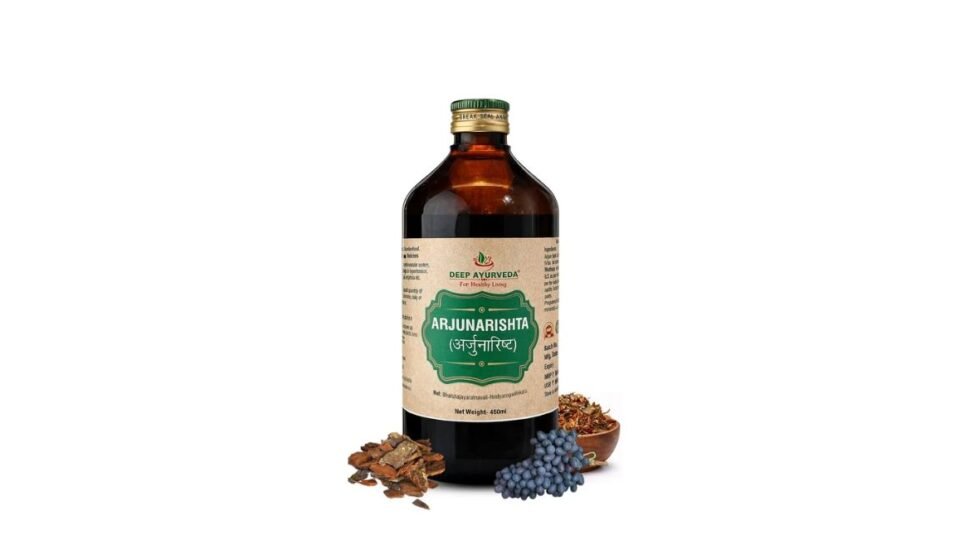
Arjunarishta is a traditional Ayurvedic fermented herbal formulation primarily prepared from Arjuna (Terminalia arjuna) bark. It has been traditionally used to support heart health, maintain healthy blood circulation, strengthen cardiac function, and promote overall cardiovascular wellness. It is also valued for its antioxidant and rejuvenating properties. While it has a long history of use in Ayurveda, it should be taken under the guidance of a qualified Ayurvedic physician, especially if you have an existing heart condition, high blood pressure, diabetes, or are taking prescription medications.
Arjunarishta at a Glance
| Particular | Details |
|---|---|
| Ayurvedic Form | Fermented Herbal Liquid (Arishta) |
| Main Ingredient | Arjuna (Terminalia arjuna) Bark |
| Classical Category | Hridya Rasayana (Heart Supportive Formulation) |
| Primary Action | Supports cardiovascular health and circulation |
| Taste (Rasa) | Kashaya (Astringent) |
| Potency (Virya) | Generally Sheeta (Cooling) |
| Common Dosage | As advised by an Ayurvedic physician |
| Best Time to Take | Usually after meals with an equal quantity of water |
| Suitable For | Adults under professional guidance |
| Alcohol Content | Naturally formed in very small amounts during fermentation |
| Prescription | Recommended under Ayurvedic medical supervision |
Introduction
If you’ve recently been advised to take Arjunarishta, or you’ve come across it while searching for natural ways to support your heart health, it’s completely normal to have questions. Many people wonder whether it is safe, how it works, who should take it, and whether it can be used alongside modern medicines.
As an Ayurvedic physician, one of the most common things I explain to patients is that Arjunarishta is not simply a heart tonic. It is a classical Ayurvedic formulation designed to support the body’s natural cardiovascular functions when prescribed appropriately according to an individual’s Prakriti (body constitution), Dosha imbalance, digestive strength (Agni), and overall health condition.
In Ayurveda, maintaining a healthy heart is not just about supporting one organ. The heart (Hridaya) is closely connected with healthy blood circulation (Rakta), balanced Vata, proper digestion, emotional well-being, and the nourishment of body tissues (Dhatus). When these systems become imbalanced, a person may experience fatigue, reduced stamina, palpitations, or other symptoms that require careful evaluation rather than self-treatment.
Modern scientific research has also explored the potential health benefits of Terminalia arjuna, the principal herb in Arjunarishta, particularly for its antioxidant properties and its role in supporting cardiovascular function. However, it is important to understand that most studies focus on the herb itself, and evidence for the complete classical formulation is still developing. Therefore, Arjunarishta should be viewed as a traditional Ayurvedic medicine rather than a replacement for evidence-based medical treatment.
In this comprehensive guide, we’ll discuss everything you need to know about Arjunarishta, including:
What Arjunarishta is and how it works
Classical Ayurvedic ingredients
Health benefits and traditional uses
Dosage and best time to take it
Possible side effects and precautions
Who should avoid it
Safety with other medicines
Frequently asked questions
Practical tips for getting the best results safely
By the end of this article, you’ll have a clear understanding of when Arjunarishta may be appropriate and when it is important to seek advice from a qualified healthcare professional.
What is Arjunarishta?
Arjunarishta is a classical Ayurvedic fermented herbal formulation primarily prepared using the bark of Arjuna (Terminalia arjuna) along with several supporting herbs and natural sweetening agents that facilitate fermentation. The formulation belongs to the group of Ayurvedic medicines known as Arishta, which are herbal preparations created through controlled natural fermentation.
Unlike herbal decoctions that are prepared fresh and consumed immediately, Arishta formulations undergo a traditional fermentation process. This process naturally enhances the stability of the preparation and may improve the absorption of certain plant constituents.
The name Arjunarishta comes from two Sanskrit words:
Arjuna – the principal medicinal herb.
Arishta – a naturally fermented herbal preparation.
For centuries, Ayurvedic physicians have prescribed Arjunarishta to support cardiovascular wellness, promote healthy circulation, and strengthen overall vitality in appropriate patients. However, its use has always been individualized, taking into account the patient’s constitution, symptoms, and overall health rather than treating everyone the same way.
Classical Ayurvedic Perspective
According to Ayurveda, the Hridaya (heart) is one of the most vital organs of the body. It is considered the seat of Ojas, the essence of all body tissues that supports vitality, immunity, and overall well-being.
Classical Ayurvedic texts describe Arjuna as a Hridya Dravya, meaning an herb that supports the healthy functioning of the heart. Ayurvedic physicians have traditionally used Arjunarishta in carefully selected individuals to help maintain balanced circulation and overall cardiovascular health as part of a holistic treatment plan.
Rather than focusing only on symptoms, Ayurveda evaluates several factors before recommending Arjunarishta, including:
The individual’s Prakriti (body constitution).
The current Dosha imbalance.
Digestive strength (Agni).
Presence of Ama (metabolic toxins).
Lifestyle and dietary habits.
Existing medical conditions.
This personalized approach is one of the reasons why the same formulation may not be suitable for everyone.
Why is Arjunarishta Fermented?
One question patients often ask is:
Why is Arjunarishta fermented? Doesn’t fermentation mean it contains alcohol?
This is an excellent question.
In Ayurveda, fermentation is a traditional pharmaceutical process used to prepare Arishta and Asava formulations. During this process, naturally occurring microorganisms convert a portion of the sugars into a small amount of self-generated alcohol. This alcohol is not added separately; it develops naturally and helps preserve the formulation while enhancing the extraction and absorption of certain herbal constituents.
Benefits of Traditional Fermentation
Helps preserve the formulation naturally.
Improves the extraction of active herbal compounds.
May enhance the bioavailability of certain plant constituents.
Extends shelf life without synthetic preservatives.
Creates a stable herbal preparation suitable for long-term storage.
It is important to note that the naturally formed alcohol content is generally low. However, people with alcohol sensitivity, certain liver conditions, or specific medical or religious considerations should discuss its use with their healthcare provider before taking Arjunarishta.
Ingredients of Arjunarishta
Although different manufacturers may have slight variations based on classical references, the primary ingredient remains Arjuna bark, supported by other herbs that contribute to the formulation’s traditional properties.
| Ingredient | Botanical Name | Traditional Ayurvedic Role |
|---|---|---|
| Arjuna | Terminalia arjuna | Supports cardiovascular health and circulation |
| Munakka (Draksha) | Vitis vinifera | Nourishing and supports vitality |
| Madhuka (Dhataki flowers) | Woodfordia fruticosa | Natural fermenting agent |
| Jaggery (Guda) | — | Supports natural fermentation |
| Water | — | Preparation medium |
Note: The exact ingredient list may vary depending on the classical formulation followed by the manufacturer. Always read the product label or consult an Ayurvedic physician before use.
Spotlight on Arjuna (Terminalia arjuna)
Arjuna bark is the cornerstone of this formulation and has been valued in Ayurveda for centuries.
Traditionally, it is described as a herb that supports:
Healthy heart function.
Proper blood circulation.
Strength and stamina.
Recovery after physical weakness.
Overall cardiovascular wellness.
Modern research has also investigated Terminalia arjuna for its antioxidant, cardioprotective, and vascular-supporting properties. While these findings are encouraging, they should be interpreted cautiously, as more high-quality clinical studies are needed, particularly on the complete Arjunarishta formulation.
How Does Arjunarishta Work in Ayurveda?
When patients ask me, Doctor, how does Arjunarishta actually work?, I explain that Ayurveda looks beyond symptoms. Instead of focusing only on the heart, Ayurveda aims to restore balance throughout the body so the heart receives proper nourishment and support.
Unlike conventional medicines that often target a specific mechanism, Arjunarishta is a classical polyherbal formulation. According to Ayurvedic principles, it works by supporting the body’s natural functions related to circulation, digestion, tissue nourishment, and vitality. Its use is always based on an individual’s Prakriti (body constitution), Vikriti (current imbalance), Agni (digestive strength), and overall health status.
Let’s understand this in simple terms.
1. Supports Hridaya (Heart) Function
In Ayurveda, the Hridaya (heart) is considered one of the body’s most vital organs. It is not only responsible for circulating blood but is also regarded as the seat of Ojas, the refined essence that supports strength, immunity, and vitality.
Arjuna, the principal herb in Arjunarishta, is traditionally classified as a Hridya Dravya—an herb that supports healthy heart function.
From an Ayurvedic perspective, Arjunarishta may help:
Support healthy cardiac function.
Promote balanced blood circulation.
Nourish heart tissues.
Maintain overall cardiovascular wellness.
Improve physical stamina during recovery from weakness.
Patient Advice: If you experience persistent chest pain, severe shortness of breath, fainting, or sudden palpitations, seek emergency medical care immediately. Arjunarishta should never be used as a substitute for urgent medical treatment.
2. Helps Balance Vata and Kapha Dosha
According to Ayurveda, many circulatory and cardiovascular concerns are associated with an imbalance of Vata and Kapha Dosha.
When Vata becomes aggravated, it may affect the normal movement of blood and the rhythmic functioning of the body. Increased Kapha may contribute to heaviness, sluggishness, or impaired circulation.
Arjunarishta is traditionally used as part of an individualized Ayurvedic treatment plan to help maintain the balance of these Doshas, supporting smoother circulation and overall well-being.
However, the choice of medicine always depends on the patient’s complete clinical assessment and should not be based solely on symptoms.
3. Supports Healthy Rakta Dhatu (Blood Tissue)
Ayurveda considers Rakta Dhatu (blood tissue) essential for nourishing every organ and tissue in the body.
When Rakta is healthy, oxygen and nutrients are efficiently delivered throughout the body. Poor nourishment of Rakta may contribute to fatigue, reduced stamina, and generalized weakness.
Traditionally, Arjunarishta is believed to support healthy circulation and the proper nourishment of body tissues, helping maintain overall vitality.
4. Promotes Healthy Agni (Digestive Fire)
Many people are surprised to learn that good heart health begins with healthy digestion, according to Ayurveda.
When digestion (Agni) becomes weak, food may not be properly processed, leading to the formation of Ama—a concept in Ayurveda referring to incompletely digested metabolic waste.
Accumulated Ama is believed to interfere with the normal functioning of various body systems, including circulation.
Through its fermented nature and supportive herbs, Arjunarishta is traditionally considered easier to digest than some other herbal preparations and may support digestive efficiency as part of a balanced Ayurvedic regimen.
5. Helps Reduce Ama (Metabolic Toxins)
Ama is often described as one of the root causes of many chronic imbalances in Ayurveda.
Signs that may indicate Ama according to Ayurvedic principles include:
Persistent fatigue.
A feeling of heaviness.
Poor digestion.
Loss of appetite.
Coated tongue.
Reduced enthusiasm.
By supporting digestion and metabolism, Arjunarishta is traditionally believed to assist the body in reducing Ama over time when combined with an appropriate diet and lifestyle.
It is important to understand that Ama is an Ayurvedic concept and does not directly correspond to a specific diagnosis in modern medicine.
6. Supports Ojas (Vital Energy)
One of Ayurveda’s ultimate goals is protecting Ojas, the subtle essence responsible for vitality, resilience, and overall wellness.
When Ojas is healthy, people often experience:
Better energy.
Improved endurance.
Emotional stability.
Healthy recovery.
Greater resilience.
Classically, Arjuna is regarded as a nourishing herb that supports Ojas by promoting healthy cardiovascular function and tissue nourishment.
This is one reason why Ayurvedic physicians may recommend Arjunarishta during recovery from prolonged illness or physical weakness, after carefully evaluating the patient’s condition.
7. Acts as a Rasayana (Rejuvenative Support)
In Ayurveda, a Rasayana is not simply an anti-aging remedy. It refers to therapies that nourish body tissues, promote healthy aging, and support long-term well-being.
Arjunarishta is traditionally valued because it helps maintain:
Healthy circulation.
Tissue nourishment.
Physical endurance.
Cardiovascular vitality.
General strength.
When combined with proper nutrition, adequate sleep, stress management, and regular physical activity, it may contribute to overall wellness as part of a personalized Ayurvedic care plan.
How Does Modern Science Explain Arjunarishta?
Ayurveda has used Arjunarishta for centuries, but many patients also want to know what modern research says.
Current scientific interest has focused primarily on Terminalia arjuna, the main ingredient of Arjunarishta. Laboratory studies, animal research, and some clinical trials suggest that compounds found in Arjuna bark may have antioxidant and cardioprotective properties. However, it is important to distinguish research on the single herb from research on the complete classical formulation, which is still limited.
Here’s what the available evidence suggests.
Rich in Natural Antioxidants
Arjuna bark contains naturally occurring plant compounds such as flavonoids, tannins, triterpenoids, and polyphenols.
These compounds have antioxidant activity, meaning they may help protect cells from oxidative stress. Oxidative stress is associated with aging and various chronic diseases, including cardiovascular disease.
While antioxidant effects have been demonstrated in laboratory settings, this does not necessarily mean Arjunarishta can prevent or treat heart disease on its own.
Supports Cardiovascular Function
Some clinical studies on Terminalia arjuna have explored its role as an adjunct to conventional care in certain cardiovascular conditions.
Research suggests that Arjuna may help support:
Cardiac muscle function.
Exercise tolerance in some patients.
Overall cardiovascular performance.
However, these findings should not be interpreted as evidence that Arjunarishta can replace prescribed heart medications or medical supervision.
May Help Maintain Healthy Blood Pressure
Some preliminary studies indicate that Arjuna may contribute to maintaining healthy blood pressure in certain individuals.
However:
Results are not consistent across all studies.
More high-quality human clinical trials are needed.
People with hypertension should continue their prescribed treatment unless advised otherwise by their physician.
Never stop blood pressure medication without medical guidance.
May Support Healthy Cholesterol Levels
Research has also investigated whether Arjuna may support healthy lipid metabolism.
Some studies have reported improvements in cholesterol parameters, but the evidence remains limited and should be viewed as supportive rather than conclusive.
A heart-healthy diet, regular exercise, weight management, and prescribed medications remain the foundation of cholesterol management.
Anti-Inflammatory Potential
Certain plant compounds in Arjuna have demonstrated anti-inflammatory activity in experimental research.
Because chronic inflammation plays a role in many diseases, researchers continue to investigate how these properties might contribute to overall cardiovascular health.
More robust clinical studies are required before firm conclusions can be made.
Evidence Still Has Limitations
As your Ayurvedic doctor, it’s important for me to be transparent about what we know and what we don’t.
Although Arjunarishta has been used in traditional practice for centuries, modern scientific evidence for the complete formulation is still evolving.
Current limitations include:
Many studies evaluate Arjuna bark, not Arjunarishta itself.
Several studies have small sample sizes.
More large, well-designed clinical trials are needed.
Existing research should be viewed as complementary to traditional knowledge, not definitive proof of effectiveness for every claimed benefit.
This balanced understanding allows us to respect both Ayurvedic wisdom and evidence-based medicine.
Top 12 Benefits of Arjunarishta: Ayurvedic Perspective and Modern Understanding
Many patients ask me,
Doctor, what exactly are the benefits of Arjunarishta?
This is an important question because every Ayurvedic medicine has a specific purpose. Arjunarishta is not a daily health tonic for everyone, nor is it a cure for heart disease. It is a classical Ayurvedic formulation that may be recommended after evaluating your body constitution (Prakriti), current imbalance (Vikriti), digestive strength (Agni), symptoms, and medical history.
Its benefits are best understood when combined with a healthy lifestyle, balanced diet, regular exercise, stress management, and appropriate medical care. If you have a diagnosed heart condition or other chronic illness, continue your prescribed treatment and use Ayurvedic medicines only under the guidance of a qualified healthcare professional.
Let’s look at the potential benefits in detail.
1. Traditionally Supports Heart Health
One of the primary reasons Arjunarishta has been valued in Ayurveda for centuries is its traditional role in supporting healthy heart function. The formulation is primarily prepared from Arjuna (Terminalia arjuna), an herb described in classical Ayurvedic texts as a Hridya Dravya, meaning a herb that helps nourish and support the normal functioning of the heart.
Rather than focusing only on symptoms, Ayurveda views heart health as the result of balanced Doshas, healthy digestion (Agni), proper blood circulation, well-nourished body tissues (Dhatus), and a healthy lifestyle. Based on an individual’s condition, an Ayurvedic physician may recommend Arjunarishta as part of a personalized treatment plan.
According to Ayurveda
Arjunarishta is traditionally believed to help:
Support healthy cardiac function by nourishing the heart and helping maintain its natural strength and efficiency as described in Ayurvedic texts.
Promote balanced blood circulation, allowing nutrients and oxygen to reach different tissues more effectively while supporting overall vitality.
Nourish the heart tissues (Hridaya) and contribute to the maintenance of healthy cardiovascular function through its classical herbal ingredients.
Support overall cardiovascular wellness when combined with a balanced diet, regular physical activity, stress management, and healthy daily habits.
Improve physical stamina and endurance, particularly in individuals recovering from general weakness, when prescribed according to their body constitution and health condition.
Rather than treating only one organ, Ayurveda focuses on restoring harmony throughout the body, because healthy digestion, circulation, mental well-being, and tissue nourishment are all considered essential for maintaining a healthy heart.
What Modern Research Suggests
Modern scientific research has primarily investigated Terminalia arjuna, the principal herb in Arjunarishta. Studies suggest that Arjuna contains natural antioxidant compounds and may have cardioprotective properties. Some clinical research indicates it may help support cardiovascular function when used alongside standard medical care. However, high-quality evidence on the complete Arjunarishta formulation is still limited, and it should not be considered a replacement for prescribed heart medications or medical treatment.
Doctor’s Advice: If you experience symptoms such as chest pain, severe shortness of breath, pain spreading to the arm or jaw, sudden dizziness, or fainting, seek emergency medical attention immediately. These symptoms require urgent evaluation, and Arjunarishta should never be used as an emergency treatment or as a substitute for professional medical care.
2. Helps Support Healthy Blood Circulation
Healthy blood circulation is essential for delivering oxygen and nutrients to every organ, muscle, and tissue in the body. When circulation functions properly, the heart doesn’t have to work as hard to supply blood throughout the body, helping maintain overall energy and well-being.
In Ayurveda, proper circulation is closely associated with balanced Vata Dosha, healthy Rakta Dhatu (blood tissue), and the efficient functioning of the Hridaya (heart). When these systems are in harmony, the body receives the nourishment it needs to function optimally.
According to Ayurveda
Arjunarishta is traditionally believed to help:
Support healthy blood circulation by promoting the natural movement of blood throughout the body, which helps nourish vital organs and tissues.
Maintain the quality of Rakta Dhatu (blood tissue), allowing nutrients and oxygen to reach different parts of the body more efficiently.
Assist in proper tissue nourishment, as healthy circulation is considered essential for supplying every Dhatu (body tissue) with adequate nutrition.
Promote overall vitality and physical energy by supporting balanced circulation and reducing the feeling of sluggishness associated with poor tissue nourishment.
Help maintain cardiovascular efficiency when used alongside a healthy lifestyle, balanced diet, and regular physical activity under Ayurvedic guidance.
Good circulation not only supports heart health but also contributes to better stamina, healthy muscle function, and overall physical performance.
Why This Matters
Reduced blood circulation may sometimes contribute to symptoms such as:
Feeling tired or exhausted even after minimal physical activity, as tissues may not receive adequate oxygen and nutrients.
Cold hands and feet, which can occur for various reasons and should be medically evaluated if persistent.
Reduced exercise tolerance, making routine daily activities feel more tiring than usual.
General weakness or low energy levels, especially when associated with poor nutrition, chronic illness, or other underlying health conditions.
These symptoms can have many possible causes. If they are severe, persistent, or accompanied by chest pain, breathlessness, or dizziness, consult a qualified healthcare professional for a proper diagnosis.
3. Rich in Natural Antioxidants
Our bodies are continuously exposed to oxidative stress, a natural process that can increase due to aging, pollution, smoking, unhealthy eating habits, chronic stress, and certain medical conditions. Over time, excessive oxidative stress may contribute to cellular damage and affect overall health.
One of the reasons Arjuna (Terminalia arjuna) has attracted scientific interest is its naturally occurring antioxidant compounds, which may help protect cells from oxidative damage.
According to Ayurveda
Although classical Ayurvedic texts do not use the modern term antioxidants, Arjuna has traditionally been valued for supporting vitality and maintaining healthy body tissues.
Arjunarishta is traditionally believed to help:
Support the body’s natural defense mechanisms by nourishing tissues and promoting long-term health and resilience.
Maintain healthy cardiovascular tissues, helping preserve their normal function as part of a balanced Ayurvedic lifestyle.
Promote healthy aging by supporting the body’s natural rejuvenation processes and maintaining overall vitality.
Assist in protecting body tissues through its traditionally described Rasayana (rejuvenative) properties.
Contribute to overall wellness when combined with wholesome nutrition, regular exercise, adequate sleep, and stress management.
What Modern Research Suggests
Scientific studies have identified several naturally occurring compounds in Arjuna bark, including:
Flavonoids, which have demonstrated antioxidant activity in laboratory research.
Polyphenols, known for their potential role in protecting cells from oxidative stress.
Tannins, plant compounds that may contribute to the herb’s traditional medicinal properties.
Triterpenoids, which are currently being studied for their potential biological effects.
These findings are promising, but most research has focused on Terminalia arjuna rather than the complete Arjunarishta formulation. More high-quality clinical studies are needed before definitive conclusions can be made.
4. May Help Maintain Healthy Blood Pressure
High blood pressure is one of the most common health concerns worldwide and often develops without noticeable symptoms. Proper management usually requires a combination of healthy lifestyle choices, regular monitoring, and medical treatment when necessary.
Many patients ask whether Arjunarishta can naturally lower blood pressure. The answer depends on the individual’s overall health, underlying medical conditions, and the advice of their healthcare provider.
According to Ayurveda
Rather than treating blood pressure as an isolated condition, Ayurveda evaluates the overall balance of the body before recommending any herbal formulation.
Arjunarishta is traditionally believed to help:
Support balanced cardiovascular function by promoting the healthy functioning of the heart and circulatory system.
Assist in maintaining Dosha balance, particularly when Vata and Kapha imbalances are thought to influence cardiovascular health.
Promote healthy circulation, which Ayurveda considers important for maintaining overall physiological balance.
Support the body’s natural vitality, especially when cardiovascular wellness is affected by lifestyle and digestive imbalances.
Complement individualized Ayurvedic treatment plans, where medicine, diet, daily routine, and lifestyle modifications work together.
What Modern Research Suggests
Some preliminary studies involving Terminalia arjuna suggest it may support healthy blood pressure in certain individuals. However, these findings should be interpreted cautiously because:
Clinical studies are still limited, and larger, well-designed human trials are needed.
Research findings are not entirely consistent, so more evidence is required before firm conclusions can be drawn.
Most available studies evaluate Arjuna bark, not the complete Arjunarishta formulation used in classical Ayurveda.
Doctor’s Advice: If you have hypertension, continue taking your prescribed medications unless your physician advises otherwise. Arjunarishta should only be used as supportive care under the guidance of a qualified Ayurvedic practitioner and your treating doctor.
5. May Support Healthy Cholesterol Levels
Maintaining healthy cholesterol levels is an important part of protecting long-term cardiovascular health. Along with regular exercise, a balanced diet, maintaining a healthy body weight, and avoiding tobacco, proper cholesterol management can help reduce the risk of cardiovascular complications.
From an Ayurvedic perspective, maintaining healthy metabolism and digestion is considered just as important as supporting the heart itself.
According to Ayurveda
Arjunarishta is traditionally believed to help:
Support healthy digestion (Agni), which Ayurveda considers the foundation of proper metabolism and overall wellness.
Promote balanced metabolism, helping the body utilize nutrients more efficiently while supporting tissue nourishment.
Maintain healthy blood circulation, allowing nutrients to be transported effectively throughout the body.
Support balanced Doshas, particularly when digestive and circulatory imbalances are contributing to overall health concerns.
Encourage long-term cardiovascular wellness when combined with healthy dietary habits, regular exercise, and an individualized Ayurvedic treatment plan.
Ayurveda emphasizes that no herbal medicine alone can compensate for an unhealthy lifestyle. Sustainable improvements come from combining appropriate treatment with healthy daily habits.
What Modern Research Suggests
Some studies on Terminalia arjuna indicate that it may support healthy lipid metabolism and help maintain cholesterol levels already within the normal range. However, current evidence remains limited, and more robust clinical trials are needed.
For most people, the greatest improvements in cholesterol management still come from:
Eating a heart-healthy, balanced diet that includes fruits, vegetables, whole grains, healthy fats, and adequate fiber.
Engaging in regular physical activity, such as brisk walking, cycling, swimming, or other forms of exercise recommended by your healthcare provider.
Maintaining a healthy body weight, as excess weight can significantly affect cholesterol and overall cardiovascular health.
Following your prescribed treatment plan, including medications if recommended by your physician, while discussing any Ayurvedic medicines you wish to use alongside conventional care.
6. Supports Physical Stamina and Recovery
Feeling physically weak or experiencing low stamina after an illness, prolonged stress, or demanding daily routines is a common concern. In Ayurveda, reduced strength is often associated with weakened Agni (digestive fire), poor tissue nourishment (Dhatu Kshaya), or an imbalance in the body’s natural energies.
Arjunarishta has traditionally been used as a supportive formulation to help improve overall vitality when prescribed according to an individual’s constitution and health condition.
According to Ayurveda
Arjunarishta is traditionally believed to help:
Support physical strength (Bala) by nourishing body tissues and helping restore natural vitality during recovery from general weakness.
Promote healthy tissue nourishment (Dhatu Poshana), allowing the body to utilize nutrients more effectively for maintaining strength and endurance.
Assist in post-illness recovery when weakness is associated with poor digestion, reduced appetite, or decreased vitality as assessed by an Ayurvedic physician.
Help improve day-to-day stamina, enabling the body to better cope with routine physical activities when combined with proper nutrition and adequate rest.
Support overall energy levels by promoting balanced digestion and healthy circulation, both of which are considered essential for maintaining strength.
Ayurveda always emphasizes identifying the underlying cause of weakness before recommending any medicine. Therefore, Arjunarishta should be taken only after proper evaluation by a qualified Ayurvedic practitioner.
Practical Advice
If you’re recovering from illness or feeling physically weak, remember that no herbal formulation works in isolation. Better recovery also depends on:
Eating a nutritious, balanced diet that provides adequate protein, vitamins, minerals, and healthy fats to support tissue repair.
Getting sufficient sleep and rest, as the body performs many of its healing and recovery processes during sleep.
Following an appropriate exercise routine, beginning with light physical activity and gradually increasing intensity as advised by your healthcare provider.
Managing underlying medical conditions, such as anemia, thyroid disorders, diabetes, or heart disease, which may contribute to ongoing fatigue or reduced stamina.
7. Supports Healthy Digestion and Metabolism
One of the unique principles of Ayurveda is that good digestion is the foundation of good health. Even the most nutritious food cannot properly nourish the body if digestion is weak.
According to Ayurvedic philosophy, impaired digestion may lead to the formation of Ama, a traditional concept referring to incompletely processed metabolic waste that may interfere with normal physiological functions.
According to Ayurveda
Arjunarishta is traditionally believed to help:
Support healthy digestive function (Agni), allowing food to be digested and absorbed more efficiently.
Promote balanced metabolism, helping the body utilize nutrients required for tissue nourishment and overall well-being.
Assist in reducing Ama, when used as part of a broader Ayurvedic treatment plan that includes appropriate dietary and lifestyle modifications.
Support better nutrient absorption, ensuring the body receives the nourishment necessary for maintaining healthy tissues and energy levels.
Contribute to overall digestive wellness, especially when digestion has been affected by irregular eating habits or lifestyle factors.
Because Arjunarishta is a naturally fermented Ayurvedic formulation, it is traditionally considered easier to digest than some other herbal preparations. However, individual responses may vary depending on digestive health and underlying medical conditions.
Why Healthy Digestion Matters
Healthy digestion influences much more than the stomach. It plays an important role in:
Maintaining healthy energy levels throughout the day.
Supporting immunity by promoting proper nutrient absorption.
Helping nourish every body tissue according to Ayurvedic principles.
Contributing to overall cardiovascular and metabolic wellness.
For the best results, combine Ayurvedic medicines with mindful eating habits, regular meal timings, and a balanced diet.
8. May Help Reduce Fatigue and General Weakness
Occasional tiredness after a busy day is normal, but persistent fatigue that interferes with daily life should never be ignored. Feeling constantly exhausted may indicate an underlying nutritional deficiency, hormonal imbalance, chronic illness, poor sleep, or another medical condition that requires evaluation.
Ayurveda approaches fatigue by identifying its root cause rather than simply addressing the symptom.
According to Ayurveda
Arjunarishta is traditionally believed to help:
Support natural energy levels by improving digestion and helping the body utilize nutrients more efficiently.
Promote healthy circulation, allowing tissues to receive adequate nourishment for maintaining physical vitality.
Assist in restoring overall strength, particularly when weakness is associated with reduced tissue nourishment or impaired digestion.
Help maintain healthy endurance, making routine daily activities feel less physically demanding over time.
Complement individualized Ayurvedic treatment plans, where medicine is combined with dietary improvements and healthy lifestyle practices.
Important Considerations
Persistent fatigue can sometimes result from serious health conditions, including:
- Iron-deficiency anemia.
- Thyroid disorders.
- Diabetes.
- Heart disease.
- Sleep disorders.
- Depression or chronic stress.
Before taking any herbal medicine for long-term fatigue, it is important to consult a qualified healthcare professional to identify and treat the underlying cause.
9. Helps Promote Healthy Tissue Nourishment
According to Ayurveda, every organ and tissue in the body depends on proper nourishment to function efficiently. This nourishment occurs through a continuous process in which nutrients are absorbed, transformed, and delivered to the body’s seven Dhatus (tissues).
When digestion and circulation function well, tissue nourishment is maintained, supporting long-term health and vitality.
According to Ayurveda
Arjunarishta is traditionally believed to help:
Support healthy nourishment of body tissues (Dhatus) by promoting efficient digestion and circulation.
Assist in maintaining balanced Rakta Dhatu, which Ayurveda considers essential for supplying nutrients throughout the body.
Promote healthy tissue regeneration, supporting overall strength and resilience over time.
Help maintain physical vitality, particularly when reduced tissue nourishment contributes to weakness or fatigue.
Support long-term wellness, as properly nourished tissues are considered the foundation of good health in Ayurveda.
Rather than focusing on one organ alone, Ayurveda emphasizes improving the body’s overall internal balance so that every tissue receives appropriate nourishment.
10. Supports Healthy Aging
As we grow older, maintaining heart health, physical strength, and metabolic balance becomes increasingly important. Healthy aging is not simply about living longer—it is about maintaining quality of life, independence, and overall well-being.
In Ayurveda, formulations with Rasayana properties are traditionally used to support healthy aging by nourishing tissues and promoting vitality.
According to Ayurveda
Arjunarishta is traditionally believed to help:
Support healthy cardiovascular function as part of a balanced lifestyle that promotes long-term wellness.
Maintain physical endurance, allowing the body to remain active and resilient with advancing age.
Promote healthy tissue nourishment, helping preserve strength and vitality over time.
Assist in maintaining overall energy, particularly when aging is associated with reduced stamina or slower recovery.
Contribute to healthy aging, when combined with proper nutrition, regular physical activity, and individualized Ayurvedic care.
Healthy Aging Tips
Along with appropriate medical guidance, healthy aging depends on consistent lifestyle habits such as:
Following a balanced, nutrient-rich diet that supports cardiovascular and metabolic health.
Engaging in regular physical activity, including walking, yoga, stretching, or strength training suited to your fitness level.
Getting adequate sleep, which plays a vital role in physical recovery and cognitive health.
Managing stress effectively through meditation, breathing exercises, hobbies, or other relaxation techniques.
Scheduling routine health check-ups, allowing early detection and management of age-related health concerns.
These evidence-based lifestyle habits remain the cornerstone of healthy aging and should accompany—not replace—any herbal formulation.
11. May Help Support Recovery from Physical Stress
Modern lifestyles often expose us to prolonged physical and mental stress. Over time, stress may affect sleep, digestion, energy levels, cardiovascular health, and overall well-being.
Ayurveda recognizes that long-term imbalance can gradually influence multiple body systems, making a holistic treatment approach essential.
According to Ayurveda
Arjunarishta is traditionally believed to help:
Support overall vitality during periods of physical stress, particularly when reduced energy is associated with weakened digestion and tissue nourishment.
Promote balanced circulation, helping the body maintain normal physiological functions during recovery.
Assist in maintaining digestive strength, which Ayurveda considers essential for restoring energy and supporting overall health.
Complement healthy lifestyle practices, including adequate rest, balanced nutrition, and stress management techniques.
Support long-term wellness, when prescribed as part of an individualized Ayurvedic treatment plan.
It is important to understand that Arjunarishta is not intended to treat anxiety, depression, or other mental health disorders. If stress is significantly affecting your emotional well-being, consult a qualified mental health professional or physician.
12. Supports Overall Cardiovascular Wellness
The greatest strength of Arjunarishta lies in its holistic approach to health. Instead of focusing only on one symptom or one organ, Ayurveda seeks to improve the body’s overall internal balance, supporting the systems that contribute to healthy cardiovascular function.
When digestion, circulation, tissue nourishment, and lifestyle are all addressed together, long-term health outcomes are often better than relying on a single intervention alone.
According to Ayurveda
Arjunarishta is traditionally believed to help:
Support healthy heart function by nourishing the cardiovascular system according to classical Ayurvedic principles.
Promote balanced blood circulation, helping maintain efficient delivery of nutrients and oxygen throughout the body.
Assist in maintaining healthy digestion, which Ayurveda considers fundamental for sustaining cardiovascular wellness.
Support tissue nourishment and vitality, contributing to better physical endurance and overall resilience.
Complement a heart-healthy lifestyle, including nutritious food, regular exercise, stress management, and appropriate medical care.
Who Can Take Arjunarishta?
One of the most common questions patients ask during consultation is,
Doctor, is Arjunarishta suitable for me?
The answer depends on several factors, including your age, overall health, current symptoms, existing medical conditions, and any medications you are taking. In Ayurveda, no medicine is considered universally suitable for everyone. Before recommending Arjunarishta, an Ayurvedic physician evaluates your Prakriti (body constitution), Vikriti (current imbalance), Agni (digestive strength), and overall health status.
Although Arjunarishta has traditionally been used to support cardiovascular wellness, it should always be taken under the supervision of a qualified Ayurvedic practitioner, especially if you have a chronic medical condition.
Arjunarishta May Be Suitable For
Under professional guidance, Arjunarishta may be considered for:
Adults looking to support cardiovascular wellness, particularly when an Ayurvedic assessment suggests that the formulation is appropriate for their condition.
People experiencing general weakness after recovery from illness, where reduced strength is associated with impaired digestion or tissue nourishment according to Ayurvedic principles.
Individuals seeking traditional Ayurvedic support for healthy circulation, alongside a balanced diet, regular physical activity, and healthy lifestyle habits.
People with reduced stamina or physical endurance, when these symptoms have been properly evaluated and are suitable for Ayurvedic management.
Individuals advised by an Ayurvedic physician to use Arjunarishta as part of a personalized treatment plan based on their Dosha imbalance and health condition.
Every person’s health needs are different, which is why self-medicating with classical Ayurvedic formulations is generally not recommended.
Who Should Avoid Arjunarishta?
Although Arjunarishta is widely used in Ayurveda, there are situations where extra caution—or avoiding the formulation altogether—may be appropriate.
Do not start Arjunarishta without medical advice if you belong to any of the following groups.
1. Pregnant Women
The safety of Arjunarishta during pregnancy has not been established through sufficient clinical studies.
If you are pregnant or planning a pregnancy, avoid taking Arjunarishta unless it has been specifically prescribed by a qualified Ayurvedic physician in coordination with your obstetrician.
2. Breastfeeding Mothers
There is limited scientific evidence regarding the safety of Arjunarishta during breastfeeding.
If you are nursing your baby, consult your healthcare provider before using any Ayurvedic medicine, including Arjunarishta.
3. Children
Arjunarishta should not be given to children without professional medical supervision.
Dosage and suitability vary according to age, body weight, and the child’s specific health condition.
4. People Taking Heart Medicines
If you have been prescribed medicines for:
- High blood pressure
- Heart failure
- Angina
- Irregular heartbeat
- Coronary artery disease
do not replace or combine them with Arjunarishta without discussing it with both your cardiologist and Ayurvedic physician.
5. People Taking Blood Thinners
If you are taking medicines such as anticoagulants or antiplatelet drugs, seek medical advice before using Arjunarishta.
Although evidence regarding interactions is limited, combining herbal medicines with blood-thinning medications should always be done under professional supervision.
6. People with Diabetes
Most classical Arjunarishta formulations are prepared using jaggery, which is necessary for the natural fermentation process.
Although much of the sugar is utilized during fermentation, the finished formulation may still contain residual sugars.
If you have diabetes, monitor your blood glucose regularly and use Arjunarishta only under medical guidance.
7. People with Liver Disease
Because Arjunarishta is a naturally fermented formulation containing a small amount of self-generated alcohol, people with liver disorders should consult their healthcare provider before using it.
8. Individuals with Alcohol Sensitivity
Some individuals avoid products containing alcohol for medical, personal, or religious reasons.
Since Arjunarishta naturally develops a small amount of alcohol during fermentation, discuss suitable alternatives with your Ayurvedic physician if this is a concern for you.
Can Elderly People Take Arjunarishta?
Yes, in many cases older adults may be advised to take Arjunarishta, but only after a thorough medical evaluation.
Because older adults are more likely to have multiple medical conditions and take several medications, dosage and duration should always be individualized.
Never begin long-term use without consulting your healthcare provider.
Arjunarishta Dosage
One of the most frequently searched questions online is:
How much Arjunarishta should I take?
There is no single dosage that is suitable for everyone. The appropriate dose depends on your:
Age
Digestive strength (Agni)
Medical history
Severity of symptoms
Other medicines you are taking
The specific product prescribed
Always follow the dosage recommended on the product label or by your qualified Ayurvedic physician.
General Dosage Guidance
| Age Group | General Guidance* |
|---|---|
| Adults | Use only as directed by a qualified Ayurvedic physician or according to the product label. |
| Older Adults | Dosage may require adjustment depending on overall health and concurrent medications. |
| Children | Only under medical supervision. |
Note: Dosage recommendations may vary between manufacturers and individual clinical situations. Never increase the dose on your own, thinking it will produce faster results.
Best Time to Take Arjunarishta
In most cases, Ayurvedic physicians recommend taking Arjunarishta after meals, usually mixed with an equal quantity of water.
Taking it after food may improve tolerability and reduce the chance of stomach discomfort in some individuals.
However, the ideal timing may vary depending on your health condition and your physician’s recommendation.
How to Take Arjunarishta Correctly
For the best results:
Measure the recommended quantity accurately using the measuring cup provided or a medicine measuring spoon rather than estimating the dose.
Dilute it with an equal quantity of water, unless your Ayurvedic physician has advised otherwise.
Take it consistently at the same time each day, as regular use helps maintain a routine and supports better treatment adherence.
Avoid taking extra doses if you miss one. Simply continue with your next scheduled dose unless advised differently by your healthcare provider.
Store the bottle properly, keeping it tightly closed in a cool, dry place away from direct sunlight and out of reach of children.
How Long Should You Take Arjunarishta?
Another common question is,
How many days should I continue taking Arjunarishta?
The duration of use varies from person to person.
It depends on:
- Your health condition.
- Your response to treatment.
- Whether it is being used for short-term support or as part of a longer Ayurvedic treatment plan.
- Your physician’s clinical assessment.
Some people may use it for a limited period, while others may be advised to continue for longer under regular follow-up.
Avoid prolonged self-medication without periodic medical review.
What If You Miss a Dose?
If you forget to take a dose:
- Take it when you remember if it is not close to the next scheduled dose.
- If your next dose is due soon, skip the missed dose and continue your regular schedule.
- Never take a double dose to make up for the missed one, as this may increase the risk of unwanted effects.
Arjunarishta Side Effects, Safety, and Precautions
One of the biggest misconceptions about Ayurvedic medicines is that they are completely free from side effects because they are natural. While Arjunarishta has been used in Ayurveda for centuries, natural does not always mean safe for everyone.
Like any herbal or conventional medicine, Arjunarishta should be taken in the right dose, for the right person, and under appropriate medical guidance. Its safety depends on several factors, including your age, health condition, existing diseases, allergies, pregnancy status, and the medicines you are already taking.
Most people tolerate Arjunarishta well when it is used as directed. However, some individuals may experience mild side effects or may need additional precautions before starting the formulation.
Possible Side Effects of Arjunarishta
When taken in the recommended dosage under professional supervision, Arjunarishta is generally well tolerated. However, like any herbal preparation, some people may experience unwanted effects.
1. Mild Stomach Discomfort
Some individuals may notice mild digestive discomfort, particularly during the first few days of use.
Possible Symptoms
A feeling of heaviness in the stomach, especially if the medicine is taken on an empty stomach.
Mild abdominal discomfort or bloating, which usually improves after the body adjusts to the formulation.
Occasional acidity or indigestion, particularly in people who already have sensitive digestion.
If stomach discomfort continues for several days or becomes severe, stop taking the medicine and consult your Ayurvedic physician.
2. Loose Stools or Mild Digestive Changes
Because Arjunarishta is a naturally fermented herbal formulation, some people may notice temporary digestive changes.
You may experience:
Slightly loose stools during the initial days, particularly if your digestion is already sensitive.
Temporary changes in bowel habits, which often settle as your digestive system adapts.
Persistent diarrhea, dehydration, or severe abdominal pain should never be ignored and requires medical evaluation.
3. Nausea
Some people may experience mild nausea, especially if Arjunarishta is taken without food or in larger quantities than recommended.
To reduce the chances of nausea:
Take the medicine after meals, unless your physician advises otherwise.
Measure the recommended dose accurately rather than estimating it.
Avoid taking extra doses, even if you miss a scheduled dose.
4. Allergic Reactions (Rare)
Although uncommon, allergic reactions can occur with almost any herbal medicine.
Stop using Arjunarishta immediately and seek medical attention if you develop:
Difficulty breathing or wheezing, which may indicate a serious allergic reaction.
Swelling of the face, lips, tongue, or throat, requiring urgent medical care.
Skin rash, itching, or hives, especially if symptoms appear soon after taking the medicine.
If you have previously experienced allergies to herbal products, discuss this with your healthcare provider before starting Arjunarishta.
5. Changes in Blood Sugar
Traditional Arjunarishta preparations are made using jaggery to support the natural fermentation process. While much of the sugar is utilized during fermentation, the final product may still contain residual sugars.
If you have diabetes:
Monitor your blood glucose regularly, particularly after starting the medicine.
Inform your physician about all Ayurvedic medicines you are taking.
Do not adjust diabetes medications on your own without medical advice.
Is Arjunarishta Safe for Long-Term Use?
Patients often ask,
Doctor, can I take Arjunarishta every day for several months?
The answer depends on why you are taking it and your overall health condition.
In Ayurveda, medicines are not usually intended for indefinite use without reassessment. The duration of treatment depends on:
- Your diagnosis and symptoms.
- Your response to the formulation.
- Your digestive strength and overall health.
- Whether you are taking other medicines.
- Regular follow-up with your Ayurvedic physician.
If your symptoms improve, your physician may modify the dosage, continue treatment, or recommend a different formulation depending on your progress.
Safety Precautions Before Taking Arjunarishta
Before starting Arjunarishta, consider the following precautions.
Talk to Your Doctor If You:
Have a diagnosed heart condition, especially if you are already under the care of a cardiologist.
Take medicines for blood pressure, cholesterol, or heart rhythm disorders, as your treatment plan should be coordinated.
Have diabetes, because the formulation may contain residual sugars after fermentation.
Have liver disease or a history of alcohol sensitivity, since Arjunarishta naturally contains a small amount of self-generated alcohol.
Are pregnant, planning pregnancy, or breastfeeding, as adequate safety data is limited.
Have chronic kidney disease or any serious long-term illness, which may require individualized medical supervision.
Can You Take Arjunarishta with Other Medicines?
Many patients take Ayurvedic medicines alongside modern treatments.
In many situations, this is possible—but only under medical supervision.
Do not assume that herbal medicines are free from interactions simply because they are plant-based.
Always inform every healthcare provider about:
- Prescription medicines.
- Over-the-counter medicines.
- Ayurvedic medicines.
- Herbal supplements.
- Vitamins and nutritional supplements.
This helps reduce the risk of unwanted interactions and ensures coordinated care.
Arjunarishta and Blood Pressure Medicines
If you are taking medicines for hypertension, consult your physician before adding Arjunarishta.
Although preliminary research on Terminalia arjuna is encouraging, there is insufficient evidence to determine exactly how the complete formulation may interact with all blood pressure medicines.
Your physician may recommend monitoring your blood pressure more closely after starting any new herbal medicine.
Arjunarishta and Diabetes Medicines
People with diabetes should exercise additional caution because Arjunarishta is prepared using jaggery during fermentation.
Safety Tips
Monitor your blood sugar levels regularly, especially during the first few weeks.
Continue your prescribed diabetes treatment, unless your doctor advises changes.
Report unusual symptoms, such as dizziness, excessive sweating, or shaking, to your healthcare provider promptly.
Arjunarishta and Blood Thinners
If you take anticoagulants or antiplatelet medicines, do not begin Arjunarishta without medical advice.
Although evidence regarding herb-drug interactions is limited, combining herbal products with blood-thinning medications should always be done cautiously under professional supervision.
Can Arjunarishta Be Taken with Heart Medicines?
Some patients use Ayurvedic medicine as supportive care alongside conventional treatment.
However:
Never stop prescribed heart medicines without discussing it with your cardiologist.
Never replace emergency cardiac treatment with herbal formulations.
Follow your doctor’s advice regarding medication timing and monitoring.
Ayurveda and modern medicine can often complement each other when coordinated safely by qualified healthcare professionals.
Diet and Lifestyle While Taking Arjunarishta
Ayurveda emphasizes that medicine alone cannot provide the best results without healthy daily habits.
Include These Healthy Habits
Eat a balanced diet rich in fruits, vegetables, whole grains, and healthy fats, while limiting highly processed foods.
Stay physically active by choosing activities appropriate for your age, fitness level, and medical condition.
Maintain regular meal timings, as consistent eating habits support healthy digestion (Agni).
Practice stress management techniques, such as yoga, meditation, or deep breathing, to support both heart and overall health.
Get 7–9 hours of quality sleep, as restorative sleep is essential for recovery and long-term cardiovascular wellness.
Foods to Limit
- Excessively salty packaged foods.
- Deep-fried and heavily processed meals.
- Sugary beverages and excessive sweets.
- Tobacco in any form.
- Excessive alcohol consumption.
These recommendations support overall cardiovascular health and complement—not replace—medical treatment.
Common Mistakes to Avoid While Taking Arjunarishta
Many people unknowingly reduce the effectiveness of their treatment or increase the risk of side effects by making avoidable mistakes.
Avoid the following:
Do not increase the dosage on your own, thinking it will produce faster or better results.
Do not stop prescribed medications simply because you have started an Ayurvedic formulation.
Do not ignore persistent symptoms, especially chest pain, severe breathlessness, or dizziness, as these require immediate medical evaluation.
Do not combine multiple herbal formulations without professional guidance, since each formulation has different classical indications and potential interactions.
Do not continue long-term self-medication without follow-up, as your treatment plan may need to change over time based on your progress.
Arjunarishta vs Other Ayurvedic Heart Formulations
Patients often ask,
Doctor, is Arjunarishta the best Ayurvedic medicine for heart health?
The answer is not always. Ayurveda does not recommend the same medicine for every person. The right formulation depends on your Prakriti (body constitution), Dosha imbalance, symptoms, digestive strength, medical history, and overall health.
Different Ayurvedic formulations have different classical indications. Choosing the right medicine requires a proper assessment rather than selecting one based on online reviews or advertisements.
Arjunarishta vs Punarnavadyarishta
Since you’ve already read about Punarnavadyarishta on our website, it’s helpful to understand how these two formulations differ.
| Feature | Arjunarishta | Punarnavadyarishta |
|---|---|---|
| Primary Focus | Traditionally supports heart function and healthy circulation | Traditionally supports urinary health, fluid balance, and edema management |
| Main Herb | Arjuna (Terminalia arjuna) | Punarnava (Boerhavia diffusa) |
| Classical Use | Cardiovascular support and vitality | Swelling, water retention, urinary disorders |
| Best Chosen When | Heart support is the primary concern | Fluid retention or urinary symptoms are more prominent |
Which One Should You Choose?
If your primary concern is supporting cardiovascular wellness, an Ayurvedic physician may consider Arjunarishta depending on your individual assessment.
However, if your symptoms include:
- Swelling in the legs
- Water retention
- Puffiness around the ankles
- Reduced urine output
your physician may recommend Punarnavadyarishta instead, as it is traditionally indicated for different Ayurvedic conditions.
Doctor’s Advice: Never switch between classical Ayurvedic formulations without professional guidance. Even if two medicines appear similar, they are often intended for different clinical situations.
Common Myths and Facts About Arjunarishta
There are many misconceptions about Ayurvedic medicines. Let’s separate myths from facts.
| Myth | Fact |
|---|---|
| Arjunarishta can cure every heart disease. | No. It is a traditional Ayurvedic formulation that may support cardiovascular wellness but should not replace evidence-based medical treatment. |
| Because it is herbal, it has no side effects. | Natural medicines can also cause side effects or interact with other medicines if used incorrectly. |
| Anyone can take Arjunarishta without medical advice. | Ayurveda recommends individualized treatment based on body constitution, health status, and medical history. |
| Taking a higher dose gives faster results. | Increasing the dose without professional advice may increase the risk of unwanted effects without improving outcomes. |
| Once you start Arjunarishta, you can stop heart medicines. | Never discontinue prescribed medicines without consulting your cardiologist or healthcare provider. |
| It works immediately after one or two doses. | Ayurvedic formulations generally work gradually and are most effective when combined with a healthy lifestyle and regular follow-up. |
| Fermented means it contains harmful alcohol. | Arjunarishta contains a small amount of naturally produced alcohol formed during fermentation. It is not the same as alcoholic beverages, but some individuals may still need to avoid it. |
Final Thoughts
Arjunarishta is a time-tested Ayurvedic formulation traditionally used to support heart health, healthy blood circulation, and overall cardiovascular wellness. While modern research on Terminalia arjuna shows promising cardioprotective and antioxidant properties, Arjunarishta should be used as part of a balanced lifestyle and under the guidance of a qualified Ayurvedic physician.
If your health concerns are more closely related to fluid retention, swelling, or urinary health, you may also benefit from reading our detailed guide on Punarnavadyarishta to understand when it may be a more suitable Ayurvedic option.
For the best results, combine Arjunarishta with a heart-healthy diet, regular physical activity, stress management, and routine medical care. Avoid self-medication, especially if you have heart disease, diabetes, high blood pressure, or are taking prescription medications.
Frequently Asked Questions
What is Arjunarishta used for?
Arjunarishta is a classical Ayurvedic fermented formulation traditionally used to support heart health, healthy blood circulation, physical stamina, and overall cardiovascular wellness. It is also valued in Ayurveda for helping nourish the heart (Hridaya), promote healthy digestion, and support vitality. It should be taken under the guidance of a qualified Ayurvedic physician.
What are the benefits of Arjunarishta?
Arjunarishta is traditionally believed to support healthy heart function, balanced blood circulation, physical strength, digestion, and overall vitality. The formulation contains Arjuna (Terminalia arjuna), an herb known in Ayurveda as a Hridya Dravya (heart-supportive herb). While modern research on Arjuna shows promising cardioprotective and antioxidant properties, more studies are needed on the complete Arjunarishta formulation.
How should I take Arjunarishta?
Arjunarishta is generally taken after meals, mixed with an equal quantity of water, or as directed by a qualified Ayurvedic physician. The dosage varies depending on factors such as age, health condition, digestive strength, and the specific product being used. Avoid increasing the dose without professional advice.
Is Arjunarishta safe for daily use?
Arjunarishta may be used daily when recommended by a qualified Ayurvedic physician. However, the duration of use depends on your individual health condition and treatment plan. Long-term self-medication is not recommended, especially if you have heart disease, diabetes, liver disorders, or are taking prescription medications.
Does Arjunarishta have any side effects?
When taken in the recommended dosage, Arjunarishta is generally well tolerated. However, some individuals may experience mild stomach discomfort, nausea, digestive changes, or allergic reactions. Since it is a naturally fermented formulation, it also contains a small amount of naturally produced alcohol. If you experience persistent or severe symptoms, discontinue use and consult your healthcare provider.
Can diabetic patients take Arjunarishta?
People with diabetes should use Arjunarishta only after consulting their healthcare provider. Traditional formulations are prepared using jaggery during the fermentation process, and the final product may contain residual sugars. Regular blood sugar monitoring is recommended if Arjunarishta is used alongside diabetes treatment.
Can Arjunarishta be taken with heart or blood pressure medicines?
If you are taking medicines for heart disease, high blood pressure, or blood-thinning medications, consult both your cardiologist and Ayurvedic physician before starting Arjunarishta. It should be used as supportive care only and should never replace prescribed medical treatment without professional guidance.
Who should avoid taking Arjunarishta?
Arjunarishta may not be suitable for pregnant women, breastfeeding mothers, children (unless prescribed), people with liver disease, individuals with alcohol sensitivity, or those taking certain prescription medicines. Always seek medical advice before starting Arjunarishta if you have an existing medical condition or are taking regular medications.