

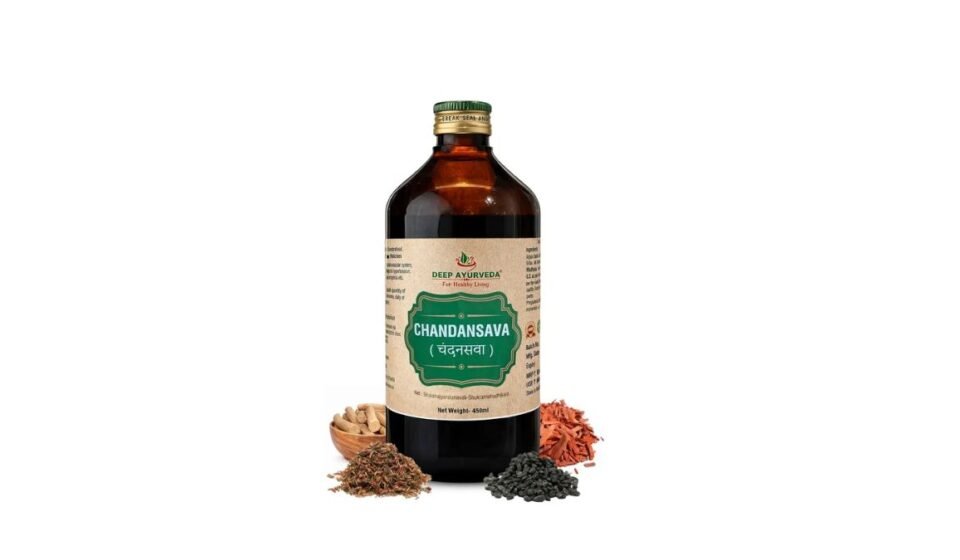
Chandanasava: Complete Guide to Uses, Ingredients, Benefits, Dosage, and Safety

Chandanasava is a classical Ayurvedic fermented herbal formulation (Asava) traditionally used to support urinary tract health, maintain a healthy balance of Pitta Dosha, and promote overall urinary comfort. Prepared using herbs such as Chandana (Sandalwood) and other cooling botanicals, it has been described in Ayurvedic texts for conditions associated with burning urination, excess body heat, and urinary irritation. Because it is naturally fermented, Chandanasava is believed to enhance the absorption of herbal constituents. It should always be used according to the advice of a qualified Ayurvedic practitioner, especially if you are pregnant, breastfeeding, have chronic medical conditions, or are taking prescription medications.
Introduction
Urinary discomfort, burning sensations during urination, and excessive internal body heat are concerns experienced by people across the world. These symptoms may arise due to a variety of factors, including dehydration, dietary habits, environmental heat, lifestyle choices, or underlying medical conditions. While conventional treatment depends on the underlying cause, many people also explore traditional systems of medicine, including Ayurveda, to support their overall urinary wellness.
Among Ayurveda’s time-tested formulations, Chandanasava has earned a respected place for its traditional role in promoting urinary comfort and balancing aggravated Pitta Dosha. Unlike single-herb remedies, Chandanasava combines multiple botanicals through a carefully controlled natural fermentation process. According to Ayurvedic principles, this method helps preserve the herbal properties and supports better assimilation within the body.
Although Chandanasava has been used in Ayurvedic practice for generations, modern readers often have important questions:
What exactly is Chandanasava?
What ingredients does it contain?
How does it work according to Ayurveda?
What are its traditional uses?
What does modern scientific research suggest about its ingredients?
Is Chandanasava safe for everyone?
How should it be taken correctly?
This comprehensive guide answers these questions in clear, evidence-informed language that is easy to understand for readers worldwide. Whether you are new to Ayurveda or already familiar with traditional herbal formulations, this article will help you understand the principles behind Chandanasava, its classical Ayurvedic perspective, practical considerations for safe use, and current scientific understanding of its key ingredients.
Throughout this guide, we distinguish between traditional Ayurvedic knowledge and modern scientific evidence. Where research is available, we discuss it carefully without overstating conclusions. Where traditional use is the primary source of information, we clearly identify it as such. This balanced approach helps readers make informed decisions while respecting both classical Ayurvedic wisdom and contemporary health standards.
Doctor’s Note: Chandanasava is traditionally selected after assessing an individual’s Prakriti (body constitution), Dosha imbalance, digestive strength (Agni), lifestyle, and overall health. It should not be considered a universal solution for every urinary complaint. Persistent symptoms such as severe pain, fever, blood in the urine, or recurrent urinary infections require prompt medical evaluation by a qualified healthcare professional.
What Is Chandanasava?
Chandanasava is a classical Ayurvedic fermented herbal formulation, known as an Asava, that has been traditionally used to support urinary health, help balance aggravated Pitta Dosha, and promote overall well-being. It is prepared using Chandana (Sandalwood) along with a carefully selected combination of cooling herbs and natural sweetening agents that undergo controlled fermentation. This traditional process creates a self-generated, low level of alcohol that acts as a natural preservative and may enhance the extraction and absorption of herbal constituents.
Unlike many herbal decoctions that need to be prepared fresh each time, Chandanasava is ready to use and has a longer shelf life due to its natural fermentation. In Ayurveda, fermented formulations such as Asavas are valued because they are considered easy to digest and quickly assimilated when used appropriately under professional guidance.
Rather than targeting a single symptom, Chandanasava is traditionally formulated to support the body’s natural balance. According to Ayurvedic principles, it primarily acts on the Mootravaha Srotas (urinary channels) while helping to pacify excess Pitta, which is often associated with sensations of heat, burning, and irritation.
Meaning of the Name Chandanasava
The name Chandanasava comes from two Sanskrit words:
Chandana – Refers to Sandalwood (Santalum album), one of Ayurveda’s most valued cooling herbs, traditionally used to help soothe excess heat and support urinary comfort.
Asava – A naturally fermented liquid herbal preparation made by allowing herbal ingredients to ferment in a controlled environment. This process extracts beneficial plant compounds while naturally preserving the formulation.
Together, Chandanasava literally means a fermented herbal preparation centred around Chandana (Sandalwood). While Sandalwood is its signature ingredient, the formulation also contains several complementary herbs that work together according to Ayurvedic principles.
What Is an Asava in Ayurveda?
To understand Chandanasava, it is important to first understand what an Asava is.
An Asava is one of the classical dosage forms described in Ayurveda. It is prepared by fermenting herbal ingredients with natural sugars over a specified period. During fermentation, naturally occurring microorganisms produce a small quantity of self-generated alcohol, which helps preserve the formulation and improve the extraction of herbal constituents.
Unlike distilled alcoholic beverages, the alcohol in an Asava is not added separately. Instead, it develops naturally as part of the traditional preparation process. When taken in the recommended amount, the focus is on the herbal formulation rather than the alcohol itself.
Key Characteristics of an Asava
Naturally fermented using traditional Ayurvedic methods.
Contains a low level of self-generated alcohol.
Usually consumed in small measured doses.
Generally taken after meals unless otherwise advised.
Designed to support efficient absorption of herbal constituents.
Prepared according to classical Ayurvedic principles.
This unique method of preparation has been used in Ayurveda for centuries and continues to be followed by many reputable manufacturers today.
Historical Background of Chandanasava
Chandanasava has its roots in the classical Ayurvedic tradition, where fermented herbal formulations have been used for generations to support various aspects of health. Ayurvedic physicians carefully selected herbs not only for their individual properties but also for how they complemented one another when combined in a fermented preparation.
In traditional practice, cooling herbs such as Chandana, Ushira (Vetiver), and other botanicals were valued for helping maintain the balance of Pitta Dosha, particularly in individuals experiencing excess internal heat or urinary discomfort.
Over time, Chandanasava became one of the well-recognised classical formulations used by Ayurvedic practitioners as part of personalised treatment plans. Even today, it remains a commonly recommended preparation in appropriate clinical situations, although its use should always be based on an individual’s constitution, symptoms, digestive strength, and overall health.
Classical Ayurvedic Perspective
Ayurveda views health as a balance between the three Doshas (Vata, Pitta, and Kapha), healthy digestion (Agni), properly nourished body tissues (Dhatus), and clear body channels (Srotas).
From this perspective, Chandanasava is traditionally used when symptoms suggest an aggravation of Pitta Dosha, particularly within the urinary system. Excess Pitta may present with sensations such as:
- Burning during urination
- Excess body heat
- Dark yellow urine
- Increased thirst
- Irritability associated with heat
- General discomfort related to urinary imbalance
The formulation is traditionally believed to help cool and soothe the body while supporting the normal function of the urinary channels. Rather than suppressing symptoms alone, Ayurveda aims to restore internal balance through appropriate herbs, diet, lifestyle, and personalised care.
It is important to note that these explanations are based on Ayurvedic principles and should not be interpreted as direct equivalents of modern medical diagnoses.
Why Is Chandanasava Different from Many Other Ayurvedic Formulations?
One reason Chandanasava has remained relevant for centuries is its distinctive formulation and preparation.
Unlike single-herb products, it combines multiple botanicals that are traditionally selected to work synergistically. Each herb contributes specific Ayurvedic properties, while the natural fermentation process helps integrate the formulation into a stable liquid preparation.
Some features that distinguish Chandanasava include:
- A classical multi-herb formulation rather than a single botanical extract.
- A naturally fermented preparation designed according to Ayurvedic pharmaceutical principles.
- Traditional use for supporting urinary comfort and balancing excess Pitta.
- A combination of cooling, digestive-supportive, and urinary-supportive herbs.
- Convenient liquid dosage that does not require preparation before use.
This holistic formulation reflects one of Ayurveda’s core principles: supporting overall balance instead of focusing on a single symptom in isolation.
How Does Chandanasava Work in Ayurveda?
Ayurveda does not view health simply as the absence of disease. Instead, it focuses on maintaining harmony between the three Doshas (Vata, Pitta, and Kapha), healthy digestion (Agni), well-nourished body tissues (Dhatus), and clear body channels (Srotas). When these elements remain in balance, the body is better able to maintain overall health and resilience.
From this perspective, Chandanasava is traditionally used to help balance aggravated Pitta Dosha, particularly when excess heat affects the urinary system. Rather than acting on a single symptom, Ayurveda considers Chandanasava a formulation that supports multiple physiological processes working together.
Understanding Pitta Dosha
According to Ayurveda, Pitta Dosha is responsible for transformation and metabolism within the body. It governs digestion, body temperature, vision, appetite, intellect, and many biochemical processes.
When Pitta is balanced, it supports:
- Healthy digestion
- Proper metabolism
- Clear thinking
- Healthy skin
- Balanced body temperature
- Efficient nutrient absorption
However, when Pitta becomes aggravated due to factors such as excessive spicy foods, dehydration, prolonged heat exposure, stress, alcohol consumption, or irregular lifestyle habits, it may contribute to symptoms such as:
- Burning sensations during urination
- Excess body heat
- Increased thirst
- Dark or concentrated urine
- Irritability
- Acidic digestion
- Heat-related skin concerns
In Ayurvedic practice, Chandanasava is traditionally used to help pacify this excess heat while supporting the body’s natural balance.
Supporting Mootravaha Srotas (The Urinary Channels)
Ayurveda describes a network of functional pathways called Srotas, which transport nutrients, waste products, and other substances throughout the body.
The Mootravaha Srotas are the channels associated with the formation, transport, and elimination of urine.
When these channels function optimally, they help maintain:
- Healthy urine flow
- Comfortable urination
- Proper fluid balance
- Natural elimination of metabolic waste
According to Ayurvedic principles, excess Pitta or other imbalances may disturb these channels, leading to symptoms such as urinary discomfort, burning sensations, or increased urinary frequency.
Chandanasava is traditionally formulated with herbs that help support the normal functioning of the Mootravaha Srotas while promoting internal cooling and comfort.
Cooling the Body from Within
One of the defining characteristics of Chandanasava is its traditional use as a cooling (Sheeta) formulation.
Unlike remedies that simply create a temporary cooling sensation, Ayurveda aims to address the underlying imbalance contributing to excess internal heat.
Several ingredients in Chandanasava are traditionally recognised for their cooling properties. Together, they are believed to help:
- Maintain a healthy internal temperature
- Support urinary comfort
- Reduce sensations of heat associated with aggravated Pitta
- Promote overall physiological balance
This is one reason Chandanasava is often considered during hot weather or when dietary and lifestyle factors contribute to excess internal heat, always under the guidance of a qualified practitioner.
Supporting Healthy Digestion (Agni)
At first glance, it may seem surprising that a formulation for urinary wellness also supports digestion. However, Ayurveda considers Agni (digestive fire) to be central to nearly every aspect of health.
When Agni functions efficiently, the body is better able to:
- Digest food properly
- Absorb nutrients
- Eliminate waste effectively
- Maintain Dosha balance
If digestion becomes weak or irregular, Ayurveda believes that partially digested substances (Ama) may accumulate and contribute to imbalance throughout the body.
Although Chandanasava is primarily known for supporting urinary health, some of its ingredients are traditionally valued for helping maintain healthy digestion and metabolism. This reflects Ayurveda’s holistic philosophy of addressing the body’s interconnected systems rather than treating organs in isolation.
The Role of Natural Fermentation
A unique feature of Chandanasava is its traditional natural fermentation process.
During preparation, herbal ingredients are combined with natural sugars and allowed to ferment under carefully controlled conditions. This produces a small amount of naturally occurring alcohol that helps extract active plant compounds and preserve the formulation.
From an Ayurvedic perspective, fermentation offers several advantages:
- Improves extraction of herbal constituents
- Enhances stability and shelf life
- Supports easier assimilation of herbs
- Allows convenient liquid dosing
This traditional pharmaceutical technique has been used in Ayurveda for centuries and continues to be valued for preparing many classical formulations.
A Multi-Herb Synergistic Formulation
Ayurveda rarely relies on a single herb to address complex health concerns. Instead, formulations are designed so that different herbs complement and balance one another.
In Chandanasava:
- Chandana (Sandalwood) is traditionally valued for its cooling and urinary-supportive properties.
- Other herbs contribute digestive support, help maintain fluid balance, and complement the formulation’s overall actions.
- The combined formulation is traditionally considered more balanced than using individual herbs alone.
This concept is known as herbal synergy, where the combination of ingredients is believed to produce a broader therapeutic effect than any single herb by itself.
Ayurvedic View vs Modern Medical Understanding
It is important to recognise that Ayurveda and modern medicine use different frameworks to understand health.
Ayurveda describes concepts such as:
- Pitta Dosha
- Agni
- Ama
- Dhatus
- Srotas
Modern medicine, on the other hand, explains the body through anatomy, physiology, microbiology, and biochemistry.
These systems are not direct equivalents. While some traditional Ayurvedic concepts may appear similar to modern physiological processes, they represent distinct medical philosophies. Therefore, Chandanasava should be understood within its traditional Ayurvedic context and should not be viewed as a substitute for medical diagnosis or treatment when professional healthcare is needed.
Chandanasava Ingredients: Complete Ayurvedic & Scientific Breakdown
One of the greatest strengths of Chandanasava lies in its thoughtfully designed combination of herbs. Rather than relying on a single botanical, Ayurveda combines multiple ingredients that complement each other to support urinary wellness, help maintain Pitta balance, and promote overall health.
Each herb contributes unique Ayurvedic properties such as cooling (Sheeta), digestive support (Deepana-Pachana), urinary support (Mutrala), or Pitta-pacifying actions. Together, these herbs create a balanced formulation that has been used in traditional Ayurvedic practice for generations.
It is important to remember that the overall benefits of Chandanasava come from the synergy of all ingredients, not from any single herb alone.
Major Ingredients in Chandanasava
| Ayurvedic Name | Botanical Name | Part Used | Traditional Ayurvedic Role |
|---|---|---|---|
| Chandana | Santalum album | Heartwood | Traditionally valued for its cooling properties and support for urinary comfort. |
| Ushira | Vetiveria zizanioides (syn. Chrysopogon zizanioides) | Root | Traditionally used to help maintain body cooling and support urinary health. |
| Lodhra | Symplocos racemosa | Bark | Traditionally used to support healthy tissues and help balance Pitta. |
| Manjistha | Rubia cordifolia | Root | Traditionally used to support healthy blood circulation and skin wellness. |
| Musta | Cyperus rotundus | Rhizome | Traditionally valued for digestive balance and supporting Pitta management. |
| Dhataki | Woodfordia fruticosa | Flowers | Traditionally used as a natural fermentation initiator in Asava preparations. |
| Natural Sweetening Agents | Traditionally jaggery or sugar | — | Provide nourishment for the natural fermentation process. |
The exact ingredient list may differ slightly depending on the manufacturer and the classical reference followed.
Why Are These Herbs Combined?
One of Ayurveda’s fundamental principles is herbal synergy.
Rather than relying on a single herb, classical formulations combine botanicals with complementary actions. In Chandanasava:
- Cooling herbs help pacify aggravated Pitta.
- Urinary-supportive herbs promote urinary comfort.
- Digestive herbs help maintain healthy Agni.
- Fermentation enhances the extraction and stability of herbal constituents.
- Supporting herbs help create a balanced formulation suitable for its traditional indications.
The goal is not to target a single symptom but to encourage overall physiological balance according to Ayurvedic principles.
Natural Fermentation: An Essential Ingredient
Although fermentation is not a herb, it plays a crucial role in Chandanasava.
During preparation:
- Herbal ingredients are combined according to classical methods.
- Natural sugars provide nourishment for fermentation.
- Dhataki flowers help initiate the process.
- Controlled fermentation takes place over several weeks.
- A small amount of self-generated alcohol develops naturally.
- The finished formulation is filtered and matured before use.
This traditional process contributes to the unique characteristics of Chandanasava and distinguishes it from many other liquid herbal preparations.
Ayurvedic Properties of Chandanasava
Ayurveda evaluates every herbal formulation using a set of classical principles that describe how it interacts with the body. These include Rasa (taste), Guna (qualities), Virya (potency), Vipaka (post-digestive effect), and Dosha Karma (effect on the Doshas).
Understanding these properties helps explain why Chandanasava is traditionally used for urinary wellness, excess body heat, and Pitta imbalance. Rather than focusing on one active ingredient, Ayurveda considers the overall nature of the formulation and how its ingredients work together to restore balance.
Important: The Ayurvedic properties described below represent the traditional understanding of the formulation based on classical Ayurvedic principles. Minor variations may occur depending on the exact ingredients and preparation method used by different manufacturers.
Ayurvedic Profile of Chandanasava
| Ayurvedic Property | Traditional Description | What It Means in Simple Language |
|---|---|---|
| Rasa (Taste) | Sweet (Madhura), Astringent (Kashaya), with mild Bitter (Tikta) notes | Helps create a cooling and balancing effect while supporting urinary comfort. |
| Guna (Qualities) | Light (Laghu) and balancing | Traditionally considered easy to assimilate when used in the recommended dose. |
| Virya (Potency) | Cooling (Sheeta) | Traditionally helps calm excess heat associated with aggravated Pitta. |
| Vipaka (Post-Digestive Effect) | Sweet (Madhura) | Traditionally believed to support nourishment and maintain physiological balance after digestion. |
| Dosha Action | Primarily pacifies Pitta while supporting balance in Vata under appropriate conditions | Traditionally used when excess Pitta contributes to urinary discomfort or internal heat. |
These characteristics work together to define how Chandanasava is traditionally understood in Ayurvedic practice.
Why These Ayurvedic Properties Matter
Understanding these classical concepts helps explain why Chandanasava has remained a trusted formulation for centuries.
Rather than targeting one isolated symptom, its Ayurvedic profile suggests that it is traditionally designed to:
- Help maintain Pitta balance.
- Support healthy urinary function.
- Promote internal cooling.
- Encourage efficient digestion and assimilation.
- Support overall physiological harmony.
This integrated approach reflects Ayurveda’s philosophy of restoring balance across interconnected systems rather than focusing on individual organs alone.
Top Health Benefits of Chandanasava
For centuries, Chandanasava has been used in Ayurvedic practice as a classical herbal formulation to support urinary health and help balance Pitta Dosha. Its carefully selected herbs are traditionally valued for their cooling, urinary-supportive, and digestive properties.
It is important to understand that the following benefits are based primarily on Ayurvedic literature and traditional clinical practice. While modern research has investigated several individual herbs found in Chandanasava, high-quality clinical studies on the complete formulation remain limited. Therefore, Chandanasava should be viewed as a traditional wellness formulation rather than a proven treatment for specific diseases.
1. Traditionally Supports Urinary Comfort
One of the best-known traditional uses of Chandanasava is supporting comfortable and healthy urination.
According to Ayurveda, aggravated Pitta Dosha may contribute to sensations of heat and irritation in the urinary system. Chandanasava contains herbs that are traditionally chosen to help maintain the normal function of the Mootravaha Srotas (urinary channels) while promoting internal cooling.
Ayurvedic Perspective
Ayurvedic practitioners have traditionally recommended Chandanasava when individuals experience symptoms associated with excess Pitta, such as:
- Burning sensation while passing urine.
- Heat-related urinary discomfort.
- Increased thirst accompanying urinary irritation.
- General urinary uneasiness associated with Pitta imbalance.
Modern Perspective
Some ingredients found in Chandanasava, including Sandalwood and Vetiver, have been studied for their antioxidant and soothing properties. However, there is currently insufficient clinical evidence to conclude that Chandanasava itself treats urinary disorders. Persistent urinary symptoms should always be evaluated by a healthcare professional.
2. Helps Balance Excess Pitta Dosha
According to Ayurveda, Pitta governs heat, metabolism, and transformation within the body. Modern lifestyles—including spicy foods, stress, dehydration, excessive caffeine, alcohol, and hot climates—may contribute to Pitta aggravation in susceptible individuals.
Traditional Benefits
Chandanasava is traditionally used to help maintain healthy Pitta balance by:
- Supporting internal cooling.
- Promoting comfort during hot weather.
- Helping reduce sensations of excess body heat.
- Supporting overall physiological balance.
Maintaining balanced Pitta is considered important not only for urinary health but also for digestion, skin, energy levels, and emotional well-being.
3. Traditionally Helps Relieve Burning Sensations During Urination
Burning urination is one of the classical indications in which Ayurvedic practitioners may consider Chandanasava as part of an individualized treatment plan.
Why Ayurveda Associates This with Pitta
Ayurveda describes excessive internal heat as a possible contributing factor to burning sensations. Herbs with cooling properties are traditionally selected to help restore equilibrium.
Practical Note
Not every episode of burning urination is due to Pitta imbalance. Dehydration, urinary tract infections, kidney stones, medication effects, and other medical conditions may produce similar symptoms.
If burning urination is accompanied by fever, severe pain, blood in the urine, or persistent symptoms, prompt medical evaluation is essential.
4. Supports the Natural Cooling Mechanisms of the Body
Many people naturally experience excess body heat during summer or after prolonged exposure to hot environments.
Traditional Ayurvedic practice considers Chandanasava a cooling formulation, making it a commonly selected preparation for individuals with Pitta-dominant constitutions or heat-related imbalances.
Traditionally Associated Benefits
- Supports internal cooling.
- Helps maintain comfort during warm weather.
- Promotes healthy fluid balance alongside proper hydration.
- Complements a Pitta-balancing diet and lifestyle.
This does not replace the need for adequate water intake or appropriate medical care during heat-related illnesses.
5. Supports Healthy Urinary Tract Function
Ayurveda focuses on maintaining the normal function of body systems rather than waiting for disease to develop.
Chandanasava is traditionally used to support the health of the Mootravaha Srotas, which are responsible for the formation, transport, and elimination of urine.
Traditional Ayurvedic Goals
- Promote healthy urinary flow.
- Support comfortable elimination.
- Help maintain physiological balance within the urinary system.
- Complement hydration and healthy lifestyle habits.
These traditional goals reflect Ayurveda’s preventive approach to health.
6. Supports Healthy Digestion and Metabolism
Although Chandanasava is best known for urinary wellness, Ayurveda recognises that healthy digestion (Agni) influences every system of the body.
Several herbs within the formulation are traditionally included to support digestive efficiency while maintaining balance.
According to Ayurveda
Healthy digestion helps:
- Efficient nutrient absorption.
- Proper tissue nourishment.
- Balanced Doshas.
- Natural elimination of waste products.
This interconnected view of health is one of Ayurveda’s distinguishing features.
7. May Help Support Healthy Skin Through Pitta Balance
Ayurveda considers the skin closely connected with Rakta Dhatu (blood tissue) and Pitta Dosha.
When Pitta becomes aggravated, some individuals may experience heat-related skin discomfort.
Because Chandanasava is traditionally used to help balance excess Pitta, Ayurvedic practitioners may sometimes include it within broader treatment plans that support overall skin health.
However, Chandanasava is not primarily a skin formulation, and its selection depends on an individual’s complete Ayurvedic assessment.
8. Traditionally Supports Seasonal Wellness
The hot summer months can naturally aggravate Pitta in many individuals.
Ayurvedic seasonal routines (Ritucharya) recommend adjusting diet, hydration, and herbal support according to climate.
Within this context, Chandanasava has traditionally been used alongside lifestyle measures such as:
- Drinking sufficient water.
- Eating cooling seasonal foods.
- Avoiding excessive spicy or fried foods.
- Managing prolonged sun exposure.
This holistic strategy reflects Ayurveda’s emphasis on prevention rather than symptom management alone.
9. Supports Overall Ayurvedic Wellness
One of Ayurveda’s core principles is that every system of the body is interconnected.
Rather than focusing on a single organ, Chandanasava is traditionally viewed as supporting overall physiological harmony by helping maintain:
- Balanced Pitta.
- Healthy digestion.
- Comfortable urination.
- Internal cooling.
- Normal elimination.
This broad perspective distinguishes Ayurvedic formulations from products designed to target only one symptom.
10. Complements a Holistic Ayurvedic Lifestyle
Ayurveda does not rely on herbal formulations alone.
For the best outcomes, Chandanasava is traditionally used as part of a comprehensive wellness plan that may include:
- A personalised diet.
- Adequate hydration.
- Proper sleep.
- Stress management.
- Seasonal routines.
- Regular physical activity.
- Individualised Ayurvedic guidance.
When these lifestyle practices are combined appropriately, they may better support the body’s natural ability to maintain balance.
What Modern Research Says
Modern scientific research on the complete Chandanasava formulation remains limited. However, several of its individual ingredients—including Sandalwood (Santalum album), Vetiver (Chrysopogon zizanioides), Musta (Cyperus rotundus), and Manjistha (Rubia cordifolia)—have been studied for properties such as antioxidant activity, anti-inflammatory potential, and support for general physiological health in laboratory and preclinical settings.
While these findings are encouraging, they do not confirm that Chandanasava is effective for treating specific medical conditions. Well-designed human clinical trials are still needed to better understand the formulation’s safety and effectiveness.
Who May Benefit from Chandanasava? A Symptom-Based Ayurvedic Guide
One of the most common questions people ask is, Can Chandanasava help with my symptoms? The answer depends on the underlying cause of those symptoms.
In Ayurveda, herbal formulations are not selected solely based on one complaint. A qualified Ayurvedic practitioner considers your Prakriti (body constitution), current Dosha imbalance (Vikriti), digestive strength (Agni), lifestyle, age, diet, climate, and overall health before recommending any formulation.
The following guide explains situations in which an Ayurvedic practitioner may consider Chandanasava as part of a personalised treatment plan. It is not intended for self-diagnosis or self-treatment.
Symptom Guide: When Might Chandanasava Be Considered?
| Symptom or Concern | Traditional Ayurvedic Perspective | Could Chandanasava Be Considered?* |
|---|---|---|
| Burning sensation during urination | Often associated with aggravated Pitta affecting the urinary channels | ✔ May be considered after Ayurvedic assessment |
| Excess body heat | Commonly linked with elevated Pitta | ✔ Traditionally considered |
| Dark yellow urine with dehydration ruled out | May indicate increased internal heat in Ayurvedic assessment | ✔ Sometimes considered alongside hydration and dietary advice |
| Frequent urination with heat-related symptoms | Requires individual evaluation to determine the underlying cause | ✔ May be considered in selected cases |
| General urinary discomfort | Depends on the Dosha imbalance and overall health picture | ✔ Possible after professional assessment |
| Recurrent urinary irritation | Needs proper medical evaluation to rule out infection or other conditions | ✔ Only as part of a broader management plan when appropriate |
| Pitta-dominant constitution during hot weather | Seasonal support may be considered in Ayurveda | ✔ Traditionally used in suitable individuals |
*The decision to use Chandanasava should always be made by a qualified Ayurvedic practitioner after evaluating the individual.
Who May Need Extra Caution?
Although Chandanasava is a classical Ayurvedic formulation, it is not suitable for everyone without proper guidance.
Extra caution is recommended for:
- Pregnant women
- Breastfeeding mothers
- Young children
- Older adults taking multiple medications
- Individuals with diabetes
- People with liver disease
- People with kidney disorders
- Individuals sensitive to alcohol
- Anyone taking prescription medications that may interact with herbal products
A healthcare professional can determine whether Chandanasava is appropriate based on your individual health status.
When Should You Seek Immediate Medical Care?
Ayurvedic formulations should never delay emergency or essential medical treatment.
Seek immediate medical attention if you experience:
- Fever with urinary symptoms
- Blood in the urine
- Severe lower back or flank pain
- Inability to urinate
- Persistent vomiting
- Reduced urine output
- Swelling of the legs or face
- Symptoms that rapidly worsen despite self-care
These symptoms may indicate conditions that require prompt medical diagnosis and treatment.
Scientific Research on Chandanasava: What Does Modern Evidence Say?
Ayurveda has relied on classical formulations such as Chandanasava for centuries, with their use guided by traditional principles and individualized assessment. In recent years, researchers have also begun studying many of the herbs found in Chandanasava to better understand their phytochemicals and biological activities.
However, an important distinction must be made:
Most available scientific research has been conducted on individual herbs found in Chandanasava—not on the complete Chandanasava formulation itself.
This means that while laboratory and preclinical findings may help explain the traditional uses of certain ingredients, they cannot be directly interpreted as proof that Chandanasava prevents, treats, or cures any specific disease.
The following overview summarizes what modern research currently suggests and where knowledge gaps still exist.
Understanding the Current Evidence
Modern scientific evidence is usually divided into different levels of strength.
| Type of Research | What It Can Tell Us | Current Status for Chandanasava |
|---|---|---|
| Laboratory (In Vitro) Studies | How plant compounds behave under controlled laboratory conditions | Available for several ingredients |
| Animal (Preclinical) Studies | Preliminary biological effects in animal models | Available for some ingredients |
| Human Clinical Trials | Safety and effectiveness in people | Limited for the complete formulation |
| Systematic Reviews | Overall evaluation of multiple studies | Very limited for Chandanasava |
This hierarchy is important because laboratory results do not always translate into clinical benefits in humans.
How to Take Chandanasava: Dosage, Timing, Duration, and Best Practices
Taking an Ayurvedic formulation correctly is just as important as choosing the right one. In Ayurveda, the dose, timing, duration, and accompanying diet or lifestyle are tailored to the individual’s health, constitution (Prakriti), digestive strength (Agni), age, and the nature of the imbalance being addressed.
Although Chandanasava is a classical formulation, there is no single dosage that is appropriate for everyone. The information below provides general guidance based on traditional Ayurvedic practice and should not replace personalised advice from a qualified Ayurvedic practitioner.
Recommended Dosage of Chandanasava
The dosage of Chandanasava may vary depending on:
- Age
- Body constitution (Prakriti)
- Current Dosha imbalance (Vikriti)
- Digestive capacity (Agni)
- Overall health status
- Other medications or herbal products being used
General Adult Dosage
| Age Group | Typical Traditional Dose* | Frequency |
|---|---|---|
| Adults | 15–30 mL | Twice daily |
| Older Adults | Individualised | As advised by a healthcare professional |
| Children | Only under professional supervision | Individualised |
*The exact dosage may vary depending on the product, manufacturer, and your healthcare provider’s recommendation. Always follow the instructions on the product label or the advice of your qualified practitioner.
When Is the Best Time to Take Chandanasava?
In traditional Ayurvedic practice, Chandanasava is commonly taken after meals.
Taking it after food may:
- Support comfortable digestion.
- Reduce the likelihood of stomach discomfort in sensitive individuals.
- Align with the traditional use of many Asava formulations.
However, your practitioner may recommend a different schedule depending on your individual needs.
Should Chandanasava Be Taken With Water?
Yes. Chandanasava is traditionally diluted with an equal quantity of water before consumption.
For example:
- 15 mL Chandanasava + 15 mL water
- 20 mL Chandanasava + 20 mL water
- 30 mL Chandanasava + 30 mL water
Dilution may improve palatability and follows the traditional method of administration for many Ayurvedic fermented preparations.
Always follow the directions provided by the manufacturer or your healthcare professional.
How Long Can Chandanasava Be Taken?
There is no universal duration that applies to everyone.
The appropriate length of use depends on:
- Your health goals.
- The nature of the symptoms.
- Your response to the formulation.
- Dietary and lifestyle changes.
- Professional assessment during follow-up.
Some individuals may use Chandanasava for a relatively short period, while others may require a longer course under supervision.
Avoid extending the duration on your own without professional guidance.
What If You Miss a Dose?
If you forget to take a scheduled dose:
- Take it when you remember, provided it is not close to the next scheduled dose.
- If it is almost time for the next dose, skip the missed dose and continue with your regular schedule.
- Do not double the dose to compensate for the missed one.
Maintaining a consistent routine is generally more beneficial than taking extra amounts.
Can Chandanasava Be Taken Every Day?
This is one of the most frequently asked questions.
The answer depends on why you are taking it.
If an Ayurvedic practitioner has recommended Chandanasava as part of a personalised treatment plan, it may be taken daily for the prescribed period.
However, long-term daily use without professional supervision is not recommended, especially if symptoms persist or recur.
Persistent symptoms may indicate an underlying condition that requires medical evaluation.
Can Chandanasava Be Taken Alongside Other Ayurvedic Medicines?
In Ayurvedic practice, multiple formulations are sometimes used together because each serves a different purpose.
However, combining herbal products should only be done under professional guidance, as factors such as constitution, digestive strength, current medications, and health conditions need to be considered.
Avoid adding multiple formulations simply because they are marketed for similar concerns.
Can Chandanasava Be Taken With Modern Medicines?
Some people may wish to use Chandanasava while taking prescription medications.
Although there is limited research on herb–drug interactions involving Chandanasava, it is sensible to take precautions.
Before combining Chandanasava with prescription medicines:
- Inform your doctor and Ayurvedic practitioner about all medicines and supplements you are taking.
- Follow any advice regarding timing between medicines if recommended.
- Do not stop prescribed treatment without consulting your healthcare provider.
This is particularly important for people managing chronic conditions such as diabetes, high blood pressure, kidney disease, or liver disorders.
Practical Tips for Taking Chandanasava
To get the most from your Ayurvedic care:
- Shake the bottle gently if recommended by the manufacturer.
- Measure the dose accurately using a measuring cup or spoon.
- Dilute it with water if advised on the label or by your practitioner.
- Take it at approximately the same time each day.
- Store it according to the manufacturer’s instructions.
- Keep the bottle tightly closed after use.
- Do not use the product beyond its expiry date.
Consistency and proper storage help maintain product quality and support adherence to your routine.
Storage Guidelines
Proper storage helps preserve the quality of Chandanasava.
General recommendations include:
- Store in a cool, dry place.
- Keep away from direct sunlight.
- Avoid excessive heat and moisture.
- Keep the bottle tightly closed.
- Store out of reach of children.
Always check the storage instructions on the product label, as recommendations may vary by manufacturer.
Common Mistakes to Avoid
Many people unintentionally reduce the effectiveness of their wellness routine by making avoidable mistakes.
These include:
- Taking a larger dose than recommended.
- Using Chandanasava without understanding the underlying cause of symptoms.
- Ignoring persistent or worsening urinary complaints.
- Combining multiple herbal products without professional advice.
- Stopping prescribed medicines without consulting a doctor.
- Expecting immediate results from a traditional formulation designed to support long-term balance.
- Continuing use despite experiencing an adverse reaction.
Using Chandanasava responsibly is an important part of safe Ayurvedic practice.
Diet and Lifestyle Tips While Taking Chandanasava
In Ayurveda, herbal formulations such as Chandanasava are considered one part of a comprehensive wellness plan, not a standalone solution. Your daily food choices, hydration, sleep, physical activity, stress levels, and seasonal habits all influence how effectively the body maintains balance.
If Chandanasava has been recommended by a qualified Ayurvedic practitioner, following a Pitta-balancing diet and lifestyle may help support your overall health and complement your personalised care plan.
Important: These are general Ayurvedic wellness recommendations. Individual dietary needs vary depending on your health conditions, medications, allergies, cultural preferences, and nutritional requirements.
Why Diet Matters in Ayurveda
According to Ayurveda, food is one of the most powerful tools for maintaining health.
The qualities of the foods you eat can influence your Doshas, digestion (Agni), and overall well-being.
For individuals with aggravated Pitta, Ayurveda generally recommends foods that are:
- Naturally cooling
- Fresh and minimally processed
- Easy to digest
- Well hydrated
- Moderately seasoned rather than excessively spicy
A balanced diet may help support the body’s natural cooling mechanisms alongside other healthy lifestyle practices.
Foods That May Help Support Pitta Balance
The following foods are traditionally considered suitable for many people with excess Pitta. They can be included as part of a balanced diet unless advised otherwise by your healthcare professional.
Fresh Vegetables
Examples include:
- Cucumber
- Bottle gourd
- Ash gourd (winter melon)
- Ridge gourd
- Zucchini
- Pumpkin
- Green beans
- Lettuce
- Celery
- Broccoli
- Spinach (in moderation)
These vegetables are generally light, hydrating, and easy to digest.
Fruits
Hydrating fruits may include:
- Pear
- Apple
- Pomegranate
- Sweet grapes
- Watermelon
- Muskmelon
- Papaya
- Coconut
- Ripe mango (in moderation)
- Sweet berries
Fresh seasonal fruits are usually preferred over processed fruit products with added sugar.
Whole Grains
Whole grains provide sustained energy and support a balanced diet.
Suitable options may include:
- Rice
- Oats
- Barley
- Whole wheat (if tolerated)
- Quinoa
- Millets in moderation according to climate and individual digestion
Healthy Protein Sources
Choose protein sources that suit your dietary preferences and health needs.
Examples include:
- Mung beans
- Lentils
- Chickpeas (well cooked)
- Tofu
- Paneer (in moderation)
- Fish or lean poultry if included in your diet
Protein needs vary from person to person, so individual guidance may be beneficial.
Healthy Fats
Healthy fats can support overall nutrition.
Examples include:
- Small amounts of ghee
- Olive oil
- Coconut
- Avocado
- Flaxseeds
- Pumpkin seeds
Moderation remains important, particularly for calorie-dense foods.
Stay Well Hydrated
Hydration is one of the simplest yet most effective habits for supporting urinary health.
General tips include:
- Drink water regularly throughout the day.
- Increase fluid intake during hot weather or physical activity unless your doctor has advised fluid restriction.
- Avoid waiting until you feel very thirsty.
- Carry a reusable water bottle if you spend long hours outdoors.
People with kidney disease, heart failure, or other conditions requiring fluid restriction should follow their healthcare provider’s recommendations.
Foods to Limit If You Have Excess Pitta
Certain foods are traditionally believed to aggravate Pitta in susceptible individuals.
These may include:
- Very spicy foods
- Excessive chilli
- Deep-fried foods
- Highly processed meals
- Excessively sour foods
- Large amounts of pickles
- Excessive alcohol
- Sugary soft drinks
- Excess caffeine
- Heavy late-night meals
You do not necessarily need to eliminate these foods completely, but moderation is generally encouraged.
Lifestyle Habits That Complement Chandanasava
Herbal formulations work best when supported by healthy daily routines.
Maintain Regular Meal Times
Eating at consistent times may help support healthy digestion according to Ayurvedic principles.
Prioritise Quality Sleep
Aim for 7–9 hours of sleep each night unless your healthcare provider recommends otherwise.
Good sleep supports:
- Recovery
- Hormonal balance
- Immune function
- Stress management
- Overall well-being
Manage Stress
Chronic stress can influence both digestion and overall health.
Healthy stress-management practices may include:
- Meditation
- Yoga
- Deep breathing exercises (Pranayama)
- Walking in nature
- Journaling
- Mindfulness practices
- Spending time with family and friends
Choose techniques that fit naturally into your daily routine.
Stay Physically Active
Regular movement supports overall health.
Examples include:
- Brisk walking
- Cycling
- Swimming
- Gentle yoga
- Stretching
- Low-impact strength training
Aim for regular activity that matches your age, fitness level, and medical condition.
Avoid Prolonged Heat Exposure
If you live in a hot climate or spend long periods outdoors:
- Stay hydrated.
- Wear lightweight clothing.
- Take breaks in shaded or cool environments.
- Avoid strenuous activity during the hottest part of the day when possible.
These simple measures may help reduce heat-related discomfort.
Seasonal Ayurvedic Tips (Ritucharya)
Ayurveda places great emphasis on adapting lifestyle according to the seasons.
During Summer
- Drink enough water.
- Choose lighter meals.
- Include hydrating fruits and vegetables.
- Avoid prolonged sun exposure.
- Wear breathable cotton clothing.
- Schedule outdoor activities during cooler parts of the day.
During Rainy Season
- Maintain good food hygiene.
- Avoid contaminated water.
- Eat freshly prepared meals.
- Support healthy digestion with balanced food choices.
During Winter
Although Pitta may naturally reduce during colder months, maintaining balanced nutrition, hydration, and regular physical activity remains important.
Habits That Support Urinary Health
Whether or not you are taking Chandanasava, these habits can contribute to overall urinary wellness:
- Do not delay urination for long periods.
- Drink sufficient fluids according to your healthcare provider’s advice.
- Maintain good personal hygiene.
- Wear breathable clothing when appropriate.
- Manage chronic conditions such as diabetes with proper medical care.
- Seek medical advice if urinary symptoms persist or worsen.
These simple practices complement both Ayurvedic and conventional approaches to urinary health.
Lifestyle Habits to Avoid
Certain habits may contribute to discomfort or interfere with overall wellness.
Try to avoid:
- Frequently skipping meals.
- Staying dehydrated.
- Excessive consumption of processed foods.
- Smoking or exposure to tobacco.
- Excessive alcohol intake.
- Poor sleep habits.
- Chronic unmanaged stress.
- Self-medicating without professional guidance.
Improving daily habits often has a greater long-term impact than relying on supplements or herbal formulations alone.
Can Chandanasava Replace a Healthy Lifestyle?
The simple answer is no.
Even the most respected Ayurvedic formulation cannot compensate for:
- Poor nutrition.
- Chronic sleep deprivation.
- Persistent dehydration.
- Smoking.
- Heavy alcohol consumption.
- Lack of physical activity.
- Ongoing unmanaged stress.
Ayurveda views herbs as supportive tools, not substitutes for healthy living. Sustainable wellness is achieved through the combined effect of appropriate nutrition, lifestyle, mental well-being, and personalised care.
Possible Side Effects, Safety, Precautions, and Who Should Avoid Chandanasava
Chandanasava is a classical Ayurvedic fermented formulation that has been used in traditional practice for generations. When it is manufactured according to recognized quality standards and taken in the recommended dose under the guidance of a qualified Ayurvedic practitioner, it is generally well tolerated by many adults.
However, like any herbal or conventional medicine, Chandanasava may not be suitable for everyone. Its safety depends on factors such as your age, overall health, medical history, current medications, pregnancy status, and the quality of the product you choose.
Understanding these precautions helps you use Chandanasava more responsibly and know when to seek professional advice.
Is Chandanasava Safe?
For many healthy adults, Chandanasava may be used safely when:
- It is recommended by a qualified Ayurvedic practitioner.
- The dosage follows the product label or professional advice.
- It is purchased from a reputable manufacturer.
- It is stored correctly.
- It is not used beyond its expiry date.
Safety is not determined by the word natural. Herbal formulations can still cause unwanted effects or interact with medicines in some individuals.
Possible Side Effects
There are no widely reported serious side effects associated with Chandanasava when it is used appropriately. However, individual responses can vary.
Some people may experience:
- Mild stomach discomfort
- Temporary digestive upset
- Nausea in sensitive individuals
- Altered taste after consumption
- Rare sensitivity to one or more herbal ingredients
These effects are generally uncommon and may depend on the dose, the individual’s digestive strength, or underlying health conditions.
If you experience persistent discomfort or any unexpected symptoms after taking Chandanasava, discontinue use and consult a qualified healthcare professional.
Can Chandanasava Cause Allergic Reactions?
Although uncommon, an allergic reaction is possible with any herbal product.
Stop using Chandanasava immediately and seek urgent medical attention if you notice:
- Difficulty breathing
- Swelling of the face, lips, tongue, or throat
- Severe skin rash or hives
- Persistent itching accompanied by swelling
- Dizziness or fainting after taking the product
These symptoms require immediate medical evaluation.
Does Chandanasava Contain Alcohol?
This is one of the most frequently asked questions.
Yes—but it is naturally fermented.
During the traditional preparation process, natural fermentation produces a small amount of self-generated alcohol. It is not added separately like distilled spirits.
The naturally occurring alcohol:
- Helps preserve the formulation.
- Supports the extraction of herbal constituents.
- Is part of the classical Ayurvedic manufacturing process.
Because of this, some individuals should exercise additional caution before using Chandanasava.
Who Should Use Extra Caution?
The following individuals should consult a healthcare professional before using Chandanasava:
- Pregnant women
- Breastfeeding mothers
- Children and adolescents
- Older adults taking multiple medicines
- People with diabetes
- Individuals with liver disease
- People with kidney disorders
- Individuals with alcohol sensitivity
- Anyone taking prescription medicines
- People scheduled for surgery
- Individuals with a history of severe allergies to herbal products
Professional advice helps ensure that the formulation is appropriate for your specific circumstances.
Pregnancy
There is limited high-quality clinical research on the use of Chandanasava during pregnancy.
Because it is a naturally fermented formulation and contains multiple herbs, it should not be used during pregnancy unless specifically recommended by a qualified healthcare professional who is familiar with your medical history.
If you are pregnant or planning to become pregnant, always discuss any herbal products with your obstetrician or healthcare provider before use.
Breastfeeding
Reliable clinical data on the safety of Chandanasava during breastfeeding are limited.
For this reason, breastfeeding mothers should consult both their healthcare provider and a qualified Ayurvedic practitioner before taking the formulation.
Children
Children have different physiological needs and dosage requirements than adults.
Chandanasava should not be given to children unless specifically prescribed by a qualified Ayurvedic practitioner or paediatric healthcare professional.
Never estimate a child’s dose by reducing the adult dose on your own.
Older Adults
Older adults often take multiple prescription medications and may have chronic health conditions.
Before using Chandanasava, it is advisable to discuss it with a healthcare professional, particularly if you have:
- Kidney disease
- Liver disease
- Diabetes
- Heart disease
- Multiple long-term medications
An individualized assessment helps reduce the risk of potential interactions or inappropriate use.
Diabetes
Many classical Asava formulations are prepared using natural sugars to support fermentation.
Although much of the sugar is transformed during the fermentation process, the finished product may still contain residual sugars, depending on the formulation and manufacturing process.
People with diabetes should:
- Check the product label.
- Monitor blood glucose as advised by their healthcare provider.
- Seek professional advice before regular use.
Do not assume that all herbal products are suitable for diabetes.
Liver Disease
People with liver disorders should seek medical advice before taking Chandanasava because:
- It is a fermented preparation.
- Liver function may influence how the body processes herbal constituents.
- Individual assessment is important.
Kidney Disorders
Although Chandanasava is traditionally used in Ayurvedic practice to support urinary wellness, people with diagnosed kidney disease should never self-medicate.
Symptoms affecting the urinary system can arise from many different causes, and some kidney conditions require urgent conventional medical treatment.
Can Chandanasava Interact With Medicines?
Scientific evidence regarding herb–drug interactions involving Chandanasava is limited.
However, because it contains multiple herbs and is naturally fermented, caution is advisable.
Always inform your healthcare provider if you take:
- Blood pressure medicines
- Diabetes medicines
- Blood thinners
- Medicines affecting the liver
- Medicines affecting the kidneys
- Immunosuppressive medicines
- Other herbal supplements
Your healthcare team can advise whether any timing adjustments or monitoring are appropriate.
Can You Drive After Taking Chandanasava?
Chandanasava is traditionally taken in small measured doses, and the naturally occurring alcohol content is generally low.
However, individual responses vary.
If you experience:
- Drowsiness
- Dizziness
- Reduced concentration
- Any unusual symptoms
avoid driving, operating machinery, or performing tasks requiring full alertness until you know how the formulation affects you.
Signs You Should Stop Taking Chandanasava
Discontinue use and seek professional advice if you experience:
- Persistent digestive discomfort
- Allergic reactions
- Worsening urinary symptoms
- Fever with urinary complaints
- Blood in the urine
- Severe abdominal pain
- Persistent vomiting
- Yellowing of the skin or eyes
- Any unexpected reaction that concerns you
Prompt evaluation helps identify whether another medical condition requires attention.
Tips for Safe Use
To reduce the likelihood of unwanted effects:
- Purchase products from reputable manufacturers that follow recognized quality standards.
- Check the expiry date before use.
- Store the bottle according to the label instructions.
- Measure each dose accurately.
- Avoid increasing the dose without professional advice.
- Inform your healthcare providers about all herbal and prescription medicines you use.
- Keep the product out of reach of children.
Safe use begins with informed decisions and appropriate guidance.
Common Myths About Safety
Myth: Natural products are always safe.
Fact: Natural products can still cause side effects, allergies, or interact with medicines. Responsible use is essential.
Myth: If a small dose helps, a larger dose works better.
Fact: Taking more than the recommended amount does not necessarily improve results and may increase the risk of unwanted effects.
Myth: Herbal products don’t need professional advice.
Fact: People with chronic illnesses, pregnancy, breastfeeding, or multiple medications should always seek professional guidance before starting any herbal formulation.
Chandanasava vs Other Ayurvedic Formulations: What’s the Difference?
Ayurveda offers many classical formulations that support urinary health and overall well-being. Because some of them are traditionally used for similar concerns, people often wonder:
- Is Chandanasava the same as Usheerasava?
- Should I choose Chandanasava or Punarnavasava?
- When is Chandraprabha Vati traditionally preferred?
- Can Gokshuradi Guggulu and Chandanasava be taken together?
The answer is not straightforward.
In Ayurveda, the choice of a formulation depends on your individual constitution (Prakriti), current Dosha imbalance (Vikriti), digestive strength (Agni), symptoms, age, lifestyle, and overall health. Two people with similar symptoms may receive different recommendations because the underlying imbalance is different.
The comparison below explains the traditional role of each formulation. It is intended for educational purposes and should not replace personalised Ayurvedic advice.
Quick Comparison Table
| Formulation | Primary Traditional Focus | Main Dosha Focus | Typical Form | Traditionally Considered When* |
|---|---|---|---|---|
| Chandanasava | Urinary comfort and internal cooling | Primarily Pitta | Fermented liquid (Asava) | Heat-related urinary discomfort and excess Pitta |
| Usheerasava | Cooling support and healthy blood (Rakta) balance | Pitta | Fermented liquid (Asava) | Excess body heat and Pitta-related conditions |
| Punarnavasava | Fluid balance and overall urinary support | Kapha-Vata (depending on assessment) | Fermented liquid (Asava) | Water retention and fluid balance support |
| Chandraprabha Vati | Broad urinary and metabolic support | Vata-Kapha (varies by individual) | Tablet | Multiple urinary and metabolic concerns as assessed by an Ayurvedic practitioner |
| Gokshuradi Guggulu | Urinary tract support and musculoskeletal wellness | Vata-Kapha | Tablet | Urinary and musculoskeletal support in selected individuals |
*These are traditional Ayurvedic indications and should not be interpreted as treatment recommendations for specific medical conditions.
Chandanasava vs Usheerasava
Because both formulations contain cooling herbs, they are often confused.
Chandanasava
Traditionally recognised for:
- Supporting urinary comfort.
- Helping balance aggravated Pitta.
- Promoting internal cooling.
- Supporting the normal function of the Mootravaha Srotas (urinary channels).
Usheerasava
Usheerasava is another classical fermented preparation centred around Ushira (Vetiver).
It is traditionally valued for:
- Supporting Pitta balance.
- Promoting cooling during hot weather.
- Supporting healthy Rakta Dhatu (blood tissue).
- Helping maintain overall physiological comfort associated with excess heat.
Which One Is Traditionally Selected?
The choice depends on the individual’s complete Ayurvedic assessment. Although both formulations have cooling properties, their ingredient composition and traditional applications are different. A qualified practitioner selects the one that best matches the person’s constitution and current imbalance.
Chandanasava vs Punarnavasava
These formulations serve different traditional purposes.
Chandanasava
Primarily focuses on:
- Cooling the body.
- Supporting urinary comfort.
- Balancing excess Pitta.
Punarnavasava
Punarnavasava contains Punarnava (Boerhavia diffusa) as its principal herb and is traditionally associated with:
- Supporting healthy fluid balance.
- Promoting normal urinary function.
- Supporting overall metabolic balance.
Although both formulations are linked with urinary wellness, they are not interchangeable.
Chandanasava vs Chandraprabha Vati
One of the most common comparisons in Ayurvedic practice is between Chandanasava and Chandraprabha Vati.
Chandanasava
- Liquid fermented formulation.
- Traditionally selected when cooling and Pitta balance are important considerations.
- Commonly used as part of personalised urinary wellness plans.
Chandraprabha Vati
- Classical tablet formulation.
- Contains a larger number of herbal and mineral ingredients.
- Traditionally used for broader urinary, metabolic, and reproductive support according to Ayurvedic principles.
Because these formulations differ in composition and traditional indications, they should not be substituted without professional guidance.
Chandanasava vs Gokshuradi Guggulu
Both formulations may appear in Ayurvedic discussions about urinary health, but they have distinct characteristics.
Chandanasava
- Cooling fermented preparation.
- Traditionally emphasises Pitta balance.
- Commonly used for heat-related urinary discomfort.
Gokshuradi Guggulu
- Tablet formulation containing Gokshura (Tribulus terrestris) and Guggulu (Commiphora mukul) among other ingredients.
- Traditionally used for urinary and musculoskeletal support.
- Often selected based on different constitutional patterns and clinical considerations.
The choice depends on an individual’s symptoms and Ayurvedic assessment rather than the name of the condition alone.
Can These Formulations Be Used Together?
This is another frequently asked question.
In some situations, qualified Ayurvedic practitioners may recommend more than one formulation because each serves a different traditional purpose.
However, combining formulations should never be done without professional advice.
Before recommending combinations, an Ayurvedic practitioner considers:
- Prakriti (constitution)
- Vikriti (current imbalance)
- Digestive strength (Agni)
- Age
- Existing medications
- Chronic medical conditions
- Treatment goals
Self-combining multiple herbal formulations may increase the risk of unnecessary ingredients or interactions.
How Does an Ayurvedic Practitioner Choose the Right Formulation?
Rather than asking:
Which Ayurvedic medicine is the best?
Ayurveda asks:
Which formulation is the most appropriate for this individual at this stage?
During a consultation, an Ayurvedic practitioner typically evaluates:
- Current symptoms.
- Medical history.
- Digestive health.
- Diet and lifestyle.
- Sleep patterns.
- Emotional well-being.
- Climate and seasonal influences.
- Tongue, pulse, and other traditional assessments where appropriate.
This personalised approach is one of Ayurveda’s defining characteristics and explains why two people with similar complaints may receive different recommendations.
Can You Switch Between Formulations on Your Own?
Switching from one Ayurvedic formulation to another without guidance is not recommended.
Even if two products appear to support similar health concerns, they may differ in:
- Herbal composition.
- Ayurvedic properties.
- Dosha action.
- Fermentation or preparation method.
- Traditional indications.
- Safety considerations.
If you feel your current formulation is not meeting your needs, discuss it with your Ayurvedic practitioner instead of changing it on your own.
Frequently Asked Questions
What is Chandanasava used for?
Chandanasava is a classical Ayurvedic fermented herbal formulation traditionally used to support urinary comfort, help balance Pitta Dosha, and promote overall urinary wellness as part of a personalised Ayurvedic care plan.
What is the recommended dosage of Chandanasava?
For many adults, the traditional dosage is 15–30 mL twice daily after meals, usually diluted with an equal quantity of water. The exact dose should always follow the product label or the advice of a qualified Ayurvedic practitioner.
Does Chandanasava contain alcohol?
Yes. Chandanasava contains a small amount of naturally self-generated alcohol produced during the traditional fermentation process. It is not added separately and forms a natural part of the classical preparation.
Can Chandanasava be taken every day?
Chandanasava may be taken daily for the duration recommended by a qualified healthcare professional. Long-term or unsupervised use is not advised, especially if symptoms persist or recur.
Are there any side effects of Chandanasava?
When used as directed, Chandanasava is generally well tolerated by many adults. Some people may experience mild digestive discomfort or sensitivity to its ingredients. If you notice any unusual or persistent symptoms, stop using it and consult a healthcare professional.
Is Chandanasava safe during pregnancy or breastfeeding?
There is limited clinical evidence regarding its safety during pregnancy and breastfeeding. Pregnant or breastfeeding women should use Chandanasava only after consulting a qualified healthcare professional.
Can people with diabetes take Chandanasava?
People with diabetes should seek medical advice before using Chandanasava. As a traditional fermented formulation, it may contain residual sugars, depending on the manufacturing process, so blood glucose should be monitored as advised by a healthcare provider.
Can Chandanasava cure urinary tract infections (UTIs)?
No. Chandanasava should not be considered a cure for urinary tract infections or other medical conditions. If you have symptoms such as fever, severe pain, blood in the urine, or persistent urinary discomfort, seek prompt medical evaluation for an accurate diagnosis and appropriate treatment.
Final Thoughts
Chandanasava is a time-tested Ayurvedic formulation traditionally used to support urinary wellness and help maintain Pitta balance. While its ingredients have a long history of use in Ayurveda, it works best as part of a personalised approach that includes a balanced diet, healthy lifestyle, and professional guidance.
If you’re considering Chandanasava, choose a high-quality product, follow the recommended dosage, and consult a qualified Ayurvedic practitioner—especially if you are pregnant, breastfeeding, have a chronic health condition, or take prescription medications.
Remember, persistent or severe urinary symptoms should always be evaluated by a healthcare professional. When used responsibly, Chandanasava can be a valuable part of a holistic Ayurvedic wellness plan.

[…] Chandanasava is another formulation traditionally associated with cooling and urinary-related presentations, but the ingredients and Ayurvedic therapeutic profile are different. […]