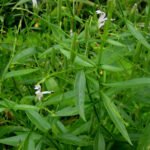

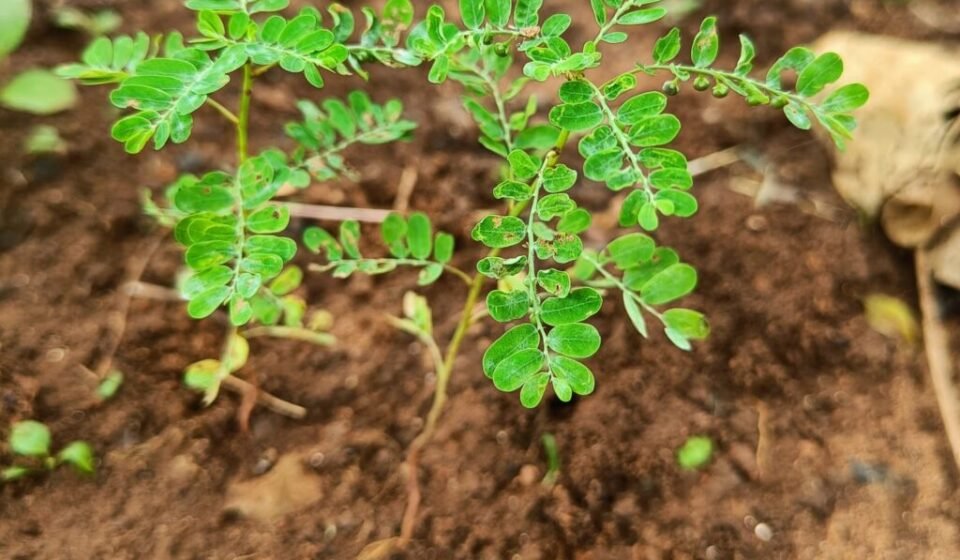

Bhumyamalaki is a traditional Ayurvedic herb widely used in India, particularly in formulations and practices related to the liver, digestion and urinary system. It is commonly known as Bhumi Amla or Bhui Amla because of its small fruits and its resemblance to the Amla plant.
However, one important point is often missed: the name Bhumyamalaki has been used for more than one closely related Phyllanthus species in India. This botanical confusion matters because research findings and phytochemical composition can differ between species.
Ayurveda has traditionally valued Bhumyamalaki for its Pitta-related and liver-supportive applications, while modern research has investigated its phytochemicals and potential hepatoprotective, antioxidant and other biological activities. At the same time, clinical evidence is not strong enough to describe Bhumyamalaki as a proven treatment for liver disease, hepatitis or other medical conditions.
What Is Bhumyamalaki?
Bhumyamalaki is a small medicinal herb belonging to the Phyllanthus genus. In Indian traditional medicine, it is commonly called Bhumi Amla, Bhui Amla or Bhuiamla.
The herb has a long history of use in Ayurveda and traditional Indian medicine. The whole plant is commonly considered the medicinal part, although the exact preparation and part used can vary according to the formulation and purpose.
One reason Bhumyamalaki is particularly interesting is its association with the Yakrit (liver) in Ayurveda. Traditional practitioners have also used it in contexts involving digestion, urinary function and certain Pitta-dominant conditions.
Modern phytochemical research has identified several classes of compounds in Phyllanthus species, including lignans, flavonoids, tannins, alkaloids and terpenoids. Compounds such as phyllanthin and hypophyllanthin have received particular research attention.
Bhumyamalaki at a glance
| Feature | Information |
|---|---|
| Ayurvedic name | Bhumyamalaki |
| Common names | Bhumi Amla, Bhui Amla, Bhuiamla |
| Botanical group | Phyllanthus species |
| Important Indian source | Phyllanthus amarus |
| Family | Phyllanthaceae |
| Commonly used part | Whole plant |
| Traditional Ayurvedic focus | Liver, digestion, urinary system and Pitta-related applications |
Important: The botanical identity needs attention because different Phyllanthus species have historically been sold or described under the same vernacular name.
Bhumyamalaki vs Bhumi Amla vs Amla: Are They the Same?
This is one of the most common sources of confusion.
Bhumyamalaki and Bhumi Amla
In Indian herbal usage, Bhumi Amla/Bhui Amla are common names used for Bhumyamalaki.
Bhumyamalaki and ordinary Amla
They are not the same plant.
The Amla commonly eaten as a fruit is associated with Phyllanthus emblica, whereas Bhumyamalaki refers to medicinal herbs in the Phyllanthus group, particularly P. amarus in important Indian Ayurvedic and pharmacognostic contexts.
The similarity in their common names comes partly from the appearance of the small fruits and the traditional naming of the herb.
So, if you are buying a Bhumyamalaki product, do not assume that it is simply powdered Amla fruit.
Bhumyamalaki Botanical Name: Why Do Different Sources Mention Different Species?
This is an important issue that deserves more attention than it usually gets.
You may see Bhumyamalaki listed online as:
- Phyllanthus amarus
- Phyllanthus niruri
- Phyllanthus fraternus
- or other closely related Phyllanthus species.
This is not simply a spelling difference.
Research into the pharmacognosy of Bhumyamalaki found that several Phyllanthus species have been called Bhumyamalaki in India, and that their morphological similarities can lead to substitution or misidentification in the herbal market. Researchers have therefore developed diagnostic methods to distinguish the species.
A later review also highlighted continuing confusion in scientific literature regarding P. amarus and P. niruri, which makes it important to know exactly which plant was used in a particular study before applying its results to another product.
Why does this matter to consumers?
Because Phyllanthus is a genus, not a single plant species.
If a research study investigates P. amarus, its results should not automatically be presented as proof that every product labelled Bhumyamalaki has the same effects.
For quality-conscious consumers, botanical authentication and appropriate quality testing are therefore valuable.
Bhumyamalaki in Ayurveda
Bhumyamalaki has an established place in traditional Ayurvedic practice.
Ayurvedic descriptions commonly discuss its properties through Rasa, Guna, Virya and Vipaka, which provide a framework for understanding how a herb is traditionally used rather than simply listing modern health claims.
Bhumyamalaki Rasa, Guna, Virya & Vipaka
Traditional descriptions commonly associate Bhumyamalaki with:
- Rasa: Tikta (bitter), Kashaya (astringent), with some sources also describing Madhura
- Guna: Laghu and Ruksha
- Virya: Sheeta (cooling)
- Vipaka: Madhura
Different Ayurvedic references may vary slightly in how they describe the herb, so these properties should be understood within the particular classical reference or formulation being followed.
From an Ayurvedic perspective, Bhumyamalaki is particularly relevant when discussing Pitta-associated conditions and the Yakrit (liver).
How is Bhumyamalaki traditionally used?
Traditional Ayurvedic use has included the herb in contexts involving:
- Yakrit-related disorders
- Kamala
- digestive complaints
- urinary concerns
- Pitta-related imbalance
- certain inflammatory and metabolic conditions
These are traditional indications, not a statement that Bhumyamalaki has been clinically proven to cure each corresponding modern disease.
Bhumyamalaki Benefits: What Is It Traditionally Used For?
Bhumyamalaki is best understood by separating traditional Ayurvedic use from the strength of modern scientific evidence.
Rather than treating every reported benefit as established fact, let’s look at the areas where Bhumyamalaki has received the most attention.
1. Bhumyamalaki and Liver Health
The liver is probably the area most strongly associated with Bhumyamalaki in traditional Indian medicine.
Ayurvedic practitioners have traditionally used Bhumyamalaki in Yakrit-related conditions, including the traditional context of Kamala.
Modern research has also investigated Phyllanthus species for hepatoprotective activity. Reviews describe several compounds, including phyllanthin, hypophyllanthin and various polyphenols, that have shown biological activity in experimental research.
But is Bhumyamalaki proven to treat liver disease?
Not yet.
Laboratory and animal findings can help explain potential mechanisms, but they do not automatically establish that an herb will treat a liver disease in humans.
Human studies of Phyllanthus amarus in hepatitis have produced mixed results. For example, a randomized trial in acute viral hepatitis B did not find a significant reduction in the duration of jaundice compared with placebo.
Therefore, Bhumyamalaki can reasonably be discussed as an Ayurvedic liver-supportive herb with research interest, but it should not be marketed as a guaranteed cure for hepatitis, fatty liver or other liver diseases.
2. Bhumyamalaki and Urinary/Kidney Health
Bhumyamalaki is also traditionally associated with the urinary system.
Some Phyllanthus species are popularly known as stonebreaker or chanca piedra, which has contributed to interest in their potential role in kidney-stone management.
Traditional use and experimental research make this an interesting area, but a person with a diagnosed kidney stone should not assume that Bhumyamalaki can replace appropriate medical assessment.
The size and location of a stone, urinary obstruction, infection and kidney function can all influence treatment decisions.
A useful distinction
Supporting traditional urinary health is not the same as proving that an herb can dissolve every kidney stone.
That distinction is important when reading herbal claims online.
3. Bhumyamalaki and Digestive Health
Bhumyamalaki has traditionally been used for several digestive complaints.
Its bitter and astringent qualities are relevant to its Ayurvedic use, while traditional descriptions of Phyllanthus amarus include applications involving the stomach and gastrointestinal system.
However, digestive symptoms such as persistent abdominal pain, vomiting, unexplained weight loss, blood in the stool or prolonged indigestion should not simply be self-treated with an herbal supplement.
4. Bhumyamalaki and Blood Sugar
Research on Phyllanthus species has investigated possible effects related to glucose metabolism.
This is scientifically interesting, but the available evidence does not justify presenting Bhumyamalaki as a replacement for diabetes treatment.
If someone is already taking glucose-lowering medication, adding an herb without professional advice can potentially complicate blood-sugar management.
5. Antioxidant and Anti-Inflammatory Potential
Another area of interest is the plant’s phytochemical composition.
Research has identified compounds and compound classes including:
- lignans
- flavonoids
- tannins
- polyphenols
- alkaloids
- terpenoids
Phyllanthin, hypophyllanthin, quercetin and other constituents have been investigated for antioxidant and other biological activities.
However, antioxidant activity in a laboratory experiment does not mean that consuming Bhumyamalaki will automatically prevent a particular disease.
That distinction is important when translating herbal research into consumer health information.
Bhumyamalaki Uses in Ayurveda
The way Bhumyamalaki is used traditionally depends on the preparation, purpose and individual.
Common Ayurvedic forms include:
Bhumyamalaki Churna
The dried herb is powdered and used as churna.
Bhumyamalaki Swarasa
Fresh plant material may be processed to obtain swarasa (fresh juice).
Bhumyamalaki Kwatha
The herb can also be prepared as a decoction, depending on the traditional formulation.
Classical formulations
Bhumyamalaki may also appear as an ingredient in traditional Ayurvedic formulations alongside other herbs.
The appropriate form is therefore not simply a matter of choosing the strongest product. The preparation, botanical identity, dose and intended use all matter.
How to Take Bhumyamalaki?
There is no single method that is appropriate for everyone.
The form you use—churna, swarasa, kwatha or a standardized extract—can influence how it is consumed.
For general traditional use, follow the dosage and directions supplied by a qualified Ayurvedic practitioner or a properly labelled product rather than assuming that a dose found online applies to everyone.
If Bhumyamalaki is being considered for a diagnosed condition, the underlying condition should be taken into account before deciding on the preparation or duration.
Bhumyamalaki Dosage
Traditional Ayurvedic sources give dosage ranges that vary according to the preparation.
For example, some Ayurvedic institutional references describe approximately 3–6 g for churna and 10–20 ml for swarasa. These should be understood as traditional reference ranges, not as a universal prescription for every individual.
| Form | Traditional reference range* |
|---|---|
| Bhumyamalaki Churna | About 3–6 g |
| Bhumyamalaki Swarasa | About 10–20 ml |
| Kwatha | Preparation-dependent |
*Dosage can vary according to the source, preparation, age, health status and therapeutic purpose. A qualified practitioner should determine therapeutic dosing when Bhumyamalaki is being used for a health condition.
Why isn’t one dosage suitable for everyone?
A dose may depend on:
- age
- digestive capacity
- body constitution
- health condition
- formulation
- other herbs being taken
- medicines being used
- duration of use
Therefore, more is not necessarily better with an Ayurvedic herb.
When Should You Take Bhumyamalaki: Before or After Food?
There is no universally correct answer for every Bhumyamalaki preparation.
Traditional administration can depend on:
- the form of the herb
- the purpose of use
- the accompanying substance or anupana
- the person’s digestive tolerance
- other medicines or supplements
If a qualified Ayurvedic practitioner has recommended a specific timing, follow that recommendation.
For a commercially packaged Bhumyamalaki product, the manufacturer’s directions should also be considered.
How Long Can You Take Bhumyamalaki?
There is no single scientifically established duration that applies to everyone.
Short-term traditional use and prolonged self-supplementation are not the same thing.
If you are using Bhumyamalaki simply as an herbal wellness product, avoid assuming that continuous long-term use is automatically appropriate.
If you are taking it for a diagnosed liver, kidney, metabolic or other health condition, the duration should be decided with appropriate professional guidance rather than using the herb indefinitely.
Bhumyamalaki for Liver Health: What Does Research Say?
This is where it is especially important to distinguish Ayurvedic tradition from modern clinical evidence.
What traditional Ayurveda says
Bhumyamalaki has a long-standing association with Yakrit and traditional management of conditions such as Kamala.
What laboratory and preclinical research says
Research on Phyllanthus species has identified multiple compounds and biological activities that may help explain hepatoprotective potential.
What human research says
Clinical evidence is much less consistent.
Some older clinical studies have reported potentially beneficial findings, while other controlled trials have failed to demonstrate important effects. For example, a randomized trial of P. amarus in acute viral hepatitis B did not significantly reduce the duration of jaundice.
Another trial in asymptomatic hepatitis-B carriers found no effective clearance of HBsAg with the studied regimen.
The practical conclusion
Bhumyamalaki is scientifically interesting and traditionally important, but current evidence does not justify replacing medical diagnosis or established treatment with Bhumyamalaki.
Bhumyamalaki for Hepatitis, Fatty Liver & Jaundice
These three conditions are often grouped together online, but they are not the same thing.
Bhumyamalaki and Hepatitis
Hepatitis means inflammation of the liver and can have different causes, including viral infections, alcohol, medicines, autoimmune conditions and metabolic factors.
Although Phyllanthus species have been investigated for viral hepatitis, human results have not established Bhumyamalaki as a reliable treatment for hepatitis.
Do not stop prescribed hepatitis treatment and replace it with an herbal product.
Bhumyamalaki and Fatty Liver
Bhumyamalaki is often promoted online for fatty liver, but evidence specifically establishing it as an effective treatment for human fatty liver disease remains insufficient.
Lifestyle measures, metabolic risk assessment and appropriate medical follow-up remain important.
Bhumyamalaki and Jaundice
Jaundice is a symptom/sign, not a single disease.
It can occur because of problems involving the liver, bile ducts or breakdown of red blood cells.
Therefore, someone who develops yellow eyes or skin should not assume that the cause is something an herbal remedy can treat.
Bhumyamalaki has traditional Ayurvedic associations with Kamala, but unexplained jaundice requires proper medical evaluation.
Bhumyamalaki for Kidney Stones: Does It Really Work?
Bhumyamalaki and other Phyllanthus species have attracted interest because of traditional use in urinary conditions and the popular stonebreaker name.
However, kidney stones are not all identical.
A stone’s:
- size
- location
- composition
- degree of obstruction
- associated infection
- effect on kidney function
can change what treatment is appropriate.
Therefore, Bhumyamalaki should not be presented as a guaranteed method for dissolving kidney stones.
Severe flank pain, fever, vomiting, blood in urine or difficulty passing urine requires medical attention rather than prolonged self-treatment.
Bhumyamalaki Side Effects & Safety
Natural does not automatically mean risk-free.
The safety of an herbal product depends on factors such as:
- botanical identity
- dose
- extraction method
- product quality
- duration of use
- individual health
- medicines being taken
Clinical studies of P. amarus have sometimes reported good short-term tolerability, but this does not establish unlimited long-term safety for every preparation and every person. For example, one clinical study in hepatitis-B carriers reported no clinical adverse effects during its limited treatment period.
Who should be especially cautious?
Speak with a qualified healthcare professional before using Bhumyamalaki if you:
- are pregnant
- are breastfeeding
- are giving it to a child
- have chronic liver or kidney disease
- have diabetes
- take regular prescription medicines
- have a planned surgery
- are using multiple herbal supplements
Can Bhumyamalaki Be Taken With Medicines?
This is an important question that should not be ignored.
If you take regular medication, discuss Bhumyamalaki with your doctor or pharmacist before adding it to your routine.
Particular caution is sensible for people taking medicines for:
- diabetes
- blood pressure
- liver conditions
- kidney conditions
- blood clotting
- other long-term chronic conditions
The reason is simple: research on an herb’s biological activity does not automatically tell us how a specific commercial product will interact with a specific medicine in a specific person.
Bhumyamalaki During Pregnancy & Breastfeeding
There is not enough reliable evidence to recommend self-use of Bhumyamalaki during pregnancy or breastfeeding.
Therefore, it is better to avoid starting therapeutic doses without guidance from a qualified healthcare professional.
This is particularly important because herbal products can differ in species, concentration, extraction method and additional ingredients.
What Does Scientific Research Say About Bhumyamalaki?
A useful way to understand Bhumyamalaki research is to separate the evidence into levels.
| Evidence | What it tells us |
|---|---|
| Ayurvedic texts | Traditional use and therapeutic framework |
| Pharmacognosy | Plant identification and authentication |
| Laboratory studies | Potential biological activity |
| Animal studies | Possible mechanisms and preliminary effects |
| Human studies | More direct clinical evidence |
| Systematic reviews | Overall picture and limitations |
Research on Phyllanthus species has reported a wide range of biological activities, including antioxidant, hepatoprotective, anti-inflammatory, antimicrobial and metabolic effects.
But there is an important limitation:
Not every Phyllanthus study is a Bhumyamalaki study.
Different species can have different phytochemical profiles, and older research sometimes used botanical names inconsistently.
That is why species authentication should be considered when interpreting research.
How to Choose a Good-Quality Bhumyamalaki Product
If you are buying Bhumyamalaki powder, churna or an extract, don’t judge quality only by words such as 100% natural or Ayurvedic.
Look for:
1. Clear botanical identification
The label should identify the botanical source where appropriate.
2. Transparent ingredients
You should be able to see exactly what the product contains.
3. Quality manufacturing
Prefer products manufactured under appropriate quality-control systems.
4. Batch information
A proper product should provide information such as batch/lot details and expiry information.
5. Appropriate testing
For herbal raw materials, botanical authentication and analytical quality testing can help reduce the risk of substitution.
This is particularly relevant to Bhumyamalaki because research has documented confusion and substitution among closely related Phyllanthus species in the Indian herbal market.
Bhumyamalaki vs Amla
| Feature | Bhumyamalaki | Amla |
|---|---|---|
| Common name | Bhumi Amla/Bhui Amla | Indian Gooseberry |
| Botanical group | Phyllanthus species | Phyllanthus emblica |
| Appearance | Small herb with tiny fruits | Tree with larger edible fruit |
| Traditional focus | Liver, urinary and Pitta-related applications | Rasayana and broader traditional wellness uses |
| Same plant? | No | No |
So if someone asks Is Bhumyamalaki just Amla?, the answer is no.
The similar names should not be interpreted as botanical identity.
Key Takeaways
Bhumyamalaki is an important traditional Ayurvedic herb commonly known in India as Bhumi Amla or Bhui Amla. Its strongest traditional association is with the liver, digestion and urinary system, and modern research has investigated several of its phytochemicals and biological activities.
However, there is an important botanical issue: different Phyllanthus species have historically been called Bhumyamalaki, so product authentication and correct species identification matter.
The best way to understand Bhumyamalaki is therefore not as a miracle herb, but as a traditional medicinal plant with interesting scientific research and important evidence limitations.
If you have a diagnosed liver condition, hepatitis, jaundice, kidney stone, diabetes or another medical problem, Bhumyamalaki should complement—not automatically replace—appropriate medical evaluation and treatment.
Frequently Asked Questions About Bhumyamalaki
What is Bhumyamalaki used for?
Bhumyamalaki is traditionally used in Ayurveda particularly in contexts involving the liver, digestion and urinary system, as well as certain Pitta-related conditions.
Is Bhumyamalaki the same as Bhumi Amla?
Yes. Bhumi Amla and Bhui Amla are common names used for Bhumyamalaki in India.
Is Bhumyamalaki the same as Amla?
No. Bhumyamalaki and the commonly consumed Amla fruit are different plants.
What is the botanical name of Bhumyamalaki?
Bhumyamalaki has been associated with several Phyllanthus species in Indian literature. Phyllanthus amarus is an important botanical source in Indian Ayurvedic and pharmacognostic literature, while older and online sources may also use P. niruri.
Is Bhumyamalaki good for liver health?
Bhumyamalaki has a long history of Ayurvedic use for liver-related conditions, and Phyllanthus species have shown hepatoprotective potential in experimental research. However, human evidence is not strong enough to call it a proven treatment for liver disease.
Can Bhumyamalaki help with kidney stones?
Bhumyamalaki and related Phyllanthus species have traditional associations with urinary health and have attracted research interest for kidney stones. However, it should not be considered a guaranteed replacement for medical assessment or treatment.
What is the traditional dosage of Bhumyamalaki powder?
Some Ayurvedic references give approximately 3–6 g of churna as a traditional reference range. The appropriate dose can vary depending on the person, formulation and purpose of use, so this should not be treated as a universal prescription.
References & Further Reading
1. National Center for Biotechnology Information (NCBI/PubMed) — Research on the pharmacognosy, botanical identification, phytochemistry, and medicinal properties of Phyllanthus species, including the confusion between P. amarus and P. niruri. NCBI/PubMed – Phyllanthus research
2. PubMed – Phyllanthus amarus Research — Clinical and experimental research used to assess the evidence around Bhumyamalaki, particularly its traditional liver-related applications and limitations of human clinical evidence. PubMed – Phyllanthus amarus clinical research
3. Indian Journal of Ayurveda and Pharmacy Research (IJAPR) — Recent review material covering
Phyllanthus amarus, its Ayurvedic perspective, phytoconstituents, traditional uses, hepatoprotective potential, and the need for further clinical research. IJAPR – Phyllanthus amarus review
4. Shri Jayendra Saraswathi Ayurveda College & Hospital — Ayurvedic reference material used for understanding Bhumyamalaki’s traditional Ayurvedic properties, including Rasa, Guna, Virya, Vipaka, traditional indications, and dosage references. SJS Ayurveda – Bhumyamalaki
5. NCBI/PMC – Review of Phyllanthus Species — Scientific review used to understand species-level differences, phytochemistry, traditional medicinal applications, and why research findings from one Phyllanthus species should not automatically be attributed to another. PMC – Phyllanthus species review