

Vacha (Acorus calamus), commonly known as Bach or Sweet Flag, is an aromatic herb that has been used in Ayurveda for centuries. Its rhizome is traditionally used in Ayurvedic preparations, particularly in relation to speech, memory and cognition, digestion, and Kapha-Vata-related complaints.
But Vacha is not an herb that should be treated like an ordinary kitchen spice or taken casually in large amounts. Its chemical composition can vary depending on the plant material and source, and compounds such as β-asarone have attracted considerable scientific and safety research. This makes the form, preparation, dosage and quality of Vacha important considerations.
In this guide, you will learn what Vacha is, how Ayurveda describes its properties and traditional uses, what modern research says about its potential benefits, how Vacha is traditionally prepared, what is known about dosage, and the important safety precautions to understand before using it.
What Is Vacha?
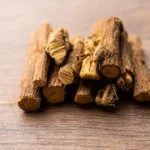
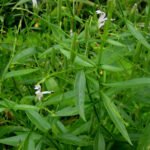
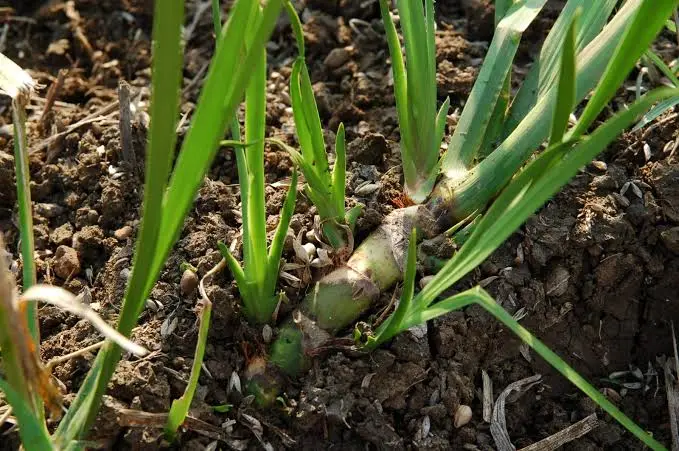
Vacha is the Ayurvedic name commonly associated with Acorus calamus, a perennial aromatic plant also known as Sweet Flag. The rhizome, an underground stem, is the principal part traditionally used medicinally.
The plant has a distinctive aromatic smell and has a long history of use in several traditional systems of medicine. Classical Ayurvedic literature describes Vacha in connection with areas such as speech, cognition, digestion and Kapha-related conditions. Modern scientific literature has also investigated its phytochemicals and a range of biological activities, although many of these findings come from laboratory or animal studies rather than well-controlled human clinical trials.
Vacha at a glance
| Feature | Details |
|---|---|
| Ayurvedic name | Vacha |
| Common Indian name | Bach / Bachh |
| English name | Sweet Flag |
| Botanical name | Acorus calamus |
| Main part traditionally used | Rhizome |
| Traditional Ayurvedic applications | Speech, cognition, digestion and Kapha-Vata-related complaints |
| Important safety consideration | Chemical composition and asarone content |
The Central Council for Research in Ayurvedic Sciences (CCRAS) has published a dedicated Comprehensive Technical Dossier on Acorus calamus covering its Ayurvedic background and research related to quality, safety and efficacy.
Why Is Vacha Important in Ayurveda?
Vacha occupies a distinctive position in Ayurveda because its traditional applications are not limited to one body system.
The herb is traditionally described as sharp, penetrating and warming, qualities that help explain why it has historically been used in conditions associated with Kapha and in certain Vata-related contexts.
In Ayurvedic pharmacological terminology, Vacha is described using concepts such as Rasa, Guna, Virya and Vipaka. These terms describe the traditional way Ayurveda understands how a medicinal substance interacts with the body.
Vacha’s Ayurvedic properties
Traditional Ayurvedic descriptions commonly associate Vacha with:
- Rasa: Katu and Tikta
- Guna: Laghu and Tikshna
- Virya: Ushna
- Vipaka: Katu
- Dosha influence: Traditionally associated particularly with Kapha-Vata management
These descriptions are part of the Ayurvedic framework and should not be interpreted as equivalent to modern pharmacological measurements.
What does this mean in simple language?
In Ayurveda, Vacha is considered a strong, penetrating and warming herb rather than a mild daily tonic.
This helps explain its traditional use in areas where Ayurveda aims to address heaviness, sluggishness, excessive Kapha or certain forms of impaired digestive and mental function.
It also explains why excessive or inappropriate use may not be suitable for everyone.
What Is Vacha Traditionally Used For?
Vacha has a long history of traditional use, but it is important to distinguish traditional indications from modern clinical proof.
Historical and Ayurvedic sources associate Vacha with several areas, including speech, cognition, digestion and respiratory complaints. Scientific reviews also document a broad range of traditional applications, while noting that many traditional uses still require stronger scientific validation.
1. Vacha and Speech
One of the distinctive traditional associations of Vacha is with speech and voice.
The name and classical use of Vacha are closely connected with vak, or speech, and Ayurvedic practitioners have traditionally included it in preparations associated with speech-related concerns.
However, this should not be interpreted as evidence that Vacha can independently treat conditions such as stammering, aphasia or neurological speech disorders.
A speech disorder can have many different causes and requires appropriate evaluation.
2. Vacha and Memory
Vacha has traditionally been associated with Medhya functions, a broad Ayurvedic concept involving intellect, memory and mental functioning.
This traditional association has also attracted modern scientific interest. Laboratory and animal research has investigated neuroprotective, cognitive and other neurological effects of Acorus calamus and its constituents. However, evidence from such studies cannot automatically be translated into a proven memory-enhancing effect in humans.
So, a more accurate way to describe this is:
Vacha has a long-standing Ayurvedic association with cognition and memory, while modern research is still investigating whether these traditional effects translate into clinically meaningful benefits in humans.
3. Vacha and Digestion
Traditional Ayurvedic use also includes Vacha in digestive contexts such as:
- sluggish digestion
- loss of appetite
- gas and abdominal discomfort
- certain digestive complaints associated with Kapha
Its traditionally described sharp and warming properties help explain these applications within Ayurvedic theory.
Modern research has investigated antispasmodic, digestive and other pharmacological properties of Acorus calamus, but human clinical evidence remains limited compared with the extensive traditional literature.
4. Vacha and Respiratory Health
Vacha has traditionally been used in Ayurvedic practice for certain Kapha-related respiratory complaints, including cough and congestion.
Some pharmacological research has examined effects relevant to inflammation, smooth muscle activity and other biological pathways. However, this does not establish Vacha as a replacement for medically indicated treatment of asthma, pneumonia, severe respiratory infection or other serious respiratory conditions.
5. Traditional External Applications
Vacha has also been used traditionally in certain external preparations.
However, Vacha rhizome preparations and concentrated Vacha essential oil should not be considered interchangeable. The concentration of active constituents can be substantially different in an essential oil.
Recent research specifically evaluating Acorus calamus rhizome oil found skin irritation and sensitisation potential under laboratory safety testing, reinforcing the need for caution with concentrated oil preparations.
Vacha Benefits: What Does Modern Research Say?
Vacha has attracted considerable scientific interest because its rhizome contains numerous phytochemicals, including asarone-related compounds and volatile constituents.
Research has investigated potential:
- neuroprotective effects
- cognitive and neurological activity
- anti-inflammatory activity
- antimicrobial activity
- antispasmodic effects
- antioxidant activity
- metabolic effects
A recent scientific review published in 2026 describes ongoing research into these activities but also emphasizes that research is continuing around mechanisms, dosing and safety.
The important point is that biological activity in a laboratory is not the same thing as a proven treatment in humans.
Vacha benefits: traditional use vs evidence
| Area | Traditional Ayurvedic use | Current scientific position |
|---|---|---|
| Memory/cognition | Traditionally associated with Medhya functions | Experimental research is promising, but human evidence remains limited |
| Speech | Traditional association with speech and voice | Not established as a treatment for speech disorders |
| Digestion | Traditionally used for certain digestive complaints | Pharmacological research exists; clinical evidence is limited |
| Respiratory health | Traditional use for Kapha-related complaints | Evidence is insufficient to establish treatment efficacy |
| Inflammation | Traditional medicinal use and experimental investigation | Mainly preclinical evidence |
| Microbial activity | Traditional medicinal applications | Laboratory antimicrobial activity has been demonstrated, but this does not prove treatment of human infections |
This distinction is particularly important when reading online articles about Vacha. A long list of laboratory effects should not be presented as a list of proven human health benefits.
Vacha for Memory and Cognitive Health
Vacha is particularly interesting from an Ayurvedic perspective because of its traditional connection with Medhya, a concept related to intellectual and cognitive functions.
Researchers have investigated Acorus calamus extracts and individual constituents for neurological effects, including potential neuroprotective and cognitive activity. A number of these findings come from experimental models.
Does Vacha improve memory?
There is not enough high-quality human clinical evidence to describe Vacha as a proven memory-enhancing treatment.
This is an important distinction.
If someone has persistent forgetfulness, confusion, concentration problems or a noticeable decline in memory, the underlying cause should be evaluated rather than relying on Vacha alone.
Memory problems can be associated with sleep problems, nutritional deficiencies, medications, stress, neurological conditions and several other causes.
Vacha’s traditional Ayurvedic role in cognitive health is therefore best understood within its traditional context, rather than as a substitute for diagnosis or evidence-based treatment.
Vacha Dosage: How Much Is Traditionally Used?
There is no single universal Vacha dose that is appropriate for every person.
The amount used traditionally can depend on:
- whether Vacha is purified or processed
- the form being used
- whether it is a standalone powder or part of a formulation
- the concentration of the preparation
- the individual’s age and constitution
- the intended Ayurvedic indication
- other medicines or herbs being used
This is why simply copying a dose from another website can be misleading.
Vacha Churna
Vacha churna refers to powdered Vacha material. Traditional Ayurvedic dosage references exist, but they should not automatically be interpreted as a universally safe self-medication dose.
A qualified Ayurvedic practitioner can determine whether Vacha is appropriate and select the preparation and dose according to the individual and the formulation being used.
Vacha in Ayurvedic formulations
Vacha may also appear as one ingredient among several herbs in an Ayurvedic formulation.
In that situation, the quantity of Vacha may be very different from the amount present in standalone Vacha powder.
Therefore, the dose of a Vacha-containing formulation should be based on that specific product’s formulation and directions rather than calculated from a generic Vacha dosage.
Can Vacha be taken every day?
Regular or prolonged self-use should not be assumed to be safe simply because Vacha is a traditional herb.
This is especially important because the chemical composition of Acorus calamus can vary and because asarone compounds have been the subject of toxicological research.
What Is Vacha Shodhana?
Shodhana is an Ayurvedic purification/processing procedure applied to certain medicinal substances before their therapeutic use.
Vacha is particularly interesting in this regard because Ayurvedic literature describes Shodhana procedures for the herb, and researchers have investigated whether such processing affects its chemical composition.
One published study specifically examined the fate of β-asarone during the Ayurvedic Shodhana process of Vacha. The researchers measured β-asarone in Vacha before and after different processing approaches.
Why is Vacha Shodhana important?
The subject is important because Vacha contains volatile compounds, including asarones, whose concentrations can vary according to the plant material and preparation.
Therefore, traditional processing should not be dismissed as simply an old-fashioned step. It is an area where classical pharmaceutical practice and modern phytochemical research overlap.
However, Shodhana should also not be described as a blanket guarantee that makes every Vacha product completely safe.
The final safety profile depends on the plant material, processing method, dose, preparation, quality control and duration of use.
Vacha and β-Asarone: Why Does It Matter?
β-asarone is one of the compounds that has made Vacha an important subject of toxicological research.
Asarone compounds naturally occur in Acorus species, and their concentrations can vary between different plant types and preparations. Scientific literature has raised concerns about the potential toxicity of α- and β-asarone, including findings related to genotoxicity, reproductive toxicity and carcinogenicity in experimental studies.
This does not mean that every Vacha preparation has the same risk profile.
In fact, a 2025 study examining Indian Acorus calamus rhizome, extracts and β-asarone reported no mutagenic response in the Ames test under the study conditions, while the researchers also emphasized that additional chronic toxicity and carcinogenicity studies are needed.
That is an important example of why Vacha safety should not be reduced to either extreme:
- Vacha is completely safe because it is natural.
- All Vacha is dangerous.
The scientific picture is more nuanced.
Plant variety, chemical composition, preparation, concentration, dose and duration all matter.
Vacha Side Effects and Safety
Vacha should be treated as a medicinal herb rather than an ordinary food ingredient.
Potential concerns depend on the preparation and exposure level, and the safety evidence is not equally strong for every Vacha product.
Excessive or inappropriate use
High or inappropriate exposure to concentrated Vacha preparations can increase safety concerns, particularly because of its volatile constituents and asarone content.
Do not increase the dose simply because a small amount did not produce an immediate effect.
Vacha during pregnancy
Pregnant individuals should not self-medicate with Vacha.
The toxicological literature on asarone compounds includes reproductive-toxicity concerns from experimental research.
Anyone considering an Ayurvedic preparation containing Vacha during pregnancy should discuss the exact product and formulation with a qualified healthcare professional.
Vacha while breastfeeding
There is insufficient evidence to establish a universally safe dose of Vacha during breastfeeding.
Because the composition and concentration can differ between preparations, self-use is best avoided unless recommended by an appropriately qualified professional who knows the specific preparation.
Vacha for children
Children should not be given standalone Vacha or concentrated Vacha preparations without professional guidance.
The fact that an herb has a long history of traditional use does not automatically establish an appropriate pediatric dose.
Vacha and medicines
People taking prescription medicines should tell their doctor or pharmacist about Ayurvedic herbs they use.
This is particularly important when using concentrated preparations or when taking medicines that affect the central nervous system.
Vacha essential oil
Essential oil deserves separate caution.
An essential oil is a highly concentrated preparation, not simply Vacha in liquid form. Recent laboratory safety research found that Acorus calamus rhizome oil showed skin irritation and sensitisation potential under the tested conditions.
For this reason, concentrated Vacha oil should not be casually ingested or applied to the skin without appropriate product-specific guidance.
Different Forms of Vacha
Vacha can be encountered in several forms, and they should not automatically be considered equivalent.
Vacha Rhizome
The dried rhizome is the traditional medicinal plant material.
Vacha Powder or Churna
The dried rhizome may be powdered and used in Ayurvedic preparations.
Vacha Capsules or Tablets
These may contain Vacha alone or Vacha combined with other herbs.
Always check the ingredient list and serving size rather than assuming that every capsule contains the same quantity or type of Vacha.
Vacha Oil
Oil preparations may be intended for external or traditional therapeutic applications depending on the formulation.
Vacha Essential Oil
Essential oil is much more concentrated and requires greater caution. It should not be treated as equivalent to ordinary Vacha powder.
Ayurvedic Formulations Containing Vacha
Vacha is used in various traditional Ayurvedic formulations, where it may be combined with other herbs.
The important point for consumers is that the presence of Vacha in a formulation does not mean the formulation has the same properties, dose or safety considerations as standalone Vacha powder.
When evaluating an Ayurvedic formulation, check:
- complete ingredient list
- quantity of each ingredient where available
- recommended dose
- intended route of administration
- manufacturer
- batch information
- directions and warnings
- whether the product is intended for internal or external use
How to Choose a Vacha Product in India
If you are considering purchasing a Vacha product, don’t choose it based only on the number of benefits mentioned on the label.
Look for a product that clearly identifies:
- Botanical identity — Acorus calamus
- Plant part — preferably clearly stated
- Form — powder, capsule, formulation or oil
- Recommended serving/dose
- Manufacturer details
- Batch and quality information
- Usage instructions
- Warnings and contraindications
- Whether it is intended for internal or external use
For Vacha in particular, transparent information about the preparation and quality of the raw material is valuable because chemical composition can vary.
Vacha vs Brahmi: What’s the Difference?
Vacha and Brahmi are sometimes grouped together because both have traditional associations with cognitive health, but they are different herbs.
In the Ayurvedic context, Brahmi generally refers to Bacopa monnieri, whereas Vacha refers to Acorus calamus.
Their traditional properties, botanical identities, phytochemistry and safety considerations are different.
| Feature | Vacha | Brahmi |
|---|---|---|
| Botanical identity | Acorus calamus | Commonly Bacopa monnieri in Ayurveda |
| Traditional cognitive association | Speech, cognition and Medhya-related use | Medhya/cognitive support |
| Traditional qualities | Sharp and warming | Different Ayurvedic profile |
| Major safety discussion | Asarone-related concerns | Different phytochemical and safety profile |
| Plant part commonly used | Rhizome | Whole herb/aerial parts depending on preparation |
Therefore, Vacha should not simply be substituted for Brahmi based on the assumption that both are memory herbs.
Final Thoughts
Vacha (Acorus calamus) is a traditional Ayurvedic herb valued for its uses related to cognition, speech, digestion and Kapha-Vata balance. While modern research has explored several of its potential properties, strong human evidence is still limited for many of these uses.
Because Vacha contains compounds such as β-asarone, its quality, preparation and dosage are important. It should not be treated as an everyday herb or used in high doses without professional guidance.
If you are pregnant, breastfeeding, giving Vacha to a child, taking medicines, or considering long-term use, consult a qualified Ayurvedic practitioner or healthcare professional before using it.
Frequently Asked Questions About Vacha
What is Vacha called in English?
Vacha is commonly known in English as Sweet Flag. Its botanical name is Acorus calamus.
What is Vacha used for?
Traditionally, Vacha has been used in Ayurveda in relation to speech, cognition, digestion and certain Kapha-related complaints. Modern research is investigating several of these traditional applications, but clinical evidence is limited for many of them.
Is Vacha good for memory?
Vacha has a traditional Ayurvedic association with memory and cognitive functions, and experimental research has investigated its neurological effects. However, there is not enough high-quality human evidence to describe Vacha as a proven memory-enhancing treatment.
What is the botanical name of Vacha?
The botanical name commonly associated with Vacha is Acorus calamus.
What part of Vacha is used?
The rhizome is the principal medicinal part traditionally used in Ayurveda.
What is Vacha Shodhana?
Vacha Shodhana refers to traditional Ayurvedic purification/processing of Vacha before medicinal use. Scientific research has investigated how such processing affects constituents including β-asarone.
Can Vacha be taken daily?
Daily use should not be assumed to be appropriate for everyone. The preparation, dose, duration and individual health circumstances matter, and Vacha’s asarone content is an important safety consideration.
Is Vacha safe during pregnancy?
Vacha should not be self-used during pregnancy. Experimental toxicology concerning asarone compounds includes reproductive-toxicity findings, so professional advice is appropriate before using a Vacha-containing preparation.
Content References
- CCRAS – Comprehensive Technical Dossier on Vacha (Acorus calamus)
- PubMed – An Overview on Traditional Uses and Pharmacological Profile of Acorus calamus
- PMC – Fate of β-Asarone in Ayurvedic Shodhana Process of Vacha
- PubMed – α-Asarone, β-Asarone & γ-Asarone: Current Toxicological Evaluation
- PubMed – Pharmacology and Toxicology of α- and β-Asarone: Review of Preclinical Evidence