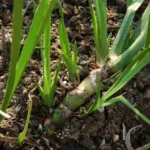

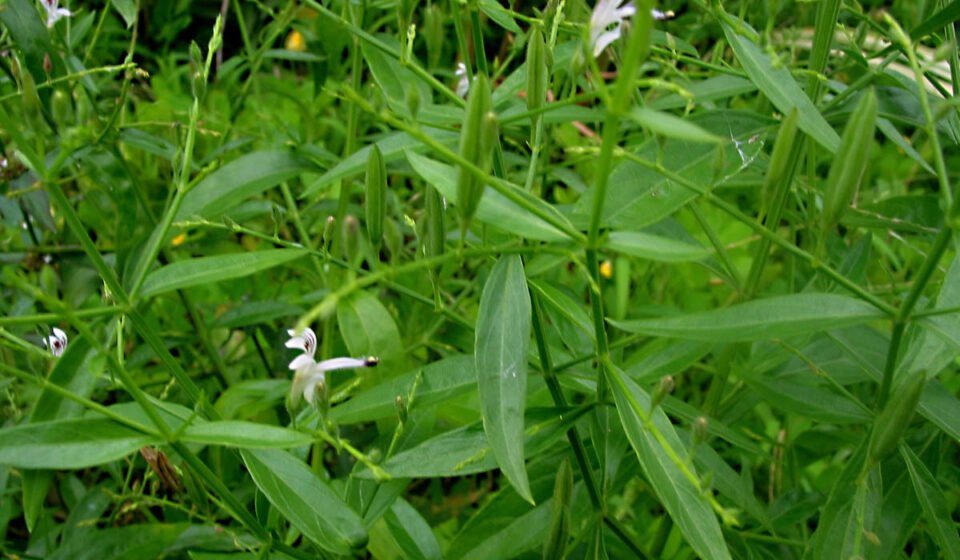

Kalmegh is one of the most distinctly bitter herbs used in Ayurveda. Known botanically as Andrographis paniculata, it has traditionally been used in Ayurvedic practice in contexts related to digestion, appetite, seasonal health and the balance of Pitta and Kapha.
But there is an important point that often gets missed: Kalmegh is not simply a liver herb or an immunity booster. Its traditional Ayurvedic profile is much broader, while modern research has investigated specific preparations of Andrographis paniculata for areas such as upper respiratory symptoms, inflammation and safety.
Another common source of confusion is its name. Kalmegh is sometimes called Bhui Neem or Bhunimba, but it is not the same plant as Neem (Azadirachta indica). It can also be confused with Chirayata because both are intensely bitter medicinal herbs.
This guide explains Kalmegh from both an Ayurvedic and modern research perspective, including its traditional properties, potential benefits, common uses, dosage considerations, different forms, side effects, precautions and herb-identification tips.
What Is Kalmegh?
Kalmegh, botanically identified as Andrographis paniculata, is an herb belonging to the Acanthaceae family.
It is widely known for its exceptionally bitter taste. In traditional herbal systems, this bitterness is an important part of its identity rather than simply a characteristic of the plant.
You may find Kalmegh under several names, including:
- Kalmegh
- Kalamegha
- Bhunimba
- Bhui Neem
- Green Chiretta
- King of Bitters
- Andrographis paniculata
The plant contains several bioactive constituents, with andrographolide being one of the most extensively studied compounds associated with Andrographis paniculata.
Why Is Kalmegh Called the King of Bitters?
The name King of Bitters reflects the extremely bitter taste of the herb.
In Ayurveda, however, bitterness is not merely a sensory characteristic. Tikta Rasa (bitter taste) has a specific place in Ayurvedic understanding and is traditionally associated with qualities and actions that differ from sweet, sour or pungent herbs.
That is why understanding Kalmegh only through its modern supplement label can miss an important part of its traditional identity.
Kalmegh in Ayurveda: Rasa, Guna, Virya, Vipaka and Dosha
One of the best ways to understand an Ayurvedic herb is to look beyond its list of benefits and first understand its Dravyaguna profile.
Traditional Ayurvedic references describe Kalmegh/Kalamegha with the following properties:
| Ayurvedic Property | Kalmegh |
|---|---|
| Rasa (taste) | Tikta – Bitter |
| Guna (qualities) | Laghu – Light; Ruksha – Dry |
| Virya (potency) | Sheeta – Cooling |
| Vipaka (post-digestive effect) | Katu |
| Traditional Dosha action | Primarily associated with balancing Kapha and Pitta |
These properties help explain why Kalmegh has traditionally been used differently from herbs such as Ashwagandha, Shatavari or licorice.
What Does Tikta Rasa Mean?
Tikta Rasa, or bitter taste, is traditionally associated with lightness and cleansing-oriented actions in Ayurvedic pharmacology.
From an Ayurvedic perspective, bitter herbs are often selected when there is a need to address excessive Kapha or Pitta characteristics and support normal digestive function.
This does not mean that every person with a digestive complaint should take Kalmegh. Ayurvedic herb selection depends on the individual’s constitution, symptoms, digestion, strength and overall condition.
What Do Laghu and Ruksha Guna Indicate?
Laghu means light, while Ruksha means dry.
Together, these qualities help explain why Kalmegh is not generally considered a nourishing or building herb. Its traditional profile is quite different from heavier, nourishing herbs.
What Does Sheeta Virya Mean?
Sheeta Virya refers to a cooling potency in Ayurveda.
This is one reason Kalmegh is traditionally discussed in relation to Pitta-associated conditions. However, Ayurvedic assessment should consider the complete picture rather than relying on a single property.
Kalmegh Benefits: What Is It Traditionally Used For?
Kalmegh has a long history of traditional use, but its benefits should be described carefully.
There is a difference between:
- traditional Ayurvedic use
- laboratory research
- animal studies
- human clinical research
- and proven treatment of a disease
These categories should not be treated as interchangeable.
1. Supports Healthy Digestion
Kalmegh’s bitter taste is central to its traditional Ayurvedic use.
In Ayurveda, Tikta herbs are commonly associated with Deepana and Pachana concepts—supporting normal digestive activity and the processing of food.
Because Kalmegh has a particularly bitter profile, it has traditionally been included in preparations used when appetite and digestion need support.
However, persistent indigestion, unexplained weight loss, severe abdominal pain or ongoing digestive symptoms require proper medical evaluation rather than self-treatment with an herb.
2. Traditionally Used for Liver Support
Kalmegh is widely associated with traditional Ayurvedic approaches to Yakrit (liver) health.
Modern research has also investigated Andrographis paniculata and its constituents for various biological effects relevant to liver health. However, this should not be interpreted as proof that Kalmegh can treat conditions such as fatty liver disease, hepatitis or jaundice.
Liver support and treatment of liver disease are not the same thing.
Anyone with diagnosed liver disease should follow their healthcare professional’s treatment plan.
3. Traditionally Used During Seasonal Health Concerns
Kalmegh has traditionally been used in herbal preparations associated with seasonal complaints.
Modern clinical research has particularly examined Andrographis paniculata for uncomplicated upper respiratory tract symptoms. A systematic review of seven controlled trials involving 896 participants reported evidence suggesting improvement in subjective symptoms compared with placebo, while also noting that further research was warranted.
This evidence applies to studied Andrographis preparations and specific respiratory conditions. It does not mean that Kalmegh is a universal treatment for respiratory infections.
4. Provides Bioactive Plant Compounds
One reason Kalmegh has attracted modern scientific interest is its phytochemical composition.
Andrographolide is among the best-known constituents of Andrographis paniculata and has been extensively studied in experimental research.
The presence of a bioactive compound, however, does not automatically establish that taking a particular commercial supplement will produce the same effect observed in laboratory research.
This distinction is particularly important when comparing whole-herb powders with concentrated extracts.
5. Has Been Studied for Anti-Inflammatory and Biological Activity
Experimental studies have investigated Andrographis constituents for several biological activities, including effects related to inflammatory pathways.
These findings help explain scientific interest in the herb, but laboratory activity should not be presented as proof that Kalmegh treats inflammatory diseases in humans.
For health decisions, human clinical evidence is more relevant than isolated laboratory findings.
6. Traditional Use in Fever-Related Preparations
Kalmegh has a history of traditional use in preparations associated with fever and other conditions involving Pitta and Kapha.
However, fever is a symptom rather than a diagnosis.
A persistent or high fever can occur with many different infections and medical conditions. Kalmegh should therefore not be promoted as a replacement for diagnosis or treatment of illnesses such as dengue, malaria, typhoid or other serious infections.
What Does Modern Research Say About Kalmegh?
Modern research on Andrographis paniculata is broader than the typical consumer article suggests.
Researchers have investigated different extracts and preparations in areas including respiratory health, inflammatory processes and safety.
The important point is that research findings depend on the preparation, dose, population and condition being studied.
Kalmegh and Respiratory Symptoms
Among the better-studied areas is uncomplicated upper respiratory tract symptoms.
Clinical research has reported potential benefits for symptom relief, although studies differ in formulation and methodology. Therefore, it is more accurate to say that some Andrographis preparations have been studied for respiratory symptom relief than to claim that Kalmegh cures cold and flu.
Kalmegh and Inflammation
Andrographolide and other constituents have been investigated for their biological effects on inflammatory pathways.
This is scientifically interesting, but much of the mechanistic evidence does not automatically translate into a clinically proven treatment for inflammatory diseases.
Kalmegh and Liver Health
Preclinical research has explored potential hepatoprotective effects of Andrographis paniculata and its constituents.
For consumers, the key distinction is:
Potential hepatoprotective activity in research ≠ proven treatment for human liver disease.
This is why a responsible Ayurvedic wellness article should avoid telling readers to replace prescribed liver treatment with Kalmegh.
Kalmegh vs Neem: Are They the Same Herb?
No. Kalmegh and Neem are different plants.
The confusion mainly comes from names such as Bhui Neem, which are sometimes used for Kalmegh.
| Feature | Kalmegh | Neem |
|---|---|---|
| Botanical name | Andrographis paniculata | Azadirachta indica |
| Family | Acanthaceae | Meliaceae |
| Common identity | Kalmegh / Bhunimba | Neem / Nimba |
| Taste | Extremely bitter | Bitter |
| Plant type | Herb | Tree |
Both are traditionally used medicinally and both have a bitter profile, but they should not be treated as interchangeable herbs.
This distinction becomes particularly important when purchasing powders, capsules or extracts.
Always check the botanical name on the label rather than relying only on a common or regional name.
Kalmegh vs Chirayata: Are They the Same?
Another common confusion is between Kalmegh and Chirayata.
They are not the same botanical species.
- Kalmegh: Andrographis paniculata
- Chirayata: commonly refers to Swertia chirata
Both are famously bitter medicinal herbs, which can contribute to confusion among consumers.
The practical lesson is simple:
When buying an Ayurvedic herb, identify it by its botanical name and not only by its local name.
This becomes even more important when purchasing products online, where the same common name may be used differently across regions.
Different Forms of Kalmegh
Kalmegh may be available in several forms, and these forms should not automatically be considered equivalent.
Kalmegh Churna
Churna refers to a powdered herbal preparation.
The amount of active constituents can vary depending on the raw material, plant part, processing and quality.
Kalmegh Capsules or Tablets
Capsules are convenient and provide a measured amount of the product.
However, 500 mg of whole-herb powder is not necessarily equivalent to 500 mg of a concentrated extract.
Always check whether the product contains:
- whole herb powder
- extract
- standardized extract
- additional herbs
- specified active-compound content
Kalmegh Juice
Traditional preparations may use fresh plant material or expressed juice.
Its concentration and preparation can differ considerably from commercially available capsules or powders.
Kalmegh Kwath or Decoction
A decoction is prepared by processing the herb in water according to the relevant traditional method.
The final concentration depends on the amount of herb, water volume and preparation method.
Standardized Kalmegh Extract
Some modern products use extracts standardized to a particular constituent, such as andrographolide.
This is important because an extract is pharmacologically different from simply measuring the same weight of raw powdered herb.
How to Take Kalmegh
There is no single instruction that is appropriate for every Kalmegh product.
The appropriate way to use it depends on:
- the form of preparation
- whole herb versus extract
- concentration
- intended purpose
- age
- individual health status
- other medicines being used
How to Take Kalmegh Churna
Traditional dosage references for herbal powders should not automatically be transferred to concentrated extracts.
If using a commercially packaged Kalmegh churna, follow the product’s stated directions unless an appropriately qualified practitioner has recommended otherwise.
How to Take Kalmegh Capsules
Follow the manufacturer’s serving instructions and check the label carefully for whether the capsule contains powder or extract.
Do not assume that taking more capsules will provide greater benefit.
Should Kalmegh Be Taken Before or After Food?
There is no universally correct timing for every preparation.
Traditional practice and modern product instructions can differ. If the product label specifies a particular method, follow it.
People who experience stomach discomfort may need to discuss the timing or continued use with a healthcare professional.
Kalmegh Dosage: How Much Should You Take?
Kalmegh dosage should be preparation-specific rather than based on one universal number.
This is one of the most important points when reading online dosage information.
Traditional Ayurvedic dosage references may provide quantities for specific preparations such as churna, swarasa or kwatha. Commercial products, on the other hand, may contain concentrated extracts with very different constituent levels.
Therefore:
The weight of the herb and the concentration of an extract are not interchangeable measurements.
Factors That Can Affect Kalmegh Dosage
Dosage decisions can depend on:
- Form – powder, juice, decoction, capsule or extract
- Concentration – especially for standardized extracts
- Age
- Body condition and digestive strength
- Purpose of use
- Other herbs in the formulation
- Prescription or over-the-counter medicines
- Pregnancy or breastfeeding
- Existing medical conditions
Rather than copying a dosage number from another website, readers should use the specific product label or seek individualized advice from a qualified Ayurvedic practitioner or healthcare professional.
Kalmegh Side Effects
Natural does not automatically mean side-effect free.
Clinical safety research on Andrographis paniculata suggests that serious adverse events were uncommon in the reviewed trials, while non-serious adverse events—particularly gastrointestinal and skin-related reactions—were reported.
Possible side effects may include:
- stomach discomfort
- nausea
- digestive upset
- loose stools
- headache or dizziness in some users
- skin reactions or allergy
The exact risk can depend on the preparation, dose and individual sensitivity.
What About Allergic Reactions?
As with other medicinal herbs, some individuals may experience hypersensitivity.
Stop using the product and seek prompt medical attention if symptoms suggest a serious allergic reaction, such as:
- swelling of the face, lips or tongue
- difficulty breathing
- widespread hives
- fainting or severe weakness
Who Should Avoid Kalmegh or Use It Only With Medical Advice?
Kalmegh may not be appropriate for everyone.
Extra caution is advisable for:
Pregnancy
Pregnant women should not self-prescribe Kalmegh without appropriate professional guidance.
Breastfeeding
Evidence regarding the safety of supplementation during breastfeeding is limited. Discuss its use with a qualified healthcare professional before taking it.
Children
Children should not be given adult herbal doses. A practitioner should determine whether the herb is appropriate and, if so, the preparation and dose.
People Taking Regular Medicines
Herbs can interact with medicines or influence physiological pathways.
Anyone taking regular medication should check with a doctor or pharmacist before starting a concentrated Kalmegh supplement.
People With Chronic Medical Conditions
If you have a diagnosed liver, kidney, autoimmune, cardiovascular or other chronic condition, herbal supplementation should be discussed with your healthcare professional rather than used as a substitute for treatment.
Kalmegh and Medicine Interactions
Potential herb-drug interactions deserve more attention than they usually receive in general wellness articles.
Experimental research has investigated the possibility of Andrographis paniculata affecting drug-metabolizing enzymes, including CYP450 pathways. However, mechanistic or laboratory findings do not automatically mean that a clinically significant interaction will occur in every person.
If you take prescription medicines—particularly medicines with a narrow therapeutic range—tell your healthcare professional about any herbal supplements you use.
Do not stop a prescribed medicine simply because you have started taking Kalmegh.
How to Choose a Good Kalmegh Product
If you are purchasing Kalmegh online or from a health store, look beyond attractive claims on the front of the package.
1. Check the Botanical Name
Look for:
Andrographis paniculata
2. Check Whether It Is Powder or Extract
This makes a significant difference when comparing products.
3. Check the Plant Part
A transparent label should make it reasonably clear what material is being used.
4. Look for Standardization Information
For extracts, check whether the manufacturer specifies the marker compound and its concentration.
5. Check the Complete Ingredient List
Some products marketed as Kalmegh may actually contain multiple herbs.
6. Look for Batch and Quality Information
Choose products from manufacturers that provide appropriate manufacturing and quality information.
7. Be Careful With Cures Everything Claims
A product claiming to cure multiple unrelated diseases should be approached cautiously.
A responsible herbal product should communicate its intended use without promising guaranteed treatment outcomes.
Kalmegh: Traditional Ayurvedic View vs Modern Research
One of the easiest ways to understand Kalmegh responsibly is to keep these two perspectives separate.
| Ayurvedic Perspective | Modern Research Perspective |
|---|---|
| Tikta Rasa – bitter | Phytochemical activity has been investigated |
| Laghu and Ruksha Guna | Biological effects studied experimentally |
| Sheeta Virya | Traditional cooling interpretation |
| Traditionally associated with Kapha-Pitta balance | Not directly equivalent to modern pharmacology |
| Used traditionally in digestive and seasonal preparations | Human research exists for selected conditions |
| Traditional liver-related use | Research does not establish Kalmegh as a replacement for liver-disease treatment |
Ayurveda and modern pharmacology use different frameworks.
A good health article should respect both without incorrectly presenting one system’s terminology as direct proof of the other.
What Kalmegh Can—and Cannot—Be Expected to Do
This is perhaps the most useful way for a consumer to understand the herb.
Kalmegh may be considered for:
- traditional digestive support
- traditional Pitta-Kapha-oriented herbal preparations
- selected seasonal wellness preparations
- specific Andrographis preparations that have been studied for respiratory symptoms
Kalmegh should not be presented as a substitute for:
- diagnosis of persistent fever
- prescribed treatment for liver disease
- antibiotics when medically indicated
- treatment for serious infections
- emergency medical care
- prescribed medicines for chronic conditions
The goal of responsible Ayurvedic use is not to replace necessary medical care. It is to use herbs appropriately, with attention to their traditional properties, evidence, preparation and safety.
Frequently Asked Questions About Kalmegh
What is Kalmegh called in English?
Kalmegh is commonly known in English as Green Chiretta or King of Bitters. Its botanical name is Andrographis paniculata.
What is the botanical name of Kalmegh?
The botanical name of Kalmegh is Andrographis paniculata.
What is Kalmegh traditionally used for?
In Ayurveda, Kalmegh is traditionally used in preparations associated with digestion, appetite, Pitta-Kapha balance and seasonal health. Modern research has also studied Andrographis preparations for selected respiratory symptoms.
Is Kalmegh the same as Neem?
No. Kalmegh is Andrographis paniculata, while Neem is Azadirachta indica. They are different plants.
Is Kalmegh the same as Chirayata?
No. Kalmegh and Chirayata are different plants, although both are known for their bitter taste.
Can Kalmegh be taken daily?
Whether Kalmegh should be taken daily depends on the preparation, dose, intended use and individual health status. Long-term self-use of concentrated herbal extracts should not be assumed to be appropriate simply because the product is natural.
What are the side effects of Kalmegh?
Reported adverse effects can include gastrointestinal discomfort and skin-related reactions. Most reported adverse events in the reviewed clinical literature were non-serious, but individual reactions can occur.
Is Kalmegh safe?
Available clinical evidence suggests that many studied oral preparations are generally tolerated, but natural does not mean risk-free. Preparation, dose, individual health status and medicine interactions all matter.
Can pregnant women take Kalmegh?
Pregnant women should avoid self-prescribing Kalmegh and should discuss its use with a qualified healthcare professional.
Is Kalmegh good for liver health?
Kalmegh has a traditional association with liver health, and modern research has investigated its biological effects. However, it should not be considered a proven treatment for diagnosed liver disease or used instead of medical care.
Which is better: Kalmegh powder or capsules?
Neither form is universally better. Powder and capsules may contain whole herb, while some capsules contain extracts. The appropriate choice depends on the formulation, quality, concentration and intended use.
References & Further Reading
- National Center for Complementary and Integrative Health (NCCIH) / U.S. National Institutes of Health (NIH) — Information on herbs, supplements, safety and evidence-based use.
NCCIH – Herbs at a Glance - PubMed – Andrographis paniculata and Upper Respiratory Tract Infections — Clinical research and systematic evidence regarding Andrographis preparations and respiratory symptoms.
PubMed – Andrographis paniculata for upper respiratory tract infections - PubMed – Safety of Andrographis paniculata — Systematic review and meta-analysis examining the safety profile and reported adverse events of Andrographis.
PubMed – Safety of Andrographis paniculata - Sri Jayendra Saraswathi Ayurveda College & Hospital — Ayurvedic information on Kalamegha, including its traditional Rasa, Guna, Virya, Vipaka, Dosha action and traditional dosage forms.
SJSACH – Kalamegha - PubMed – Andrographis paniculata and Drug-Metabolizing Enzymes — Research examining potential interactions involving drug-metabolizing pathways and Andrographis.
PubMed – Andrographis paniculata and CYP450 interactions