
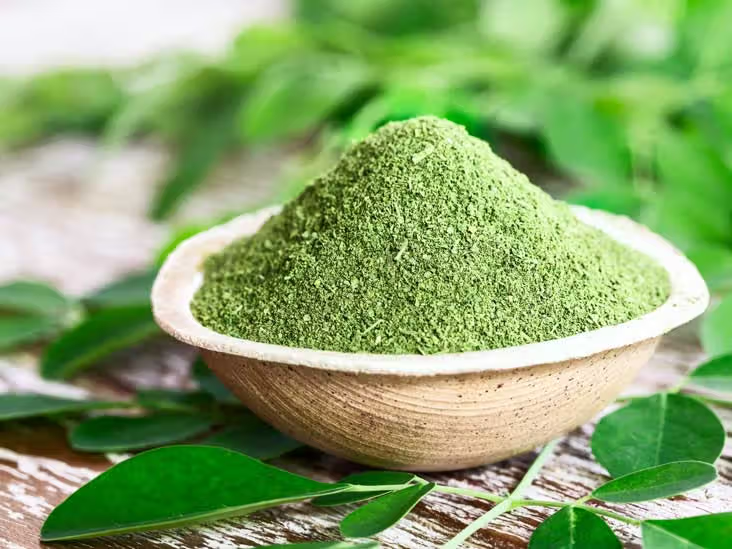

Moringa Powder is a nutrient-rich herbal powder made from the dried leaves of the Moringa oleifera tree, often called the Miracle Tree. It is naturally packed with vitamins, minerals, antioxidants, plant protein, and beneficial compounds that support overall wellness.
Moringa powder is commonly used to help improve nutritional intake, support immune health, promote energy levels, and provide antioxidant protection. It can be easily added to smoothies, teas, soups, and other daily foods. While generally considered safe for most healthy adults, it should be used in moderation and under professional guidance if you have medical conditions or take prescription medications.
Introduction
In recent years, Moringa Powder has become one of the most talked-about superfoods worldwide. From health-conscious consumers in the United States and Europe to traditional wellness practitioners in Asia and Africa, people are increasingly turning to this nutrient-dense plant as part of a balanced lifestyle.
But what exactly makes Moringa Powder so popular?
Unlike many trendy supplements that focus on just one nutrient, Moringa Powder contains a wide range of naturally occurring vitamins, minerals, antioxidants, amino acids, and plant compounds. Because of this unique nutritional profile, it has earned a reputation as one of nature’s most versatile wellness foods.
Traditional systems of medicine have used Moringa for centuries to support general health and vitality. Today, modern research continues to explore its potential role in supporting immune function, healthy digestion, cardiovascular wellness, energy production, and antioxidant defense.
However, despite its growing popularity, many people still have important questions:
1. What is Moringa Powder exactly?
2. What are its proven health benefits?
3. How should it be used daily?
4. How much should you take?
5. Are there any side effects?
6. How do you choose a high-quality Moringa Powder?
This comprehensive guide answers these questions using a balanced approach that combines traditional knowledge, current scientific understanding, and practical daily-use recommendations.
Whether you are completely new to Moringa Powder or looking to get the most from your current routine, this guide will help you make informed decisions based on evidence and best practices.
What Is Moringa Powder?
Moringa Powder is a natural dietary supplement made by carefully drying and grinding the leaves of the Moringa oleifera tree into a fine green powder.
The Moringa tree is native to parts of South Asia, particularly India, but it is now cultivated in many tropical and subtropical regions around the world. Due to its impressive nutritional composition and adaptability, it has become one of the most widely studied plants in natural health and nutrition.
The leaves are considered the most nutrient-rich part of the plant. After harvesting, they are gently dried at controlled temperatures to help preserve their valuable nutrients and then milled into powder form.
This process creates a convenient product that can be added to everyday meals and beverages without requiring access to fresh Moringa leaves.
Origin of Moringa Oleifera
Moringa oleifera has been used for thousands of years in traditional wellness systems. Historical records suggest that ancient cultures valued the tree for both nutritional and practical purposes.
Today, Moringa is grown in:
- India
- Sri Lanka
- Philippines
- Thailand
- Indonesia
- Africa
- Central America
- South America
Because it thrives in challenging climates and nutrient-poor soils, it has also gained attention as a sustainable food source in many developing regions.
Why Is Moringa Called the Miracle Tree?
Moringa is often referred to as the Miracle Tree because nearly every part of the plant has a practical use.
The leaves are commonly used for nutrition and wellness support, while the seeds, pods, flowers, and roots have traditionally been utilized for various culinary and agricultural purposes.
The nickname mainly comes from the exceptional nutrient density found in its leaves, which contain a diverse range of vitamins, minerals, antioxidants, and beneficial plant compounds.
However, it is important to understand that miracle is a traditional nickname and should not be interpreted as a medical claim. Moringa is a nutritious food, not a cure for disease.
How Is Moringa Powder Made?
The quality of Moringa Powder depends heavily on how it is processed.
A high-quality production process generally involves:
- Harvesting mature healthy leaves.
- Washing and cleaning the leaves.
- Drying them at low temperatures.
- Grinding them into a fine powder.
- Packaging them in airtight containers.
Proper drying is particularly important because excessive heat may reduce certain heat-sensitive nutrients.
Moringa Powder vs Fresh Moringa Leaves
Many people wonder whether fresh leaves or powder are better.
Fresh Moringa leaves provide natural moisture and can be used in cooking, while Moringa Powder offers greater convenience, longer shelf life, and easier daily consumption.
Because the powder is concentrated, even a small serving can provide a significant amount of plant nutrients.
For most people, high-quality Moringa Powder is the more practical option for consistent daily use, especially in regions where fresh Moringa leaves are not readily available.
A Lesser-Known Fact About Moringa Powder
One important point that many articles overlook is that nutrient quality can vary significantly between products.
Factors such as soil quality, harvesting practices, drying methods, storage conditions, and packaging all influence the final nutritional value.
This is why choosing a properly sourced and tested Moringa Powder is just as important as taking it regularly.
In the next section, we’ll explore the complete nutritional profile of Moringa Powder and discover why it has become one of the most respected plant-based superfoods worldwide.
Moringa Powder Nutrition Facts
One of the biggest reasons behind the growing popularity of Moringa Powder is its impressive nutritional profile. Unlike many supplements that provide only one or two nutrients, Moringa Powder naturally contains a wide variety of vitamins, minerals, antioxidants, amino acids, and plant compounds that contribute to overall health and wellness.
This nutrient density is one reason why Moringa is often referred to as a “superfood.” However, what truly makes it unique is the combination of nutrients working together rather than any single ingredient alone.
The exact nutritional content may vary depending on growing conditions, harvesting methods, and processing techniques, but high-quality Moringa Powder is generally recognized as a rich source of essential nutrients.
Macronutrients Found in Moringa Powder
Macronutrients are the nutrients your body needs in larger amounts to support daily functioning, energy production, and tissue maintenance.
Plant Protein
Moringa Powder contains naturally occurring plant-based protein along with several essential amino acids.
Protein plays an important role in:
Muscle maintenance and recovery: Protein helps support muscle growth, repair daily wear and tear in body tissues, and maintain overall physical strength.
Tissue repair and healing: The body uses protein to repair damaged tissues and support normal recovery processes after physical activity.
Enzyme and hormone production: Many enzymes and hormones rely on amino acids from protein to perform essential functions throughout the body.
Immune system support: Protein contributes to the formation of antibodies and other immune cells that help the body defend itself.
Healthy aging: Adequate protein intake becomes increasingly important with age to help preserve muscle mass and physical function.
This makes Moringa Powder a valuable addition to vegetarian and vegan diets looking for additional plant-based nutrition.
Dietary Fiber
Moringa Powder naturally contains dietary fiber, which supports digestive health and helps maintain normal bowel function.
Adequate fiber intake may contribute to:
Improved digestive regularity: Fiber helps food move smoothly through the digestive tract and supports healthy bowel movements.
Better gut health: Dietary fiber acts as nourishment for beneficial gut bacteria, which play an important role in digestive wellness.
Increased fullness after meals: Fiber may help you feel satisfied for longer periods, reducing unnecessary snacking between meals.
Support for healthy weight management: Foods rich in fiber are often included in balanced eating plans because they help promote satiety.
Balanced blood sugar response: Fiber may slow the digestion of carbohydrates, helping support normal blood sugar levels after eating.
Natural Carbohydrates
The powder also contains small amounts of carbohydrates that contribute to overall energy intake.
Unlike highly processed foods, Moringa Powder provides these carbohydrates alongside beneficial nutrients.
Supports daily energy needs: Carbohydrates serve as one of the body’s primary fuel sources for daily activities.
Provides energy with additional nutrients: Unlike refined carbohydrate sources, Moringa delivers vitamins, minerals, and antioxidants at the same time.
Low Fat Content
Moringa Powder is naturally low in fat while still offering a broad range of beneficial nutrients.
Suitable for many eating patterns: Its low-fat nature makes it easy to include in various wellness-focused diets.
Nutrient-rich without excess calories: Moringa provides valuable nutrients without significantly increasing daily calorie intake.
Vitamins Found in Moringa Powder
Moringa leaves are naturally rich in several vitamins that support important bodily functions.
Vitamin A
Vitamin A plays a crucial role in several aspects of health.
Supports healthy vision: Vitamin A helps maintain normal eye function and contributes to overall visual health.
Promotes immune function: This nutrient supports the body’s natural defense mechanisms and immune response.
Contributes to healthy skin: Vitamin A plays a role in maintaining healthy skin cells and tissue integrity.
Supports normal growth and development: It is involved in various cellular processes throughout the body.
Vitamin C
Vitamin C is one of the most well-known antioxidants found in plant foods.
It helps support:
Immune system health: Vitamin C contributes to the normal functioning of the immune system.
Collagen production: The body uses Vitamin C to produce collagen, a protein important for skin, blood vessels, and connective tissues.
Skin wellness: Healthy collagen production helps support skin structure and appearance.
Iron absorption: Vitamin C may enhance the absorption of iron from plant-based foods.
Protection from oxidative stress: Its antioxidant properties help protect cells from damage caused by free radicals.
Because Vitamin C helps the body absorb iron more effectively, it works synergistically with the naturally occurring iron present in Moringa.
Vitamin E
Vitamin E acts as an antioxidant that helps protect cells from oxidative stress.
Healthy levels of Vitamin E support:
Cellular protection: Vitamin E helps safeguard cells against oxidative damage from environmental and metabolic factors.
Skin health maintenance: It contributes to the maintenance of healthy skin and overall tissue integrity.
Immune function: Vitamin E supports several processes involved in normal immune system activity.
B Vitamins
Moringa Powder contains several B vitamins that assist with energy metabolism and nervous system function.
These nutrients help the body convert food into usable energy while supporting overall vitality.
Energy metabolism: B vitamins help the body utilize carbohydrates, fats, and proteins more efficiently.
Nervous system support: They play an important role in maintaining healthy nerve function and communication.
Daily wellness: Adequate intake of B vitamins supports many essential processes involved in overall health.
Minerals Found in Moringa Powder
Minerals are essential nutrients that help regulate hundreds of biological processes.
Calcium
Calcium is best known for its role in maintaining strong bones and teeth.
However, it is also important for:
Bone strength and density: Calcium is one of the primary minerals required for maintaining healthy bones throughout life.
Muscle function: Proper calcium levels help muscles contract and relax normally.
Nerve communication: Calcium plays a role in transmitting signals between nerves and muscles.
Heart function: The mineral contributes to the normal functioning of the cardiovascular system.
Iron
Iron supports the production of hemoglobin, the protein responsible for transporting oxygen throughout the body.
Adequate iron intake contributes to:
Healthy energy production: Iron helps deliver oxygen to tissues, which is essential for maintaining energy levels.
Cognitive performance: Proper iron levels support concentration, memory, and mental performance.
Physical endurance: Oxygen transport is important for physical activity and overall stamina.
Red blood cell formation: Iron is necessary for the normal production of healthy red blood cells.
This is one reason Moringa Powder is frequently included in nutrient-focused wellness plans.
Potassium
Potassium helps regulate several important bodily functions.
Fluid balance: Potassium works with other electrolytes to maintain proper hydration and fluid regulation.
Muscle contractions: Adequate potassium supports normal muscle function throughout the body.
Nerve signaling: The mineral helps facilitate communication between nerves and muscles.
Cardiovascular wellness: Potassium contributes to the maintenance of normal heart function.
Magnesium
Magnesium is involved in hundreds of enzymatic reactions within the body.
It supports:
Energy production: Magnesium helps convert food into usable cellular energy.
Muscle health: It contributes to normal muscle contraction and relaxation.
Bone maintenance: Magnesium works alongside calcium and other nutrients to support skeletal health.
Nervous system function: It plays a role in maintaining healthy nerve activity and signaling.
Protein synthesis: Magnesium is required for many processes involved in building and repairing tissues.
Powerful Antioxidants in Moringa Powder
Beyond vitamins and minerals, Moringa Powder contains naturally occurring antioxidants that help protect cells from oxidative stress.
Oxidative stress occurs when free radicals accumulate faster than the body can neutralize them. Over time, this imbalance may contribute to cellular aging and various health concerns.
Some of the most studied antioxidants found in Moringa include:
Quercetin
Quercetin is a plant flavonoid known for its antioxidant activity and its potential role in supporting overall cardiovascular and cellular health.
Chlorogenic Acid
Chlorogenic acid is a naturally occurring plant compound that researchers continue to study for its role in antioxidant protection and metabolic wellness.
Polyphenols
Moringa contains various polyphenols that contribute to its overall antioxidant capacity and help support the body’s natural defense systems.
Why Nutrient Density Matters
Many foods provide calories, but not all foods provide substantial amounts of essential nutrients.
Moringa Powder stands out because it offers a high concentration of nutrients relative to its serving size. This concept is known as nutrient density.
For individuals seeking to improve overall nutrition, nutrient-dense foods can help fill nutritional gaps while supporting a balanced diet.
However, it is important to remember that Moringa Powder should complement a healthy eating pattern rather than replace whole fruits, vegetables, legumes, and other nutritious foods.
Top Science-Backed Benefits of Moringa Powder
Moringa Powder has been used in traditional wellness practices for centuries, but its growing popularity today is largely driven by its impressive nutritional profile and the increasing number of scientific studies investigating its potential health benefits.
It is important to understand that Moringa Powder is not a medicine and should not be viewed as a cure for any disease. However, when combined with a balanced diet and healthy lifestyle, it may help support various aspects of overall health and wellness.
Below are some of the most widely discussed and researched benefits of Moringa Powder.
1. Supports Daily Nutritional Intake
One of the biggest benefits of Moringa Powder is its ability to provide a concentrated source of nutrients in a relatively small serving.
Many people struggle to consume enough vitamins, minerals, and antioxidants through their daily diet. Adding Moringa Powder to smoothies, soups, or other foods may help increase overall nutrient intake.
Because it contains a variety of vitamins, minerals, amino acids, and plant compounds, Moringa can serve as a valuable addition to a nutrient-focused wellness routine.
Evidence Snapshot
Research consistently shows that Moringa leaves contain a wide range of essential nutrients that contribute to overall nutritional quality.
2. Rich in Antioxidants That Help Protect Cells
Every day, the body is exposed to free radicals generated by normal metabolism, environmental pollution, stress, and unhealthy lifestyle factors.
When free radicals accumulate excessively, they can contribute to oxidative stress, which may accelerate cellular aging and affect overall well-being.
Moringa Powder contains several naturally occurring antioxidants that help the body defend itself against oxidative damage.
Key Antioxidants Found in Moringa Powder
Quercetin: A plant-based flavonoid known for its antioxidant properties that may help support cellular health and overall wellness.
Chlorogenic Acid: This naturally occurring compound is being studied for its potential role in supporting healthy metabolism and antioxidant activity.
Beta-Carotene: A precursor of Vitamin A that contributes to eye health, immune function, and protection against oxidative stress.
Polyphenols: These beneficial plant compounds help neutralize free radicals and support the body’s natural defense mechanisms.
Vitamin C: An essential antioxidant that supports immune health, collagen production, and protection of cells from oxidative damage.
Vitamin E: A fat-soluble antioxidant that helps maintain healthy skin and protects cell membranes from oxidative stress.
Why This Matters
Oxidative stress is linked to normal aging and various health challenges. Consuming foods rich in antioxidants may help support the body’s ability to maintain cellular health and overall wellness.
Evidence Snapshot
Laboratory studies and preclinical research have consistently demonstrated that Moringa leaves possess significant antioxidant activity due to their rich concentration of polyphenols, flavonoids, and vitamin compounds.
3. May Support Healthy Immune Function
A strong immune system depends on several factors, including proper nutrition, quality sleep, physical activity, and stress management. Since Moringa Powder contains a variety of vitamins, minerals, and plant compounds, it is often included in wellness routines aimed at supporting overall immune health.
Several nutrients found in Moringa Powder play important roles in maintaining normal immune function.
Important Nutrients That Support Immune Health
Vitamin A: Vitamin A helps maintain the health of the skin and mucous membranes, which act as the body’s first line of defense against external threats.
Vitamin C: This essential vitamin supports the normal functioning of immune cells and also acts as an antioxidant that helps protect cells from oxidative stress.
Iron: Iron is required for the proper functioning of immune cells and plays an important role in maintaining overall vitality and wellness.
Zinc: Zinc contributes to normal immune system function and supports many biological processes involved in cell growth and repair.
Plant Antioxidants: The antioxidants naturally present in Moringa help protect cells from oxidative damage and support the body’s natural defense mechanisms.
Why This Matters
While no single food can prevent illness, consuming nutrient-dense foods may help ensure the body receives the nutrients it needs to function effectively.
Evidence Snapshot
Researchers believe that the combination of vitamins, minerals, antioxidants, and phytonutrients found in Moringa contributes to its potential immune-supportive properties.
4. Helps Maintain Healthy Energy Levels
Feeling tired occasionally is a normal part of life, especially during periods of stress, poor sleep, or increased physical activity. However, maintaining adequate nutrient intake is important for supporting normal energy production.
Many people include Moringa Powder in their morning routine because it provides a variety of nutrients involved in energy metabolism without relying on stimulants.
Unlike coffee or energy drinks, Moringa does not contain significant amounts of caffeine. Instead, it supports energy through nutrition.
Nutrients That Contribute to Energy Production
Iron: Iron helps transport oxygen throughout the body, which is essential for maintaining normal physical and mental performance.
Magnesium: This mineral is involved in hundreds of biochemical reactions, including those responsible for converting food into usable energy.
B Vitamins: B vitamins play a critical role in energy metabolism by helping the body efficiently utilize carbohydrates, proteins, and fats.
Amino Acids: Amino acids support tissue maintenance and are involved in numerous physiological processes that contribute to overall vitality.
Expert Insight
Many individuals report feeling more balanced and energized when they consistently include nutrient-rich foods such as Moringa Powder as part of a healthy lifestyle.
Evidence Snapshot
The nutrient profile of Moringa suggests it may help support normal energy production by providing several vitamins and minerals required for metabolic function.
5. Supports Digestive Wellness
Good digestion is essential for overall health because it affects nutrient absorption, gut health, immune function, and daily comfort.
Moringa Powder contains dietary fiber and naturally occurring plant compounds that may help support digestive wellness when consumed as part of a balanced diet.
Ways Moringa Powder May Support Digestion
Supports Regular Bowel Movements: The fiber content of Moringa can help promote normal bowel regularity and digestive comfort.
Contributes to Gut Health: Dietary fiber serves as nourishment for beneficial gut bacteria, which play an important role in maintaining digestive balance.
Promotes Satiety: Fiber-rich foods may help you feel fuller for longer periods, which can support healthy eating habits.
Supports Nutrient Utilization: A healthy digestive system helps the body effectively absorb and utilize nutrients from food.
Why This Matters
Digestive wellness influences many areas of health. Supporting gut function through proper nutrition can contribute to overall well-being and daily comfort.
Evidence Snapshot
Research indicates that the fiber and plant compounds present in Moringa leaves may contribute to digestive health and normal gastrointestinal function.
6. May Help Support Healthy Blood Sugar Management
Maintaining healthy blood sugar levels is an important part of overall wellness. While diet, exercise, sleep, and body weight all play significant roles, researchers have also explored how certain plant-based foods may support healthy glucose metabolism.
Moringa Powder contains several naturally occurring bioactive compounds that have attracted scientific interest for their potential role in blood sugar regulation.
However, it is important to understand that Moringa Powder is not a treatment for diabetes and should never replace prescribed medications or professional medical care.
Compounds That May Support Healthy Glucose Metabolism
Chlorogenic Acid: This antioxidant compound is believed to influence how the body processes glucose and may help support healthy blood sugar responses after meals.
Isothiocyanates: Naturally occurring plant compounds found in Moringa that researchers are studying for their potential role in supporting metabolic health.
Dietary Fiber: Fiber helps slow the digestion of carbohydrates, which may contribute to a more gradual release of glucose into the bloodstream.
Polyphenols: These plant-based antioxidants may help support cellular health and normal metabolic function.
Why This Matters
Modern diets often contain excessive amounts of refined carbohydrates and added sugars. Including nutrient-dense foods alongside healthy lifestyle habits may help support long-term metabolic wellness.
Important Note
Individuals with diabetes or those taking blood sugar-lowering medications should consult a qualified healthcare professional before using Moringa Powder regularly.
Evidence Snapshot
Several preliminary human and animal studies suggest that Moringa may help support healthy blood sugar levels already within the normal range. However, larger clinical studies are still needed to better understand its long-term effects.
7. Supports Heart Health and Cardiovascular Wellness
Heart health is influenced by a combination of nutrition, physical activity, sleep quality, stress management, and other lifestyle factors.
Because Moringa Powder contains several nutrients and antioxidants associated with cardiovascular wellness, it has become a popular addition to heart-conscious diets.
Rather than focusing on a single nutrient, Moringa provides a combination of compounds that support various functions involved in overall cardiovascular health.
Nutrients That Support Cardiovascular Wellness
Potassium: Potassium helps maintain normal fluid balance and supports healthy muscle and nerve function, including the proper functioning of the heart.
Magnesium: This essential mineral plays a role in hundreds of bodily processes and contributes to normal muscle contraction and cardiovascular function.
Antioxidants: Antioxidants help protect cells from oxidative stress, which is one factor researchers study in relation to long-term cardiovascular health.
Polyphenols: These plant compounds are known for their antioxidant properties and are commonly found in foods associated with heart-healthy dietary patterns.
Why This Matters
Cardiovascular health remains a major wellness concern worldwide. Consuming nutrient-rich foods as part of a balanced lifestyle may help support normal heart function and overall well-being.
Expert Insight
Many nutrition experts recommend increasing the intake of plant-based foods rich in antioxidants, fiber, vitamins, and minerals. Moringa Powder can be one of many nutrient-dense foods included in this approach.
Evidence Snapshot
Research continues to explore how the antioxidant and phytonutrient content of Moringa may contribute to cardiovascular wellness. While findings are promising, additional human studies are needed.
8. May Promote Healthy Skin and Natural Radiance
Healthy skin depends on many factors, including nutrition, hydration, sleep quality, sun protection, and overall lifestyle habits.
The nutrients naturally present in Moringa Powder may help support skin health from within by providing vitamins, antioxidants, and plant compounds involved in normal skin function.
For this reason, Moringa has become increasingly popular in both nutritional wellness and skincare industries.
Nutrients That Support Skin Health
Vitamin A: Vitamin A helps support normal skin cell production and maintenance, contributing to healthy-looking skin.
Vitamin C: This essential nutrient plays a role in collagen formation, which helps maintain the skin’s structure and elasticity.
Vitamin E: Known for its antioxidant properties, Vitamin E helps protect skin cells from oxidative stress caused by environmental factors.
Antioxidants: The antioxidant compounds found in Moringa help neutralize free radicals that can contribute to premature skin aging.
Plant Phytonutrients: Various plant compounds in Moringa may help support overall skin wellness and cellular health.
Why This Matters
The skin is constantly exposed to environmental stressors such as pollution, UV radiation, and oxidative stress. Proper nutrition helps provide the building blocks needed to maintain healthy skin.
Expert Insight
While topical skincare products are important, many dermatologists agree that healthy skin begins with proper nutrition. Consuming nutrient-rich foods may help support skin health from the inside out.
Evidence Snapshot
Researchers continue to investigate how antioxidant-rich foods, including Moringa, may contribute to skin health and protection against oxidative stress-related skin damage.
9. Supports Healthy Hair Growth and Hair Strength
Healthy hair depends on much more than external hair care products. Factors such as nutrition, genetics, hormonal balance, stress levels, and overall health all play important roles in maintaining strong and healthy hair.
Moringa Powder contains several nutrients that are commonly associated with healthy hair structure and scalp wellness. While it is not a treatment for hair loss, incorporating nutrient-rich foods into your diet may help support healthy hair growth and maintenance.
Nutrients in Moringa Powder That Support Hair Health
Protein: Hair is primarily made up of a protein called keratin. Consuming adequate protein helps provide the building blocks needed to maintain strong and healthy hair strands.
Iron: Iron supports normal oxygen transport throughout the body, including to hair follicles. Low iron levels are often associated with hair-related concerns in some individuals.
Zinc: Zinc plays an important role in tissue growth, repair, and the maintenance of healthy hair follicles and scalp health.
Vitamin A: This vitamin helps support the normal production of sebum, a natural oil that helps keep the scalp moisturized and healthy.
Antioxidants: Antioxidants help protect hair follicles from oxidative stress caused by environmental factors and daily exposure to pollutants.
Amino Acids: Amino acids are the fundamental building blocks of proteins and contribute to the strength, structure, and maintenance of healthy hair.
Why This Matters
Hair health often reflects overall nutritional status. A balanced diet rich in vitamins, minerals, and protein can help create an environment that supports healthy hair growth and appearance.
Expert Insight
Many people focus only on shampoos, oils, and hair treatments, but healthy hair starts from within. Nutritional support is often overlooked despite being one of the key factors influencing hair quality.
Evidence Snapshot
Researchers continue to study the relationship between nutrient-rich foods and hair health. The vitamins, minerals, and antioxidants found in Moringa may contribute to maintaining healthy hair when consumed as part of a balanced diet.
10. May Support Healthy Aging and Long-Term Wellness
Aging is a natural process that affects every system in the body. While no food or supplement can stop aging, certain lifestyle habits may help support healthy aging and overall quality of life.
Moringa Powder contains a combination of antioxidants, vitamins, minerals, amino acids, and plant compounds that may help support cellular health as the body ages.
Its value lies not in any single nutrient but in the way multiple beneficial compounds work together to support overall wellness.
Nutrients That May Support Healthy Aging
Antioxidants: Antioxidants help neutralize free radicals that can contribute to oxidative stress, one of the factors associated with age-related cellular changes.
Vitamin C: This nutrient supports collagen production and helps protect cells from oxidative damage caused by environmental and metabolic stressors.
Vitamin E: Vitamin E contributes to cellular protection by helping maintain the integrity of cell membranes throughout the body.
Polyphenols: These plant compounds have been widely studied for their antioxidant properties and their role in supporting long-term wellness.
Minerals: Essential minerals such as magnesium, potassium, and calcium support normal bodily functions that remain important throughout life.
Why Many Adults Include Moringa in Their Wellness Routine
People interested in healthy aging often focus on lifestyle habits that support long-term health, including:
Nutrient-Dense Foods: Foods rich in vitamins, minerals, and phytonutrients help provide the body with essential nutritional support.
Antioxidant-Rich Foods: Antioxidants help the body manage oxidative stress and support cellular wellness.
Regular Physical Activity: Exercise supports cardiovascular health, muscle strength, mobility, and overall well-being.
Quality Sleep: Restorative sleep is essential for recovery, immune function, cognitive health, and healthy aging.
Stress Management: Managing daily stress can positively influence both physical and mental wellness over time.
Expert Insight
Healthy aging is not about finding a miracle food. Instead, it involves consistently following healthy habits. Moringa Powder can serve as one nutrient-dense addition to an overall wellness-focused lifestyle.
Evidence Snapshot
Scientists continue to investigate the role of antioxidant-rich plant foods in supporting healthy aging. The nutritional profile of Moringa makes it an area of ongoing research interest.
How to Use Moringa Powder Daily
One of the reasons Moringa Powder has become so popular worldwide is its versatility. Unlike many supplements that come with complicated instructions, Moringa Powder can be easily incorporated into everyday meals and beverages.
Whether your goal is to improve nutritional intake, support overall wellness, or simply add more plant-based nutrients to your diet, consistency is more important than quantity.
A small daily serving used regularly is generally more beneficial than taking large amounts occasionally.
The good news is that Moringa Powder blends well with many foods and drinks, making it easy to build into your daily routine.
1. Add Moringa Powder to Smoothies
Smoothies are one of the most popular ways to consume Moringa Powder.
The natural sweetness of fruits can help balance Moringa’s earthy flavor while providing additional vitamins, minerals, and fiber.
Simple Moringa Green Smoothie
Ingredients:
1 teaspoon Moringa Powder – Provides a concentrated source of plant-based nutrients and antioxidants.
1 banana – Adds natural sweetness and a creamy texture while supplying potassium and dietary fiber.
1 cup spinach – Enhances the nutritional value with additional vitamins, minerals, and plant compounds.
1 cup almond milk – Creates a smooth consistency and works well as a dairy-free liquid base.
½ cup pineapple – Helps improve the flavor while contributing vitamin C and natural fruit sugars.
Ice cubes – Make the smoothie more refreshing and enjoyable, especially during warmer months.
Blend until smooth and enjoy.
This combination provides a nutrient-rich breakfast or post-workout snack.
2. Mix It Into Warm Water
For those who prefer simplicity, Moringa Powder can be mixed directly into warm water.
Many people enjoy drinking it first thing in the morning as part of their wellness routine.
Quick Morning Drink
1 teaspoon Moringa Powder – A simple serving size that can easily fit into most daily wellness routines.
1 glass warm water – Helps the powder dissolve more effectively and creates an easy-to-consume beverage.
Optional: Lemon juice – Adds a refreshing flavor and provides additional vitamin C.
Stir thoroughly and drink immediately.
3. Prepare Moringa Herbal Tea
Moringa tea is another easy way to include this superfood in your day.
How to Make Moringa Tea
Add 1 teaspoon Moringa Powder to hot water – This creates the base of the tea and allows the powder to mix properly.
Stir well – Helps distribute the powder evenly throughout the beverage.
Allow it to cool slightly – Makes the tea easier and more comfortable to drink.
Add honey or lemon if desired – These ingredients can improve flavor while adding a pleasant natural taste.
This option works particularly well for people who prefer warm beverages over smoothies.
4. Add It to Protein Shakes
Fitness enthusiasts often include Moringa Powder in protein shakes to increase nutrient density.
It pairs well with:
Plant protein powders – A good option for those following vegetarian or vegan lifestyles.
Whey protein – Commonly used by individuals looking to support muscle recovery and active lifestyles.
Oat milk – Provides a smooth texture and mild flavor that blends well with Moringa Powder.
Banana smoothies – Help balance the earthy taste while adding natural sweetness.
Because Moringa naturally contains amino acids and minerals, it complements many fitness-focused nutrition plans.
5. Mix Into Yogurt
Yogurt provides a simple and convenient way to consume Moringa Powder.
Easy Moringa Yogurt Bowl
Mix:
1 teaspoon Moringa Powder – Adds extra nutrients and antioxidants to your yogurt bowl.
Plain yogurt – Serves as a protein-rich base and creates a creamy texture.
Fresh berries – Provide natural sweetness along with antioxidants and vitamin C.
Chia seeds – Add fiber and texture while supporting a balanced breakfast or snack.
This creates a nutrient-rich snack or breakfast option.
6. Stir Into Soups and Broths
Moringa Powder can be added to soups shortly before serving.
This is a practical option for people who dislike its earthy taste in beverages.
Pro Tip
Avoid prolonged cooking at very high temperatures, as excessive heat may reduce some heat-sensitive nutrients.
7. Add to Oatmeal
Oatmeal is another excellent carrier for Moringa Powder.
Simply stir the powder into prepared oats and combine with:
Fresh fruits – Add natural sweetness and additional vitamins to your breakfast.
Nuts – Contribute healthy fats, texture, and plant-based protein.
Seeds – Help increase fiber content and nutritional value.
Cinnamon – Enhances flavor naturally and pairs well with oats and fruit.
This creates a nutrient-dense breakfast that can help support satiety throughout the morning.
8. Sprinkle Over Salads
Moringa Powder can be lightly sprinkled over salads or mixed into homemade dressings.
This approach works well for individuals looking to increase their intake of nutrient-rich plant foods without making major dietary changes.
9. Use It in Energy Balls and Healthy Snacks
Homemade energy balls are increasingly popular among health-conscious consumers.
Example Ingredients
Dates – Provide natural sweetness and help bind the ingredients together.
Oats – Add fiber and create a satisfying texture.
Nuts – Supply healthy fats and plant-based protein.
Seeds – Enhance nutritional value while adding crunch.
Moringa Powder – Increases the overall nutrient density of the snack.
These make convenient on-the-go snacks for busy lifestyles.
10. Blend Into Fresh Juices
Fresh vegetable and fruit juices can help mask Moringa’s distinctive taste.
Popular combinations include:
Apple and Moringa – Offers a naturally sweet and refreshing flavor profile.
Pineapple and Moringa – Combines tropical sweetness with the nutritional benefits of Moringa.
Orange and Moringa – Provides a citrus flavor while contributing vitamin C.
Cucumber and Moringa – Creates a light and refreshing drink suitable for daily use.
These nutrient-rich drinks are often consumed as part of a balanced wellness routine.
Best Ways to Use Moringa Powder Based on Your Goal
Different people use Moringa Powder for different reasons.
The table below provides simple guidance.
| Wellness Goal | Suggested Method |
| Daily Nutrition Support | Smoothies or Morning Drink |
| Energy Support | Morning Smoothie |
| Digestive Wellness | Oatmeal or Yogurt |
| Active Lifestyle | Protein Shake |
| Convenient Daily Use | Warm Water or Tea |
| Healthy Snacking | Energy Balls |
7-Day Beginner Moringa Routine
One common mistake beginners make is taking too much Moringa Powder immediately.
Starting gradually allows your body to adjust comfortably.
Day 1–2
½ teaspoon daily
Day 3–4
1 teaspoon daily
Day 5–7
1–2 teaspoons daily
After the first week, many people continue using 1–2 teaspoons per day as part of their long-term wellness routine.
Common Mistakes to Avoid When Using Moringa Powder
Many articles explain the benefits of Moringa but fail to discuss practical mistakes that may reduce the overall experience.
Mistake 1: Taking Too Much Too Soon
Starting with large amounts may increase the likelihood of digestive discomfort. Begin with small servings and increase gradually.
Mistake 2: Expecting Instant Results
Moringa Powder is a nutrient-rich food, not a quick-fix supplement. Its benefits are generally associated with consistent long-term use as part of a healthy lifestyle.
Mistake 3: Ignoring Product Quality
Not all Moringa Powders are created equal. Factors such as harvesting methods, drying techniques, storage conditions, and testing standards can influence quality.
Mistake 4: Using It as a Meal Replacement
Moringa Powder should complement a balanced diet rather than replace nutritious meals and whole foods.
Mistake 5: Improper Storage
Store Moringa Powder in an airtight container away from moisture, heat, and direct sunlight to help preserve freshness.
Expert Insight: Consistency Matters More Than Quantity
Many people assume that taking larger amounts will automatically provide better results.
In reality, nutritional habits work differently.
A modest serving of Moringa Powder used consistently for months is generally more beneficial than occasional large servings.
Think of Moringa as part of your long-term wellness strategy rather than a short-term solution.
The goal is to create sustainable daily habits that support overall nutrition and healthy living.
Key Takeaway
Moringa Powder is incredibly versatile and can be added to smoothies, tea, water, yogurt, soups, oatmeal, protein shakes, salads, and healthy snacks.
The best method is the one you can follow consistently.
Start with a small amount, choose high-quality products, and incorporate it into a balanced diet for the best experience.
Now that you know how to use Moringa Powder daily, the next important question is:
How much Moringa Powder should you take, and what is the ideal dosage for different individuals?
Moringa Powder Dosage Guide: How Much Should You Take Daily?
One of the most common questions people ask is:
How much Moringa Powder should I take each day?
The answer depends on several factors, including your age, overall health, dietary habits, wellness goals, and whether you are new to Moringa supplementation.
Unlike prescription medications, there is no single universally accepted dosage for Moringa Powder. However, nutrition experts generally recommend starting with a small amount and gradually increasing it based on individual tolerance and needs.
The goal is not to take the highest possible amount but to use Moringa Powder consistently as part of a balanced diet and healthy lifestyle.
Recommended Daily Moringa Powder Dosage
For most healthy adults:
| User Type | Suggested Daily Amount |
| Beginners | ½–1 teaspoon (2–3 grams) |
| General Wellness | 1–2 teaspoons (3–6 grams) |
| Active Individuals | 2–3 teaspoons (6–10 grams) |
| Experienced Users | Up to 10 grams daily under professional guidance |
Starting with smaller amounts allows your digestive system to adapt comfortably.
Moringa Powder Dosage for Beginners
If you have never used Moringa Powder before, it is best to start slowly.
Recommended Beginner Dose
½ teaspoon daily for the first few days: This allows your body to gradually adjust to the fiber, vitamins, minerals, and plant compounds naturally present in Moringa Powder.
Increase gradually to 1 teaspoon daily: Once your body becomes comfortable, you can slowly increase the amount without placing unnecessary stress on your digestive system.
This approach helps reduce the likelihood of mild digestive discomfort that some people may experience when introducing high-fiber foods or supplements.
Why Start Small?
Moringa Powder contains:
Dietary fiber: Fiber supports digestive health, but suddenly consuming large amounts may occasionally lead to bloating or digestive discomfort in sensitive individuals.
Beneficial plant compounds: Moringa contains naturally occurring phytonutrients and antioxidants that are best introduced gradually, especially for first-time users.
Concentrated nutrients: Since Moringa Powder is made from dried leaves, it provides concentrated nutrition in a small serving size, making gradual use a practical approach.
Allowing your body time to adjust often results in a better overall experience.
Dosage for General Wellness
Many people use Moringa Powder simply to support daily nutrition and overall wellness.
Typical Wellness Dose
1–2 teaspoons daily (approximately 3–6 grams)
This amount can easily be added to:
Smoothies: Blending Moringa Powder into fruit or vegetable smoothies is one of the easiest ways to consume it while balancing its earthy taste.
Yogurt: Mixing Moringa Powder into yogurt creates a convenient snack that combines beneficial nutrients with protein and probiotics.
Oatmeal: Adding Moringa to oatmeal can help increase the nutritional value of your breakfast without significantly changing its texture.
Herbal tea: Many people enjoy Moringa as a warm beverage, especially when combined with lemon or honey.
Fresh juices: Moringa Powder mixes well with fruit and vegetable juices, making it easy to include in a healthy daily routine.
For most healthy adults, this range provides a practical balance between convenience and nutritional support.
Dosage for Active Individuals and Athletes
People with physically active lifestyles often look for nutrient-dense foods that complement their training and recovery routines.
Suggested Range
2–3 teaspoons daily (approximately 6–10 grams)
Athletes may choose to include Moringa Powder in:
Protein shakes: Moringa Powder can be combined with protein-rich ingredients to create a more nutrient-dense post-workout beverage.
Recovery smoothies: Many active individuals add Moringa to recovery smoothies alongside fruits, protein sources, and healthy fats.
Post-workout meals: Incorporating Moringa Powder into balanced meals may help support overall nutritional intake after exercise.
However, it should not replace adequate protein intake or a balanced sports nutrition plan.
Can You Take Moringa Powder Every Day?
Yes, many people incorporate Moringa Powder into their daily wellness routine.
Because it is derived from nutrient-rich leaves rather than synthetic ingredients, moderate daily use is generally considered appropriate for healthy adults.
The key is consistency rather than excessive intake.
Expert Tip
A smaller amount taken regularly is often more practical and sustainable than taking large servings occasionally.
How Long Does It Take to Notice Results?
This is another frequently searched question.
The timeline varies from person to person and depends on:
Overall diet quality: People who already follow a nutritious diet may notice different results compared to those improving their nutritional habits for the first time.
Lifestyle habits: Factors such as sleep quality, physical activity levels, hydration, and stress management can influence how you feel over time.
Nutritional status: Individuals with nutritional gaps may experience improvements differently than those already meeting their nutrient requirements.
Consistency of use: Regular daily use is generally more important than occasional use when incorporating Moringa Powder into a wellness routine.
Individual health goals: Results may vary depending on whether someone is focusing on nutrition, energy support, digestive wellness, or overall health.
Some people report noticing changes in energy and overall well-being within a few weeks, while others may take longer.
Important Reminder
Moringa Powder is a nutritional supplement, not a quick-fix solution. Its value comes from supporting long-term healthy habits rather than producing immediate results.
What Happens If You Take Too Much Moringa Powder?
More is not always better.
Excessive consumption may increase the likelihood of:
Digestive discomfort: Taking large amounts at once may occasionally irritate the digestive system, particularly in people who are not used to high-fiber foods.
Loose stools: Excessive intake may speed up digestion in some individuals, resulting in temporary loose stools.
Stomach upset: Consuming more than your body can comfortably tolerate may lead to mild stomach discomfort.
Nausea: Very high amounts may not be suitable for everyone and could contribute to feelings of nausea in sensitive individuals.
For this reason, gradually increasing your intake is generally recommended.
If you experience any unusual symptoms, discontinue use and consult a qualified healthcare professional.
What Happens If You Take Too Much Moringa Powder?
More is not always better.
Excessive consumption may increase the likelihood of:
Digestive discomfort: Taking large amounts at once may occasionally irritate the digestive system, particularly in people who are not used to high-fiber foods.
Loose stools: Excessive intake may speed up digestion in some individuals, resulting in temporary loose stools.
Stomach upset: Consuming more than your body can comfortably tolerate may lead to mild stomach discomfort.
Nausea: Very high amounts may not be suitable for everyone and could contribute to feelings of nausea in sensitive individuals.
For this reason, gradually increasing your intake is generally recommended.
If you experience any unusual symptoms, discontinue use and consult a qualified healthcare professional.
Best Time to Take Moringa Powder
One of the biggest myths online is that there is only one “perfect” time to take Moringa Powder.
In reality, the best time depends on your personal routine and wellness goals.
Consistency matters far more than timing.
Morning: The Most Popular Option
Many people prefer taking Moringa Powder in the morning.
Why Morning Works Well
Easy to include in breakfast smoothies: Morning smoothies provide a convenient opportunity to add Moringa Powder without making major changes to your routine.
Supports daily nutrient intake: Starting the day with nutrient-rich foods may help support overall dietary quality throughout the day.
Convenient for building a routine: Consistent habits are easier to maintain when attached to existing morning activities.
Complements healthy morning habits: Moringa Powder can fit naturally alongside balanced breakfasts, hydration, and physical activity.
Popular options include:
- Smoothies
- Oatmeal
- Yogurt bowls
- Warm water with lemon
For most individuals, morning use is the simplest and most sustainable approach.
Before Exercise
Some active individuals add Moringa Powder to pre-workout shakes or smoothies.
Because it contains vitamins, minerals, amino acids, and antioxidants, it can fit naturally into a fitness-focused nutrition plan.
However, Moringa should not be viewed as a stimulant or pre-workout substitute.
Afternoon
The afternoon can also be a convenient time to take Moringa Powder.
Many people add it to:
Fresh juices: Fruit and vegetable juices can help improve taste while increasing overall nutrient intake.
Herbal teas: A warm herbal beverage can be an easy and relaxing way to consume Moringa during the day.
Healthy snacks: Mixing Moringa Powder into snacks allows you to maintain consistency even on busy days.
This may be especially useful for those who forget to take supplements during busy mornings.
Can You Take Moringa Powder at Night?
Yes.
There is no evidence suggesting that Moringa Powder must be avoided at night.
Some people enjoy it in herbal teas or evening wellness drinks.
However, if you find that taking supplements late in the day affects your routine or digestion, morning use may be preferable.
Best Time to Take Moringa Powder Based on Your Goal
| Goal | Suggested Time |
| General Wellness | Morning |
| Daily Nutrition Support | Morning |
| Active Lifestyle | Before or After Exercise |
| Convenience | Any Consistent Time |
| Evening Routine | Night (if tolerated) |
30-Day Moringa Starter Plan
A structured routine can help beginners stay consistent.
Week 1
½ teaspoon daily
Week 2
1 teaspoon daily
Week 3
1–2 teaspoons daily
Week 4
Continue a consistent routine based on individual preference
The focus should be on sustainability rather than rapid increases.
Moringa Powder Side Effects, Safety Considerations, and Who Should Avoid It
Moringa Powder is generally considered safe for most healthy adults when consumed in moderate amounts as part of a balanced diet. It has been used traditionally for centuries and is widely recognized for its nutritional value.
However, like any dietary supplement or herbal product, Moringa Powder may not be suitable for everyone. Individual responses can vary depending on factors such as age, health status, medications, allergies, and the amount consumed.
Understanding potential side effects and safety considerations can help you use Moringa Powder responsibly and make informed decisions about your health.
Is Moringa Powder Safe?
For most healthy adults, Moringa Powder is generally safe when used in recommended amounts.
However, some individuals may experience:
Mild digestive discomfort: Some people may notice temporary bloating, gas, or stomach heaviness when they first start using Moringa Powder, especially if their diet is low in fiber.
Nausea: Taking large amounts of Moringa Powder at once or consuming it on an empty stomach may cause mild nausea in sensitive individuals.
Loose stools: Because Moringa naturally contains dietary fiber, excessive intake may sometimes lead to loose stools or more frequent bowel movements.
Stomach upset: Individuals who consume more than their body can comfortably tolerate may experience temporary digestive irritation or abdominal discomfort.
Allergic reactions (rare): Although uncommon, some people may be sensitive to Moringa and develop symptoms such as itching, skin irritation, or allergic responses.
People who are pregnant, taking prescription medications, or managing chronic health conditions should consult a qualified healthcare professional before using Moringa Powder.
Common Side Effects of Moringa Powder
Most side effects reported with Moringa Powder are mild and often occur when large amounts are consumed too quickly.
1. Digestive Discomfort
Because Moringa Powder contains dietary fiber and concentrated plant compounds, some people may experience temporary digestive symptoms when first introducing it into their diet.
Possible symptoms include:
Bloating: The digestive system may need time to adjust to the additional fiber present in Moringa Powder, which can sometimes cause a feeling of fullness or abdominal bloating.
Gas: Increased fiber intake may temporarily lead to gas formation as the digestive system adapts to changes in dietary habits.
Mild stomach discomfort: Some individuals may experience slight stomach uneasiness during the initial days of use, particularly when taking larger servings.
Starting with smaller servings often helps reduce these effects.
2. Loose Stools or Diarrhea
Taking excessive amounts of Moringa Powder may lead to loose stools in some individuals.
This is one reason why gradually increasing your intake is generally recommended.
Expert Tip
If digestive discomfort occurs, reduce your serving size and increase water intake.
3. Nausea
A small percentage of users report mild nausea, especially when Moringa Powder is consumed on an empty stomach or in excessive quantities.
Taking it with food may help improve tolerance.
4. Changes in Appetite
Some people notice increased fullness after consuming Moringa Powder due to its fiber content.
While this may be helpful for certain individuals, it can affect appetite differently from person to person.
Can You Be Allergic to Moringa Powder?
Although uncommon, allergic reactions are possible.
Potential symptoms may include:
Skin irritation: Sensitive individuals may occasionally develop mild skin irritation after consuming or handling Moringa products.
Itching: An allergic response may trigger itching in certain areas of the body, although this reaction is relatively rare.
Rash: Some people may develop a mild skin rash if they have an underlying sensitivity to Moringa or related plant compounds.
Swelling: In uncommon cases, allergic reactions may cause swelling around the face, lips, or other parts of the body.
Breathing difficulties: Severe allergic reactions are rare but require immediate medical attention if symptoms such as breathing difficulty occur.
If you experience any signs of an allergic reaction, discontinue use immediately and seek medical attention.
What You Should Know
One area that many online articles fail to discuss adequately is the possibility of herb-drug interactions.
Because Moringa contains biologically active plant compounds, it may influence certain medications.
While research is still ongoing, caution is recommended for individuals taking prescription drugs.
Diabetes Medications
Some studies suggest that Moringa may influence blood sugar regulation.
People using medications for blood sugar management should consult their healthcare provider before adding Moringa Powder to their routine.
Why?
Combining supplements and medications without professional guidance may affect blood sugar levels.
Blood Pressure Medications
Certain compounds found in Moringa are being studied for their effects on cardiovascular health.
Individuals taking medications for blood pressure should discuss supplementation with a healthcare professional before use.
Thyroid Medications
Research on Moringa and thyroid function remains limited.
People with thyroid disorders or those taking thyroid medications should seek personalized medical advice before regular use.
Who Should Avoid Moringa Powder?
Although many people tolerate Moringa Powder well, certain groups should exercise additional caution.
Pregnant Women
Pregnant women should consult a qualified healthcare professional before using Moringa Powder.
While Moringa leaves are consumed traditionally in some cultures, safety during pregnancy may depend on the specific product, dosage, and individual circumstances.
Professional medical guidance is recommended.
Breastfeeding Mothers
Breastfeeding women should also seek medical advice before starting any new supplement, including Moringa Powder.
Individual nutritional needs can vary significantly during this period.
Children
Children may have different nutritional requirements than adults.
Parents should consult a pediatric healthcare provider before introducing Moringa supplements into a child’s routine.
Individuals With Chronic Health Conditions
People living with chronic conditions should seek professional guidance before taking Moringa Powder regularly.
This includes individuals with:
Diabetes: People managing blood sugar levels with medications should seek medical advice before combining Moringa Powder with their treatment plan.
Thyroid disorders: Individuals with thyroid conditions should consult a healthcare professional because research on Moringa and thyroid health is still evolving.
Kidney disease: Those with kidney-related concerns should discuss supplementation with their healthcare provider to ensure it is appropriate for their condition.
Liver disease: Individuals with liver disorders should obtain professional medical guidance before introducing herbal supplements into their routine.
Cardiovascular conditions: People with heart-related conditions or those taking cardiovascular medications should seek personalized advice before regular use.
A healthcare professional can evaluate potential risks and interactions based on your personal medical history.
Can You Take Moringa Powder Long-Term?
Many people use Moringa Powder as part of their long-term wellness routine.
Current evidence suggests that moderate consumption of high-quality Moringa leaf products is generally well tolerated by healthy adults.
However, long-term use should still be approached thoughtfully.
Best Practices for Long-Term Use
Follow recommended serving sizes: Staying within suggested intake levels can help reduce the likelihood of unwanted side effects while supporting consistent use.
Purchase high-quality products: Choosing reputable brands that follow proper quality standards helps ensure product purity and nutritional value.
Monitor how your body responds: Paying attention to your body’s reaction can help you determine whether Moringa Powder is suitable for your individual needs.
Discuss ongoing use with a healthcare provider if you have medical conditions: Professional guidance is especially important for individuals taking medications or managing chronic health concerns.
Signs You May Be Taking Too Much Moringa Powder
Your body often provides signals when a supplement is not being tolerated well.
Possible signs include:
Persistent stomach upset: Ongoing digestive discomfort may indicate that your serving size is higher than your body can comfortably tolerate.
Nausea: Frequent feelings of nausea after taking Moringa Powder may suggest the need to reduce intake or consume it with food.
Diarrhea: Excessive amounts of fiber or concentrated plant compounds may contribute to loose stools or diarrhea in some individuals.
Digestive discomfort: Symptoms such as bloating, gas, or abdominal uneasiness may occur when intake exceeds personal tolerance levels.
Unusual reactions: Any unexpected physical response should be discussed with a healthcare professional, particularly if symptoms persist.
If symptoms occur, stop using the product and seek medical advice.
How to Use Moringa Powder Safely
Following a few simple guidelines can help improve your overall experience.
Safety Checklist
✔ Start with a small serving: Beginning with a lower amount allows your body to gradually adapt to the additional nutrients and fiber.
✔ Increase gradually if needed: Slowly increasing the dosage over time may help minimize digestive discomfort and improve tolerance.
✔ Choose reputable brands: High-quality products are more likely to meet safety, purity, and manufacturing standards.
✔ Store properly to maintain freshness: Keeping Moringa Powder in an airtight container away from heat and moisture helps preserve its quality.
✔ Avoid excessive intake: Consuming more than recommended does not necessarily provide additional benefits and may increase the risk of side effects.
✔ Consult a healthcare professional if you take medications: Medical guidance is important when combining supplements with prescription treatments.
✔ Monitor your body’s response: Paying attention to how you feel can help you make informed decisions about continued use.
Myths About Moringa Powder Safety
The internet is full of exaggerated claims about Moringa.
Let’s separate fact from fiction.
Myth #1: More Moringa Means More Benefits
Reality: Excessive intake may increase the risk of side effects without providing additional benefits.
Myth #2: Natural Means Completely Risk-Free
Reality: Natural products can still interact with medications and affect individuals differently.
Myth #3: Moringa Can Replace Medical Treatment
Reality: Moringa Powder is a nutritional supplement and should never replace professional medical care or prescribed treatment.
How to Choose the Best Moringa Powder
Not all Moringa Powders are created equal.
As the popularity of Moringa continues to grow worldwide, the market has become crowded with products that vary significantly in quality, purity, freshness, and nutritional value.
Many consumers focus only on price, but choosing a low-quality product may result in reduced nutritional benefits and a less enjoyable experience.
Understanding what to look for before buying Moringa Powder can help you make a smarter and more informed decision.
Why Quality Matters
The nutritional value of Moringa Powder depends on several factors, including:
Growing conditions: The quality of soil, climate, and farming practices can directly influence the nutrient content and overall quality of Moringa leaves.
Soil quality: Nutrient-rich soil helps the Moringa tree develop a stronger nutritional profile and may contribute to better-quality powder.
Harvesting practices: Leaves harvested at the right stage of growth are more likely to retain their natural nutritional value and freshness.
Drying methods: Proper low-temperature drying helps preserve sensitive nutrients and antioxidants that may be affected by excessive heat.
Processing techniques: Gentle processing methods help maintain the natural integrity, color, aroma, and nutritional composition of the leaves.
Storage conditions: Exposure to moisture, sunlight, or air during storage can reduce freshness and affect the quality of the final product.
Even two products labeled Moringa Powder may differ considerably in quality.
A high-quality product helps ensure you receive the nutrients naturally present in Moringa leaves while minimizing the risk of contamination or poor freshness.
1. Choose 100% Pure Moringa Leaf Powder
The ingredient list should be simple.
What to Look For
✔ 100% Moringa leaf powder: The product should contain only pure Moringa leaf powder without any additional ingredients, fillers, or artificial substances.
What to Avoid
✘ Artificial colors: Artificial coloring agents provide no nutritional value and are unnecessary in a quality Moringa product.
✘ Added sugars: Some products contain sweeteners that can increase calorie intake and reduce product purity.
✘ Fillers: Fillers are often added to increase product volume but may lower overall quality and nutritional value.
✘ Preservatives: A properly processed Moringa Powder typically does not require excessive preservatives to maintain freshness.
✘ Unnecessary ingredients: The more ingredients listed on the label, the less pure the product may be.
The fewer ingredients, the better.
Pure Moringa Powder allows you to know exactly what you’re consuming.
2. Look for Organic Certification
Organic cultivation practices can help reduce exposure to certain synthetic pesticides and agricultural chemicals.
While organic certification does not automatically guarantee superior quality, it can be a useful indicator of responsible farming practices.
Benefits of Organic Moringa Powder
Better transparency: Organic certification often requires producers to follow documented farming and quality-control standards.
Reduced chemical exposure: Organic farming practices generally limit the use of synthetic pesticides and chemical fertilizers.
Sustainable farming support: Organic cultivation often focuses on environmentally responsible agricultural methods.
Greater consumer confidence: Many consumers prefer organic products because they provide an additional layer of quality assurance.
If available within your budget, organic Moringa Powder is often worth considering.
3. Pay Attention to Color
One of the easiest ways to assess quality is by examining the powder’s color.
High-Quality Moringa Powder
Vibrant green: A bright green appearance often indicates fresher leaves and better nutrient preservation during processing.
Fresh-looking: Fresh Moringa Powder generally maintains a lively and natural appearance without signs of discoloration.
Natural appearance: Quality products typically have a consistent green color without artificial enhancements.
Low-Quality Moringa Powder
Dull green: A faded appearance may suggest aging, poor storage, or nutrient degradation.
Brownish-green: Excessive browning can indicate oxidation or improper processing conditions.
Yellowish tint: Yellowing may occur when leaves are exposed to heat, moisture, or prolonged storage.
A bright green color often indicates careful processing and better nutrient preservation.
Why Color Matters
Excessive heat, poor storage, or old inventory can degrade certain nutrients and affect the powder’s appearance.
4. Evaluate the Aroma
Fresh Moringa Powder typically has a mild earthy aroma.
Fresh Product
Clean herbal scent: A pleasant herbal fragrance often reflects proper processing and storage practices.
Natural grassy aroma: Fresh Moringa leaves naturally possess a mild grassy smell that remains in quality powders.
Poor-Quality Product
Musty smell: A musty odor may indicate exposure to moisture or improper storage conditions.
Stale odor: Staleness can occur when products are stored for extended periods before reaching consumers.
Sour aroma: An unusual sour smell may be a sign of quality deterioration.
Strong off-odors may indicate improper storage or reduced freshness.
5. Check the Texture
Premium Moringa Powder should feel smooth and finely milled.
Good Texture
✔ Fine powder: Finely ground powder is easier to mix into beverages and foods.
✔ Easy to mix: Quality products generally blend more smoothly into smoothies, teas, and recipes.
✔ Consistent appearance: Uniform texture often reflects careful manufacturing and processing standards.
Poor Texture
✘ Large particles: Coarse particles may indicate inadequate milling or lower processing quality.
✘ Excessive clumping: Clumping can occur when moisture enters the packaging or storage conditions are poor.
✘ Uneven consistency: An inconsistent texture may suggest variations in processing or ingredient quality.
A finer texture generally improves usability and mixing performance.
6. Understand the Drying Process
One factor that many consumers overlook is how the leaves are dried.
Low-Temperature Drying
This method is often preferred because it helps preserve heat-sensitive nutrients, antioxidants, and naturally occurring plant compounds.
High-Heat Processing
Excessive heat may reduce the quality of certain nutrients and affect the color and aroma of the final product.
When available, manufacturers that explain their drying process often demonstrate greater transparency.
7. Look for Third-Party Testing
One of the strongest indicators of quality is independent testing.
Third-Party Testing May Help Verify
Purity: Testing can help confirm that the product contains the ingredients listed on the label.
Identity: Independent verification helps ensure the powder is genuinely derived from Moringa leaves.
Quality: Testing may evaluate various quality parameters established by the manufacturer.
Safety standards: Some testing programs assess contaminants and other safety-related factors.
Testing can provide additional confidence regarding the product you are purchasing.
Expert Tip
Brands that openly share quality-control information often demonstrate a stronger commitment to product integrity.
8. Check the Packaging
Packaging plays an important role in maintaining freshness.
Ideal Packaging Features
✔ Airtight container: Helps protect the powder from air exposure that may affect freshness over time.
✔ Moisture-resistant packaging: Prevents moisture from entering and potentially damaging the product.
✔ Resealable pouch: Allows consumers to maintain freshness after opening the package.
✔ Opaque container that blocks light: Reduces exposure to sunlight, which may affect product quality.
Poor packaging may accelerate nutrient degradation over time.
9. Review the Harvest and Manufacturing Information
Transparent brands often provide details about:
Country of origin: Knowing where the Moringa was grown can help consumers evaluate sourcing practices.
Harvesting practices: Responsible harvesting methods may contribute to better product quality.
Manufacturing standards: Clear manufacturing information demonstrates accountability and transparency.
Quality-control procedures: Reputable companies often describe the steps they take to maintain product consistency.
Greater transparency often reflects higher product accountability.
10. Read Customer Reviews Carefully
Customer reviews can provide useful insights, but they should be evaluated thoughtfully.
Focus on comments regarding:
Freshness: Reviews often reveal whether customers received a fresh and high-quality product.
Taste: Consumer experiences can help set realistic expectations about flavor and usability.
Mixability: Feedback may indicate how easily the powder blends into beverages and foods.
Packaging quality: Reviews often highlight issues related to damaged or ineffective packaging.
Overall customer experience: Consistent positive feedback can indicate reliable product quality and service.
Avoid relying solely on reviews that make unrealistic health claims.
Moringa Powder vs Other Superfoods: Which One Is Right for You?
As interest in natural wellness continues to grow, consumers are increasingly comparing Moringa Powder with other popular superfoods. While each option offers unique nutritional benefits, they are not all designed for the same purpose.
The truth is that there is no single “best” superfood for everyone. The right choice depends on your health goals, dietary preferences, lifestyle, and nutritional needs.
Understanding how Moringa Powder compares to other well-known superfoods can help you make a more informed decision.
| Superfood | Primary Focus | Best For |
| Moringa Powder | Broad-spectrum nutrition | Overall wellness |
| Spirulina | Protein and nutrients | Active lifestyles |
| Wheatgrass | Chlorophyll and plant nutrients | Green nutrition support |
| Matcha | Natural caffeine and antioxidants | Energy and focus |
| Ashwagandha | Stress and adaptogenic support | Stress management |
Expert Insight
Moringa stands out because it provides a combination of vitamins, minerals, antioxidants, fiber, amino acids, and beneficial plant compounds. Unlike many superfoods that focus on one specific area, Moringa supports overall nutritional wellness.
Moringa Powder vs Spirulina
Moringa and Spirulina are often compared because both are nutrient-dense supplements commonly added to smoothies and wellness drinks.
However, they come from completely different natural sources and offer slightly different nutritional advantages.
What Is Spirulina?
Spirulina is a blue-green algae that has gained popularity worldwide because of its high protein content and nutrient-rich profile.
Moringa vs Spirulina: Key Differences
| Feature | Moringa Powder | Spirulina |
| Source | Leaf powder | Blue-green algae |
| Fiber | Contains fiber | Very low fiber |
| Protein | Moderate | Higher |
| Vitamins & Minerals | Extensive variety | Extensive variety |
| Taste | Earthy | Strong marine flavor |
| Daily Use | Easy to incorporate | Taste may be challenging |
Which Is Better?
Choose Moringa Powder if your goal is:
Supporting overall nutrition with a broad range of vitamins, minerals, antioxidants, and fiber that can easily fit into a daily wellness routine.
Adding a versatile superfood to smoothies, teas, soups, or meals without significantly affecting taste or texture.
Choose Spirulina if your goal is:
Increasing intake of plant-based protein as part of an active lifestyle, fitness program, or nutrient-focused diet.
Using a concentrated algae-based supplement known for its protein content and unique nutritional profile.
Winner for Most People
Moringa Powder often appeals to a wider audience because its mild earthy flavor is easier to consume regularly and it blends well into a variety of foods and beverages.
Moringa Powder vs Wheatgrass
These two green superfoods are frequently found side-by-side in health food stores and are often chosen by individuals looking to increase their intake of nutrient-rich plant foods.
What Is Wheatgrass?
Wheatgrass is made from the young grass shoots of the wheat plant and is commonly consumed in several forms, including:
- Fresh juice shots that are popular among wellness enthusiasts seeking concentrated green nutrition.
- Powdered supplements that can be added to smoothies, juices, or other healthy beverages.
- Capsules that offer a convenient way to include wheatgrass in a daily routine.
Moringa vs Wheatgrass
| Feature | Moringa Powder | Wheatgrass |
| Plant Part | Leaves | Young grass |
| Protein Content | Higher | Lower |
| Fiber Content | Higher | Lower |
| Nutrient Density | Very high | High |
| Versatility | Excellent | Good |
Which Is Better?
For individuals looking for a more complete nutritional profile, Moringa Powder often provides a wider variety of nutrients, including protein, fiber, vitamins, minerals, and antioxidants.
Wheatgrass remains a popular option among those who specifically want chlorophyll-rich green foods and prefer including green juice products in their wellness routine.
Moringa Powder vs Matcha
This comparison has become increasingly popular as consumers search for natural alternatives to traditional caffeinated beverages.
What Is Matcha?
Matcha is a finely ground green tea powder that has been consumed for centuries in Japanese tea culture and is valued for its unique flavor and antioxidant content.
It naturally contains:
Caffeine, which may help improve alertness and focus during the day.
Antioxidants that contribute to its popularity among health-conscious consumers.
Moringa vs Matcha
| Feature | Moringa Powder | Matcha |
| Caffeine | None | Contains caffeine |
| Energy Source | Nutritional support | Natural stimulant |
| Antioxidants | High | High |
| Daily Use | Any time of day | Often consumed earlier in the day |
| Taste | Earthy | Rich green tea flavor |
Which Is Better?
The answer depends on your personal wellness goals and daily routine.
Choose Moringa Powder If You Want:
A naturally caffeine-free source of nutrients that can be consumed at any time of the day without concerns about stimulant intake.
Daily nutritional support through a broad range of vitamins, minerals, antioxidants, and plant compounds.
A versatile superfood that can easily fit into smoothies, meals, and wellness beverages.
Choose Matcha If You Want:
A natural source of caffeine that may help support focus, concentration, and mental alertness.
A traditional tea-based beverage that combines antioxidants with a mild energy boost.
An alternative to coffee or other caffeinated drinks.
Expert Perspective
Many health-conscious individuals choose to use both products for different purposes. Matcha is often consumed in the morning for focus and alertness, while Moringa is used throughout the day for nutritional support.
Moringa Powder vs Ashwagandha
This is one of the most searched comparisons online, yet these two products are often misunderstood because they serve very different purposes.
Why Are They Different?
Moringa primarily functions as a nutrient-rich superfood, while Ashwagandha is traditionally used as an adaptogenic herb in Ayurvedic wellness practices.
What Is Ashwagandha?
Ashwagandha is a traditional Ayurvedic herb that has been used for centuries and is commonly included in wellness routines focused on stress management, balance, and overall vitality.
Moringa vs Ashwagandha
| Feature | Moringa Powder | Ashwagandha |
| Main Purpose | Nutritional support | Adaptogenic support |
| Vitamins & Minerals | High | Limited |
| Protein | Present | Minimal |
| Fiber | Present | Minimal |
| Traditional Use | Nutrition and wellness | Stress and vitality |
Which Is Better?
Neither is objectively better because they support different aspects of wellness.
Choose Moringa Powder If You Want:
A nutrient-dense superfood that provides vitamins, minerals, antioxidants, protein, and fiber in a convenient daily format.
Additional nutritional support as part of a balanced diet and healthy lifestyle.
A versatile supplement focused on overall wellness and nutrition.
Choose Ashwagandha If You Want:
An adaptogenic herb traditionally used to support stress management and overall balance.
A supplement that fits into Ayurvedic wellness practices focused on vitality and resilience.
Targeted support that differs from the nutritional role of Moringa.
Can You Take Both?
Many individuals include both Moringa Powder and Ashwagandha in their wellness routines because they provide different benefits and serve different purposes.
However, people with medical conditions, pregnant women, or individuals taking prescription medications should consult a qualified healthcare professional before combining supplements.
What Makes Moringa Powder Different From Most Superfoods?
Many superfoods become popular because they are known for one particular benefit or nutritional characteristic.
For example:
Matcha is widely recognized for its combination of caffeine and antioxidant compounds that may support alertness and focus.
Spirulina is often chosen by individuals looking for a concentrated source of plant-based protein and nutrients.
Ashwagandha is traditionally valued in Ayurveda for its adaptogenic properties and role in stress-management routines.
Wheatgrass is commonly associated with chlorophyll-rich green nutrition and wellness-focused juice programs.
Moringa Powder is different because it provides a broad spectrum of nutrients within a single whole-food ingredient.
Its nutritional profile includes:
Vitamins that support normal body functions and overall nutritional balance.
Minerals that contribute to energy metabolism, bone health, and other essential processes.
Antioxidants that help protect cells from oxidative stress caused by free radicals.
Fiber that supports digestive wellness and overall gut health.
Amino acids that contribute to normal protein-related functions within the body.
Plant compounds that continue to be studied for their potential wellness-supporting properties.
This unique combination makes Moringa one of the most versatile superfoods available today.
Which Superfood Should You Choose?
The best choice depends on your primary wellness goal.
| Goal | Recommended Option |
| Overall Nutrition | Moringa Powder |
| Higher Protein Intake | Spirulina |
| Green Plant Nutrition | Wheatgrass |
| Natural Energy & Focus | Matcha |
| Stress Support | Ashwagandha |
Expert Recommendation
Rather than searching for a single perfect superfood, focus on choosing products that align with your individual nutritional needs, lifestyle habits, and long-term wellness goals.
No supplement can replace:
A balanced diet that includes a variety of nutrient-rich whole foods to support overall health and wellness.
Regular physical activity that helps maintain cardiovascular fitness, strength, mobility, and long-term health.
Quality sleep, which plays an essential role in recovery, immune function, mental performance, and overall well-being.
Effective stress-management practices that support emotional balance and healthy lifestyle habits.
Professional healthcare guidance when making decisions related to medical conditions, medications, or long-term health concerns.
Final Verdict
Moringa Powder stands out because of its exceptional nutritional diversity and versatility. While other superfoods often focus on one specific area, Moringa provides broad nutritional support that can fit into many different wellness routines.
For individuals seeking a nutrient-dense, caffeine-free, plant-based superfood that is easy to incorporate into daily life, Moringa Powder remains one of the most practical and well-rounded choices available.
Frequently Asked Questions
1. What is Moringa Powder used for?
Moringa Powder is commonly used to support overall wellness, improve nutritional intake, and provide antioxidants, vitamins, and minerals as part of a balanced diet.
2. Is Moringa Powder safe to take every day?
Yes, Moringa Powder is generally considered safe for most healthy adults when consumed in recommended amounts as part of a healthy lifestyle.
3. How much Moringa Powder should I take daily?
Most adults can start with ½ to 1 teaspoon daily and gradually increase to 1–2 teaspoons per day based on their individual needs and tolerance.
4. What is the best time to take Moringa Powder?
Morning is often the preferred time because it can be easily added to smoothies, juices, or breakfast meals, but consistency is more important than timing.
5. Are there any side effects of Moringa Powder?
Some individuals may experience mild digestive discomfort, nausea, or loose stools, especially when taking large amounts or starting too quickly.
6. How do I choose the best Moringa Powder?
Look for 100% pure Moringa leaf powder from a reputable brand that offers quality sourcing, proper packaging, and transparent product information.
References
- National Center for Biotechnology Information (NCBI) – Moringa oleifera: A Review of Its Nutritional and Medicinal Properties
- National Center for Biotechnology Information (NCBI) – Moringa oleifera: Nutritional Importance and Its Medicinal Application
- WebMD – Moringa: Health Benefits, Nutrients, and Uses
- Medical News Today – What Are the Benefits of Moringa?
- Healthline – 6 Science-Based Health Benefits of Moringa Oleifera
- Food and Agriculture Organization (FAO) – Moringa as a Highly Nutritious Plant Resource
- National Institutes of Health (NIH) – Dietary Supplements and Botanical Research Resources
- World Health Organization (WHO) – Healthy Diet and Nutritional Guidance
Medical Disclaimer
This article is intended for educational and informational purposes only and should not be considered medical advice. Moringa Powder is not intended to diagnose, treat, cure, or prevent any disease. Always consult a qualified healthcare professional before starting any new supplement, especially if you are pregnant, breastfeeding, taking medications, or managing a medical condition.