
Lohasava: Complete Guide to Uses, Benefits, Dosage, Side Effects, and Safety

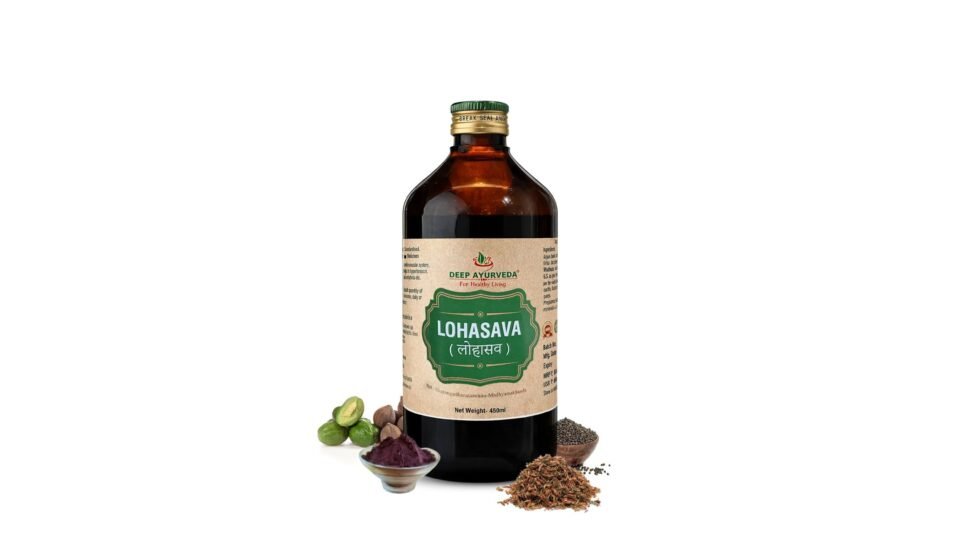
Lohasava is a classical Ayurvedic fermented formulation traditionally prepared with Loha (iron) along with a combination of herbs that support digestion, metabolism, and the proper utilization of the formulation. In Ayurveda, Lohasava is particularly associated with Pandu, a condition traditionally described with features such as pallor, weakness, fatigue, and reduced vitality.
However, Lohasava should not simply be viewed as an iron syrup. Its classical formulation combines Loha with digestive and supportive herbs, reflecting an Ayurvedic approach in which improving Agni (digestive and metabolic function) is considered important when addressing nutritional weakness.
In this complete guide, I will explain Lohasava from an Ayurvedic perspective, including its ingredients, traditional uses, potential benefits, dosage, preparation, side effects, precautions, and the situations in which professional guidance is important.
Important: Lohasava is an Ayurvedic herbo-mineral and fermented preparation. The appropriate dose and suitability can vary depending on the formulation, age, health condition, digestive capacity, other medicines, and the reason for using it. It should not be considered a substitute for diagnosis or treatment of unexplained anemia.
What Is Lohasava?
Lohasava is a classical Asava preparation containing Loha (iron) along with several Ayurvedic herbs. The term itself gives an indication of its formulation:
- Loha refers to iron.
- Asava refers to a traditionally fermented Ayurvedic liquid preparation.
Unlike an ordinary herbal decoction, an Asava is prepared through a controlled fermentation process. This process is an important part of the formulation rather than simply a manufacturing convenience.
From an Ayurvedic perspective, Lohasava is traditionally used in conditions associated with Pandu, weakness, impaired digestion, reduced appetite, and certain related disorders described in classical Ayurvedic texts.
Is Lohasava an Iron Supplement?
Lohasava does contain Loha, but calling it simply an iron supplement misses the broader Ayurvedic formulation.
The classical approach combines Loha with herbs traditionally selected for their effects on Agni, digestion, metabolism, and the overall therapeutic action of the formulation. This is one reason Lohasava should be understood as a complete Ayurvedic formulation rather than compared directly with a single-ingredient iron tablet.
Modern iron supplements and Lohasava also differ in their composition, manufacturing process, standardization, and intended clinical use. Therefore, one should not assume that the two are interchangeable.
Lohasava Ingredients
The classical formulation of Lohasava contains Loha along with a group of herbal ingredients. The exact composition and specifications should always be checked against the applicable authoritative reference and the manufacturer’s label because commercially available products may differ in manufacturing specifications.
Some of the important ingredients traditionally associated with Lohasava include:
| Ingredient | Common name | Traditional Ayurvedic role |
|---|---|---|
| Loha | Iron | Principal mineral component |
| Shunthi | Dry ginger | Traditionally supports Agni and digestion |
| Maricha | Black pepper | Deepana-Pachana support |
| Pippali | Long pepper | Traditionally associated with digestion and metabolism |
| Haritaki | Haritaki | Part of Triphala; traditionally supports digestion |
| Bibhitaki | Bibhitaki | Part of Triphala |
| Amalaki | Indian gooseberry | Part of Triphala |
| Chitraka | Chitrak | Traditionally used for Deepana-Pachana |
| Musta | Nutgrass | Traditionally associated with digestive support |
| Vidanga | Vidanga | Classical formulation ingredient |
| Yavani | Ajwain | Traditionally used for digestive support |
| Dhataki | Dhataki flower | Traditionally used to support fermentation |
| Guda | Jaggery | Fermentation medium in classical preparation |
Why Are Digestive Herbs Added to Lohasava?
This is one of the more interesting aspects of Lohasava.
A common modern assumption is that if a formulation contains iron, then its only purpose must be to provide iron. Ayurveda approaches formulations differently.
Several herbs in Lohasava are traditionally associated with Deepana and Pachana—supporting digestive capacity and the processing of food. From the Ayurvedic perspective, healthy digestion is important for the proper nourishment of the body’s tissues.
Therefore, the formulation reflects more than a simple add iron approach. It combines Loha with herbs traditionally selected to support the digestive environment in which the formulation is used.
This does not mean that every person with low hemoglobin has poor digestion, nor does it mean that Lohasava is appropriate for every type of anemia. The underlying cause still matters.
Lohasava and Pandu: The Ayurvedic Perspective
In Ayurveda, Pandu Roga is described as a condition characterized by changes in complexion along with symptoms such as weakness, fatigue, reduced appetite and other systemic features.
It is tempting to translate Pandu directly as anemia, but this requires some caution.
Modern anemia is a laboratory-defined condition involving reduced hemoglobin or red-cell parameters, with multiple possible causes. Iron deficiency is only one of them.
From an Ayurvedic perspective, Lohasava has traditionally been associated with Pandu and related states of weakness. From a modern medical perspective, a person with fatigue or pallor should first have the underlying cause appropriately assessed rather than assuming that the symptoms automatically indicate iron deficiency.
This distinction is particularly important when deciding whether an iron-containing Ayurvedic formulation is suitable.
How Is Lohasava Prepared?
Lohasava belongs to the Ayurvedic category of Sandhana Kalpana, which involves fermentation.
The preparation traditionally uses a fermentation medium along with the specified herbal and mineral ingredients. Dhataki is traditionally associated with the fermentation process, while the sweetening substrate provides material that microorganisms can ferment.
During fermentation, naturally generated alcohol can develop in the preparation.
Does Lohasava Contain Alcohol?
Yes, because Lohasava is an Asava, fermentation naturally produces alcohol.
However, this should not be interpreted in the same way as an alcoholic beverage. The alcohol generated during Ayurvedic fermentation is a characteristic of the preparation process and can contribute to extraction and preservation of the formulation.
The actual alcohol content can vary according to the formulation, manufacturing process, fermentation conditions, and product specifications. Therefore, it is inappropriate to assume one identical alcohol percentage for every commercially available Lohasava.
People who need to avoid alcohol for medical, personal, religious, recovery-related, or other reasons should discuss the product with an appropriate healthcare professional before use.
Why Is Fermentation Important in Lohasava?
Fermentation is one of the defining features of Asava preparations.
It can influence:
- extraction of constituents from the ingredients,
- stability of the preparation,
- preservation,
- development of naturally generated alcohol,
- and the overall characteristics of the finished formulation.
This is why Lohasava should not be treated simply as a liquid herbal extract with iron added to it. The method of preparation is part of the classical formulation itself.
Lohasava: Traditional Formulation, Individualized Use
The classical logic behind Lohasava is particularly interesting because it brings together Loha and multiple digestive-supportive herbs within a fermented preparation.
That does not mean the formulation should be self-prescribed for every person with low energy, pale skin, or suspected anemia.
Ayurveda emphasizes individualized assessment. The same symptom can arise from different causes, and the most appropriate formulation can therefore differ from one person to another.
For example, someone whose primary concern is digestive or bowel-related may require a different Ayurvedic approach than someone presenting with Pandu-like symptoms and confirmed iron deficiency.
Similarly, formulations such as Abhayarishta have a different traditional therapeutic focus and should not be substituted for Lohasava simply because both may appear in discussions around digestion.
This distinction is important: Ayurvedic formulations are selected according to the clinical picture, not merely according to a single symptom or ingredient.
Lohasava Uses and Benefits: What Is It Traditionally Used For?
Lohasava has a distinctive place among classical Ayurvedic formulations because its therapeutic approach is broader than simply supplying Loha. Traditionally, it has been used particularly in Pandu-related conditions, weakness, poor appetite, impaired digestion, and certain conditions involving the liver and spleen described in Ayurvedic literature.
From an Ayurvedic doctor’s perspective, however, the most important question is not simply What are the benefits of Lohasava?but rather:
For which person, with which symptoms and underlying cause, might Lohasava be appropriate?
That distinction helps prevent the common mistake of treating every case of weakness or low hemoglobin in exactly the same way.
1. Lohasava for Pandu and Iron-Related Weakness
One of the best-known traditional applications of Lohasava is its association with Pandu Roga.
Pandu is described in Ayurveda with features such as altered complexion, weakness, reduced energy and other systemic symptoms. Because Loha is an important component of Lohasava, the formulation has traditionally been used in Ayurvedic approaches involving Pandu and related states.
From a modern perspective, some people with iron deficiency may experience fatigue, weakness, reduced exercise tolerance, or pallor. However, not every case of anemia is caused by iron deficiency.
This is why I would not recommend taking Lohasava simply because a person feels weak. The underlying reason for low hemoglobin or fatigue should first be understood.
Possible causes may include iron deficiency, vitamin B12 or folate deficiency, blood loss, chronic illness, inadequate nutrition, or impaired absorption.
Key point: Lohasava’s traditional association with Pandu should not be interpreted as a claim that it treats every form of modern anemia.
2. May Support Healthy Iron Status
Because Lohasava contains Loha, its traditional use includes conditions where iron-related nutritional support is considered appropriate.
However, there is an important difference between saying that a formulation contains iron and claiming that it will automatically correct iron deficiency.
Iron status depends on several factors, including:
- the person’s actual iron requirement,
- dietary intake,
- absorption,
- ongoing blood loss,
- the severity and cause of deficiency,
- and the form and amount of iron being consumed.
Therefore, someone with confirmed iron-deficiency anemia should not discontinue a prescribed iron treatment and replace it with Lohasava without discussing this with their healthcare professional.
The goal should be to correct the underlying deficiency, not simply to take an iron-containing product.
3. Lohasava and General Weakness
Weakness and fatigue are common complaints, but they are not diagnoses by themselves.
In Ayurveda, weakness may be considered in relation to factors such as inadequate nutrition, impaired digestion, depletion, chronic illness, and disturbance of the body’s tissues.
Lohasava has traditionally been used in certain weakness-associated conditions, particularly where Pandu-like features and digestive concerns are present.
A useful way to think about this is:
Weakness → identify the cause → assess digestion and nutrition → determine whether an iron-containing formulation is appropriate.
This is much more useful than assuming that every episode of tiredness requires an iron preparation.
4. May Support Appetite and Digestive Function
Another interesting aspect of Lohasava is its combination of Loha with herbs traditionally associated with Deepana and Pachana.
Ingredients such as Shunthi, Maricha, Pippali and Chitraka have an established place in Ayurvedic digestive formulations.
From the Ayurvedic perspective, healthy Agni is important for the proper digestion and utilization of food. When appetite and digestion are weak, nutritional nourishment can also be affected.
Therefore, Lohasava’s traditional formulation is not simply centered around Loha; it also incorporates ingredients traditionally selected to support digestive function.
However, this should not be interpreted as saying that Lohasava is a general digestive tonic for everyone. Its complete formulation and traditional indications need to be considered.
5. Lohasava in Conditions Associated With Poor Digestion
Reduced appetite, heaviness after meals, sluggish digestion and nutritional weakness can sometimes occur together.
Ayurvedic treatment traditionally looks beyond an isolated symptom and considers the person’s overall digestive state.
This is where the formulation’s combination of Loha and digestive herbs becomes particularly interesting.
If the primary problem is constipation or bowel irregularity rather than a Pandu-like condition, however, a different Ayurvedic formulation may be more appropriate. For example, Abhayarishta has a different traditional therapeutic focus and is more directly associated with bowel-related concerns.
This is an important principle when choosing Ayurvedic medicines:
Two formulations may both support digestion, but they are not necessarily interchangeable.
6. Traditional Support in Liver and Spleen-Related Conditions
Classical Ayurvedic descriptions associate Lohasava with certain conditions involving Yakrit (liver) and Pliha (spleen).
Modern readers should interpret these traditional indications carefully.
Lohasava should not be presented as a treatment for hepatitis, fatty liver disease, cirrhosis, enlarged spleen, or any other modern liver or spleen diagnosis unless appropriate clinical evidence supports that specific use.
Instead, the Ayurvedic description should be understood within its own traditional diagnostic framework.
This distinction is particularly important because liver-related symptoms can have many different causes and may require proper medical evaluation.
For readers interested in understanding how Ayurveda uses different fermented formulations in other therapeutic contexts, a related discussion of Bhringrajasava can provide useful comparison—but the two formulations should not be considered substitutes for each other.
7. Lohasava and Nutritional Support
Good nutrition is fundamental to maintaining healthy blood and energy levels.
If a person’s weakness is associated with inadequate nutritional intake, Ayurveda traditionally considers Ahara (diet) and Agni along with the choice of medicine.
This means Lohasava should not be viewed as a replacement for a nutrient-rich diet.
For people concerned about iron status, useful dietary considerations may include appropriate sources of iron and adequate overall nutrition. Depending on the cause of deficiency, diet alone may or may not be sufficient.
A formulation can be part of an overall approach, but it should not become an excuse to ignore diet, sleep, chronic illness, blood loss, or other underlying factors.
Does Lohasava Increase Hemoglobin?
This is probably one of the most searched questions about Lohasava.
The answer requires some nuance.
Lohasava contains Loha and has a traditional association with Pandu. Therefore, it may be considered in an Ayurvedic approach when iron-related deficiency is suspected or established and the formulation is appropriate for the individual.
But you cannot assume that taking Lohasava will automatically increase hemoglobin in every person.
Hemoglobin can remain low when the underlying problem is not adequately addressed. For example, persistent blood loss, B12 deficiency, folate deficiency, chronic disease, poor absorption, or another medical condition may be responsible.
Therefore, if someone has persistently low hemoglobin, the more useful question is:
Why is my hemoglobin low?
rather than simply:
Which iron product should I take?
This cause-first approach is one of the most important points I would emphasize as an Ayurvedic practitioner.
Lohasava for Anemia: When Should You Be Careful?
If you are considering Lohasava because of anemia, do not rely only on symptoms.
A person may feel tired or weak for many reasons, and self-treatment with an iron-containing formulation can delay investigation of the actual cause.
Extra caution is warranted when:
- hemoglobin is significantly low,
- anemia has no established cause,
- there is unexplained bleeding,
- menstrual bleeding is unusually heavy,
- there is unexplained weight loss,
- there are persistent digestive symptoms,
- pregnancy is involved,
- a child is being considered for treatment,
- or the person is already taking an iron supplement.
In these situations, professional assessment is more important than simply selecting an Ayurvedic iron-containing product.
Lohasava and Weight Management: What Does Ayurveda Actually Say?
Some online articles associate Lohasava with weight loss or obesity management. This claim needs to be presented carefully.
Lohasava should not be marketed as a modern weight-loss supplement.
Its traditional formulation contains ingredients associated with digestion and metabolism, and classical indications may include certain conditions related to excess tissue or impaired metabolic function. But this does not mean that taking Lohasava by itself causes meaningful or predictable fat loss.
Healthy weight management depends on multiple factors, including:
- dietary pattern,
- physical activity,
- sleep,
- metabolic health,
- stress,
- medications,
- and underlying medical conditions.
If excess weight is accompanied by digestive complaints, fluid retention, or other symptoms, an Ayurvedic practitioner may assess the complete clinical picture before selecting an appropriate formulation.
In other words:
Lohasava should be selected for an appropriate Ayurvedic indication—not simply because someone wants to lose weight.
What Makes Lohasava Different From a Simple Iron Tonic?
The formulation itself provides an important clue.
A simple iron product focuses primarily on delivering iron in a specified form and dose. Lohasava, on the other hand, is a multi-ingredient fermented Ayurvedic formulation containing Loha along with herbs traditionally selected for digestive and supportive roles.
This reflects a broader Ayurvedic principle:
Nourishment is not considered independently from digestion and metabolism.
That does not prove that Lohasava is superior to conventional iron treatment. Rather, it explains why the formulation was designed in the way it was.
For a person with medically confirmed iron-deficiency anemia, the appropriate treatment should be decided according to the severity and cause of the deficiency and with suitable professional guidance.
A Practical Ayurvedic Way to Think About Lohasava
Rather than memorizing a long list of claimed benefits, consider Lohasava through four questions:
1. What is the person’s main problem?
Fatigue, pallor, poor appetite, digestive weakness, or another concern?
2. What is causing it?
Iron deficiency, nutritional inadequacy, blood loss, digestive problems, chronic disease, or something else?
3. Is Loha appropriate for this individual?
An iron-containing formulation should not automatically be used simply because weakness is present.
4. How should the response be monitored?
Symptoms and, where appropriate, relevant laboratory investigations can help determine whether the underlying problem is improving.
This approach is closer to individualized Ayurvedic practice than treating Lohasava as a universal tonic.
Lohasava Dosage: How Much Should You Take?
Lohasava dosage is one of the most important things to understand before using this classical Ayurvedic formulation. Because Lohasava contains Loha and is prepared through fermentation, the appropriate quantity should not be decided simply by looking at the dose of another Ayurvedic syrup.
The dose may depend on the formulation and concentration, age, digestive capacity, health condition, reason for use, and whether other iron-containing medicines are being taken.
For this reason, the product label and the advice of a qualified Ayurvedic physician should take priority over a generic dose mentioned online.
What Is the Classical Dosage of Lohasava?
Classical Ayurvedic texts describe dosage ranges for Asava-Arishta preparations, but these classical measurements should not automatically be converted into a universal modern millilitre dose for every commercially manufactured Lohasava.
This is because modern products can differ in:
- manufacturing process,
- ingredient specifications,
- concentration,
- packaging,
- quality standards,
- and recommended serving size.
Therefore, when using a particular Lohasava product, follow the dosage stated on that product’s label or the dose prescribed by your Ayurvedic physician.
How Much Lohasava Should Adults Take?
For adults, commercially available Lohasava products may commonly recommend a measured quantity taken with an appropriate amount of water. However, the exact dose varies between products.
Rather than presenting one number as suitable for everyone, a safer approach is:
Take the dose specified on the product label or prescribed by your Ayurvedic physician. Do not increase the dose because you believe a higher quantity will work faster.
This is particularly important when Lohasava is being used for suspected or confirmed iron deficiency.
More is not necessarily better when taking an iron-containing formulation.
When Is the Best Time to Take Lohasava?
Traditionally, Asava-Arishta preparations are commonly taken after meals, often with an appropriate quantity of water.
For Lohasava, taking it after food may also be more comfortable for people who experience digestive irritation when taking concentrated preparations.
However, the exact timing can vary according to:
- the product instructions,
- the Ayurvedic physician’s prescription,
- the person’s digestive strength,
- and the reason for using the formulation.
If your product label specifies a particular timing, follow those instructions.
Should Lohasava Be Taken Before or After Food?
After food is commonly recommended for many Lohasava preparations, but the product-specific directions should be followed.
There is no need to assume that taking Lohasava on an empty stomach will make it more effective.
If taking it before food causes burning, nausea, acidity, or stomach discomfort, speak with your healthcare professional rather than simply increasing the amount of water or changing the dose yourself.
Should Lohasava Be Taken With Water?
Lohasava is commonly taken with water, particularly when recommended by the product label or practitioner.
Diluting the measured dose can make the preparation easier to consume and may improve tolerance.
A practical approach is:
- Measure the recommended Lohasava dose.
- Add the quantity of water advised on the label or by your practitioner.
- Take it at the recommended time.
- Use the supplied measuring cup or an accurate measuring device rather than estimating the dose with an ordinary kitchen spoon.
How Long Can Lohasava Be Taken?
There is no single duration that is appropriate for everyone.
The duration should depend on why Lohasava is being used and how the person responds to it.
For example, someone using an iron-containing formulation because of confirmed iron deficiency may need assessment of the underlying cause and follow-up rather than simply continuing the product indefinitely.
Long-term self-medication is particularly inappropriate when:
- anemia has not been diagnosed,
- the cause of anemia is unknown,
- the person is already taking another iron supplement,
- symptoms continue despite treatment,
- or there are signs of possible bleeding or another underlying condition.
If Lohasava has been prescribed by an Ayurvedic physician, follow the planned duration and review schedule.
Can Lohasava Be Taken Daily?
It may be prescribed for regular daily use in appropriate situations, but daily use does not mean it is suitable for everyone.
Because Lohasava contains Loha, regular use should be based on a clear therapeutic reason rather than the assumption that taking an iron-containing Ayurvedic formulation every day is beneficial for general health.
If you are already taking:
- iron tablets,
- multivitamins containing iron,
- iron syrups,
- or another Loha-containing Ayurvedic preparation,
tell your healthcare professional before starting Lohasava.
This helps avoid unnecessary duplication of iron-containing products.
Can Children Take Lohasava?
Children should not be given an adult Lohasava dose.
Paediatric use requires particular care because the appropriate amount depends on factors such as age, body size, nutritional status, medical condition, and the specific formulation.
If Lohasava is being considered for a child with weakness, pallor or suspected anemia, the cause should be evaluated first.
Parents should avoid estimating a dose by simply reducing the adult dose themselves.
Can Lohasava Be Taken During Pregnancy?
Pregnancy requires additional caution with any iron-containing Ayurvedic formulation.
Although iron requirements increase during pregnancy, that does not mean every iron-containing Ayurvedic preparation is automatically appropriate.
A pregnant woman with suspected or confirmed anemia should receive appropriate medical assessment and should discuss Lohasava with her obstetrician and qualified Ayurvedic physician before using it.
Do not replace a pregnancy-prescribed iron or folate regimen with Lohasava without professional advice.
Can Lohasava Be Taken With Iron Tablets?
This is an important question because Lohasava itself contains Loha.
Taking Lohasava together with another iron-containing product may increase total iron exposure. Whether combining them is appropriate depends on the person’s iron status, diagnosis, prescribed treatment and the exact products involved.
Therefore:
Do not combine Lohasava with iron tablets or another iron preparation unless your healthcare professional has specifically advised you to do so.
If you are currently taking iron medication, mention it before starting Lohasava.
What If I Miss a Dose of Lohasava?
If you forget a dose, do not automatically take double the next time.
In most situations, you can follow the normal schedule and take the next dose as directed. If you have missed multiple doses or have been instructed to follow a specific treatment schedule, ask your healthcare professional how to proceed.
What If I Take More Lohasava Than Recommended?
Do not intentionally increase the dose to obtain faster results.
An excessive amount of an iron-containing preparation may cause unwanted effects, particularly digestive symptoms. If a significantly larger amount has been taken accidentally—especially by a child—seek appropriate medical advice promptly rather than waiting for symptoms to appear.
Doctor’s Practical Advice on Lohasava Dosage
One of the biggest mistakes I see with Ayurvedic medicines is treating the dose printed in an internet article as though it were a prescription.
With Lohasava, this approach is particularly unsuitable.
The same formulation may be used differently depending on the person’s condition, and a person with low hemoglobin may not necessarily have iron deficiency.
Before starting Lohasava, consider these five questions:
1. Why am I taking it?
Do I have a diagnosed deficiency or am I simply experiencing fatigue?
2. Am I already taking iron?
Check your medicines and supplements carefully.
3. What does my product label recommend?
Different products can have different specifications.
4. Is there an underlying condition?
Persistent anemia or weakness may require investigation.
5. How will I know whether it is helping?
For confirmed anemia, appropriate follow-up may include symptoms as well as relevant laboratory assessment.
This cause-first approach is safer and more consistent with individualized Ayurvedic practice than choosing a dose based solely on an online recommendation.
Lohasava Side Effects, Precautions and Safety
Lohasava is a classical Ayurvedic fermented formulation containing Loha (iron), and like any active medicinal preparation, it should be used appropriately.
The fact that a medicine is Ayurvedic or traditionally used does not automatically mean that it is suitable for everyone or that it can be taken indefinitely without supervision.
For most people, the important safety questions are not only What are the side effects? but also:
- Is Lohasava appropriate for my condition?
- Am I already taking another iron-containing medicine?
- Is my anemia actually caused by iron deficiency?
- Do I have an underlying medical condition?
- Am I taking the correct dose?
Understanding these factors can make the use of Lohasava much safer.
What Are the Possible Side Effects of Lohasava?
Lohasava may be well tolerated when used appropriately, but some people can experience unwanted effects, particularly if the preparation is unsuitable for them or taken in an excessive amount.
Possible complaints may include:
- stomach discomfort,
- nausea,
- acidity or burning sensation,
- abdominal discomfort,
- changes in bowel habits,
- constipation in some individuals,
- or intolerance to the fermented preparation.
The experience can vary from person to person.
If symptoms are persistent, severe, or unusual, stop self-treatment and consult a qualified healthcare professional.
Can Lohasava Cause Gastric Irritation?
Some people may experience digestive discomfort after taking an iron-containing preparation.
This may be more noticeable in people who already have:
- gastritis,
- acidity,
- a sensitive stomach,
- irregular eating patterns,
- or poor tolerance to iron supplements.
If Lohasava causes persistent burning, nausea, abdominal pain, or other digestive symptoms, do not simply increase the amount of water or reduce the dose repeatedly without guidance. Discuss the problem with your physician.
The timing of administration can also influence tolerance, which is one reason Lohasava is commonly taken after food according to product-specific or practitioner guidance.
Can Lohasava Cause Constipation?
Constipation is a possible concern with some iron-containing preparations, although individual responses vary.
If constipation develops after starting Lohasava, consider other contributing factors as well, such as:
- inadequate water intake,
- low dietary fibre,
- sedentary lifestyle,
- existing bowel irregularity,
- or other medicines and supplements.
Do not automatically assume that increasing the Lohasava dose will improve the original problem.
If constipation becomes persistent, the underlying cause should be addressed.
For readers specifically dealing with chronic constipation or bowel irregularity, an Ayurvedic formulation such as Abhayarishta has a different traditional therapeutic focus and should not be considered interchangeable with Lohasava.
Does Lohasava Contain Alcohol?
Yes. Lohasava is an Asava, meaning it is traditionally prepared through fermentation.
During the fermentation process, naturally generated alcohol can develop. This is a characteristic of the preparation rather than an indication that Lohasava is intended to function as an alcoholic beverage.
However, the actual alcohol content can vary depending on the formulation, manufacturing process and product specifications.
This is particularly relevant for people who need to avoid alcohol completely. If you have been advised medically to avoid alcohol, or have another reason for avoiding fermented preparations, discuss Lohasava with your healthcare professional before using it.
Can Lohasava Be Taken by Everyone?
No.
Lohasava should not be treated as a general-purpose tonic that everyone can take simply because it contains iron.
Extra caution is appropriate for:
People With Unexplained Anemia
If hemoglobin is low but the reason has not been identified, self-treatment with an iron-containing formulation may delay proper diagnosis.
Anemia can have several causes, including nutritional deficiencies, blood loss, chronic disease and impaired absorption.
People Already Taking Iron
If you are taking iron tablets, capsules, multivitamins containing iron, or another Loha-containing Ayurvedic preparation, tell your healthcare professional before adding Lohasava.
Combining multiple iron-containing products without guidance may result in unnecessary iron exposure.
People With Conditions Affecting Iron Handling
Anyone with a diagnosed condition involving excessive iron accumulation or abnormal iron metabolism should not self-start an iron-containing preparation.
Professional assessment is particularly important in these situations.
Pregnant Women
Pregnancy is a special situation in which iron requirements may increase, but the appropriate form and dose of iron should be determined according to the individual’s nutritional and medical needs.
Do not replace a pregnancy-prescribed iron or folic acid regimen with Lohasava without consulting your healthcare providers.
Children
Children should not be given an adult dose of Lohasava.
Any use in children should be guided by a qualified healthcare professional who can consider the child’s age, size, nutritional status and clinical condition.
People With Significant Liver or Kidney Problems
People with significant liver or kidney disease should discuss the use of Lohasava with their treating healthcare professional before starting it.
These conditions can affect medication selection and the interpretation of symptoms and laboratory results.
Can Lohasava Be Taken With Other Medicines?
There is no universal answer because the interaction depends on the other medicine, the person’s health condition, and the specific Lohasava preparation.
This becomes especially important if you are taking:
- iron supplements,
- mineral supplements,
- medicines for chronic disease,
- medicines that affect the stomach or digestion,
- or multiple prescription medicines.
Instead of assuming that an Ayurvedic formulation cannot interact with conventional medicines, provide your doctor or pharmacist with a complete list of everything you are taking.
This includes medicines, Ayurvedic preparations, vitamins, minerals and other supplements.
Can Lohasava Be Used Long Term?
Long-term use should not be based simply on the idea that iron is good for the body.
Iron is an essential nutrient, but the appropriate amount depends on individual need. If someone does not have iron deficiency, there is no general reason to assume that continuously taking an iron-containing medicinal preparation will provide additional benefit.
If Lohasava has been prescribed for a specific Ayurvedic indication, the duration should be determined by the treating practitioner and reviewed according to the person’s response.
If symptoms persist despite use, reassessment is more appropriate than simply continuing the medicine indefinitely.
When Should You Stop Taking Lohasava and Seek Medical Advice?
Stop self-treatment and seek appropriate medical advice if you develop significant or persistent symptoms such as:
- severe abdominal pain,
- repeated vomiting,
- significant or persistent digestive problems,
- unusual weakness,
- symptoms that are getting worse,
- signs of an allergic reaction,
- or any other concerning reaction after taking the preparation.
If Lohasava is being used because of suspected anemia and the symptoms do not improve, the original diagnosis should also be reconsidered.
Can Lohasava Be Used Without a Blood Test?
This depends on why you want to use it.
If a qualified Ayurvedic practitioner has assessed you for a traditional indication unrelated to diagnosed anemia, laboratory testing may not always be the only consideration.
However, if you are specifically planning to use Lohasava because you believe you have iron-deficiency anemia or low hemoglobin, relying solely on symptoms is not a good approach.
Fatigue, weakness, dizziness and pallor can have multiple causes.
A healthcare professional may consider investigations such as:
- complete blood count (CBC),
- hemoglobin,
- ferritin and other iron-status markers,
- vitamin B12 or folate testing where appropriate,
- and additional investigations based on the person’s symptoms and medical history.
The exact tests required should be determined clinically rather than ordered as a universal checklist.
Lohasava Safety: 7 Things to Check Before Starting
Before starting Lohasava, ask yourself these seven questions:
1. Why am I taking it?
Do I have a diagnosed condition, or am I simply experiencing fatigue?
2. Do I know the cause of my low hemoglobin?
Iron deficiency is only one possible cause of anemia.
3. Am I already taking iron?
Check your medicines and supplements.
4. What does the product label say?
Follow the specific manufacturer’s dosage and directions.
5. Am I pregnant, breastfeeding, or considering it for a child?
Professional guidance becomes especially important.
6. Do I have a chronic medical condition?
Tell your doctor about relevant liver, kidney, digestive, or metabolic conditions.
7. How will I monitor the response?
For diagnosed anemia, appropriate follow-up should focus on the underlying condition rather than symptoms alone.
A Note About Natural and Safe
One misconception worth addressing is:
It is natural, so there are no side effects.
This is not a medically reliable assumption.
Ayurvedic medicines contain biologically active ingredients, and Lohasava additionally contains Loha and is produced through fermentation. The quality, identity, purity, manufacturing process and correct dosage all matter.
Safety therefore depends on appropriate product quality + appropriate indication + appropriate dose + appropriate person.
This is also why a reputable manufacturer’s quality-control practices and product specifications matter when selecting an Ayurvedic medicine.
Lohasava vs Modern Iron Supplements: Are They the Same?
Lohasava and conventional iron supplements may both be discussed when someone is concerned about iron deficiency, but they are not the same type of preparation.
Lohasava is a classical Ayurvedic fermented formulation containing Loha along with multiple herbal ingredients. Conventional iron supplements, on the other hand, are formulated to provide a specified amount and form of iron, depending on the product.
The two should therefore not be compared simply by asking which one is stronger or better.
Key Differences Between Lohasava and Conventional Iron Supplements
| Feature | Lohasava | Conventional iron supplement |
|---|---|---|
| Type | Classical Ayurvedic fermented formulation | Pharmaceutical/nutritional preparation |
| Main iron component | Loha | Specific standardized iron compound/form |
| Other ingredients | Multiple herbs and formulation ingredients | Depends on the product |
| Fermentation | Yes, as an Asava preparation | Generally no |
| Traditional Ayurvedic framework | Yes | Not based on Ayurvedic formulation principles |
| Dose | Product- and patient-dependent | Usually specified as a standardized amount |
| Use in anemia | Depends on diagnosis and Ayurvedic assessment | Depends on type and severity of deficiency |
| Medical monitoring | May be appropriate depending on indication | Often important when treating diagnosed anemia |
Is Lohasava Better Than Iron Tablets?
There is no responsible one-size-fits-all answer.
If someone has confirmed iron-deficiency anemia, the appropriate treatment depends on the severity of deficiency, underlying cause, dietary factors, absorption, tolerance, and individual medical circumstances.
Lohasava should not be promoted as automatically superior to conventional iron therapy. Likewise, conventional iron therapy should not be assumed to be appropriate for every person without considering the reason for the deficiency.
The better question is:
Which treatment is appropriate for this person’s actual condition?
That decision should be made with appropriate professional guidance.
Can Lohasava Replace an Iron Supplement?
Not automatically.
If a doctor has prescribed an iron supplement for confirmed iron-deficiency anemia, do not stop or replace it with Lohasava without discussing the change with your healthcare professional.
Similarly, if someone is taking Lohasava and their hemoglobin remains low, the solution is not necessarily to increase the dose.
Persistent anemia may indicate:
- continuing blood loss,
- inadequate iron intake,
- poor absorption,
- vitamin B12 deficiency,
- folate deficiency,
- chronic disease,
- or another underlying problem.
The cause should be investigated rather than assuming that a stronger dose is required.
Lohasava vs Triphala: Are They the Same?
No. Although Triphala is traditionally included among the ingredients associated with Lohasava, Lohasava and Triphala are completely different formulations.
Triphala is a classical combination of:
- Haritaki,
- Bibhitaki,
- and Amalaki.
Lohasava, on the other hand, combines Loha with multiple herbs within a fermented preparation.
Why Is Triphala Relevant to Lohasava?
Triphala is incorporated into the formulation as part of its broader Ayurvedic therapeutic design. Its presence also illustrates an important point about classical formulations:
An ingredient does not define the entire medicine.
The actions attributed to an individual herb or ingredient should not simply be transferred wholesale to the finished formulation.
Therefore, you should not assume that taking Triphala and taking Lohasava will produce the same result.
Lohasava vs Other Ayurvedic Formulations
Ayurveda contains many Asava and Arishta preparations, but each formulation has its own composition and traditional indications.
For example, Punarnavadyarishta belongs to a different therapeutic context and should not be substituted for Lohasava simply because both are fermented Ayurvedic preparations.
Likewise, Bhringrajasava has its own traditional formulation and therapeutic focus.
This is why choosing an Ayurvedic medicine based only on the fact that it is an Asava is not enough.
The ingredients, classical indication, patient’s condition, dose and therapeutic objective all matter.
How to Choose the Right Ayurvedic Formulation?
If you are trying to decide whether Lohasava is appropriate, start with the condition rather than the product.
Step 1: Identify the Main Complaint
Are you experiencing:
- fatigue,
- weakness,
- poor appetite,
- digestive discomfort,
- pallor,
- constipation,
- or another symptom?
A symptom alone does not establish the diagnosis.
Step 2: Understand the Possible Cause
For example, fatigue may be related to anemia, poor sleep, nutritional deficiency, stress, chronic illness, or many other causes.
Step 3: Assess Whether Iron Is Actually Needed
If low hemoglobin is suspected, appropriate clinical assessment can help determine whether iron deficiency is actually present.
Step 4: Consider the Ayurvedic Picture
An Ayurvedic practitioner may consider factors such as:
- Agni,
- Ahara,
- Bala,
- symptoms,
- constitution,
- digestion,
- and the broader clinical presentation.
Step 5: Select the Formulation
Only after considering the complete picture should an Ayurvedic formulation be selected.
Step 6: Monitor the Response
If the formulation is being used for a diagnosed nutritional or hematological problem, improvement should be assessed appropriately rather than judged only by whether the person feels a little better.
Lohasava for Different Age Groups
Age is an important consideration when using Lohasava.
Lohasava for Adults
Adults may use Lohasava when it is appropriate for their condition and according to the recommended dosage.
However, adults should also check whether they are already consuming iron through other medicines or supplements.
Lohasava for Children
Children require individual assessment.
An adult dose should never simply be reduced or guessed for a child. If anemia or nutritional deficiency is suspected, the child should be appropriately evaluated before treatment is selected.
Lohasava for Older Adults
Older adults may have multiple medicines, chronic diseases, nutritional deficiencies, or gastrointestinal issues.
Therefore, Lohasava should be considered as part of the person’s complete health picture rather than introduced automatically for fatigue or weakness.
What Should You Eat While Taking Lohasava?
Lohasava should not be viewed as a replacement for a balanced diet.
If the purpose of using an iron-containing formulation is related to nutritional deficiency, dietary quality remains important.
Depending on individual dietary preferences and health needs, an iron-supportive diet may include foods such as:
- legumes and pulses,
- leafy vegetables,
- seeds and nuts,
- whole grains,
- and other appropriate iron-containing foods.
Vitamin C-rich foods can also contribute to dietary iron absorption.
However, dietary advice should be individualized. A person with significant iron-deficiency anemia may require more than dietary changes alone.
A Simple Ayurvedic Principle
From an Ayurvedic perspective, what you eat and how well you digest it both matter.
This is why maintaining regular meals, appropriate food choices and healthy digestion can be an important part of an overall approach.
Common Mistakes People Make With Lohasava
Mistake 1: Taking It Just Because You Feel Tired
Fatigue has many causes. Iron deficiency is only one possibility.
Mistake 2: Assuming More Lohasava Means Faster Results
Increasing the dose without professional advice is not recommended.
Mistake 3: Taking It Alongside Multiple Iron Products
This can unnecessarily increase total iron exposure.
Mistake 4: Ignoring the Cause of Anemia
Low hemoglobin should not automatically be treated as simple dietary iron deficiency.
Mistake 5: Using It Indefinitely
Long-term use should have a clear therapeutic rationale.
Mistake 6: Assuming Ayurvedic Means Risk-Free
Traditional use does not eliminate the importance of correct dosage, quality control and individual suitability.
Mistake 7: Comparing Products Only by Ingredient Lists
Two Ayurvedic products can contain some overlapping herbs while having completely different formulations and traditional purposes.
Lohasava: When It May Make Sense and When It May Not
A simple way to understand the decision is:
| Situation | Is self-use appropriate? |
|---|---|
| General tiredness with no diagnosis | No—first identify the cause |
| Confirmed iron deficiency | Discuss the appropriate treatment with a healthcare professional |
| Already taking iron tablets | Do not add Lohasava without guidance |
| Pregnancy | Professional guidance is important |
| Child with suspected anemia | Medical assessment is important |
| Known iron overload | Do not self-use an iron-containing preparation |
| Persistent anemia despite treatment | Reassessment is needed |
| Appropriate Ayurvedic indication assessed by a practitioner | May be considered according to professional advice |
When Lohasava May Not Be the Right Choice
Lohasava may not be the appropriate first choice when the person’s symptoms point toward another underlying problem.
For example, persistent constipation may need a different therapeutic approach. Similarly, liver-related symptoms require proper assessment rather than assuming that a classical liver-related indication applies directly to a modern liver diagnosis.
This is where understanding the wider Ayurvedic formulation landscape becomes useful.
A person looking specifically for an Ayurvedic approach to bowel-related concerns may find our discussion of Abhayarishta more relevant, while someone exploring different traditional formulations for liver-related wellness may also benefit from learning about Bhringrajasava.
The purpose of such internal links should be to help the reader understand why different formulations exist, not to suggest that one medicine should be substituted for another without assessment.
How Long Does Lohasava Take to Work?
There is no scientifically reliable universal timeline that can be promised for Lohasava.
The response depends on:
- the reason for using it,
- severity of the underlying problem,
- nutritional status,
- digestive function,
- consistency of use,
- other treatments,
- and the underlying cause of the symptoms.
If Lohasava is being used in relation to low hemoglobin, improvement should not be judged only by waiting for subjective energy levels to increase.
Where anemia has been diagnosed, appropriate follow-up should be based on the clinical situation and relevant laboratory assessment.
A Better Question Than How Quickly Will It Work?
Instead of asking only:
How many days will Lohasava take to work?
ask:
Am I treating the correct cause, and how will we measure whether the treatment is helping?
That is a much more useful approach to long-term health.
Final Thoughts on Lohasava
Lohasava is a classical Ayurvedic fermented formulation traditionally associated with Pandu, weakness, poor appetite, digestive concerns, and certain metabolic conditions. It contains Loha along with a combination of herbs and is prepared through the Ayurvedic fermentation process known as Sandhana Kalpana.
Its traditional use should not be confused with a guarantee of treating modern medical conditions. In particular, not every case of anaemia or low haemoglobin has the same cause, and the appropriate treatment depends on individual assessment.
If you are considering Lohasava, focus on three things: the reason you need it, the suitability of the formulation for you, and the correct dosage.
Frequently Asked Questions About Lohasava
1. What is Lohasava used for?
Lohasava is a classical Ayurvedic fermented formulation traditionally used for Pandu, weakness, poor appetite, and digestive concerns. It contains Loha along with herbs that support digestion and metabolism.
2. Does Lohasava increase haemoglobin?
Lohasava contains Loha and is traditionally used in Ayurvedic management of Pandu. However, low haemoglobin can have several causes, so its use should depend on the individual’s nutritional status, underlying cause, and professional assessment.
3. What is the dosage of Lohasava?
The dosage can vary depending on the product, age, health condition, and individual requirements. Commercial products commonly provide their own dosage directions. It is generally taken after meals with water, unless advised otherwise by an Ayurvedic physician.
4. Does Lohasava contain alcohol?
Yes. Lohasava is prepared through traditional Ayurvedic fermentation (Sandhana Kalpana), which naturally produces alcohol during the preparation process. The exact alcohol content may vary between products, so always check the product label.
5. Can Lohasava be taken for anaemia?
Lohasava may be considered in an Ayurvedic approach to certain cases of Pandu or iron-related deficiency. However, anaemia can also result from vitamin deficiencies, blood loss, chronic disease, or poor nutrient absorption. Identifying the cause is important before choosing treatment.
6. What are the side effects of Lohasava?
Some people may experience acidity, nausea, stomach discomfort, abdominal irritation, or changes in bowel habits. If symptoms are persistent or significant, discontinue self-use and consult a qualified healthcare professional.
7. Can Lohasava be taken with iron tablets or other medicines?
Lohasava should not be combined with iron supplements or other medicines without professional guidance. Taking multiple iron-containing products may be unnecessary or unsuitable for some individuals. Inform your doctor about all medicines and supplements you are taking.
8. Who should avoid Lohasava or use it only under medical advice?
People who are pregnant, children, individuals with unexplained anaemia, those already taking iron supplements, or people with significant liver or kidney problems should avoid self-medication. A qualified Ayurvedic physician or medical professional can determine whether Lohasava is appropriate.