
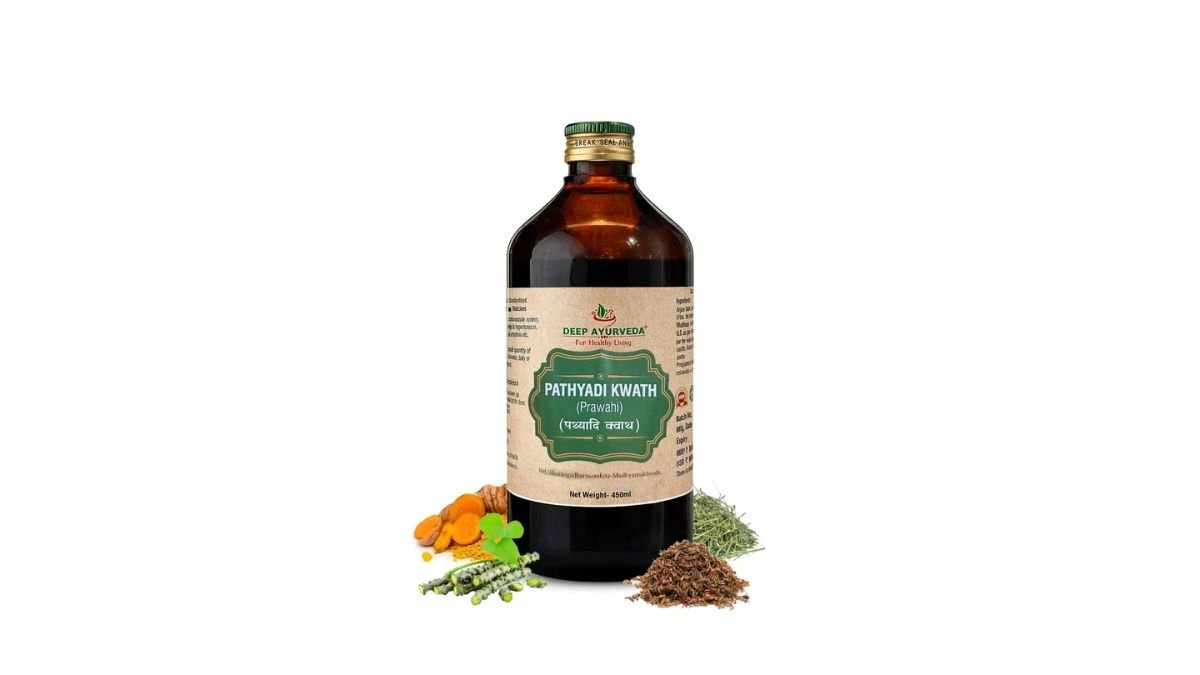

Pathyadi Kwath is a classical Ayurvedic herbal decoction traditionally used for managing various head-related disorders, including migraine-like headaches (Ardhavabhedaka), recurrent headaches (Shiroroga), and certain Pitta-dominant conditions. It contains herbs such as Haritaki, Bibhitaki, Amalaki, Guduchi, Neem, Haridra, and Bhunimba (Kalmegh), which are traditionally selected to support Dosha balance, healthy digestion, and overall well-being. It should be used under the guidance of a qualified Ayurvedic physician.
Introduction
Headaches are among the most common health concerns worldwide. While some people experience occasional headaches due to stress or lack of sleep, others struggle with recurring migraines, sinus-related discomfort, or one-sided headaches that affect their daily routine. These conditions can interfere with work, studies, and overall quality of life.
Ayurveda views recurrent headaches differently from modern medicine. Instead of focusing only on pain relief, it aims to identify the underlying imbalance in the body’s Doshas (Vata, Pitta, and Kapha), digestive strength (Agni), and the accumulation of metabolic toxins (Ama). Based on this understanding, Ayurvedic physicians recommend personalized treatment that may include herbal formulations, dietary modifications, lifestyle changes, and Panchakarma therapies when appropriate.
Among the classical Ayurvedic formulations traditionally used for head-related disorders, Pathyadi Kwath holds a special place. This herbal decoction is described in classical Ayurvedic texts and is traditionally indicated for conditions such as Shiroroga (head disorders), Ardhavabhedaka (migraine-like headaches), Suryavarta (headache aggravated by sunlight), and pain around the eyes, ears, temples, or forehead.
Prepared with a balanced combination of herbs such as Haritaki, Bibhitaki, Amalaki, Guduchi, Neem, Haridra, and Bhunimba (Kalmegh), Pathyadi Kwath is traditionally valued in Ayurveda for helping maintain Pitta balance, supporting healthy digestion, and promoting overall head and nervous system wellness.
In our clinical Ayurvedic practice, we believe that no single herbal formulation is suitable for everyone. The choice of medicine depends on several factors, including an individual’s Prakriti (body constitution), Dosha imbalance, symptoms, digestion, lifestyle, and overall health. This personalized approach remains one of Ayurveda’s greatest strengths.
In this comprehensive guide, you’ll learn:
- What Pathyadi Kwath is
- Classical Ayurvedic references
- Complete ingredient profile
- Traditional uses and health benefits
- Ayurvedic mechanism of action
- Modern scientific perspective
- Dosage and administration
- Possible side effects and precautions
- Diet and lifestyle recommendations
- Frequently asked questions
- Doctor’s clinical insights for safe and informed use
What is Pathyadi Kwath?
Pathyadi Kwath is a classical Ayurvedic herbal decoction (Kwath or Kashaya) traditionally used to support the management of various disorders affecting the head and neck region. It is primarily described in the Kwatha Kalpana chapter of the Sharangadhara Samhita, one of Ayurveda’s most respected texts on herbal formulations and pharmaceutical preparations. Classical Ayurvedic literature mentions its use in conditions such as Shirashoola (headache), Ardhavabhedaka (migraine-like headache), Suryavarta (headache aggravated by sunlight), eye discomfort, ear pain, toothache, and other Urdhwajatrugata (above-the-neck) disorders.
Unlike medicines that are designed to suppress symptoms alone, Ayurveda focuses on identifying the underlying imbalance in the body. Pathyadi Kwath is traditionally formulated to help restore harmony by balancing aggravated Pitta Dosha while also supporting Vata when required. According to Ayurvedic principles, this dual action makes it particularly useful in Pitta-dominant headaches associated with heat, burning sensation, irritability, eye strain, or digestive imbalance.
The formulation derives its name from its first ingredient, Pathya, which is another classical name for Haritaki (Terminalia chebula). The suffix Adi means beginning with, indicating that the formulation starts with Pathya and is followed by other carefully selected herbs. Together, these herbs create a balanced formulation that has been used in Ayurvedic practice for centuries.
Today, Pathyadi Kwath is available in different dosage forms, including Kwath Churna (coarse herbal powder for preparing a decoction), ready-made liquid Kwath, tablets, and concentrated extracts manufactured by various Ayurvedic companies. Regardless of the dosage form, the therapeutic concept remains rooted in the classical formulation.
Meaning of Pathyadi Kwath
Understanding the name itself provides valuable insight into the formulation.
Pathya = Haritaki (Terminalia chebula)
Adi = Beginning with
Kwath (Kwatha/Kashaya) = A herbal decoction prepared by boiling medicinal herbs in water until the liquid is reduced to the desired quantity.
In simple words, Pathyadi Kwath means the herbal decoction that begins with Haritaki (Pathya). The remaining herbs are added in equal proportion to create a synergistic formulation that works together rather than relying on a single herb.
Classical Reference of Pathyadi Kwath
One of the reasons Pathyadi Kwath continues to be widely used in Ayurvedic practice is its strong classical foundation.
The formulation is described in the Madhyama Khanda of the Sharangadhara Samhita, a renowned Ayurvedic text that focuses on the preparation of herbal formulations. It is classified under Kwatha Kalpana, the branch of Ayurveda that explains how medicinal decoctions should be prepared to obtain the maximum therapeutic benefit from herbs.
According to classical Ayurvedic preparation methods, the coarse herbal ingredients are boiled with 16 parts water and reduced to approximately one-eighth of the original volume. This slow boiling process helps extract water-soluble phytochemicals and active constituents from the herbs while preserving their traditional therapeutic qualities.
Because of its long history of traditional use, Pathyadi Kwath continues to be included in the Ayurvedic Formulary of India (AFI) and is manufactured by many GMP-certified Ayurvedic pharmaceutical companies.
Why is Pathyadi Kwath Different from Other Ayurvedic Formulations?
Ayurveda offers hundreds of classical herbal formulations, and each has a unique therapeutic purpose. While many people assume that all Kwath preparations are similar, this is not the case.
For example, Maharasnadi Kwath is traditionally selected to support musculoskeletal health and joint-related concerns, whereas Mahamanjisthadi Kwath is better known for its traditional role in supporting healthy skin and blood purification. Similarly, Punarnavashtak Kwath has a different classical indication and is generally chosen based on an individual’s specific health condition.
Pathyadi Kwath, on the other hand, is classically recognized for its traditional use in head-related disorders (Shiroroga), making it a distinct formulation within Ayurvedic practice. This is why Ayurvedic physicians select herbal medicines based on the patient’s complete clinical picture rather than replacing one classical formulation with another.
Complete Ingredients of Pathyadi Kwath
The strength of Pathyadi Kwath lies in its seven carefully selected herbs, each contributing unique Ayurvedic properties. Instead of acting independently, these herbs work together to create a balanced formulation traditionally used for disorders affecting the head and neck region.
| Sanskrit Name | Botanical Name | Common English Name | Part Used | Traditional Ayurvedic Role |
|---|---|---|---|---|
| Pathya (Haritaki) | Terminalia chebula | Chebulic Myrobalan | Fruit | Supports digestion, helps balance Doshas, traditionally used in head disorders |
| Bibhitaki | Terminalia bellirica | Belleric Myrobalan | Fruit | Traditionally supports Kapha balance and respiratory wellness |
| Amalaki | Phyllanthus emblica | Indian Gooseberry | Fruit | Traditionally known for Pitta balance and antioxidant-rich nourishment |
| Bhunimba | Andrographis paniculata | Kalmegh | Whole Plant | Traditionally valued for its bitter taste and Pitta-pacifying properties |
| Haridra | Curcuma longa | Turmeric | Rhizome | Traditionally supports healthy inflammatory response and digestion |
| Nimba | Azadirachta indica | Neem | Stem Bark | Traditionally used to support skin health and maintain Pitta-Kapha balance |
| Guduchi (Amrita) | Tinospora cordifolia | Giloy | Stem | Traditionally supports immunity, metabolism, and overall wellness |
Detailed Ingredients of Pathyadi Kwath
The therapeutic value of Pathyadi Kwath lies in the careful selection of seven classical Ayurvedic herbs. Rather than working individually, these herbs complement one another to create a balanced formulation that is traditionally used for Shiroroga (head disorders), particularly those associated with aggravated Pitta Dosha and disturbed Vata. Classical literature describes this combination as helping maintain healthy digestion, support metabolic balance, and promote overall head and sensory organ wellness.
Let’s understand how each herb contributes to the formulation.
1. Pathya (Haritaki)
Botanical Name: Terminalia chebula
Common Name: Haritaki, Chebulic Myrobalan
Part Used: Fruit Pericarp
Haritaki is the first ingredient of the formulation, which is why the medicine is called Pathyadi Kwath. In Ayurveda, Haritaki is often referred to as the mother of herbs because of its broad traditional applications.
Ayurvedic Properties
| Property | Description |
|---|---|
| Rasa (Taste) | Kashaya (Astringent) with other tastes except salty |
| Guna (Qualities) | Laghu (Light), Ruksha (Dry) |
| Virya (Potency) | Ushna (Warm) |
| Vipaka (Post-digestive Effect) | Madhura (Sweet) |
| Dosha Action | Helps balance all three Doshas, especially Vata |
Why Haritaki is Included in Pathyadi Kwath
According to Ayurveda, healthy digestion (Agni) plays a key role in maintaining overall health. When digestion becomes weak, Ama (metabolic waste) may accumulate and contribute to various imbalances. Haritaki is traditionally valued for supporting digestive function and helping maintain the natural elimination process, which forms an important foundation for many Ayurvedic formulations.
In Pathyadi Kwath, Haritaki serves as the base herb that supports the formulation’s overall balance while complementing the actions of the other ingredients.
2. Bibhitaki
Botanical Name: Terminalia bellirica
Common Name: Belleric Myrobalan, Baheda
Part Used: Fruit Pericarp
Bibhitaki is one of the three fruits that make up Triphala, a famous Ayurvedic combination known for promoting overall wellness.
Ayurvedic Properties
| Property | Description |
|---|---|
| Rasa | Kashaya (Astringent) |
| Guna | Laghu (Light), Ruksha (Dry) |
| Virya | Ushna (Warm) |
| Vipaka | Madhura (Sweet) |
| Dosha Action | Primarily helps balance Kapha |
Why Bibhitaki is Included
Bibhitaki is traditionally used to help maintain healthy respiratory function, support digestion, and promote Dosha balance. Within Pathyadi Kwath, it complements Haritaki and Amalaki to create the classical Triphala base, which is valued for maintaining systemic balance and supporting natural cleansing processes.
3. Amalaki (Amla)
Botanical Name: Phyllanthus emblica
Common Name: Indian Gooseberry, Amla
Part Used: Fruit
Amalaki is one of Ayurveda’s best-known rejuvenating herbs and is highly regarded for nourishing body tissues while helping maintain Pitta balance.
Ayurvedic Properties
| Property | Description |
|---|---|
| Rasa | Predominantly Sour with five tastes (except salty) |
| Guna | Laghu (Light), Ruksha (Dry) |
| Virya | Sheeta (Cooling) |
| Vipaka | Madhura (Sweet) |
| Dosha Action | Particularly balances Pitta |
Why Amalaki is Included
Many classical head disorders described in Ayurveda are associated with aggravated Pitta, which may present with heat, burning sensations, or discomfort around the eyes and forehead. Because Amalaki has naturally cooling properties, it complements the formulation’s Pitta-balancing approach while also contributing antioxidant-rich phytochemicals such as vitamin C and polyphenols.
4. Bhunimba (Kalmegh)
Botanical Name: Andrographis paniculata
Common Name: Kalmegh, King of Bitters
Part Used: Whole Plant
Kalmegh is known for its intensely bitter taste and has long been valued in Ayurveda for helping maintain Pitta balance and supporting digestive function.
Ayurvedic Properties
| Property | Description |
|---|---|
| Rasa | Tikta (Bitter) |
| Guna | Laghu (Light), Ruksha (Dry) |
| Virya | Sheeta (Cooling) |
| Vipaka | Katu (Pungent) |
| Dosha Action | Helps pacify Pitta and Kapha |
Why Bhunimba is Included
One of the major bioactive compounds in Kalmegh is andrographolide, which has been widely studied for its biological activity. In Pathyadi Kwath, Bhunimba contributes to the formulation’s bitter profile and is traditionally selected to help maintain internal balance in Pitta-dominant conditions.
5. Haridra (Turmeric)
Botanical Name: Curcuma longa
Common Name: Turmeric
Part Used: Rhizome
Turmeric has been used in Ayurveda for thousands of years and is one of the most extensively researched medicinal herbs worldwide.
Ayurvedic Properties
| Property | Description |
|---|---|
| Rasa | Tikta (Bitter), Katu (Pungent) |
| Guna | Laghu (Light), Ruksha (Dry) |
| Virya | Ushna (Warm) |
| Vipaka | Katu (Pungent) |
| Dosha Action | Helps balance Kapha and Pitta |
Why Haridra is Included
Traditionally, Haridra supports healthy digestion, skin health, and normal inflammatory responses. Modern research has identified curcumin as one of its key phytochemicals, although the benefits of classical formulations arise from the combined action of all ingredients rather than a single compound. In Pathyadi Kwath, Haridra complements the other herbs to support holistic wellness.
6. Nimba (Neem)
Botanical Name: Azadirachta indica
Common Name: Neem
Part Used: Stem Bark
Neem is one of Ayurveda’s most respected bitter herbs and has traditionally been used to support skin health, blood purification, and Pitta-Kapha balance.
Ayurvedic Properties
| Property | Description |
|---|---|
| Rasa | Tikta (Bitter), Kashaya (Astringent) |
| Guna | Laghu (Light) |
| Virya | Sheeta (Cooling) |
| Vipaka | Katu (Pungent) |
| Dosha Action | Balances Pitta and Kapha |
Why Neem is Included
Neem contributes cooling and cleansing qualities to Pathyadi Kwath. In Ayurveda, bitter herbs are often selected to help maintain healthy metabolism and support the body’s natural detoxification processes. Its inclusion complements the formulation’s traditional use in Pitta-related head disorders.
7. Guduchi (Giloy)
Botanical Name: Tinospora cordifolia
Common Name: Giloy, Heart-leaved Moonseed
Part Used: Stem
Guduchi, also known as Amrita, is one of Ayurveda’s most celebrated Rasayana (rejuvenating) herbs. It is traditionally valued for promoting vitality and supporting overall health.
Ayurvedic Properties
| Property | Description |
|---|---|
| Rasa | Tikta (Bitter), Kashaya (Astringent) |
| Guna | Laghu (Light), Snigdha (Unctuous) |
| Virya | Ushna (Warm) |
| Vipaka | Madhura (Sweet) |
| Dosha Action | Helps balance all three Doshas, especially Pitta |
Why Guduchi is Included
Guduchi is traditionally used to support immune function, digestion, and metabolic balance. Within Pathyadi Kwath, it complements the cooling herbs while helping maintain overall systemic harmony. Its inclusion also reflects Ayurveda’s holistic philosophy of supporting the body’s resilience rather than addressing isolated symptoms.
How Pathyadi Kwath Works in Ayurveda
One of the most common questions people ask is, How does Pathyadi Kwath actually work?
To answer this, it’s important to understand that Ayurveda and modern medicine explain disease differently. Modern medicine often classifies headaches based on symptoms, such as migraine, tension headache, or cluster headache. Ayurveda, however, looks deeper to identify why the imbalance has developed and how it affects the body’s natural functions.
Rather than focusing only on relieving pain, Ayurveda aims to restore the balance of Doshas (Vata, Pitta, and Kapha), improve Agni (digestive fire), reduce the accumulation of Ama (metabolic toxins), and support the healthy functioning of the body’s channels (Srotas). Pathyadi Kwath is traditionally formulated with this holistic philosophy in mind.
The Ayurvedic View of Headache
In Ayurveda, headaches are broadly described under Shiroroga (diseases affecting the head). Classical texts explain that different types of headaches may arise due to different Dosha imbalances.
For example:
Vata-dominant headaches are often associated with throbbing or shifting pain, dryness, and sensitivity.
Pitta-dominant headaches may be accompanied by a burning sensation, irritability, heat intolerance, redness of the eyes, or worsening after sun exposure.
Kapha-dominant headaches are commonly linked with heaviness in the head, sinus congestion, excessive mucus, and dull pain.
Since every individual has a unique body constitution (Prakriti), the same type of headache may not have the same underlying cause in everyone. This is why Ayurveda emphasizes individualized treatment rather than a one-size-fits-all approach.
Understanding Ardhavabhedaka (Migraine) in Ayurveda
One of the classical conditions for which Pathyadi Kwath is traditionally mentioned is Ardhavabhedaka, often compared with migraine because many of its symptoms overlap.
Classical Ayurvedic descriptions include:
- Pain affecting one side of the head
- Recurrent episodes
- Pain around the temples or forehead
- Discomfort around the eyes
- Sensitivity to light or environmental factors in some individuals
While these similarities exist, Ayurvedic conditions are not exact equivalents of modern medical diagnoses. Therefore, Ardhavabhedaka should be understood within the Ayurvedic framework rather than considered identical to migraine.
The Role of Doshas in Pathyadi Kwath
1. Helps Maintain Healthy Pitta Balance
According to Ayurveda, Pitta Dosha governs metabolism, body heat, and transformation. When Pitta becomes aggravated, it may contribute to symptoms such as a burning sensation in the head, heat intolerance, eye discomfort, irritability, and headaches that worsen in hot weather or after prolonged sun exposure.
Pathyadi Kwath contains traditionally Pitta-pacifying herbs such as Amalaki, Neem, Bhunimba (Kalmegh), and Guduchi. These herbs are valued in Ayurveda for their cooling and balancing qualities, which help restore internal harmony and support overall well-being.
2. Supports Vata Balance
Ayurveda considers Vata Dosha to be responsible for all movement within the body, including the transmission of nerve impulses. When Vata becomes imbalanced, it may contribute to sharp, throbbing, or recurring headaches, disturbed sleep, increased sensitivity, and discomfort that changes in intensity or location.
Although Pathyadi Kwath is primarily known for balancing Pitta, its combination of herbs also helps support healthy Vata function. This balanced approach is one of the reasons the formulation has traditionally been used for various head-related disorders.
3. Supports Healthy Digestion (Agni)
Ayurveda regards Agni, or digestive fire, as one of the most important foundations of health. Efficient digestion helps the body absorb nutrients properly, while impaired digestion may lead to the formation of Ama, a concept that describes incompletely processed metabolic waste.
Herbs such as Haritaki, Bibhitaki, Guduchi, and Haridra are traditionally included to support healthy digestion and metabolism. By promoting balanced Agni, Pathyadi Kwath reflects Ayurveda’s holistic approach, where digestive health is closely connected to overall wellness.
4. Supports Healthy Srotas (Body Channels)
In Ayurveda, Srotas are the body’s channels that transport nutrients, fluids, and other essential substances to different tissues and organs. When these channels are affected by Dosha imbalance or the accumulation of Ama, normal physiological functions may become disturbed.
Pathyadi Kwath is traditionally formulated to support the healthy functioning of these channels, particularly those associated with the head, eyes, ears, nose, and nervous system. Maintaining clear and balanced Srotas is considered essential for preserving overall health and supporting the body’s natural functions.
Traditional Uses and Health Benefits of Pathyadi Kwath
Pathyadi Kwath has been used in Ayurvedic practice for centuries as a classical herbal decoction for Shiroroga (head disorders). Rather than targeting a single symptom, it is traditionally prescribed after assessing the individual’s Dosha imbalance, body constitution (Prakriti), digestive strength (Agni), lifestyle, and associated symptoms.
The formulation contains seven herbs that work together to support healthy digestion, promote Dosha balance, and maintain overall wellness. While modern research on the complete formulation is still evolving, its traditional uses are well documented in classical Ayurvedic literature.
Important: The following benefits are based on traditional Ayurvedic knowledge and classical use. Pathyadi Kwath should not be considered a replacement for professional medical care. Always consult a qualified Ayurvedic physician before starting any herbal formulation.
1. Traditionally Used for Migraine (Ardhavabhedaka)
One of the best-known traditional uses of Pathyadi Kwath is in the Ayurvedic management of Ardhavabhedaka, a condition whose symptoms often resemble migraine.
According to Ayurveda, recurrent headaches may develop when aggravated Pitta combines with disturbed Vata, affecting the channels that nourish the head and sensory organs.
People experiencing this imbalance may notice recurrent one-sided headaches that occur repeatedly and interfere with daily activities. The discomfort is often described as deep or throbbing and may vary in intensity.
Some individuals also experience pain around the temples, making it difficult to concentrate on routine tasks. Ayurveda associates this type of pain with disturbances in the Doshas affecting the head region.
In certain cases, eye discomfort or a feeling of heaviness around the eyes may accompany the headache. This is traditionally linked to aggravated Pitta, which is closely connected with eye health in Ayurveda.
Many people report that their symptoms become worse after prolonged exposure to sunlight or excessive heat. Classical Ayurvedic texts describe this pattern as a characteristic feature of certain Pitta-dominant head disorders.
Stress, irregular meal timings, poor digestion, and lack of sleep are also considered important factors that may aggravate Dosha imbalance and contribute to recurring headaches.
Pathyadi Kwath is traditionally selected because herbs such as Amalaki, Guduchi, Neem, Kalmegh, and Haritaki help support Pitta balance while promoting healthy digestion and metabolic function.
3. May Support Sinus-Related Head Discomfort
Headaches are not always caused by neurological factors. In many individuals, they may occur alongside sinus congestion, particularly during seasonal changes or after exposure to allergens.
People with sinus-related discomfort often experience a blocked nose or nasal congestion, making breathing feel less comfortable. From an Ayurvedic perspective, this is commonly associated with aggravated Kapha Dosha.
Some individuals notice a feeling of pressure around the forehead and eyebrows, especially when bending forward. This sensation is traditionally linked with congestion in the upper respiratory passages.
A persistent heaviness in the head may also occur, making it difficult to focus or remain energetic throughout the day. Ayurveda considers this heaviness a common feature of Kapha imbalance.
In addition, facial discomfort around the cheeks, nose, or forehead may accompany congestion in some cases.
Because Pathyadi Kwath contains herbs with traditionally cleansing, bitter, and digestive-supportive properties, Ayurvedic physicians may include it as part of an individualized treatment plan when Kapha imbalance contributes to head discomfort.
4. Traditionally Used for Eye Discomfort Associated with Pitta
Ayurveda considers the eyes to be one of the primary seats of Pitta Dosha, which is responsible for vision and many metabolic functions.
When Pitta becomes aggravated, some people may experience eye strain, particularly after long hours of reading, computer work, or digital screen exposure.
Others may notice a burning sensation or a feeling of warmth in the eyes, especially during hot weather or after prolonged visual effort.
In certain situations, mild redness may develop as a result of heat and Pitta imbalance.
People who spend extended periods working on computers or mobile devices may also experience visual fatigue and discomfort, which Ayurveda associates with excessive strain on the eyes.
Cooling herbs such as Amalaki, Neem, and Guduchi are traditionally included in Pathyadi Kwath to help maintain healthy Pitta balance and support overall eye wellness as part of a broader Ayurvedic approach.
5. Helps Maintain Healthy Digestion
Ayurveda teaches that strong digestion (Agni) is essential for maintaining overall health and supporting the body’s natural balance.
When digestion becomes sluggish, food may not be processed efficiently, leading to the formation of Ama, a traditional Ayurvedic concept referring to incompletely digested metabolic waste.
Ingredients such as Haritaki and Bibhitaki have traditionally been used to support healthy bowel function and encourage efficient digestion.
Guduchi is valued in Ayurveda for helping maintain metabolic balance, while Haridra (Turmeric) has long been used to support digestive health and overall well-being.
Because digestive health is closely connected with Dosha balance, Ayurvedic physicians often assess a person’s eating habits and digestive strength when managing recurrent headaches.
6. Supports Pitta Balance
According to Ayurveda, Pitta Dosha governs metabolism, body heat, digestion, and many biochemical processes.
When Pitta becomes aggravated, some individuals may feel an increase in body heat, particularly during hot weather or after consuming spicy foods.
Others may experience irritability or restlessness, as emotional balance is also influenced by Dosha harmony.
A burning sensation, especially around the eyes or head, is another common feature traditionally associated with excess Pitta.
Some people find that their headaches become more noticeable after prolonged sun exposure, which Ayurveda describes as a characteristic sign of Pitta aggravation.
The naturally bitter and cooling herbs in Pathyadi Kwath are traditionally selected to help maintain healthy Pitta balance and support overall physiological harmony.
7. Supports Natural Detoxification in Ayurveda
Ayurveda places great importance on supporting the body’s natural cleansing processes through healthy digestion and proper elimination.
Haritaki has traditionally been valued for promoting regular bowel movements, an important part of maintaining digestive balance.
The three fruits of Triphala work together to support healthy digestion and the body’s natural elimination process.
Neem and Kalmegh are well known in Ayurveda for their bitter properties, which are traditionally associated with maintaining Pitta and Kapha balance.
Guduchi complements the formulation by supporting overall metabolic health and vitality.
In Ayurveda, these combined actions help reduce Ama and maintain internal balance. This traditional concept of detoxification is different from modern medical definitions and refers to supporting the body’s natural physiological processes rather than removing specific toxins.
How to Take Pathyadi Kwath (Dosage & Administration)
One of the most common questions people ask is, How should Pathyadi Kwath be taken for the best results?
In Ayurveda, the correct dosage, timing, preparation, and duration are just as important as choosing the right medicine. A classical herbal formulation works best when it is taken according to an individual’s Prakriti (body constitution), Dosha imbalance, digestive strength (Agni), age, and overall health condition.
For this reason, Pathyadi Kwath should always be taken under the guidance of a qualified Ayurvedic physician, who can recommend the most appropriate dose and duration based on your individual needs.
Recommended Dosage of Pathyadi Kwath
The dosage may vary depending on the form of the medicine and the physician’s advice.
| Dosage Form | General Adult Dosage* |
|---|---|
| Freshly Prepared Kwath | 25–50 ml once or twice daily |
| Ready-to-Use Liquid (Pravahi) | 10–20 ml with an equal quantity of water, twice daily |
| Kwath Churna | Prepare as directed by an Ayurvedic physician before consumption |
*These are general traditional dosage ranges. The exact dose should always be individualized by a qualified Ayurvedic physician.
When Should Pathyadi Kwath Be Taken?
The ideal timing depends on the condition being managed and the physician’s recommendation.
In many cases, Pathyadi Kwath is traditionally advised:
- Once or twice daily
- At approximately the same time each day
- With lukewarm water when recommended
- According to the advice of an Ayurvedic physician
Some practitioners may recommend taking it before meals, while others may advise after meals, depending on the individual’s digestive capacity, symptoms, and treatment plan. Therefore, there is no single timing that suits everyone.
How to Prepare Pathyadi Kwath from Kwath Churna
If you are using Pathyadi Kwath Churna (coarse herbal powder), the decoction is traditionally prepared using the classical Ayurvedic method.
Traditional Preparation Method
- Take the prescribed quantity of Pathyadi Kwath Churna.
- Add approximately 16 parts of clean water.
- Boil the mixture over low heat.
- Reduce the liquid to about one-eighth of its original quantity, as described in classical Ayurvedic preparation methods.
- Strain the decoction.
- Allow it to become comfortably warm before consumption.
Doctor’s Tip: Preparing the decoction on low heat helps extract the water-soluble constituents of the herbs more effectively while preserving the traditional method described in Ayurvedic texts.
How Long Should Pathyadi Kwath Be Taken?
This is another frequently asked question.
There is no fixed duration that applies to everyone.
The duration depends on factors such as:
- The individual’s health condition
- The severity and duration of symptoms
- Digestive strength (Agni)
- Dosha imbalance
- Response to treatment
- Other medicines or therapies being used
Some people may require a shorter course, while others may be advised to continue for a longer period under regular medical supervision. Avoid prolonged self-medication without consulting a qualified Ayurvedic physician.
What Should You Avoid While Taking Pathyadi Kwath?
Ayurveda emphasizes that diet (Pathya) and lifestyle (Vihara) play an essential role in supporting treatment.
During the course of treatment, your Ayurvedic physician may advise limiting foods and habits that can aggravate Pitta or interfere with digestion, such as:
- Excessively spicy foods
- Deep-fried and oily meals
- Highly processed foods
- Excess alcohol
- Irregular meal timings
- Staying awake late at night
- Skipping meals
- Excessive screen exposure without breaks
- Chronic stress
Supporting healthy digestion and maintaining a balanced daily routine are considered important aspects of Ayurvedic care.
Can Pathyadi Kwath Be Taken with Other Ayurvedic Medicines?
Yes, it may be combined with other Ayurvedic formulations when prescribed by an Ayurvedic physician.
The choice depends on the individual’s condition and therapeutic goals.
For example:
If the Ayurvedic assessment indicates joint or musculoskeletal concerns in addition to head-related symptoms, the physician may consider combining treatment with Maharasnadi Kwath, as each formulation serves a different classical purpose.
If the treatment plan also focuses on healthy skin and blood purification, Mahamanjisthadi Kwath may be selected as part of an individualized approach.
When broader support for metabolism or general wellness is appropriate, formulations such as Amritarishta may also be considered.
Similarly, Punarnavashtak Kwath or Punarnavadyarishta are chosen for entirely different classical indications and are not substitutes for Pathyadi Kwath.
These combinations should always be based on an Ayurvedic diagnosis rather than self-selection.
Missed a Dose?
If you forget to take a scheduled dose:
- Take it when you remember if it is not close to the next scheduled dose.
- If it is almost time for the next dose, skip the missed dose.
- Do not take a double dose to make up for the missed one.
If you frequently miss doses, consider setting a reminder or following a consistent daily routine.
Possible Side Effects of Pathyadi Kwath
One of the most frequently asked questions is, Does Pathyadi Kwath have any side effects?
Pathyadi Kwath is a classical Ayurvedic herbal formulation that has been traditionally used for centuries when prescribed appropriately. When taken in the recommended dosage under the supervision of a qualified Ayurvedic physician, it is generally considered to be well tolerated by most adults.
However, like any herbal or conventional medicine, individual responses may vary. Factors such as age, body constitution (Prakriti), digestive strength (Agni), existing medical conditions, allergies, and concurrent medications can all influence how a person responds to the formulation.
Is Pathyadi Kwath Safe?
For most healthy adults, Pathyadi Kwath is traditionally considered safe when used under the supervision of a qualified Ayurvedic physician. Like any herbal formulation, its safety depends on selecting the right medicine for the right person rather than following a one-size-fits-all approach.
Before recommending Pathyadi Kwath, an Ayurvedic physician evaluates several important factors:
Correct diagnosis: The formulation should only be used after identifying the underlying cause of the symptoms. Different types of headaches may require different Ayurvedic treatments.
Appropriate dosage: Taking more than the recommended amount does not improve results and may increase the likelihood of digestive discomfort. The dosage should always be tailored to the individual’s needs.
Duration of use: Pathyadi Kwath is not intended for indefinite self-medication. The treatment duration should be decided based on the person’s progress and regular clinical assessment.
Body constitution (Prakriti): Every individual has a unique Ayurvedic constitution. A medicine that suits one person may not be equally suitable for another, which is why personalized guidance is important.
Quality of the product: Choosing a high-quality Ayurvedic formulation manufactured under Good Manufacturing Practices (GMP) helps ensure consistency, safety, and authenticity.
Existing medical conditions: Individuals with chronic illnesses or those taking regular medications should consult their healthcare provider before using Pathyadi Kwath to ensure it is appropriate for their condition.
Self-medicating for persistent or recurrent headaches without understanding the underlying cause is not advisable. If headaches become severe, frequent, or are accompanied by symptoms such as fever, vision changes, weakness, or confusion, prompt medical evaluation is essential.
Possible Mild Side Effects
When taken as directed by an Ayurvedic physician, Pathyadi Kwath is generally well tolerated. However, because every person’s body responds differently, a few individuals may experience mild and temporary digestive discomfort, particularly during the initial days of use.
Possible side effects may include:
Mild stomach discomfort: Some people may notice slight stomach irritation, especially if the decoction is taken on an empty stomach despite medical advice to take it after meals.
Temporary digestive upset: The body may require a short adjustment period when starting herbal formulations, which can occasionally lead to mild digestive changes.
Bitter taste after consumption: Since Pathyadi Kwath contains several naturally bitter herbs, a lingering bitter taste is normal and reflects the traditional composition of the formulation.
Reduced appetite: The bitter herbs may temporarily reduce appetite in some sensitive individuals, although this effect is usually mild.
Occasional loose stools: Herbs such as Haritaki may support natural bowel movements, and a few people may notice slightly softer stools during the early stages of treatment.
Most of these effects are temporary and resolve on their own. If symptoms persist, worsen, or become bothersome, discontinue the formulation and consult your Ayurvedic physician or healthcare provider.
Who Should Use Pathyadi Kwath with Caution?
Although Pathyadi Kwath is a classical Ayurvedic formulation, certain groups of people should seek professional medical advice before using it.
Pregnant Women
There is limited clinical evidence regarding the safety of Pathyadi Kwath during pregnancy. Pregnant women should only take this formulation if it has been specifically recommended by a qualified Ayurvedic physician or obstetric healthcare provider.
Breastfeeding Mothers
The safety of the complete herbal formulation during breastfeeding has not been fully established. Women who are nursing should consult their healthcare provider before starting any Ayurvedic medicine.
Children
Pathyadi Kwath should not be given to children without professional guidance. The appropriate dosage and duration depend on the child’s age, body weight, and overall health condition.
Older Adults
Older adults often have age-related health concerns and may be taking multiple medications. An individualized medical assessment helps determine whether Pathyadi Kwath is appropriate and ensures it can be used safely alongside existing treatments.
People with Chronic Medical Conditions
Individuals living with diabetes, high blood pressure, kidney disease, liver disorders, autoimmune conditions, or chronic digestive disorders should consult their physician before taking Pathyadi Kwath. A professional assessment helps determine whether the formulation is suitable and whether any treatment adjustments are needed.
Can Pathyadi Kwath Interact with Other Medicines?
Research on interactions involving the complete formulation is currently limited.
If you are taking:
- Prescription medicines
- Over-the-counter medications
- Herbal supplements
- Nutritional supplements
inform both your physician and Ayurvedic practitioner before starting Pathyadi Kwath.
This allows your healthcare team to evaluate potential interactions and provide individualized guidance.
When Should You Stop Taking Pathyadi Kwath?
Stop using the formulation and seek medical advice if you experience:
- Persistent digestive discomfort
- Signs of an allergic reaction such as rash, itching, swelling, or difficulty breathing
- Worsening of symptoms
- New or unusual symptoms after starting the formulation
Although these reactions are uncommon, they should never be ignored.
Can You Take Pathyadi Kwath for a Long Time?
The duration of use should always be based on clinical need rather than self-deciding a fixed course.
In Ayurveda, the physician periodically reviews:
- Symptom improvement
- Dosha balance
- Digestive strength
- Overall health
- Need for continuation or modification of treatment
Long-term use without periodic assessment is generally not recommended.
Precautions, Diet & Lifestyle Tips While Taking Pathyadi Kwath
Taking Pathyadi Kwath correctly involves more than following the prescribed dosage. According to Ayurveda, Ahara (diet) and Vihara (lifestyle) play an equally important role in maintaining Dosha balance and supporting overall health. Even the most carefully selected herbal formulation may not provide the desired benefit if daily habits continue to aggravate the underlying imbalance.
For individuals experiencing recurrent headaches or migraine-like symptoms, Ayurvedic physicians often recommend simple dietary and lifestyle modifications alongside herbal formulations. These recommendations aim to support healthy digestion (Agni), reduce the accumulation of Ama, and help maintain the natural balance of Vata and Pitta.
Doctor’s Note: Pathyadi Kwath should be viewed as one part of a comprehensive Ayurvedic care plan—not as a standalone solution. Consistent daily habits often play a significant role in long-term wellness.
Why Diet Matters in Ayurveda
Ayurveda considers digestion to be the foundation of health. When digestive strength (Agni) becomes weak, food may not be processed efficiently, leading to the formation of Ama. According to Ayurvedic principles, this imbalance can influence many body systems, including those associated with head-related disorders.
For this reason, Ayurvedic physicians commonly assess dietary habits while evaluating individuals with recurrent headaches.
Simple improvements—such as eating freshly prepared meals, maintaining regular meal timings, and avoiding overeating—may help support healthy digestion and overall well-being.
Foods to Prefer While Taking Pathyadi Kwath
Although dietary recommendations should always be personalized by an Ayurvedic physician, choosing freshly prepared, balanced meals may help support healthy digestion and overall well-being during treatment.
Fresh Fruits
Pomegranate: Traditionally considered light and refreshing, pomegranate is often included in a balanced diet and is generally easy to digest. It may be a suitable fruit choice for individuals with Pitta-dominant constitutions.
Apple: Apples provide dietary fibre and essential nutrients that can support a healthy diet. Eating fresh, ripe apples as part of regular meals may contribute to overall digestive wellness.
Pear: Pears have a naturally high water content and are generally gentle on the stomach. They can be included as part of a balanced diet, particularly during warmer weather.
Papaya: Papaya contains natural digestive enzymes and is commonly consumed to support healthy digestion. It is best eaten ripe and in moderation.
Sweet Ripe Guava: Ripe guava is a good source of fibre and vitamin C. Choosing ripe fruit instead of unripe guava makes it easier to digest for many individuals.
Freshly Cooked Vegetables
Bottle Gourd (Lauki): Bottle gourd is traditionally valued in Ayurveda as a light and easily digestible vegetable. It is often recommended as part of a balanced diet during periods of digestive imbalance.
Ridge Gourd (Turai): Ridge gourd is naturally low in calories and easy to digest. Including it in freshly prepared meals may support overall digestive comfort.
Pumpkin: Pumpkin provides dietary fibre and important nutrients while remaining relatively gentle on the digestive system. It can be enjoyed in soups, curries, or steamed preparations.
Ash Gourd: Ash gourd has traditionally been used in Ayurveda because of its cooling nature. It is often included in diets designed to support Pitta balance.
Carrot: Carrots are rich in beta-carotene and other antioxidants. Lightly cooked carrots are generally easier to digest than raw vegetables for many people.
Beetroot: Beetroot contains naturally occurring vitamins, minerals, and antioxidants. Consuming it in moderation as part of a balanced diet may support overall nutritional intake.
Spinach: Spinach provides iron, folate, and several essential micronutrients. Cooking spinach before consumption may improve digestibility for some individuals.
Easily Digestible Grains
Rice: Plain cooked rice is generally easy to digest and is commonly recommended during periods of digestive discomfort. It provides a simple source of energy without placing excessive strain on digestion.
Whole Wheat: Whole wheat offers complex carbohydrates and dietary fibre that support a balanced diet. Individuals should consume it according to their digestive tolerance.
Oats: Oats are rich in soluble fibre and can help provide long-lasting energy. They are often included in healthy breakfast options.
Barley: Barley has been traditionally valued in Ayurveda for supporting balanced nutrition. It can be incorporated into soups, porridges, or light meals.
Millets: Millets provide fibre, vitamins, and minerals while offering variety in the diet. The choice of millet should be based on individual constitution and digestive capacity.
Healthy Protein Sources
Moong Dal (Green Gram): Moong dal is considered one of the easiest legumes to digest in Ayurveda. It is often recommended as part of a light and nourishing diet.
Masoor Dal (Red Lentils): Masoor dal provides plant-based protein and iron. When cooked thoroughly, it is generally well tolerated by most individuals.
Homemade Paneer: Fresh homemade paneer can be a good source of protein and calcium. It is best consumed in moderation and according to individual digestive capacity.
Well-Cooked Legumes: Properly cooked legumes supply protein, fibre, and essential nutrients. Cooking them thoroughly with digestive spices may improve tolerance.
Foods That May Aggravate Pitta
Certain foods may not be suitable for everyone, particularly individuals experiencing heat-related symptoms or digestive imbalance. Your Ayurvedic physician may recommend limiting these foods based on your individual constitution.
Very Spicy Foods: Excessively spicy meals may aggravate Pitta in some individuals and can contribute to digestive discomfort or a sensation of internal heat.
Deep-Fried Foods: Fried foods are often heavier to digest and may affect digestive efficiency when consumed frequently.
Excessively Oily Foods: Diets high in oily or greasy foods may reduce digestive comfort and are generally best enjoyed in moderation.
Highly Processed Snacks: Processed foods often contain excess sodium, unhealthy fats, and additives while providing limited nutritional value.
Excess Chilli: Large amounts of chilli may increase heat in individuals who are already prone to Pitta aggravation.
Very Sour Foods: Highly sour foods may not be suitable for everyone, especially when symptoms such as acidity or heat are already present.
Alcohol: Excessive alcohol consumption may contribute to dehydration and may aggravate Pitta according to Ayurvedic principles.
Excess Caffeinated Drinks: Too much coffee, energy drinks, or strong tea may contribute to poor sleep, restlessness, or dehydration in some individuals.
Sugary Soft Drinks: Sugar-sweetened beverages provide little nutritional value and are generally not recommended as part of a balanced diet.
Lifestyle Habits That Support Ayurvedic Care
Ayurveda considers Dinacharya (daily routine) an essential part of maintaining long-term health. While Pathyadi Kwath is traditionally used to support head-related disorders, your everyday habits can significantly influence your overall well-being. Simple lifestyle changes that promote healthy digestion, quality sleep, and stress management may complement an individualized Ayurvedic treatment plan.
Maintain Regular Meal Timings
According to Ayurveda, irregular eating habits may disturb Agni (digestive fire), which plays a central role in maintaining health. Eating meals at consistent times each day supports healthy digestion and helps the body follow a natural rhythm.
To support digestive balance, try to:
- Avoid skipping breakfast, as long gaps between meals may affect energy levels and digestive function.
- Finish dinner at a reasonable time, allowing your body enough time to digest food before sleep.
- Eat meals at regular intervals, rather than following an unpredictable eating schedule whenever possible.
Get Adequate Sleep
Ayurveda describes Nidra (sleep) as one of the three pillars of health (Trayopastambha) because it supports physical recovery, mental clarity, and overall well-being. Poor sleep habits may contribute to fatigue and make it more difficult for the body to maintain its natural balance.
Healthy sleep habits include:
- Going to bed and waking up at similar times each day to support your body’s natural sleep cycle.
- Getting enough quality sleep each night, as individual sleep needs may vary.
- Keeping the bedroom calm, dark, and comfortable, which may encourage better sleep quality.
- Reducing screen time before bedtime, since prolonged exposure to digital devices may interfere with restful sleep.
Manage Stress
Stress is a common part of modern life, and many people notice that periods of emotional stress coincide with recurring headaches or migraine episodes. While stress is not the only contributing factor, managing it effectively may support overall health and emotional well-being.
Helpful stress-management practices may include:
- Practising mindfulness or meditation to encourage mental relaxation.
- Using deep breathing exercises to help calm the mind during stressful situations.
- Spending time outdoors, which many people find refreshing and restorative.
- Making time for hobbies or relaxation, helping create a healthier work-life balance.
Take Regular Breaks from Digital Screens
Many people spend several hours each day using computers, smartphones, or other digital devices. Extended screen time may contribute to eye strain, neck discomfort, and mental fatigue, particularly if regular breaks are not taken.
One simple habit is the 20-20-20 rule. Every 20 minutes, look at an object about 20 feet away for 20 seconds. This technique may help reduce digital eye strain during prolonged screen use.
Practice Yoga and Pranayama
Gentle movement and breathing exercises have been an important part of Ayurveda’s holistic approach to health for centuries. When practised correctly, yoga and pranayama may support flexibility, relaxation, and overall well-being.
Some commonly recommended practices include:
- Tadasana to encourage good posture and body alignment.
- Bhujangasana to gently stretch the back and chest.
- Shashankasana and Balasana to promote relaxation.
- Marjariasana (Cat-Cow Stretch) to improve spinal mobility.
Breathing techniques such as Anulom Vilom, Nadi Shodhana, Bhramari, and deep diaphragmatic breathing may also help promote relaxation when practised under proper guidance.
Individuals with existing medical conditions should consult a qualified yoga instructor or healthcare professional before starting a new exercise routine.
Daily Lifestyle Mistakes to Avoid
Small daily habits can gradually influence overall health. According to Ayurveda, maintaining a balanced routine is just as important as taking herbal medicines.
Try to avoid the following habits whenever possible:
Skipping meals frequently, as this may disturb normal digestive rhythms.
Eating while working or using digital devices, which can lead to distracted eating and poor digestion.
Staying awake late every night, as inadequate sleep may affect physical and mental well-being.
Relying heavily on processed or junk foods, which may not support a balanced diet.
Smoking or excessive alcohol consumption, both of which can negatively affect overall health.
Ignoring hydration throughout the day, especially during hot weather or prolonged work.
Self-medicating for persistent headaches without understanding the underlying cause, as recurrent symptoms should always be evaluated by a qualified healthcare professional.
Final Thoughts
Pathyadi Kwath is a trusted classical Ayurvedic formulation traditionally used to support head-related disorders, including migraine-like headaches, while helping maintain the natural balance of Vata and Pitta Doshas. Its blend of carefully selected herbs reflects Ayurveda’s holistic approach to promoting overall well-being rather than focusing on symptoms alone.
For the best results, Pathyadi Kwath should be used under the guidance of a qualified Ayurvedic physician and combined with a healthy diet, balanced lifestyle, and proper daily routine. A personalized Ayurvedic approach helps ensure safe, effective, and long-term wellness.
Frequently Asked Questions About Pathyadi Kwath
What is Pathyadi Kwath used for?
Pathyadi Kwath is a classical Ayurvedic herbal decoction traditionally used for Shiroroga (head disorders), including Ardhavabhedaka (migraine-like headaches), Shirashoola (headache), Suryavarta (headache aggravated by sunlight), and certain conditions affecting the eyes, ears, and temples. It is selected based on an Ayurvedic assessment of the individual’s Dosha imbalance rather than symptoms alone.
Is Pathyadi Kwath good for migraine?
According to Ayurveda, Pathyadi Kwath is traditionally used in the management of Ardhavabhedaka, a condition that shares several features with migraine. However, migraine has many possible causes, and not every person with migraine symptoms may require the same Ayurvedic formulation. A qualified Ayurvedic physician can determine whether Pathyadi Kwath is appropriate for your individual condition.
Can Pathyadi Kwath be taken daily?
Yes, it may be taken daily if prescribed by a qualified Ayurvedic physician. The dosage and duration depend on factors such as your body constitution, digestive strength, health condition, and treatment goals. Long-term self-medication is not recommended.
When should Pathyadi Kwath be taken?
The timing depends on the physician’s recommendation and your individual health condition. It may be advised once or twice daily, with or without food, depending on your digestive capacity and treatment plan. Always follow the instructions provided by your healthcare practitioner.
Can Pathyadi Kwath be taken with allopathic medicines?
Some individuals may use Ayurvedic and conventional medicines together under professional supervision. If you are taking prescription medicines, consult both your physician and Ayurvedic practitioner before starting Pathyadi Kwath to ensure coordinated and safe care.
Is Pathyadi Kwath safe during pregnancy?
The safety of the complete formulation during pregnancy has not been established through high-quality clinical studies. Pregnant women should use Pathyadi Kwath only under the guidance of a qualified healthcare professional or experienced Ayurvedic physician.