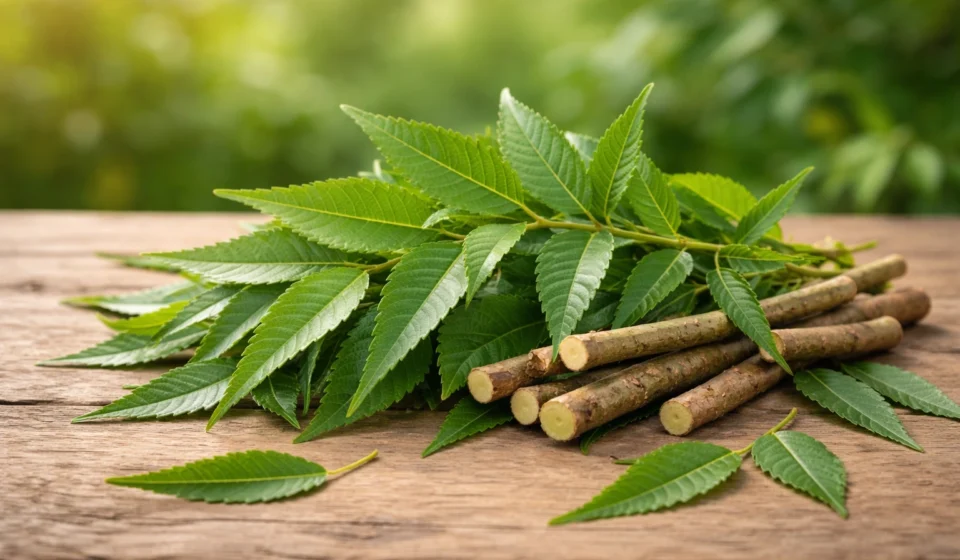

Neem leaves come from the Azadirachta indica tree, a tropical evergreen native to the Indian subcontinent. They contain naturally occurring compounds such as flavonoids, polyphenols, limonoids, and nimbin that have demonstrated antioxidant, antimicrobial, and anti-inflammatory activity in laboratory studies. However, many proposed health benefits still require stronger human clinical evidence before firm conclusions can be made.
Introduction
Neem leaves have been used in traditional wellness practices for hundreds of years, especially across India and other parts of Asia. Today, they are gaining worldwide attention as researchers continue studying their natural plant compounds and their possible role in supporting skin health, oral hygiene, and overall wellness.
But one important question remains:
Are neem leaves really as beneficial as many people claim?
The answer is more balanced than many articles suggest.
Some traditional uses of neem leaves are supported by laboratory and early clinical research, while other claims still lack strong evidence from large, high-quality human studies. Understanding this difference is essential if you want reliable health information rather than marketing hype.
In this comprehensive guide, you’ll learn:
- What neem leaves are and why they have been valued for centuries
- Their nutritional profile and natural plant compounds
- Science-backed potential benefits
- Traditional Ayurvedic uses compared with modern research
- Possible side effects and safety precautions
- Who should avoid neem leaves
- Different ways to use fresh, dried, and powdered neem leaves
- Frequently asked questions answered using current scientific evidence
Whether you’ve heard about neem from Ayurveda, social media, or a health professional, this guide will help you understand what is supported by research, what is still being studied, and how to use neem leaves responsibly.
What Are Neem Leaves?
Neem leaves come from the neem tree (Azadirachta indica), a fast-growing evergreen tree native to the Indian subcontinent. Today, neem trees are also cultivated in many tropical and subtropical regions, including parts of Africa, Southeast Asia, Australia, Central America, and South America.
For centuries, different parts of the neem tree—including its leaves, bark, flowers, seeds, fruit, and oil—have been used in traditional Ayurvedic practices. Among these, the leaves are the most commonly used because they are rich in naturally occurring plant compounds that researchers continue to study for their biological activity.
Today, neem leaves are available worldwide in several forms, including:
- Fresh leaves
- Dried leaves
- Neem leaf powder
- Herbal tea
- Capsules and dietary supplements
- Liquid extracts
- Skincare products
- Hair care products
Although neem has a long history of traditional use, it is important to understand that traditional use does not always mean a health benefit has been proven through modern clinical research. Scientists continue to investigate many of neem’s potential properties, but the strength of evidence varies depending on the health condition being studied.
Botanical Profile of Neem Leaves
| Feature | Details |
| Common Name | Neem |
| Scientific Name | Azadirachta indica |
| Family | Meliaceae |
| Plant Type | Evergreen tree |
| Native Region | Indian Subcontinent |
| Parts Commonly Used | Leaves, bark, flowers, fruit, seeds, seed oil |
| Traditional System | Ayurveda, Siddha, Unani and various folk medicine traditions |
Why Have Neem Leaves Been Valued for Centuries?
Neem has been part of traditional wellness practices for hundreds of years. Historically, people have used neem leaves in many ways, including:
Preparing herbal infusions: Fresh or dried neem leaves have traditionally been steeped in hot water to make herbal infusions. In many cultures, these drinks were consumed as part of seasonal wellness routines, although their health benefits continue to be studied.
Supporting daily oral hygiene: Neem leaves and small neem twigs have long been used as part of traditional oral care practices. They were commonly chewed or incorporated into herbal preparations to help maintain clean teeth and healthy gums.
Traditional skin care routines: Neem leaves have been applied in homemade pastes, baths, and herbal washes as part of traditional skin care. These practices have been passed down through generations, particularly in regions where neem trees grow naturally.
Herbal hair washes: Many people have traditionally used boiled neem leaves to prepare a hair rinse for cleansing the scalp and maintaining healthy-looking hair. Neem remains a popular ingredient in shampoos, hair oils, and scalp care products today.
Household and agricultural applications: Beyond personal care, neem leaves have also been valued for practical household uses. Dried leaves have traditionally been placed with stored grains or clothing, and different parts of the neem tree have been used in natural farming and gardening practices.
Religious and cultural ceremonies in some regions: In several communities, neem leaves hold cultural and spiritual significance. They are used during festivals, traditional ceremonies, and seasonal celebrations as part of long-established customs.
These long-standing traditions explain why neem is sometimes referred to as the Village Pharmacy. However, this nickname reflects its historical importance rather than scientific proof that it can prevent or treat diseases. Modern research focuses on identifying which naturally occurring compounds in neem may contribute to its biological activity and whether those findings can be confirmed in well-designed human studies.
What Makes Neem Leaves Unique?
Unlike many herbs that contain only a few active compounds, neem leaves contain a diverse mixture of naturally occurring phytochemicals. Researchers believe these compounds work together, although scientists are still studying their exact effects in humans.
Some of the best-known compounds found in neem leaves include:
| Compound | Why Researchers Are Interested |
| Nimbin | Studied for antioxidant and anti-inflammatory activity in laboratory research. |
| Nimbidin | Investigated for antimicrobial and anti-inflammatory properties. |
| Quercetin | A naturally occurring flavonoid known for antioxidant activity. |
| Nimbolide | Being studied for its biological effects, including antioxidant and cell-based research. |
| Polyphenols | Help protect plant cells and contribute to antioxidant activity. |
| Flavonoids | Naturally occurring plant compounds associated with antioxidant properties. |
| Tannins | Plant compounds that may contribute to antimicrobial activity. |
| Limonoids | Unique compounds found in neem that are widely studied in laboratory settings. |
These compounds have shown promising results in laboratory and animal studies. However, laboratory findings do not automatically translate into the same effects in humans, which is why large clinical trials remain important.
Nutritional Profile of Neem Leaves
Neem leaves are not typically eaten in large quantities as a food, so they are not considered a major source of daily nutrients. Instead, they are valued for their bioactive plant compounds rather than their calorie or vitamin content.
Depending on the growing conditions, neem leaves may naturally contain small amounts of:
- Vitamin C
- Beta-carotene (a precursor to vitamin A)
- Calcium
- Iron
- Potassium
- Magnesium
- Dietary fiber
- Protein in small amounts
The exact nutritional composition can vary based on factors such as climate, soil quality, harvesting time, and processing methods.
Traditional Uses vs. Scientific Evidence
One of the most important things to understand about neem leaves is the difference between traditional knowledge and modern scientific evidence.
| Traditional Use | Current Scientific Understanding |
| Skin care | Early research is promising, but more high-quality human studies are needed. |
| Oral hygiene | Some studies suggest neem may help reduce dental plaque when used in oral care products, though evidence is still developing. |
| Hair care | Traditionally used for scalp care, but strong clinical evidence remains limited. |
| Digestive wellness | Traditional use exists, but there is insufficient evidence to recommend neem for digestive conditions. |
| Immune support | Laboratory studies suggest biological activity, but human evidence is limited. |
Understanding this distinction helps readers make informed decisions and avoids overstating what current research can support.
Science-Backed Benefits of Neem Leaves
Neem leaves have been used in traditional wellness practices for generations, but modern research aims to understand which benefits are supported by scientific evidence and which still need further study.
The leaves contain a variety of naturally occurring compounds—including flavonoids, polyphenols, limonoids, nimbin, nimbidin, and quercetin—that have demonstrated antioxidant, antimicrobial, and anti-inflammatory activity in laboratory research. While these findings are encouraging, the level of evidence varies depending on the health benefit being examined.
Below, we separate traditional uses from current scientific understanding so you can make informed decisions.
1. Rich in Antioxidants That Help Protect Cells
One of the best-studied characteristics of neem leaves is their high concentration of natural antioxidants.
Antioxidants help neutralize unstable molecules called free radicals, which are produced naturally during metabolism and can also increase due to factors such as air pollution, tobacco smoke, excessive UV exposure, and chronic stress. When free radicals outnumber the body’s antioxidant defenses, oxidative stress may occur, which has been linked to aging and various chronic diseases.
Neem leaves naturally contain several antioxidant compounds, including:
- Quercetin
- Polyphenols
- Flavonoids
- Vitamin C (in small amounts)
- Limonoids
Laboratory studies suggest these compounds can help reduce oxidative stress in cells. However, more high-quality human studies are needed to determine how these findings translate into everyday health outcomes.
2. May Support Healthy Skin
Healthy skin is one of the most common reasons people use neem leaves.
Traditionally, neem leaves have been applied to the skin in the form of pastes, herbal baths, and rinses. Today, neem is also found in many soaps, face cleansers, creams, shampoos, and cosmetic products.
Researchers are studying neem because some of its natural compounds have shown antimicrobial and anti-inflammatory activity in laboratory settings. These properties may help support normal skin hygiene and overall skin wellness.
Some preliminary studies suggest neem-based products may help reduce excess oil and improve the appearance of blemish-prone skin when used as part of a regular skincare routine. However, these findings are not strong enough to conclude that neem can treat specific skin diseases.
Practical ways people use neem leaves for skin
- Herbal facial steam
- Homemade neem leaf paste
- Neem-infused bath water
- Cleansers containing neem extract
- Herbal face masks
Always perform a patch test before applying neem preparations to larger areas of skin, especially if you have sensitive skin.
3. May Help Maintain Good Oral Hygiene
Before modern toothbrushes became widely available, neem twigs were traditionally used for cleaning teeth in several cultures.
Today, researchers continue studying neem’s role in oral care.
Some studies suggest that neem extracts used in mouthwashes or toothpaste may help reduce dental plaque and support healthy gums by limiting the growth of certain bacteria associated with oral biofilms. Good oral hygiene, however, still depends on regular brushing with fluoride toothpaste, flossing, and routine dental check-ups.
Neem should be viewed as a complement to—not a replacement for—professional dental care.
4. May Support Scalp and Hair Care
Neem leaves have long been included in traditional hair care routines.
Many people prepare a cooled neem leaf rinse after shampooing or use neem powder in homemade hair masks. These practices are often intended to help keep the scalp clean and refreshed.
Laboratory research suggests neem contains compounds with antimicrobial activity, which may contribute to a healthier scalp environment. However, there is currently limited high-quality clinical evidence showing that neem leaves directly improve hair growth or treat scalp disorders.
If you experience persistent dandruff, hair loss, or scalp irritation, consult a healthcare professional to identify the underlying cause.
5. May Help Support the Body’s Natural Inflammatory Response
Inflammation is a normal part of the body’s defense system. Problems arise when inflammation becomes persistent over time.
Researchers are studying several compounds found in neem leaves because they have demonstrated anti-inflammatory activity in laboratory and animal studies. These compounds may influence biological pathways involved in the body’s inflammatory response.
While these early findings are promising, large human clinical trials are still needed before neem leaves can be recommended for managing inflammatory health conditions.
6. May Have Natural Antimicrobial Properties
Neem leaves have attracted scientific interest because laboratory studies suggest they contain compounds that can inhibit the growth of certain bacteria, fungi, and other microorganisms under controlled conditions.
This research helps explain why neem has traditionally been used in hygiene and personal care products.
However, laboratory results should not be interpreted to mean that neem leaves can prevent or treat infections in people. Medical evaluation and appropriate treatment remain essential for suspected infections.
Common Uses of Neem Leaves
Neem leaves have been used for centuries in traditional wellness practices, particularly in Ayurveda. Today, they are also found in a wide range of personal care products, herbal preparations, and dietary supplements around the world.
However, it’s important to remember that not every traditional use has been confirmed by modern clinical research. Some uses are supported by preliminary evidence, while others remain based primarily on historical or cultural practices.
Below are the most common ways neem leaves are used today.
1. Neem Leaves for Skin Care
Skin care is one of the most popular uses of neem leaves.
People traditionally use fresh or dried neem leaves to prepare herbal pastes, facial rinses, or bath water. Today, many skincare products contain neem leaf extract because researchers have found that neem contains natural compounds with antioxidant and antimicrobial activity.
Neem is commonly included in:
- Face cleansers
- Herbal soaps
- Face masks
- Moisturizers
- Toners
- Herbal bath products
Many people use neem products to help keep the skin clean and refreshed, especially if they have oily or blemish-prone skin. However, neem should not be considered a substitute for medical treatment of skin diseases. If you have persistent acne, eczema, psoriasis, or another skin condition, consult a qualified healthcare professional or dermatologist.
Tip: Always perform a patch test before using a new neem-based skincare product, particularly if you have sensitive skin.
2. Neem Leaves for Hair and Scalp Care
Neem leaves have traditionally been used as part of natural hair care routines.
Fresh leaves are often boiled in water to create a herbal rinse, while dried leaves are ground into powder and mixed with water, yogurt, or other natural ingredients to make nourishing hair masks. These preparations have been used for generations as part of traditional scalp care practices.
People commonly use neem for:
Keeping the scalp clean: Neem leaves are traditionally used to cleanse the scalp and remove excess oil, dirt, and product buildup. Many people include neem rinses in their hair care routine to help maintain a fresh and clean scalp.
Supporting scalp comfort: Neem is often used in herbal hair care to soothe the scalp and promote overall scalp wellness. People experiencing occasional dryness or discomfort may use neem-based preparations as part of their regular self-care routine.
Refreshing oily hair: A neem leaf rinse is commonly used after shampooing to leave the scalp feeling refreshed and less oily. This traditional practice may help improve the overall feel of the hair between washes.
As part of traditional dandruff care routines: Neem has long been included in homemade hair masks and herbal rinses for people looking to support a healthier-looking scalp. While many people continue this traditional practice, more high-quality clinical studies are needed to confirm its effectiveness for dandruff.
Today, neem extract is also added to a variety of commercial hair care products, including shampoos, conditioners, scalp serums, hair oils, and hair masks designed for everyday scalp care.
Although laboratory studies suggest neem contains compounds with antimicrobial activity, there is limited clinical evidence showing that neem leaves alone can promote hair growth or treat scalp disorders. Persistent dandruff, excessive hair loss, or ongoing scalp irritation should be evaluated by a qualified healthcare professional.
3. Neem Leaves for Oral Hygiene
One of the oldest traditional uses of neem involves oral care.
Historically, neem twigs were chewed and used as natural toothbrushes in parts of South Asia. This traditional practice is still followed in some communities today, while modern oral care products often use neem leaf extract as an ingredient.
Neem extract is commonly found in:
Toothpaste: Some herbal toothpastes include neem extract because of its traditional association with oral hygiene. These products are designed to complement daily brushing rather than replace fluoride toothpaste when it is recommended by your dentist.
Mouthwash: Neem-based mouthwashes are marketed to help freshen breath and support everyday oral hygiene. They should be used alongside brushing and flossing as part of a complete dental care routine.
Tooth powders: In traditional wellness practices, herbal tooth powders containing neem have been used for cleaning teeth and gums. Today, they remain available in some regions as an alternative oral care product.
Herbal dental gels: Certain herbal dental gels combine neem with other botanical ingredients to support gum care and oral cleanliness. The effectiveness of these products can vary depending on their formulation and ingredients.
Some research suggests neem-based oral care products may help reduce dental plaque when used as part of a regular oral hygiene routine. However, maintaining healthy teeth and gums still depends on brushing twice daily, flossing regularly, limiting sugary foods and drinks, and visiting a dentist for routine check-ups.
4. Neem Leaves in Herbal Tea
Neem leaf tea is another popular way people consume neem.
The leaves are usually dried before brewing because fresh neem leaves have a naturally strong and bitter taste. In many cultures, neem tea has traditionally been enjoyed as part of seasonal or everyday wellness practices.
If you choose to drink neem tea, keep these points in mind:
Use only food-grade dried neem leaves: Choose neem leaves that are specifically prepared for consumption and purchased from a trusted supplier. Avoid using leaves that may have been treated with pesticides or are intended for gardening purposes.
Avoid consuming excessive amounts: Drinking more neem tea does not necessarily provide greater benefits. Like many herbal beverages, moderation is generally the safest approach unless otherwise advised by a healthcare professional.
Follow the preparation instructions: Brewing times and serving sizes may vary depending on the product. Following the manufacturer’s directions can help ensure the tea is prepared as intended.
People who are pregnant, breastfeeding, have chronic medical conditions, or take prescription medications should speak with a qualified healthcare professional before drinking neem tea regularly.
5. Neem Leaves in Dietary Supplements
Neem leaf powder and extracts are available in capsule, tablet, and liquid forms.
These supplements are often marketed for general wellness, but their quality, strength, purity, and standardization can vary between manufacturers.
Before using a neem supplement:
Choose products from reputable manufacturers: Look for companies that follow recognized quality standards and provide transparent information about ingredient sourcing and manufacturing practices.
Read the ingredient list carefully: Check whether the supplement contains only neem leaf or includes additional herbs, vitamins, or other ingredients that may not be suitable for everyone.
Follow the recommended serving size: Always use the supplement according to the label instructions unless your healthcare provider recommends otherwise. Taking larger amounts does not necessarily increase potential benefits.
Consult your healthcare provider if needed: If you have a chronic health condition, take prescription medications, or are planning surgery, seek medical advice before adding neem supplements to your routine.
Remember that dietary supplements are not intended to diagnose, treat, cure, or prevent any disease, and they should not replace a balanced diet or professional medical care.
6. Neem Leaves in Traditional Ayurvedic Practices
In Ayurveda, neem is classified as a bitter herb and has traditionally been included in various herbal formulations intended to support overall balance and wellness.
Traditional Ayurvedic preparations may include:
Fresh leaves: Fresh neem leaves have traditionally been used in herbal preparations, seasonal wellness practices, and external applications depending on the intended purpose.
Dried leaf powder: Once dried and finely ground, neem leaves can be mixed with water or other herbal ingredients to prepare traditional pastes and formulations for external or internal use, depending on Ayurvedic guidance.
Decoctions: Neem leaves may be gently simmered in water to prepare herbal decoctions, which have been used in traditional wellness systems for centuries.
Herbal pastes: Fresh or powdered neem leaves are commonly blended into thick pastes for external application as part of traditional skin and scalp care practices.
External applications: Neem leaf preparations have historically been applied to the skin or scalp in various traditional wellness routines, often alongside other medicinal herbs.
These traditional practices reflect centuries of Ayurvedic knowledge and cultural experience. However, traditional use should not be interpreted as proof of clinical effectiveness. While modern research continues to investigate neem’s potential health effects, more well-designed human studies are needed before many traditional claims can be confirmed by contemporary medical standards.
Choosing the Right Form of Neem Leaves
The best form of neem depends on how you plan to use it.
| Form | Common Uses | Best For |
| Fresh Neem Leaves | Herbal pastes, baths, traditional preparations | Home use where fresh leaves are available |
| Dried Neem Leaves | Tea, decoctions, powders | Longer shelf life and easy storage |
| Neem Leaf Powder | Hair masks, face masks, smoothies (where appropriate), capsules | Convenient everyday use |
| Neem Extract | Skincare products and dietary supplements | Standardized formulations |
| Neem Tea | Herbal beverage | Occasional wellness routine |
| Capsules or Tablets | Dietary supplement | Users who prefer measured servings |
Practical Tips for Using Neem Leaves Safely
Whether you’re using fresh leaves, powder, tea, or skincare products, following a few simple precautions can help reduce the risk of unwanted effects:
- Buy neem products from trusted brands that follow quality standards.
- Store dried neem leaves in an airtight container away from heat, moisture, and direct sunlight.
- Wash fresh neem leaves thoroughly before external or culinary use.
- Avoid using excessive amounts, as more is not always better.
- Stop using neem products if you notice skin irritation, allergic reactions, or other unexpected symptoms.
- Consult a healthcare professional before using neem supplements if you are pregnant, breastfeeding, have a chronic medical condition, or take prescription medications.
Neem Leaves Safety and Side Effects
Neem leaves have been used in traditional wellness practices for centuries and are generally well tolerated by many people when used appropriately. However, “natural” does not always mean “risk-free.” Like any herb, neem leaves may cause side effects, interact with certain medications, or be unsuitable for some individuals.
The likelihood of side effects depends on several factors, including:
The form of neem you use: Fresh leaves, dried leaf powder, herbal tea, concentrated extracts, and dietary supplements may affect the body differently because their strength and concentration can vary.
The amount consumed or applied: Using small amounts occasionally is different from consuming large quantities or applying concentrated neem products regularly, which may increase the likelihood of unwanted effects.
How frequently you use neem: Occasional use is less likely to cause problems than long-term or excessive use, especially if you take neem supplements without professional guidance.
Your age and overall health: Children, older adults, and people with underlying health conditions may respond differently to herbal products than healthy adults.
Existing medical conditions: Certain health conditions may influence whether neem is appropriate for you, making it important to consider your overall medical history before regular use.
Prescription medications or other supplements: Neem may interact with certain medicines or herbal supplements, so it’s a good idea to discuss its use with your healthcare provider if you take ongoing medications.
Understanding these factors can help you use neem leaves more safely and make informed decisions about whether they are suitable for your individual needs.
Common Side Effects of Neem Leaves
Most people who use neem leaves occasionally and in moderate amounts do not experience serious problems. However, like many herbal products, neem may cause mild side effects in some individuals, particularly when consumed in larger amounts or used for extended periods.
Possible side effects include:
Upset stomach: Some people may experience mild digestive discomfort, especially when consuming neem on an empty stomach or in larger-than-recommended amounts.
Nausea: The naturally bitter compounds found in neem leaves may trigger feelings of nausea in sensitive individuals or first-time users.
Bitter aftertaste: Neem leaves have an intensely bitter flavor that can leave a lingering taste in the mouth after chewing the leaves or drinking neem tea.
Mild diarrhea: Consuming excessive amounts of neem may occasionally lead to loose stools or temporary digestive upset in some people.
Stomach discomfort: Mild abdominal cramps, bloating, or a feeling of stomach irritation may occur, particularly if neem is taken in concentrated forms.
Skin irritation after topical application: Neem-based creams, oils, or homemade pastes may cause redness, dryness, or irritation in people with sensitive skin.
Allergic reactions in sensitive individuals: Although uncommon, some people may develop an allergic response after applying or consuming neem products.
These side effects are usually mild and often improve after reducing the amount used or discontinuing the product. However, if symptoms persist, become severe, or interfere with your daily activities, seek advice from a qualified healthcare professional.
Can Neem Leaves Cause Allergic Reactions?
Yes. Although uncommon, some people may be allergic to neem or other plants in the same botanical family. Allergic reactions can occur after applying neem products to the skin or, in rare cases, after consuming neem-containing products.
Signs of an allergic reaction may include:
Skin redness: The affected area may become noticeably red or warm shortly after applying neem-based products.
Itching: Mild to moderate itching may develop on the skin where neem has been applied or after contact with the plant.
Rash: Some individuals may notice small bumps, irritation, or an uneven skin rash that appears after exposure to neem.
Swelling: Localized swelling may occur around the area of application, particularly in people with sensitive skin.
Hives: Raised, itchy welts may develop as part of an allergic skin reaction.
Burning or stinging sensation: Instead of feeling soothing, neem products may cause discomfort, burning, or stinging if your skin is sensitive or allergic to one of the ingredients.
Before applying neem to larger areas of your body, it’s a good idea to perform a simple patch test:
- Apply a small amount of the neem product to the inside of your forearm.
- Leave the area undisturbed for the next 24 hours.
- If you notice redness, itching, swelling, burning, or irritation, avoid using the product on larger areas of your skin.
Seek immediate medical attention if you develop difficulty breathing, swelling of the face, lips, tongue, or throat, or any other signs of a severe allergic reaction, as these symptoms require urgent medical care.
Who Should Avoid Neem Leaves?
Neem leaves are not appropriate for everyone. Certain groups should avoid neem supplements or speak with a healthcare professional before using them.
Pregnant Women
Neem has traditionally been avoided during pregnancy in many cultures, and there is insufficient evidence to establish its safety during pregnancy. Because of this uncertainty, pregnant women should avoid neem supplements unless advised otherwise by their healthcare provider.
Breastfeeding Mothers
There is currently limited research on whether compounds from neem leaves pass into breast milk or how they may affect a nursing infant.
As a precaution, breastfeeding women should consult a healthcare professional before using neem supplements or consuming neem products regularly.
Infants and Young Children
Neem oil has been associated with serious poisoning when swallowed, particularly in young children. Neem leaf supplements have also not been adequately studied in children.
For this reason:
- Keep neem products out of children’s reach.
- Do not give neem supplements to infants or young children unless specifically recommended by a qualified healthcare professional.
People with Autoimmune Conditions
Some laboratory studies suggest neem may influence certain immune system pathways. However, human research is limited.
If you have an autoimmune condition—such as rheumatoid arthritis, lupus, or multiple sclerosis—or take medications that affect your immune system, speak with your healthcare provider before using neem supplements.
People with Diabetes
Some early studies suggest neem may influence blood sugar levels, although the evidence is not yet strong enough for treatment recommendations.
If you have diabetes or take medications that lower blood sugar, monitor your blood glucose as recommended by your healthcare provider and discuss neem use before adding it to your routine.
Do not replace prescribed diabetes medication with neem leaves.
People Preparing for Surgery
Because some herbal supplements may affect blood sugar control or interact with medications used during surgery, many healthcare providers recommend stopping non-essential herbal supplements before planned procedures.
If you are scheduled for surgery, tell your healthcare team about any neem supplements you are taking.
Possible Drug Interactions
Research on neem-drug interactions is still limited. However, caution may be appropriate if you take medications such as:
- Blood sugar-lowering medications
- Medicines that affect the immune system
- Other herbal supplements with similar effects
Never stop or adjust prescribed medications without consulting your healthcare provider.
Can You Eat Neem Leaves Every Day?
Many people consume small amounts of neem leaves as part of traditional diets or wellness practices. However, there is no universally established daily intake for neem leaves based on high-quality human clinical research. The appropriate amount can vary depending on factors such as your age, overall health, the form of neem you’re using, and whether you have any underlying medical conditions.
If you’re thinking about adding neem leaves to your daily routine, it’s best to do so with caution and keep your healthcare provider informed, especially if you’re taking medications or managing a chronic health condition.
If You Choose to Include Neem Leaves in Your Routine
Use moderate amounts. Since there are no evidence-based daily intake guidelines, consuming neem leaves in moderation is generally considered a more sensible approach than taking large quantities.
Avoid excessive or long-term use without professional guidance. Regular use over an extended period should only be considered after discussing it with a qualified healthcare professional, particularly if you have an existing medical condition.
Follow the serving instructions on reputable commercial products. If you’re using neem capsules, powders, or extracts, always follow the manufacturer’s recommended serving size instead of increasing the amount on your own.
Stop using neem if you notice unwanted effects. If you experience stomach discomfort, skin irritation, allergic reactions, or any unusual symptoms after using neem, discontinue use and seek medical advice if the symptoms continue.
Using larger amounts of neem does not necessarily provide greater health benefits. In fact, excessive consumption may increase the likelihood of unwanted side effects.
Tips for Safe Use
Whether you’re using fresh neem leaves, dried leaves, herbal tea, powder, or dietary supplements, following a few simple precautions can help you use them more safely and responsibly.
Choose products from trusted manufacturers. Buy neem products from reputable brands that clearly list their ingredients, manufacturing details, and quality standards to help ensure product safety.
Check the expiration date before use. Using expired herbal products may reduce their quality and increase the risk of contamination, so always verify the packaging before consuming them.
Store neem products correctly. Keep dried neem leaves and powders in an airtight container in a cool, dry place away from direct sunlight and moisture to help preserve their freshness.
Avoid products that show signs of spoilage. Do not use neem leaves or powders if they have mold, an unusual smell, discoloration, or any other indication that the product may no longer be safe.
Follow the recommended serving size. Taking more than the suggested amount is unlikely to provide additional benefits and may increase the chance of unwanted side effects.
Tell your healthcare provider about herbal supplements. If you’re taking prescription medicines or preparing for surgery, let your healthcare provider know that you’re using neem or any other herbal supplement so they can identify potential interactions.
When Should You Seek Medical Advice?
Although neem leaves are generally well tolerated by many healthy adults when used appropriately, you should stop using neem products and contact a healthcare professional if you experience any concerning symptoms.
Seek medical advice if you notice:
Persistent stomach pain. Ongoing abdominal discomfort after consuming neem may indicate that your body is not tolerating the product well and should be evaluated.
Severe vomiting or diarrhea. Frequent vomiting or diarrhea can lead to dehydration and may require medical assessment, particularly if symptoms are severe or persistent.
Signs of an allergic reaction. Symptoms such as itching, hives, skin rash, or redness after using neem may indicate an allergic response that should not be ignored.
Difficulty breathing. Trouble breathing after using neem is a medical emergency and requires immediate medical attention.
Swelling of the face, lips, tongue, or throat. These symptoms may suggest a serious allergic reaction and should be treated as an emergency.
Any unusual symptoms after taking neem supplements. If you notice unexpected changes in how you feel after using neem, discontinue use and consult a healthcare professional for further evaluation.
Important: Prompt medical attention is especially important if a child accidentally swallows neem oil or concentrated neem products, as these may pose a greater risk than neem leaves themselves.
How to Use Neem Leaves
Neem leaves can be used in several ways depending on your wellness goals. Some people prefer fresh leaves from the neem tree, while others choose dried leaves, powders, teas, or standardized extracts for convenience.
The best option depends on how you plan to use neem. For example, fresh leaves are often used in homemade preparations, whereas commercial products provide a more convenient and consistent alternative.
Regardless of the form you choose, always purchase neem products from reputable manufacturers and follow the directions on the product label.
1. How to Use Fresh Neem Leaves
Fresh neem leaves are commonly used in traditional wellness practices because they contain naturally occurring plant compounds in their natural form.
Before using fresh leaves:
Choose fresh, healthy leaves. Select bright green neem leaves that are free from yellow spots, mold, or insect damage, as fresh leaves generally provide the best quality for home preparations.
Wash the leaves thoroughly. Rinse the leaves under clean running water to remove dust, dirt, or any surface impurities before using them.
Dry them before use. Gently pat the leaves dry with a clean towel to remove excess moisture, especially if you plan to make a paste or store them for a short period.
Fresh neem leaves are commonly used for:
- Herbal baths. Fresh leaves are often boiled in water to prepare a herbal bath that many people use as part of their traditional skincare routine.
- Homemade face packs. Ground neem leaves can be mixed with ingredients such as water or rose water to create a simple face mask for occasional use.
- Hair rinses. Boiled neem leaf water is commonly used as a final rinse after shampooing to help keep the scalp feeling clean and refreshed.
- Traditional herbal preparations. In many cultures, fresh neem leaves are included in traditional wellness practices that have been followed for generations.
Since fresh neem leaves spoil quickly, they are best used soon after harvesting. If you need to store them, keep them refrigerated in a breathable bag and use them within a few days.
2. How to Make Neem Leaf Tea
Neem tea is one of the simplest ways to use dried neem leaves. It has a naturally bitter flavor and is commonly consumed as part of traditional wellness practices.
Ingredients
- 1 teaspoon of dried food-grade neem leaves. Make sure the leaves are intended for consumption and come from a trusted supplier.
- 1–2 cups of hot water. Freshly boiled water helps extract the natural compounds from the dried leaves.
Preparation
- Boil the water. Bring fresh drinking water to a rolling boil before pouring it over the neem leaves.
- Steep the leaves. Cover the cup and allow the leaves to steep for about 5–10 minutes, depending on how strong you prefer the tea.
- Strain before drinking. Remove the leaves using a fine strainer to create a smooth herbal tea.
- Enjoy while warm. Some people prefer drinking neem tea warm, while others allow it to cool before consuming.
Because neem has a naturally bitter taste, some people add a slice of lemon or a small amount of honey to improve the flavor. If you are watching your sugar intake, consider drinking it without sweeteners.
Drink neem tea in moderation. There is currently no universally recommended daily intake established through high-quality clinical research.
3. How to Use Neem Leaves for Skin Care
Neem leaves have been used in traditional skincare routines for generations and are commonly included in homemade face masks and herbal skin preparations.
Simple Neem Face Pack
Ingredients
Neem leaf powder. Use clean, food-grade or cosmetic-grade neem powder from a reliable source.
Clean water or rose water. Either can be used to create a smooth paste depending on your personal preference.
Directions
- Prepare the paste. Mix the neem powder with enough water or rose water until it forms a smooth, lump-free consistency.
- Apply evenly. Spread a thin layer over clean skin while avoiding the eyes and lips.
- Leave it on briefly. Allow the face pack to sit for 10–15 minutes, but do not let it dry excessively if it feels uncomfortable.
- Rinse gently. Wash it off with lukewarm water using gentle circular motions.
- Moisturize afterward. Applying a light moisturizer can help keep your skin hydrated after cleansing.
Always perform a patch test before trying any homemade skincare preparation. If irritation, redness, or itching develops, discontinue use immediately.
4. How to Use Neem Leaves for Hair Care
Neem leaves are widely used in traditional hair care routines, particularly as a herbal rinse for maintaining a clean scalp.
Neem Hair Rinse
- Boil fresh neem leaves. Add a handful of washed neem leaves to water and simmer for about 10–15 minutes.
- Allow the liquid to cool. Let the herbal rinse reach room temperature before applying it to your hair.
- Strain the leaves. Remove the leaves using a fine strainer to obtain a clear liquid.
- Apply after shampooing. Slowly pour the cooled rinse over your scalp and hair, making sure it reaches the roots.
- Leave it on briefly. Allow the rinse to remain on your hair for a few minutes before rinsing with plain water if desired.
Many people include neem rinses as part of their regular hair care routine. However, current scientific evidence supporting neem for hair growth remains limited.
5. How to Use Neem Leaf Powder
Neem leaf powder is one of the most convenient forms because it is easy to store and can be used in a variety of homemade preparations.
Common uses include:
Face masks. Neem powder is frequently mixed with water or rose water to prepare simple facial masks.
Hair masks. It can be combined with other natural ingredients to create traditional scalp and hair treatments.
Herbal preparations. Some people use neem powder in traditional wellness recipes, depending on regional practices.
Capsules and supplements. Many dietary supplements use standardized neem leaf powder for convenience and consistent serving sizes.
Store neem leaf powder in an airtight container away from heat, moisture, and direct sunlight to help maintain its quality.
6. Neem Leaves in Commercial Products
Many people prefer ready-made neem products because they are convenient and often prepared using standardized manufacturing processes.
Common products containing neem include:
Face washes. These are formulated for daily cleansing and are commonly marketed for oily or blemish-prone skin.
Herbal soaps. Neem soaps are widely used as part of regular bathing and personal hygiene routines.
Shampoos and conditioners. These products are designed to cleanse the hair while supporting everyday scalp care.
Toothpaste and mouthwash. Neem is included in some oral care products because of its long history of traditional use.
Skin creams. Some moisturizers and creams contain neem extract as one of several botanical ingredients.
Dietary supplements. Neem is also available in capsules, tablets, and liquid extracts intended for adult use.
When purchasing commercial products:
Read the ingredient list carefully. This helps you understand the amount of neem used and identify any ingredients you may be sensitive to.
Follow the manufacturer’s directions. Using products according to the label reduces the risk of unnecessary side effects.
Check the expiration date. Fresh, properly stored products are more likely to maintain their intended quality.
Choose trusted brands. Look for manufacturers that follow recognized quality standards and provide transparent product information.
Which Form of Neem Leaves Is Best?
Each form of neem leaves offers different advantages depending on how you plan to use it.
| Form | Best For | Advantages | Considerations |
| Fresh Leaves | Traditional home preparations | Natural and minimally processed | Short shelf life |
| Dried Leaves | Tea and decoctions | Easy to store for longer periods | Naturally bitter taste |
| Neem Leaf Powder | Face packs, hair masks, herbal preparations | Convenient, versatile, and easy to measure | Use food-grade powder when intended for consumption |
| Neem Extract | Skincare products and supplements | Often available in standardized formulations | Product strength can vary between brands |
| Neem Tea | Herbal beverage | Quick and simple to prepare at home | Best enjoyed in moderation |
| Capsules | Dietary supplements | Easy to take with consistent serving sizes | Always follow the product label |
Best Practices for Safe Use
To get the most from neem leaves while reducing the chance of unwanted effects:
Start with a small amount. If you’re trying neem for the first time, begin with a small quantity so you can see how your body or skin responds.
Perform a patch test. Before applying neem to larger areas of your skin, test a small amount on your forearm and wait 24 hours for any reaction.
Maintain good hygiene. Always use clean water, utensils, and containers when preparing homemade neem recipes.
Store products correctly. Keep dried leaves and powders in a cool, dry place inside airtight containers to protect them from moisture.
Avoid excessive use. Using larger amounts does not necessarily increase benefits and may raise the risk of unwanted effects.
Consult a healthcare professional when needed. If you are pregnant, breastfeeding, have a chronic medical condition, or take prescription medications, seek medical advice before using neem supplements regularly.
Common Mistakes to Avoid
Many people unintentionally misuse herbal products. Avoid these common mistakes:
Using excessive amounts. More is not always better, and consuming large quantities of neem may increase the likelihood of side effects.
Applying neem to damaged skin. Avoid using homemade preparations on open wounds, severe burns, or heavily irritated skin unless advised by a healthcare professional.
Ignoring product instructions. Commercial neem products are formulated differently, so following the label directions is important for safe use.
Using expired products. Old or poorly stored neem products may lose quality and should be discarded if they show signs of spoilage.
Replacing medical treatment with herbal remedies. Neem should complement a healthy lifestyle, not replace evidence-based medical care or prescribed medications.
Best Practices for Safe Use
To get the most from neem leaves while reducing the chance of unwanted effects:
Start with a small amount. If you’re trying neem for the first time, begin with a small quantity so you can see how your body or skin responds.
Perform a patch test. Before applying neem to larger areas of your skin, test a small amount on your forearm and wait 24 hours for any reaction.
Maintain good hygiene. Always use clean water, utensils, and containers when preparing homemade neem recipes.
Store products correctly. Keep dried leaves and powders in a cool, dry place inside airtight containers to protect them from moisture.
Avoid excessive use. Using larger amounts does not necessarily increase benefits and may raise the risk of unwanted effects.
Consult a healthcare professional when needed. If you are pregnant, breastfeeding, have a chronic medical condition, or take prescription medications, seek medical advice before using neem supplements regularly.
Common Mistakes to Avoid
Many people unintentionally misuse herbal products. Avoid these common mistakes:
Using excessive amounts. More is not always better, and consuming large quantities of neem may increase the likelihood of side effects.
Applying neem to damaged skin. Avoid using homemade preparations on open wounds, severe burns, or heavily irritated skin unless advised by a healthcare professional.
Ignoring product instructions. Commercial neem products are formulated differently, so following the label directions is important for safe use.
Using expired products. Old or poorly stored neem products may lose quality and should be discarded if they show signs of spoilage.
Replacing medical treatment with herbal remedies. Neem should complement a healthy lifestyle, not replace evidence-based medical care or prescribed medications.
Final Thoughts
Neem leaves have been valued in traditional wellness practices for centuries and continue to be studied for their natural antioxidant, antimicrobial, and anti-inflammatory properties. While early research is promising, many proposed health benefits still require more high-quality human studies.
When used responsibly, neem leaves may complement a healthy lifestyle, but they should not replace a balanced diet, prescribed medications, or professional medical care. If you are pregnant, breastfeeding, have a medical condition, or take prescription medications, consult your healthcare provider before using neem leaves or neem-based supplements.
The best approach is to use neem as part of an overall wellness routine while making informed decisions based on reliable scientific evidence.
Frequently Asked Questions
1. What are neem leaves used for?
Neem leaves are traditionally used for skin care, hair care, oral hygiene, and herbal wellness. Modern research is also exploring their antioxidant, antimicrobial, and anti-inflammatory properties.
2. Can you eat neem leaves every day?
Neem leaves are traditionally consumed in small amounts, but there is no scientifically established daily intake. Regular use should be moderate and discussed with a healthcare professional if you have any medical conditions.
3. What are the benefits of neem leaves?
Neem leaves contain natural plant compounds with antioxidant, antimicrobial, and anti-inflammatory activity. However, many proposed health benefits still require more high-quality human research.
4. Are neem leaves safe during pregnancy?
Pregnant women should avoid neem supplements unless advised by a healthcare professional, as there is insufficient evidence to confirm their safety during pregnancy.
5. Can neem leaves help with acne?
Neem leaves have traditionally been used for blemish-prone skin, and some studies suggest they may support skin health. However, they should not replace medically approved acne treatments.
6. What is the difference between neem leaves and neem oil?
Neem leaves are commonly used in teas, powders, and personal care products, while neem oil is a concentrated extract mainly used in topical products and gardening applications.
7. Who should avoid neem leaves?
People who are pregnant, breastfeeding, have autoimmune conditions, take diabetes medications, or have chronic health conditions should consult a healthcare professional before using neem leaves or supplements.
Content References (Scientific & Medical Sources)
1. National Center for Complementary and Integrative Health (NCCIH)
Evidence-based information on herbs, dietary supplements, and complementary health practices.
2. PubMed (National Library of Medicine) – Neem Research
Peer-reviewed scientific studies on Azadirachta indica (Neem), including its phytochemicals, biological activities, and clinical research.
3. MedlinePlus – Herbs and Supplements
Trusted consumer health information from the U.S. National Library of Medicine.
4. World Health Organization (WHO) – Traditional, Complementary and Integrative Medicine
Global guidance on traditional medicine and its role in healthcare.
5. Healthline – Neem: Benefits, Uses, Risks, and Side Effects
Consumer-friendly overview summarizing available scientific evidence and safety information.
6. Memorial Sloan Kettering Cancer Center – About Herbs: Neem
Evidence-based monograph covering neem’s traditional uses, research findings, safety considerations, and potential interactions.
Medical Disclaimer: This article is for informational and educational purposes only and is not a substitute for professional medical advice, diagnosis, or treatment. Always consult a qualified healthcare provider before using neem leaves or any herbal supplement, especially if you are pregnant, breastfeeding, have a medical condition, or take prescription medications.

[…] is its name. Kalmegh is sometimes called Bhui Neem or Bhunimba, but it is not the same plant as Neem (Azadirachta indica). It can also be confused with Chirayata because both are intensely bitter […]