

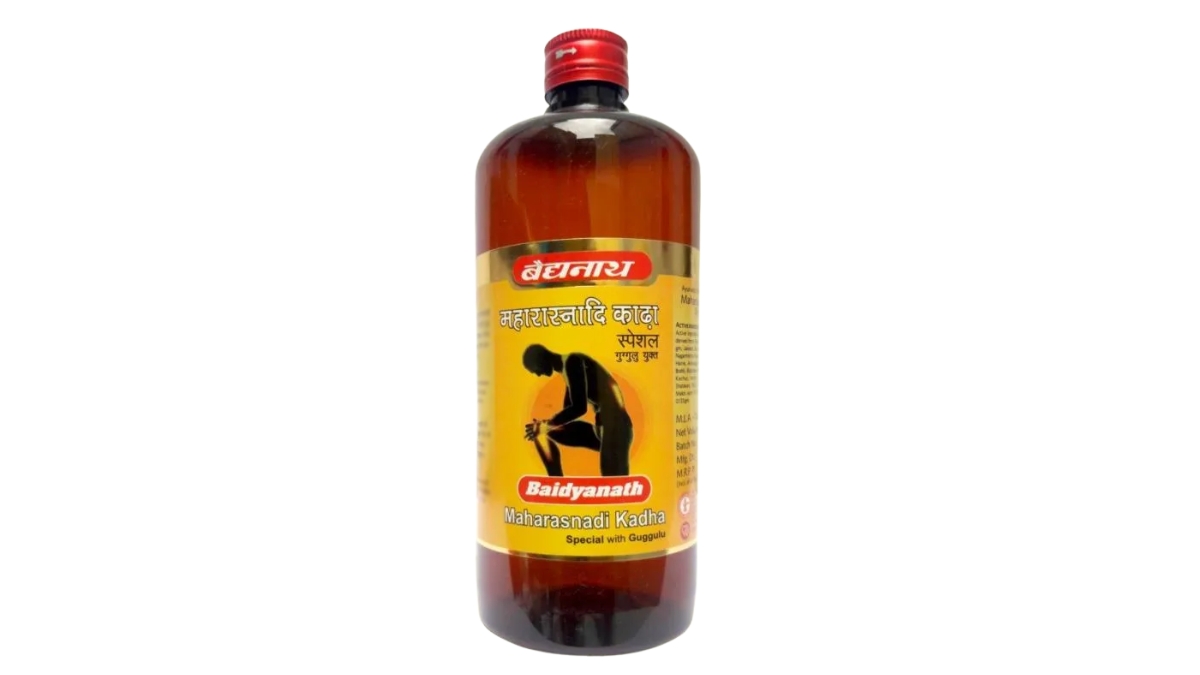
Maharasnadi Kwath: Uses, Benefits, Ingredients, Dosage, Side Effects, and Ayurvedic Applications

Joint pain that makes climbing stairs difficult. Morning stiffness that refuses to go away. Back pain after sitting for long hours. Tingling or numbness traveling down the legs. These are common complaints that affect millions of people—not only older adults but also young professionals, athletes, and individuals with sedentary lifestyles.
In Ayurveda, many of these symptoms are linked to an imbalance of Vata Dosha, the biological force responsible for movement, nerve function, and musculoskeletal health. When aggravated, Vata may contribute to pain, stiffness, restricted movement, muscle weakness, and discomfort in the joints and nerves.
One of the classical Ayurvedic formulations traditionally recommended for such conditions is Maharasnadi Kwath.
Unlike temporary pain-relieving remedies that mainly focus on symptom management, Maharasnadi Kwath is designed according to Ayurvedic principles to address the underlying imbalance. It contains a carefully selected combination of herbs traditionally used to support healthy joints, muscles, nerves, ligaments, and connective tissues while helping maintain normal movement and flexibility.
However, Maharasnadi Kwath is not a magic cure for every type of pain. Its effectiveness depends on several factors, including an individual’s body constitution (Prakriti), the nature and severity of the condition, digestive strength (Agni), lifestyle habits, and whether it is used under the guidance of a qualified Ayurvedic practitioner.
This comprehensive guide explains everything you need to know about Maharasnadi Kwath—from its ingredients and traditional Ayurvedic uses to its benefits, dosage, precautions, possible side effects, and practical tips for achieving the best results.
Quick Facts About Maharasnadi Kwath
| Feature | Details |
| Ayurvedic Name | Maharasnadi Kwath |
| Dosage Form | Herbal decoction (Kwath/Kashayam) |
| Traditional System | Ayurveda |
| Primary Dosha | Vata (primarily), Kapha (secondary) |
| Main Purpose | Supports joint, muscle, nerve, and musculoskeletal health |
| Common Ayurvedic Uses | Joint stiffness, arthritis, back pain, sciatica, muscle discomfort, Vata disorders |
| Typical Dosage | As advised by an Ayurvedic physician |
| Best Time to Take | Usually after meals with lukewarm water (may vary by condition) |
| Prescription Required | Consultation with a qualified Ayurvedic practitioner is recommended |
| Suitable For | Adults (use in children only under medical supervision) |
What is Maharasnadi Kwath?
Maharasnadi Kwath is a classical Ayurvedic polyherbal decoction mentioned in traditional Ayurvedic literature. The word Kwath (also called Kashayam) refers to a herbal decoction prepared by boiling medicinal herbs in water to extract their beneficial active constituents.
In Ayurveda, Maharasnadi Kwath is traditionally prescribed for conditions primarily associated with aggravated Vata Dosha, especially those affecting the body’s musculoskeletal and neuromuscular systems. Because of its carefully selected herbal composition, it is commonly used to support healthy movement, flexibility, and overall physical function.
It is traditionally recommended for supporting the health of:
Joints: Helps maintain joint flexibility and comfort while supporting smooth movement, especially in individuals experiencing stiffness or reduced mobility.
Bones: Traditionally used to nourish and support the body’s structural framework, particularly in age-related Vata disorders affecting bone health.
Muscles: Supports healthy muscle function and may help reduce muscular tightness, fatigue, and discomfort associated with Vata imbalance.
Tendons: Helps maintain the strength and flexibility of tendons, which connect muscles to bones and play an essential role in body movement.
Ligaments: Traditionally used to support the connective tissues that stabilize joints and contribute to overall musculoskeletal stability.
Nerves: Ayurveda considers Maharasnadi Kwath beneficial for supporting healthy nerve function, particularly in conditions where aggravated Vata contributes to tingling, numbness, or nerve discomfort.
Lower Back: Commonly used in Ayurvedic practice to support lower back health and improve mobility in individuals experiencing chronic stiffness or Vata-related discomfort.
Neck and Shoulders: Traditionally recommended for neck stiffness, restricted movement, and muscular tension that may develop due to poor posture, overuse, or Vata aggravation.
Limbs: Helps support the normal function of the arms and legs by promoting better flexibility, strength, and ease of movement in the muscles and joints.
Unlike single-herb remedies, Maharasnadi Kwath combines numerous herbs that work together through the Ayurvedic concept of Yogavahi (synergistic action), where the combined therapeutic effect of multiple herbs is believed to be greater than that of any individual ingredient alone.
Its primary therapeutic goal is not simply to suppress pain but to help restore balance within the body by supporting healthy digestion (Agni), reducing the accumulation of Ama (metabolic toxins in Ayurvedic theory), and promoting proper nourishment and circulation to the musculoskeletal system. By addressing these underlying factors, Ayurveda aims to support long-term joint and muscle health rather than providing only temporary symptom relief.
Understanding Maharasnadi Kwath Through Ayurveda
To understand why Maharasnadi Kwath has remained an important formulation in Ayurveda for centuries, it’s helpful to first understand the Ayurvedic principles on which it is based.
According to Ayurveda, good health depends on maintaining a natural balance between the body’s three fundamental energies, known as Doshas. Each Dosha performs specific physiological functions, and when one becomes imbalanced, it may contribute to different health concerns.
Vata Dosha – Vata is responsible for all types of movement in the body, including nerve impulses, breathing, blood circulation, muscle coordination, and joint mobility. It is considered the primary force behind communication between the brain and the rest of the body.
Pitta Dosha – Pitta governs digestion, metabolism, body temperature, and various biochemical processes. It helps convert food into energy and supports healthy enzymatic and hormonal functions.
Kapha Dosha – Kapha provides structure, stability, lubrication, and nourishment to the body. It helps maintain healthy joints, supports tissue strength, and contributes to overall physical endurance.
Among these three Doshas, Vata Dosha plays the most significant role in maintaining the health of the musculoskeletal and nervous systems. When Vata remains balanced, it supports smooth movement, flexibility, coordination, and normal nerve function. However, when it becomes aggravated, it may lead to dryness, stiffness, discomfort, and restricted mobility.
According to Ayurvedic principles, Vata imbalance can develop due to several lifestyle and dietary factors, including:
Ageing – As the body naturally ages, Vata tends to increase, which may contribute to joint stiffness, reduced flexibility, muscle weakness, and age-related mobility concerns.
Irregular Eating Habits – Frequently skipping meals, eating at inconsistent times, or following poor dietary routines may weaken digestive balance and aggravate Vata over time.
Chronic Stress – Persistent mental stress, anxiety, and emotional exhaustion are believed to disturb Vata, potentially affecting both the nervous system and overall physical well-being.
Excessive Travel – Long-distance travel, frequent flights, and constant changes in routine are traditionally considered Vata-aggravating factors because they increase movement and disrupt daily rhythms.
Poor Sleep – Inadequate or disturbed sleep may reduce the body’s natural ability to repair and recover, making Vata-related symptoms more noticeable.
Dry, Cold, or Processed Foods – Regular consumption of excessively dry, cold, or highly processed foods is believed to increase dryness within the body, a characteristic closely associated with aggravated Vata.
Physical Overexertion – Excessive exercise, repetitive physical work, or inadequate recovery after strenuous activities may gradually deplete body tissues and disturb Vata balance.
Injuries or Trauma – Previous injuries affecting the joints, muscles, or nerves may create localized Vata imbalance, especially when healing is incomplete or mobility remains restricted.
Sedentary Lifestyle – Spending prolonged hours sitting, reduced physical activity, and poor posture may contribute to stiffness, weakened muscles, and impaired joint mobility.
When Vata becomes aggravated, a person may experience symptoms such as:
Joint Pain – Pain may occur in one or multiple joints and often becomes more noticeable during cold weather, after physical activity, or with increasing age.
Cracking or Popping Sounds – Dryness within the joints may produce clicking or cracking sounds during movement, particularly in the knees, shoulders, or fingers.
Muscle Tightness – Tight or rigid muscles may reduce flexibility, limit movement, and contribute to general body discomfort.
Reduced Flexibility – Everyday movements such as bending, stretching, or turning may gradually become more difficult because of stiffness affecting the muscles and joints.
Nerve Discomfort – Tingling, numbness, burning sensations, or radiating pain may occur when aggravated Vata affects the normal functioning of the nervous system.
Sciatica-like Symptoms – Pain that begins in the lower back and travels through the buttock into the leg is commonly described in Ayurveda as a Vata-related condition known as Gridhrasi.
Generalized Stiffness – Many people notice stiffness after waking up in the morning or after sitting for long periods, making movement uncomfortable until the body loosens up.
Difficulty Walking or Moving Freely – Reduced joint mobility and muscle weakness may make walking, climbing stairs, or performing daily activities more challenging.
Lower Back Discomfort – Persistent stiffness or aching in the lumbar region is one of the most commonly observed signs of aggravated Vata in modern lifestyles.
Neck Stiffness – Long hours spent working on computers, poor posture, or age-related changes may contribute to restricted neck movement and muscular tightness.
Based on these Ayurvedic principles, formulations such as Maharasnadi Kwath are traditionally prescribed to help balance aggravated Vata, support healthy digestion, nourish the body’s tissues, and promote comfortable movement. Rather than simply masking symptoms, Ayurveda aims to address the underlying imbalance through a combination of herbal formulations, dietary guidance, lifestyle modifications, and individualized treatment approaches.
Is Maharasnadi Kwath Only for Arthritis?
This is one of the biggest misconceptions.
Many people believe Maharasnadi Kwath is exclusively an arthritis medicine.
In reality, classical Ayurvedic physicians have traditionally used it in a much wider range of Vata-related disorders that affect the joints, muscles, nerves, and overall mobility. Rather than focusing on a single disease, Ayurveda considers the underlying imbalance, the individual’s body constitution, and the nature of the symptoms before recommending any formulation.
Depending on the patient’s constitution, health condition, and clinical assessment, Maharasnadi Kwath may be considered as part of a broader Ayurvedic treatment plan for:
Joint stiffness: Traditionally used to support flexibility and ease stiffness in the joints, especially when movement becomes difficult after prolonged rest or with age-related Vata imbalance.
Muscular pain: May help support muscle comfort and recovery in people experiencing persistent muscle tightness, soreness, or Vata-related muscular discomfort.
Neck pain: Commonly recommended in Ayurvedic practice for neck stiffness and discomfort associated with poor posture, prolonged desk work, or aggravated Vata affecting the cervical region.
Frozen shoulder: Often included as part of a comprehensive Ayurvedic approach to help improve shoulder mobility and reduce stiffness when combined with appropriate external therapies.
Sciatica: Traditionally used to support individuals experiencing radiating pain, tingling, or discomfort along the sciatic nerve as part of a personalized Ayurvedic treatment plan.
Lumbar discomfort: May be beneficial in managing chronic lower back stiffness and restricted movement associated with Vata imbalance, alongside lifestyle modifications and therapeutic exercises.
Cervical discomfort: Used in Ayurveda to support cervical spine health, particularly in individuals experiencing stiffness, reduced neck mobility, or muscular tension.
Walking difficulty due to stiffness: May help improve overall mobility in people whose movement is limited by joint or muscle stiffness rather than acute injury or neurological emergencies.
Post-illness weakness affecting mobility: Sometimes recommended during recovery to support musculoskeletal strength and restore comfortable movement after prolonged illness, as advised by an Ayurvedic physician.
Certain neuromuscular conditions: In selected cases, it may be prescribed as supportive Ayurvedic care under the close supervision of a qualified practitioner, depending on the individual’s condition and overall treatment plan.
It is important to understand that these are traditional Ayurvedic applications based on classical principles and clinical practice. Maharasnadi Kwath is not intended to replace emergency medical care, surgery, or evidence-based treatment for serious orthopedic or neurological disorders. Instead, it should be used as part of an individualized Ayurvedic management plan under the guidance of a qualified healthcare professional.
Classical Ingredients of Maharasnadi Kwath
Different licensed manufacturers may have slight variations in ingredient proportions while following the principles of the classical formulation.
Some of the important herbs traditionally included are:
| Ayurvedic Name | Common Name | Traditional Ayurvedic Role |
| Rasna | Pluchea lanceolata | Supports joint comfort and Vata balance |
| Ashwagandha | Indian Ginseng | Promotes strength and recovery |
| Bala | Country Mallow | Supports muscles and nerves |
| Eranda | Castor Root | Traditionally used in Vata disorders |
| Guduchi | Giloy | Supports immunity and overall balance |
| Devdaru | Himalayan Cedar | Traditionally used for stiffness |
| Punarnava | Spreading Hogweed | Supports fluid balance |
| Gokshura | Caltrops | Supports urinary and musculoskeletal health |
| Shunthi | Dry Ginger | Aids digestion and helps reduce Ama |
| Pippali | Long Pepper | Enhances bioavailability and digestion |
| Haritaki | Chebulic Myrobalan | Supports digestive health |
| Bibhitaki | Beleric Myrobalan | Traditionally balances Kapha |
| Amalaki | Indian Gooseberry | Rich in antioxidants and supports tissue nourishment |
The combined formulation is designed to support multiple body systems rather than targeting only one symptom.
How Does Maharasnadi Kwath Work?
One of Ayurveda’s strengths is that it rarely approaches disease from a single angle.
Instead of asking:
What medicine should be given for pain?
Ayurveda asks:
“Why has this pain developed?”
Maharasnadi Kwath is traditionally believed to work through several complementary mechanisms:
1. Helps Balance Aggravated Vata
Its primary Ayurvedic action is to calm excessive Vata, especially in the joints, muscles, and nerves.
2. Supports Healthy Digestion (Agni)
According to Ayurveda, weak digestion contributes to the formation of Ama, an incompletely processed metabolic by-product that may accumulate in tissues and aggravate pain and stiffness. Certain ingredients in the formulation are traditionally used to improve digestive efficiency and reduce Ama.
3. Supports Healthy Circulation
The herbs are traditionally believed to promote proper movement of nutrients throughout the body, helping nourish tissues involved in movement.
4. Nourishes Musculoskeletal Tissues
Ayurveda describes a sequential nourishment of body tissues (Dhatus). Maharasnadi Kwath is traditionally used to support tissues such as muscle (Mamsa), bone (Asthi), and bone marrow/nervous tissue (Majja).
5. Promotes Mobility
By addressing Vata imbalance and supporting tissue nourishment, the formulation is traditionally used to improve flexibility and ease of movement over time as part of a comprehensive Ayurvedic regimen.
Ayurvedic Perspective vs Modern Scientific Understanding
Understanding Maharasnadi Kwath becomes easier when we look at it from both traditional Ayurvedic principles and modern scientific knowledge. Although these two systems of medicine explain health and disease differently, they can offer complementary perspectives.
From an Ayurvedic viewpoint, Maharasnadi Kwath is a classical formulation designed to restore balance in the body rather than simply suppress symptoms. It is traditionally used to address the root causes of Vata-related disorders while supporting overall musculoskeletal health.
Pacifies aggravated Vata Dosha: Ayurveda considers aggravated Vata to be a major contributor to joint pain, stiffness, restricted movement, and nerve-related discomfort. Maharasnadi Kwath is traditionally prescribed to help balance Vata and support smoother movement throughout the body.
Supports healthy digestive fire (Agni): According to Ayurvedic principles, efficient digestion is essential for maintaining overall health. The formulation contains herbs traditionally used to support Agni, which helps the body properly digest, absorb, and utilize nutrients.
Helps reduce Ama (metabolic toxins): Ayurveda describes Ama as incompletely processed metabolic waste that may accumulate due to weak digestion and contribute to stiffness, heaviness, and discomfort. Maharasnadi Kwath is traditionally used as part of an Ayurvedic approach to reduce Ama and restore balance.
Promotes nourishment of body tissues (Dhatus): Healthy muscles, bones, joints, and connective tissues depend on proper nourishment. The herbs in this formulation are traditionally believed to support tissue nutrition, particularly those associated with strength, stability, and mobility.
Supports comfortable movement and flexibility: By balancing Vata and nourishing the musculoskeletal system, Maharasnadi Kwath is traditionally used to improve flexibility, reduce stiffness, and support healthy physical movement over time.
From a modern scientific perspective, researchers have investigated several individual herbs used in Maharasnadi Kwath for their potential biological activities. While these studies provide encouraging insights, they should be interpreted carefully because most research has focused on individual ingredients rather than the complete formulation.
Some herbs included in Maharasnadi Kwath have demonstrated the following properties in laboratory or clinical studies:
Antioxidant activity: Certain ingredients contain naturally occurring compounds that help protect cells from oxidative stress, which may play a role in maintaining overall tissue health.
Support for normal inflammatory responses: Several herbs have been studied for their ability to support the body’s normal inflammatory processes, which are important for maintaining healthy joints and muscles.
Muscle recovery and physical resilience: Ingredients such as Ashwagandha have been investigated for their potential role in supporting muscle strength, recovery, and physical performance in specific populations.
Adaptogenic properties: Some herbs are traditionally classified as adaptogens, meaning they may help the body adapt to physical and mental stress while supporting overall well-being.
Immune-supportive effects: Herbs like Guduchi have been studied for their potential immunomodulatory properties, which may help support healthy immune system function.
Although the scientific findings on individual herbs are promising, it is important to recognize that high-quality clinical studies evaluating the complete Maharasnadi Kwath formulation remain limited. Therefore, its traditional uses are based primarily on classical Ayurvedic texts, centuries of clinical practice, and the collective experience of qualified Ayurvedic physicians rather than conclusive modern clinical evidence for every claimed benefit.
Who May Consider Maharasnadi Kwath?
Maharasnadi Kwath is not intended for everyone experiencing joint or muscle pain. In Ayurveda, the decision to recommend this formulation depends on a detailed assessment of the individual’s body constitution (Prakriti), dosha imbalance, digestive strength (Agni), overall health, and the underlying cause of symptoms.
Under the supervision of a qualified Ayurvedic practitioner, Maharasnadi Kwath may be considered for adults experiencing symptoms commonly associated with Vata imbalance, including:
Persistent joint stiffness: Individuals who experience ongoing stiffness in the knees, shoulders, hips, or other joints, especially after periods of rest or inactivity, may benefit from an individualized Ayurvedic treatment plan that includes Maharasnadi Kwath.
Age-related decline in flexibility: As Vata naturally increases with age, many people notice reduced flexibility and joint mobility. This formulation is traditionally used to support comfortable movement and maintain musculoskeletal function during healthy aging.
Mild to moderate musculoskeletal discomfort: People experiencing recurring discomfort in muscles, tendons, ligaments, or joints due to Vata imbalance may be advised to use Maharasnadi Kwath as part of a comprehensive Ayurvedic approach.
Back and neck stiffness: Individuals with chronic stiffness affecting the cervical or lumbar regions may receive this formulation alongside posture correction, therapeutic exercises, and other Ayurvedic therapies.
Sciatica-like symptoms: In Ayurveda, symptoms such as radiating leg pain, tingling, or nerve-related discomfort associated with Vata disorders may be managed with formulations like Maharasnadi Kwath under professional guidance.
Reduced mobility: Difficulty performing everyday movements due to stiffness or restricted joint function may indicate a need for therapies aimed at restoring mobility and improving overall musculoskeletal health.
Muscle tightness or physical rigidity: People experiencing persistent muscle tightness, reduced flexibility, or discomfort after prolonged physical activity or inactivity may be advised to use Maharasnadi Kwath as part of their individualized care plan.
Recovery support following certain musculoskeletal conditions: Depending on the person’s overall health and stage of recovery, Ayurvedic physicians may recommend Maharasnadi Kwath to support rehabilitation alongside conventional treatment, physiotherapy, and lifestyle modifications.
The suitability of Maharasnadi Kwath varies from person to person. Factors such as age, digestive capacity, existing medical conditions, pregnancy status, and current medications should always be considered before starting treatment. Because chronic pain, persistent stiffness, or neurological symptoms may have serious underlying causes, self-medication is not recommended. Consulting a qualified Ayurvedic practitioner and seeking appropriate medical evaluation can help ensure safe and effective use.
Health Uses and Benefits of Maharasnadi Kwath
One of the most common questions people ask is:
What exactly is Maharasnadi Kwath used for?
The simple answer is that Maharasnadi Kwath is traditionally prescribed in Ayurveda for Vata-dominant musculoskeletal and neuromuscular disorders. These conditions commonly involve pain, stiffness, reduced mobility, muscle weakness, or discomfort affecting the joints, muscles, tendons, ligaments, and nerves.
However, Ayurveda does not recommend a medicine based solely on the name of a disease. Before prescribing any formulation, an Ayurvedic physician carefully evaluates the individual’s Prakriti (body constitution), Vikriti (current dosha imbalance), Agni (digestive strength), age, lifestyle, medical history, and associated symptoms. This personalized approach helps ensure that the treatment is appropriate for the person’s overall health rather than just their diagnosis.
For this reason, two individuals with the same condition—such as knee osteoarthritis—may receive different Ayurvedic treatment plans based on their unique constitution and clinical presentation.
Below are some of the most common traditional uses of Maharasnadi Kwath and how they are understood from both Ayurvedic and modern perspectives.
1. Supports Joint Health and Mobility
Healthy joints play an essential role in everyday life, allowing us to walk, climb stairs, exercise, bend comfortably, and perform routine activities without difficulty. With aging, repetitive strain, injuries, or a sedentary lifestyle, the joints may gradually lose flexibility, leading to stiffness and reduced mobility.
According to Ayurveda, these symptoms are often associated with an aggravation of Vata Dosha, especially when the joints become dry, rough, painful, or produce cracking sounds during movement. Maharasnadi Kwath is traditionally used to help restore balance and support overall musculoskeletal function.
Maharasnadi Kwath is traditionally used to:
Support comfortable joint movement: The formulation is traditionally prescribed to help maintain smooth and natural joint movement, making routine activities such as walking, bending, and climbing stairs more comfortable over time.
Help reduce joint stiffness: Persistent stiffness, particularly after waking up or following prolonged sitting, is commonly linked to aggravated Vata in Ayurveda. Maharasnadi Kwath is traditionally used as part of a broader approach to improve joint flexibility.
Promote flexibility and range of motion: Healthy joints require both strength and flexibility. The herbs in this formulation are traditionally believed to support better mobility and ease of movement when combined with appropriate lifestyle measures.
Nourish muscles, joints, and connective tissues: Ayurveda emphasizes proper nourishment of body tissues (Dhatus) for maintaining musculoskeletal health. Maharasnadi Kwath is traditionally used to support this natural process and promote tissue strength.
Support long-term joint function: Instead of providing only temporary symptom relief, this classical formulation is intended to support overall joint health by addressing the underlying Vata imbalance as part of a comprehensive Ayurvedic treatment plan.
Rather than acting like an instant pain-relieving medicine, Maharasnadi Kwath is generally recommended for gradual and sustained support. For best results, it is usually combined with an appropriate diet, healthy lifestyle practices, therapeutic exercises, and, when indicated, Panchakarma therapies under the supervision of an Ayurvedic physician.
2. Traditionally Used in Osteoarthritis (Sandhivata)
Osteoarthritis is one of the most common degenerative joint disorders and is characterized by the gradual breakdown of cartilage, leading to pain, stiffness, reduced flexibility, and difficulty performing everyday activities. It most commonly affects the knees, hips, hands, and spine, especially with increasing age.
In Ayurveda, many of these symptoms closely resemble Sandhivata, a condition in which aggravated Vata affects the joints, resulting in dryness, pain, crepitus (cracking sounds), and restricted movement.
People with osteoarthritis commonly experience:
Knee pain during daily activities: Pain may become more noticeable while walking, climbing stairs, standing for long periods, or getting up from a sitting position as the affected joints bear weight.
Difficulty climbing stairs or squatting: Reduced joint flexibility and discomfort often make movements that require bending or weight transfer more challenging over time.
Morning stiffness or stiffness after inactivity: Many individuals notice that their joints feel tight after waking up or after sitting for an extended period, although movement may gradually improve the stiffness.
Cracking or grinding sounds during movement: As joint surfaces become less smooth, some people may experience clicking, popping, or grinding sensations while moving the affected joint.
Reduced range of motion: Progressive stiffness may limit the ability to fully bend or straighten the affected joint, making routine activities more difficult.
Pain after prolonged walking or physical activity: Joint discomfort often increases after extended periods of walking, standing, or repetitive movement, particularly in moderate to advanced stages of osteoarthritis.
In Ayurvedic practice, Maharasnadi Kwath may be prescribed as part of a comprehensive management plan that can also include individualized dietary recommendations, medicated oils, therapeutic massage (Abhyanga), localized therapies, gentle exercise, weight management, and Panchakarma procedures when appropriate.
Important: Although many people choose Ayurvedic treatment to help manage osteoarthritis symptoms, Maharasnadi Kwath should not be considered a replacement for medical evaluation or evidence-based treatment. Individuals with severe joint damage, significant deformity, or those considering joint replacement surgery should seek advice from an orthopedic specialist while discussing any complementary Ayurvedic therapies with their healthcare team.
3. Supportive Care in Rheumatoid Arthritis (Amavata)
Rheumatoid arthritis is a chronic autoimmune disorder in which the immune system mistakenly attacks the lining of the joints, leading to pain, swelling, stiffness, and progressive joint damage if left untreated. Unlike osteoarthritis, which primarily results from wear and tear, rheumatoid arthritis involves ongoing inflammation that can affect multiple joints simultaneously.
In Ayurveda, many of its clinical features resemble Amavata, a condition in which Ama (metabolic toxins according to Ayurvedic principles) combines with aggravated Vata Dosha, resulting in painful, swollen, and stiff joints. Treatment is generally aimed at improving digestion, reducing Ama, balancing Vata, and supporting healthy joint function.
People with rheumatoid arthritis may experience:
Swollen and tender joints: The affected joints may become swollen, painful to touch, and uncomfortable during daily activities, especially in the hands, wrists, feet, and knees.
Warmth and inflammation around the joints: Active inflammation may cause the joints to feel warm, appear slightly red, and become more sensitive during movement or pressure.
Prolonged morning stiffness: Many people experience stiffness lasting longer than an hour after waking up, which gradually improves as the joints begin to move.
Persistent fatigue and reduced energy levels: Rheumatoid arthritis is a systemic condition that may affect overall well-being, causing tiredness, weakness, and reduced physical stamina.
Reduced grip strength and hand function: Inflammation affecting the small joints of the hands may make it difficult to hold objects, open containers, or perform fine motor tasks.
Pain affecting multiple joints simultaneously: Unlike osteoarthritis, rheumatoid arthritis often involves the same joints on both sides of the body, resulting in symmetrical joint pain and stiffness.
After careful Ayurvedic assessment, Maharasnadi Kwath may be considered as part of an individualized treatment plan, particularly when the acute inflammatory phase has been appropriately managed and the focus shifts toward improving mobility, supporting joint function, and balancing Vata.
Important: Rheumatoid arthritis requires ongoing medical supervision because uncontrolled inflammation can lead to permanent joint damage and other complications. Ayurvedic treatment should complement—not replace—the treatment plan recommended by a rheumatologist.
4. May Help Relieve Sciatica Symptoms
Sciatica refers to pain that travels along the course of the sciatic nerve, usually beginning in the lower back or buttock and extending down the back of the leg. The condition commonly develops due to irritation or compression of the sciatic nerve caused by problems such as a herniated disc, spinal degeneration, or muscle tightness.
In Ayurveda, similar symptoms are often described under Gridhrasi, a Vata-dominant disorder affecting the lower back, hips, and legs.
Common symptoms of sciatica include:
Sharp or shooting pain extending down the leg: The pain may begin in the lower back or buttock and radiate through the thigh, calf, or even the foot, often affecting one side of the body.
Burning or electric shock-like sensations: Some individuals experience a burning, stabbing, or tingling discomfort instead of constant aching pain, particularly during movement.
Tingling or pins-and-needles sensation: Compression of the sciatic nerve may produce abnormal sensations that travel along the affected leg and interfere with daily activities.
Numbness in the leg or foot: Reduced sensation in certain areas of the leg or foot may occur, depending on which part of the nerve is affected.
Weakness in the affected limb: In some cases, muscle weakness may make it difficult to lift the foot, stand for extended periods, or perform routine movements comfortably.
Pain that worsens after prolonged sitting or standing: Remaining in one position for long periods may increase pressure on the sciatic nerve and aggravate symptoms.
According to Ayurvedic principles, Maharasnadi Kwath is traditionally used to help balance aggravated Vata, support healthy nerve function, improve flexibility, and promote comfortable movement as part of a comprehensive treatment approach.
Important: Sudden leg weakness, loss of bladder or bowel control, or severe numbness requires immediate medical attention, as these symptoms may indicate a serious neurological condition.
5. Supports Lower Back Health
Lower back pain is one of the leading causes of reduced mobility and work-related disability worldwide. Poor posture, prolonged sitting, repetitive lifting, obesity, weak core muscles, and age-related spinal changes are among the most common contributing factors.
In Ayurveda, chronic lower back discomfort is frequently associated with Katigraha, a Vata-related condition characterized by pain, stiffness, and restricted movement in the lumbar region.
People with chronic lower back discomfort may experience:
Persistent aching in the lower back: A dull or constant ache may interfere with sitting, standing, walking, or carrying out routine daily activities.
Stiffness after prolonged sitting or resting: Many individuals notice increased stiffness after driving, office work, or sleeping, which gradually improves with gentle movement.
Difficulty bending or lifting objects: Reduced flexibility and muscle tightness may make common activities such as bending forward or lifting household items more uncomfortable.
Muscle tightness around the lumbar region: Tightness in the lower back muscles may reduce mobility and contribute to discomfort during physical activity.
Reduced flexibility during everyday movements: Simple tasks like tying shoelaces, getting out of bed, or standing up from a chair may become increasingly difficult.
Occasional pain spreading toward the hips or buttocks: Depending on the underlying cause, discomfort may extend beyond the lower back into the surrounding muscles.
Maharasnadi Kwath is traditionally used alongside lifestyle modifications that may include maintaining proper posture, regular stretching, strengthening exercises, healthy body weight, adequate sleep, and external Ayurvedic therapies such as Abhyanga or Kati Basti when appropriate.
6. Cervical Stiffness and Neck Discomfort
Neck pain has become increasingly common due to prolonged computer work, frequent smartphone use, poor posture, stress, and inadequate workplace ergonomics. Without proper management, persistent neck stiffness may interfere with work, driving, and other routine activities.
From an Ayurvedic perspective, these symptoms are commonly associated with aggravated Vata Dosha affecting the cervical region.
Common symptoms include:
Persistent neck stiffness: The neck may feel tight or rigid, particularly after waking up or spending long hours in the same position.
Difficulty turning the head comfortably: Restricted neck movement may make everyday activities such as driving, looking over the shoulder, or working at a computer more difficult.
Pain that increases with movement: Looking up, down, or sideways may aggravate discomfort when the muscles and joints of the neck become stiff.
Muscle tightness across the shoulders and upper back: Tension often extends beyond the neck, causing discomfort in the shoulders and upper back muscles.
Headaches associated with neck tension: Tight cervical muscles may contribute to tension-type headaches in some individuals.
Poor posture-related discomfort: Long-term forward head posture or improper workstation ergonomics may place additional stress on the neck and surrounding muscles.
As part of an individualized Ayurvedic treatment plan, Maharasnadi Kwath may be recommended to support mobility, reduce Vata-related stiffness, and promote overall musculoskeletal health. It is often combined with posture correction, stretching exercises, ergonomic improvements, and appropriate external Ayurvedic therapies for better long-term outcomes.
How Long Does Maharasnadi Kwath Take to Show Results?
This is one of the most frequently asked questions by people considering Ayurvedic treatment for joint pain, muscle stiffness, or other Vata-related conditions.
The honest answer is that there is no fixed timeline. Unlike medicines designed primarily for rapid symptom relief, Ayurvedic formulations such as Maharasnadi Kwath are generally prescribed as part of a personalized treatment approach. The time required to notice improvement varies from person to person and depends on several individual factors.
Some of the most important factors that influence the response to Maharasnadi Kwath include:
The underlying health condition: The nature of the condition being treated plays a significant role. Mild musculoskeletal discomfort may respond differently than chronic disorders involving the joints, muscles, or nerves.
Duration of symptoms: Conditions that have developed recently may improve sooner, whereas symptoms that have persisted for months or years often require a longer and more structured treatment plan.
Severity of the condition: People with mild stiffness or occasional discomfort may notice changes earlier than those with advanced joint degeneration or long-standing mobility limitations.
Age of the individual: Recovery and tissue repair naturally vary with age. Older adults may require a longer duration of treatment depending on their overall health and physical condition.
Body constitution (Prakriti): Ayurveda recognizes that every individual has a unique body constitution. This influences how the body responds to herbal formulations and determines the most appropriate treatment strategy.
Digestive strength (Agni): According to Ayurveda, healthy digestion is essential for proper absorption and utilization of herbal medicines. A balanced Agni may contribute to better treatment outcomes.
Diet and lifestyle habits: Following the recommended Ayurvedic diet, maintaining regular physical activity, managing stress, and getting adequate sleep can all influence the overall effectiveness of treatment.
Regularity of treatment: Consistently taking Maharasnadi Kwath as advised by an Ayurvedic practitioner is generally more beneficial than irregular or inconsistent use.
Use of other Ayurvedic therapies: In many cases, Maharasnadi Kwath is combined with therapies such as Abhyanga (therapeutic oil massage), Swedana (herbal steam therapy), Panchakarma procedures, or other herbal formulations, which may enhance the overall treatment approach.
For example:
Mild muscle stiffness or temporary joint discomfort may improve relatively sooner when supported by appropriate lifestyle changes and regular treatment.
Long-standing musculoskeletal disorders or degenerative joint conditions often require a more comprehensive and individualized treatment plan, and noticeable improvement may take longer.
Consistency is usually more important than expecting immediate relief. Ayurveda focuses on gradually restoring balance and supporting long-term musculoskeletal health rather than providing temporary symptom suppression.
Patients should avoid stopping, restarting, or changing the dosage of Maharasnadi Kwath without consulting a qualified Ayurvedic practitioner. Regular follow-up allows the treatment plan to be adjusted according to the individual’s progress, response, and overall health status.
What Makes Maharasnadi Kwath Different from Ordinary Pain Relief Products?
Many conventional pain-relieving medicines are designed to provide relatively quick relief from symptoms such as pain, inflammation, or swelling. While these medications can be effective for short-term symptom management, they may not always address the underlying factors contributing to recurrent musculoskeletal discomfort.
Maharasnadi Kwath follows a different therapeutic philosophy rooted in Ayurveda. Rather than focusing only on reducing pain, this classical herbal formulation is traditionally used to support the body’s natural balance and improve overall musculoskeletal health over time.
According to Ayurvedic principles, Maharasnadi Kwath aims to:
Help restore the balance of Vata Dosha: Ayurveda considers aggravated Vata to be one of the primary factors behind joint stiffness, restricted movement, nerve discomfort, and chronic musculoskeletal pain. Maharasnadi Kwath is traditionally used to help pacify Vata and promote smoother movement throughout the body.
Support healthy digestion and metabolism (Agni): A well-functioning digestive system is considered essential in Ayurveda because proper digestion helps the body efficiently process nutrients and maintain overall health. Several herbs in the formulation are traditionally valued for supporting digestive strength.
Reduce the accumulation of Ama (according to Ayurvedic theory): Ayurveda describes Ama as incompletely processed metabolic waste that may accumulate when digestion is impaired. Reducing Ama is believed to support healthier joints, improve mobility, and enhance overall well-being.
Nourish muscles, bones, and connective tissues: Instead of targeting a single symptom, the formulation is traditionally used to support the nourishment of multiple body tissues involved in movement, including muscles, joints, ligaments, and bones.
Promote flexibility and comfortable movement: By addressing Vata imbalance and supporting tissue health, Maharasnadi Kwath is traditionally recommended to help improve mobility, reduce stiffness, and support everyday physical activity.
Encourage long-term functional wellness: Ayurveda focuses on maintaining overall balance rather than providing only temporary relief. Maharasnadi Kwath is therefore generally prescribed as part of a broader treatment plan that may also include dietary changes, lifestyle modifications, exercise, Panchakarma therapies, and other individualized Ayurvedic interventions.
Because of this holistic approach, Maharasnadi Kwath is generally intended as part of a comprehensive Ayurvedic management plan rather than as a fast-acting pain reliever. People using this formulation are often advised to combine it with appropriate dietary habits, regular physical activity, adequate sleep, and professional medical guidance for the best possible outcomes.
What Does Modern Research Say?
Modern scientific research has investigated several individual herbs commonly found in Maharasnadi Kwath. Although these studies provide encouraging insights into the biological activities of certain ingredients, they should not be interpreted as direct evidence for the complete formulation.
Some of the herbs included in Maharasnadi Kwath have been studied for the following properties:
Support for normal inflammatory responses: Herbs such as Dry Ginger (Shunthi), Guduchi, and Ashwagandha have been investigated for their potential to support the body’s normal inflammatory processes, which may contribute to maintaining joint and muscle health.
Antioxidant activity: Ingredients like Amalaki and Guduchi contain naturally occurring compounds that have demonstrated antioxidant properties in laboratory and experimental studies, helping protect cells from oxidative stress.
Adaptogenic effects: Ashwagandha is one of the most extensively researched Ayurvedic herbs and has been studied for its ability to help the body adapt to physical and mental stress while supporting overall vitality.
Muscle strength and recovery: Some research suggests that Ashwagandha may support muscle performance, recovery, and physical endurance when used alongside appropriate nutrition and exercise, although results can vary between individuals.
Immune system support: Herbs such as Guduchi have traditionally been used to support immune function, and modern studies continue to explore their role in maintaining healthy immune responses.
However, these findings should be interpreted carefully.
Most available studies have evaluated individual herbs, not the complete Maharasnadi Kwath formulation. Since Ayurvedic formulations combine multiple herbs that may work synergistically, the effects observed for a single ingredient cannot automatically be applied to the finished product.
In addition, although Maharasnadi Kwath has been used in Ayurvedic practice for generations, high-quality, large-scale clinical trials evaluating the complete formulation remain limited. More well-designed human studies are needed to better understand its effectiveness, optimal dosage, long-term safety, and role in managing specific health conditions.
At present, the evidence supporting Maharasnadi Kwath is best understood as a combination of:
Centuries of traditional Ayurvedic clinical use, where the formulation has been prescribed by Ayurvedic physicians for various Vata-related musculoskeletal conditions.
Growing scientific research on several individual herbal ingredients, which provides valuable insights into their biological activities and potential health-supporting properties.
An ongoing need for more comprehensive clinical research to evaluate the complete formulation using modern scientific methods and establish stronger evidence for its therapeutic applications.
This balanced perspective respects both the rich heritage of Ayurveda and the importance of evidence-based medicine, helping readers make informed healthcare decisions while consulting qualified medical and Ayurvedic professionals when appropriate.
Maharasnadi Kwath Dosage: How to Take It Correctly for Best Results
One of the most common mistakes people make with Ayurvedic medicines is assuming that a higher dose or longer duration will produce faster results. In reality, Ayurveda emphasizes individualized treatment, meaning the right dosage depends on the person’s age, body constitution, digestive strength, health condition, and the purpose for which the formulation is being prescribed.
Maharasnadi Kwath is no exception.
Although it is a classical Ayurvedic formulation, it should ideally be taken under the guidance of a qualified Ayurvedic physician who can adjust the dosage and duration according to your specific needs.
Recommended Dosage of Maharasnadi Kwath
The exact dose varies depending on the product, concentration, and the patient’s condition. Always follow the instructions on the product label or the advice of your healthcare provider.
General Adult Guidance
| Form | Common Adult Use* |
| Ready-to-use Kwath | Usually taken in measured quantities as directed by the manufacturer or Ayurvedic physician. |
| Kwath Churna (decoction powder) | Prepared by boiling the recommended quantity of herbs in water according to the product instructions before consumption. |
*The appropriate dose may differ depending on the individual. Do not exceed the recommended amount without professional advice.
Best Time to Take Maharasnadi Kwath
The timing of Ayurvedic medicines often depends on the condition being treated, the patient’s digestive strength, and the treatment goals. While your Ayurvedic physician may personalize the schedule, Maharasnadi Kwath is commonly taken after meals because it is generally better tolerated and supports comfortable digestion.
In many cases, Maharasnadi Kwath is traditionally taken:
After meals: Taking the decoction after food is often preferred because it may be gentler on the stomach, especially for people with sensitive digestion or acidity. However, the timing may vary depending on the condition being treated.
With lukewarm water (if advised): Some Ayurvedic practitioners recommend consuming the medicine with lukewarm water, as warm liquids are traditionally believed to support digestion and help balance aggravated Vata.
At the same time every day: Maintaining a consistent schedule helps establish a routine and makes it easier to remember your doses, which may improve adherence to the treatment plan.
Some practitioners may recommend different timings based on your digestive capacity (Agni), associated medical conditions, or other medicines you are taking. Therefore, always follow the advice of your Ayurvedic physician whenever possible.
Should Maharasnadi Kwath Be Taken on an Empty Stomach?
Not necessarily.
Whether Maharasnadi Kwath should be taken before or after meals depends on your individual health status rather than a single rule that applies to everyone.
Your physician may consider factors such as:
Digestive strength (Agni): People with strong digestion may tolerate herbal decoctions differently from those with weak digestion or frequent bloating.
The condition being treated: Certain Ayurvedic treatment plans require medicines to be taken at specific times to achieve the desired therapeutic effect.
Acidity or sensitive stomach: Individuals who experience acid reflux, gastritis, or stomach irritation may tolerate the medicine better after meals.
Other medicines you are taking: If you use prescription medicines, your physician may recommend spacing doses appropriately to minimize the possibility of interactions.
For many people, taking Maharasnadi Kwath after meals provides better comfort, but the ideal timing should always be individualized.
How Long Should You Take Maharasnadi Kwath?
This is one of the most frequently searched questions, but there is no single duration that is suitable for everyone.
The treatment period depends on several important factors, including:
Whether the condition is acute or chronic: Short-term muscle stiffness may require a different treatment duration than long-standing joint disorders.
Severity of symptoms: People with mild discomfort often have different treatment needs than those with advanced musculoskeletal conditions.
Overall health: Age, general fitness, and existing medical conditions can all influence how long treatment should continue.
Response to therapy: Your physician may adjust the duration depending on how your symptoms improve over time.
Associated therapies: Panchakarma, physiotherapy, exercise, and dietary changes may influence the overall treatment plan.
Lifestyle and daily habits: Good sleep, regular exercise, and a balanced diet often support better long-term outcomes.
For example:
Mild musculoskeletal discomfort may improve with a relatively shorter treatment course when combined with healthy lifestyle changes.
Long-standing joint disorders often require longer-term management under regular medical supervision rather than expecting immediate results.
Regular follow-up appointments allow your physician to monitor progress and decide whether the medicine should be continued, adjusted, or discontinued.
Avoid taking Maharasnadi Kwath continuously for extended periods without periodic review by a qualified healthcare professional.
What If You Miss a Dose?
Missing an occasional dose is unlikely to affect your overall treatment significantly, but consistency remains important for long-term management.
If you forget a dose:
Take it when you remember: If there is still enough time before your next scheduled dose, you can usually take the missed dose as soon as you remember.
Skip it if the next dose is near: If your next scheduled dose is due shortly, simply continue with your regular routine instead of trying to catch up.
Never take a double dose: Taking extra medicine to compensate for a missed dose is generally not recommended unless specifically instructed by your physician.
Developing a regular daily routine often helps reduce missed doses.
Can Maharasnadi Kwath Be Taken Daily?
Yes, when prescribed appropriately by a qualified Ayurvedic physician, Maharasnadi Kwath may be taken daily for a specific period based on your health condition.
However, daily use should always be medically supervised because treatment needs can change over time.
Regular reassessment is important because:
Symptoms may improve or change: Your physician may reduce, stop, or modify treatment as your condition evolves.
Treatment goals may shift: Early treatment may focus on reducing pain, while later stages may emphasize strengthening and rehabilitation.
Different stages may require different medicines: Ayurveda often adjusts formulations according to the patient’s progress rather than continuing the same medicine indefinitely.
How to Prepare Maharasnadi Kwath from Kwath Churna
Some people prefer ready-made liquid preparations, while others use the traditional herbal powder (Kwath Churna) to prepare the decoction at home.
If you are using the powder, always follow the preparation instructions provided by the manufacturer or your Ayurvedic physician.
The traditional preparation method generally includes:
Measure the recommended quantity: Use only the amount suggested on the product label or by your physician to ensure the correct concentration.
Add the specified amount of water: Using the recommended quantity of water helps achieve the intended strength of the decoction.
Boil gently until reduced: Slow boiling allows the active herbal constituents to be extracted gradually according to traditional Ayurvedic practice.
Strain the liquid: Filtering removes the herbal residue and produces a clear decoction for consumption.
Consume while warm if advised: Many practitioners recommend taking freshly prepared, lukewarm decoction because it is traditionally considered easier to digest.
Avoid changing the preparation method unless specifically instructed, as it may alter the concentration and intended therapeutic effect.
Can Maharasnadi Kwath Be Taken with Allopathic Medicines?
This is an important concern, especially for people managing chronic conditions such as diabetes, arthritis, hypertension, or heart disease.
There is no universal answer because the safety of combining herbal and conventional medicines depends on several individual factors.
Your healthcare provider may consider:
The medicines you currently take: Certain prescription drugs may require careful timing or monitoring when used alongside herbal medicines.
Your medical history: Existing liver, kidney, or digestive conditions can influence treatment decisions.
The exact herbal formulation: Different manufacturers may have slight variations in preparation or concentration.
Your physician’s recommendations: Both your Ayurvedic practitioner and your primary healthcare provider should be aware of all medicines and supplements you use.
To minimize potential interactions:
Inform all healthcare providers about every medicine, supplement, and herbal product you take.
Do not stop prescribed medicines without consulting the doctor who prescribed them.
Seek professional guidance before combining herbal formulations with long-term prescription therapy.
Can Maharasnadi Kwath Be Taken with Other Ayurvedic Medicines?
Yes, but only when recommended by a qualified Ayurvedic practitioner.
Ayurveda commonly combines different formulations to match the patient’s constitution, disease stage, and treatment goals.
For example:
Internal herbal medicines may be selected to address different aspects of the condition.
External therapies such as medicated oils or Panchakarma procedures may complement internal treatment.
Individualized combinations are often preferred over self-selecting multiple products.
Avoid combining several Ayurvedic formulations on your own, as unnecessary duplication may not provide additional benefit and could complicate treatment.
Diet While Taking Maharasnadi Kwath
Ayurveda considers Ahara (diet) to be one of the foundations of healing. Even the most carefully selected herbal formulation may not provide its full benefit if dietary habits continue to aggravate Vata or impair digestion.
Foods That May Support Recovery
A balanced diet may include:
Warm, freshly prepared meals: Freshly cooked food is generally considered easier to digest than refrigerated or heavily processed meals and may better support healthy digestive function.
Easily digestible foods: Light, well-cooked meals can reduce digestive strain and are often preferred during Ayurvedic treatment.
Seasonal vegetables: Fresh seasonal produce provides a variety of nutrients while fitting naturally into a balanced diet.
Cooked leafy greens: Cooking leafy vegetables may make them easier to digest for some people compared with eating large quantities of raw greens.
Whole grains suited to your digestion: Whole grains can provide sustained energy, but the choice should match your digestive tolerance and nutritional needs.
Well-cooked lentils: Properly cooked lentils are generally easier to digest and can be a valuable source of plant-based protein.
Healthy fats in moderation: Small amounts of healthy fats, including ghee where appropriate, are traditionally used in Ayurveda to help support Vata balance.
Adequate hydration: Drinking sufficient water throughout the day, particularly warm or room-temperature water if advised, helps maintain normal body functions.
Foods That May Aggravate Vata
Depending on your individual condition, your Ayurvedic physician may advise limiting:
Very cold foods and beverages: Extremely cold items are traditionally believed to weaken digestion and may aggravate Vata in susceptible individuals.
Excessively dry or processed foods: Packaged snacks and highly processed foods often lack nutritional quality and may contribute to poor dietary habits.
Deep-fried meals: Frequent consumption of fried foods may be difficult to digest and is generally discouraged as part of a balanced lifestyle.
Highly refined packaged foods: Foods high in refined flour, sugar, or artificial additives may not support long-term health.
Irregular meal timings: Eating at inconsistent times may disrupt digestion and make it harder to maintain healthy eating habits.
Excessive fasting: Skipping meals for prolonged periods may not be suitable for everyone, particularly those with Vata-predominant constitutions.
Excess caffeine: Large amounts of coffee, tea, or energy drinks may contribute to restlessness or disturb sleep in some individuals.
Excess alcohol: Alcohol should be consumed cautiously, as excessive intake may interfere with overall health and recovery.
Smoking and tobacco products: Tobacco use negatively affects general health and may slow the body’s natural healing processes.
Dietary advice should always be individualized, especially for people with diabetes, kidney disease, food allergies, or other chronic medical conditions.
Side Effects of Maharasnadi Kwath
One of the biggest misconceptions about herbal medicine is that “natural” automatically means “completely safe.” While Ayurvedic formulations have been used in traditional medicine for centuries, they should still be taken responsibly and preferably under the guidance of a qualified Ayurvedic physician or healthcare professional.
When taken in the appropriate dose and for the right indication, Maharasnadi Kwath is generally well tolerated by many adults. However, like any medicinal preparation, it may not be suitable for everyone, and the risk of unwanted effects may increase in certain situations.
Factors That May Increase the Risk of Side Effects
Taking more than the recommended dose: Consuming larger amounts than advised does not necessarily improve results and may increase the likelihood of digestive discomfort or other unwanted effects.
Using it for the wrong health condition: Maharasnadi Kwath is traditionally formulated for specific Vata-related disorders. Taking it without a proper diagnosis may reduce its effectiveness or delay appropriate treatment.
Combining it with other medicines without medical advice: Herbal formulations can sometimes interact with prescription medicines or other supplements. Always inform your healthcare provider about everything you are taking.
Having an allergy to one or more herbal ingredients: Although uncommon, individuals who are sensitive to certain herbs may develop allergic reactions ranging from mild skin irritation to more serious symptoms.
Existing liver, kidney, or digestive disorders: People with chronic liver disease, kidney disease, or significant gastrointestinal conditions should consult their doctor before using any herbal formulation, including Maharasnadi Kwath.
Possible Side Effects of Maharasnadi Kwath
High-quality clinical studies specifically evaluating the complete safety profile of Maharasnadi Kwath are still limited. However, based on its long history of traditional Ayurvedic use and the known characteristics of its ingredients, some individuals may experience mild side effects, particularly when beginning treatment or if the medicine is not suitable for their constitution.
Possible side effects may include:
Mild stomach discomfort: Some people may notice temporary abdominal discomfort, especially if the medicine is taken without considering their digestive capacity or without appropriate medical guidance.
Bloating or a feeling of fullness: Individuals with sensitive digestion may occasionally experience gas or bloating, although this does not occur in everyone.
Loose stools in sensitive individuals: Certain herbal ingredients may mildly influence bowel movements, leading to softer stools or temporary diarrhea in some people.
Changes in appetite: A small number of users may notice an increase or decrease in appetite as the body adjusts to the formulation.
General digestive upset: Mild nausea, indigestion, or temporary digestive discomfort may occur in sensitive individuals, particularly if the medicine is not taken as directed.
These side effects are usually mild and are not experienced by everyone. Individual response depends on several factors, including body constitution (Prakriti), digestive strength (Agni), dosage, duration of use, and overall health status.
If you experience severe abdominal pain, persistent vomiting, skin rash, swelling of the face or throat, difficulty breathing, or any other serious reaction after taking Maharasnadi Kwath, discontinue its use immediately and seek urgent medical attention.
Who Should Avoid Maharasnadi Kwath?
Although Maharasnadi Kwath is widely used in Ayurvedic practice, it may not be appropriate for every individual. Certain medical conditions require additional caution, and self-medication should be avoided.
Do not start Maharasnadi Kwath without professional medical advice if you:
Are pregnant or planning to become pregnant: The safety of this formulation during pregnancy has not been established through adequate clinical studies, so it should only be used if specifically recommended by a qualified healthcare professional.
Are breastfeeding: It is not yet known whether all of the herbal ingredients pass into breast milk or how they may affect a nursing infant. Professional guidance is recommended before use.
Have severe liver disease: People with significant liver disorders should consult their treating physician before starting any herbal medicine, as dosage and suitability may vary.
Have severe kidney disease: Reduced kidney function can influence how the body handles medicines, making medical supervision especially important.
Have a known allergy to any ingredient: Anyone with a history of allergy to one or more herbs present in the formulation should avoid using it unless advised otherwise by a healthcare professional.
Take multiple prescription medicines: Individuals taking medicines for chronic conditions should discuss possible herb–drug interactions with both their Ayurvedic physician and their primary healthcare provider.
Have unexplained joint pain, numbness, or muscle weakness: Persistent or worsening symptoms require proper medical evaluation to identify the underlying cause before beginning herbal treatment.
Herbal medicines should complement appropriate medical care—not delay the diagnosis or treatment of potentially serious health conditions.
Pregnancy and Breastfeeding
There is currently insufficient high-quality clinical evidence to confirm whether Maharasnadi Kwath is safe during pregnancy or while breastfeeding.
For this reason:
Avoid self-medication during pregnancy: Herbal medicines should only be used during pregnancy after careful evaluation by a qualified healthcare professional.
Use during breastfeeding only if specifically advised: A qualified Ayurvedic physician should assess whether the potential benefits outweigh any possible risks for the mother and baby.
Inform your obstetrician or gynecologist: Always let your healthcare team know about any herbal medicines, supplements, or traditional remedies you are taking or planning to use.
Protecting the health of both the mother and the baby should always remain the highest priority.
Can Children Take Maharasnadi Kwath?
Maharasnadi Kwath is primarily formulated for adult use and should not be given to children without professional medical advice.
If a child develops recurrent joint pain, muscle weakness, stiffness, or nerve-related symptoms:
Seek a proper medical evaluation first: These symptoms can have many different causes, some of which require prompt diagnosis and treatment.
Consult a qualified pediatric Ayurvedic practitioner if Ayurveda is being considered: Any herbal treatment for children should be individualized according to age, weight, and overall health.
Use in Older Adults
Older adults often have multiple health conditions and may be taking several medicines simultaneously. Age-related changes can also affect digestion and the way medicines are processed by the body.
Because of this:
Dosage may need adjustment: Older adults may require individualized dosing based on their overall health and medical history.
Existing health conditions should be reviewed: Chronic diseases such as diabetes, hypertension, heart disease, or kidney disease should be considered before starting treatment.
Current medicines should be assessed for possible interactions: Reviewing all prescription and non-prescription medicines helps reduce the risk of unwanted interactions.
Regular follow-up is advisable: Periodic monitoring allows the treatment plan to be adjusted if symptoms change or new concerns arise.
A personalized treatment approach is particularly important in elderly individuals.
Can People with Diabetes Take Maharasnadi Kwath?
Many people with diabetes experience joint stiffness, musculoskeletal pain, or diabetic neuropathy and may wonder whether Maharasnadi Kwath is appropriate for them.
The answer depends on several individual factors, including:
Current blood sugar control: Well-managed and poorly controlled diabetes may require different treatment considerations.
Kidney function: Diabetes-related kidney disease may influence the suitability of herbal medicines.
Prescription diabetes medications: Some herbal formulations may require closer monitoring when taken alongside glucose-lowering medicines.
The specific formulation being used: Different manufacturers may have slight variations in preparation, so professional guidance is recommended.
Overall health status: Age, associated medical conditions, and treatment goals all influence whether the formulation is appropriate.
People living with diabetes should always inform both their Ayurvedic physician and the doctor managing their diabetes before starting any herbal medicine.
Can It Be Taken by People with High Blood Pressure?
There is no single recommendation that applies to every individual with hypertension.
People with high blood pressure should:
Continue prescribed blood pressure medicines: Do not stop or reduce your prescribed treatment without consulting your healthcare provider.
Discuss herbal medicines before starting them: Your doctor or Ayurvedic physician can determine whether Maharasnadi Kwath is suitable based on your overall health
Monitor blood pressure regularly: Routine monitoring helps ensure that blood pressure remains well controlled while using any additional therapies.
Drug Interactions
Because Maharasnadi Kwath contains multiple herbal ingredients, the possibility of interactions with certain medicines cannot be completely ruled out.
Extra caution is recommended for people taking medicines for:
Diabetes: Blood sugar should be monitored appropriately if herbal medicines are added to an existing diabetes treatment plan.
High blood pressure: Individuals taking antihypertensive medicines should seek professional advice before combining therapies.
Heart disease: Patients with cardiovascular conditions should consult their cardiologist or physician before using herbal formulations.
Blood-thinning medicines: Anyone taking anticoagulants or antiplatelet medicines should discuss potential interactions with their healthcare provider.
Autoimmune disorders: Treatment plans for autoimmune diseases are often complex and should not be modified without medical supervision.
Chronic pain management: Combining herbal medicines with pain-relieving medications may require professional guidance to ensure safe use.
Organ transplantation: People taking immunosuppressive medicines after organ transplantation should avoid herbal medicines unless approved by their transplant specialist.
Always provide your healthcare providers with a complete list of:
Prescription medicines: Include all medicines prescribed by your doctor, even if they seem unrelated to your current condition.
Over-the-counter medicines: Pain relievers, cold medicines, and antacids can also be relevant when assessing potential interactions.
Vitamins and minerals: Nutritional supplements should be disclosed as part of your complete medication history.
Herbal supplements and traditional remedies: Using multiple herbal products together may increase the risk of unwanted effects or interactions.
Sharing complete and accurate information helps your healthcare team make safer treatment decisions.
When Should You See a Doctor Immediately?
Not every case of joint pain or muscle stiffness is caused by a simple musculoskeletal problem. Some symptoms may indicate a more serious medical condition that requires urgent evaluation.
Seek immediate medical attention if you experience:
Sudden inability to walk: This may indicate a serious neurological or orthopedic condition requiring prompt assessment.
Severe swelling of a joint: Rapid swelling accompanied by pain or redness may suggest infection, inflammation, or another medical emergency.
High fever along with joint pain: Fever combined with severe joint symptoms should never be ignored, as it could indicate an underlying infection.
Loss of bladder or bowel control: This is a medical emergency, particularly when associated with severe back pain or leg weakness.
Progressive muscle weakness: Worsening weakness may indicate nerve or muscle disorders that require immediate investigation.
Persistent numbness or tingling: Ongoing numbness should be evaluated to identify possible nerve compression or other neurological conditions.
Severe back pain after an injury: Trauma-related back pain should always be assessed by a healthcare professional to rule out fractures or spinal injuries.
Unexplained weight loss with chronic pain: This combination of symptoms may require further medical investigation to identify the underlying cause.
Pain that wakes you every night or rapidly becomes worse: Persistent or worsening pain should be evaluated promptly rather than managed through self-medication alone.
These warning signs should never be ignored. Early diagnosis and timely medical treatment can help prevent complications and improve long-term outcomes.
Final Thoughts
Maharasnadi Kwath is a classical Ayurvedic formulation traditionally used to support joint, muscle, and nerve health, particularly in conditions associated with Vata imbalance. While it has a long history of use in Ayurveda, it should be taken as part of a personalized treatment plan rather than as a substitute for professional medical care.
For the best results, use Maharasnadi Kwath under the guidance of a qualified Ayurvedic physician, along with a healthy diet, regular physical activity, and appropriate lifestyle changes. If you have a chronic medical condition or take prescription medications, consult your healthcare provider before starting any herbal medicine.
Frequently Asked Questions
What is Maharasnadi Kwath mainly used for?
Maharasnadi Kwath is traditionally used in Ayurveda to support joint, muscle, nerve, and musculoskeletal health, particularly in conditions associated with aggravated Vata Dosha. It is commonly included in Ayurvedic management plans for stiffness, reduced mobility, and certain chronic pain conditions.
Is Maharasnadi Kwath good for arthritis?
It is traditionally used in Ayurvedic care for conditions resembling osteoarthritis (Sandhivata) and, in selected cases, rheumatoid arthritis (Amavata). However, arthritis has many causes, so treatment should always be individualized.
Can Maharasnadi Kwath cure arthritis?
No. There is no reliable scientific evidence that Maharasnadi Kwath cures arthritis. It may be used as part of an individualized Ayurvedic treatment plan to support symptom management and improve function, but expectations should remain realistic.
Is Maharasnadi Kwath helpful for sciatica?
Ayurvedic practitioners commonly prescribe it for conditions resembling Gridhrasi (sciatica). Whether it is appropriate depends on the underlying cause of the nerve pain and should be determined after proper evaluation.
Can it be taken every day?
Some people may be advised to take it daily for a limited period under professional supervision. Long-term self-medication is not recommended.
How long does it take to work?
The response varies from person to person. Factors such as the severity of the condition, digestive health, age, lifestyle, and adherence to treatment all influence outcomes.
Does Maharasnadi Kwath have side effects?
When used appropriately, many people tolerate it well. However, digestive discomfort or other unwanted effects are possible, and anyone who experiences severe reactions should stop using it and seek medical advice.
Can I take Maharasnadi Kwath with painkillers?
Because herbal medicines may interact with prescription drugs, consult your healthcare provider before combining them. Do not stop prescribed pain medicines without medical advice.
Is Maharasnadi Kwath safe during pregnancy?
Its safety during pregnancy has not been established through adequate clinical studies. Avoid using it unless specifically advised by a qualified healthcare professional.
Can I take it without consulting an Ayurvedic doctor?
Although it is a classical Ayurvedic formulation, self-treatment is not advisable for persistent joint pain, neurological symptoms, or chronic illnesses. A professional evaluation helps ensure the medicine is appropriate for your condition.
References
1. Pharmacopoeia Commission for Indian Medicine & Homoeopathy (Government of India) – Official publications including the Ayurvedic Formulary of India and Ayurvedic Pharmacopoeia of India, which provide standards for classical Ayurvedic formulations and medicinal herbs.
2. Ministry of AYUSH, Government of India – Official government portal for Ayurveda, Yoga, Naturopathy, Unani, Siddha, and Homoeopathy, offering authentic information on traditional medicine policies and resources.
3. National Center for Complementary and Integrative Health (NCCIH), NIH – Evidence-based information on Ayurvedic medicine, safety considerations, and current scientific research.
4. World Health Organization (WHO) – Resources on traditional, complementary, and integrative medicine, including global strategies and guidance on the safe and appropriate use of traditional healthcare systems.
5. PubMed (U.S. National Library of Medicine) – A comprehensive database of peer-reviewed biomedical research, useful for exploring studies on Ayurvedic herbs such as Ashwagandha, Guduchi, Ginger, and other ingredients found in classical formulations.
6. Ayurvedic Formulary of India (Government of India) – The official reference for classical Ayurvedic formulations used by practitioners and manufacturers across India.
Medical Disclaimer
This article is intended for educational and informational purposes only. It does not replace professional medical advice, diagnosis, or treatment. Ayurvedic medicines should be taken under the supervision of a qualified practitioner, particularly if you are pregnant, breastfeeding, have chronic medical conditions, or take prescription medications. Never ignore or delay seeking medical care because of information you have read online.

[…] example, Maharasnadi Kwath belongs to a different formulation category and has a different therapeutic context. If you want to […]