

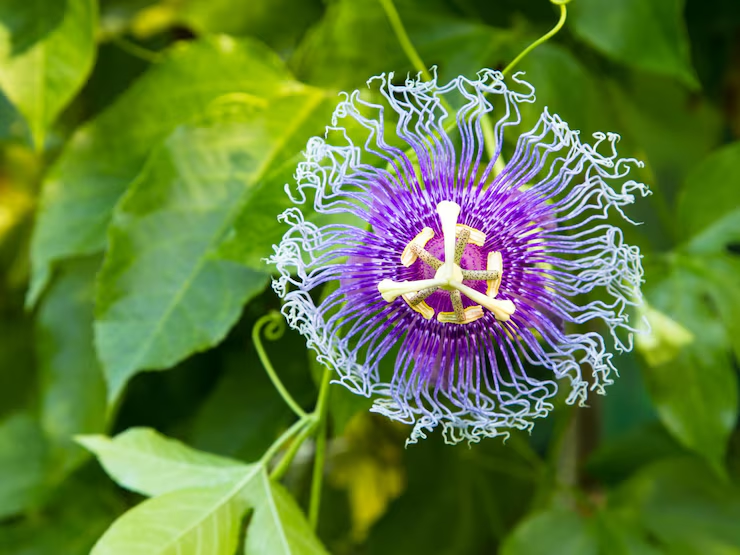

Passiflora edulis, commonly known as passion fruit, is a tropical fruit belonging to the Passifloraceae family. It is valued for its sweet-tart flavor and rich nutritional profile, providing dietary fiber, vitamin C, vitamin A, potassium, and naturally occurring antioxidants. Traditionally enjoyed as a nutritious fruit in many regions, it may support digestive health, immune function, heart health, and overall wellness as part of a balanced diet. While passion fruit is generally safe for most people, individuals with allergies or certain medical conditions should consume it with appropriate precautions.
What Is Passiflora Edulis?
Many people recognize passion fruit by its sweet aroma and tangy taste, but fewer know that its scientific name is Passiflora edulis. The word Passiflora refers to the passionflower genus, while edulis is a Latin term meaning edible, highlighting that this species is cultivated primarily for its delicious fruit.
Native to South America, particularly regions of Brazil, Paraguay, northern Argentina, and surrounding tropical areas, Passiflora edulis is now grown in many warm climates around the world, including Australia, New Zealand, India, South Africa, Hawaii, and parts of Southeast Asia. Its adaptability and nutritional value have made it one of the most popular tropical fruits worldwide.
The fruit is typically round or oval with a tough outer rind that changes color as it ripens, depending on the variety. Inside, it contains a vibrant, juicy pulp filled with edible black seeds. This aromatic pulp offers a unique balance of sweetness and tanginess, making passion fruit a favorite ingredient in beverages, desserts, fruit salads, yogurts, and sauces.
Beyond its refreshing taste, Passiflora edulis has gained attention for its naturally occurring nutrients and bioactive plant compounds. It provides dietary fiber, essential vitamins, minerals, and antioxidants that contribute to its reputation as a nutritious addition to a healthy diet. Researchers continue to study its potential role in supporting overall wellness, although many proposed health benefits require further clinical investigation.
One important point to remember is that Passiflora edulis refers specifically to the fruit-bearing species commonly eaten around the world. It should not be confused with other members of the Passiflora genus, such as Passiflora incarnata, which is more commonly used in herbal supplements for relaxation and sleep support. Although they belong to the same botanical family, they differ in their traditional uses, nutritional composition, and the scientific evidence available for their health effects.
Today, Passiflora edulis is appreciated not only for its refreshing flavor but also for its combination of nutrition, versatility, and naturally occurring plant compounds, making it a valuable part of a balanced, fruit-rich diet.
Botanical Profile of Passiflora Edulis (Passion Fruit)
Understanding the botanical profile of Passiflora edulis helps explain why this tropical fruit is valued not only for its unique flavor but also for its nutritional qualities. Although it is commonly known as passion fruit, its scientific classification provides important information about its origin, plant family, growth habit, and distinguishing characteristics.
Botanical Profile at a Glance
| Feature | Details |
| Scientific Name | Passiflora edulis Sims |
| Common Names | Passion Fruit, Purple Passion Fruit, Yellow Passion Fruit, Maracuja, Granadilla (varies by region) |
| Plant Family | Passifloraceae |
| Plant Type | Perennial climbing vine |
| Native Region | South America, especially Brazil, Paraguay, northern Argentina, and southern Brazil |
| Cultivated In | India, Australia, New Zealand, South Africa, Colombia, Kenya, Sri Lanka, Vietnam, Hawaii, and other tropical and subtropical regions |
| Fruit Shape | Round to oval |
| Fruit Color | Purple or yellow, depending on the variety |
| Pulp | Bright yellow to orange, juicy, aromatic, with edible black seeds |
| Taste | Sweet, tangy, and mildly acidic |
| Edible Parts | Pulp and seeds (the rind is generally not eaten) |
| Flower Type | Large, fragrant flowers with distinctive white, purple, and blue filaments |
| Growing Climate | Warm, frost-free tropical and subtropical environments |
What Does the Plant Look Like?
Passiflora edulis is a fast-growing evergreen vine that climbs by wrapping its tendrils around nearby supports such as trellises, fences, or trees. Under favorable growing conditions, the vine can spread several meters, making it a popular choice in orchards and home gardens.
The plant produces glossy green leaves and striking flowers with intricate patterns of white, purple, and bluish filaments. These flowers are not only visually attractive but also play an essential role in fruit production by attracting pollinators such as bees.
After successful pollination, the flowers develop into round or oval fruits with a smooth, leathery rind. As the fruit ripens, the outer skin gradually changes color and may wrinkle slightly—a natural sign that the pulp inside has become sweeter and more aromatic.
Common Varieties of Passiflora Edulis
Although there are many species within the Passiflora genus, Passiflora edulis is mainly cultivated in two commonly recognized varieties.
1. Purple Passion Fruit (Passiflora edulis f. edulis)
- Smaller in size with a deep purple rind.
- Usually sweeter and more aromatic.
- Commonly grown in cooler subtropical regions.
- Popular for eating fresh due to its rich flavor.
2. Yellow Passion Fruit (Passiflora edulis f. flavicarpa)
- Larger fruit with a bright yellow rind.
- Slightly more acidic than the purple variety.
- Frequently cultivated in tropical climates.
- Widely used for juice production because it contains abundant pulp.
Both varieties offer similar nutritional benefits, although their sweetness, acidity, and aroma may vary depending on the cultivar and growing conditions.
Why Is Passiflora Edulis So Popular Worldwide?
Passiflora edulis has gained worldwide popularity because it combines great taste, versatility, and nutritional value in a single fruit. It can be enjoyed fresh or incorporated into smoothies, juices, yogurt, fruit bowls, desserts, sauces, and beverages, making it suitable for a wide range of dietary preferences.
In addition to its culinary appeal, the fruit naturally provides dietary fiber, vitamins, minerals, and antioxidant compounds, which have contributed to growing interest in its potential role as part of a healthy eating pattern.
Expert Insight: Many people think all passion flowers produce the same edible fruit, but that’s not the case. The Passiflora genus includes more than 500 species, and only a small number are widely cultivated for their fruit. Passiflora edulis is the species most commonly grown commercially because of its flavorful pulp, reliable fruit production, and nutritional value. Understanding this distinction helps avoid confusion with other Passiflora species that are primarily used for ornamental or herbal purposes.
Nutritional Value of Passiflora Edulis (Passion Fruit)
One of the main reasons Passiflora edulis (passion fruit) is considered a nutritious addition to a balanced diet is its combination of dietary fiber, vitamins, minerals, and naturally occurring antioxidants. Although the fruit is relatively low in calories, it provides several nutrients that support normal body functions and overall well-being.
The juicy pulp contains vitamin C, which contributes to normal immune function and helps protect cells from oxidative stress. It also provides vitamin A (primarily from carotenoids), an essential nutrient for maintaining healthy vision, skin, and immune health. In addition, passion fruit is a good source of dietary fiber, which supports healthy digestion and helps you feel fuller after meals.
Beyond vitamins and fiber, Passiflora edulis supplies important minerals such as potassium, magnesium, phosphorus, and iron in smaller amounts. These nutrients play roles in muscle function, fluid balance, energy metabolism, and maintaining healthy bones.
Unlike many processed snacks or sugary desserts, passion fruit offers natural sweetness along with beneficial plant compounds, making it a flavorful option for people looking to include more nutrient-rich fruits in their daily diet.
Nutrition Facts of Passiflora Edulis (Per 100 g Edible Portion*)
| Nutrient | Approximate Amount | Why It Matters |
| Energy | 97 kcal | Provides natural energy |
| Carbohydrates | 23.4 g | Primary source of energy |
| Dietary Fiber | 10.4 g | Supports digestive health and satiety |
| Protein | 2.2 g | Contributes to normal tissue maintenance |
| Total Fat | 0.7 g | Naturally low in fat |
| Vitamin C | 30 mg | Supports immune function and collagen formation |
| Vitamin A | 64 µg RAE | Helps maintain healthy vision and skin |
| Potassium | 348 mg | Supports normal muscle and nerve function |
| Magnesium | 29 mg | Important for muscles, nerves, and energy metabolism |
| Phosphorus | 68 mg | Contributes to healthy bones and teeth |
| Iron | 1.6 mg | Helps transport oxygen in the body |
| Calcium | 12 mg | Supports bone health |
| Water | ~73 g | Contributes to hydration |
*Values are approximate and may vary depending on the variety, growing conditions, and ripeness of the fruit.
What Makes Passiflora Edulis Nutritionally Unique?
While many tropical fruits are known for their vitamin content, Passiflora edulis stands out because it combines several beneficial nutrients in one fruit.
Rich in Dietary Fiber
Passion fruit is naturally high in dietary fiber, particularly when the edible seeds are consumed along with the pulp. Fiber supports regular bowel movements, contributes to a healthy gut, and may help increase feelings of fullness after meals as part of a balanced diet.
Excellent Source of Vitamin C
Vitamin C acts as an antioxidant that helps protect cells from oxidative stress. It also supports collagen production, which is important for healthy skin, blood vessels, and connective tissues, while contributing to normal immune function.
Contains Provitamin A Carotenoids
The vibrant yellow-orange pulp contains carotenoids that the body can convert into vitamin A. These compounds help support healthy vision, skin integrity, and immune health.
Provides Essential Minerals
Potassium and magnesium are important minerals naturally found in passion fruit. Together, they help maintain normal muscle function, nerve signaling, and fluid balance within the body.
Naturally Low in Fat
Despite its rich flavor, passion fruit contains very little fat, making it an easy addition to many healthy eating patterns.
Does Ripeness Affect Nutrition?
Yes. As passion fruit ripens, its flavor becomes sweeter and less acidic, making it more enjoyable to eat. A slightly wrinkled skin is often a sign that the fruit is fully ripe and the pulp inside is juicy and aromatic. While ripening may slightly influence the levels of certain nutrients, ripe and fresh passion fruit remains a nutritious choice.
Expert Insight
Nutritional value isn’t just about vitamins—it’s also about how nutrients work together. Passiflora edulis offers a combination of fiber, vitamin C, carotenoids, potassium, and naturally occurring polyphenols, creating a nutrient-rich food matrix that supports overall health. Instead of relying on a single “super nutrient,” its strength lies in this balanced nutritional profile, making passion fruit a wholesome fruit to include in a varied diet.
Health Tip: Enjoy the pulp and edible seeds together whenever possible. The seeds contribute additional dietary fiber and naturally occurring plant compounds, allowing you to benefit from the fruit’s complete nutritional profile.
Bioactive Compounds Found in Passiflora Edulis (Passion Fruit)
While vitamins and minerals contribute to the nutritional value of Passiflora edulis, much of its growing scientific interest comes from its bioactive compounds. These are naturally occurring plant substances that help protect the fruit and may also offer health-supporting properties when consumed as part of a balanced diet.
Passion fruit contains a variety of polyphenols, flavonoids, carotenoids, and other antioxidant compounds that have been studied for their potential role in protecting cells from oxidative stress and supporting overall wellness. It’s important to note that research into these compounds is ongoing, and many findings are based on laboratory or animal studies rather than large human clinical trials.
Major Bioactive Compounds in Passiflora Edulis
| Bioactive Compound | Naturally Found In | Potential Role in the Body* |
| Polyphenols | Pulp, peel, and seeds | Help protect cells from oxidative stress |
| Flavonoids | Pulp and seeds | Possess antioxidant properties and have been studied for supporting overall health |
| Carotenoids | Bright yellow-orange pulp | Support eye health and act as precursors to vitamin A |
| Vitamin C | Fresh pulp | Contributes to immune function and collagen formation while acting as an antioxidant |
| Piceatannol | Primarily seeds | A naturally occurring polyphenol currently being studied for its potential health effects |
| Dietary Fiber | Pulp and edible seeds | Supports digestive health and contributes to satiety |
*Current research is ongoing, and these compounds should not be considered treatments for any disease. Their benefits are best understood as part of an overall healthy dietary pattern.
Understanding the Key Plant Compounds
Polyphenols
Polyphenols are one of the largest groups of naturally occurring plant compounds. In Passiflora edulis, they contribute to the fruit’s antioxidant activity by helping neutralize unstable molecules known as free radicals. A diet rich in polyphenol-containing fruits and vegetables is associated with overall health and healthy aging.
Flavonoids
Flavonoids are a subgroup of polyphenols found in many colorful fruits. In passion fruit, they help contribute to its antioxidant profile. Scientists continue to investigate how these compounds may interact with normal cellular processes related to inflammation and oxidative stress.
Carotenoids
The golden-yellow color of passion fruit pulp comes from carotenoids, natural pigments that the body can convert into vitamin A. Adequate vitamin A intake is important for maintaining normal vision, immune function, and healthy skin.
Vitamin C
Passion fruit is a good source of vitamin C, an essential nutrient that supports collagen production, wound healing, and immune function. As an antioxidant, vitamin C also helps protect cells from oxidative damage caused by everyday metabolic processes.
Piceatannol
One of the more interesting compounds identified in passion fruit seeds is piceatannol, a naturally occurring polyphenol. Although research is still developing, scientists are studying piceatannol for its potential role in supporting metabolic health and protecting cells from oxidative stress. More high-quality human studies are needed before drawing firm conclusions.
Dietary Fiber
Although fiber is technically a nutrient rather than a phytochemical, it works alongside these plant compounds to support digestive health. Eating both the pulp and edible seeds provides a valuable source of dietary fiber that can help maintain regular bowel movements and support a healthy gut microbiome.
Do the Seeds and Peel Also Contain Beneficial Compounds?
Yes. While the juicy pulp is the part most commonly eaten, research suggests that the edible seeds and even the peel contain additional bioactive compounds.
- Seeds are rich in dietary fiber and naturally occurring polyphenols, including piceatannol.
- Peel contains various antioxidant compounds and is often studied for its potential use in food products and extracts. However, the fresh peel is generally not eaten because of its tough texture and bitter taste.
Researchers continue to explore how these different parts of the fruit might be used in functional foods and nutritional products.
Why Do Bioactive Compounds Matter?
Unlike essential vitamins and minerals, bioactive compounds are not required nutrients, but they may contribute to the health-promoting effects of plant-based foods. Rather than acting alone, these compounds work together in a natural food matrix, which is one reason nutrition experts encourage eating whole fruits instead of relying solely on supplements.
Health Benefits of Passiflora Edulis (Passion Fruit)
Passiflora edulis (passion fruit) is more than a flavorful tropical fruit—it also provides a variety of nutrients and naturally occurring plant compounds that contribute to a healthy diet. Its combination of dietary fiber, vitamin C, vitamin A, potassium, and antioxidant-rich phytochemicals has made it the subject of growing nutritional and scientific interest.
It’s important to remember that no single food can prevent, treat, or cure disease. However, including nutrient-dense fruits like passion fruit as part of a balanced diet may support several aspects of overall health.
Below are some of the most widely discussed health benefits of Passiflora edulis based on its nutritional profile and available scientific evidence.
1. May Support Healthy Digestion
One of the standout nutrients in passion fruit is dietary fiber. Both the juicy pulp and edible seeds contribute fiber, which plays an important role in maintaining digestive health.
Adequate fiber intake may help:
Promote regular bowel movements by adding bulk to the stool, making it easier to pass and supporting normal digestive function.
Maintain a healthy digestive system by encouraging smooth movement of food through the intestines and helping keep the gut functioning efficiently.
Nourish beneficial gut bacteria, which use dietary fiber as a food source and contribute to a balanced gut microbiome.
Increase feelings of fullness after meals, which may help reduce unnecessary snacking and support healthier eating habits.
Contribute to long-term digestive wellness when consumed regularly as part of a diet rich in fruits, vegetables, whole grains, and legumes.
Unlike refined snacks that contain little fiber, passion fruit offers natural sweetness along with nutrients that support a healthy digestive system.
Expert Tip: Eating the edible seeds along with the pulp provides additional fiber, allowing you to enjoy the fruit’s complete nutritional benefits.
2. May Help Support Immune Function
Passiflora edulis is naturally rich in vitamin C, an essential nutrient that helps support the normal functioning of the immune system.
Vitamin C contributes to:
Supporting the body’s natural immune defenses by helping immune cells function normally during everyday activities.
Protecting healthy cells from oxidative stress through its antioxidant properties, which help neutralize free radicals.
Promoting collagen production, an important structural protein needed for healthy skin, gums, blood vessels, and connective tissues.
Improving the absorption of plant-based iron, making it easier for the body to utilize iron from foods such as beans, lentils, and leafy greens.
Including vitamin C-rich fruits like passion fruit can help meet your daily nutritional needs as part of a varied and balanced diet.
3. May Promote Heart Health
A heart-friendly eating pattern includes plenty of fruits, vegetables, whole grains, and other nutrient-rich foods. Passion fruit fits well into this approach because it naturally contains potassium, dietary fiber, and antioxidant compounds.
These nutrients may help support:
Normal blood vessel function, allowing the circulatory system to work efficiently as part of overall cardiovascular health.
Healthy fluid and electrolyte balance, which is important for maintaining normal blood pressure and muscle function.
Overall heart wellness by contributing valuable nutrients commonly recommended in heart-healthy eating patterns.
Healthy cholesterol management when combined with a diet naturally rich in fiber and low in highly processed foods.
While passion fruit alone cannot improve heart health, it can be one nutritious component of an overall heart-conscious lifestyle.
4. May Help Maintain Healthy Blood Sugar Levels
Although passion fruit has a naturally sweet taste, its fiber content may help slow the digestion and absorption of carbohydrates, supporting a more gradual rise in blood sugar after meals.
For this reason, passion fruit can often be enjoyed in moderation as part of a balanced eating plan. However, individuals with diabetes or other medical conditions should follow personalized dietary advice from their healthcare provider.
Research is ongoing to better understand how the fruit’s fiber and plant compounds may influence metabolic health.
Good to Know: Whole passion fruit is generally a better choice than sweetened passion fruit beverages, which may contain added sugars.
5. May Support Healthy Skin
Healthy skin depends on many nutrients working together, and passion fruit provides several of them naturally.
Its nutritional profile includes:
Vitamin C, which plays an important role in collagen formation and helps maintain the skin’s normal structure.
Carotenoids that can be converted into vitamin A, helping support healthy skin and the normal renewal of skin cells.
Naturally occurring antioxidants, which help protect skin cells from oxidative stress caused by environmental factors and normal metabolism.
Together, these nutrients contribute to maintaining healthy skin as part of an overall nutritious diet.
6. May Support Eye Health
The bright yellow-orange pulp of Passiflora edulis contains carotenoids, natural pigments that the body can convert into vitamin A.
Vitamin A is essential for:
Maintaining normal vision, particularly under low-light conditions where adequate vitamin A plays an important role.
Supporting the surface of the eyes, helping keep the cornea and surrounding tissues healthy.
Contributing to normal immune function, as vitamin A supports several important processes throughout the body.
Regularly eating colorful fruits and vegetables rich in carotenoids is widely recommended as part of a healthy dietary pattern.
7. May Help Protect Cells from Oxidative Stress
Everyday metabolism and environmental factors naturally produce free radicals, unstable molecules that can contribute to oxidative stress.
Passion fruit contains several antioxidant nutrients and phytochemicals, including:
Vitamin C, a well-known antioxidant that helps defend healthy cells against oxidative damage.
Polyphenols, naturally occurring plant compounds that contribute to the fruit’s overall antioxidant capacity.
Flavonoids, which have been widely studied for their antioxidant properties and role in a balanced diet.
Carotenoids, colorful plant pigments that help protect cells while also serving as a source of vitamin A.
While antioxidants are important, they work best as part of an overall diet rich in a variety of fruits, vegetables, nuts, legumes, and whole grains
8. May Support Healthy Weight Management
Passion fruit can be a satisfying addition to a healthy eating plan because it combines natural sweetness with dietary fiber.
Fiber-rich foods may help:
Keep you feeling full for longer, which may naturally reduce the urge to snack between meals.
Encourage healthier portion control, making it easier to maintain balanced eating habits throughout the day.
Replace highly processed sweet snacks, offering a naturally flavorful alternative with additional vitamins and fiber.
Support healthy weight management goals when combined with regular physical activity and an overall balanced diet.
It’s worth noting that no single fruit causes weight loss, but replacing high-sugar desserts or processed snacks with fresh fruit can support healthier food choices.
9. May Contribute to Healthy Bone Function
Although passion fruit is not a major source of calcium, it provides magnesium, phosphorus, and small amounts of calcium, all of which play important roles in maintaining healthy bones.
These minerals work together to support:
The normal structure and strength of bones, contributing to overall skeletal health.
Healthy muscle function, as magnesium and phosphorus are involved in normal muscle activity.
Energy production within the body, helping cells perform their everyday functions efficiently.
A diet containing a variety of mineral-rich foods is essential for lifelong bone health.
10. May Support Overall Well-Being as Part of a Balanced Diet
Rather than focusing on one “superfood,” nutrition experts recommend eating a variety of nutrient-dense foods. Passiflora edulis fits well into this recommendation because it provides a combination of:
Dietary fiber, which contributes to digestive health and helps increase satiety after meals.
Essential vitamins, including vitamin C and provitamin A carotenoids that support normal body functions.
Important minerals, such as potassium and magnesium, that play roles in nerve, muscle, and heart function.
Naturally occurring antioxidants, which help protect cells from oxidative stress as part of a healthy diet.
Bioactive plant compounds, including polyphenols and flavonoids, that add to the fruit’s nutritional value.
Together, these nutrients make passion fruit a wholesome addition to a healthy, balanced diet.
Traditional Uses of Passiflora Edulis
Passiflora edulis (passion fruit) has been valued for centuries as both a nutritious food and a traditional plant in many tropical regions. Native to South America, it has long been incorporated into local diets and traditional wellness practices in countries such as Brazil, Paraguay, Peru, Colombia, and Ecuador. As the fruit spread to Asia, Africa, and other parts of the world, different cultures began using various parts of the plant—including the fruit, leaves, flowers, and peel—in their traditional systems of health.
It is important to understand that traditional use reflects historical knowledge and cultural practices, which may not always be supported by modern clinical research. Many of these uses have been passed down through generations and continue to be explored by researchers today.
Traditional Uses in Different Cultures
South American Traditional Practices
In its native regions, Passiflora edulis has traditionally been enjoyed as a refreshing fruit and a nourishing food. Local communities have commonly consumed the ripe pulp to promote hydration during warm weather and as part of everyday meals.
Traditional practices have also included using different parts of the plant for general wellness and seasonal health support, although preparation methods vary from one region to another.
Traditional Herbal Use of the Leaves
In several cultures, the leaves of Passiflora edulis have traditionally been prepared as herbal infusions or teas.
Historically, these preparations have been used for purposes such as:
- Promoting a sense of relaxation and overall well-being.
- Supporting restful sleep in traditional herbal practices.
- Helping maintain emotional calm during periods of occasional stress.
- Supporting general wellness as part of traditional plant-based remedies.
Important: Most scientific research related to relaxation and sleep has focused on Passiflora incarnata, a different species of passionflower. Therefore, findings from those studies should not be directly applied to Passiflora edulis without supporting evidence.
Traditional Culinary Uses
Beyond its wellness traditions, passion fruit has always been appreciated as a versatile food ingredient.
Traditionally, it has been used to prepare:
- Fresh fruit juices and refreshing beverages enjoyed in tropical climates.
- Fruit salads, desserts, jams, and sauces that highlight its sweet-tart flavor.
- Homemade preserves and syrups prepared during harvest seasons.
- Flavoring for yogurt, ice creams, baked goods, and traditional sweets in many regions.
Its pleasant aroma and refreshing taste have made it a staple ingredient in both home kitchens and commercial food products.
Traditional Perspective on Nutrition
Historically, many cultures viewed fresh fruits like passion fruit as foods that could help maintain overall vitality because they were naturally rich in water, fiber, vitamins, and other plant nutrients.
Traditional dietary practices often emphasized consuming seasonal, fresh fruits as part of a balanced eating pattern rather than relying on a single food for specific health outcomes.
This philosophy continues to align with modern nutrition recommendations that encourage eating a variety of colorful fruits and vegetables every day.
How Is Passiflora Edulis Viewed in Ayurveda?
Although Passiflora edulis is not a classical Ayurvedic herb described in the major ancient Ayurvedic texts, it is increasingly included in modern Ayurvedic nutrition because of its nutritional profile and refreshing nature.
Based on its nutrient composition and traditional dietary use, some contemporary Ayurvedic practitioners may recommend passion fruit as part of a balanced diet, particularly during warmer seasons. However, these recommendations are generally based on modern nutritional understanding and clinical experience, rather than classical Ayurvedic formulations.
Since passion fruit is not a traditional Ayurvedic medicinal herb, its use should be viewed primarily as a nutritious fruit rather than a replacement for established Ayurvedic therapies.
Traditional Use vs. Scientific Evidence
One of the most common misconceptions is that traditional use automatically proves a health benefit. In reality, traditional knowledge and scientific research complement each other but serve different purposes.
| Traditional Use | Scientific Evidence |
| Based on cultural experience passed down through generations. | Based on laboratory studies, clinical trials, and systematic scientific evaluation. |
| Reflects historical food and wellness practices. | Evaluates safety, effectiveness, dosage, and mechanisms under controlled conditions. |
| May inspire future research. | Helps determine whether traditional claims are supported by reliable evidence. |
Understanding this distinction allows readers to appreciate traditional knowledge while making informed, evidence-based health decisions.
What Does Modern Research Say About Passiflora Edulis?
As interest in functional foods and plant-based nutrition continues to grow, Passiflora edulis (passion fruit) has become the subject of numerous scientific studies. Researchers have investigated its nutritional composition, antioxidant activity, dietary fiber, and naturally occurring plant compounds to better understand how they may contribute to overall health.
While the findings are encouraging, it’s important to interpret them carefully. Many studies have been conducted in laboratory settings (in vitro) or animal models, and although these studies provide valuable insights, they do not always produce the same results in humans. More well-designed clinical trials are needed before firm health conclusions can be made.
Below is a summary of what current research suggests.
1. Research on Antioxidant Activity
One of the most extensively studied aspects of Passiflora edulis is its antioxidant content. The fruit contains naturally occurring compounds such as polyphenols, flavonoids, carotenoids, and vitamin C, which have been shown to exhibit antioxidant activity in laboratory studies.
Current research suggests these compounds may:
- Help protect healthy cells from oxidative stress.
- Contribute to the body’s natural antioxidant defense system.
- Support overall wellness when consumed as part of a diet rich in fruits and vegetables.
While these findings are promising, antioxidant activity observed in laboratory research does not necessarily translate into the same health effects in humans.
2. Research on Digestive Health
The dietary fiber naturally present in passion fruit has been widely recognized as one of its key nutritional strengths.
Studies consistently show that adequate fiber intake may:
- Promote regular bowel movements.
- Support a healthy gut microbiome.
- Improve stool consistency.
- Increase feelings of fullness after meals.
These digestive benefits are supported by a broad body of nutrition research on dietary fiber, making this one of the better-established health advantages of consuming fiber-rich fruits like passion fruit.
3. Research on Heart Health
Scientists have also explored how the nutrients found in passion fruit may contribute to cardiovascular health.
Current evidence suggests that:
- Potassium helps maintain normal blood pressure by supporting healthy fluid balance.
- Dietary fiber is associated with healthy cholesterol levels as part of a balanced diet.
- Antioxidants may help reduce oxidative stress, an important factor in overall cardiovascular health.
However, there is insufficient evidence to conclude that eating passion fruit alone can prevent or treat heart disease. Instead, it should be viewed as one component of an overall heart-healthy eating pattern.
4. Research on Blood Sugar Management
Some early research has examined the potential role of passion fruit’s fiber and bioactive compounds in supporting healthy glucose metabolism.
Researchers have observed that:
- Dietary fiber may slow carbohydrate digestion.
- Whole fruits generally produce a more gradual rise in blood sugar than sugar-sweetened beverages.
- Certain plant compounds continue to be investigated for their metabolic effects.
Although these findings are encouraging, larger human studies are still needed before specific recommendations can be made for people with diabetes.
5. Research on Piceatannol
Among the naturally occurring compounds in passion fruit, piceatannol has attracted considerable scientific interest.
Preliminary studies suggest that piceatannol may have antioxidant and metabolic properties, leading researchers to investigate its possible role in:
- Cellular protection against oxidative stress.
- Healthy metabolic function.
- Inflammation-related biological pathways.
At present, much of this research remains in the early stages, and additional human clinical trials are required to confirm these potential effects.
6. Research on Passion Fruit Peel
Scientists have also studied the peel of Passiflora edulis, which contains dietary fiber and various phytochemicals.
Research is exploring its potential use in:
- Functional food ingredients.
- Natural food products.
- Fiber-enriched formulations.
Although these findings are promising, the fresh peel is generally not consumed because of its tough texture and bitter taste.
What Are the Current Limitations of Research?
Despite growing interest in Passiflora edulis, several limitations remain.
Current research includes:
- Laboratory studies that cannot fully predict human responses.
- Animal studies that require confirmation in people.
- Small human studies with limited participants.
- Differences in fruit varieties, growing conditions, and preparation methods that can influence study results.
For these reasons, researchers continue to investigate the fruit before making stronger health recommendations.
How to Eat Passiflora Edulis (Passion Fruit)
One of the best things about Passiflora edulis (passion fruit) is its versatility. The fruit has a sweet-tart flavor and a fragrant aroma that makes it easy to include in a variety of meals and snacks. Whether eaten fresh or added to recipes, passion fruit provides dietary fiber, vitamins, minerals, and naturally occurring antioxidants without requiring complicated preparation.
If you’re trying passion fruit for the first time, you may wonder which parts are edible and how to enjoy it. The good news is that the golden pulp and crunchy black seeds are both edible, while the thick outer rind is generally not eaten.
The Best Way to Eat Fresh Passion Fruit
Fresh passion fruit is the simplest and most popular way to enjoy this tropical fruit.
Here’s how to prepare it:
- Wash the fruit thoroughly under running water.
- Cut it in half using a clean knife.
- Scoop out the pulp and edible seeds with a spoon.
- Enjoy it as it is or add it to your favorite foods.
Many people prefer eating the pulp and seeds together because the seeds provide extra dietary fiber and a pleasant crunchy texture.
Quick Tip: A slightly wrinkled skin usually indicates that the fruit is fully ripe and naturally sweeter inside. Smooth-skinned fruits are often less ripe and may taste more tart.
Delicious Ways to Include Passiflora Edulis in Your Diet
Passion fruit pairs well with both sweet and savory dishes. Here are some simple ideas to add it to your daily meals.
Eat It Fresh
- Scoop the fresh pulp directly from the fruit and enjoy it as a naturally refreshing snack.
- Pair it with other seasonal fruits to create a colorful and nutrient-rich fruit bowl.
Blend It into Smoothies
- Add fresh passion fruit pulp to smoothies for a tropical flavor and natural sweetness.
- Combine it with fruits like banana, mango, pineapple, or berries for a balanced and refreshing drink.
Mix It with Yogurt
- Stir the pulp into plain or Greek yogurt to add texture, flavor, and extra nutrients.
- Top with nuts or seeds for a wholesome breakfast or snack.
Sprinkle Over Oatmeal or Breakfast Bowls
- Add passion fruit pulp to oatmeal, chia pudding, or overnight oats for a fresh and tangy twist.
- Combine it with fresh berries and a handful of nuts to create a satisfying morning meal.
Add to Salads
- Drizzle fresh passion fruit pulp over green salads or fruit salads for a naturally sweet and tangy dressing.
- It pairs especially well with leafy greens, avocado, citrus fruits, and soft cheeses.
Prepare Homemade Juice
- Blend the pulp with water and strain it if you prefer a smoother texture.
- Avoid adding excess sugar to preserve the fruit’s natural nutritional value.
Use in Healthy Desserts
- Passion fruit makes a flavorful topping for yogurt parfaits, chia pudding, frozen yogurt, and homemade fruit popsicles.
- It can also be added to baked dishes or fruit-based desserts for a refreshing tropical taste.
Can You Eat the Seeds?
Yes. The small black seeds inside Passiflora edulis are edible and are commonly eaten along with the pulp.
The seeds:
- Provide additional dietary fiber that supports normal digestive health.
- Add a light, crunchy texture that many people enjoy.
- Contain naturally occurring plant compounds that contribute to the fruit’s overall nutritional profile.
Some people choose to strain out the seeds when making juice, but eating them is generally considered safe for most healthy individuals.
Is the Peel Edible?
The thick outer rind is generally not eaten fresh because it has a tough texture and a bitter taste.
However, researchers continue to study the peel because it contains dietary fiber and various bioactive compounds that may have applications in food products. Commercial extracts and processed ingredients made from passion fruit peel differ from eating the fresh peel at home.
Should You Eat Passion Fruit Every Day?
For most healthy adults, passion fruit can be enjoyed regularly as part of a varied and balanced diet. Like other fruits, it contributes valuable nutrients while adding flavor and variety to meals.
Instead of relying on a single fruit, nutrition experts recommend eating a wide range of fruits and vegetables to ensure you obtain a broad spectrum of vitamins, minerals, fiber, and beneficial plant compounds.
If you have food allergies, diabetes, kidney disease, or another medical condition requiring dietary restrictions, consult your healthcare professional or a registered dietitian for personalized advice.
Tips for Getting the Most Nutritional Value
To maximize the nutritional benefits of Passiflora edulis:
Store ripe fruits properly and consume them while fresh to enjoy the best flavor and quality.
Choose ripe fruits with a rich color and slightly wrinkled skin, as they are often sweeter and more aromatic.
Eat the pulp together with the edible seeds to benefit from their natural fiber content.
Limit added sugar when preparing juices, smoothies, or desserts to preserve the fruit’s natural nutritional profile.
Pair passion fruit with protein-rich or healthy fat-containing foods, such as yogurt, nuts, or seeds, to create a more balanced snack or meal.
How Much Passiflora Edulis (Passion Fruit) Can You Eat Per Day?
Passiflora edulis (passion fruit) is a nutritious tropical fruit that can be enjoyed as part of a balanced diet. However, like any food, the ideal amount depends on factors such as your age, overall diet, activity level, and individual health needs. There is no official recommended daily intake specifically for passion fruit, but nutrition experts generally encourage eating a variety of fruits rather than relying heavily on a single one.
For most healthy adults, 1–2 medium-sized passion fruits per day can be a reasonable serving when included alongside other fresh fruits and vegetables. This amount provides dietary fiber, vitamin C, antioxidants, and other beneficial nutrients without contributing excessive calories or natural sugars.
General Serving Recommendations
The following suggestions are general dietary guidelines and should not replace personalized advice from a healthcare professional or registered dietitian.
| Age Group | Suggested Serving* |
| Adults | 1–2 medium passion fruits per day |
| Children | Smaller portions based on age and appetite |
| Older Adults | Moderate servings as part of a varied, nutrient-rich diet |
| Athletes & Active Individuals | May include passion fruit along with other fruits to help meet overall nutritional needs |
*These are general food-based recommendations, not medical dosage guidelines. Individual nutritional needs vary.
Is It Safe to Eat Passion Fruit Every Day?
For most healthy people, yes. Passion fruit can be included in your daily diet as one of your recommended fruit servings.
Regularly eating a variety of fruits—including passion fruit—may help increase your intake of:
- Dietary fiber, which supports normal digestive function and helps you feel satisfied after meals.
- Vitamin C, an essential nutrient that contributes to immune function and collagen formation.
- Carotenoids and other antioxidants, which help protect cells from oxidative stress.
- Potassium and magnesium, minerals involved in normal muscle, nerve, and heart function.
Rather than eating large amounts of a single fruit, aim for variety, as different fruits provide different nutrients and beneficial plant compounds.
When Should You Eat Passion Fruit?
There is no “best” time to eat passion fruit. It can fit into your diet at different times of the day depending on your preferences.
Some popular options include:
- Breakfast: Add the pulp to oatmeal, yogurt, smoothie bowls, or whole-grain cereal for a nutritious start to the day.
- Mid-morning snack: Enjoy fresh passion fruit on its own or pair it with nuts for a satisfying snack.
- After lunch: Include it in a fruit salad or enjoy it as a light dessert.
- Post-workout: Combine passion fruit with yogurt or a protein-rich smoothie to create a balanced recovery snack.
- Evening: Add it to plain yogurt or cottage cheese if you enjoy a light, fruit-based dessert.
The most important factor is how it fits into your overall eating pattern, rather than the specific time you consume it.
Can You Eat Too Much Passion Fruit?
Although passion fruit is considered a healthy food, eating very large amounts may not be suitable for everyone.
Excessive intake could:
- Increase your overall fiber intake too quickly, which may lead to temporary bloating or digestive discomfort in some individuals.
- Add more natural fruit sugars to your diet than intended, especially if consumed alongside sweetened juices or desserts.
- Reduce dietary variety if it replaces other nutrient-rich fruits and vegetables.
Moderation and variety remain the best approach for long-term healthy eating.
Who May Need to Limit Their Intake?
Some individuals should consume passion fruit with additional care or seek personalized dietary advice.
This may include people who:
- Have a known allergy to passion fruit or related foods, as allergic reactions can occur in susceptible individuals.
- Need to monitor carbohydrate intake, such as those with diabetes, who should consider the fruit as part of their overall meal plan.
- Have specific kidney conditions requiring potassium restriction, where healthcare professionals may recommend limiting certain fruits.
- Follow medically prescribed diets that include fruit restrictions for individual health reasons.
If you have an underlying medical condition or are unsure whether passion fruit is appropriate for your diet, consult your healthcare provider or a registered dietitian.
Tips for Enjoying Passion Fruit in Moderation
A few simple habits can help you enjoy Passiflora edulis as part of a balanced lifestyle:
- Choose fresh, ripe passion fruit instead of products with added sugars whenever possible.
- Pair it with protein-rich foods, such as yogurt or nuts, to create a more balanced snack.
- Include a variety of fruits throughout the week rather than relying on one fruit alone.
- Listen to your body’s response, especially if you’re increasing your fiber intake for the first time.
- Stay hydrated, as adequate water intake complements a fiber-rich diet.
Passiflora Edulis Side Effects, Safety & Precautions
Passiflora edulis (passion fruit) is generally considered safe for most healthy individuals when eaten as part of a balanced diet. The fruit is widely consumed around the world and is valued for its nutritional benefits. However, like any food, it may not be suitable for everyone. Some people may experience allergies, digestive discomfort, or need to limit their intake due to certain medical conditions.
Understanding the possible side effects and safety considerations can help you enjoy passion fruit responsibly while making informed dietary choices.
Important: Most people can safely eat fresh passion fruit in moderation. If you have an underlying medical condition, food allergy, or are taking prescription medications, consult your healthcare provider before making significant dietary changes.
Possible Side Effects of Passiflora Edulis
Although side effects are uncommon, some individuals may experience mild reactions after consuming passion fruit.
1. Allergic Reactions
Some people may be allergic to passion fruit, although this is relatively rare. Symptoms can range from mild to severe depending on the individual.
Possible signs of an allergic reaction include:
- Itching or tingling in the mouth, lips, or throat after eating the fruit.
- Skin reactions such as hives, redness, or itching.
- Swelling of the lips, tongue, face, or throat.
- Difficulty breathing or wheezing in severe cases, which requires immediate medical attention.
If you experience symptoms of a severe allergic reaction, seek emergency medical care without delay.
2. Digestive Discomfort
Passion fruit is naturally rich in dietary fiber. While fiber is beneficial for digestive health, eating a large amount—especially if your diet is usually low in fiber—may temporarily cause:
- Mild bloating or a feeling of abdominal fullness.
- Increased gas as the digestive system adapts to higher fiber intake.
- Loose stools in some individuals if consumed in excessive quantities.
These effects are usually temporary and may be reduced by increasing fiber intake gradually and drinking enough water.
3. Latex-Fruit Syndrome
People with a latex allergy may have a higher risk of reacting to certain fruits, including passion fruit, due to similarities in specific proteins.
If you have a known latex allergy, speak with your healthcare provider before regularly consuming passion fruit, particularly if you’ve experienced reactions to fruits such as banana, avocado, kiwi, or papaya.
Who Should Be Cautious?
Although passion fruit is safe for most people, certain groups may benefit from extra caution.
People with Food Allergies
If you’ve previously had an allergic reaction to passion fruit or related fruits, it’s best to avoid consuming it until you’ve been evaluated by a healthcare professional.
People with Diabetes
Passion fruit contains natural fruit sugars along with dietary fiber. Many people with diabetes can include it as part of a balanced meal plan, but portion size and overall carbohydrate intake remain important.
Seek personalized dietary advice from your healthcare provider or a registered dietitian if you have diabetes.
People with Kidney Disease
Passion fruit contains potassium, an important mineral for healthy individuals. However, people with advanced kidney disease may need to monitor their potassium intake depending on their healthcare provider’s recommendations.
Can Passiflora Edulis Interact with Medications?
There is limited evidence that eating fresh passion fruit in normal food amounts causes clinically significant medication interactions.
However, if you’re taking medications for:
- Blood pressure
- Diabetes
- Blood thinning (anticoagulants)
- Chronic kidney disease
it’s always advisable to discuss dietary changes with your healthcare provider, particularly if you consume large amounts of any specific fruit or are considering concentrated extracts or supplements.
Good to Know: Eating fresh passion fruit as a food is different from taking concentrated passion fruit extracts or herbal supplements, which may contain much higher levels of certain plant compounds.
Is Passiflora Edulis Safe During Pregnancy and Breastfeeding?
Fresh passion fruit is generally considered safe to eat during pregnancy and breastfeeding when consumed in normal food amounts as part of a varied, balanced diet.
It naturally provides nutrients such as:
- Vitamin C
- Dietary fiber
- Potassium
- Carotenoids
However, there is limited research on concentrated passion fruit extracts or supplements during pregnancy and breastfeeding. For this reason, pregnant and breastfeeding women should consult their healthcare provider before using products containing concentrated extracts.
Is Passion Fruit Safe for Children?
Yes. Fresh passion fruit can be introduced as part of a healthy diet for children when it is age-appropriate and served safely.
Parents should:
- Serve manageable portions suitable for the child’s age.
- Watch for any signs of food allergy when introducing it for the first time.
- Encourage a variety of fruits rather than relying on a single type.
If your child has known food allergies or medical conditions, seek advice from a pediatric healthcare professional.
Tips to Enjoy Passiflora Edulis Safely
Following a few simple precautions can help you enjoy passion fruit with confidence.
- Wash the fruit thoroughly before cutting it to reduce the risk of surface contamination.
- Eat only the edible pulp and seeds, as the fresh outer rind is generally not consumed.
- Introduce it gradually if you’re not used to eating high-fiber foods.
- Store ripe fruits properly and discard any fruit showing signs of spoilage or mold.
- Choose fresh fruit over highly sweetened processed products whenever possible.
When Should You See a Healthcare Professional?
Seek medical advice if you:
- Experience symptoms of an allergic reaction after eating passion fruit.
- Develop persistent digestive discomfort that does not improve.
- Have a chronic medical condition requiring dietary restrictions.
- Are pregnant, breastfeeding, or taking prescription medications and are considering concentrated passion fruit supplements.
Final Thoughts
Passiflora edulis (passion fruit) is much more than a flavorful tropical fruit. Its combination of dietary fiber, vitamin C, carotenoids, potassium, and naturally occurring antioxidants makes it a nutritious choice that fits well into a healthy, balanced diet.
Current research highlights its nutritional value and suggests that its naturally occurring plant compounds may contribute to overall wellness. However, many of the proposed health benefits are still being explored, making it important to distinguish well-established nutritional facts from emerging scientific evidence.
For most healthy individuals, enjoying fresh passion fruit in moderation is a simple and delicious way to increase fruit intake while benefiting from its diverse nutrient profile. Combined with a varied diet, regular physical activity, and other healthy lifestyle habits, Passiflora edulis can be a valuable addition to your everyday nutrition.
Frequently Asked Questions
What is Passiflora edulis?
Passiflora edulis is the scientific name for passion fruit, a tropical fruit from the Passifloraceae family. It is widely enjoyed for its sweet-tart flavor and is naturally rich in dietary fiber, vitamin C, vitamin A, potassium, and antioxidants.
Is Passiflora edulis the same as passion fruit?
Yes. Passiflora edulis is the botanical name of the fruit commonly known as passion fruit. The two terms refer to the same fruit, although “passion fruit” is the common name used in everyday language.
Is Passiflora edulis healthy?
Passiflora edulis is considered a nutrient-dense fruit that provides fiber, vitamins, minerals, and naturally occurring antioxidants. When eaten as part of a balanced diet, it can contribute to overall health and nutritional intake.
Can you eat Passiflora edulis every day?
For most healthy adults, yes. Passion fruit can be enjoyed regularly in moderate amounts as part of a varied diet. Eating a variety of fruits is generally recommended to ensure a broader intake of essential nutrients.
What are the main health benefits of Passiflora edulis?
Passiflora edulis may support digestive health, immune function, heart health, healthy skin, and overall wellness because it naturally contains dietary fiber, vitamin C, carotenoids, potassium, and antioxidant plant compounds.
Are passion fruit seeds safe to eat?
Yes. The black seeds inside passion fruit are edible and are commonly eaten along with the pulp. They provide additional dietary fiber and contribute to the fruit’s overall nutritional value.
Can people with diabetes eat passion fruit?
Many people with diabetes can include passion fruit in moderation as part of a balanced meal plan because it contains dietary fiber along with natural sugars. Individual dietary needs vary, so it’s best to follow advice from a healthcare professional or registered dietitian.
What is the difference between Passiflora edulis and Passiflora incarnata?
Although both belong to the Passiflora genus, they are different species. Passiflora edulis is primarily cultivated for its edible fruit, while Passiflora incarnata is more commonly used in traditional herbal preparations and dietary supplements.
Is Passiflora edulis safe during pregnancy?
Fresh passion fruit is generally considered safe to consume during pregnancy as part of a balanced diet. However, pregnant women should consult their healthcare provider before using concentrated passion fruit extracts or herbal supplements.
Does Passiflora edulis have any side effects?
Passion fruit is generally well tolerated, but some people may experience allergic reactions or mild digestive discomfort, particularly if they consume large amounts or have sensitivities. Individuals with specific medical conditions should seek personalized medical advice.
How should you store passion fruit?
Store unripe passion fruit at room temperature until it ripens. Once ripe, it can be refrigerated for several days to help maintain its freshness and flavor.
Is passion fruit good for weight management?
Passion fruit contains dietary fiber, which may help increase feelings of fullness and support healthy eating habits. While no single food causes weight loss, passion fruit can be included as part of a balanced, calorie-conscious diet and an active lifestyle.