

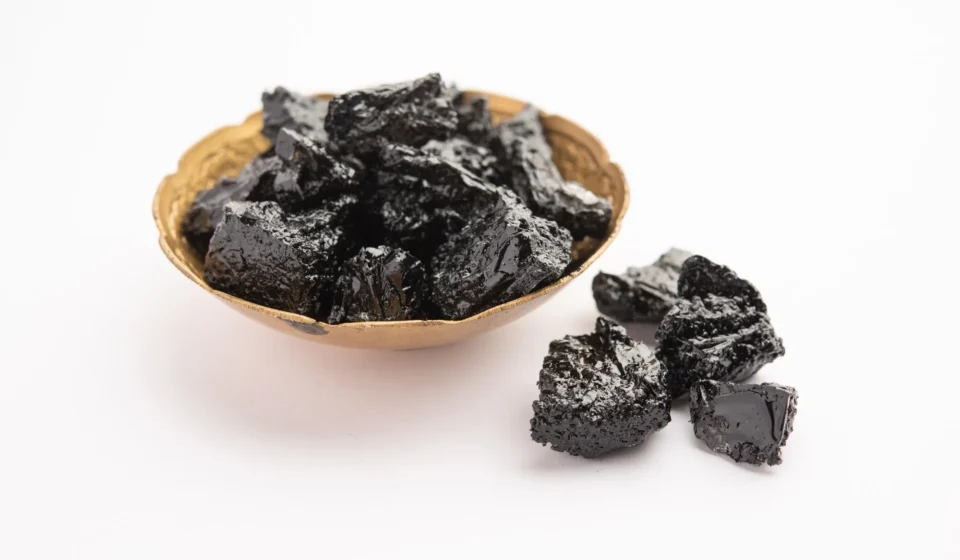

For most healthy adults, taking purified Shilajit in the morning is generally considered the most practical option because it aligns with daytime routines and may complement energy-focused wellness goals. However, the ideal time depends on your health goals, daily schedule, the form of Shilajit you use, and how your body responds. If taking it on an empty stomach causes discomfort, having it with a light meal may be a better choice. Consistency is often more important than the exact time of day.
Expert Tip: If you’re new to Shilajit, start with the manufacturer’s recommended serving size and monitor how you feel before adjusting your routine. If you have an underlying medical condition, are pregnant or breastfeeding, or take prescription medications, consult your healthcare provider before using Shilajit.
Introduction
Shilajit has been used in traditional Ayurvedic practice for centuries and is valued as a naturally occurring mineral-rich substance that forms over long periods in mountainous regions. Today, it has become one of the most searched wellness supplements worldwide, with many people using it to support energy, healthy aging, physical performance, and overall vitality.
As interest in Shilajit continues to grow, one question appears repeatedly:
What is the best time to take Shilajit?
The answer isn’t as simple as morning or night.
The right timing can depend on several factors, including your daily routine, digestive comfort, health goals, and the type of Shilajit you’re taking. While many supplement brands recommend morning use, scientific studies have not established a universally best time of day. Instead, current evidence suggests that using a purified product consistently and following the recommended dosage is likely more important than taking it at a specific hour.
Traditional Ayurveda also emphasizes that wellness practices should be personalized rather than identical for everyone. Factors such as digestion, lifestyle, and overall health have long been considered when recommending herbs and mineral preparations.
In this comprehensive guide, you’ll learn:
- Whether morning or night is the better choice for your needs.
- How your health goals may influence the ideal timing.
- Whether Shilajit should be taken on an empty stomach or with food.
- What modern research says—and what it doesn’t.
- Practical tips to help you use Shilajit safely and effectively.
Whether you’re trying Shilajit for the first time or looking to improve your current routine, this guide will help you make an informed decision based on both traditional Ayurvedic principles and current scientific understanding.
What Is the Best Time to Take Shilajit?
For many people, morning is the most practical time to take Shilajit, especially if the goal is to support daytime energy, maintain a consistent wellness routine, or pair it with breakfast or an early workout. Taking it early in the day also makes it easier to build a daily habit, which may be more important than the exact timing.
However, there isn’t one universal answer that works for everyone.
The best time to take Shilajit depends on several personal factors, including:
- Your primary wellness goals.
- Whether you exercise in the morning or evening.
- How sensitive your stomach is.
- The form of Shilajit you use (resin, powder, or capsules).
- The dosage recommended by the manufacturer.
- Guidance from your healthcare provider if you have a medical condition or take medications.
For example, someone who exercises before work may prefer taking Shilajit before a morning workout, while another person who experiences stomach discomfort on an empty stomach may find it more comfortable to take it after a light breakfast. These individual differences are one reason why health experts generally recommend focusing on consistency and tolerance rather than following a rigid schedule.
Traditional Ayurvedic texts describe Shilajit as a Rasayana—a rejuvenating substance used to support overall vitality when prescribed appropriately. Modern research has explored its potential effects on areas such as energy metabolism and physical performance, but studies have not determined that one specific time of day is clinically superior for all users. Because of this, the best time is often the one that fits your routine, supports consistent use, and is well tolerated.
Why Does the Time You Take Shilajit Matter?
Many articles answer this question in just one sentence:
Take Shilajit in the morning.
While that advice may work well for many people, it doesn’t explain why timing might matter—or whether it truly makes a difference.
The reality is more nuanced.
Unlike medications that must be taken at specific times to work effectively, there is currently no strong clinical evidence showing that Shilajit is significantly more effective in the morning than at night. Most research has focused on the ingredient itself, its dosage, and the duration of supplementation rather than comparing different times of day.
That said, the time you choose to take Shilajit can still influence your overall experience because of several practical factors, including:
Your daily routine: Taking Shilajit at a time that naturally fits into your schedule—such as with your morning routine or after breakfast—can make it easier to remember and maintain a consistent habit.
Digestive comfort: Some people tolerate Shilajit well on an empty stomach, while others may find it more comfortable to take it after a light meal. Choosing the time that suits your digestion may improve your overall experience.
Exercise schedule: If you exercise regularly, you may prefer taking Shilajit before your workout as part of your pre-training routine. Others may choose a different time that better fits their daily activities.
Sleep habits: Although research has not established that evening use affects sleep, some people prefer taking Shilajit earlier in the day based on their personal routine and how they feel after using it.
Personal wellness goals: Whether your focus is supporting daily energy, physical performance, or overall wellness, your health goals may influence the most practical time to include Shilajit in your routine.
Consistency of use: Taking Shilajit at the same time each day can help you build a regular habit. For many people, consistency is likely to be more important than choosing a specific hour.
For many people, these practical factors matter more than the clock. Instead of searching for a universally perfect time, it’s often more helpful to choose a schedule that fits your lifestyle, supports consistent use, and feels comfortable for your body.
Think of Timing Like Building a Healthy Habit
Imagine two people:
Person A
Takes Shilajit every morning after brushing their teeth.
They rarely miss a day.
Person B
Plans to take it “whenever they remember.”
Some days it’s morning.
Other days it’s afternoon.
Sometimes they forget completely.
Even if both use the same product, Person A is more likely to maintain a consistent routine.
This illustrates an important point:
The best time to take Shilajit is often the time you can stick with consistently.Consistency is one of the simplest ways to support any daily wellness routine.
Five Factors That Can Influence the Best Time to Take Shilajit
Instead of asking,
Should everyone take Shilajit in the morning?
a better question is:
“What time fits my goals, lifestyle, and tolerance?”
Let’s look at the factors that may influence your decision.
1. Your Wellness Goal
Your reason for taking Shilajit may help determine the most practical time.
| Your Goal | Practical Time to Consider | Why |
| Support daytime energy | Morning | Fits naturally into the day’s routine. |
| Pre-workout routine | 30–60 minutes before exercise | Easy to pair with training, though research has not established an ideal timing. |
| General wellness | Morning or another consistent time | Consistency is usually the priority. |
| Busy work schedule | After breakfast | Easier to remember and may reduce stomach discomfort for some people. |
The timing itself isn’t necessarily responsible for the effects. Instead, matching your routine to your goals can improve adherence.
2. Your Digestive Comfort
Some people tolerate supplements well on an empty stomach.
Others may notice mild stomach discomfort, nausea, or irritation.
If that happens, taking Shilajit with a light meal may be a better option.
There is no universal rule that everyone must take it before eating.
Listening to your body’s response is important.
3. Your Exercise Schedule
Many fitness enthusiasts prefer taking Shilajit before training.
Why?
Not because studies have proven a specific pre-workout timing advantage, but because it fits naturally into their routine.
Someone who exercises at 6:00 a.m. might take it before training.
Someone who exercises after work may choose to take it before an evening workout instead.
The key is finding a schedule that is easy to maintain.
4. Your Daily Routine
Supplements are only helpful if you remember to take them.
Morning routines often make this easier because they’re more predictable.
For example:
Wake up
↓
Drink water
↓
Breakfast
↓
Take Shilajit
↓
Start your day
Simple routines are easier to follow over the long term than complicated schedules.
5. How Your Body Responds
Every person responds differently.
Factors such as age, diet, activity level, digestive health, medications, and existing medical conditions may all influence how comfortable a supplement feels.
If you notice stomach discomfort, changes in sleep, or other unexpected symptoms after starting Shilajit, stop using it and speak with a qualified healthcare professional.
Traditional Ayurvedic Perspective
In Ayurveda, health recommendations are rarely based on a one-size-fits-all approach. Instead of giving the same advice to everyone, Ayurvedic practitioners traditionally consider a person’s overall health, lifestyle, and individual constitution before recommending herbs, mineral preparations, or daily wellness routines.
When determining the most suitable way to use Shilajit, an Ayurvedic practitioner may evaluate several factors, including:
Prakriti (Individual Constitution): Ayurveda recognizes that every person has a unique mind-body constitution, known as Prakriti. This helps practitioners personalize wellness recommendations because what works well for one individual may not be the best choice for another.
Digestive Strength (Agni): Healthy digestion, or Agni, is considered an important foundation for overall well-being in Ayurveda. If digestion is weak or imbalanced, a practitioner may recommend adjusting the timing, dosage, or accompanying diet to better support digestive comfort.
Lifestyle and Daily Routine: Factors such as your work schedule, physical activity, meal timing, and sleep habits are traditionally considered when planning a daily wellness routine. Choosing a time that naturally fits your lifestyle may also make it easier to use Shilajit consistently.
Season and Environmental Conditions: Ayurveda recognizes that seasonal changes can influence the body’s needs. Depending on the climate and time of year, practitioners may adapt dietary and lifestyle recommendations to help maintain balance.
Overall Health Status: An individual’s age, general health, current wellness concerns, and use of other supplements or medications are important considerations before recommending any Ayurvedic formulation, including Shilajit.
Purpose of the Formulation: Shilajit may be recommended for different traditional wellness purposes depending on the individual’s needs. The intended use can influence how it is incorporated into a broader Ayurvedic health plan.
Rather than recommending the same schedule for everyone, Ayurveda emphasizes choosing the most suitable routine for the individual. This personalized approach reflects one of Ayurveda’s core principles—that health recommendations should be tailored to the person rather than applied universally.
Interestingly, this traditional perspective aligns with modern personalized healthcare, which also recognizes that individual factors such as lifestyle, health status, and personal preferences can influence how people incorporate supplements into their daily routines. Although modern research has not identified one universally best time to take Shilajit, both Ayurveda and contemporary health guidance support the idea of choosing a routine that is practical, consistent, and appropriate for the individual.
What Does Modern Research Say?
Modern studies have investigated Shilajit for areas such as physical performance, healthy aging, and male reproductive health. However, these studies generally focus on the amount taken and the length of supplementation, not whether it should be taken in the morning or evening.
At present:
No high-quality clinical trials have shown that morning dosing is universally superior to evening dosing.
There is limited evidence comparing different times of day.
Following the product’s directions and using a purified, quality-tested product
consistently are likely more important than the exact hour of use.
This is why you’ll often see different timing recommendations from different brands. Many of these suggestions are based on practicality or traditional use rather than direct comparative clinical evidence.
Morning vs. Night: What Is the Best Time to Take Shilajit?
If you’ve searched online for the best time to take Shilajit, you’ve probably seen conflicting advice. Some websites recommend taking it first thing in the morning on an empty stomach, while others suggest it can be taken in the evening or even before a workout.
So, who’s right?
The truth is that there isn’t a single perfect time that works for everyone. Your ideal timing depends on your daily routine, wellness goals, digestive comfort, and the type of Shilajit you’re using.
For many healthy adults, morning is often the most practical choice because it fits naturally into a daytime routine and is less likely to be forgotten. However, if another time of day helps you stay consistent and feels comfortable, that may be just as appropriate.
Instead of asking whether morning is always better than night, it’s more useful to ask:
Which timing fits my lifestyle and helps me use Shilajit consistently?
Morning may be the better choice if you:
You want to build a consistent daily habit. Taking Shilajit at the same time each morning can make it easier to remember and support long-term consistency.
You already take supplements with breakfast or as part of your morning routine. Adding Shilajit to an existing habit may help you stay on track without changing your schedule.
You exercise before work or early in the day. Taking Shilajit before your workout may fit naturally into your fitness routine, although research has not established an ideal pre-workout timing.
You find mornings more structured than evenings. If your mornings are predictable, you’re less likely to miss a serving compared with a busy or unpredictable evening schedule.
Evening may be appropriate if you:
You usually work out after work or later in the day. Taking Shilajit before an evening workout may be more convenient if that’s when you exercise regularly.
Your mornings are rushed or inconsistent. If taking supplements in the morning causes you to skip doses, choosing another consistent time may be a better approach.
You tolerate evening use well without any concerns. Some people prefer taking Shilajit later in the day because it fits their routine, and there is currently no strong evidence showing that evening use is less effective than morning use.
The best time to take Shilajit isn’t determined by the clock—it’s determined by consistency, comfort, and your personal routine. Choosing a time that you can follow every day is generally more important than trying to find a universally perfect hour.
Best Time to Take Shilajit Based on Your Health Goals
One of the biggest limitations of many online articles is that they recommend the same timing for everyone. In reality, the best time to take Shilajit depends on why you’re taking it in the first place.
Someone using Shilajit as part of a morning wellness routine may choose a different schedule than someone who exercises in the evening or someone who simply wants a supplement that’s easy to remember every day.
The recommendations below combine traditional Ayurvedic practices with current scientific understanding while recognizing that individual responses can vary.
If Your Goal Is to Support Daily Energy
For many people, morning is the most practical time to take Shilajit, as it fits naturally into the beginning of the day and is easier to include in an established routine. While research has not shown that morning use is universally superior, many people find it convenient to take it before starting their daily activities.
Many people combine Shilajit with other healthy morning habits, such as:
Drinking a glass of water after waking up. Starting the day with hydration can make it easier to remember your supplement as part of the same routine.
Eating a balanced breakfast if you don’t tolerate supplements on an empty stomach. Taking Shilajit with a light meal may be more comfortable for some individuals.
Exercising or following a regular fitness routine. If you work out in the morning, taking Shilajit beforehand can fit naturally into your schedule.
Practicing yoga, meditation, or other mindfulness activities. Pairing Shilajit with existing wellness habits may help create a consistent daily routine.
Developing a routine that you can maintain every day is often more important than choosing a specific hour on the clock.
If You Exercise Regularly
If you usually exercise in the morning, taking Shilajit before your workout may be the most convenient option because it becomes part of your regular fitness routine.
If you prefer evening workouts, taking it before training can be just as practical if it helps you stay consistent.
Current research has not identified an ideal pre-workout timing for Shilajit, so choosing a schedule that matches your lifestyle is generally the most sensible approach.
If You Have a Sensitive Stomach
Some people tolerate Shilajit well on an empty stomach, while others may find it more comfortable to take it with food. Paying attention to how your body responds can help you decide which approach works best.
If taking Shilajit before breakfast causes discomfort:
Try taking it after a light meal instead. This may improve comfort if you experience mild stomach irritation when taking supplements on an empty stomach.
Always follow the serving instructions provided with your product. Avoid increasing the amount unless directed by a qualified healthcare professional.
Stop using the product and seek medical advice if discomfort continues. Persistent digestive symptoms should always be discussed with a healthcare provider.
If You’re New to Shilajit
If you’re using Shilajit for the first time, there’s no need to overcomplicate your routine. Starting with a simple and consistent approach makes it easier to see how your body responds.
A beginner-friendly approach includes:
Choose one consistent time each day. Taking Shilajit at the same time every day can help build a routine and reduce the chance of missing a serving.
Start with the recommended serving size. Avoid taking larger amounts than suggested, as more is not necessarily better.
Pay attention to how your body responds. Everyone reacts differently, so it’s helpful to monitor your comfort and overall experience during the first few weeks.
Avoid changing the serving size too quickly. If you have questions about dosage or long-term use, consult a qualified healthcare professional rather than adjusting it on your own.
Keeping your routine simple and consistent is often the best way to establish a long-term wellness habit.
Expert Tip
Instead of trying to find the perfect hour to take Shilajit, focus on choosing a time that fits naturally into your daily routine. For most healthy adults, morning is a convenient place to start because it’s easier to remember. However, if another time of day better suits your schedule and you tolerate it well, consistency is likely to have a greater impact than the exact time shown on the clock.
Should You Take Shilajit on an Empty Stomach?
One of the most common recommendations you’ll see online is:
Take Shilajit on an empty stomach.
While this advice is widely shared, it doesn’t mean it’s the only correct approach.
In reality, there isn’t enough high-quality clinical research to prove that taking Shilajit on an empty stomach is more effective than taking it with food. The recommendation is based largely on traditional practices, product directions from manufacturers, and personal experience rather than direct scientific comparisons.
For many healthy adults, taking Shilajit before breakfast may fit naturally into a morning routine. However, if it causes stomach discomfort, taking it with a light meal is a reasonable alternative.
The most important goal is to choose a routine that you can follow consistently while staying within the recommended serving size.
Why Do Some People Prefer Taking Shilajit Before Breakfast?
There are several practical reasons why morning, before breakfast, is commonly suggested.
1. It Fits a Simple Daily Routine
Many people already have an established morning schedule.
For example:
- Wake up
- Drink water
- Take Shilajit
- Eat breakfast
- Start the day
Linking a supplement to an existing habit makes it easier to remember.
2. Traditional Ayurvedic Practice
In Ayurveda, the timing of herbs and mineral preparations may vary depending on the individual, the formulation, digestive strength (Agni), and the intended purpose.
Some practitioners traditionally recommend taking certain preparations before meals, while others recommend taking them with or after food. Because recommendations are individualized, Ayurveda does not always prescribe a single timing for everyone.
3. Personal Preference
Some people simply enjoy taking supplements before eating because it fits their routine.
Others feel more comfortable taking them after breakfast.
Neither approach has been proven to be universally superior.
Is It Okay to Take Shilajit With Food?
Yes.
If taking Shilajit on an empty stomach causes mild nausea or stomach irritation, taking it with food may improve comfort.
This can be especially helpful for people who:
- Have a sensitive stomach.
- Are trying Shilajit for the first time.
- Take multiple supplements.
- Prefer not to take supplements before eating.
Although taking Shilajit with food may be more comfortable for some individuals, there is no strong evidence that doing so significantly reduces its effectiveness.
Empty Stomach vs. With Food
| Empty Stomach | With Food |
| Easy to include in a morning routine | May be gentler on the stomach for some people |
| Often recommended by manufacturers | Good option if you experience digestive discomfort |
| Preferred by some traditional practitioners | May improve comfort and consistency |
| Not proven to be more effective | Not proven to be less effective |
If you tolerate Shilajit well before breakfast, there’s no clear reason to change your routine. If you experience stomach discomfort, taking it with a light meal is a practical alternative. Consistency matters more than following a rigid rule.
Should You Take Shilajit Before or After Meals?
This is another question with no universal answer.
For most healthy adults:
Before meals may be convenient if you already take supplements in the morning.
After meals may be preferable if you have digestive sensitivity.
Instead of focusing on strict timing, ask yourself:
Which option feels comfortable?
Which one helps me remember my supplement every day?
The best routine is the one you can maintain over time.
What Should You Mix Shilajit With?
The way you take Shilajit often depends on the form you choose.
Resin
Purified Shilajit resin is typically dissolved in a small amount of lukewarm water before use. Some people also mix it with warm milk, depending on personal preference and traditional practices.
Capsules
Capsules are the simplest option.
Take them with water and follow the manufacturer’s directions.
Powder
Powdered Shilajit is commonly mixed with water or another suitable beverage, depending on the product instructions.
Always follow the preparation and serving recommendations provided by the manufacturer.
Can You Mix Shilajit With Coffee?
Many people ask whether they can add Shilajit to coffee.
There is very little research on combining Shilajit with caffeinated beverages.
Some people choose to do so based on personal preference, while others prefer water or milk.
If you’re trying Shilajit for the first time, it may be helpful to use it on its own initially. This makes it easier to notice how your body responds before combining it with other beverages or supplements.
Can You Take Shilajit With Milk?
Yes, many people do.
In traditional Ayurvedic practice, some herbal and mineral preparations are taken with warm milk, while others are taken with water. The choice often depends on the specific formulation and the guidance of an Ayurvedic practitioner.
If you prefer milk and tolerate it well, it may be an acceptable option, provided it aligns with the manufacturer’s instructions.
How to Take Shilajit Correctly
No matter which form you choose, a few simple habits can help you use Shilajit more effectively and safely.
Choose a Purified Product
Raw or unprocessed Shilajit may contain unwanted contaminants. Select products that are clearly labeled as purified and manufactured according to recognized quality standards.
Follow the Recommended Serving Size
More isn’t necessarily better.
Use the serving size recommended by the manufacturer unless a qualified healthcare professional advises otherwise.
Stay Consistent
Taking Shilajit at the same time each day is usually more helpful than frequently changing your schedule.
Pay Attention to Your Body
If you notice ongoing digestive discomfort, allergic reactions, or other concerning symptoms, discontinue use and seek medical advice.
Recommended Dosage
The appropriate dosage of Shilajit can vary depending on several factors, including the product formulation, concentration, and your individual health needs. Because there is no standardized dosage that applies to every Shilajit supplement, it’s important to follow the manufacturer’s instructions and seek professional advice if you have any underlying health concerns.
When deciding how much Shilajit to take, consider the following factors:
Product Form (Resin, Capsules, or Powder): Different forms of Shilajit may contain different concentrations of active compounds. Always use the serving size recommended for the specific product you’re using rather than assuming all forms require the same amount.
Concentration and Purity: Shilajit supplements can vary in strength depending on how they’re processed and purified. A purified, concentrated resin may require a different serving size than a capsule or powder, so check the product label carefully.
Manufacturer’s Instructions: Every reputable manufacturer provides recommended serving guidelines based on their formulation. Following these directions is the safest way to use the product and helps avoid taking more than intended.
Your Individual Health Needs: Factors such as your age, overall health, medications, and personal wellness goals may influence what dosage is appropriate. If you have a chronic medical condition or are taking prescription medicines, speak with your healthcare provider before using Shilajit.
Since products differ in formulation and concentration, there isn’t one universal dosage that suits everyone. Choosing a high-quality product and following the recommended serving size is generally more important than trying to match someone else’s routine.
Before You Start Taking Shilajit
Keep these simple safety tips in mind before adding Shilajit to your daily routine:
Read the Product Label Carefully: Check the recommended serving size, directions for use, and any safety warnings provided by the manufacturer before taking your first dose.
Avoid Exceeding the Recommended Amount: Taking more Shilajit than directed is unlikely to provide additional benefits and may increase the risk of unwanted side effects. More is not always better when it comes to dietary supplements.
Talk to Your Healthcare Provider if Needed: If you’re pregnant, breastfeeding, have a medical condition, or take prescription medications, consult a qualified healthcare professional before using Shilajit to ensure it’s appropriate for you.
A Beginner-Friendly Routine
If you’re trying Shilajit for the first time, there’s no need to overcomplicate your routine. Starting with a simple, consistent schedule can help you understand how your body responds while making it easier to build a long-term habit.
Week 1: Start Simple
During your first week, focus on consistency rather than trying different timings or higher amounts.
Choose One Consistent Time Each Day: Whether you prefer taking Shilajit in the morning or at another convenient time, sticking to the same schedule each day can help you develop a routine that’s easy to maintain.
Follow the Recommended Serving Size: Begin with the serving size listed on your product label unless your healthcare provider has advised otherwise. Avoid increasing the amount during your first few days of use.
Pay Attention to How You Feel: Notice how your body responds after taking Shilajit. If you experience persistent discomfort or unexpected symptoms, stop using the product and consult a healthcare professional.
Week 2 and Beyond: Build a Sustainable Habit
Once you’re comfortable with your routine, the goal is to maintain consistency rather than constantly adjusting your schedule.
Continue With the Same Routine if It Works Well: If you’re tolerating Shilajit without any issues, keep taking it at the same time each day to support long-term consistency.
Avoid Changing the Timing Unnecessarily: Frequently switching between morning, afternoon, and evening can make it harder to establish a daily habit. Choose a schedule that fits naturally into your lifestyle.
Focus on Long-Term Consistency: Rather than searching for a “perfect” time to take Shilajit, aim for a routine that you can realistically follow every day. Consistency is often more valuable than making small changes to your schedule.
Expert Tip
The best way to take Shilajit isn’t about finding a magical time of day or mixing it with a specific drink. Instead, focus on choosing a purified, high-quality product, following the recommended serving size, and taking it consistently as part of your daily wellness routine. A simple habit that you can maintain over time is likely to be more beneficial than constantly changing your schedule.
Potential Benefits of Taking Shilajit: What Ayurveda and Modern Research Say
Shilajit has been used in traditional Ayurvedic medicine for centuries as a Rasayana, a category of substances traditionally valued for promoting vitality, resilience, and overall well-being. Today, Shilajit is also being studied in modern research for its potential role in areas such as energy metabolism, physical performance, male reproductive health, and healthy aging.
However, it’s important to understand one key point:
Traditional use and scientific evidence are not the same thing.
Some traditional uses have been explored in human or laboratory studies, while others still require more high-quality clinical research. The sections below clearly distinguish between these two perspectives so you can make informed decisions.
Potential Benefits and Current Evidence
| Potential Area | Traditional Ayurvedic Use | Modern Research | Overall Evidence* |
| Energy & vitality | Widely used | Studied, but more research is needed | Moderate |
| Physical performance | Traditionally valued | Some human studies | Moderate |
| Male reproductive health | Traditionally used | Some promising human studies | Moderate |
| Healthy aging | Rasayana (rejuvenation) | Early research | Limited to Moderate |
| Cognitive health | Traditionally supported | Preliminary research | Limited |
| Antioxidant activity | Traditionally recognized | Laboratory and animal studies | Limited |
| General wellness | Widely used | Difficult to measure directly | Limited |
Evidence ratings reflect the current state of published research and may change as new studies become available.
What Makes Shilajit Unique?
Unlike many herbal supplements, Shilajit is a naturally occurring mineral-rich substance formed over long periods through the gradual decomposition of plant material in mountainous regions. It contains a complex mixture of naturally occurring compounds, including fulvic acid and trace minerals, although the exact composition can vary depending on the source and purification process.
Because natural composition varies, choosing a purified, quality-tested product is important.
Traditional Ayurvedic Perspective
In Ayurveda, Shilajit is classified as a Rasayana, a category of rejuvenating substances traditionally valued for supporting long-term health, vitality, and overall well-being. Rather than being used as a quick remedy for a single concern, Rasayanas are traditionally recommended to help maintain balance in the body and support healthy aging when combined with an appropriate diet, lifestyle, and individualized Ayurvedic care.
Classical Ayurvedic texts describe Shilajit as being traditionally used to:
Support overall vitality: Shilajit has traditionally been valued for helping maintain overall strength, resilience, and day-to-day vitality. In Ayurveda, it is often included as part of a broader wellness plan designed to promote long-term health rather than provide immediate results.
Promote strength and stamina: Ayurvedic practitioners have traditionally used Shilajit to support physical endurance and help the body adapt to the demands of an active lifestyle. It is generally recommended alongside nourishing foods, regular physical activity, and healthy daily habits.
Help maintain healthy aging: As a Rasayana, Shilajit is traditionally associated with supporting graceful aging and preserving overall well-being over time. The emphasis is on maintaining balance and vitality throughout different stages of life rather than reversing the natural aging process.
Support reproductive health: In traditional Ayurvedic practice, Shilajit has been used as one of several formulations to support reproductive wellness in both men and women, depending on an individual’s constitution (Prakriti) and overall health needs. It is typically recommended as part of a personalized treatment approach rather than as a standalone solution.
Complement healthy digestion and metabolism: Ayurveda considers healthy digestion (Agni) to be the foundation of overall wellness. Shilajit has traditionally been used to complement digestive health and support normal metabolic function as part of a personalized plan that may also include dietary guidance and lifestyle recommendations.
Ayurveda does not view Shilajit as a standalone solution. Instead, it is traditionally used alongside personalized recommendations that may include a balanced diet, a healthy daily routine (Dinacharya), regular physical activity, adequate rest, and other Ayurvedic herbs or formulations selected according to an individual’s constitution (Prakriti), digestive strength (Agni), and specific health needs. This holistic approach reflects one of Ayurveda’s core principles: lasting wellness is achieved through the combined influence of healthy lifestyle practices rather than relying on a single herb or supplement alone.
What Does Modern Research Suggest?
Modern research has explored several potential areas of interest. While some findings are encouraging, many studies are relatively small or short-term, so stronger evidence is still needed.
1. Energy and Vitality
One reason Shilajit has gained popularity is its traditional association with energy and stamina.
Researchers have investigated whether purified Shilajit may support cellular energy production, partly because of its naturally occurring bioactive compounds. Although some early findings are promising, current evidence does not support claiming that Shilajit will dramatically increase energy for everyone.
What We Know
Some studies suggest potential effects on energy metabolism.
Research is still developing.
Individual responses may vary.
Practical Takeaway
If you’re considering Shilajit as part of your wellness routine, think of it as one element of a healthy lifestyle rather than a quick source of energy. Sleep, nutrition, hydration, and regular physical activity remain the foundation of sustained energy.
2. Physical Performance
Shilajit has also been studied for its potential role in supporting physical performance and recovery.
Some clinical studies have explored whether supplementation may help maintain muscle function or support exercise performance. However, results have been mixed, and more high-quality research is needed before firm conclusions can be drawn.
Traditional Perspective
Ayurveda has long associated Rasayana preparations with supporting strength and endurance when combined with proper diet and lifestyle.
Modern Perspective
Evidence is promising but not yet conclusive.
3. Male Reproductive Health
This is one of the most frequently searched topics related to Shilajit.
Some human studies have examined purified Shilajit in relation to male reproductive health, including certain reproductive markers. While some results are encouraging, they should not be interpreted as proof that Shilajit will improve fertility or hormone levels in every individual.
Important Note
Hormonal health is influenced by many factors, including age, body weight, sleep quality, stress, medical conditions, and medications. Anyone with concerns about fertility or hormone levels should seek evaluation from a qualified healthcare professional rather than relying solely on supplements.
4. Healthy Aging
Healthy aging is another area where traditional use and modern research overlap.
In Ayurveda, Rasayana therapies are traditionally intended to support resilience and overall vitality over time.
Modern researchers are investigating whether Shilajit’s antioxidant compounds may play a role in healthy aging, but this field is still evolving.
What We Know
Laboratory research has identified antioxidant properties.
Human evidence remains limited.
More long-term clinical trials are needed.
5. Cognitive Health
Can Shilajit support memory or focus?
This question has attracted growing interest, but current evidence is still preliminary.
Some laboratory and early-stage research has explored whether Shilajit’s bioactive compounds may have effects relevant to brain health. However, there is not enough evidence to recommend Shilajit as a treatment for memory loss or neurological conditions.
Research is ongoing, but stronger human studies are needed before conclusions can be made.
How Shilajit May Work
Researchers are still investigating the exact mechanisms through which purified Shilajit may exert its effects. Proposed mechanisms include support for normal cellular energy processes and antioxidant activity, but these remain areas of active study.
Some researchers believe that naturally occurring compounds in purified Shilajit, including fulvic acid and trace minerals, may contribute to these biological processes. However, the exact way these compounds interact within the human body is still being studied, and more high-quality clinical trials are needed to better understand their role.
It’s important not to overstate these findings. Results observed in laboratory or animal studies do not always produce the same outcomes in humans. While early research is encouraging in some areas, current evidence does not support making broad or guaranteed health claims.
Why Lifestyle Still Matters
Even the highest-quality supplement cannot replace healthy daily habits. Shilajit is best viewed as one part of a broader wellness routine rather than a substitute for the everyday choices that have the greatest impact on long-term health.
For most people, maintaining overall well-being depends on a combination of healthy lifestyle habits, including:
Eat a balanced, nutrient-rich diet: A variety of fruits, vegetables, whole grains, lean proteins, and healthy fats provides essential nutrients that support normal body functions and overall health.
Stay physically active: Regular exercise helps maintain cardiovascular health, muscle strength, flexibility, and overall fitness. Aim for a level of activity that’s appropriate for your age and health status.
Prioritize quality sleep: Getting enough restful sleep each night supports normal recovery, cognitive function, mood, and overall well-being. Consistent sleep habits are an important part of a healthy lifestyle.
Manage everyday stress: Healthy stress-management techniques, such as mindfulness, yoga, meditation, or spending time outdoors, can contribute to emotional well-being and support a balanced lifestyle.
Stay well hydrated: Drinking enough water throughout the day supports normal digestion, circulation, temperature regulation, and many other essential body functions.
Seek appropriate medical care when needed: Regular health check-ups and professional medical advice are important, especially if you have an existing medical condition, persistent symptoms, or questions about dietary supplements.
If you choose to use Shilajit, it should complement—not replace—these core health practices. Building healthy habits over time is far more important for long-term wellness than relying on any single supplement alone.
Shilajit Safety, Side Effects & Precautions: What You Should Know Before Taking It
Shilajit has been used in traditional Ayurvedic medicine for centuries and is generally well tolerated when purified products are used as directed. However, like any dietary supplement, it isn’t appropriate for everyone.
Your age, overall health, medications, and the quality of the product you choose can all influence whether Shilajit is suitable for you.
Before adding Shilajit to your routine, it’s important to understand not only its potential benefits but also its possible risks and limitations.
Is Shilajit Safe?
For many healthy adults, purified Shilajit appears to be well tolerated when used according to the manufacturer’s directions. However, “natural” does not automatically mean “risk-free.”
The safety of a Shilajit product depends on several important factors, including its quality, purity, and whether it is appropriate for your individual health needs.
Factors That Affect the Safety of Shilajit
Whether it has been properly purified: Raw Shilajit may contain naturally occurring impurities or contaminants. Choosing a purified product helps improve quality and safety.
The quality of manufacturing: Products made in facilities that follow recognized quality standards, such as GMP, are generally more reliable because they are produced under controlled manufacturing processes.
The recommended serving size: Taking more than the suggested amount is unlikely to provide additional benefits and may increase the chance of unwanted side effects.
Your personal health status: Existing medical conditions, allergies, or underlying health concerns can affect whether Shilajit is suitable for you.
Any medications or supplements you already take: Combining Shilajit with prescription medicines or other supplements may not be appropriate for everyone, so professional medical advice is recommended if you’re unsure.
Choosing a reputable, purified product is just as important as deciding the best time to take it.
Possible Side Effects of Shilajit
Not everyone experiences side effects, and many healthy adults tolerate purified Shilajit well when it is used as directed. However, some people—especially first-time users—may notice mild digestive discomfort while their body adjusts.
Possible Side Effects May Include
Mild stomach discomfort: Some individuals may notice temporary stomach irritation, particularly when taking Shilajit on an empty stomach or when first starting supplementation.
Nausea: A small number of people may feel mildly nauseous after taking Shilajit. Taking it with a light meal may improve comfort if this occurs.
Digestive upset: Changes such as mild bloating or an unsettled stomach can occur in some individuals, although these symptoms are usually temporary.
Loose stools: Digestive changes may occasionally occur, particularly if more than the recommended serving size is taken.
Headache: While uncommon, some users report mild headaches after beginning supplementation. Persistent headaches should be discussed with a healthcare professional.
An unpleasant taste: Purified Shilajit resin has a naturally earthy, mineral-like taste that some people find strong. Mixing it according to the manufacturer’s instructions may improve palatability.
Most of these side effects are mild and may improve after adjusting the timing or method of use. However, discontinue use immediately and seek medical attention if you develop symptoms of an allergic reaction, such as swelling of the face or throat, difficulty breathing, or a widespread rash.
What Happens If You Take Too Much?
When it comes to dietary supplements, more isn’t always better. Taking larger amounts than recommended does not necessarily improve results and may increase the likelihood of unwanted effects.
Possible Effects of Taking Too Much Shilajit
Increased digestive discomfort: Higher amounts may be harder for some people to tolerate and can lead to stomach irritation or abdominal discomfort.
Nausea: Taking excessive amounts may increase the likelihood of feeling sick or experiencing stomach upset.
Diarrhea: Digestive disturbances such as loose stools may occur if the recommended serving size is exceeded.
Headache: Some individuals may experience headaches if they consume more Shilajit than recommended.
Higher intake of naturally occurring minerals: Shilajit naturally contains minerals, so taking unnecessarily large amounts may increase mineral intake without providing additional health benefits.
Always follow the serving instructions provided on the product label unless your healthcare provider recommends otherwise.
Who Should Avoid Taking Shilajit?
Although purified Shilajit may be appropriate for many healthy adults, it is not suitable for everyone. Certain individuals should avoid using it or speak with a qualified healthcare professional before adding it to their routine.
You Should Seek Medical Advice Before Taking Shilajit If You
Are pregnant or breastfeeding: There is currently insufficient research to confirm the safety of Shilajit during pregnancy or lactation, so it is generally recommended to avoid use unless advised by a healthcare professional.
Are younger than the recommended age: Most Shilajit supplements are intended for adults. Parents should consult a healthcare provider before giving Shilajit to children or teenagers.
Have significant kidney or liver disease: Individuals with serious kidney or liver conditions should seek medical advice before using any dietary supplement, including Shilajit.
Have known allergies to any ingredients: Always review the ingredient list carefully and avoid products containing ingredients you know you are allergic to.
Have chronic medical conditions: If you have diabetes, heart disease, autoimmune disorders, or other ongoing medical conditions, speak with your healthcare provider before starting supplementation.
Take prescription medications: Because supplements may interact with certain medicines, professional guidance is recommended before combining Shilajit with prescription treatments.
If you’re unsure whether Shilajit is appropriate for your situation, consulting your healthcare provider is the safest approach.
Myth vs. Fact
| Myth | Fact |
| Everyone should take Shilajit in the morning. | Morning is a practical choice for many people, but there is no strong clinical evidence proving it is best for everyone. |
| Taking more Shilajit gives faster results. | Higher amounts do not necessarily provide greater benefits and may increase the risk of unwanted effects. |
| All Shilajit products are the same. | Quality, purification, sourcing, and manufacturing standards can vary between products. |
| Natural supplements are always risk-free. | Natural products can still cause side effects or interact with medications in some people. |
| Shilajit replaces a healthy lifestyle. | Supplements should complement—not replace—healthy eating, exercise, sleep, and appropriate medical care. |
Which Timing Is Right for You?
Use this quick guide to choose a routine that fits your lifestyle.
| If You… | A Practical Option |
| Want to build a simple daily habit | Morning |
| Exercise before work | Before your workout, following product directions |
| Exercise in the evening | Before your evening workout if it suits your routine |
| Have a sensitive stomach | With or after a light meal |
| Often forget supplements | Pair Shilajit with an existing daily habit, such as breakfast |
| Are unsure whether Shilajit is appropriate | Speak with your healthcare provider before starting |
Final Thoughts
For most healthy adults, morning is a practical and convenient time to take Shilajit, but there is no strong scientific evidence that it is the only or best time for everyone. The ideal timing depends on your daily routine, wellness goals, and how well your body tolerates the supplement.
More importantly, choose a purified, high-quality Shilajit, follow the manufacturer’s recommended serving size, and take it consistently. Remember, Shilajit should complement a healthy lifestyle—not replace balanced nutrition, regular exercise, quality sleep, or professional medical care when needed.
If you have an underlying medical condition, are pregnant or breastfeeding, or take prescription medications, consult your healthcare provider before using Shilajit.
Frequently Asked Questions
What Is the Best Time to Take Shilajit?
For many healthy adults, morning is the most practical time because it fits easily into a daily routine and may align with daytime wellness goals. However, there is no strong clinical evidence showing that morning is universally better than evening. The best time is the one you can follow consistently.
Should I Take Shilajit on an Empty Stomach?
Not necessarily. Many people take Shilajit before breakfast, but if it causes stomach discomfort, taking it with a light meal is a reasonable alternative. Current research has not shown that taking Shilajit on an empty stomach is more effective for everyone.
Can I Take Shilajit at Night?
Yes. Many people take Shilajit in the evening because it better fits their schedule. If you notice that nighttime use doesn’t suit you or seems to affect your comfort or sleep, consider switching to an earlier time of day.
Can I Take Shilajit Every Day?
Many Shilajit products are intended for daily use, but you should always follow the serving directions provided by the manufacturer. If you have a medical condition or take prescription medications, consult your healthcare provider before using it regularly.
How Long Does It Take for Shilajit to Work?
There is no single timeline that applies to everyone. Research has evaluated Shilajit over periods ranging from several weeks to months, and individual responses can vary depending on the person, the product, and overall lifestyle habits.
Can Women Take Shilajit?
Yes, some women choose to use Shilajit as part of their wellness routine. However, it should be avoided during pregnancy and breastfeeding unless specifically recommended by a qualified healthcare professional.
Can I Take Shilajit Before a Workout?
Yes. Many people include Shilajit in their pre-workout routine because it fits their schedule. However, there is no strong evidence proving that taking it immediately before exercise provides greater benefits than taking it at another consistent time.
Can I Take Shilajit With Coffee?
You can, but research on this combination is limited. If you’re using Shilajit for the first time, taking it on its own initially may help you better understand how your body responds before combining it with coffee or other beverages.
What Should I Mix Shilajit With?
This depends on the product. Shilajit resin is commonly dissolved in lukewarm water, while some people prefer warm milk based on traditional practices. Capsules are typically taken with water. Always follow the preparation instructions provided by the manufacturer.
Is It Better to Take Shilajit in the Morning or at Night?
For most people, morning is the easiest time to remember and fits naturally into a daily routine. However, consistency and using the product as directed are generally more important than choosing a specific hour of the day.
Medical Disclaimer
This article is for educational purposes only and should not be considered medical advice. Dietary supplements affect people differently. Always consult a qualified healthcare professional before starting Shilajit or any other supplement, especially if you are pregnant, breastfeeding, have a medical condition, or take prescription medications.
References
2. PubMed – Clinical Evaluation of Purified Shilajit on Testosterone Levels in Healthy Volunteers
3. PubMed – Effects of Purified Shilajit Supplementation on Muscle Strength and Fatigue
4. National Center for Complementary and Integrative Health (NCCIH) – Dietary Supplements
5.Office of Dietary Supplements (National Institutes of Health)
6. Charaka Samhita (Traditional Ayurvedic Reference) – English Translation