

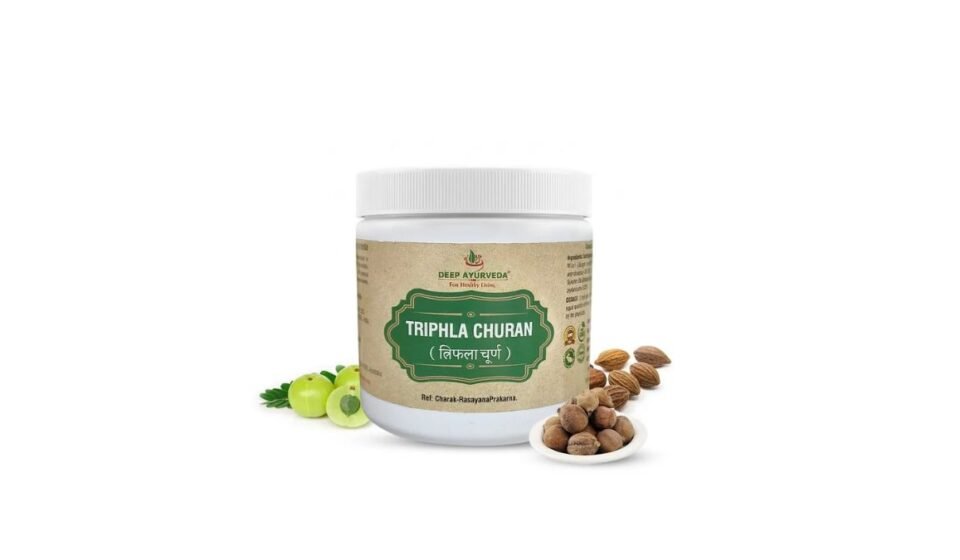
Trikatu Churna: Ingredients, Benefits, Uses, Dosage and Side Effects

Trikatu Churna is an Ayurvedic herbal powder made from long pepper, black pepper, and dry ginger. It is traditionally used to support digestion, metabolism, appetite, respiratory wellness, and nutrient absorption. The formula is especially popular for bloating, sluggish digestion, and Kapha-related imbalances.
Looking for a simple Ayurvedic remedy that may support digestion, metabolism, respiratory health, and overall wellness? Trikatu Churna is one of the most widely used classical Ayurvedic formulations for these purposes. Made from just three powerful spices Long Pepper (Pippali), Black Pepper (Maricha), and Dry Ginger (Shunthi) this traditional herbal blend has been used in Ayurveda for centuries to support digestive fire (Agni) and help the body process food more efficiently.
What makes Trikatu unique is that Ayurvedic texts describe it not only as a digestive formula but also as a Yogavahi, meaning it may help improve the absorption and effectiveness of other herbs. Today, many people around the world use Trikatu Churna as part of their digestive, metabolic, and wellness routine.
In this detailed guide, you’ll learn what Trikatu Churna is, its ingredients, Ayurvedic properties, health benefits, traditional uses, recommended dosage, possible side effects, and who should avoid it.
What is Trikatu Churna?
Text: The word “Trikatu” comes from Sanskrit:
Tri = Three
Katu = Pungent or spicy taste
So, Trikatu means three pungent ingredients. This classical Ayurvedic formulation combines three warming spices in equal proportion to create a powerful digestive and metabolic support blend.
According to Ayurveda, Trikatu helps stimulate Agni (digestive fire), reduce Ama (undigested metabolic waste), and balance excess Kapha dosha. Because of these properties, it is commonly included in many traditional Ayurvedic formulations aimed at supporting digestion, respiratory health, and metabolism.
Unlike many modern supplements that focus on a single ingredient, Trikatu works through the synergy of all three herbs, each contributing unique properties that complement one another.
Ingredients of Trikatu Churna
Trikatu Churna contains three ingredients in equal proportions:
1. Pippali (Long Pepper)
Botanical Name: Piper longum
Pippali is considered one of the most valued herbs in Ayurveda for supporting both digestive and respiratory health. It has been used in traditional Ayurvedic practice for centuries to promote healthy digestion, maintain respiratory comfort, and support overall vitality.
Traditional Ayurvedic Properties
Taste (Rasa): Pungent (Katu), which is traditionally believed to help stimulate digestion and reduce excess Kapha in the body.
Energy (Virya): Heating (Ushna Virya), helping support digestive fire (Agni) and maintain healthy metabolic activity.
Post-Digestive Effect (Vipaka): Sweet (Madhura Vipaka), which helps balance the strong heating nature of the herb and supports long-term nourishment.
Dosha Effect: Traditionally used to help balance Kapha and Vata doshas when taken in appropriate amounts under Ayurvedic guidance.
Common Traditional Uses
Digestive Support: Pippali is traditionally used to stimulate digestive fire, improve appetite, and support efficient digestion of food.
Respiratory Wellness: Ayurvedic practitioners commonly use Pippali to support respiratory comfort and help maintain clear breathing pathways.
Appetite Support: It is often recommended when poor appetite is associated with sluggish digestion or weak digestive function.
Metabolic Balance: Due to its warming nature, Pippali is traditionally believed to support healthy metabolism and energy production.
2. Maricha (Black Pepper)
Botanical Name: Piper nigrum
Maricha, commonly known as black pepper, is a key ingredient in Trikatu Churna. It contains piperine, a naturally occurring compound that has attracted scientific interest for its potential role in improving the absorption of certain nutrients and herbal compounds.
Traditional Ayurvedic Properties
Taste (Rasa): Pungent (Katu), traditionally used to stimulate digestion and reduce the accumulation of excess Kapha.
Energy (Virya): Heating (Ushna Virya), which helps promote digestive activity and supports metabolic function.
Dosha Effect: Primarily used to help balance Kapha dosha and support digestive efficiency.
Potential Benefits
Supports Digestion: Black pepper is traditionally valued for encouraging healthy digestive activity and reducing feelings of sluggish digestion.
Helps Reduce Heaviness After Meals: It may support better digestion of food, particularly in individuals who often feel overly full or heavy after eating.
May Support Nutrient Absorption: Piperine has been studied for its potential ability to improve the bioavailability of certain nutrients and herbal compounds.
Supports Metabolic Activity: Its warming properties are traditionally believed to help maintain healthy metabolic function and energy balance.
3. Shunthi (Dry Ginger)
Botanical Name: Zingiber officinale
Shunthi, or dry ginger, is one of Ayurveda’s most respected digestive herbs. It is widely used to support digestive comfort, promote healthy appetite, and help reduce occasional bloating and gas.
Traditional Ayurvedic Properties
Taste (Rasa): Pungent (Katu), helping stimulate digestive activity and support healthy Agni.
Energy (Virya): Heating (Ushna Virya), traditionally used to reduce digestive sluggishness and support circulation.
Post-Digestive Effect (Vipaka): Sweet (Madhura Vipaka), providing balancing and nourishing qualities after digestion.
Traditional Benefits
Supports Healthy Digestion: Dry ginger is traditionally used to improve digestive efficiency and support comfortable digestion after meals.
Helps Reduce Gas and Bloating: It may help relieve feelings of abdominal fullness and support digestive comfort.
Supports Circulation: Ayurveda traditionally recognizes dry ginger for its warming qualities, which help promote healthy circulation throughout the body.
Promotes Digestive Comfort: It is commonly used to support overall digestive well-being and reduce discomfort associated with sluggish digestion.
Why These Three Ingredients Are Combined
This is where Trikatu becomes more interesting than most digestive powders.
Many websites simply list the ingredients, but the real Ayurvedic wisdom lies in why these three herbs are combined together.
As an Ayurvedic practitioner, I often explain it this way:
Ginger helps start the digestive process and supports stomach comfort.
Black Pepper helps stimulate digestive activity and may improve the absorption of nutrients and herbal compounds.
Long Pepper supports both digestion and respiratory wellness while adding deeper rejuvenating qualities described in Ayurveda.
Together, they create a formulation that works on multiple levels rather than targeting just one symptom. This synergistic approach is one of the reasons Trikatu has remained a popular Ayurvedic formula for centuries.
Ayurvedic Properties of Trikatu Churna
According to Ayurvedic principles, Trikatu has the following qualities:
| Property | Description |
|---|---|
| Rasa (Taste) | Pungent (Katu) |
| Guna (Quality) | Light, Sharp, Dry |
| Virya (Energy) | Heating |
| Vipaka (Post-digestive effect) | Predominantly Sweet/Pungent depending on interpretation |
| Dosha Action | Primarily reduces Kapha and may help balance Vata when used properly |
| Main Ayurvedic Action | Deepana (enhances digestive fire) and Pachana (supports digestion of Ama) |
This Ayurvedic profile explains why Trikatu is commonly recommended for conditions associated with sluggish digestion and excess Kapha accumulation.
How Trikatu Churna Works in the Body
One of the biggest gaps in existing online content is that it rarely explains how Trikatu actually works according to Ayurvedic theory and modern understanding.
Here’s a simple explanation:
Step 1: Supports Digestive Fire (Agni)
The warming herbs in Trikatu help stimulate digestive activity, which Ayurveda calls Agni.
Step 2: Helps Process Food More Efficiently
When digestion is sluggish, people may experience bloating, heaviness, and discomfort after eating. Trikatu is traditionally used to support this process.
Step 3: Reduces Ama (Metabolic Waste)
Ayurveda describes Ama as improperly digested material that can accumulate when digestion is weak. Trikatu is traditionally used as a Pachana formulation to help process Ama.
Step 4: Supports Absorption
Modern research has particularly focused on piperine from black pepper, which has been studied for its potential role in enhancing the absorption of certain compounds.
Step 5: Supports Metabolic Activity
The heating nature of the formula is traditionally believed to help support healthy metabolic function, especially in individuals with Kapha-dominant sluggishness.
Top 12 Benefits of Trikatu Churna
One of the reasons Trikatu Churna has remained a respected Ayurvedic formulation for centuries is its wide range of traditional uses. Rather than focusing on a single health concern, Trikatu is traditionally used to support digestion, metabolism, respiratory wellness, and nutrient absorption simultaneously.
It is important to understand that Trikatu Churna is not a cure for any disease. Instead, it is traditionally used as a supportive Ayurvedic formulation that may help maintain overall digestive and metabolic health when used appropriately.
1. Supports Healthy Digestion
Digestive health is one of the primary reasons people use Trikatu Churna.
According to Ayurveda, weak digestive fire (Mandagni) can lead to symptoms such as bloating, heaviness after meals, indigestion, and poor appetite. The warming herbs in Trikatu are traditionally used to stimulate digestive activity and support proper food digestion.
Many Ayurvedic practitioners consider Trikatu one of the most effective classical formulations for improving digestive efficiency.
2. May Help Reduce Bloating and Gas
Feeling bloated after meals can often be linked to sluggish digestion The combination of dry ginger, black pepper, and long pepper is traditionally used to support healthy digestive movement and reduce the accumulation of gas in the digestive tract.
People who frequently experience abdominal heaviness after eating may find Trikatu particularly useful when recommended by an Ayurvedic practitioner.
3. Supports a Healthy Appetite
Loss of appetite is often associated with weakened digestive function. In Ayurveda, Trikatu is commonly used as a Deepana formulation, meaning it helps stimulate digestive fire and promote a healthy appetite.
This is one reason it is traditionally used before meals in certain Ayurvedic protocols.
4. Supports Nutrient Absorption
This is one of the most interesting aspects of Trikatu Churna.
Modern research has shown that piperine, a natural compound found in black pepper, may help improve the absorption of certain nutrients and herbal compounds. Because of this property, Trikatu is traditionally considered a Yogavahi formulation in Ayurveda—a preparation that may help enhance the effectiveness of other herbs.
This unique feature separates Trikatu from many other digestive formulations.
5. Supports Healthy Metabolism
Ayurveda often associates sluggish metabolism with Kapha imbalance and weak digestive fire.
Because Trikatu possesses warming and stimulating qualities, it is traditionally used to support metabolic activity and help maintain energy balance.
Many Ayurvedic wellness programs include Trikatu as part of a broader metabolic support strategy.
6. May Support Healthy Weight Management Efforts
Weight management is influenced by multiple factors including diet, activity levels, sleep quality, hormones, and metabolism.
While Trikatu should never be viewed as a weight-loss miracle remedy, Ayurveda traditionally uses it to support healthy metabolism and digestion, which may indirectly assist individuals following a balanced weight-management plan.
The best results are generally achieved when Trikatu is combined with healthy eating habits and regular physical activity.
7. Supports Respiratory Wellness
Trikatu is not only a digestive formula.
The ingredients, particularly Pippali (Long Pepper), have a long history of traditional use for respiratory health.
Ayurveda commonly uses Trikatu to support respiratory comfort, maintain clear airways, and help manage excess Kapha accumulation in the respiratory system.
This dual action on digestion and respiratory wellness is one of the reasons Trikatu remains highly valued in Ayurvedic practice.
8. Helps Manage Excess Mucus
According to Ayurveda, excess Kapha may contribute to mucus accumulation and feelings of congestion.
Because Trikatu contains heating and Kapha-reducing herbs, it is traditionally used to help maintain healthy mucus balance.
This makes it a popular Ayurvedic choice during seasonal changes when Kapha-related symptoms tend to increase.
9. Supports Gut Comfort
Healthy digestion is about more than simply breaking down food.
Digestive comfort also involves reducing feelings of heaviness, fullness, and sluggishness after meals.
The warming nature of Trikatu is traditionally used to promote digestive comfort and help individuals feel lighter after eating.
10. Supports Natural Detoxification Processes
Ayurveda describes Ama as accumulated metabolic waste that develops when digestion is inefficient.
Trikatu is traditionally classified as a Pachana formulation, meaning it helps support the body’s natural ability to process and eliminate Ama.
Although the modern concept of detoxification differs from Ayurvedic theory, Trikatu continues to be widely used for this purpose within traditional Ayurvedic practice.
11. Supports Overall Wellness
Healthy digestion is considered the foundation of health in Ayurveda.
When digestion functions properly, the body is believed to absorb nutrients more effectively and maintain better overall balance.
Because Trikatu supports digestive function, it is often included in broader Ayurvedic wellness programs.
12. May Enhance the Effectiveness of Other Herbs
This benefit is often overlooked by many health websites.
Traditional Ayurvedic texts describe Trikatu as a formulation that can help improve the delivery and effectiveness of other herbal preparations.
For this reason, Trikatu is commonly found in numerous classical Ayurvedic formulations and remains one of the most frequently used supportive herbal combinations in Ayurvedic medicine.
Trikatu Churna Uses According to Ayurveda
Trikatu Churna has been traditionally used in Ayurveda for a variety of digestive, metabolic, and respiratory concerns.
Common Traditional Uses
| Ayurvedic Concern | Traditional Use of Trikatu |
|---|---|
| Weak Digestion | Commonly Used |
| Poor Appetite | Commonly Used |
| Bloating and Gas | Commonly Used |
| Excess Kapha | Commonly Used |
| Respiratory Support | Commonly Used |
| Sluggish Metabolism | Commonly Used |
| Ama Accumulation | Commonly Used |
| Digestive Discomfort After Meals | Commonly Used |
It is important to remember that traditional use does not automatically mean clinical effectiveness for every individual. Results may vary depending on age, diet, constitution, and overall health status.
Why Is Trikatu Considered a Digestive Formula?
As an Ayurvedic practitioner, I often explain that digestion is much more than simply breaking down food.
Ayurveda describes digestion as the central process that influences energy, immunity, tissue nourishment, and overall well-being.
Trikatu supports digestion through several traditional mechanisms:
Stimulating Digestive Fire (Agni): Trikatu is traditionally used to kindle Agni, the digestive fire responsible for breaking down food efficiently and supporting healthy nutrient utilization.
Supporting Healthy Appetite: The warming properties of its ingredients may help encourage a healthy appetite, particularly in individuals who experience reduced hunger due to sluggish digestion.
Reducing Digestive Sluggishness: Ayurveda commonly uses Trikatu to address feelings of heaviness after meals and support smoother digestive function throughout the day.
Helping Process Ama: Trikatu is traditionally classified as a Pachana formulation, meaning it may help the body process Ama, a concept in Ayurveda that refers to incompletely digested metabolic waste.
Supporting Nutrient Absorption: The combination of black pepper, long pepper, and dry ginger is traditionally valued for supporting the absorption and utilization of nutrients and herbal compounds.
People who commonly experience symptoms such as:
Heaviness After Meals: Individuals who often feel overly full, sluggish, or uncomfortable after eating may have signs of weakened digestive function according to Ayurvedic principles.
Excessive Gas: Frequent gas formation can sometimes indicate inefficient digestion, making digestive-supportive formulations like Trikatu a traditional considerationBloating: Abdominal bloating and a feeling of fullness are commonly associated with sluggish digestion and are among the traditional reasons people use Trikatu.
Mild Indigestion: Occasional digestive discomfort, especially after heavy meals, may be linked to reduced digestive fire and poor food processing.
Reduced Appetite: A lack of interest in food is traditionally viewed as a sign of weakened Agni, which Trikatu is often used to support.
may be advised to use Trikatu under professional guidance.
My Personal Perspective
In my experience, Trikatu tends to work best in individuals who feel cold, sluggish, heavy, or Kapha-dominant. It is generally less suitable for individuals who already experience excessive heat, burning sensations, acid reflux, or significant Pitta aggravation.
This is why Ayurvedic treatment should always be individualized rather than based solely on symptoms.
Trikatu Churna for Weight Management
One of the fastest-growing online searches is:
Is Trikatu Churna good for weight loss?
The answer is more nuanced than many websites suggest.
Trikatu is not a fat-burning supplement.
However, Ayurveda traditionally uses Trikatu to support factors that may influence healthy weight management, including:
Digestive Efficiency: Ayurveda considers healthy digestion the foundation of overall wellness. Trikatu is traditionally used to support digestive function, which may help the body process food more effectively and reduce feelings of heaviness after meals.
Appetite Regulation: In some individuals, poor digestion can affect natural hunger signals. Trikatu is traditionally used to support digestive fire (Agni), which may help maintain a balanced appetite when combined with healthy eating habits.
Metabolic Activity: Due to its warming nature, Trikatu is often included in Ayurvedic wellness routines designed to support healthy metabolic function and overall energy balance.
Kapha Balance: According to Ayurveda, excess Kapha may contribute to sluggishness, heaviness, and weight-management challenges. Trikatu is traditionally used to help balance Kapha and promote a more active metabolic state.
Reduction of Digestive Sluggishness: People who frequently experience bloating, fullness, or discomfort after eating may benefit from the digestive-supportive properties traditionally associated with Trikatu.
For individuals whose weight challenges are associated with overeating, slow digestion, inactivity, and Kapha imbalance, Trikatu may serve as a supportive wellness tool.
However, sustainable weight management still depends on:
Balanced Nutrition: A nutrient-rich diet with appropriate portion sizes remains one of the most important factors for achieving and maintaining a healthy weight.
Physical Activity: Regular exercise helps support calorie balance, muscle health, and long-term metabolic wellness, which no herbal supplement can replace.
Sleep Quality: Poor sleep can influence appetite, food cravings, and energy levels. Maintaining consistent sleep habits is an essential part of any weight-management plan.
Stress Management: Chronic stress may affect eating patterns and overall health. Practices such as yoga, meditation, and mindfulness can support long-term wellness goals.
Long-Term Lifestyle Habits: Sustainable results are usually achieved through consistent healthy habits rather than short-term solutions or quick-fix approaches.
No herbal formulation can replace these fundamentals.
Trikatu Churna for Respiratory Health
Although Trikatu Churna is best known for digestive support, Ayurveda has traditionally used this formulation to support respiratory wellness as well.
The presence of Pippali (Long Pepper), Maricha (Black Pepper), and Shunthi (Dry Ginger) gives Trikatu warming and Kapha-reducing properties. According to Ayurvedic principles, excess Kapha may contribute to mucus accumulation, heaviness, and respiratory discomfort.
How Trikatu Supports Respiratory Wellness
Traditional Ayurvedic practitioners have long used Trikatu Churna to support respiratory wellness, particularly in individuals experiencing excess Kapha-related symptoms. The warming nature of its ingredients is believed to help maintain healthy respiratory function and promote overall respiratory comfort.
Trikatu is traditionally valued for its ability to support clear airways and healthy breathing patterns, especially during seasonal changes when respiratory discomfort tends to become more common.
Another important traditional use of Trikatu is helping maintain a healthy balance of mucus in the respiratory tract. According to Ayurveda, excess Kapha may contribute to mucus accumulation, and Trikatu is commonly used to help manage this imbalance.
Many Ayurvedic practitioners also recommend Trikatu as a supportive formulation during seasonal transitions, when fluctuations in weather can affect respiratory comfort and overall well-being.
In classical Ayurvedic literature, Trikatu is frequently used to help reduce excess Kapha and support the body’s natural ability to maintain respiratory balance.
One of the key ingredients responsible for these traditional benefits is Pippali (Long Pepper). Pippali has been highly regarded in Ayurveda for centuries and appears in numerous classical formulations designed to support respiratory and lung health. Its unique properties make it one of the most valued herbs for maintaining respiratory wellness while simultaneously supporting digestion and metabolism.
Why Digestion and Respiratory Health Are Connected in Ayurveda
This is a concept many modern readers find surprising. Ayurveda considers digestion and respiratory health closely connected. When digestion becomes weak, the body may produce excess Ama (undigested metabolic waste), which is believed to contribute to Kapha accumulation.
This is why Ayurvedic practitioners often support digestion when addressing respiratory concerns.
In Ayurvedic clinical practice, I rarely view Trikatu as simply a respiratory herb or simply a digestive herb. Its value lies in its ability to support both systems simultaneously.
This dual-action approach is one reason Trikatu remains relevant even after centuries of traditional use.
Scientific Research on Trikatu Churna
Many readers want to know whether modern science supports the traditional uses of Trikatu Churna.
While research on the complete Trikatu formulation is still growing, several studies have investigated its individual ingredients and active compounds.
Black Pepper (Piper nigrum)
Black pepper contains piperine, a naturally occurring compound that has attracted scientific attention for its potential role in enhancing nutrient absorption.
Researchers have studied piperine for its ability to improve the bioavailability of certain nutrients and plant compounds.
This scientific observation aligns with the traditional Ayurvedic concept of Trikatu acting as a Yogavahi, a formulation believed to enhance the effectiveness of other herbs.
Dry Ginger (Zingiber officinale)
Ginger has been extensively studied for its digestive-supportive properties.
Research suggests ginger may help support:
- Digestive comfort
- Gastric motility
- Nausea management
- General digestive function
These findings are consistent with ginger’s traditional role in Ayurvedic digestive formulations.
Long Pepper (Piper longum)
Long pepper contains several bioactive compounds that have been studied for antioxidant and anti-inflammatory properties.
Researchers continue exploring its potential applications in digestive and respiratory health.
Important Note About Research
Although research on individual ingredients is promising, more high-quality human studies are needed to fully understand the effects of the complete Trikatu formulation.
This is why Trikatu should be viewed as a traditional wellness formulation rather than a medically proven treatment for specific diseases.
How to Take Trikatu Churna
Trikatu Churna can be taken in several traditional ways depending on the intended purpose and the recommendation of an Ayurvedic practitioner.
Common Traditional Methods
With Warm Water
This is one of the simplest and most common methods.
Warm water is traditionally believed to complement the digestive-supportive properties of Trikatu.
With Honey
Honey is frequently used in Ayurveda as an Anupana (carrier substance).
This combination is traditionally preferred when Trikatu is used for Kapha-related concerns.
With Ghee
In some cases, Ayurvedic practitioners may combine Trikatu with ghee to balance its heating nature.
This approach may be considered for individuals who require digestive support but are sensitive to excessive heat.
With Other Ayurvedic Formulations
One of Trikatu’s unique features is that it is often combined with other Ayurvedic herbs and formulations to support their effectiveness.
Trikatu Churna Dosage
The appropriate dosage can vary based on:
- Age
- Body constitution (Prakriti)
- Digestive strength
- Health status
- Treatment goals
General Traditional Dosage
| Age Group | Common Traditional Range |
|---|---|
| Adults | 250 mg to 1 gram |
| Advanced Ayurvedic Protocols | As prescribed by a practitioner |
Beginner’s Approach
Individuals who have never used Trikatu before may benefit from starting with a lower amount and monitoring tolerance.
Because Trikatu is a heating formulation, higher amounts are not always better. One of the most common mistakes people make is assuming that natural products can be taken in unlimited quantities.
In reality, excessive use of Trikatu may increase the likelihood of side effects, especially in individuals with a strong Pitta constitution.
Best Time to Take Trikatu Churna
The best time to take Trikatu depends on the intended purpose.
Before Meals
Traditionally used when the goal is to support appetite and digestive fire.
After Meals
Often preferred when the goal is to support digestion and reduce feelings of heaviness after eating.
Morning Use
Some Ayurvedic practitioners recommend morning use as part of digestive wellness routines.
With Professional Guidance
The ideal timing may vary based on individual constitution and health goals.
Side Effects of Trikatu Churna
When used appropriately, Trikatu is generally well tolerated by many individuals.
However, because it contains heating and pungent ingredients, side effects can occur in some people.
Possible Side Effects
Heartburn
Some individuals may experience a mild burning sensation in the chest after taking Trikatu, particularly if they are prone to acidity or consume it on an empty stomach.
Acidity
Due to its warming nature, Trikatu may increase acid-related symptoms in people who already have a sensitive digestive system or a history of acid reflux.
Burning Sensation
People with a naturally heat-dominant body constitution may occasionally notice a feeling of internal warmth or mild burning after regular use.
Stomach Irritation
Taking higher-than-recommended amounts of Trikatu may sometimes lead to stomach discomfort or irritation, especially in sensitive individuals.
Increased Body Heat
As a heating Ayurvedic formulation, Trikatu may increase body heat in some people, particularly during hot weather or when combined with other warming herbs.
Throat Irritation
The pungent nature of black pepper and long pepper may occasionally cause mild throat irritation in individuals who are sensitive to spicy herbs.
Excessive Sweating in Sensitive Individuals
Some people may notice increased sweating after taking Trikatu because its ingredients are traditionally known for their warming and stimulating properties.
Why Side Effects Occur
The ingredients in Trikatu naturally possess warming qualities.
For people who are already prone to heat-related symptoms, these properties may sometimes become excessive.
Signs You May Need to Reduce Intake
Persistent Heartburn
If you continue to experience frequent heartburn after taking Trikatu, it may indicate that the formulation is too heating for your individual constitution.
Significant Digestive Discomfort
Ongoing stomach discomfort, irritation, or digestive uneasiness should not be ignored and may warrant discontinuing use.
Burning Sensations
An unusual increase in burning sensations in the stomach, chest, throat, hands, or feet may suggest that the dosage needs adjustment.
Worsening Acid Reflux
Individuals with existing acid reflux should monitor their symptoms carefully, as Trikatu may aggravate discomfort in some cases.
Any Unexpected Reaction
If you experience any unusual or unexpected symptoms after taking Trikatu Churna, stop using it and seek guidance from a qualified healthcare professional.
Who Should Avoid Trikatu Churna?
Although Trikatu Churna is widely used in Ayurveda, it may not be suitable for everyone. Since it contains heating herbs such as long pepper, black pepper, and dry ginger, certain individuals may need to use it with caution or avoid it altogether.
People with Frequent Acidity or Acid Reflux
Individuals who regularly experience acidity, acid reflux, or a burning sensation in the chest may find that Trikatu aggravates these symptoms due to its naturally heating properties.
People with Gastritis or Stomach Ulcers
Those diagnosed with gastritis, stomach ulcers, or irritation of the stomach lining should seek professional medical advice before taking Trikatu, as pungent herbs may increase discomfort in some cases.
People with Excess Heat Sensitivity
If you frequently experience symptoms such as excessive body heat, mouth ulcers, burning sensations, or heat-related discomfort, Trikatu may not be the most suitable formulation without proper Ayurvedic guidance.
Pregnancy and Breastfeeding
Pregnant or breastfeeding women should consult a qualified healthcare professional or Ayurvedic practitioner before using Trikatu Churna to determine whether it is appropriate for their individual circumstances.
Children
Trikatu should only be given to children under the supervision of a qualified healthcare professional, as dosage requirements can vary based on age and overall health.
People Taking Prescription Medications
Individuals taking prescription medications should consult their healthcare provider before using Trikatu regularly, as black pepper contains piperine, a compound that may influence the absorption of certain medicines.
As an Ayurvedic practitioner, I generally recommend Trikatu for individuals with sluggish digestion, excess Kapha, bloating, or poor appetite. However, people with strong Pitta tendencies or existing digestive irritation should use it carefully and only after professional consultation. Ayurvedic herbs work best when selected according to an individual’s constitution, digestive strength, and overall health status rather than following a one-size-fits-all approach.
Trikatu Churna: Benefits vs Potential Risks
| Potential Benefits | Potential Risks |
| Supports digestion | May cause acidity in sensitive individuals |
| Helps reduce bloating | May increase body heat |
| Supports appetite | May trigger heartburn |
| Supports metabolism | Not suitable for everyone |
| Supports respiratory wellness | May irritate sensitive stomachs |
| May enhance nutrient absorption | Requires caution with certain medications |
This balanced perspective helps individuals make informed decisions rather than assuming that every natural product is automatically suitable for all people.
When Should You Consult an Ayurvedic Practitioner?
While Trikatu is a widely used traditional formulation, seeking professional guidance can help ensure that it is used safely and appropriately based on your individual health needs.
If you have been experiencing ongoing digestive issues such as bloating, indigestion, constipation, or discomfort after meals for an extended period, it is advisable to consult an Ayurvedic practitioner before using Trikatu regularly.
Individuals who frequently experience acidity, acid reflux, heartburn, or a burning sensation in the stomach should seek professional advice, as Trikatu’s heating properties may not be suitable for every digestive condition.
Pregnant or breastfeeding women should always consult a qualified healthcare professional before taking any herbal formulation, including Trikatu Churna.
People who are currently taking prescription medications should speak with their healthcare provider or Ayurvedic practitioner to rule out potential interactions and ensure safe use.
Those living with chronic health conditions such as diabetes, hypertension, liver disorders, kidney disorders, or gastrointestinal diseases should seek personalized guidance before adding Trikatu to their wellness routine.
If you plan to use Trikatu Churna for several weeks or months, professional supervision can help determine the appropriate dosage, duration, and suitability based on your constitution and health goals.
Ayurveda follows a personalized approach to health, which is why recommendations are most effective when they are tailored to an individual’s Prakriti (body constitution), digestive strength, lifestyle, and overall health status.
My Final Verdict
As an Ayurvedic practitioner, I consider Trikatu Churna one of the most versatile classical formulations for supporting digestive and metabolic health.
Its strength lies not in treating a single symptom but in addressing underlying digestive sluggishness, weak appetite, excess Kapha accumulation, and poor digestive efficiency. This broad-spectrum approach explains why Trikatu has remained relevant for centuries and continues to be included in numerous Ayurvedic formulations today.
However, Trikatu is not a magic solution, nor is it suitable for everyone. Individuals with strong digestive heat, frequent acidity, gastritis, or ulcer-related concerns should approach it cautiously.
When combined with a balanced diet, healthy lifestyle habits, and appropriate professional guidance, Trikatu Churna can be a valuable addition to a holistic Ayurvedic wellness routine.
Medical Disclaimer
This article is intended for educational and informational purposes only and should not be considered medical advice, diagnosis, or treatment. Ayurvedic herbs and formulations may affect individuals differently. Always consult a qualified healthcare professional or Ayurvedic practitioner before starting any herbal supplement, especially if you are pregnant, breastfeeding, taking medications, or managing a medical condition.
Frequently Asked Questions
What is Trikatu Churna used for?
Trikatu Churna is traditionally used in Ayurveda to support digestion, metabolism, appetite, respiratory health, and nutrient absorption.
What are the ingredients in Trikatu Churna?
Trikatu Churna contains three ingredients: Pippali (Long Pepper), Maricha (Black Pepper), and Shunthi (Dry Ginger).
Can I take Trikatu Churna daily?
Yes, it can be taken daily in appropriate amounts, but long-term use should ideally be guided by an Ayurvedic practitioner.
Is Trikatu Churna good for digestion?
Yes, Trikatu is widely used to support healthy digestion, reduce bloating, and improve digestive efficiency.
Can Trikatu Churna help with bloating?
It is traditionally used to relieve gas, bloating, and heaviness that may result from sluggish digestion.
References
The following sources were consulted to verify the traditional Ayurvedic information and scientific research discussed in this article.
1. National Center for Biotechnology Information (NCBI). Piperine and its role in enhancing bioavailability of nutrients and herbal compounds.
2. National Center for Biotechnology Information (NCBI). Therapeutic and pharmacological properties of Ginger (Zingiber officinale).
3. National Center for Biotechnology Information (NCBI). Piper longum (Long Pepper): Traditional uses and pharmacological activities.
4. Central Council for Research in Ayurvedic Sciences (CCRAS). Ayurvedic Formulary and classical references related to Trikatu Churna.
https://ccras.nic.in
5. Ministry of AYUSH, Government of India. Traditional Ayurvedic concepts of Agni, Ama, and herbal formulations.
6. Ayurvedic Pharmacopoeia of India. Official standards and monographs for Ayurvedic ingredients used in Trikatu Churna.
7. Charaka Samhita. Classical Ayurvedic reference describing Deepana and Pachana herbs.Bhaishajya Ratnavali. Classical Ayurvedic text mentioning Trikatu and its traditional applications.Ashtanga Hridaya. Traditional Ayurvedic reference for digestive and Kapha-balancing formulations.
8. World Health Organization (WHO). Traditional, Complementary and Integrative Medicine Resources.

[…] Although Talisadi Churna contains the three herbs that make up Trikatu—Pippali, Maricha and Shunthi—Talisadi Churna is not the same thing as Trikatu Churna. […]