
Sudarshan Churna: Traditional Uses, Ingredients, Benefits, and Ayurvedic Perspective

Introduction
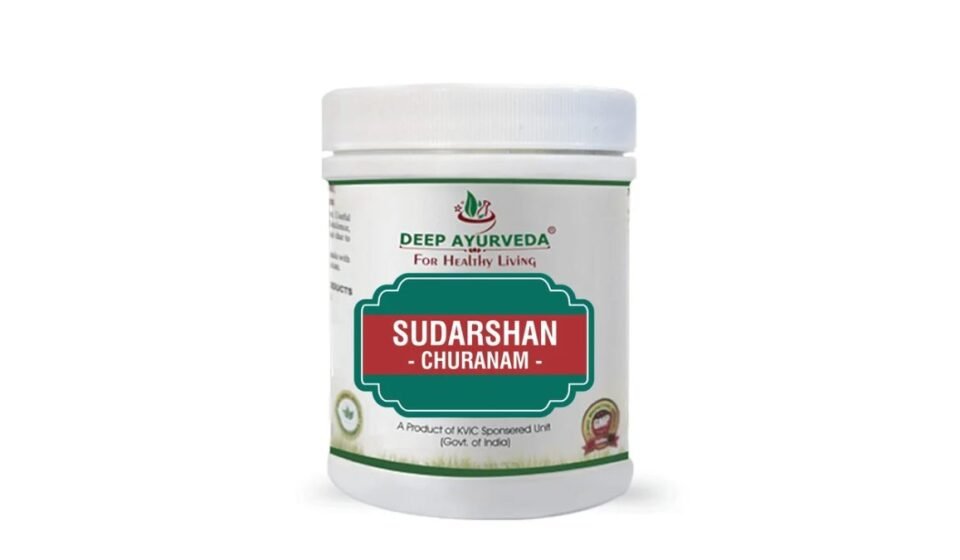
Sudarshan Churna is one of the most respected classical formulations in Ayurveda, widely used for managing fever, boosting immunity, and supporting natural detoxification of the body. It is a polyherbal powdered medicine made from a combination of bitter medicinal herbs that work together to balance the body’s doshas—especially Pitta and Kapha.
In simple terms, Sudarshan Churna is an Ayurvedic herbal formulation traditionally used in conditions involving fever (Jwara), infections, low immunity, and toxin accumulation (Ama). Its bitter taste (Tikta Rasa) and detoxifying nature make it an important medicine in classical Ayurvedic practice.
Today, it is used across the world, where interest in natural immunity boosters and herbal medicine is growing rapidly.
This article provides a complete, doctor-style Ayurvedic explanation of Sudarshan Churna, including its ingredients, benefits, mechanism of action, modern interpretation, dosage, and safety guidelines.
What is Sudarshan Churna?
Sudarshan Churna is a classical Ayurvedic herbal powder formulation described in ancient Ayurvedic texts. It is primarily used for fever management, blood purification, digestion improvement, and immunity support.
The word Sudarshan means auspicious vision or that which removes darkness. In Ayurvedic interpretation, it symbolizes the removal of disease-causing toxins and imbalance from the body.
Ayurvedic Classification:
Type: Polyherbal Churna (powder formulation).
Primary Action: Jwaraghna (antipyretic – reduces fever).
Dosha Effect: Balances Pitta and Kapha.
Taste Profile: Bitter (Tikta) dominant.
Unlike modern single-ingredient medicines, Sudarshan Churna works holistically by combining multiple herbs that target different aspects of disease—fever, inflammation, digestion, and immunity.
Ingredients of Sudarshan Churna
Sudarshan Churna is a classical Ayurvedic formulation prepared using multiple medicinal herbs. While the exact composition may vary slightly among manufacturers, the traditional formula contains a large number of herbs that work together to support fever management, immunity, digestion, and detoxification.
Key Herbs
Swertia chirata (Chirayata)
Chirayata is considered one of the most important ingredients in Sudarshan Churna. Traditionally used in Ayurveda for fever management, it is valued for its intensely bitter taste and its ability to support liver health and natural detoxification processes.
Guduchi (Tinospora cordifolia)
Commonly known as Giloy, Guduchi is often referred to as Amrita in Ayurveda due to its rejuvenating properties. It is widely used to support immune function, improve resistance to seasonal illnesses, and help the body recover from recurrent fevers.
Haritaki (Terminalia chebula)
Haritaki is a well-known Ayurvedic herb that supports healthy digestion and elimination. It helps maintain digestive balance, supports detoxification, and assists in reducing the accumulation of metabolic toxins known as Ama.
Amalaki (Emblica officinalis)
Amalaki, also known as Indian Gooseberry, is rich in naturally occurring antioxidants. It is traditionally used to support immunity, promote healthy digestion, and help protect the body from oxidative stress.
Bibhitaki (Terminalia bellirica)
Bibhitaki is one of the three fruits used in Triphala. It is traditionally valued for supporting respiratory health, maintaining healthy digestion, and assisting the body’s natural cleansing processes.
Neem (Azadirachta indica)
Neem has been used in Ayurveda for centuries due to its cleansing and purifying properties. It is commonly included in formulations that support skin health, blood purification, and overall immune wellness.
Kutki (Picrorhiza kurroa)
Kutki is known for its strong affinity toward liver health. Ayurvedic practitioners traditionally use it to support healthy liver function, improve digestion, and help manage excess heat and inflammation in the body.
Triphala Components (Haritaki, Bibhitaki, and Amalaki)
The Triphala combination helps support digestive efficiency, gentle detoxification, and regular bowel function. It also contributes antioxidant and rejuvenating properties to the formulation.
Supporting Herbs
Indrayava (Holarrhena antidysenterica)
Indrayava is traditionally used to support digestive health and maintain intestinal balance. It is often included in Ayurvedic formulations designed to address digestive disturbances associated with fever.
Pippali (Long Pepper)
Pippali is known for enhancing digestion and improving the bioavailability of other herbs. It helps support respiratory function and promotes healthy metabolic activity.
Musta (Cyperus rotundus)
Musta is commonly used in Ayurveda to help manage digestive discomfort, support appetite, and maintain balance during fever-related conditions.
Vacha (Acorus calamus)
Vacha is traditionally valued for supporting mental clarity and healthy digestion. It is also used in certain Ayurvedic formulations to help balance Kapha-related disorders.
Giloy Stem and Extracts
Additional forms of Guduchi may be included in some formulations to further strengthen the immune-supporting and rejuvenating properties of Sudarshan Churna.
Ayurvedic Perspective on the Ingredients
One of the defining characteristics of Sudarshan Churna is the predominance of Tikta Rasa (bitter taste) among its herbs. In Ayurveda, bitter herbs are highly valued for their cleansing and balancing actions within the body.
These herbs are traditionally believed to:
Help balance excess Pitta dosha, which is often associated with heat, inflammation, and fever-related conditions.
Support the removal of Ama (metabolic toxins) that can accumulate due to impaired digestion and metabolism.
Promote healthy liver function, an important factor in the body’s natural detoxification processes.
Encourage metabolic balance and digestive efficiency, helping the body maintain overall wellness and resilience.
Because of these combined properties, Sudarshan Churna has traditionally been used as a comprehensive Ayurvedic formulation for supporting the body’s response to fever, inflammation, digestive imbalance, and reduced immunity.
Ayurvedic Properties of Sudarshan Churna
Understanding the Ayurvedic properties of Sudarshan Churna helps explain why this classical formulation has been traditionally used for fever, digestive imbalance, toxin accumulation (Ama), and immune support.
Rasa (Taste)
Tikta (Bitter): The dominant bitter taste helps reduce excess Pitta and Kapha doshas while supporting detoxification, liver function, and the removal of metabolic toxins from the body.
Katu (Pungent): The pungent component supports healthy digestion, improves circulation, and helps clear excessive mucus and heaviness associated with Kapha imbalance.
Guna (Qualities)
Laghu (Light): Its light nature makes the formulation easier to digest and absorb, helping the body recover without creating additional digestive burden.
Ruksha (Dry): The dry quality helps reduce excessive moisture, mucus accumulation, and sluggish metabolic activity often seen in Kapha-related conditions.
Virya (Potency)
Ushna (Heating Potency): Although Sudarshan Churna contains many bitter herbs, its overall metabolic action supports healthy digestion, improves Agni (digestive fire), and assists the body in managing fever-related imbalances.
Vipaka (Post-Digestive Effect)
Katu Vipaka (Pungent Post-Digestive Effect): After digestion, the formulation continues to support metabolic activity, helping reduce Ama (toxins) and maintain proper digestive function.
Dosha Action
Helps Balance Pitta Dosha: Traditionally used in conditions associated with excess heat, inflammation, fever, irritability, and other Pitta-related disturbances.
Helps Balance Kapha Dosha: Supports the reduction of mucus, heaviness, sluggish digestion, and congestion that may occur due to Kapha imbalance.
May Increase Vata in Excess Use: Due to its bitter and drying qualities, prolonged or excessive use without proper guidance may aggravate Vata in sensitive individuals.
Ayurvedic Mechanism of Action
According to Ayurvedic principles, Sudarshan Churna works through multiple pathways that support the body’s natural healing processes:
Supports Ama Pachana (Toxin Metabolism): Helps digest and eliminate accumulated Ama, which is considered a root factor in many fever-related and inflammatory conditions.
Promotes Balanced Agni: By supporting healthy digestive and metabolic function, it helps restore the body’s ability to process nutrients efficiently.
Supports Natural Immune Function: Classical Ayurvedic herbs in the formulation help strengthen the body’s natural defense mechanisms and resilience.
Assists Liver and Metabolic Health: The bitter herbs traditionally support healthy liver function, detoxification processes, and overall metabolic balance.
Health Benefits of Sudarshan Churna
Sudarshan Churna is considered a Jwaraghna Mahakashaya type formulation, meaning its primary role is to manage fever and related conditions.
1. Helps in Fever Management
One of the most common traditional uses of Sudarshan Churna is in managing different types of fever (Jwara) described in Ayurveda. Its combination of bitter herbs is traditionally valued for supporting the body’s natural response to fever and helping restore internal balance.
It is traditionally used in:
Viral Fever: Traditionally used as supportive care during seasonal and viral fevers, helping the body maintain strength while supporting recovery.
Chronic Fever: In Ayurveda, it may be recommended in certain long-standing fever
conditions associated with toxin accumulation (Ama) and weakened digestion.
Intermittent Fever Patterns: Classical Ayurvedic texts describe its use in recurring or periodic fever patterns that tend to return after temporary relief.
It works by:
Reducing Internal Heat: Bitter herbs help balance excess Pitta dosha, which is often associated with heat, inflammation, and fever-related discomfort.
Supporting Immune Response: Ingredients such as Guduchi are traditionally known for supporting healthy immune function and overall resilience.
Helping the Body Fight Infections Naturally: Rather than targeting a single symptom, the formulation works holistically to support the body’s natural healing mechanisms.
2. Supports Immune System Strength
Sudarshan Churna is widely used in Ayurveda as a supportive formulation for maintaining healthy immune function and improving the body’s resistance to seasonal health challenges.
It may help:
Improve Resistance Against Seasonal Infections: Regular use under professional guidance may help the body better adapt to seasonal changes and common infections.
Strengthen Natural Defense Mechanisms: Several herbs in the formulation are traditionally valued for promoting overall vitality and supporting the immune system.
Reduce Recurrence of Fever: By addressing underlying imbalances and supporting recovery, it may help reduce the frequency of recurring fever episodes in some individuals.
Herbs like Guduchi (Giloy) and Neem are particularly recognized in Ayurveda for their immune-supportive and cleansing properties.
3. Detoxification and Blood Purification
Due to its high concentration of bitter herbs, Sudarshan Churna is traditionally used to support the body’s natural detoxification processes and maintain internal balance.
It may support:
Liver Detoxification: Certain ingredients are believed to assist healthy liver function, which plays an important role in the body’s natural cleansing processes.
Blood Purification: Ayurveda considers bitter herbs beneficial for supporting healthy blood quality and reducing excess heat in the body.
Removal of Metabolic Toxins (Ama): The formulation is traditionally used to help clear Ama, a term used in Ayurveda for improperly digested metabolic waste.
This may be especially helpful in conditions associated with:
Skin Concerns Linked to Internal Imbalance: Ayurveda often connects certain skin issues with excess heat and toxin accumulation within the body.
Chronic Fatigue Related to Poor Digestion: Supporting digestive health may help improve energy levels in individuals experiencing sluggish digestion.
4. Improves Digestion and Appetite
According to Ayurveda, strong digestion is essential for overall health, and many fever-related conditions are associated with weakened digestive fire (Agni).
Sudarshan Churna may help:
Improve Agni (Digestive Fire): The herbal blend supports healthy digestion and assists the body in processing food more efficiently.
Reduce Heaviness After Meals: It may help relieve the feeling of sluggishness or discomfort that can occur after eating.
Improve Appetite Naturally: By supporting digestive function, it may encourage a healthier and more consistent appetite.
5. Anti-inflammatory and Antimicrobial Support
Modern research on several individual herbs found in Sudarshan Churna suggests potential anti-inflammatory and antimicrobial properties, although more clinical studies are needed on the complete formulation.
Research indicates the herbs may provide:
Anti-inflammatory Potential: Certain plant compounds may help support a healthy inflammatory response within the body.
Antibacterial Properties: Some ingredients have traditionally been used for their ability to support the body’s defense against harmful microorganisms.
Antiviral Support: Several herbs are historically valued in Ayurveda for supporting recovery during viral illnesses and seasonal infections.
These properties contribute to its traditional use in fever and infection-related conditions.
6. Liver Support Function
The liver plays a central role in metabolism, detoxification, and overall health. Ayurveda often emphasizes liver support when addressing chronic fever and toxin accumulation.
Key herbs such as Kutki and Guduchi may help:
Protect Liver Cells: Traditional Ayurvedic use suggests these herbs support healthy liver function and cellular health.
Improve Bile Secretion: Healthy bile flow is important for digestion, fat metabolism, and efficient nutrient absorption.
Support Natural Detoxification Pathways: By promoting liver health, these herbs may assist the body’s natural ability to process and eliminate waste products.
How to Use Sudarshan Churna
The dosage of Sudarshan Churna can vary depending on factors such as age, health condition, digestive strength, and individual body constitution (Prakriti). For the best results, it should be taken according to the advice of a qualified Ayurvedic practitioner.
General Dosage (Traditional Use)
Adults generally take 1–3 grams per dose, which is roughly equivalent to half to one teaspoon of the powder. The exact quantity may vary based on the individual’s health needs and the severity of symptoms.
Common Methods of Consumption
With warm water: This is the most commonly recommended method, as warm water helps support digestion and may enhance the absorption of the herbal ingredients.
With honey: In certain situations, Ayurvedic practitioners may recommend taking Sudarshan Churna with honey to improve palatability and support respiratory or immune health.
However, honey should be used only when appropriate for the individual.
After meals: Taking the churna after food is often preferred because it can be gentler on the stomach and may help support digestion. Your Ayurvedic physician may suggest a different timing based on your specific condition.
Recommended Duration
For acute conditions: Sudarshan Churna is traditionally used for short periods during episodes of fever or seasonal illnesses until symptoms improve.
For long-term use: Extended use should only be undertaken under the supervision of a qualified Ayurvedic practitioner, who can monitor its suitability and make dosage adjustments when needed.
Important: The appropriate dosage and duration of Sudarshan Churna depend on several factors, including age, overall health, existing medical conditions, and individual Ayurvedic constitution (Prakriti). Always seek professional guidance before starting any herbal formulation, especially if you are pregnant, breastfeeding, taking medications, or managing a chronic health condition.
Side Effects and Precautions
Although Sudarshan Churna is made from natural Ayurvedic herbs, it should still be used responsibly and according to individual health needs. Like any herbal formulation, some people may experience mild side effects, especially if it is taken in excessive amounts or without proper guidance.
Possible Side Effects
Acidity in sensitive individuals: The strong bitter herbs present in Sudarshan Churna may occasionally cause mild stomach irritation or acidity in people who already have a sensitive digestive system.
Dryness in the body with excessive use: Prolonged or excessive consumption may increase dryness in some individuals, particularly those with a naturally Vata-dominant body constitution.
Mild digestive discomfort: Some users may notice temporary symptoms such as nausea, stomach discomfort, or a feeling of digestive uneasiness when starting the formulation.
Precautions
Pregnant or breastfeeding women: Women who are pregnant, planning pregnancy, or breastfeeding should consult a qualified Ayurvedic practitioner or healthcare professional before using Sudarshan Churna.
People with chronic medical conditions: Individuals managing long-term health conditions such as diabetes, liver disorders, kidney disease, or autoimmune conditions should seek professional guidance before adding any herbal supplement to their routine.
Not suitable for self-treatment of severe infections: While traditionally used to support fever management, Sudarshan Churna should not be considered a substitute for appropriate medical care in cases of severe infection, persistent high fever, or other serious health concerns.
Use in children requires professional advice: Children may require age-specific dosage adjustments, so Sudarshan Churna should only be given under the supervision of a qualified Ayurvedic doctor or healthcare provider.
Important Safety Note
Sudarshan Churna is traditionally valued for supporting fever management, immunity, and detoxification. However, its effectiveness and suitability can vary from person to person depending on age, health status, body constitution (Prakriti), and existing medical conditions. For the safest and most effective use, it is always advisable to consult a qualified Ayurvedic practitioner before beginning any herbal regimen.
Sudarshan Churna in Modern Scientific Perspective
Modern research on individual herbs in Sudarshan Churna shows promising biological activity.
Key Scientific Interpretations:
1. Antioxidant Activity
Many herbs contain phytochemicals that reduce oxidative stress in the body.
2. Immunomodulatory Effects
Guduchi and Neem are known to regulate immune response rather than overstimulate it.
3. Antipyretic Potential
Traditional use in fever aligns with observed temperature-regulating properties of bitter herbs.
4. Anti-inflammatory Action
Several ingredients reduce inflammatory markers in experimental studies.
Important Note:
Sudarshan Churna is not a direct replacement for emergency fever medicines but works as a supportive herbal therapy in integrative health approaches.
Comparison with Modern Fever Medicines
| Aspect | Sudarshan Churna | Modern Antipyretics |
| Action | Holistic body balance | Symptom suppression |
| Focus | Root cause + immunity | Fever reduction only |
| Side effects | Mild (if misused) | Possible liver/kidney load |
| Long-term use | Under guidance possible | Limited use recommended |
Classical Ayurvedic References
Sudarshan Churna is mentioned in multiple Ayurvedic traditions, especially in formulations related to Jwara Chikitsa (fever management).
It is widely used in Ayurvedic clinical practice for balancing systemic infections and detoxification protocols.
Conclusion
Sudarshan Churna is a powerful classical Ayurvedic formulation that has stood the test of time for managing fever, supporting immunity, and promoting detoxification. Its unique blend of bitter herbs works on multiple systems of the body, making it a holistic herbal remedy rather than a single-action medicine.
Frequently Asked Questions
1. What is Sudarshan Churna used for?
Sudarshan Churna is mainly used for fever, infections, low immunity, and toxin removal in Ayurveda.
2. Can Sudarshan Churna reduce fever quickly?
It may support fever reduction, but it works gradually by balancing the body rather than providing instant suppression.
3. Is Sudarshan Churna safe for daily use?
Short-term use is generally safe, but long-term use should be supervised by an Ayurvedic doctor.
4. Can children take Sudarshan Churna?
Yes, but only in reduced dosage under medical supervision.
5. Does Sudarshan Churna boost immunity?
Yes, herbs like Guduchi and Neem support natural immune function.
6. Are there any side effects?
Overuse may cause dryness or mild digestive discomfort.
7. Can it be taken with modern medicines?
In many cases yes, but medical advice is recommended to avoid interactions.
References & Resources
- Ministry of AYUSH, Government of India
- Central Council for Research in Ayurvedic Sciences (CCRAS)
- National Center for Biotechnology Information (NCBI)
- World Health Organization (WHO) – Traditional, Complementary and Integrative Medicine
- NCBI – Tinospora cordifolia (Guduchi) Research
- NCBI – Azadirachta indica (Neem) Research
- NCBI – Emblica officinalis (Amla) Research
- NCBI – Triphala Research
Disclaimer: The information provided in this article is for educational purposes only and should not be considered medical advice. Consult a qualified Ayurvedic practitioner or healthcare professional before starting any herbal formulation.