In today’s fast-paced lifestyle, many people struggle with stress, poor concentration, mental fatigue, and sleep issues. Long working hours, constant screen exposure, and daily pressure affect not only physical health but also mental well-being. Because of this, people are increasingly looking for natural and holistic solutions instead of depending only on synthetic supplements.
Ayurveda, India’s ancient system of wellness, offers several herbs that support the mind and nervous system. One such herb is Shankhpushpi. Although it has been used in Ayurveda for centuries, many people today are hearing about it for the first time. Beginners often feel confused about what Shankhpushpi is, how it works, and whether it is safe.
This guide is written especially for those who have no prior knowledge of Ayurveda. By the end of this article, you will clearly understand what Shankhpushpi is, why it is used, and how it fits into a modern lifestyle.
What is Shankhpushpi?
Shankhpushpi is a traditional Ayurvedic herb that is mainly known for supporting brain and mental health. In Ayurveda, it is commonly described as a natural tonic for the mind. For hundreds of years, it has been used to support memory, focus, mental calmness, and overall cognitive well-being.
Unlike modern medicines that target specific symptoms, Shankhpushpi is traditionally used to nourish and balance the nervous system. It works gently and is often included in long-term wellness routines rather than short-term treatments. This is why it is commonly found in Ayurvedic formulations for students, working professionals, and elderly people.
Many people refer to Shankhpushpi as an Ayurvedic brain tonic, but it is important to understand that it is not a drug. Instead, it is a herbal support used as part of a balanced lifestyle that includes proper diet, sleep, and mental rest.
What Does the Name Shankhpushpi Mean?
The word Shankhpushpi comes from Sanskrit. It is made up of two words:
Shankha, which means conch shell
Pushpi, which means flower
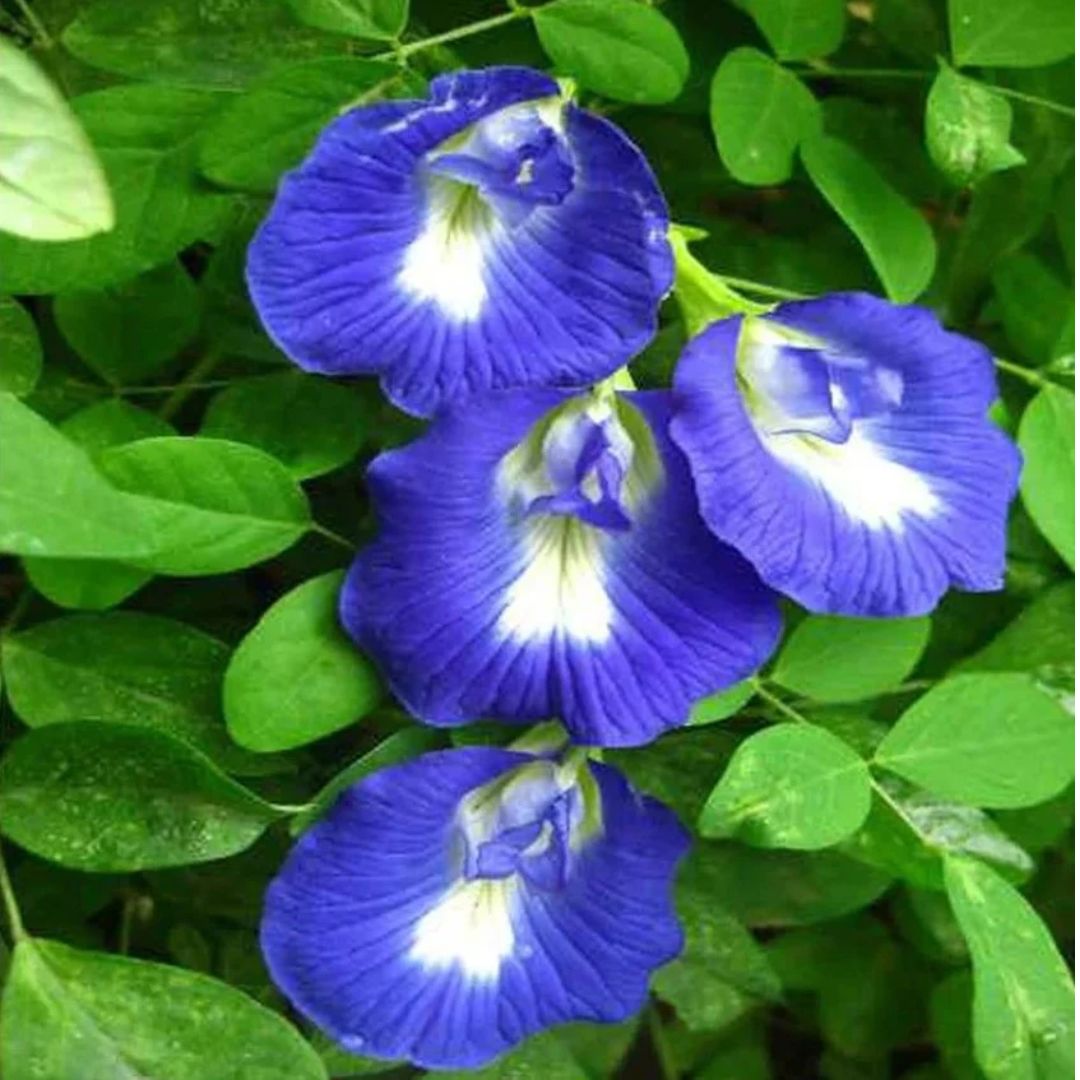
The herb gets its name because the shape of its flower resembles a conch shell. In Ayurveda, the conch shell is symbolically associated with clarity, purity, and sound vibration, which aligns with the herb’s traditional use for mental clarity and calmness.
Naming herbs based on their appearance is a common practice in Ayurveda. This helps practitioners identify plants easily and also connects the physical characteristics of the plant with its traditional purpose.
Shankhpushpi in Ayurveda
In Ayurveda, Shankhpushpi is classified as a Medhya Rasayana. This term may sound complex, but its meaning is simple. Medhya refers to intelligence and mental functions, while Rasayana refers to rejuvenation and nourishment.
This means Shankhpushpi is traditionally used to support memory, learning ability, and mental balance, especially when the mind feels overworked or restless. Ayurvedic texts describe it as a cooling and calming herb, which makes it suitable for people experiencing mental stress or irritability.
Rather than stimulating the brain aggressively, Shankhpushpi is believed to work by calming the nervous system and supporting natural mental functions over time.
Which Doshas Does Shankhpushpi Balance?
According to Ayurveda, the body is governed by three doshas: Vata, Pitta, and Kapha. Mental stress, anxiety, overthinking, and restlessness are often linked to an imbalance in Vata and Pitta dosha.
Shankhpushpi is traditionally used to help balance these two doshas. Its cooling and soothing nature is believed to calm excess mental activity and emotional agitation. Because of this, it is often recommended for people who feel mentally exhausted, overstimulated, or emotionally tense.
This dosha-balancing approach is one of the reasons Shankhpushpi is used not just for students, but also for professionals dealing with long-term mental pressure.
Types of Shankhpushpi
One of the most confusing things for beginners is that more than one plant is called Shankhpushpi. This often leads to misunderstanding when people try to buy or research the herb.
In Ayurveda, different regions of India have traditionally used different plants under the same name. Over time, this created confusion, especially for people who are new to herbal knowledge. Understanding this difference is important for building trust and clarity.
Commonly Known Shankhpushpi Plants
Convolvulus pluricaulis (most widely accepted as authentic)
Evolvulus alsinoides
Clitoria ternatea
Among these, Convolvulus pluricaulis is most commonly used in classical Ayurvedic formulations and is often referred to as the authentic Shankhpushpi.
Health Benefits Shankhpushpi
Shankhpushpi is traditionally used for mental and cognitive support. These benefits are described in Ayurvedic texts and traditional practices, not as medical claims.
Commonly Known Benefits:
Supports memory and learning ability
Helps improve focus and concentration
Aids in calming the mind during stress
Supports mental relaxation and emotional balance
Helps with mental fatigue caused by overwork
These benefits are usually experienced when Shankhpushpi is used consistently as part of a healthy routine, not as an instant solution.
How Shankhpushpi Works According to Ayurveda + Modern Science View
From an Ayurvedic perspective, Shankhpushpi works by cooling and nourishing the nervous system. Its calming nature helps reduce excessive mental activity and supports clarity of thought. This makes it especially useful in situations where the mind feels overwhelmed or restless.
From a modern point of view, Shankhpushpi is known to contain natural compounds that are believed to support antioxidant activity and stress adaptation. While modern science continues to study these effects, Ayurveda has long emphasized its role in mental balance and cognitive support.
The key idea is that Shankhpushpi does not force the brain to perform but instead supports the mind’s natural functioning.
How to Use Shankhpushpi
Shankhpushpi is available in several forms today, making it easy to include in daily life. Traditionally, it was consumed in simple herbal preparations, but modern formulations offer more convenience.
Common Forms Available in Shankhpushpi
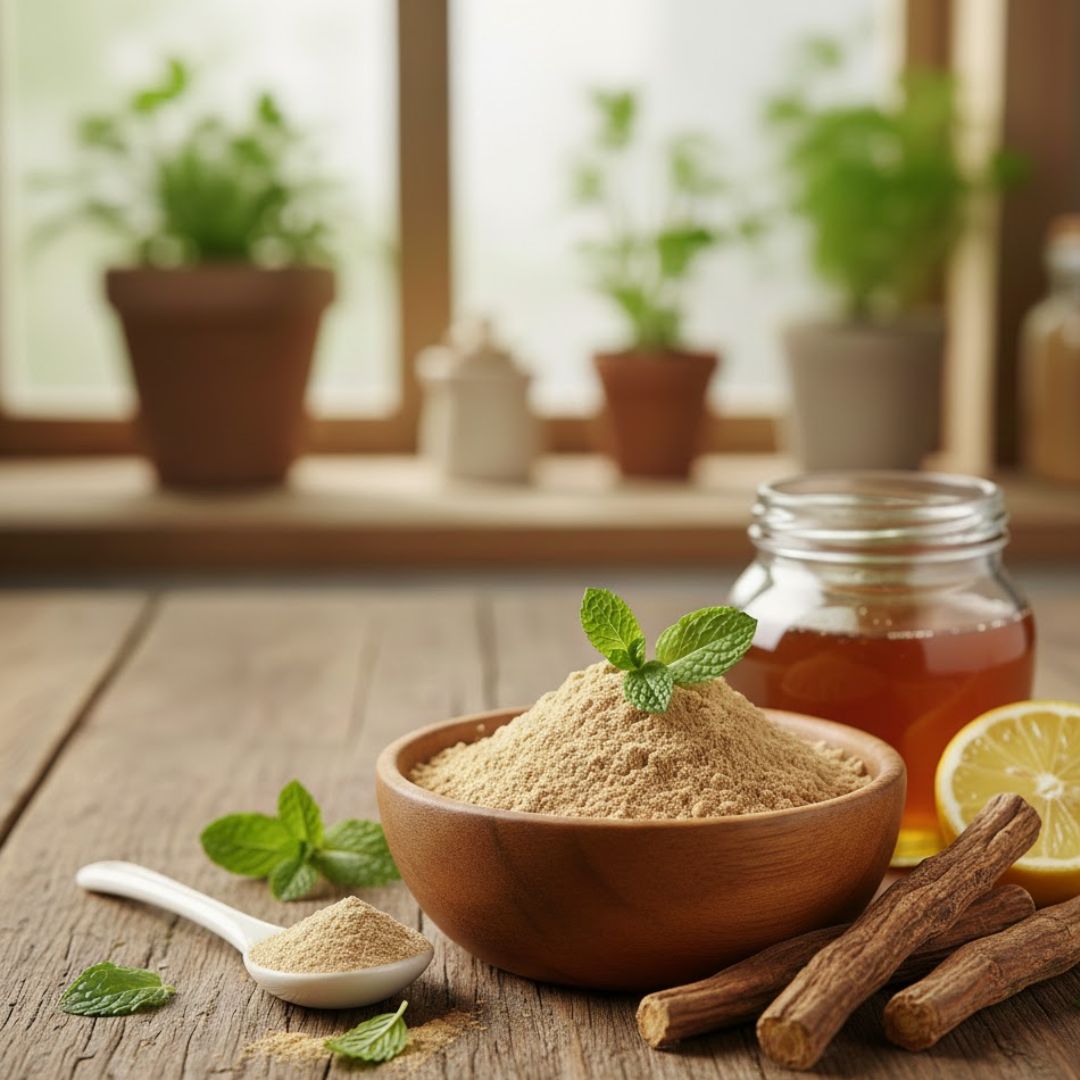
Powder (Churna)
Syrup
Capsules or tablets
Medicated ghee (Ghrita)
The choice of form usually depends on lifestyle, age, and personal preference.
Safety, Dosage & Precautions
Shankhpushpi is generally considered safe when used in recommended amounts. However, like any herbal product, it should be used responsibly.
People who are pregnant, breastfeeding, or managing medical conditions should consult a qualified healthcare professional before using it. Children and elderly individuals should also use it under guidance.
Ayurveda focuses on personalized use, so the right dosage may vary from person to person.
Shankhpushpi vs Brahmi
Many beginners confuse Shankhpushpi with Brahmi, another well-known Ayurvedic herb for mental health. While both are used for cognitive support, they are not the same.
Simple Difference:
Shankhpushpi: More calming and cooling, often used for mental relaxation and stress
Brahmi: More stimulating, often used for memory and alertness
In many Ayurvedic formulations, both herbs are used together to provide balanced mental support.
Who Should Consider Using Shankhpushpi?
Shankhpushpi may be suitable for:
Students facing study-related stress
Working professionals with mental fatigue
Elderly individuals seeking cognitive support
People looking for natural mental calmness
It is best used as part of a balanced lifestyle, not as a standalone solution.
Final Thoughts
Shankhpushpi is a gentle yet powerful herb rooted deeply in Ayurvedic tradition. For beginners, understanding it as a natural support for mental well-being rather than a medicine is important. When used correctly and consistently, it can be a valuable part of a mindful and balanced life.
Faq About Shankhpushpi
1. What is Shankhpushpi used for?
Ans: Shankhpushpi is traditionally used in Ayurveda to support memory, focus, mental calmness, and overall brain health. It is often included in herbal formulations for stress management and mental fatigue.
2. Is Shankhpushpi good for students?
Ans: Yes, Shankhpushpi is commonly used by students to support concentration, learning ability, and mental calmness during study-related stress. It is valued for its gentle and non-stimulating nature.
3. Can Shankhpushpi be taken daily?
Ans: Shankhpushpi is traditionally used as part of a daily wellness routine. However, the dosage and duration may vary depending on age, lifestyle, and health condition. Consulting a qualified practitioner is recommended.
4. Is Shankhpushpi safe for long-term use?
Shankhpushpi is generally considered safe when used in recommended amounts. For long-term use, especially for children, elderly individuals, or those with medical conditions, professional guidance is advised.
5. What is the difference between Shankhpushpi and Brahmi?
Ans: Shankhpushpi is mainly known for its calming and cooling effect on the mind, while Brahmi is more stimulating and supports alertness and memory. In Ayurveda, both herbs are often used together for balanced mental support.
6. Does Shankhpushpi help with stress?
Shankhpushpi is traditionally used to help calm the mind and support emotional balance during periods of stress. It works gently and is often included in stress-support herbal formulations.