Kaunch Beej, known botanically as Mucuna pruriens, is one of the most respected Vajikarana (aphrodisiac and rejuvenative) herbs in Ayurveda. Traditionally used to support male fertility, nervous system strength, and overall vitality, Kaunch Beej has also gained attention in modern research for its natural source of L-DOPA.
In this complete Ayurvedic guide, I will explain Kaunch Beej from a classical perspective—its Rasa, Guna, Virya, Vipaka, Dosha effects, therapeutic uses, dosage, safety, and precautions—so you can understand how to use it correctly and safely.
What is Kaunch Beej in Ayurveda?
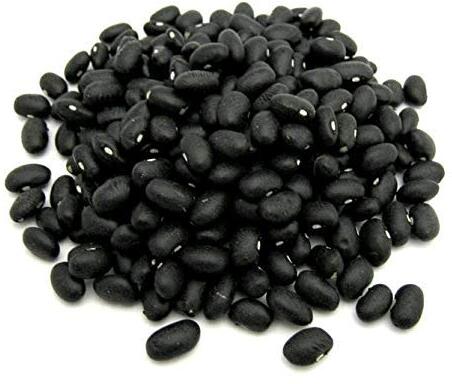
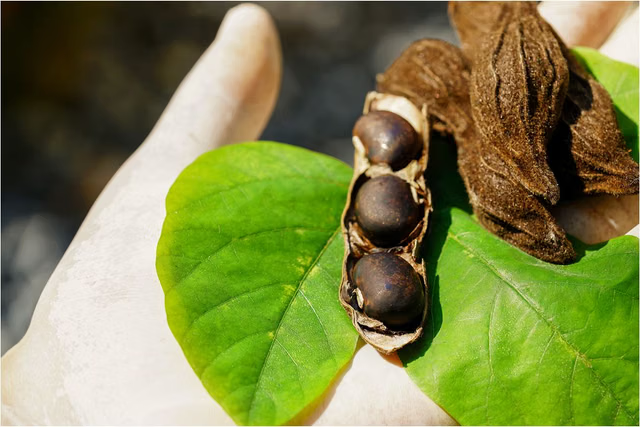
Kaunch Beej refers to the seeds of the climbing plant Mucuna pruriens. In Ayurveda, it is categorized under:
Vajikarana Dravya (aphrodisiac herbs).
Balya (strength-promoting).
Brimhana (nourishing).
Rasayana (rejuvenative).
It has been traditionally recommended in classical Ayurvedic formulations to enhance reproductive health, nerve strength, and muscular vitality.
Ayurvedic Properties of Kaunch Beej
According to Ayurvedic principles:
Rasa (Taste): Madhura (sweet), Tikta (slightly bitter)
Guna (Qualities): Guru (heavy), Snigdha (unctuous)
Virya (Potency): Ushna (heating)
Vipaka (Post-digestive effect): Madhura
Effect on Doshas:
Balances Vata
May increase Pitta in excess
Can mildly increase Kapha if digestion is weak
Because of its Vata-pacifying and nourishing properties, Kaunch Beej is especially beneficial in Vata disorders affecting the nervous and reproductive systems.
Health Benefits of Kaunch Beej in Ayurveda
1. Supports Male Reproductive Health (Vajikarana)
Kaunch Beej is widely used in Ayurveda to:
- Improve Shukra Dhatu (reproductive tissue).
- Support sperm count and motility.
- Enhance stamina and vitality.
- Improve overall sexual wellness.
It is commonly included in classical Vajikarana formulations for men experiencing weakness, fatigue, or low reproductive strength.
If you want to understand its traditional uses, modern benefits, and proper ways to consume it, you can read our Ayurvedic doctor’s detailed guide on Kaunch Beej benefits for male health.
2. Nervous System Support
Kaunch Beej is considered Majja Dhatu nourishing (supports nerve tissue). Traditionally, it has been used in:
- Nervous debility
- Tremors
- Weakness of limbs
- Stress-related fatigue
Modern science highlights its natural L-DOPA content, which plays a role in dopamine production, connecting traditional knowledge with contemporary research.
3. Muscle Strength and Physical Performance
Due to its Balya and Brimhana properties, Kaunch Beej helps:
- Improve muscle mass
- Reduce fatigue
- Support recovery
- Enhance physical endurance
It is often recommended for individuals with chronic weakness or post-illness recovery.
4. Mood and Stress Support
In Vata-related anxiety, restlessness, and nervous exhaustion, Kaunch Beej may be useful when prescribed appropriately. Its nourishing and grounding qualities help stabilize the mind.
5. Fertility Support in Both Men and Women
While more commonly used in men, Kaunch Beej can also support reproductive tissue nourishment in women under proper supervision.
Kaunch Beej in Classical Ayurvedic Formulations
Kaunch Beej is traditionally included in:
- Vajikarana yogas
- Rasayana formulations
- Strength-promoting herbal combinations
It is often combined with herbs like Ashwagandha, Shatavari, or Safed Musli depending on the patient’s constitution (Prakriti) and condition.
How to Use Kaunch Beej
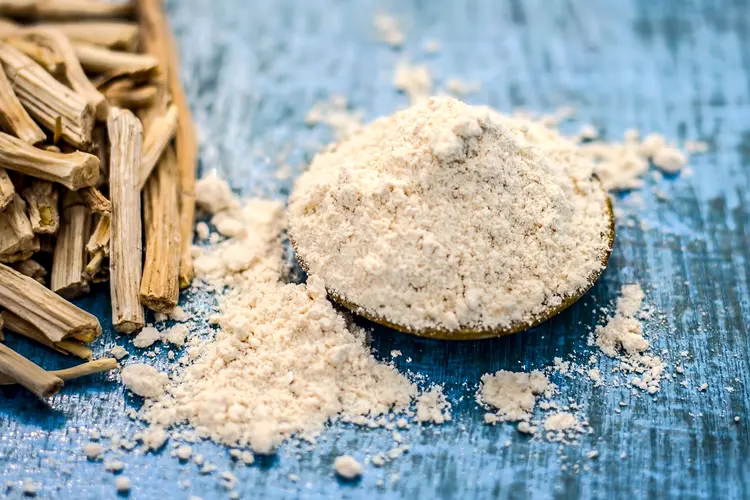
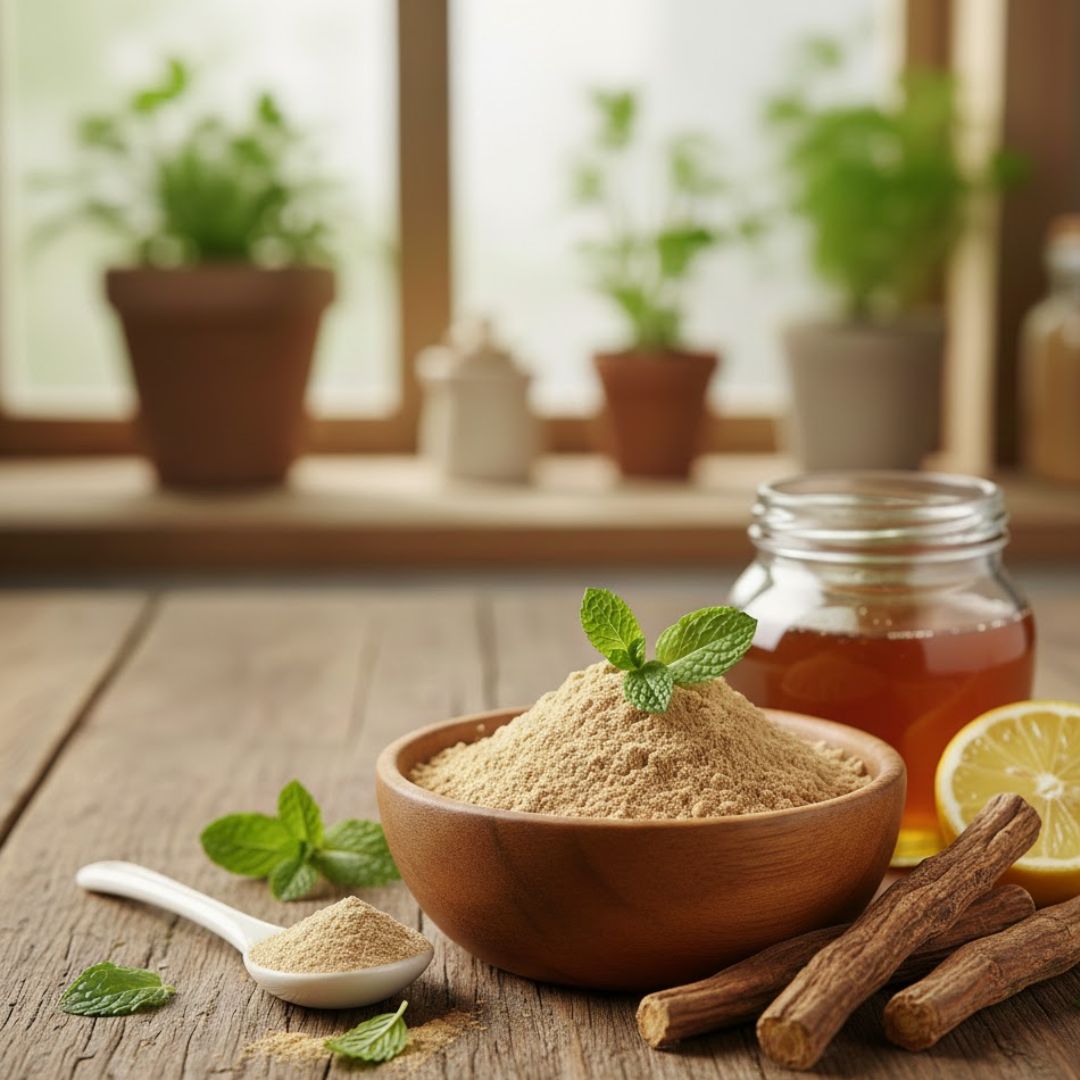
1. Kaunch Beej Powder (Churna)
Typical dosage: 3–6 grams daily
Taken with warm milk or honey
Usually consumed after meals
2. Kaunch Beej Capsules
Follow manufacturer guidance
Best taken under Ayurvedic supervision
3. With Milk (Traditional Method)
Kaunch Beej powder mixed in warm cow’s milk enhances its nourishing and Vajikarana effect.
Best Time to Take Kaunch Beej
Morning after breakfast for energy.
Evening with milk for reproductive support.
Always adjusted according to individual constitution.
Who Should Avoid Kaunch Beej?
Although beneficial, Kaunch Beej is not suitable for everyone.
Avoid or use cautiously if:
1. You have high Pitta symptoms (acidity, burning sensation, heat intolerance).
2. You are pregnant or breastfeeding.
3. You have severe hypertension.
4. You are taking dopamine-related medications.
5.You have uncontrolled diabetes
Always consult a qualified Ayurvedic doctor before long-term use.
Possible Side Effects
If taken in excess or without proper guidance, it may cause:
1. Nausea
2. Abdominal discomfort
3. Headache
4. Increased body heat
Correct dosage and proper Anupana (vehicle like milk or ghee) help minimize side effects.
How to Choose Good Quality Kaunch Beej
When buying Kaunch Beej:
1. Choose organically sourced products.
2. Ensure seeds are properly processed (raw hairs removed).
3. Purchase from reputable Ayurvedic brands.
4. Check for lab testing and quality certification.
Final Thoughts
Kaunch Beej (Mucuna pruriens) is a powerful Ayurvedic herb known for enhancing vitality, nerve strength, and reproductive health. However, like all potent Rasayana and Vajikarana herbs, it should be used responsibly and preferably under professional guidance.
When used correctly, Kaunch Beej can serve as a valuable natural support for strength, stamina, fertility, and nervous system balance—bridging the wisdom of classical Ayurveda with modern scientific understanding.
Is Kaunch Beej safe for daily use?
Yes, when used in recommended dosage under professional guidance.
Can Kaunch Beej increase testosterone?
Ayurveda does not directly use the term testosterone, but it supports Shukra Dhatu, which relates to reproductive strength and vitality.
How long does Kaunch Beej take to work?
Typically 4–8 weeks for noticeable benefits, depending on constitution and condition.