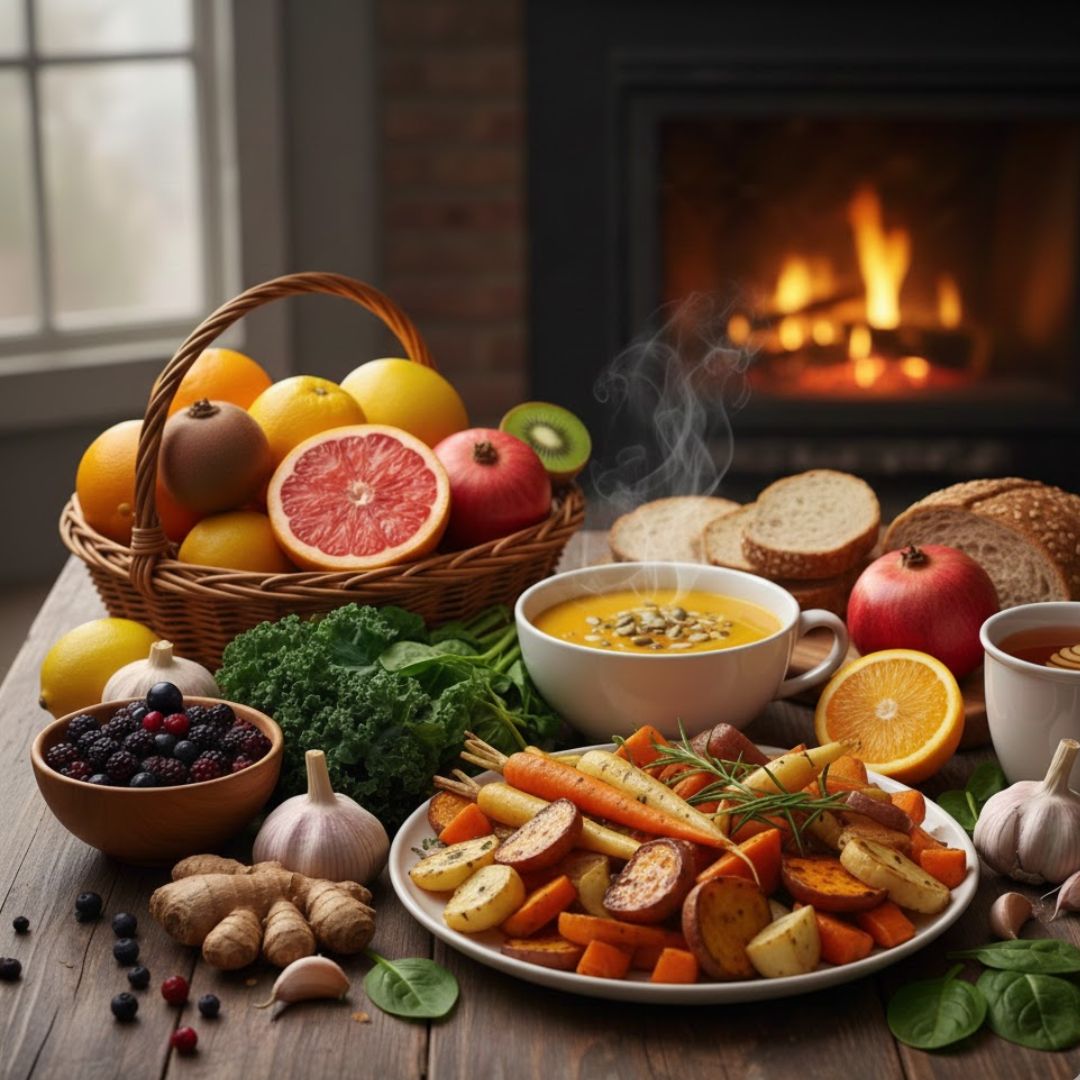
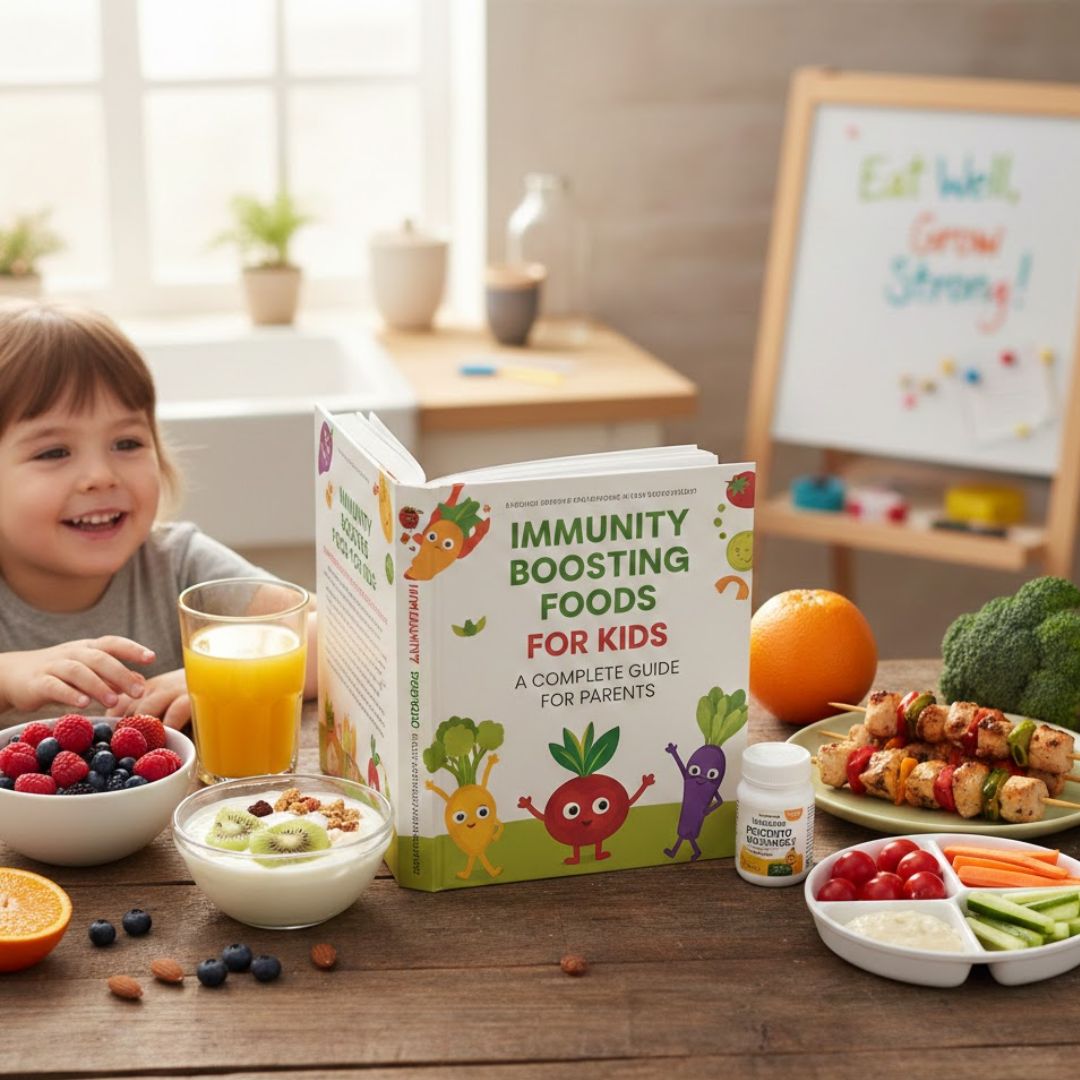
Every parent wants their child to stay healthy, energetic, and protected from common infections. But young children are naturally more vulnerable to illnesses because their immune systems are still developing. They touch surfaces frequently, share toys, mingle closely with other kids, and are constantly exposed to germs. While this is a normal part of growing up, nutrition can play a huge role in supporting their natural immunity.
A balanced diet filled with immunity-supporting foods helps children fight infections, recover faster, and stay active throughout the day. Many blogs share basic lists of foods, but parents today need deeper, science-backed, practical knowledge. They need a clear understanding of why certain foods help and how to include them in a child’s daily routine without stress or fuss.
This long-form guide is designed exactly for that. It brings together traditional wisdom, modern nutrition science, and child-friendly meal ideas to help parents build a strong immunity foundation for their kids. Most importantly, it explains everything in simple Ways.
Best Immunity Boosting Foods for Kids
1. Vitamin C–Rich Foods
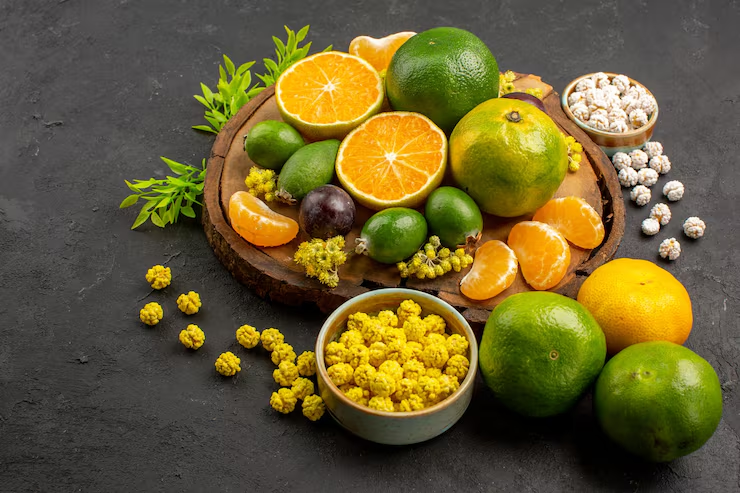
Vitamin C is one of the most powerful immunity-supporting nutrients for children. It strengthens the body’s natural defenses by enhancing the production and function of white blood cells the warriors that fight infections. Children need a continuous supply of vitamin C because the body does not store it. This means a small, daily dose through food can make a big difference.
Fruits such as oranges, sweet lime, guava, strawberries, kiwi, and papaya are excellent sources. Many Indian parents don’t realize that vegetables like bell peppers, tomatoes, broccoli, and spinach also contain high levels of vitamin C. These foods help repair tissues, strengthen the skin barrier, and support faster recovery when children fall sick.
Most kids enjoy fruits more than vegetables, so parents can experiment with fruit bowls, smoothies, popsicles, or mixed juices made at home without added sugar. Guava and kiwi may seem unusual for daily consumption, but they are among the richest sources of vitamin C and are extremely effective for immunity.
Benefits of Vitamin C–Rich Foods
- Supports healthy immune cell function
- Helps the body heal faster
- Protects against seasonal illnesses
2. Probiotic Foods
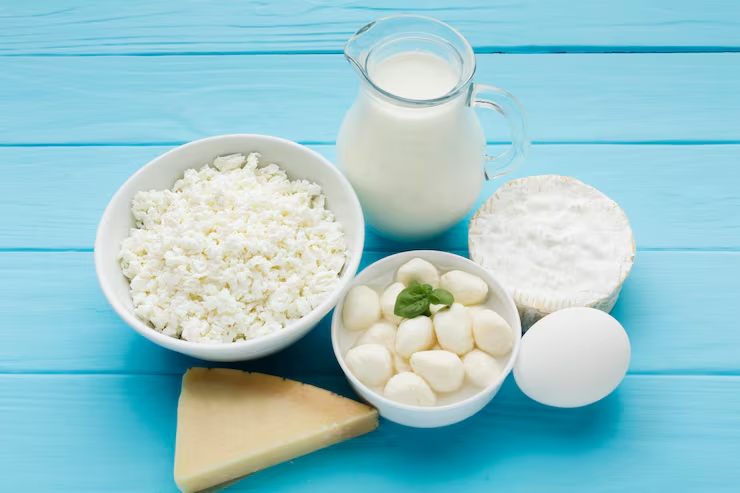
Most parents don’t realize that nearly 70% of the immune system lives inside the gut. The digestive system is home to billions of good bacteria that protect the body from harmful germs. When these beneficial bacteria thrive, the child’s immunity becomes stronger naturally.
Probiotic foods play a significant role here. Curd, yogurt, buttermilk, and fermented foods such as idli, dosa batter, kanji, and home-fermented vegetables help maintain a healthy gut environment. Probiotics improve nutrient absorption, reduce inflammation, and keep digestion smooth all of which contribute to better overall immunity.
A child who eats probiotic-rich foods regularly is less likely to face issues like constipation, indigestion, stomach infections, or frequent colds. Parents can add yogurt to lunch, give a small glass of chaas in the afternoon, or prepare idli and dosa for breakfast to ensure daily intake. Even a simple bowl of curd rice can work wonderfully for gut health.
Benefits of Probiotic Foods:
1. Strengthens the digestive system
2. Enhances absorption of immune-supporting nutrients
3. Helps fight harmful bacteria and infections
3. Vitamin A & Beta-Carotene Foods
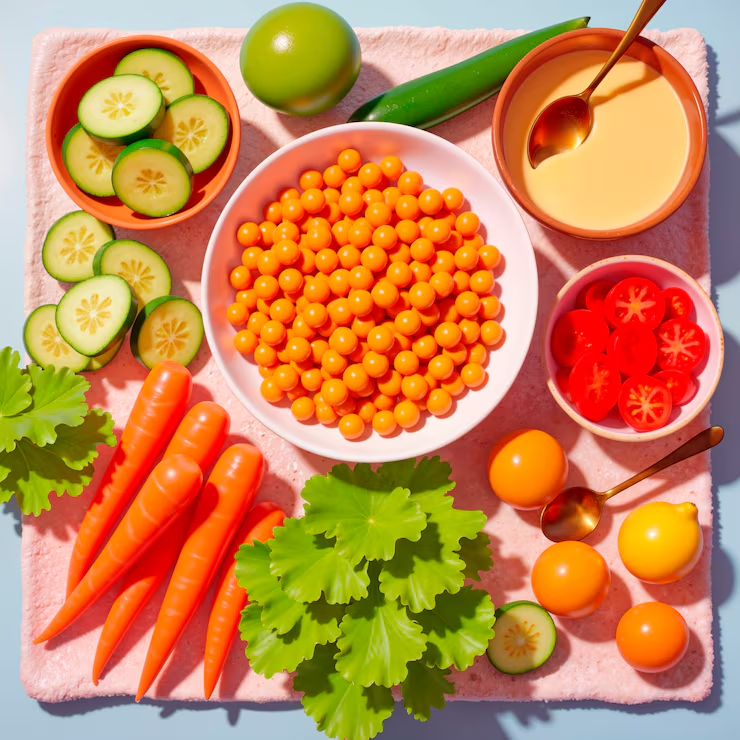
Vitamin A is essential for building a child’s internal defense barrier. It plays a key role in maintaining strong mucous membranes the inner lining of the nose, throat, and lungs. These membranes act as the body’s first shield against viruses and bacteria. Children who consume enough vitamin A tend to have better respiratory immunity.
Foods that naturally contain beta-carotene a compound the body converts into vitamin A include carrots, pumpkin, sweet potatoes, spinach, cabbage, and even seasonal fruits like mangoes. These foods also provide antioxidants that reduce inflammation and improve overall health.
Parents sometimes struggle to introduce vegetables like spinach or pumpkin, but simple changes can help. Soups, purees, parathas, baked snacks, vegetable sandwiches, or carrot sticks with dips can make these foods more exciting for children. Carrots and sweet potatoes also blend beautifully into desserts like muffins or halwa, offering nutrition in a child-friendly form.
Benefits of Vitamin A & Beta-Carotene Foods
1. Enhances respiratory immunity
2. Keeps skin and mucous membranes healthy
3. Protects the body from repeated infections
4. Healthy Fats & Vitamin E Foods
Healthy fats are essential for a child’s growth because they help the body absorb fat-soluble vitamins such as A, D, E, and K . all of which play crucial roles in immunity. Among these, vitamin E stands out for its ability to protect immune cells from damage through its antioxidant properties.
Foods such as almonds, walnuts, cashews, flaxseeds, chia seeds, pumpkin seeds, and sunflower seeds provide healthy fats and vitamin E. They support cell growth, brain development, hormone balance, and immune function. Many kids enjoy nut butters, seed mixes, or small bites of nuts in their snacks. Including these foods is easier than most parents think. A spoon of peanut butter on toast, a handful of nuts in the lunchbox, or homemade seed crackers can give children the nutrients they need. Seeds can also be sprinkled into chapati dough, breakfast cereals, smoothies, or homemade laddoos.
Benefits of Vitamin E Foods
1. Provides antioxidants for immune cell protection
2. Supports brain development
3. Enhances absorption of essential vitamins
5. Protein-Rich Foods
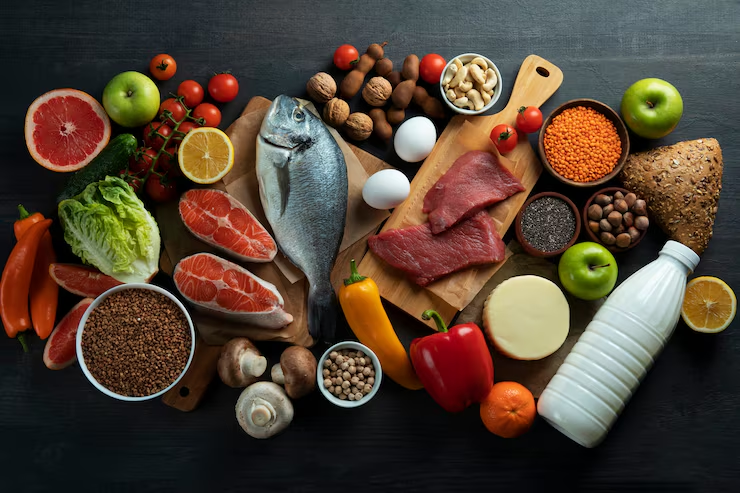
Protein is one of the most important nutrients for a growing child. Every cell in the immune system from antibodies to enzymes is made of protein. When children do not get enough protein, their immunity weakens, and they become more susceptible to infections.
Eggs are one of the best sources of high-quality protein and also contain vitamin D, zinc, and choline all of which support immunity and brain development. For vegetarian children, lentils, beans, paneer, sprouts, rajma, chickpeas, and soy foods provide excellent plant-based protein.
Protein-rich meals help children stay fuller for longer, maintain steady energy levels, and repair tissues quickly. Parents can include protein in the form of omelettes, dal soups, paneer bhurji, chilla, sprouts chaat, chickpea rolls, or moong dal cheela. These are delicious, nutritious, and easy to prepare.
Benefits of Protein-Rich Foods
1. Supports antibody production
2. Fuels muscle and tissue repair
3. Boosts overall strength and resilience
6. Traditional Immunity Boosting Foods
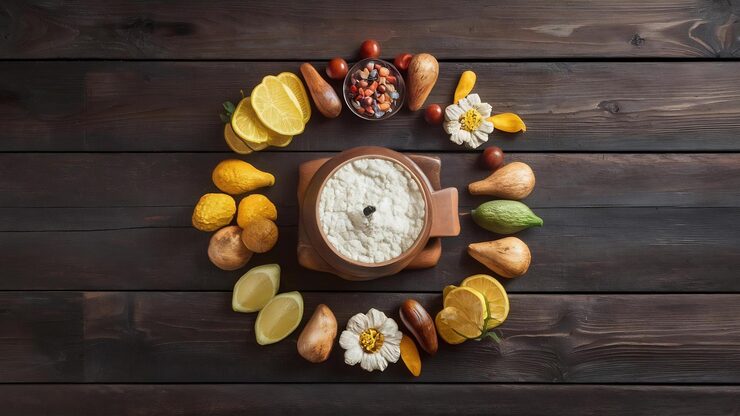
Indian kitchens are filled with traditional herbs and ingredients that have been used for centuries to support immunity. These foods are gentle, natural, and perfect for children when used in small, balanced amounts.
Turmeric is well-known for its anti-inflammatory benefits, thanks to its active compound curcumin. Ginger and garlic help fight germs, improve digestion, and support respiratory health. Jaggery is rich in minerals like iron and is much healthier than refined sugar. Tulsi leaves strengthen the lungs and protect against coughs and colds.
Parents can include these ingredients in everyday meals adding a small quantity of turmeric to milk, ginger to soups, garlic to dals and sabzis, tulsi to warm water, or jaggery to homemade sweets. These natural foods help strengthen immunity from within without relying on processed supplements.
Benefits of Traditional Immunity Foods
1. Fights inflammation naturally
2. Improves respiratory and digestive health
3. Provides natural germ protection
7. Hydrating Nutritional Drinks

Hydration is a major part of immunity that is often overlooked. Water helps transport nutrients, flush out toxins, and support lymphatic circulation a system that plays a key role in fighting infections.
Kids often forget to drink enough water, so hydrating foods and drinks become important. Coconut water provides natural electrolytes and minerals that support immunity. Fresh fruit juices, especially made with oranges, watermelon, grapes, or pomegranate, offer hydration with essential vitamins. Vegetable juices like beet, carrot, or mixed greens are rich in antioxidants and help purify the blood.
Even soups, smoothies, infused water, and homemade herbal drinks support hydration and provide extra nutrition. Keeping children hydrated prevents fatigue, headaches, dryness, and weakened immunity.
Benefits of Hydrating Nutritional Drinks
1. Keeps the body hydrated
2. Supports nutrient circulation
3. Helps remove toxins
Daily Meal Ideas That Boost Immunity Effortlessly
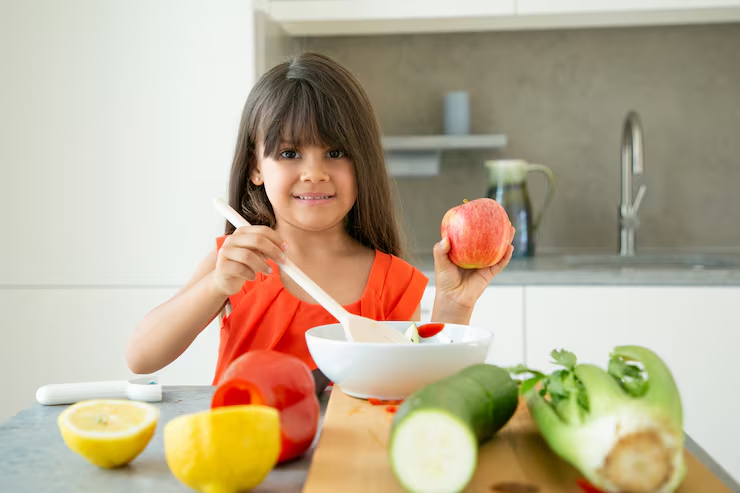
Parents often know what foods are healthy, but the challenge lies in including them consistently. A simple way is to pair immunity-boosting ingredients with dishes children already enjoy.
For breakfast, moong dal chilla, vegetable upma, idli, dosa, or parathas filled with carrots and spinach make nutrient-dense meals. Mid-morning snacks like fresh fruits, coconut water, yogurt cups, or nut mixes keep energy stable. Lunch can include dal, rice, vegetables, chapati, paneer, sprouts, or a simple curd rice bowl for gut health. Evening snacks like boiled corn, roasted chana, fruit smoothies, or egg wraps give a wholesome finish to the day.
By focusing on balanced meals and small additions such as lemon, herbs, seeds, or spices, parents can transform daily food into immunity-supporting meals without difficulty.
What Most Blogs Don’t Tell You About Kids’ Immunity
Many articles list foods, but they miss deeper insights that actually matter. One such insight is the relationship between sugar and immunity. Excess sugar slows down immune cells and weakens the body’s ability to fight infections. Unfortunately, kids today consume sugar through packaged juices, chocolates, biscuits, and flavored snacks without realizing it.
Another insight is the connection between sleep, gut health, and immunity. Poor sleep affects the immune system directly, while gut imbalance reduces nutrient absorption. Simple lifestyle habits such as proper hydration, sunlight exposure for vitamin D, and daily outdoor play also make a big difference in strengthening immunity.
Understanding these hidden factors helps parents make informed decisions that go beyond food lists.
Quick Tips for Parents to Support Kids’ Immunity
1. Rotate different vegetables, fruits, and proteins weekly
2. Encourage sunlight exposure for at least 20 minutes
3. Maintain a sleep schedule for proper rest
4. Reduce processed sugar and packaged snacks
5. Encourage outdoor play for natural immunity
Final Words
Building strong immunity in kids is not about occasional superfoods. it’s about daily habits, consistent nutrition, and natural, balanced meals. When children consume foods rich in vitamins, minerals, probiotics, healthy fats, and protein, their bodies naturally become stronger.
With small, simple changes in their diet and routine, parents can give their children the foundation of lifelong health. Strong immunity means fewer sick days, faster recovery, and more joyful childhood moments.
Healthy eating today creates healthier adults tomorrow and the journey starts with simple choices made every day.