

A dry cough is one of the most irritating health problems, especially when it continues for days without mucus production. It can disturb sleep, cause throat pain, and reduce overall comfort. Many people rely on syrups for quick relief, but repeated use often fails to address the root cause.
From an Ayurvedic perspective, dry cough is a condition that develops due to internal imbalance, primarily of Vata Dosha. Ayurveda focuses on restoring moisture, soothing the throat, and strengthening digestion and immunity. In this detailed guide, I will explain home remedies for dry cough step by step, in a simple and practical manner.
Ayurvedic Understanding of Dry Cough
In Ayurveda, cough is referred to as Kāsa Roga. A dry cough is commonly classified as Vataja Kāsa. Vata Dosha is responsible for movement and dryness in the body. When it becomes aggravated, it dries up the tissues of the respiratory tract, leading to repeated coughing without phlegm.
Dry cough often worsens at night because Vata naturally increases during nighttime. If Pitta Dosha is also involved, the patient may experience burning sensation, acidity, or throat irritation along with the cough. Therefore, Ayurvedic treatment aims to pacify Vata, nourish the tissues, and calm irritation.
Causes of Dry Cough According to Ayurveda
Dry cough usually develops due to a combination of lifestyle habits and environmental factors. Irregular eating patterns, consuming dry and cold foods, excessive fasting, and weak digestion gradually aggravate Vata Dosha. Exposure to cold air, pollution, or dust further irritates the throat and chest.
Mental stress and lack of sleep also play an important role. Ayurveda considers the mind and body deeply connected, and increased anxiety can directly worsen Vata imbalance, making the cough persistent and difficult to cure.
Common Symptoms of Dry Cough
Dry cough does not produce mucus but causes constant irritation. Patients commonly experience a dry, scratchy throat, hoarseness of voice, and a feeling of tightness in the chest. The cough often becomes more severe at night or early morning and may be triggered by speaking for long periods or inhaling cold air.
Ayurvedic Home Remedies for Dry Cough
Ayurvedic home remedies focus on restoring moisture, reducing irritation, and supporting natural healing. These remedies are gentle and can be safely practiced at home when used correctly.
1. Honey and Black Pepper

Honey acts as a natural throat soother and provides lubrication to dry tissues. Black pepper stimulates digestion and helps clear irritation caused by accumulated Vata. When combined, they work effectively to reduce the frequency and intensity of dry coughing.
Take one teaspoon of raw honey and add a small pinch of black pepper powder. Consume this mixture slowly so it coats the throat. This remedy can be taken twice daily, preferably in the morning and before bedtime.
Benefits:
Soothes throat irritation
Reduces dryness
Improves digestion and immunity
2. Ginger and Tulsi Decoction
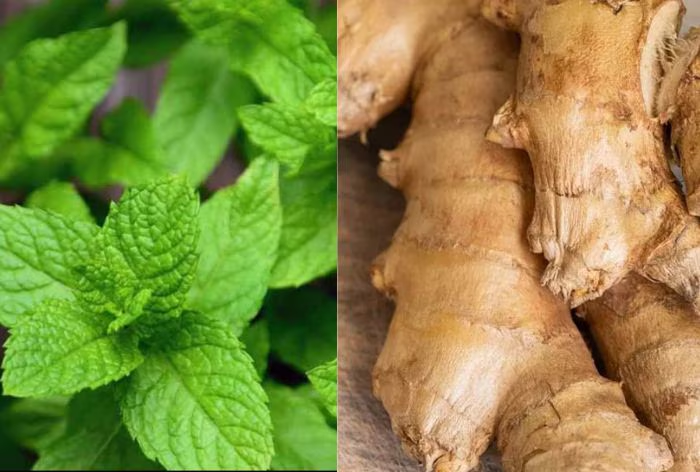
Ginger generates warmth in the body and balances Vata Dosha, while Tulsi is well known for its respiratory and immune-supportive properties. This decoction helps calm the irritated throat and supports natural healing.
Boil crushed ginger and fresh Tulsi leaves in water until it reduces to half. Drink the decoction warm, once or twice daily. Regular use provides gradual but lasting relief.
3. Turmeric Milk for Night-Time Relief

Turmeric has anti-inflammatory and healing properties, and warm milk nourishes dry respiratory tissues. This combination is especially helpful for people whose dry cough worsens at night.
Mix turmeric powder into warm milk and drink it before sleeping. It helps calm the throat, supports immunity, and promotes better sleep.
4. Licorice (Mulethi) for Throat Moisture
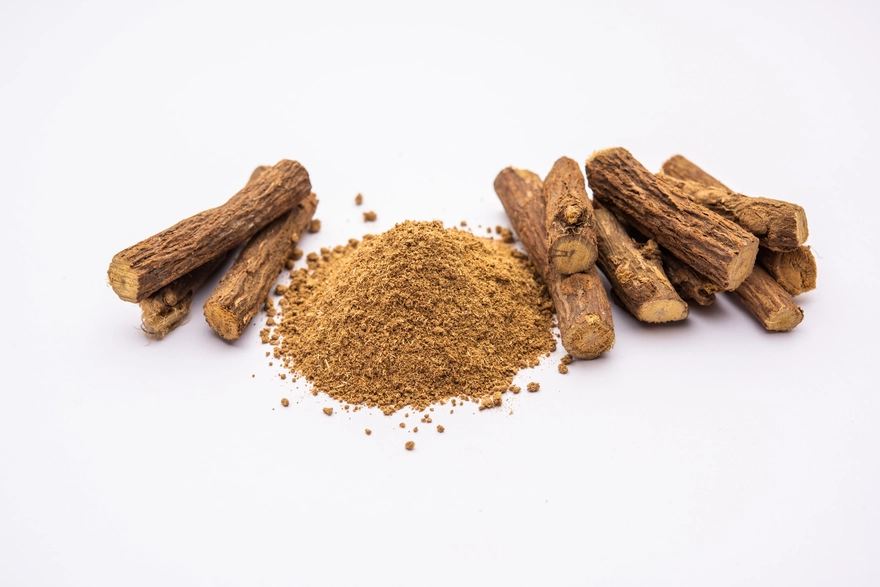
Licorice, known as Mulethi in Ayurveda, is one of the best herbs for dry cough. It has a sweet taste and cooling nature that soothes irritation and restores moisture to the throat.
A small piece of Mulethi can be slowly sucked, or Mulethi powder can be taken with warm water once daily. This remedy is particularly beneficial for people who experience voice strain along with coughing.
Key Benefits of Mulethi:
Reduces throat dryness
Calms hoarseness
Supports respiratory health
5. Ghee and Warm Milk Therapy

Cow ghee is deeply nourishing and helps counteract dryness caused by aggravated Vata. When taken with warm milk, it lubricates the respiratory tract and provides long-lasting relief.
Adding one teaspoon of ghee to warm milk and consuming it at night can significantly reduce dryness and irritation in chronic dry cough conditions.
6. Steam Inhalation with Ajwain
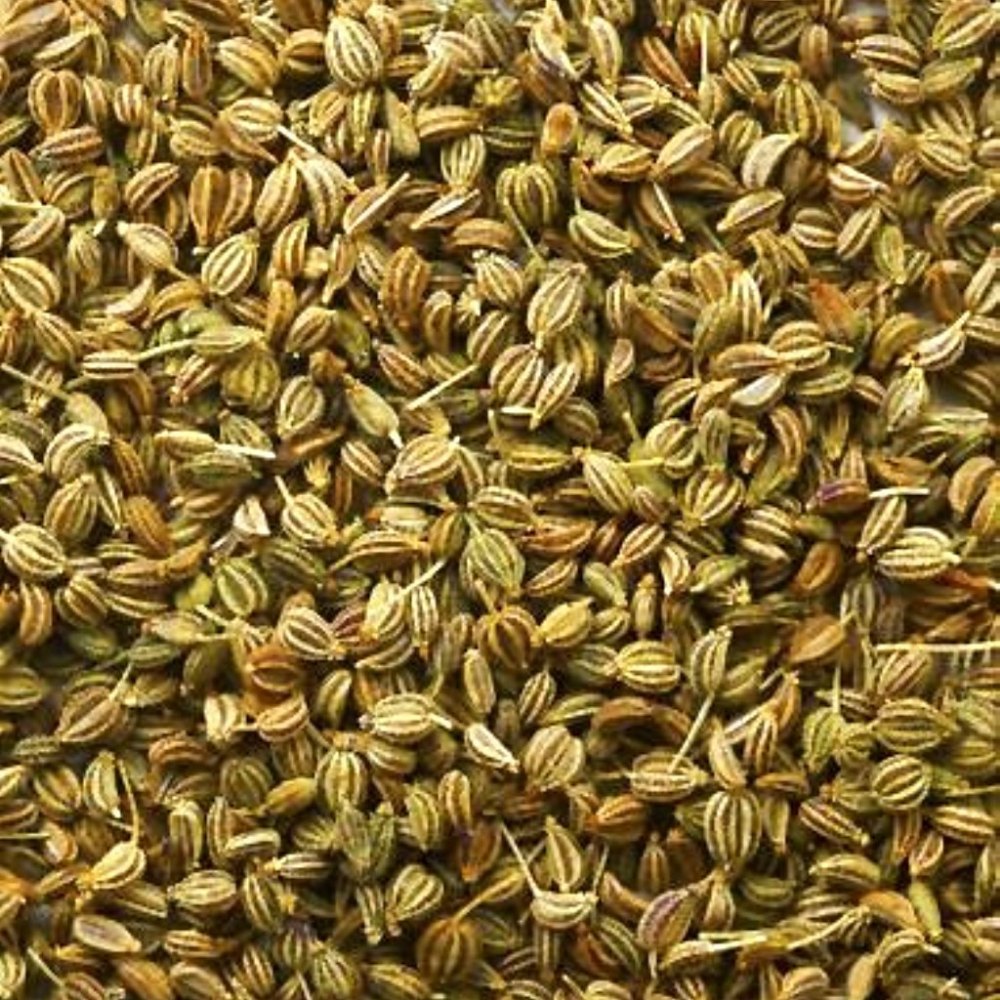
Steam inhalation helps moisturize the dry airways and clear irritation. Ajwain adds therapeutic warmth and supports respiratory function.
Inhaling steam once daily helps open the respiratory channels and reduces the urge to cough, especially during cold weather.
Diet Recommendations for Dry Cough

Diet plays a crucial role in healing dry cough. Warm, nourishing, and slightly oily foods help pacify Vata Dosha and restore balance.
Foods to include:
Warm milk and herbal teas
Cooked vegetables
Rice, wheat, and oats
Ghee and soups
Dates and soaked figs
Foods to avoid
Cold drinks and ice creams
Dry snacks and bakery items
Excess tea or coffee
Fried and processed foods
Lifestyle Guidance for Faster Recovery
Maintaining a warm routine and regular lifestyle is essential. Avoid exposure to cold wind, especially at night. Cover your throat during winter and avoid excessive talking. Practicing gentle breathing exercises such as Anulom Vilom Pranayama helps calm Vata and strengthens the lungs.
Adequate sleep and stress management are equally important for recovery.
When Should You Consult a Doctor?
Home remedies are effective for mild to moderate dry cough. However, medical consultation is necessary if the cough lasts more than two weeks, is associated with chest pain, breathlessness, fever, or recurring episodes.
Conclusion
Dry cough should not be ignored, especially when it keeps returning. Ayurveda offers safe, natural, and time-tested home remedies that focus on treating the root cause rather than suppressing symptoms. By balancing Vata Dosha, nourishing the respiratory tract, and following proper diet and lifestyle practices, long-term relief can be achieved.
FAQ
What is the main cause of dry cough according to Ayurveda?
According to Ayurveda, dry cough is mainly caused by an aggravation of Vata Dosha. Vata has a dry and rough quality, and when it increases in the chest and throat, it dries the respiratory passages. This dryness leads to irritation and repeated coughing without mucus. Factors such as cold exposure, irregular eating habits, stress, and weak digestion commonly contribute to this imbalance.
Which home remedy works best for dry cough?
There is no single remedy that suits everyone, but honey, ginger, turmeric milk, and licorice (Mulethi) are among the most effective Ayurvedic home remedies for dry cough. These remedies help soothe the throat, reduce irritation, and restore moisture to the respiratory tract. Consistent use along with proper diet gives the best results.
Can dry cough be cured naturally without medicine?
Yes, mild to moderate dry cough can often be managed naturally using Ayurvedic home remedies. By balancing Vata Dosha through warm foods, herbal remedies, steam inhalation, and lifestyle corrections, the body can heal itself. However, if the cough persists for more than two weeks or keeps recurring, medical consultation is advised.
Is honey safe for dry cough in Ayurveda?
Honey is considered highly beneficial for dry cough in Ayurveda when used correctly. It helps lubricate the throat and reduce irritation. However, honey should never be heated directly or mixed with very hot liquids, as this is not recommended in Ayurveda. It should also be avoided in children below one year of age.
Does milk increase dry cough?
Warm milk generally does not worsen dry cough when consumed correctly. In fact, warm milk with turmeric or ghee can help nourish dry tissues and calm irritation caused by Vata Dosha. Cold milk or milk taken with incompatible foods may aggravate symptoms and should be avoided.
What foods should be avoided during dry cough?
During dry cough, foods that increase dryness and coldness should be avoided. These include cold drinks, ice cream, dry snacks, fried foods, bakery items, and excessive tea or coffee. Such foods aggravate Vata Dosha and delay recovery.
Why does dry cough worsen at night?
Dry cough often becomes worse at night because Vata Dosha naturally increases during nighttime. Lying down can also cause throat dryness and irritation, triggering coughing spells. Drinking warm milk or herbal decoctions before bedtime can help reduce night-time coughing.
Is steam inhalation good for dry cough?
Yes, steam inhalation is beneficial for dry cough as it adds moisture to dry airways and reduces throat irritation. When done with herbs like Ajwain, it helps open respiratory channels and provides immediate comfort. Steam inhalation should be done carefully and once daily.
When should I see a doctor for dry cough?
You should consult a doctor if the dry cough lasts longer than two weeks, is accompanied by chest pain, breathlessness, fever, weight loss, or keeps recurring frequently. Chronic cough may indicate an underlying condition that needs proper diagnosis and treatment.
Can stress cause dry cough?
Yes, stress and anxiety can worsen dry cough. Ayurveda explains that mental stress aggravates Vata Dosha, which directly affects the respiratory system. Practicing relaxation techniques, breathing exercises, and maintaining proper sleep can significantly help in recovery.