When patients first hear the word Fitkari, many imagine a small white stone their barber uses after shaving. But Fitkari, scientifically known as Potassium Alum, is much more than that. In Ayurveda, it’s considered a powerful mineral with cooling, astringent, and antiseptic properties.
For centuries, Fitkari has been used in Indian households for skin care, hygiene, wound care, and even water purification. As an Ayurvedic doctor, I often guide my patients on how to use Fitkari safely and effectively, because misuse can lead to side effects.
In this blog, we’ll explore everything you need to know about Fitkari: its benefits, uses, Ayurvedic properties, precautions, and side effects, in simple words you can easily understand.
What is Fitkari?
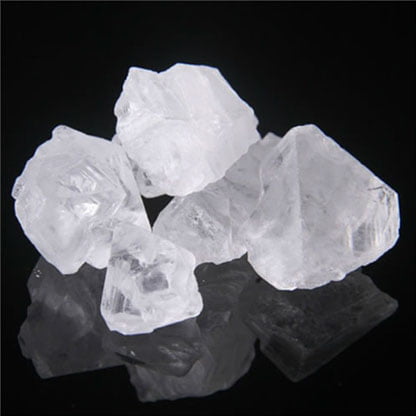
Fitkari is a naturally occurring mineral salt, commonly found in crystal form. In Ayurveda, it is recognized as a Rasa Dravya — a substance with medicinal properties.
Chemical name: Potassium Alum
Appearance: White or transparent crystalline stone
Ayurvedic qualities: Ruksha (drying), Sheeta (cooling), Laghu (light)
Historically, Fitkari has been used for:
Skin and hair care
Body odor control
Minor wound healing
Oral hygiene
Clarifying water
Ayurvedic Properties of Fitkari
In Ayurveda, every substance is described based on its Rasa (taste), Guna (qualities), Virya (potency), Vipaka (post-digestive effect), and Dosha effect.
Rasa (Taste): Astringent
Guna (Qualities): Drying, light, rough
Virya (Potency): Cooling
Vipaka (Post-digestive effect): Pungent
Dosha effect: Balances Pitta and Kapha, may aggravate Vata if overused
These qualities explain why Fitkari works externally to reduce inflammation, tighten tissues, and soothe skin
Top Benefits of Fitkari
1. Fitkari for Skin Care
Many patients ask me, Doctor, can I use Fitkari on my face? Yes, but with care. Fitkari’s astringent and antiseptic properties make it helpful for:
Reducing oily skin
Tightening pores
Supporting minor acne reduction
Soothing skin irritation after shaving
How to use: Mix a small amount of powdered Fitkari with rose water and apply as a toner. Avoid overuse to prevent dryness.
2. Fitkari After Shaving
Fitkari is a popular post-shaving remedy. It works by:
Stopping minor bleeding: The astringent quality constricts blood vessels
Reducing razor burns: Cooling effect soothes the skin
Preventing infection: Antiseptic properties reduce risk of small cuts becoming infected
Tip: Wet the stone slightly and dab gently over the shaved area.
3. Fitkari for Body Odor
In Ayurveda, body odor is often linked to Pitta and Kapha imbalances. Fitkari can help:
Reduce odor-causing bacteria
Leave skin feeling fresh
Serve as a chemical-free deodorant alternative
Note: Fitkari does not stop sweating, but controls the smell effectively.
4. Fitkari for Oral Health
Fitkari has been traditionally used for oral hygiene:
Reduces bacterial growth in gums
Supports fresh breath
Helps minor gum bleeding
Important: Never swallow Fitkari. Use only a tiny dab on the gums or as a rinse.
5. Fitkari for Water Purification
In some Indian households, Fitkari is used to clarify muddy water:
Tiny particles clump together and settle
Water becomes visually clear
Caution: This does not kill bacteria or viruses. Always boil water before drinking.
6. Fitkari for Minor Cuts & Wounds
Fitkari’s antiseptic properties make it useful for small cuts or abrasions:
Clean the wound
Apply a tiny amount of powdered Fitkari
Helps reduce infection risk
Avoid applying on deep wounds or large open injuries.
7. Other Traditional Uses
Fitkari has been used in Ayurveda for:
Hair removal (some old practices suggest it, but dermatologists caution against this)
Reducing underarm sweat and odor
Vaginal tightening (traditionally used, but not medically recommended without supervision)
Hair removal (some old practices suggest it, but dermatologists caution against this)
Side Effects and Precautions
No medicine or herb is completely safe if misused. Fitkari can cause side effects, especially with excessive or internal use.
1. Skin Irritation & Dryness
Overuse can make skin dry, tight, or flaky
Sensitive skin may get red or itchy
Advice: Always do a patch test before applying to larger areas.
2. Not for Internal Use Without Supervision
Some old Ayurvedic texts suggest internal use in small doses, but modern medicine warns:
May cause stomach upset
Can lead to toxicity if overused
Only take under qualified Ayurvedic supervision
3. Eye & Sensitive Area Caution
Never let Fitkari touch:
Eyes
Mucous membranes
It can cause burning, irritation, or redness.
4. People with Kidney Conditions
Aluminium salts are eliminated via kidneys. People with kidney disease should avoid regular use.
5. Pregnancy & Children
Avoid internal use
External use should be very limited and mild
Consult an Ayurvedic doctor first
How to Use Fitkari Safely: Step-by-Step
For Skin Care
1. Mix a small pinch of powdered Fitkari with rose water or plain water.
2. Apply gently with a cotton pad.
3. Rinse after 10–15 minutes.
4. Moisturize to prevent dryness.
For After Shaving
1. Wet Fitkari stone slightly.
2. Dab gently over small cuts or shaved areas.
3. Rinse after 5–10 minutes if skin feels tight.
As a Natural Deodorant
1. Clean underarms.
2. Slightly wet Fitkari stone.
3. Rub gently and let dry.
For Water Clarification
1. Add a tiny piece to turbid water.
2. Let impurities settle.
3. Always boil before drinking.
Patch Test
1. Apply small dab on inner forearm.
2. Wait 24 hours.
3. Avoid use if redness or itching occurs.
Fitkari in Classical Ayurvedic Texts
Charaka Samhita: Mentions Fitkari for skin ailments and wound healing
Sushruta Samhita: Describes Fitkari as Ruksha, Sheeta, and effective for minor bleeding
Bhavaprakasha: Recommends external application for Pitta-related skin disorders
Ayurvedic classics emphasize moderation — too much Fitkari can aggravate Vata or damage skin.
White vs Red Fitkari
| Feature | White Fitkari | Red Fitkari |
| Appearance | Transparent/white | Reddish crystal |
| Use | Skin, deodorant, water | Rarely external |
| Ayurvedic Effect | Cooling, astringent | Slightly heating |
| Common Availability | Easily available | Less common |
Tip: For skin and deodorant, white Fitkari is preferred.
Conclusion
Fitkari is an ancient Ayurvedic remedy with real benefits if used wisely: Skin care and acne support, Post-shaving healing, Natural deodorant, Minor wound antiseptic.
But remember:
Do not ingest without supervision
Avoid overuse on sensitive skin
Consult an Ayurvedic doctor if you have medical conditions
When used correctly, Fitkari is a safe, natural, and effective addition to your Ayurvedic health routine.
As your Ayurvedic doctor, my advice is: respect its power, use moderately, and always combine with good hygiene and lifestyle practices.
Is Fitkari safe for daily use?
Yes, but limit to 2–3 times a week for skin and deodorant. Overuse may dry skin.
Can I use Fitkari on my face?
Yes, in small amounts, mixed with water. Avoid sensitive or broken skin.
Can Fitkari remove pimples?
It can help reduce minor acne due to its antiseptic and astringent properties.
Can pregnant women use Fitkari?
Only externally, in very small amounts, and after consulting your Ayurvedic doctor.
Is drinking Fitkari water safe?
Internal use is not recommended without doctor supervision. Boil water first.
What is the difference between white and red Fitkari?
White Fitkari is cooling and safe for skin; red is less common and slightly heating.
References & Sources
1. Apollo247 – Alum in Ayurveda
2. Dr. Sharda Ayurveda – Fitkari Benefits
3. Indian Express – Fitkari Skincare Guide
4. TrueMeds – Alum in Ayurveda