Dandruff can be removed at home naturally by correcting scalp dryness or oil imbalance, improving digestion, and following consistent Ayurvedic scalp care. According to Ayurveda, dandruff occurs due to aggravated Vata and Kapha doshas affecting the scalp. Regular oil massage, gentle herbal cleansing, dietary correction, and stress management help reduce flakes and itching over time. Mild dandruff usually improves within a few weeks, while chronic cases require longer, consistent care.
Dandruff Problem According to Ayurveda
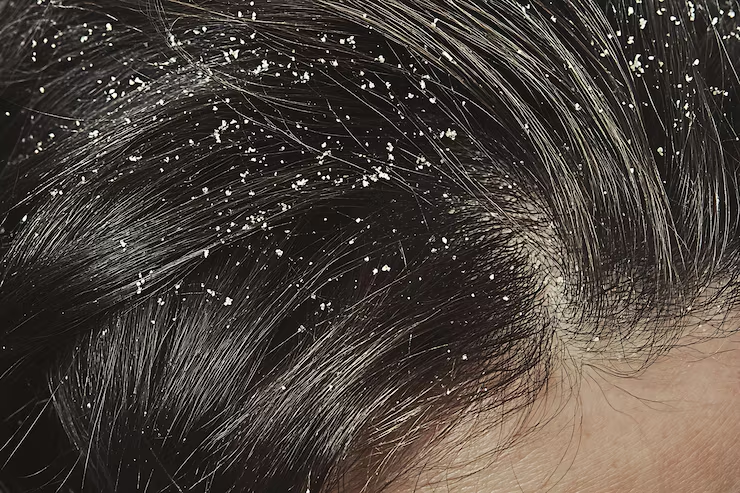
In Ayurveda, dandruff is commonly associated with conditions such as
1. Darunaka (dry dandruff).
2. Arunshika (oily, itchy dandruff).
These conditions arise when the natural balance of the scalp is disturbed. The scalp, known as Keshabhumi, requires proper nourishment, moisture, and circulation to remain healthy. When this balance is lost, dryness, scaling, itching, or oily flakes begin to appear.
Ayurveda explains dandruff primarily as an imbalance of Vata and Kapha doshas. Excess Vata causes dryness, roughness, and flaking, while aggravated Kapha leads to oily, sticky dandruff with itching. In some individuals, Pitta may also be involved, resulting in redness, burning sensation, or inflammation of the scalp.
Common Root Causes of Dandruff You Should Know
1. Diet Causes
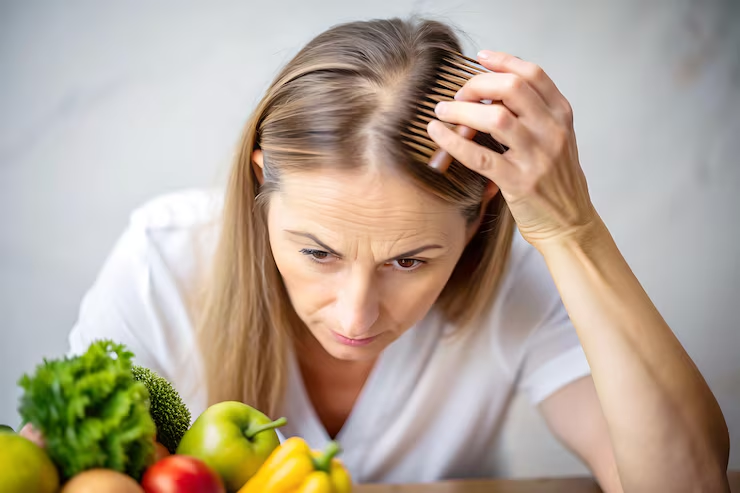
Dandruff does not occur suddenly without reason. Poor dietary habits, irregular lifestyle, and incorrect hair-care practices gradually weaken scalp health. Excessive consumption of oily, spicy, or sugary foods disturbs digestion and increases toxin formation, which indirectly affects the skin and scalp. Drinking insufficient water further worsens dryness and flaking.
2. Lifestyle Causes
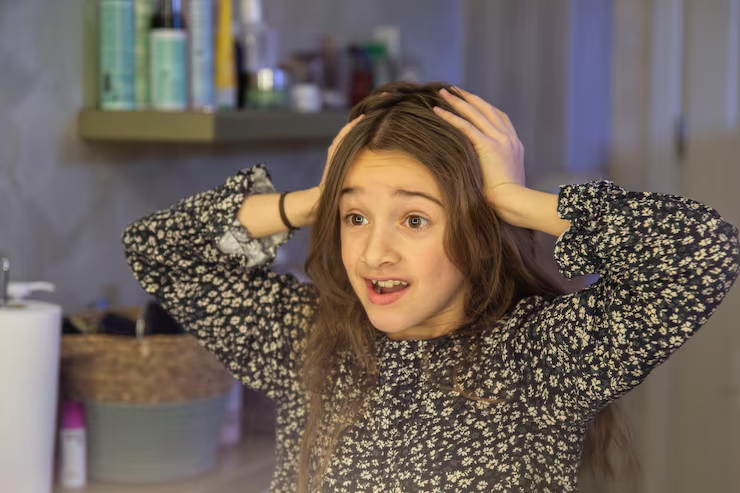
Lifestyle factors such as stress, lack of sleep, and mental exhaustion also play a significant role. Stress directly aggravates Vata and Pitta doshas, which weakens the scalp barrier. Additionally, frequent washing with chemical-based shampoos, use of very hot water, and avoiding oil massage strip the scalp of its natural oils, creating the ideal environment for dandruff to persist.
3. Environmental factors
Environmental factors like pollution, seasonal dryness, and hard water further aggravate the condition, especially in people with sensitive scalps.
Different Types of Dandruff Very Important for Treatment
1. Dry Dandruff (Vata Dominant)
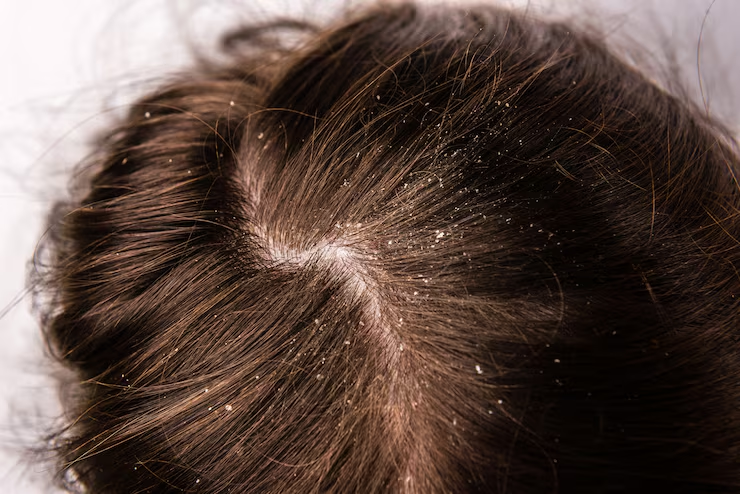
Not all dandruff is the same, and this is where many people make mistakes. Dry dandruff usually appears as fine white flakes and is accompanied by scalp tightness and mild itching. It is more common during colder months and in individuals with dominant Vata dosha.
2. Oily Dandruff (Kapha Dominant)
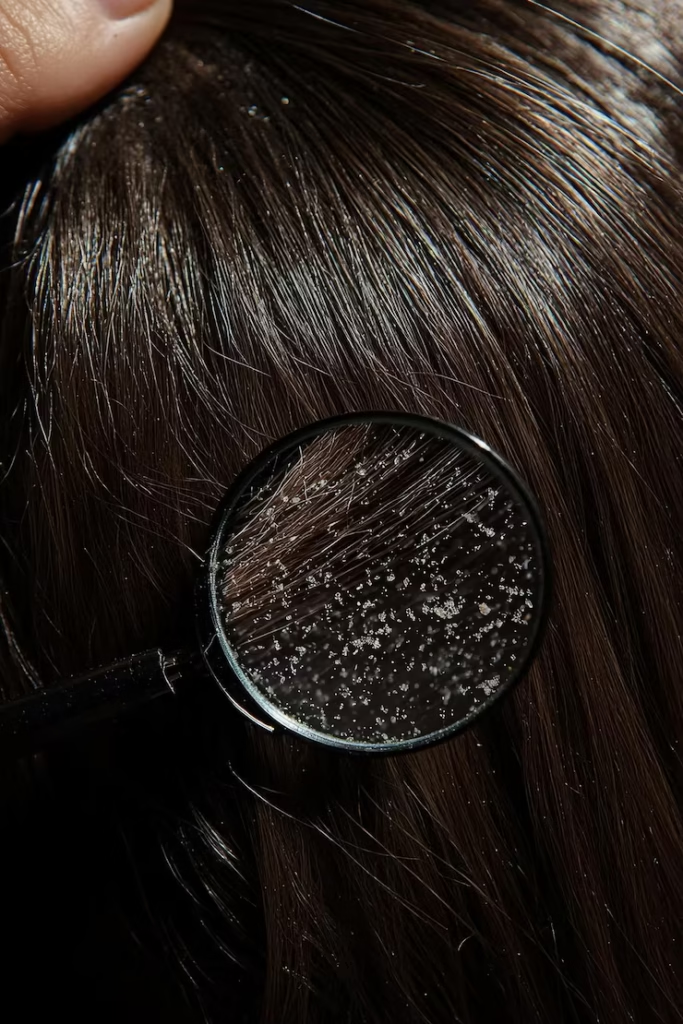
Oily dandruff, on the other hand, presents as yellowish, sticky flakes that cling to the scalp and hair roots. It is often associated with intense itching and is commonly seen in Kapha-dominant individuals. Treating oily dandruff with heavy oils or incorrect remedies can worsen the problem.
Identifying the type of dandruff is essential because Ayurveda emphasizes personalized treatment rather than one-size-fits-all solutions.
Step-by-Step Guide Ayurvedic Method to Remove Dandruff at Home
Step 1: Regular Ayurvedic Oil Massage (Abhyanga)
Best Oils for Dandruff
1. Coconut oil – Cooling, antifungal
2. Neem oil – Kapha-Pitta balancing
3. Bhringraj oil – Strengthens scalp
4. Tea tree oil (few drops mixed) – For fungal dandruff
Regular oil massage, known as Shiro Abhyanga, is one of the most effective Ayurvedic practices for dandruff control. Oil massage nourishes the scalp, improves blood circulation, and balances aggravated doshas. When done correctly, it strengthens hair roots and restores the scalp’s natural moisture.
1. Coconut oil is commonly recommended due to its cooling and antifungal properties.
2. Neem oil is beneficial for individuals with itching and oily dandruff, while Bhringraj oil supports scalp health and hair strength.
How to Apply
Coconut oil, neem oil, or bhringraj oil can be used depending on the type of dandruff. The oil should be gently massaged into the scalp using fingertips and left for at least 30 to 60 minutes before washing.
Step 2: Ayurvedic Home Remedies for Dandruff Control
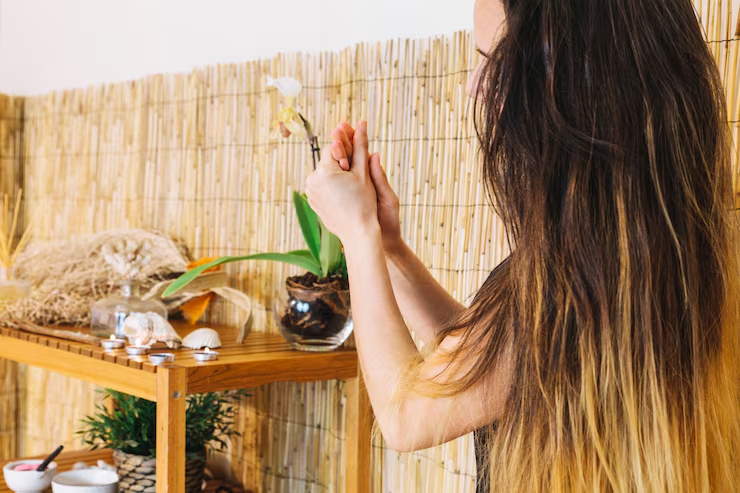
Ayurvedic home remedies work best when chosen according to the type of dandruff. Herbal scalp packs prepared using neem, tulsi, curd, lemon, or aloe vera help cleanse the scalp without disturbing its natural balance. Neem and tulsi are especially effective in oily dandruff due to their antimicrobial and Kapha-balancing properties. Curd and aloe vera soothe dryness, nourish the scalp, and reduce flaking in dry dandruff.
These remedies should be applied directly to the scalp and left for a short duration before washing with a mild cleanser. Consistency is more important than frequent application. Using remedies two to three times a week is sufficient to see gradual improvement.
Step 3: Benefits of use Mild Herbal Cleansers
In Ayurveda, cleansing should never be harsh. Herbal cleansers such as shikakai, reetha, and amla cleanse the scalp while preserving its natural oils. These natural cleansers help remove flakes without causing further dryness or irritation.
Unlike chemical shampoos, herbal cleansers support long-term scalp health and can be safely used once or twice a week depending on individual scalp condition.
Step 4: What to Eat and Avoid Reducing Dandruff Naturally
Diet plays a significant role in the management of dandruff. When digestion is weak, toxins accumulate and appear on the skin and scalp. A diet rich in fresh fruits, vegetables, and adequate hydration helps cleanse the body internally.
Dietary habits that support dandruff reduction include:
1. Consuming warm, freshly cooked meals
2. Drinking sufficient water
3. Including fruits like apple and pomegranate
4. Taking buttermilk during daytime
Foods that are excessively oily, sugary, or fermented should be avoided, especially at night, as they aggravate Kapha and worsen dandruff.
Step 5: Lifestyle Practices for Long-Term Relief
A disciplined lifestyle supports scalp health naturally. Stress management through yoga, pranayama, and adequate sleep reduces hormonal imbalances that contribute to dandruff. Washing hair with lukewarm water, avoiding scratching, and keeping personal grooming tools clean further prevent recurrence.
Consistency in daily habits is essential, as dandruff does not resolve overnight. Ayurveda emphasizes gradual and sustainable healing rather than temporary suppression.
How Long Does It Take to Remove Dandruff Naturally?
For mild dandruff, noticeable improvement is often seen within two to three weeks of regular Ayurvedic care. Chronic or long-standing dandruff may require four to six weeks or more, depending on individual constitution and lifestyle adherence. Patience and consistency are key to achieving lasting results.
When Should You Consult an Ayurvedic Doctor?
Home remedies are effective for mild to moderate dandruff. However, professional consultation is necessary if dandruff is accompanied by severe itching, redness, hair fall, or if there is no improvement despite consistent home care. An Ayurvedic doctor can assess the dominant dosha and prescribe personalized internal medicines if required.
Final Words
Dandruff is not just a cosmetic concern; it reflects an internal imbalance that requires mindful care. With correct Ayurvedic practices, patience, and discipline, dandruff can be naturally reduced and prevented at home.
Disclaimer
This article is intended for educational purposes only. Individual conditions may vary. Please consult a qualified Ayurvedic practitioner for personalized diagnosis and treatment.
FAQ‘s
Why do I get dandruff again and again?
Dandruff keeps recurring when the root cause is not corrected. According to Ayurveda, repeated dandruff is often due to ongoing Vata or Kapha imbalance, poor digestion, stress, irregular oiling, and use of harsh shampoos. Treating only the flakes without correcting diet and lifestyle leads to frequent recurrence.
Is dandruff caused by dry scalp or oily scalp?
Dandruff can occur in both dry and oily scalp conditions. Dry scalp dandruff is usually caused by Vata imbalance and appears as small white flakes, while oily dandruff is linked to Kapha imbalance and presents as sticky, yellowish flakes with itching. Correct identification is important for effective treatment.
What is the fastest natural way to remove dandruff at home?
The fastest natural approach involves regular oil massage, application of aloe vera or neem-based remedies, and washing with a mild herbal cleanser. However, Ayurveda emphasizes consistent care rather than instant results, as long-term dandruff control depends on restoring scalp balance.
Can lemon remove dandruff permanently?
Lemon can help reduce dandruff temporarily by balancing scalp pH and reducing flaking, especially in oily dandruff. However, it should be used carefully and in diluted form. Permanent dandruff control requires dietary correction, regular oiling, and lifestyle balance, not lemon alone.
Is aloe vera good for dandruff and itchy scalp?
Yes, aloe vera is beneficial for dandruff and itchy scalp. It soothes irritation, reduces dryness, and supports healing of the scalp. Aloe vera is particularly useful for dry or sensitive scalp conditions and can be safely used as part of a regular dandruff care routine.
Should I oil my hair if I have dandruff?
Yes, oiling is beneficial when done correctly. Proper oiling nourishes the scalp, reduces dryness, and balances doshas. However, excessive oiling or leaving oil on an already oily scalp for too long may worsen dandruff. The type and frequency of oiling should match the dandruff type.
How many times should I wash my hair if I have dandruff?
Washing hair two to three times a week is usually sufficient for dandruff management. Overwashing can dry the scalp and increase flaking, while infrequent washing may allow buildup. Using a mild, herbal cleanser is more important than washing frequently.
Does stress increase dandruff?
Yes, stress plays a significant role in dandruff. According to Ayurveda, stress aggravates Vata and Pitta doshas, which weakens scalp health and increases dryness or inflammation. Managing stress through proper sleep, yoga, and relaxation techniques supports dandruff control.
Can dandruff be removed permanently at home?
Yes, when the root cause is addressed through diet, lifestyle, and proper scalp care, dandruff can be controlled long term.
Can dandruff cause hair fall?
Dandruff itself does not directly cause hair fall, but persistent itching, inflammation, and weak scalp health can lead to increased hair shedding. Treating dandruff early helps protect hair roots and maintain overall hair health.
When should I see a doctor for dandruff?
You should consult a doctor if dandruff is severe, persistent, associated with redness, pain, excessive hair fall, or does not improve after several weeks of home care. Chronic dandruff may require personalized Ayurvedic treatment.
Is dandruff a fungal infection?
In some cases, especially oily dandruff, fungal overgrowth may be involved. Ayurveda views this as a Kapha imbalance rather than just an infection. Strengthening scalp health and internal balance is more effective than focusing only on antifungal treatment.
Can dandruff be cured permanently with Ayurveda?
Ayurveda focuses on long-term management rather than instant cure. With consistent scalp care, balanced diet, and lifestyle correction, dandruff can be effectively controlled and prevented from recurring in most individuals.