Healthy skin is not defined by complexion, geography, or beauty trends. In my clinical practice as an Ayurvedic doctor, I have observed that people across the world struggle with similar skin concerns—dryness, sensitivity, acne, pigmentation, and premature aging—despite living in different climates and cultures. What often differs is not the skin problem itself, but the way it is treated.
Modern skin care frequently focuses on quick cosmetic results, while Ayurveda emphasizes long-term skin health by understanding the individual’s body constitution, digestion, lifestyle, and environment. This guide explains how to choose the best skin care products for all skin types using Ayurvedic principles that are universally applicable, regardless of location or ethnicity.
Understanding Skin Types According to Ayurveda

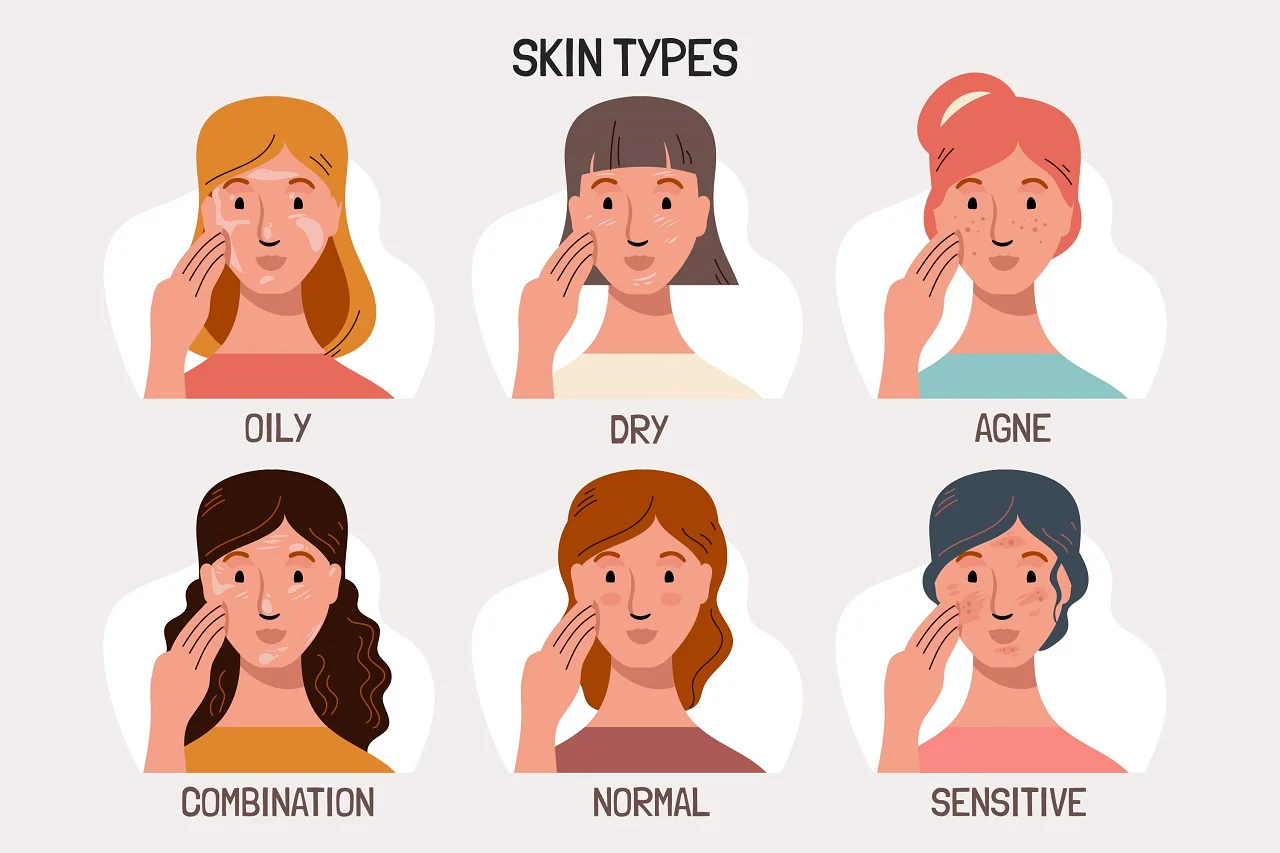
Ayurveda views the skin as a reflection of internal balance rather than an isolated surface layer. Skin health is influenced by Dosha balance, digestive strength, hormonal stability, and emotional well-being. While modern dermatology often categorizes skin as dry, oily, or sensitive, Ayurveda classifies skin based on Prakriti, the natural body constitution.
Every individual has a unique proportion of Vata, Pitta, and Kapha Doshas. These Doshas determine skin texture, hydration levels, sensitivity, aging patterns, and susceptibility to skin disorders. When Doshas remain balanced, the skin appears healthy and radiant. When imbalanced, skin problems develop regardless of external care.
Ayurvedic Skin Types and Their Characteristics
Vata Skin Type (Dry and Dehydrated Skin)
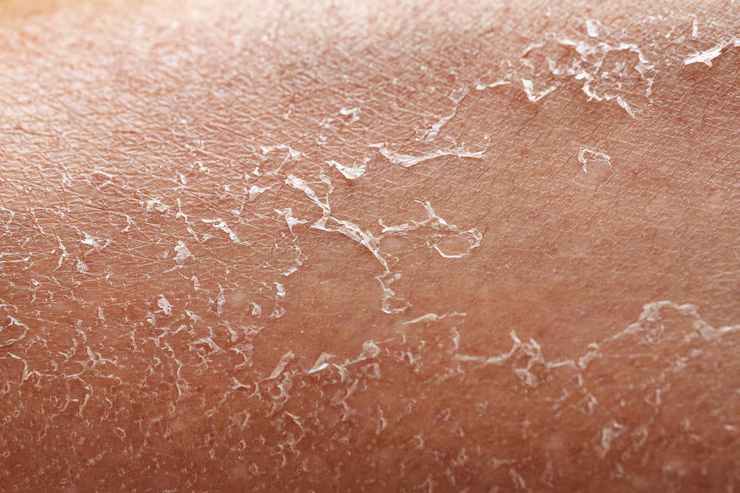
Vata-dominant skin is typically dry, thin, and delicate. It lacks natural oil and moisture, making it prone to roughness, flakiness, dullness, and early fine lines. Environmental factors such as cold weather, dry air, frequent travel, and stress further aggravate Vata skin.
From an Ayurvedic perspective, Vata skin requires consistent nourishment, hydration, and protection. Skin care products should focus on restoring moisture, strengthening the skin barrier, and preventing premature aging rather than excessive cleansing.
Pitta Skin Type (Sensitive and Reactive Skin)

Pitta-dominant skin is sensitive, warm, and reactive. It often shows signs of redness, inflammation, acne, pigmentation, rashes, or sun sensitivity. People with this skin type may notice that their skin reacts quickly to heat, spicy food, emotional stress, and chemical-based cosmetics.
Ayurveda teaches that Pitta skin benefits from cooling, soothing, and anti-inflammatory care. Products that are overly harsh, fragranced, or heating in nature can disrupt the skin barrier and worsen sensitivity over time.
Kapha Skin Type (Oily and Congested Skin)

Kapha-dominant skin is thick, smooth, well-hydrated, and naturally resilient. While it tends to age slowly, it is more prone to excess oil, clogged pores, blackheads, whiteheads, and acne. Environmental pollution and heavy cosmetic products often worsen congestion in Kapha skin.
This skin type requires balanced cleansing and light nourishment. Overuse of heavy creams or oils can block pores, while overly drying products can stimulate excess oil production.
Environmental and Lifestyle Impact on Skin Health
Regardless of where a person lives, environmental stressors such as pollution, climate changes, artificial indoor heating or cooling, poor water quality, and chronic stress affect skin health. Long screen exposure, irregular sleep patterns, and poor dietary habits further disturb the skin’s natural rhythm.
Ayurveda recognizes that skin care products alone cannot correct these imbalances. The best products work in harmony with lifestyle adjustments and internal care to protect the skin and support its natural healing ability.
What Makes a Skin Care Product Best According to Ayurveda
In Ayurveda, the quality of a skin care product is determined by how well it supports balance rather than how fast it produces visible changes. The best skin care products work gently with the skin’s physiology, support repair, and maintain long-term health.
Ayurvedic formulations rely on herbs, plant extracts, and natural oils that are biologically compatible with the skin. Instead of suppressing symptoms, they nourish the skin, reduce inflammation, and improve texture gradually without causing dependency or long-term damage.
Ayurvedic Ingredients Beneficial for All Skin Types
Certain Ayurvedic ingredients have universal benefits and are suitable for diverse skin types and ethnicities.
Key benefits of commonly used Ayurvedic ingredients include:
1. Neem supports skin clarity and helps manage acne
2. Aloe Vera hydrates and calms irritated skin
3. Manjistha supports even skin tone and pigmentation balance
4. Turmeric offers anti-inflammatory and antioxidant protection
5. Sandalwood soothes sensitive and overheated skin · Kumkumadi-based oils support complexion and skin radiance
These ingredients are valued for their safety, adaptability, and long history of use.
Ingredients to Avoid in Skin Care Products
Many conventional skin care products contain ingredients that may give short-term improvement but compromise long-term skin health. In Ayurvedic practice, prolonged exposure to such ingredients often leads to sensitivity, dryness, or dependency.
Ingredients commonly advised to avoid include:
1. Harsh sulphates that disrupt the skin barrier
2. Parabens that may trigger irritation or sensitivity
3. Artificial fragrances associated with allergic reactions
4. High-alcohol formulations that dehydrate the skin
5. Choosing cleaner formulations is especially important for sensitive and reactive skin types.
Best Skin Care Products for Each Skin Type
For Dry (Vata) Skin
Dry skin benefits from gentle, cream-based cleansers, nourishing moisturizers, and natural face oils. Ingredients such as sesame oil, almond oil, aloe vera, and adaptogenic herbs help restore softness and elasticity. Regular nourishment supports the skin barrier and reduces visible signs of aging.
For Oily and Acne-Prone (Kapha) Skin
Oily skin requires light, non-comedogenic products that cleanse effectively without stripping natural oils. Herbal cleansers and lightweight moisturizers help maintain clarity. Overuse of harsh anti-acne products often worsens oil imbalance rather than correcting it.
For Sensitive and Pigmented (Pitta) Skin
Sensitive skin benefits from calming formulations that reduce redness, inflammation, and pigmentation. Cooling botanical ingredients help restore tolerance and prevent flare-ups. Consistency and simplicity in product choice are key for long-term improvement.
For Combination Skin
Combination skin requires a flexible approach. Balanced cleansing, moderate hydration, and seasonal adjustments help maintain skin harmony. Ayurveda recommends listening to the skin’s changing needs rather than using fixed routines year-round.
Complete Ayurvedic Skin Care Routine
Ayurveda emphasizes daily and nightly routines to maintain skin balance. Morning care focuses on gentle cleansing and environmental protection, while night care supports repair and nourishment. Weekly treatments such as herbal masks and gentle massage improve circulation and skin vitality.
Consistency is more important than complexity. A simple, well-chosen routine often delivers better results than frequent product changes.
Role of Diet and Lifestyle in Skin Health
Skin health is closely connected to digestion, sleep quality, emotional well-being, and hydration. Poor dietary choices, irregular meals, chronic stress, and lack of sleep commonly manifest as skin problems.
Ayurveda recommends mindful eating, adequate hydration, stress management, and proper rest as foundational aspects of skin care. When internal balance improves, the skin naturally responds.
Ayurvedic vs Conventional Chemical-Based Skin Care
Key differences include:
1. Ayurvedic products support long-term skin balance
2. Conventional products often target surface-level symptoms
3. Herbal formulations are gentler for prolonged use
4. Chemical-based products may cause dependency or sensitivity
Ayurveda prioritizes prevention, nourishment, and balance rather than temporary cosmetic effects.
Common Skin Care Mistakes People Make Worldwide
Common mistakes include over-cleansing, using multiple active ingredients simultaneously, following trends without understanding skin type, and neglecting diet and lifestyle factors. These habits often disrupt the skin barrier and delay healing.
Correcting these mistakes frequently leads to noticeable skin improvement even before introducing new products.
How to Choose the Right Skin Care Products
Choosing the right products begins with understanding your skin type and reading ingredient labels carefully. Seasonal changes, lifestyle factors, and environmental exposure should guide product selection. When skin concerns persist, personalized consultation offers better long-term outcomes.
Final Advice
Healthy skin is the result of balanced internal health, appropriate lifestyle choices, and mindful product selection. Instead of seeking instant transformations, focus on nurturing the skin consistently. Ayurveda offers a time-tested, holistic approach that supports skin health across ages, climates, and cultures.
Disclaimer: This content is for educational purposes only and does not replace personalized medical advice.
FaQ
1. Are Ayurvedic skin care products suitable for all skin types?
Yes. Ayurvedic skin care focuses on balancing the skin according to individual constitution rather than skin color or geography, making it suitable for all skin types.
2. How long does Ayurvedic skin care take to show results?
Ayurvedic skin care works gradually. With consistent use, visible improvement is usually seen within a few weeks, depending on skin condition and lifestyle.
3. Can Ayurvedic skin care be used daily?
Yes. When chosen according to skin type, Ayurvedic products are safe for long-term daily use.
4. Is Ayurvedic skin care suitable for sensitive skin?
Ayurvedic formulations are generally gentle and soothing, making them suitable for sensitive and reactive skin types.
5. Can Ayurvedic products be combined with modern skin care?
In many cases, yes. However, professional guidance is recommended to avoid ingredient conflicts.