Many people experience skin problems, recurring infections, hormonal acne, excessive body heat, or slow healing without understanding the real cause. In Ayurveda, such conditions are rarely seen as surface-level issues. Instead, they are often linked to internal imbalances, especially related to digestion, toxins, and the quality of blood circulating in the body. When digestion is weak or lifestyle is irregular, toxins accumulate and gradually mix with the blood. This impure blood then manifests problems through the skin and other tissues. Ayurveda focuses on correcting this root cause rather than offering temporary relief, and one of the most important herbs used for this purpose is Manjistha.
What Is Manjistha?
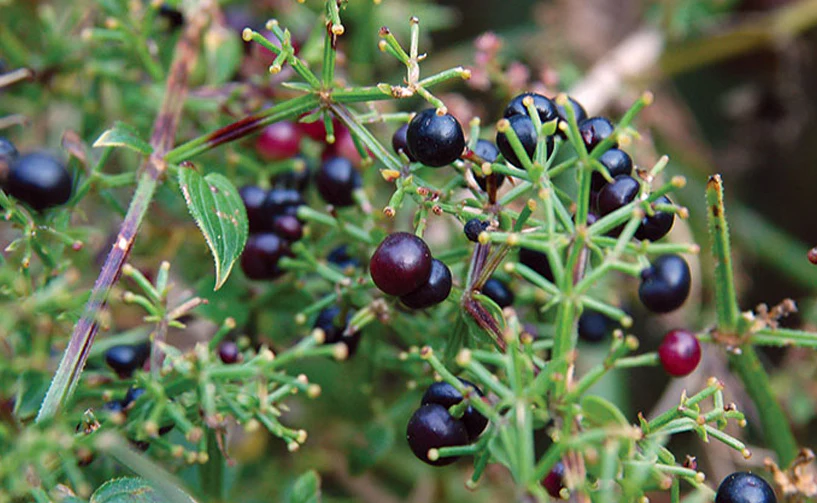
Manjistha is a classical Ayurvedic herb that has been used for centuries to purify the blood and support skin health. It is derived from the root of the plant Rubia cordifolia. Unlike many modern remedies that act only on symptoms, Manjistha works internally by improving blood quality and circulation. For someone who has never heard of Manjistha, it can be understood as a natural internal cleanser that supports the body’s own healing mechanisms. Ayurveda considers Manjistha especially valuable for conditions where heat, toxins, or inflammation are involved.
Why Ayurveda Gives So Much Importance to Blood Purification
According to Ayurveda, blood (Rakta Dhatu) nourishes the skin, supports immunity, and maintains overall vitality. When blood becomes overheated or contaminated with toxins, it affects multiple systems of the body. Skin problems are usually the first visible sign, but over time, deeper issues like inflammation, hormonal imbalance, or delayed healing may appear. Ayurveda teaches that unless the blood is purified, external treatments will provide only temporary relief. Manjistha is considered one of the most effective herbs for restoring balance and purity to the blood.
Ayurvedic Properties of Manjistha
From an Ayurvedic perspective, Manjistha has a bitter and astringent taste, which helps reduce excess heat and toxins in the blood. Its hot potency allows it to penetrate deep tissues and clear stagnation, while its action helps balance mainly Pitta and Kapha dosha. These properties make it especially useful for inflammatory and skin-related conditions. Rather than forcing changes, Manjistha gently supports the body in correcting internal imbalances.
Key Health Benefits of Manjistha
Manjistha offers multiple health benefits, especially when used correctly and consistently
· Helps purify blood and remove internal toxins.
· Supports clear, healthy, and glowing skin.
· Useful in acne, pimples, pigmentation, and skin allergies.
· Reduces excessive body heat and inflammation.
· Supports liver detoxification.
· Aids in hormonal balance, especially related to skin issues.
· Promotes faster wound healing.
· Supports immunity by improving blood quality.
Manjistha Benefits for Skin Health
Manjistha is widely known in Ayurveda as a skin-supportive herb because it addresses the internal causes of skin disorders. Instead of drying the skin or suppressing symptoms, it improves circulation and detoxifies the blood, which naturally reflects as healthier skin. Conditions like acne, itching, rashes, pigmentation, and dull complexion often improve when Manjistha is used as part of a balanced routine. Its action is gradual, but the results are more stable and long-lasting compared to temporary treatments.
Role of Manjistha in Detoxification and Liver Support
Detoxification in Ayurveda is not about aggressive cleansing but about restoring natural balance. Manjistha supports this process by helping the liver process and eliminate toxins more efficiently. When the liver functions properly, blood quality improves automatically. This is why Manjistha is often recommended in long-term skin conditions or chronic inflammatory states where internal toxin load is high.
Manjistha and Hormonal Balance
Hormonal imbalance often shows its effects through the skin, especially in the form of acne or pigmentation. While Manjistha does not act like a hormone, it helps create a healthier internal environment by improving blood circulation and reducing inflammation. This indirect support can be beneficial for people dealing with hormonally influenced skin problems. Ayurveda always emphasizes correcting the internal terrain rather than directly manipulating hormones.
Available Forms of Manjistha
Manjistha is available in different forms to suit various lifestyles and needs:
- Manjistha powder (Churna)
- Manjistha capsules or tablets
- Manjistha as part of classical Ayurvedic formulations
Each form has its own advantages, and the choice depends on convenience, condition, and professional guidance.
How to Use Manjistha
- Powder form: 3–5 grams once or twice daily
- Manjistha Kwatha: 40–50 ml once daily
- Capsules or tablets: As directed by an Ayurvedic physician
- Best time: Commonly after meals
Dosage and duration should always be adjusted based on individual constitution and condition.
Who Should Use Manjistha Carefully
- Pregnant or breastfeeding women
- People with severe weakness or anemia
- Individuals taking long-term medications
Professional consultation is always recommended in these cases.
Common Myths About Manjistha
- Manjistha does not provide instant cosmetic fairness
- It works internally, not just on the skin surface
- More quantity does not mean faster results
Ayurveda values balance, not excess.
How Long Does Manjistha Take to Show Results?
- Initial internal changes may be noticed in 2–4 weeks
- Visible skin improvement usually appears in 6–8 weeks
- Chronic conditions may need longer, guided usage
Consistency and proper lifestyle support play a key role.
Final Thoughts from an Ayurvedic Doctor
Manjistha is not a quick fix but a deep-acting Ayurvedic herb that supports true healing from within. When used correctly, it helps cleanse the blood, balance internal heat, and promote natural skin health. Ayurveda teaches that real beauty and wellness come from internal balance, and Manjistha is one of the finest herbs that supports this principle.
Disclaimer
This content is intended for educational purposes only and does not replace professional medical advice. Always consult a qualified Ayurvedic physician before using Manjistha for therapeutic purposes.
Frequently Asked Questions About Manjistha
1. What is Manjistha used for in Ayurveda?
Manjistha is primarily used in Ayurveda as a blood-purifying herb. It is traditionally prescribed for skin disorders, inflammatory conditions, and diseases caused by impure blood and aggravated Pitta dosha. It also supports wound healing and helps maintain healthy skin tone.
2. Is Manjistha good for skin problems?
Yes, Manjistha is widely used for managing skin problems such as acne, pigmentation, eczema, and itching. It works by detoxifying the blood, reducing inflammation, and supporting healthy skin regeneration from within.
3. Can Manjistha help with acne and pimples?
Manjistha may help in acne and pimples by reducing excess heat and toxins in the blood. Since acne is often associated with aggravated Pitta and impure Rakta dhatu, Manjistha helps address the root cause rather than only the external symptoms.
4. How long does Manjistha take to show results?
The time required to see results may vary depending on the condition, severity, and individual body constitution. In general, noticeable improvements in skin and inflammatory conditions may be seen within a few weeks when taken regularly under Ayurvedic guidance.
5. Can Manjistha be taken daily?
Manjistha can be taken daily for a limited period when prescribed by an Ayurvedic doctor. Long-term or unsupervised use is not recommended, especially for individuals with Vata dominance.
6. Does Manjistha have any side effects?
Manjistha is generally safe when used in appropriate doses. However, excessive or prolonged use may cause dryness, digestive discomfort, or Vata aggravation. It should always be taken under professional supervision.
7. Is Manjistha safe during pregnancy?
Manjistha is not recommended during pregnancy unless specifically advised by a qualified Ayurvedic physician. Certain herbs that act on blood and circulation should be used cautiously during pregnancy.
8. Can Manjistha be used for pigmentation and dark spots?
Manjistha is traditionally used to improve skin complexion and reduce pigmentation caused by blood impurities and Pitta imbalance. It supports gradual and natural skin clarity when used consistently.
9. Which is better for skin: Manjistha powder or capsules?
Both forms are effective, and the choice depends on digestion, convenience, and medical condition. Powder is often preferred in classical practice, while capsules are more convenient for regular use. An Ayurvedic doctor can recommend the most suitable form.
10. Can Manjistha be taken with other Ayurvedic herbs?
Yes, Manjistha is often combined with other herbs such as Neem, Sariva, or Guduchi for enhanced blood-purifying and skin-supportive effects. Such combinations should always be prescribed by an Ayurvedic physician.
11. Is Manjistha good for liver health?
In Ayurveda, Manjistha supports liver function indirectly by helping in blood detoxification and reducing excess Pitta. A healthy liver contributes to clearer skin and better metabolism.
12. Does Manjistha balance all three doshas?
Manjistha mainly balances Pitta and Kapha dosha. If used excessively or without guidance, it may aggravate Vata dosha due to its dry and hot nature.
13. Can Manjistha be used externally?
Yes, Manjistha is used externally in the form of medicated oils and pastes for wound healing, skin inflammation, and pigmentation. External application is often combined with internal use for better results.
14. Is Manjistha supported by modern research?
Preliminary studies suggest that Manjistha contains antioxidant and anti-inflammatory compounds that may support skin health. However, more clinical research is required to confirm its full therapeutic benefits.
15. Should I consult an Ayurvedic doctor before taking Manjistha?
Yes, it is always advisable to consult a qualified Ayurvedic doctor before using Manjistha, especially for chronic conditions, long-term use, pregnancy, or existing medical issues.


One thought on “Manjistha”