Brahmi is one of those Ayurvedic herbs that people hear about often, yet very few truly understand. For many beginners, the word Brahmi sounds complicated, spiritual, or even mysterious. But in reality, it is a simple, soft, water-loving plant that has been used for thousands of years to support the brain, mind, and memory.
This guide has been created for people who know nothing about Brahmi and want a clear, step-by-step explanation. Ayurveda — the traditional Indian system of healing has described Brahmi in great detail in its ancient texts. But those texts can feel too complex for a new learner. So here, we will break down everything in an easy, natural language: what Brahmi actually is, why ancient healers loved it, how Ayurveda explains its qualities, and how you can practically use it in daily life.
This blog will take you on a journey — from Brahmi’s ancient roots to how modern science looks at it today. By the end, you will understand Brahmi in the same simple, confident way that an Ayurvedic student does. Most importantly, you will know how to use Brahmi correctly, based on authentic Ayurvedic principles.
What is Brahmi? Simple Definition for Beginners
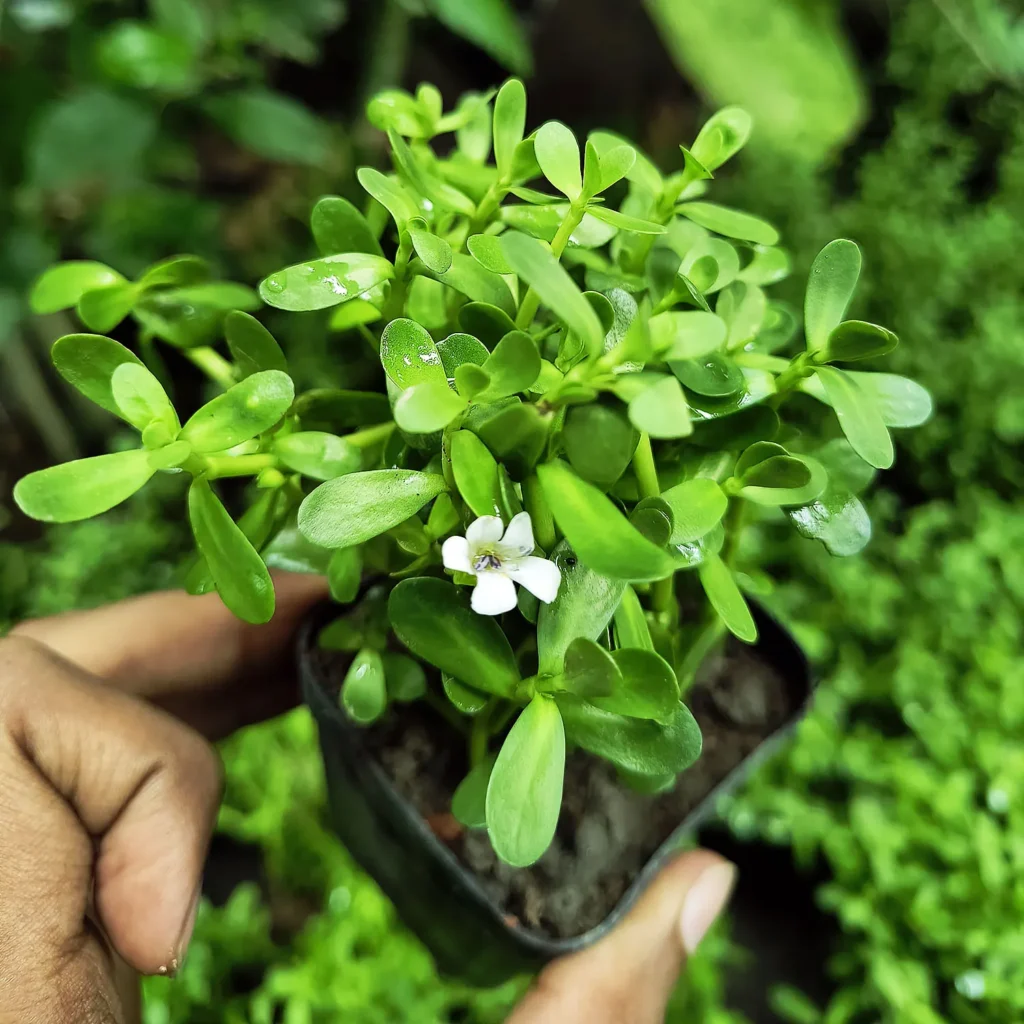
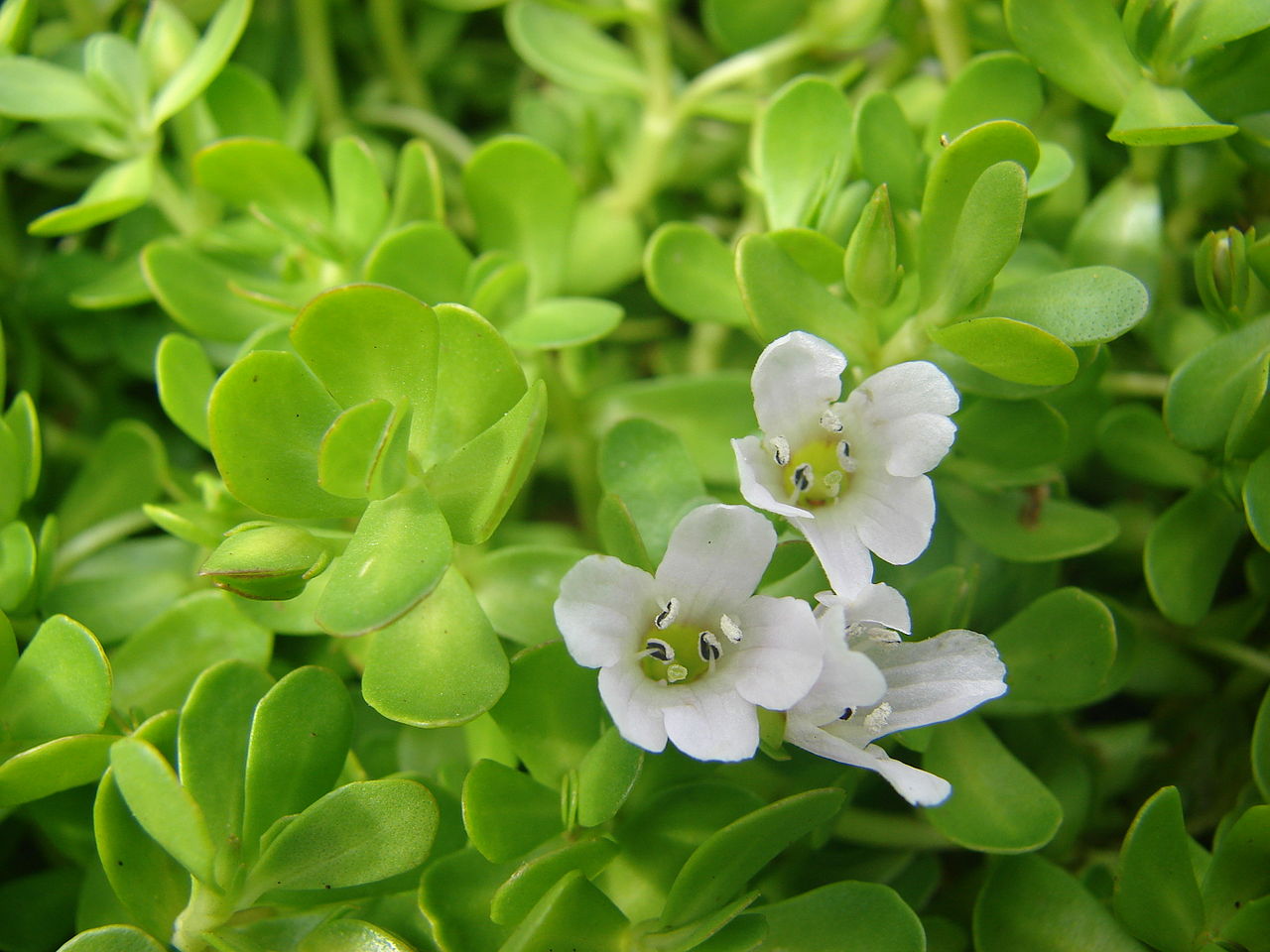
Brahmi is a small, green, water-loving herb that grows naturally near ponds, rivers, and moist soil. Its scientific name is Bacopa monnieri, but in Ayurveda it is simply called Brahmi, a word that connects it to Brahma, the energy of knowledge and creation. Because of this connection, ancient healers believed that Brahmi supports the brain, improves memory, calms the mind, and helps a person think more clearly.
If you have never seen Brahmi before, imagine a creeping plant with tiny rounded leaves that feel soft to the touch. It spreads gently across the ground like a green carpet. The plant is very mild in taste, slightly bitter, and full of natural plant compounds that support the nervous system.
One thing that often confuses beginners is that there are two plants that people call Brahmi:
1. Bacopa monnieri the true Brahmi used in classical Ayurveda
2. Centella asiatica also known as Gotu Kola, sometimes called Brahmi in northern regions
Both plants are useful, but Ayurveda traditionally gives the title of Brahmi to Bacopa monnieri. This is the herb known for enhancing memory, focus, and calmness. It is the same plant described in ancient Ayurvedic books as a Medhya herb — meaning it nourishes the brain and intellect.
Why Brahmi Mattered in Ancient India
To understand Brahmi deeply, we need to step back in time and see how ancient India looked at knowledge, memory, and mental clarity. In those times, learning was not done through books — it was done through deep listening, sharp memory, and long hours of mental focus. Students, known as brahmacharis, would memorize long Vedic hymns that sometimes took years to learn. Because of this, maintaining a healthy and calm mind was considered just as important as physical strength.
This is where Brahmi earned its place.
Ancient Indian culture believed that the mind needed nourishment just like the body. When a student struggled with memory or anxiety before learning, the teacher often prepared herbal mixtures to support them. Brahmi was among the most respected of these herbs. It was believed to open the channels of understanding, helping a student grasp lessons quickly and retain them for longer periods.
Priests and spiritual seekers also used Brahmi before meditation. They felt that a calm, centered mind allowed them to connect more deeply with their inner awareness. The herb became a symbol of mental purity and spiritual clarity not just a medicinal plant. Even today, in some traditional households, Brahmi leaves are used in ritual offerings related to Saraswati, the goddess of learning.
The ancient name Brahmi itself reflects the cultural respect for intelligence and creation. The herb was considered connected to Brahma, the creator, who represents the highest form of knowledge. In simple words, Brahmi was seen not merely as a medicine but as a companion for those seeking wisdom, learning, memory, and inner balance.
This cultural importance explains why Brahmi appears so frequently in classical Ayurvedic texts — it was a part of everyday life, education, and spiritual practice.
How Ancient Texts Describe Brahmi
When we look into the classical Ayurvedic books Charaka Samhita, Sushruta Samhita, and Ashtanga Hridayam . we find that Brahmi is not treated as an ordinary herb. It is placed in a special group called Medhya Rasayana, which means rejuvenators for the intellect and memory. Ayurveda believes that the mind and body are connected, and when the mind becomes tired, stressed, or overwhelmed, the body also loses its balance. Brahmi is described as one of the most powerful herbs to support the mind, nervous system, and emotional stability.
According to Ayurveda, every herb has qualities that explain how it behaves inside the body. Brahmi is described with specific properties:
Rasa (Taste): Tikta (bitter) and Kashaya (astringent)
Guna (Quality): Laghu (light) and Sara (easy to move through the body)
Virya (Potency): Shita (cooling)
Vipaka (Post-digestive effect): Madhura (sweet)
These qualities may sound technical, but they actually tell us something simple: Brahmi cools the mind, reduces internal heat, eases tension, and moves freely through bodily channels to nourish the brain and nerves.
Ayurvedic texts also explain that Brahmi balances the three doshas — Vata, Pitta, and Kapha — but it is especially effective in calming Vata and Pitta, the doshas most responsible for anxiety, overthinking, irritability, restlessness, and poor concentration. This is why Brahmi is still recommended today for mental fatigue, forgetfulness, and emotional imbalance.
In classical formulations, Brahmi was used in several forms. Healers often prepared Brahmi as:
1. Ghrita (medicated ghee) — for memory and learning
2. Swarasa (fresh juice) — for quick absorption
3. Churna (powder) — for long-term nourishment
4. Taila (oil) — for calming the mind through scalp application
5. Kashayam (decoction) — for deeply cleansing and cooling
Each form was chosen depending on the person’s age, dosha, and condition. For example, Brahmi Ghrita was commonly given to students for sharper memory, while Brahmi Taila was used on the scalp to soothe anxiety or disturbed sleep. Ayurveda teaches that the method of preparation changes how the herb works and Brahmi is a perfect example of this principle. In short, Ayurveda sees Brahmi as a gentle yet powerful healer for the mind. It strengthens mental functions, clears confusion, improves retention, and helps stabilize emotional swings — all while supporting the nervous system with its natural cooling energy.
Step-by-Step Guide: How Ayurveda Recommends Using Brahmi
For someone who has never used Brahmi before, Ayurveda gives a very structured, gentle, and practical method. It does not recommend jumping directly to high doses. Instead, it suggests understanding your body, your mind, and your current lifestyle before starting any herb — especially a Medhya Rasayana (mind-nourishing herb) like Brahmi.
Ayurveda follows a simple philosophy: Start slow, observe, then deepen the therapy.
Below is the clear step-by-step approach traditionally followed for Brahmi:
Step 1: Understand Why You Need Brahmi
Before taking Brahmi, Ayurvedic healers ask one question: What is troubling the mind or nervous system?
Some people may need Brahmi for:
Ayurveda believes that herbs work best when connected to a real need. Knowing your reason helps in choosing the right form and duration.
1. Weak memory
2. Difficulty focusing
3. Mental fatigue
4. Anxiety or restlessness
5. Irritability or mood imbalance
6. Poor sleep quality
7. Long study hours
8. Excess digital screen usage
9. Chronic stress
Step 2: Check Your Dosha Imbalance
In Ayurveda, Brahmi is mainly used for Vata and Pitta imbalance. You may notice this imbalance through simple signs:
Vata imbalance symptoms
Restlessness, overthinking, worry, irregular sleep, forgetfulness, dry skin, cold hands/feet.
Pitta imbalance symptoms
Irritability, anger, heated mind, headaches, light sleep, burnout, impatience.
If these match your condition, Brahmi is considered highly beneficial.
If Kapha is dominant (lethargy, heaviness, sadness), Brahmi is still useful but is usually paired with warming herbs like Shankhpushpi or Vacha.
Step 3: Choose the Right Form of Brahmi
Ayurveda believes each form works differently. For beginners, these are the most recommended:
Brahmi Ghrita (for students, overthinkers, memory issues)
Ghee helps Brahmi reach deeper brain tissues. Ideal if your main goal is memory, concentration, or long study hours.
Brahmi Taila (for stress, anxiety, disturbed sleep)
Applied on the scalp to calm the mind. Very effective for people who feel mentally heated or tense.
Brahmi Churna (for long-term mental nourishment)
Mild and safe. Usually mixed with warm water or milk at bedtime.
Brahmi Capsules/Tablets (modern and convenient)
Helpful for those who want easy daily usage, especially working professionals.
Brahmi Fresh Juice (Swarasa)
Traditionally used in villages where fresh leaves are available. Provides fastest action.
Step 4: Start With a Beginner Dose
Ayurveda never begins with a full dose. Traditional approach:
Start with half the normal dose
Continue for 3–5 days
Observe how the mind and digestion respond
If digestion remains stable and the mind begins to feel calmer or clearer, you increase to the normal dose.
This step is important because Brahmi is cooling. Increasing too quickly may cause slight heaviness or reduced appetite in some people.
Step 5: Create a Daily Routine Very Important in Ayurveda
Ayurveda says herbs work best when used at the same time every day.
For mental benefits, the preferred timings are:
Morning (for clarity, focus, and learning)
Night (for better sleep, less overthinking, and deep mental nourishment)
Brahmi Ghrita is typically taken in the early morning, while Brahmi Churna or Brahmi Tablets can be taken at night. Massaging Brahmi Oil on the scalp before bed is a traditional method that works beautifully for anxiety and disturbed sleep.
Step 6: Combine Brahmi With Daily Mental Hygiene
According to Ayurveda, herbs alone do not fix the mind. You support them with lifestyle. Healers usually recommend:
1. Light evening walk
2. Pranayama (especially Anulom-Vilom or Bhramari)
3. Reducing screen time at night
4. Warm oil head massage
5. Staying hydrated
This creates a peaceful base for Brahmi to work more effectively.
Step 7: Continue for a Minimum of 45 Days
Ayurveda teaches that Rasayana herbs show their full effect when taken regularly for at least:
45 days (one mandala) or 90 days (two mandalas)
The mind changes slowly and gently. Brahmi supports long-term stability — not quick stimulation. Most people begin noticing improvements in 2–3 weeks, but deeper mental clarity comes with consistent use.
Step 8: Gradually Reduce the Dose
Once your mind becomes stable, memory improves, or stress reduces, Ayurveda suggests gradually lowering the dose rather than stopping suddenly. This maintains the benefits and prevents sudden imbalance.
Types of Brahmi, Regional Variants & How They Differ in Ayurveda
When people hear the word Brahmi, they usually think it is one single plant. But in reality, Ayurveda recognizes two different herbs that are both called Brahmi in different regions of India. This creates confusion even today, especially for beginners. Understanding these two variants is essential before choosing which one to use.
Brahmi Variant 1 — Bacopa monnieri
Most Ayurvedic scholars agree that Bacopa monnieri is the herb described as Brahmi in classical texts like Charaka Samhita. It grows in wet, marshy lands and has small, fleshy leaves. This herb is deeply connected to memory, cognition, mental calmness, and nerve protection. In Ayurveda, this is considered the true Medhya Rasayana Brahmi because its qualities exactly match the descriptions found in ancient texts — cooling, light, nourishing for the mind, and balancing for Vata and Pitta.
Brahmi Variant 2 — Centella asiatica
This herb is also popularly known as Brahmi in South India and Sri Lanka. Its shape resembles a frog’s foot, which is why the Sanskrit name is Mandukaparni. Although it is not identical to Bacopa, it also has remarkable benefits for brain health, skin nourishment, and blood purification. Ayurvedic texts treat Mandukaparni as a separate Medhya Rasayana, but modern herbal markets often sell it under the same name Brahmi, which adds to the confusion.
How Bacopa (Brahmi) and Gotu Kola (Mandukaparni) Differ — Ayurvedic Perspective
Even though both herbs support the mind, Ayurveda sees them as different in nature, energy, and action inside the body.
Nature & Qualities
Bacopa (True Brahmi): Cooling, slightly bitter, nourishing, deeply calming. Works best for stress, anxiety, sleeplessness, and improving memory.
Gotu Kola (Mandukaparni): Very cooling, blood-purifying, light, rejuvenating for skin and nerves. Works best for inflammation, emotional heat, skin glow, and overall vitality.
Effect on the Mind
Bacopa strengthens memory, learning ability, concentration, and long-term brain nourishment.
Gotu Kola enhances alertness, creativity, meditative clarity, and emotional stability.
Dosha Action
Bacopa balances Vata and Pitta.
Gotu Kola is especially good for excess Pitta (anger, irritation, mental heat).
Best Uses According to Ayurveda
Use Bacopa if you need help with:
1. Memory
2. Study support
3. Deep stress
4. Nervous exhaustion
5. Nervous system weakness
6. Emotional fatigue
Use Gotu Kola if your goals include:
1. Improving skin health
2. Cooling inflammation
3. Enhancing meditation
4. Improving circulation
5. Balancing heat-related issues
Which One Is Better for Beginners?
For someone new to Brahmi, Ayurveda generally recommends starting with Bacopa monnieri, because its classical description and mental benefits match traditional teachings more clearly. If mental heat, anger, irritability, or skin issues are stronger, then Gotu Kola may be the better choice. Many Ayurvedic doctors also combine both herbs for balanced action, depending on the individual’s needs.
How Brahmi Is Processed in Ayurveda
One of the most unique parts of Ayurveda is that the effect of an herb depends not only on the plant itself but also on how it is processed. This concept is called Samskara — the transformation of an herb to enhance its potency, digestibility, and desired action.
Brahmi is a perfect example. In ancient times, Vaidyas (Ayurvedic physicians) prepared Brahmi in different forms depending on the person’s condition, age, dosha imbalance, and mental state. Each preparation changes how Brahmi behaves inside the body. Below are the major classical preparations and why Ayurveda uses each one.
1. Brahmi Swarasa
This is the raw, most direct form of Brahmi mentioned in the classical texts. The fresh leaves are crushed and filtered to extract the green, concentrated juice.
Why Ayurveda uses it:
Swarasa contains the full living energy (prana) of the plant, making it extremely fast-acting. It is used when the mind needs immediate calmness — for severe anxiety, restlessness, emotional overload, or intense mental fatigue. Because it works quickly, it is often recommended for young students or individuals who need immediate mental clarity.
Swarasa also digests quickly, entering the bloodstream within minutes.
2. Brahmi Churna (Powder)
Brahmi leaves are shade-dried and ground into powder. This is one of the most common modern forms.
Why Ayurveda uses it:
Churna is excellent for long-term nourishment of the brain and nerves. It works slowly but deeply. People with weak memory, stress due to lifestyle, or those who need regular mental support benefit most. Churna is also gentle on the system and suitable for daily use, especially when taken with ghee or warm water.
3. Brahmi Ghrita
This is one of the most powerful Ayurvedic preparations. Brahmi is cooked with cow ghee using a classical method until its extracts fully merge into the ghee.
Why Ayurveda uses it:
Ayurveda says Ghrita carries herbs beyond the blood–brain barrier.
Ghee has a unique ability to nourish the myelin sheath, brain tissues, and subtle channels of the mind (Manovahasrotas). When Brahmi is infused into ghee, it becomes a potent memory and intellect enhancer.
This form is traditionally given to:
1. Students
2. People with chronic anxiety
3. Individuals with weak concentration
4. Professionals with mental overload
Older adults with declining memory
It is considered the most classical and effective way to take Brahmi for mental sharpness.
4. Brahmi Taila (Herbal Oil)
This is made by cooking Brahmi with oil, usually sesame or coconut, depending on the dosha.
Why Ayurveda uses it:
Applying Brahmi oil on the scalp draws the cooling, calming qualities directly into the nerves. It is ideal for:
1. Disturbed sleep
2. Emotional heat
3. Anger or irritability
4. Stress headaches
5. Overthinking
6. Children with hyperactivity
Ayurveda believes the scalp is a direct gateway to the mind, and oiling the head pacifies Vata and Pitta instantly.
5. Brahmi Kwatha (Decoction)
A decoction is prepared by boiling Brahmi leaves in water until the volume reduces.
Why Ayurveda uses it:
Kwatha clears heat and toxins, especially from the blood and nervous system. It purifies the channels and reduces inflammation.
It is often used when Brahmi is required for:
1. Skin conditions
2. Pitta imbalance
3. Heat-related mental disturbance
4. Post-illness recovery
6. Modern Forms (Capsules, Tablets, Extracts): Convenience + Precision
Even though classical forms are powerful, many people prefer modern options.
Why Ayurveda uses them today:
They provide:
1. Accurate dosage
2. Convenience
3. Stability
4. Portability
5. Consistency in potency
Why Processing Matters So Much
Ayurveda says that when you change the form, you change the outcome.
For example:
1. Brahmi Ghrita nourishes brain tissues.
2. Brahmi Swarasa boosts immediate mental clarity.
3. Brahmi Taila calms emotional tension.
4. Brahmi Kwatha cools and cleanses.
5. Brahmi Churna strengthens long-term memory.
This allows Brahmi to act like a complete mental therapy, not just a single herb.
Benefits of Brahmi
Ayurveda places Brahmi among the Medhya Rasayana herbs — meaning herbs that rejuvenate the mind. Modern research also supports many of the classical benefits described thousands of years ago. Below are the combined, most authentic benefits of Brahmi, written in simple, meaningful points for easy understanding.
1. Enhances Memory & Learning Ability
Brahmi strengthens memory Dhi, Dhriti, Smriti — understanding, retention, and recall.
It helps the brain process information more clearly and improves the ability to store and remember new knowledge.
2. Reduces Stress, Anxiety & Overthinking
Its cooling nature calms the nervous system. Brahmi reduces stress hormones and improves emotional stability naturally without creating drowsiness.
3. Improves Focus & Concentration
Students, professionals, and meditators benefit from the herb’s ability to reduce mental noise and increase single-pointed attention.
4. Supports Deep, Restorative Sleep
Brahmi relaxes the mind, so sleep becomes natural, calm, and uninterrupted. It reduces nighttime overthinking, making it highly beneficial for light sleepers.
5. Nourishes & Protects Brain Cells
Modern studies show Brahmi supports neuroprotection meaning it shields brain cells from age-related damage and improves long-term brain health.
6. Helps With Irritability, Anger & Mental Heat
Because Brahmi is cooling, it reduces Pitta-driven emotions like frustration, impatience, and anger.
7. Boosts Creative Thinking & Mental Clarity
Writers, artists, and creators love Brahmi because it enhances imagination, calm thinking, and mental brightness without overstimulation.
8. Supports Healthy Learning in Children
Traditional physicians gave Brahmi Ghrita to children for sharper memory, better attention, reduced hyperactivity, and emotional balance.
9. Strengthens the Nervous System
Brahmi nourishes the peripheral nerves and supports myelin sheath health, making the entire nervous system stronger and more resilient.
10. Improves Mood & Emotional Strength
It uplifts the mind gently, reducing emotional fatigue, sadness, or burnout linked with prolonged stress.
11. Beneficial for Skin & Blood Purification
Especially the Mandukaparni variant (Gotu Kola) improves circulation, detoxifies the blood, and contributes to clearer, glowing skin.
12. Supports Meditation & Mindfulness
Brahmi has been used by yogis for centuries to deepen meditation, improve awareness, and stabilize wandering thoughts.
Dosage, How to Take Brahmi & Best Time to Consume According to Ayurveda
Ayurveda never suggests a single universal dose for all herbs. Instead, the dose depends on your age, digestion, mental condition, and the form of Brahmi you choose. The goal is to give the mind steady nourishment without overwhelming the body. Below is the most authentic, safe, and classical dosage guidance for beginners.
How to Take Brahmi According to Its Form
1. Brahmi Churna (Powder)
Churna is gentle and ideal for long-term mental nourishment.
Dosage: ¼ to ½ teaspoon
Mix With: Warm water, warm milk, or ghee
Best Time: Night or early morning
Recommended For: Students, working professionals, people with weak memory.
2. Brahmi Ghrita (Medicated Ghee)
This is the strongest memory-building preparation.
Best Time: Early morning on an empty stomach
Dosage: ¼ teaspoon for beginners, then gradually increase
Recommended For: Memory improvement, deep anxiety, children’s cognitive support, exam preparation, age-related memory decline. Ghrita works best when taken regularly for at least 45–90 days.
3. Brahmi Capsules or Tablets (Extract or Powder Form)
Modern and convenient choice for daily use.
Dosage: Usually 250–500 mg, once or twice a day
(Always check the brand-specific label)
Best Time: After breakfast or at bedtime
Recommended For: Professionals, travelers, people with busy routines.
4. Brahmi Taila (Herbal Oil)
Not taken internally — applied on the scalp.
How to Use: Warm slightly and massage onto the scalp for 5 minutes
Best Time: Before bedtime
Recommended For: Stress, mood imbalance, disturbed sleep, irritability, children with hyperactivity
Regular application enhances sleep quality and reduces mental heat.
5. Brahmi Swarasa (Fresh Juice)
Very potent and fast-acting, used mostly in traditional practice.
Dosage: 10–15 ml
Best Time: Early morning
Recommended For: Immediate mental clarity, high stress, emotional overload.
6. Brahmi Kwatha (Decoction)
Prepared by boiling Brahmi leaves.
Dosage: 20–40 ml
Best Time: Morning or evening
Recommended For: Cleansing, Pitta imbalance, skin heat, overall cooling.
Best Times to Take Brahmi
Ayurveda pays great attention to timing because it decides how the herb will influence the mind.
Morning (Brahma Muhurta – 4:30 to 6:00 AM)
This is the most beneficial time to take Brahmi for:
1. Mental clarity
2. Learning
3. Meditation
4. Calm energy
Night (1–2 hours before sleep)
Best for:
1. Better sleep
2. Reduced overthinking
3. Emotional balance
4. Stress relief
5. Mind relaxation
Afternoon (When Overloaded Mentally)
Helpful for:
1. Working professionals
2. Students studying long hours
3. People experiencing sudden anxiety or mental heat
Who Should Start With a Lower Dose?
Ayurveda recommends beginners to go slow if they have:
1. Weak digestion
2. Excess Kapha (lethargy, heaviness)
3. Very low appetite
4. A tendency toward loose motions
5.Cold body constitution
Brahmi is cooling, so starting low helps the body adjust without discomfort.
How Long Should You Take Brahmi?
For best results:
Minimum: 45 days
Optimum: 90 days
Deep Rasayana: 120 days or as advised by an Ayurvedic practitioner.
Brahmi works gradually but creates long-lasting stability, mental clarity, and emotional resilience.
Side Effects, Safety, and Who Should Avoid Brahmi
Brahmi is one of the safest herbs in Ayurveda and has been used for thousands of years. However, like every herb, it must be taken with awareness of your body type, digestion, and overall health. Ayurveda always prioritizes safe, personalized use instead of blindly following general recommendations. Below is a complete, beginner-friendly safety guide.
Is Brahmi Safe?
Yes. Brahmi is considered extremely safe when taken in the correct dosage.
It is suitable for children, adults, and older individuals. Because it is cooling and nourishing, it rarely causes harsh reactions or overstimulation. But Ayurveda reminds us that even the gentlest herb can imbalance the body if taken incorrectly.
Possible Side Effects of Brahmi
Brahmi is cooling and light. If taken in excess or on a very empty stomach, some people may experience:
1. Slight digestive discomfort
2. Reduced appetite
3. Mild nausea
4. Heaviness in the stomach
5. Coldness in the body
6. Diarrhea (rare, but possible with high doses)
7. Feeling too calm or a little slow when overused
These side effects usually disappear when the dose is reduced.
Who Should Avoid or Take Brahmi Carefully?
Ayurveda suggests caution for a few groups:
1. People With Very Weak Digestion (Mandagni)
Because Brahmi is cooling, it may slightly slow digestion if taken in high doses.
Such individuals should start with:
1. Very small doses
2. Brahmi Ghrita instead of powder
3. Use warm water/milk as a carrier
2. People With High Kapha Imbalance
Symptoms: heaviness, lethargy, sluggish mind, depression, excess sleep. Since Brahmi is also cooling and heavy, it might increase Kapha when taken alone.
Solution: combine with warming herbs like Vacha, Shankhpushpi, or dry ginger.
3. Pregnant Women
Brahmi’s cooling nature may not suit every pregnancy. Use only under Ayurvedic supervision.
4. People on Sedative Medications
Brahmi calms the mind naturally. When mixed with sedatives, it may increase the effect.
Medical guidance is recommended.
5. Individuals With Low Heart Rate or Low Blood Pressure
Brahmi can lower stress-related heart rate and blood pressure slightly, so monitoring is wise.
Who Can Safely Use Brahmi?
1. Students
2. Professionals with high stress
3. People with disturbed sleep
4. Individuals facing memory issues
5. Elderly people with cognitive decline
6. Anyone experiencing emotional fatigue
7. Children with weak focus or hyperactivity
Ayurveda sees Brahmi as a gentle, long-term mental support herb suitable for most people.
Safe Use Tips According to Ayurveda
1. Start small and gradually increase the dose
2. Take with milk or ghee to avoid digestive issues
3. Never take extremely high doses for quick results
4. Maintain consistent timing
5. Support with lifestyle (sleep, pranayama, diet)
6. Always choose pure, authentic Brahmi (preferably Bacopa monnieri)
With mindful use, Brahmi becomes deeply nourishing, safe, and transformative for mental and emotional health.
Final Words
Brahmi is more than just an ancient herb. it is a timeless gift passed down through India’s healing traditions to support the mind, memory, and emotional balance. From the pages of classical Ayurvedic texts to modern scientific studies, Brahmi continues to prove why it is one of the most trusted medhya rasayana herbs for mental well-being.
Whether you’re a student seeking better concentration, a working professional dealing with stress, or someone simply wanting a calmer, clearer mind . Brahmi offers a gentle yet powerful way to nourish your brain and nervous system naturally. When used correctly and consistently, it helps bring the mind back to its natural state of clarity, peace, and balance.
In a world full of noise, Brahmi stands as a simple reminder that true wellness begins within one calm breath, one clear thought, and one mindful moment at a time.