


Understanding Ayurveda
If you’ve ever searched what is Ayurveda, you’re not alone. Ayurveda is one of the world’s oldest systems of natural healing, rooted in India nearly 5,000 years ago.

The word Ayurveda comes from Sanskrit:
“Ayur” = Life
“Veda” = Knowledge or Science
So Ayurveda literally means “the science of life.”
Unlike modern medicine—which often focuses on treating diseases—Ayurveda focuses on:
Preventing illness
Maintaining daily balance
Treating the body, mind, and spirit as one
This holistic approach is one reason why Ayurveda is becoming popular again, especially in India.
1. The Concept of Doshas (Vata, Pitta, Kapha)
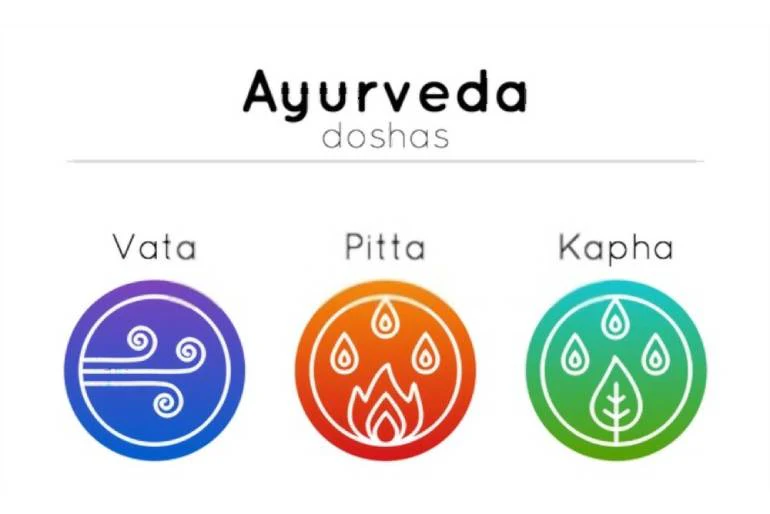
The foundation of Ayurveda lies in the three doshas—natural energies that make up every human body:
Vata
Made of Air + Space
Controls movement, breathing, creativity, nervous system
Pitta
Made of Fire + Water
Controls digestion, metabolism, body heat, intelligence
Kapha
Made of Earth + Water
Controls stability, immunity, lubrication, calmness
Every person has a unique combination of these three doshas, known as their Prakriti (body constitution).
When doshas are balanced — you feel healthy.
When they are imbalanced — diseases begin.
2. Dhatus & Malas
Ayurveda explains that the body is made of 7 Dhatus (tissues):
Rasa, Rakta, Mamsa, Meda, Asthi, Majja, and Shukra.
It also identifies Malas (waste products):
Urine, stool, and sweat.
Healthy dhatus and proper elimination of malas lead to a stronger, cleaner, balanced body.
3. Agni — The Digestive Fire
Agni represents your body’s digestive fire.
It decides:
How well your food digests
How much energy you have
Whether toxins remain in your body
Weak Agni → Undigested food → Ama (toxins) → Illness
Strong Agni → Better digestion → More energy → Better immunity
4. Dinacharya — Daily Ayurvedic Routine
Ayurveda strongly recommends a daily lifestyle routine:
Wake up early
Warm water or herbal drinks
Oil pulling & oil massage (Abhyanga)
Yoga & Pranayama
Eating meals on time
Sleeping early
Just following the Dinacharya can significantly improve your energy and mental clarity.
5. Ritucharya — Seasonal Lifestyle
Ayurveda teaches that our body changes with the seasons.
So your food and routine should also adapt.
Example:
Summer (Pitta season): Cooling foods like buttermilk, cucumber, coconut
Monsoon (Vata season): Warm, grounding foods like ghee, soups
Winter (Kapha season): Light, spicy, warm foods
This seasonal living helps prevent seasonal diseases.
Ayurvedic Healing Methods
1. Herbal Remedies
Ayurveda uses powerful, natural herbs like:
Ashwagandha
Turmeric
Triphala
Tulsi
Amla
These herbs help balance doshas, cleanse the body, and support immunity.
2. Panchakarma (Detox Therapy)
A famous Ayurvedic cleansing therapy that includes:
Abhyanga (oil massage)
Swedana (steam therapy)
Vamana (emesis)
Virechana (purgation)
Basti (medicated enema)
Used to remove deep toxins from the body.
3. Ayurvedic Diet
Your diet is based on your dosha:
Vata people need warm, oily foods
Pitta people need cooling, hydrating foods
Kapha people need light, spicy foods
This personalized diet is the center of Ayurvedic healing.
4. Yoga, Meditation & Pranayama
Ayurveda and Yoga go hand-in-hand.
They balance both body and mind, reduce stress, and improve longevity.
Benefits of Ayurveda
✔ Prevents diseases
Ayurveda’s lifestyle approach keeps you healthy before diseases occur.
✔ Supports long-term healing
It treats the root cause, not just the symptoms.
✔ Works on mental & emotional balance
Yoga, herbs, and meditation help reduce stress and anxiety.
✔ Improves digestion & immunity
By balancing Agni, Ayurveda boosts overall strength.
✔ Personalized healing
Treatment varies from person to person, making it highly effective.
Limitations & Safety Tips
Ayurveda is powerful, but keep this in mind:
Always go to a certified Ayurvedic practitioner.
Some unregulated herbal products may contain metals — avoid unknown brands.
For serious or urgent medical conditions, Ayurveda should be complementary, not the only treatment.
If you’re already on medication, consult your doctor before adding herbs.
Ayurveda Today — Why It Still Matters
In today’s fast-paced life filled with stress, pollution, and lifestyle disorders, Ayurveda brings us:
Natural healing
A balanced lifestyle
Preventive care
Mind-body harmony
It offers solutions to modern health issues in a simple, traditional, Indian way.
How to Start Your Ayurveda Journey

1. Find Out Your Dosha (Prakriti)
Visit a qualified Ayurvedic doctor.
2. Start a Simple Dinacharya
Warm water, early rise, yoga, oil massage, and early dinner.
3. Eat According to Your Dosha
Make small food adjustments based on your body type.
4. Try Basic Herbs
Such as Triphala, Tulsi, or Amla — but ONLY under guidance.
5. Seasonal Lifestyle Adjustments
Follow Ritucharya for better overall balance.
6. Add Yoga & Meditation
Even 10 minutes helps.
Conclusion
Ayurveda is more than a medical system — it is a way of life.
If you truly want to understand “what is Ayurveda,” remember this:
Ayurveda teaches you to listen to your body, balance your mind, and live in harmony with nature.
Whether you’re trying to improve digestion, reduce stress, prevent disease, or simply live a healthier life — Ayurveda offers a simple, natural, sustainable path.
Disclaimer
The information provided in this article is for educational and informational purposes only. Ayurveda is a traditional system of healing, and results may vary from person to person based on body type, lifestyle, and health conditions.
This content should not be treated as medical advice, diagnosis, or a substitute for professional treatment. Always consult a qualified Ayurvedic practitioner or a licensed healthcare professional before starting any herbs, therapies, Panchakarma treatments, or major lifestyle changes—especially if you are pregnant, on medication, or dealing with a medical condition.
