

Mulethi (Yashtimadhu) in Ayurveda: Complete Well Health Organic Ayurvedic Doctor Guide

Mulethi, commonly known as Yashtimadhu in Ayurveda, is often remembered as a simple home remedy for cough and sore throat. However, in classical Ayurvedic medicine, Mulethi is regarded as much more than that. It is a deeply nourishing herb that works on the respiratory system, digestive tract, skin, and even the voice by gently calming excess heat and dryness in the body.
What makes Mulethi truly special is its balanced nature. It soothes irritated tissues without suppressing the body’s natural functions and supports healing in a gradual, sustainable way. Because of this, Ayurvedic physicians have used Mulethi for centuries in conditions related to acidity, inflammation, weakness, and voice strain.
In this article, Mulethi is explained from an authentic Ayurvedic perspective—covering its traditional properties, health benefits, correct usage, dosage, and important precautions—so you can understand not just what Mulethi does, but how and when it should be used safely.
Ayurvedic Identity of Mulethi
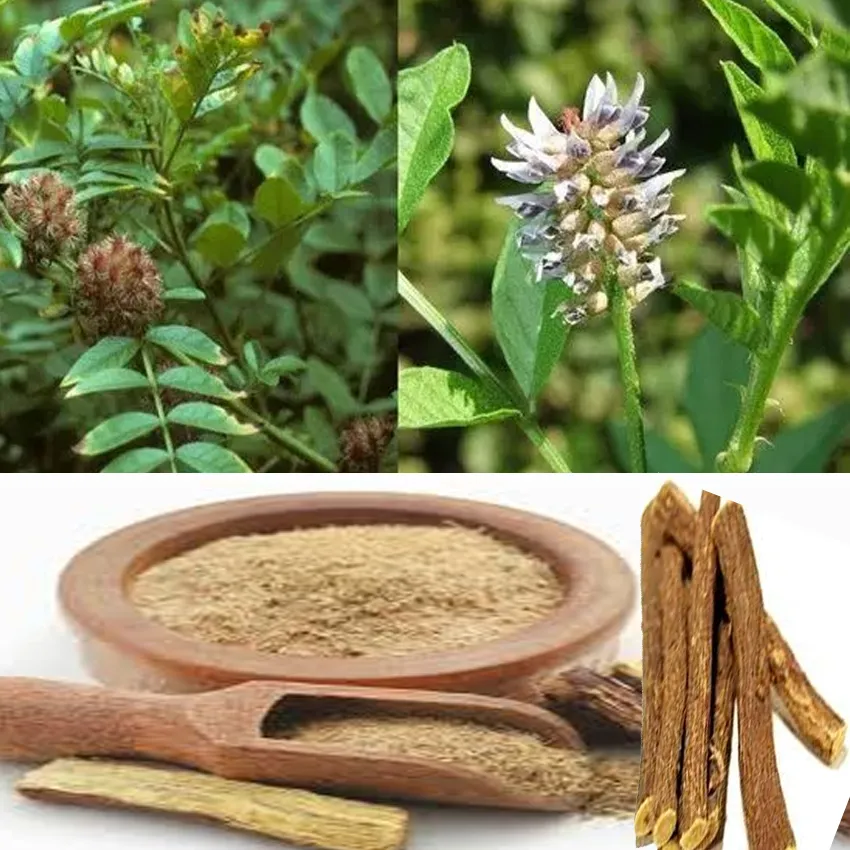
Ayurvedic Name: Yashtimadhu
Common Name: Mulethi / Licorice
Botanical Name: Glycyrrhiza glabra
Family: Fabaceae
Part Used: Root
Classical Group: Kanthya (beneficial for throat), Jivaniya (life-promoting)
Rasa Panchaka of Mulethi
From an Ayurvedic perspective, the action of any herb is understood through Rasa Panchaka. Mulethi has a Madhura (sweet) taste, which gives it nourishing and soothing qualities. Its Snigdha (unctuous) and Guru (heavy) gunas help counter dryness and weakness in tissues. The Sheeta virya (cooling potency) makes it especially beneficial in conditions where excess heat or inflammation is present, while its Madhura vipaka supports tissue building and long-term balance.
Because of these properties, Mulethi pacifies Vata and Pitta dosha effectively. However, due to its heavy and sweet nature, excessive or improper use may increase Kapha, which is why dosage and duration are important.
Health Benefits of Mulethi
The benefits of Mulethi can be understood clearly when we look at how it works on different systems of the body:
1. Supports relief in cough, sore throat, hoarseness of voice, and dry bronchial conditions.
2. Helps reduce acidity, gastritis, and burning sensations in the stomach.
3. Soothes inflamed mucous membranes in the respiratory and digestive tract.
4. Supports skin health in inflammatory conditions such as acne and eczema.
5. Acts as a mild Rasayana, improving strength and tissue nourishment.
6. Enhances voice clarity and is beneficial for people who use their voice professionally.
How Mulethi Works in Common Health Conditions

In respiratory disorders, Mulethi works by lubricating and soothing the airways, reducing irritation and dryness. This is why it is especially helpful in dry cough and voice strain. In digestive disorders, its cooling and Pitta-pacifying nature helps calm excessive acid secretion and supports healing of the stomach lining.
When used in skin conditions, Mulethi helps by cooling the blood and reducing inflammation, which is a common underlying factor in many Pitta-dominant skin problems. Its nourishing effect also supports tissue repair from within.
How to Use Mulethi in Daily Life
Mulethi can be used in different forms depending on the condition. Powder form is commonly used for digestion and respiratory support, while decoction is preferred when deeper action is needed. Chewing or sucking a small piece of Mulethi root is a traditional and effective method for throat and voice-related problems. In all forms, the key principle is moderation and correct timing.
Method 1: Mulethi Powder for Cough & Digestion
1. Take ½ teaspoon Mulethi powder.
2. Mix with lukewarm water or honey.
3. Consume once or twice daily.
Method 2: Mulethi Decoction (Kadha)
1. Take 1 teaspoon Mulethi root powder
2. Boil in 1 cup water
3. Reduce to half, strain, and drink warm
Method 3: Mulethi for Throat Relief
Keep a small piece of Mulethi root in the mouth and suck slowly.
Dosage Guidelines
Dosage should always be individualized, but general classical guidelines include:
1. Mulethi powder: 1–3 grams per day
2. Decoction: 20–30 ml once or twice daily
3. With honey or warm water, as advised by an Ayurvedic physician.
Who Should Avoid Mulethi?

Mulethi is generally safe, but caution is advised in the following cases:
1. People with high blood pressure
2. Those with kidney-related disorders
3. Pregnant women without medical supervision
4. Individuals with excess Kapha conditions such as obesity or chronic congestion
Long-term or excessive use without guidance is not recommended.
Possible Side Effects of Overuse
When taken in high doses or for a prolonged period, Mulethi may lead to:
1. Water retention
2. Rise in blood pressure
3. Electrolyte imbalance
These effects highlight the importance of Ayurvedic supervision, especially for long-term use.
Conclusion
Mulethi (Yashtimadhu) is a gentle yet powerful Ayurvedic herb that works deeply on the respiratory, digestive, and circulatory systems. Its true strength lies not in overuse, but in proper understanding, correct dosage, and mindful application. When used according to Ayurvedic principles, Mulethi can be a valuable support for both healing and long-term wellness.
FAQs About Mulethi
1. What is Mulethi in Ayurveda?
Ans: Mulethi, known as Yashtimadhu in Ayurveda, is a medicinal herb made from the root of Glycyrrhiza glabra. It is traditionally used to support respiratory health, digestion, throat comfort, and overall tissue nourishment due to its sweet taste and cooling nature.
2. What are the main benefits of Mulethi?
Ans: Mulethi helps soothe cough and sore throat, reduce acidity and gastric irritation, calm inflammation, support skin health, improve voice clarity, and act as a mild Ayurvedic Rasayana when used in proper dosage.
3. How does Mulethi help in cough and throat problems?
Ans: Mulethi works by soothing irritated throat tissues and lubricating the respiratory passages. Its sweet and unctuous properties reduce dryness and inflammation, making it especially helpful in dry cough and hoarseness of voice.
4. Is Mulethi good for acidity and digestion?
Ans: Yes, Mulethi is beneficial for acidity and digestion. Its cooling and Pitta-balancing properties help reduce burning sensation, calm excess acid, and support healing of the stomach lining.
5. How should Mulethi be consumed?
Ans: Mulethi can be consumed as a powder mixed with warm water or honey, as a decoction, or by slowly sucking a small piece of the root for throat relief. The method of use depends on the individual’s condition and constitution.
6. What is the correct dosage of Mulethi?
Ans: The general Ayurvedic dosage of Mulethi powder is 1 to 3 grams per day, while decoction is taken in a dose of 20 to 30 ml. Dosage should always be adjusted according to age, health condition, and medical guidance.
7. Can Mulethi be taken daily?
Ans: Mulethi can be taken daily for a short duration in small doses under the guidance of an Ayurvedic doctor. Long-term or excessive use without supervision is not recommended.
8. Who should avoid Mulethi?
People with high blood pressure, kidney disorders, excess Kapha conditions, or pregnant women without medical advice should use Mulethi cautiously or avoid it.
9. Does Mulethi have side effects?
Mulethi is generally safe when used correctly, but excessive or long-term use may cause water retention, increased blood pressure, or electrolyte imbalance.
10. Is Mulethi the same as licorice?
Yes, Mulethi is the Ayurvedic name for licorice root. In Ayurveda, it is referred to as Yashtimadhu and is used according to traditional principles of dosage and constitution.
Disclaimer
This content is for educational purposes only. Always consult a qualified Ayurvedic doctor before using any herbal medicine.

[…] Mulethi powder, also known as liquorice or Yashtimadhu, has always been valued in Ayurveda for its sweet taste and healing nature. But modern science has also begun to appreciate its versatility — from immune support and gut health to glowing skin and mental balance. While many blogs circulating online repeat the same basic benefits, mulethi offers far more depth when explored from a holistic wellness perspective. This article brings forward not just the well-known qualities of mulethi powder, but also the practical and lesser-mentioned benefits that are genuinely useful for everyday life. […]