

Shatavari: Benefits, Uses, Dosage, Side Effects & Everything You Need to Know


Shatavari is one of those Ayurvedic herbs that has quietly stood the test of time. Long before modern supplements and hormonal therapies existed, Shatavari was used to support vitality, balance, and long-term health. Today, as more people look for natural ways to manage hormonal issues, stress, digestion, and reproductive health, Shatavari is once again gaining attention—especially in India.
Shatavari is one of those Ayurvedic herbs that has quietly stood the test of time. Long before modern supplements and hormonal therapies existed, Shatavari was used to support vitality, balance, and long-term health. Today, as more people look for natural ways to manage hormonal issues, stress, digestion, and reproductive health, Shatavari is once again gaining attention—especially in India.
This guide explains Shatavari in a practical, experience-based way. Instead of repeating surface-level claims, it focuses on how Shatavari works, who it is actually useful for, how to take it correctly, and what people often misunderstand about it.
What Is Shatavari?
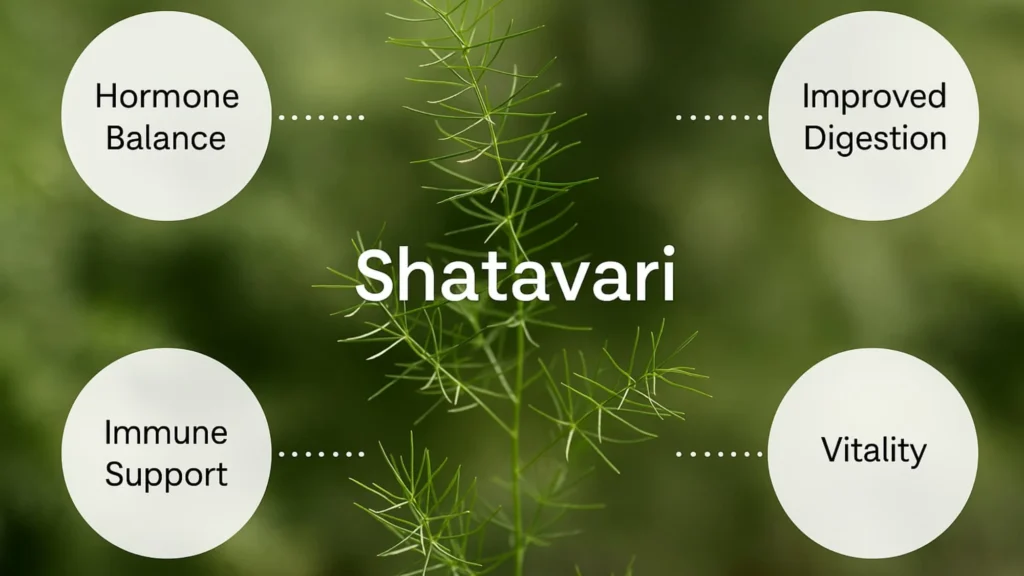
Shatavari, botanically known as Asparagus racemosus, is a medicinal plant native to India and surrounding regions. The root of the plant is used for therapeutic purposes and has been an integral part of Ayurvedic formulations for centuries. In classical Ayurvedic texts, Shatavari is described as a rejuvenating herb that nourishes the body’s tissues and supports internal balance.
The name Shatavari loosely translates to the one who possesses a hundred husbands, which symbolically reflects its traditional association with strength, fertility, and endurance—particularly in women. However, this does not mean the herb is only meant for women. Ayurveda recognizes Shatavari as a Rasayana, meaning a herb that supports longevity, strength, and resilience for everyone.
Unlike fast-acting stimulants, Shatavari works gradually. It focuses on restoring internal harmony rather than forcing quick changes, which is why it is often recommended for long-term wellness rather than short-term symptom suppression.
Nutritional and Medicinal Properties of Shatavari
What makes Shatavari effective is not magic but its unique combination of naturally occurring compounds. The roots contain steroidal saponins, known as shatavarins, which are believed to support hormonal signaling and cellular communication. These compounds do not act like synthetic hormones but instead help the body regulate its own hormonal responses.
Shatavari also contains natural antioxidants that help protect cells from oxidative stress. Its mucilaginous nature provides a soothing effect on internal tissues, especially in the digestive and reproductive systems. This is one of the reasons Shatavari is often described as a cooling herb in Ayurveda—it calms inflammation, dryness, and excess heat within the body.
Rather than targeting one organ, Shatavari works systemically. It nourishes tissues, supports the nervous system, and helps the body adapt to physical and emotional stress over time.
Health Benefits of Shatavari
General Health Benefits of Shatavari
1. Supports long-term immunity by strengthening the body’s natural defense mechanisms
2. Improves digestion by soothing the gut lining and reducing internal irritation
3. Helps the body cope with stress and fatigue
4. Supports hydration and nourishment of body tissues
5. Promotes overall vitality and stamina
Shatavari Benefits for Women
1. Helps regulate hormonal balance naturally
2. Supports menstrual cycle regularity
3. May reduce discomfort associated with PMS and menopause
4. Supports fertility by improving reproductive tissue health
5. Helps increase breast milk production in lactating mothers
6. Aids postpartum recovery by nourishing depleted tissues
Shatavari Benefits for Men
1. Supports stamina and physical endurance
2. Helps manage stress-related fatigue
3. Supports reproductive health
4. Improves digestion and nutrient absorption
5. Promotes overall strength and resilience
Shatavari for Specific Health Conditions
Shatavari is commonly used in managing hormonal imbalances such as PCOS because it supports endocrine balance rather than overstimulating the system. When combined with proper diet and lifestyle changes, it may help improve cycle regularity and reduce discomfort associated with hormonal fluctuations.
For digestive health, Shatavari’s soothing nature makes it particularly useful for individuals dealing with acidity, gastritis, or irregular digestion. It helps calm the gut lining and supports better absorption of nutrients, which indirectly improves energy and immunity.
Shatavari also has a calming effect on the nervous system. People experiencing mental fatigue, stress, or disturbed sleep often find that regular use helps the body settle into a more balanced state. This calming effect is gentle and does not cause drowsiness, making it suitable for daily use.
In terms of skin and hair health, Shatavari works internally. By improving hydration, digestion, and hormonal balance, it supports healthier skin and stronger hair over time. These changes are gradual and reflect internal healing rather than cosmetic effects.
How to Use Shatavari
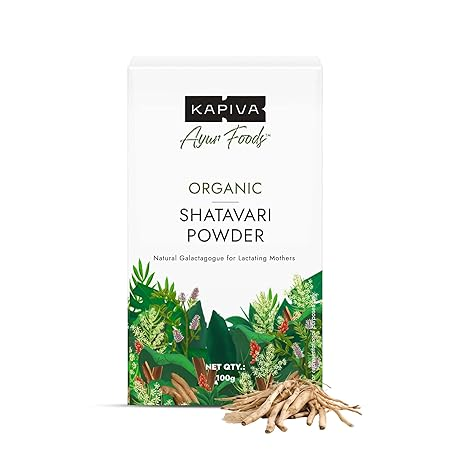
Shatavari is available in powder, capsule, tablet, and syrup forms. Among these, the powdered form is considered the most traditional and effective because it is closer to how the herb was originally consumed in Ayurveda. Capsules are convenient for modern lifestyles, while syrups are commonly used during lactation.
Traditionally, Shatavari is taken with warm milk, as milk enhances its nourishing and calming properties. For those who cannot tolerate milk, warm water is an acceptable alternative. Consistency is more important than the form—regular use is key to experiencing benefits.
Shatavari Dosage and Best Time to Take It

The typical dosage of Shatavari powder ranges from three to six grams per day, while capsules are usually taken in doses of 500 to 1000 milligrams once or twice daily. The ideal dosage can vary depending on age, health condition, and purpose of use.
Shatavari can be taken in the morning to support digestion and energy balance or at night to promote relaxation and tissue repair. Most people begin to notice subtle improvements within two to four weeks, with more stable benefits appearing after consistent use for six to eight weeks.The typical dosage of Shatavari powder ranges from three to six grams per day, while capsules are usually taken in doses of 500 to 1000 milligrams once or twice daily. The ideal dosage can vary depending on age, health condition, and purpose of use.
Shatavari can be taken in the morning to support digestion and energy balance or at night to promote relaxation and tissue repair. Most people begin to notice subtle improvements within two to four weeks, with more stable benefits appearing after consistent use for six to eight weeks.
Shatavari in Ayurveda and Modern Science
From an Ayurvedic perspective, Shatavari nourishes the body’s deeper tissues and supports balance in the reproductive and digestive systems. Modern research has begun exploring its antioxidant, adaptogenic, and immune-supportive properties, which align closely with traditional uses.
While scientific studies continue to evolve, Shatavari is best viewed as a supportive herb rather than a standalone treatment. Its true value lies in long-term use combined with healthy lifestyle habits.
Side Effects and Precautions
Shatavari is generally safe for most people when taken in recommended amounts. However, individuals with conditions sensitive to estrogen or those prone to excessive congestion should use it cautiously. Mild bloating or heaviness may occur during the initial days of use as the body adjusts.
Pregnant women should only take Shatavari under professional guidance. As with any herbal supplement, moderation and personalization are essential.
Shatavari Compared to Other Herbal Supplements
Compared to Ashwagandha, which is warming and stimulating, Shatavari is cooling and nourishing. While Ashwagandha is often chosen for intense stress and muscle strength, Shatavari is preferred for hormonal balance and long-term tissue nourishment.
When compared to Maca root, Shatavari works more slowly but provides deeper, sustained balance rather than a quick energy boost.
Final Thoughts
Shatavari is not a quick solution or a trend-driven supplement. It is a deeply restorative herb that works by supporting the body’s natural intelligence. When taken consistently and correctly, it can play a valuable role in hormonal balance, digestion, stress management, and overall vitality.
For anyone looking to move away from symptom-focused solutions and toward long-term balance, Shatavari remains one of Ayurveda’s most trusted allies.

[…] Shatavari (Asparagus racemosus) is one of Ayurveda’s most respected herbs — especially for women’s wellness, lactation, hormonal balance and immunity. With new clinical studies emerging in 2024–2025, interest in this ancient root has surged again. This in-depth guide explains what Shatavari is, how it works, clinically supported benefits, dosage, side effects, and how to choose a good product in India. […]
[…] Shatavari (Asparagus racemosus) is one of the most respected herbs in Ayurveda for women’s health. Classical Ayurvedic texts describe Shatavari as a powerful Rasayana, meaning a rejuvenating herb that nourishes the body deeply and supports long-term wellness. According to Well Health Organic Ayurveda Ayurvedic doctor research and clinical experience, Shatavari plays an important role in supporting female hormonal balance, reproductive strength, and overall vitality when used correctly. […]
[…] Shatavari […]