

Introduction
Women’s health is influenced by many factors, including hormonal balance, nutrition, stress, lifestyle, and overall well-being. Ayurveda, a traditional system of holistic healthcare, emphasizes maintaining balance within the body rather than simply addressing symptoms. Among the classical Ayurvedic formulations traditionally used to support women’s reproductive health, Ashokarishta is one of the most well-known.
Prepared through a traditional natural fermentation process using carefully selected herbs, Ashokarishta has been used in Ayurvedic practice for generations. It is traditionally recommended by qualified Ayurvedic practitioners to support menstrual health and overall female reproductive wellness as part of an individualized treatment plan.
As interest in natural and holistic wellness continues to grow, many people seek reliable information about Ashokarishta, including its ingredients, traditional uses, dosage, safety, and possible side effects.
However, much of the information available online repeats the same points without explaining how Ashokarishta is understood in Ayurveda, who may benefit from it, or when it may not be the most appropriate choice.
In this comprehensive guide, you’ll learn:
- What Ashokarishta is
- How it is traditionally prepared
- Its key ingredients
- How it works from an Ayurvedic perspective
- Its traditional uses and potential benefits
- Recommended dosage and how to take it
- Important safety considerations
- Possible side effects
- Answers to frequently asked questions
- Practical guidance from an Ayurvedic perspective
Whether you’re new to Ayurveda or simply looking to understand Ashokarishta better, this guide provides balanced, evidence-aware information in an easy-to-understand format, helping you make informed decisions while appreciating its traditional Ayurvedic significance.
What is Ashokarishta?
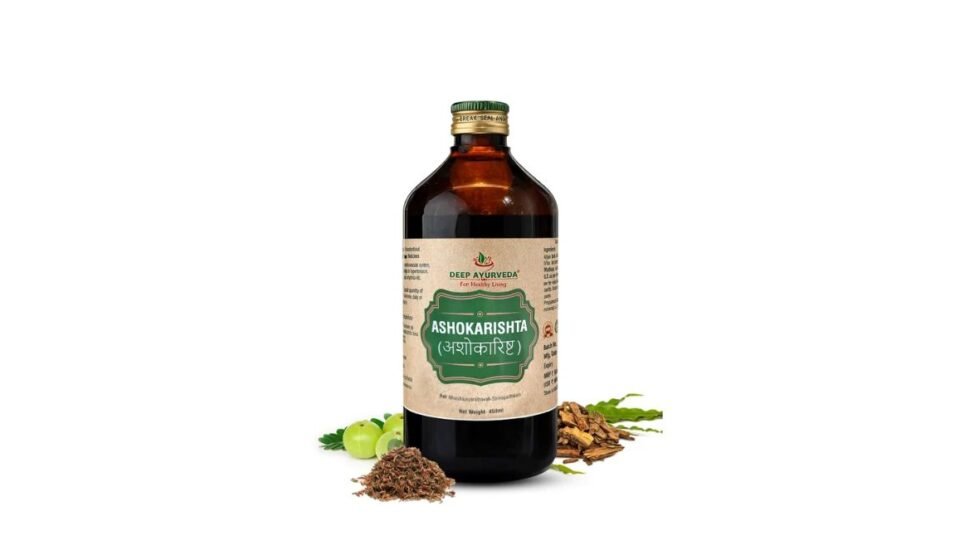
Ashokarishta is a classical Ayurvedic fermented herbal formulation (Arishta) traditionally prepared using Ashoka (Saraca asoca) as the primary ingredient along with several complementary herbs. The formulation undergoes natural fermentation, a process described in classical Ayurvedic texts that helps develop its characteristic properties.
Unlike herbal teas or simple decoctions, an Arishta is produced through controlled natural fermentation. This traditional method not only contributes to preservation but also helps create a liquid preparation that has been valued in Ayurveda for centuries.
Ashokarishta is primarily known in Ayurvedic practice for supporting women’s reproductive health, particularly in relation to menstrual well-being. Rather than focusing on a single symptom, Ayurveda considers factors such as Dosha balance, digestive health (Agni), tissue nourishment (Dhatus), and overall systemic harmony when selecting a formulation.
It is important to note that while Ashokarishta has a long history of traditional use, its use should be individualized and guided by a qualified healthcare professional or Ayurvedic practitioner, especially if symptoms are severe, persistent, or associated with an underlying medical condition.
What Does the Name Ashokarishta Mean?
The name Ashokarishta comes from two Sanskrit words:
Ashoka
The word Ashoka literally means without sorrow (A + Shoka).
The formulation is named after the Ashoka tree (Saraca asoca), whose bark is traditionally regarded as an important herb in Ayurvedic formulations intended for women’s health.
Arishta
Arishta refers to a traditional Ayurvedic fermented herbal preparation.
These formulations are prepared by fermenting herbal decoctions with natural sweetening agents under controlled conditions, producing a self-preserved liquid preparation with a long shelf life.
Because of this traditional preparation method, Ashokarishta differs from:
- Herbal syrups
- Decoctions (Kwath)
- Tablets
- Capsules
- Herbal powders (Churna)
Each dosage form has a different role in Ayurvedic practice depending on the individual’s constitution, health goals, and the practitioner’s assessment.
Why Ashokarishta is Different from Other Arishtas
Many people assume that all Arishtas serve the same purpose simply because they share a similar preparation method. In reality, each classical formulation is designed with a distinct combination of herbs to support specific health needs according to Ayurvedic principles.
For example:
Ashokarishta is traditionally associated with women’s reproductive health.
Abhayarishta is traditionally used in Ayurveda for digestive wellness and bowel regularity. (Natural internal link opportunity.)
Arjunarishta is prepared with Arjuna bark and is traditionally associated with cardiovascular support in Ayurveda. (Natural internal link opportunity.)
Amritarishta is traditionally valued for supporting overall vitality and immune health according to Ayurvedic principles. (Natural internal link opportunity.)
Understanding these differences helps readers appreciate why Ayurvedic practitioners choose formulations based on an individual’s constitution, symptoms, and overall health rather than treating all Arishtas as interchangeable.
Ashokarishta Ingredients: Understanding the Classical Ayurvedic Formulation
Ashokarishta is a polyherbal fermented Ayurvedic formulation, meaning it contains multiple herbs that work together to support overall balance rather than relying on a single active ingredient. In Ayurveda, this combination is designed to promote synergy, where each herb complements the others to support the body’s natural functions.
The exact composition may vary slightly between manufacturers, but authentic Ashokarishta is traditionally prepared using Ashoka (Saraca asoca) as the primary ingredient along with several supportive herbs and natural fermenting agents.
Below are some of the key herbs commonly found in classical Ashokarishta formulations.
1. Ashoka (Saraca asoca)
Botanical Name: Saraca asoca (Roxb.) Willd.
Ashoka is the principal herb in Ashokarishta and has been valued in Ayurveda for centuries for its traditional association with women’s reproductive health.
From an Ayurvedic perspective, Ashoka is believed to help maintain the balance of Pitta and Kapha Dosha while supporting healthy functioning of the female reproductive system. It is traditionally included in formulations intended to promote menstrual wellness and overall uterine health.
Modern research has explored the presence of naturally occurring plant compounds such as tannins, flavonoids, and glycosides in Ashoka bark. However, more high-quality clinical studies are needed to fully understand their effects in humans.
2. Dhataki (Woodfordia fruticosa)
Botanical Name: Woodfordia fruticosa
Dhataki flowers play a unique role in traditional Ayurvedic fermentation. Besides contributing herbal properties, they help initiate the natural fermentation process that gives Ashokarishta its characteristic form.
According to Ayurveda, Dhataki is traditionally used to support healthy digestion and maintain balance within the body while complementing the action of other herbs.
3. Musta (Cyperus rotundus)
Botanical Name: Cyperus rotundus
Musta is widely used in Ayurvedic practice for supporting digestive comfort and maintaining balanced digestion (Agni).
Ayurveda considers strong digestion essential because proper nourishment of body tissues begins with efficient digestion and metabolism. Musta is therefore included not only for digestive support but also to complement the formulation’s overall action.
4. Haritaki (Terminalia chebula)
Botanical Name: Terminalia chebula
Known as one of Ayurveda’s most respected herbs, Haritaki is traditionally valued for promoting healthy digestion, natural elimination, and overall wellness.
In Ashokarishta, Haritaki contributes to maintaining digestive balance, which Ayurveda considers fundamental for supporting healthy tissue formation and overall vitality.
If you’re interested in another classical Ayurvedic formulation that traditionally supports digestive health, you may also explore Abhayarishta, which contains Haritaki as its primary ingredient.
5. Amalaki (Emblica officinalis)
Botanical Name: Phyllanthus emblica
Amalaki, commonly known as Indian Gooseberry, is considered a renowned Rasayana herb in Ayurveda.
It is traditionally valued for supporting:
- Overall vitality
- Healthy digestion
- Tissue nourishment
- Natural antioxidant activity
- General wellness
Its inclusion helps balance the formulation while providing broad nutritional and rejuvenative support.
6. Vibhitaki (Terminalia bellirica)
Botanical Name: Terminalia bellirica
Vibhitaki is another classical Ayurvedic herb that works alongside Haritaki and Amalaki.
Together, these three herbs form the well-known Ayurvedic combination Triphala, traditionally used to support digestive health, gentle detoxification, and balanced metabolism.
7. Guduchi (Tinospora cordifolia)
Botanical Name: Tinospora cordifolia
Guduchi is one of Ayurveda’s most celebrated rejuvenating herbs.
Traditionally, it is used to support:
- General immunity
- Healthy metabolism
- Natural detoxification processes
- Overall vitality
Its presence broadens the formulation’s supportive role beyond reproductive wellness.
8. Natural Sweetening Agents
Classical Ashokarishta is prepared using natural sweetening ingredients such as jaggery or sugar, depending on the traditional recipe.
These ingredients are not added simply for sweetness. They provide the carbohydrate source needed for natural fermentation, allowing beneficial fermentation to occur during preparation.
During fermentation, a small amount of naturally occurring self-generated alcohol is produced. This traditional process helps preserve the formulation and extract certain plant constituents more effectively.
Why is Ashokarishta Fermented?
One of the most common questions people ask is:
Why isn’t Ashokarishta made as a syrup or tablet?
The answer lies in classical Ayurvedic pharmacy.
Traditional fermentation offers several advantages:
- Helps preserve the formulation naturally.
- Supports the extraction of certain herbal constituents.
- Produces a stable liquid preparation with a longer shelf life.
- Allows the herbs to work together in a traditional dosage form described in Ayurvedic texts.
The naturally formed alcohol content is generally low and is a by-product of the fermentation process—not added separately as an ingredient.
How Ashokarishta Works According to Ayurveda
Unlike modern medicine, which often focuses on a specific organ or symptom, Ayurveda looks at the body as an interconnected system. Ashokarishta is traditionally selected after considering an individual’s Prakriti (constitution), Vikriti (current imbalance), digestive strength, and overall health.
According to Ayurvedic principles, Ashokarishta may help support health through several mechanisms:
1. Supports Dosha Balance
Ashokarishta is traditionally believed to help balance Pitta Dosha, particularly when excess Pitta is associated with menstrual discomfort or reproductive health concerns.
Some ingredients also contribute to maintaining Kapha balance, supporting healthy circulation and metabolic function.
2. Supports Healthy Agni (Digestive Fire)
Ayurveda teaches that efficient digestion is the foundation of good health.
Several herbs in Ashokarishta are traditionally included to support balanced digestion and metabolism, helping the body utilize nutrients effectively.
3. Nourishes Dhatus
Ayurveda describes seven body tissues, known as Dhatus, which depend on proper digestion and metabolism for nourishment.
Ashokarishta is traditionally used to support the healthy functioning of Rasa Dhatu (the body’s primary nourishing fluid) and Artava Dhatu, which is associated with female reproductive health in Ayurvedic literature.
4. Supports Healthy Strotas
Strotas are described in Ayurveda as the body’s channels responsible for transporting nutrients, fluids, and waste.
Maintaining clear and balanced Strotas is considered essential for overall health. Ashokarishta is traditionally used as part of a holistic approach to support the healthy functioning of these channels.
Health Benefits of Ashokarishta
Ashokarishta has been used in Ayurveda for centuries as part of a holistic approach to women’s health. Rather than targeting a single symptom, Ayurvedic practitioners traditionally recommend it after assessing an individual’s Prakriti (body constitution), Dosha imbalance, digestive strength (Agni), lifestyle, and overall health.
It’s important to remember that the following benefits are based primarily on traditional Ayurvedic use. While some individual herbs in the formulation have been studied scientifically, more high-quality clinical research on the complete formulation is needed.
1. Traditionally Supports Healthy Menstrual Cycles
One of the best-known traditional uses of Ashokarishta is supporting normal menstrual health.
According to Ayurveda, menstrual well-being depends on the balanced functioning of Artava Dhatu, proper circulation, healthy digestion, and balanced Doshas—particularly Pitta Dosha. When these factors become imbalanced, some women may experience irregular or uncomfortable menstrual patterns.
Ashokarishta is traditionally used as part of an individualized Ayurvedic treatment plan to help maintain menstrual wellness and support the body’s natural balance.
Doctor’s Note: Menstrual irregularities can sometimes be linked to conditions such as hormonal disorders, thyroid disease, or gynecological conditions. Persistent or severe symptoms should always be evaluated by a qualified healthcare professional rather than relying solely on self-treatment.
2. Helps Maintain Female Reproductive Wellness
Ayurveda views reproductive health as closely connected to digestion, nutrition, mental well-being, and overall vitality. Ashokarishta is traditionally included in women’s wellness plans to help support the healthy functioning of the female reproductive system.
Rather than acting as a quick remedy, it is intended to work within a broader Ayurvedic approach that may also include dietary guidance, lifestyle changes, stress management, and other herbal formulations tailored to the individual’s needs.
3. Supports Healthy Hormonal Balance Through an Ayurvedic Approach
Many people search online for “Ashokarishta for hormone balance.” Ayurveda, however, does not describe health in terms of hormones alone. Instead, it focuses on restoring balance between the Doshas, maintaining strong digestion, and ensuring proper nourishment of the body’s tissues.
By supporting these foundational principles, Ashokarishta is traditionally believed to contribute to overall reproductive wellness.
Important: There is currently insufficient clinical evidence to claim that Ashokarishta directly regulates hormone levels in humans. It should not be promoted as a replacement for medical treatment for hormonal disorders.
4. Supports Healthy Digestion
Although Ashokarishta is primarily known for women’s health, several herbs in the formulation also traditionally support digestive function.
In Ayurveda, healthy digestion (Agni) is considered the cornerstone of good health. When digestion is balanced, the body is thought to absorb nutrients more effectively and nourish all seven Dhatus (body tissues).
Herbs such as Musta, Haritaki, Amalaki, and Vibhitaki are traditionally included to complement digestive health while supporting the formulation’s overall action.
5. May Help Support Energy and Vitality
Long-term menstrual disturbances, poor digestion, or inadequate nourishment may contribute to feelings of fatigue in some individuals. Ayurveda addresses these concerns by focusing on improving overall balance rather than targeting fatigue alone.
Ashokarishta is traditionally used to support healthy nourishment of body tissues, which may contribute to maintaining natural energy levels as part of a comprehensive wellness plan.
If fatigue is persistent, unexplained, or severe, it is important to seek medical evaluation to identify potential underlying causes such as anemia, thyroid disorders, or nutritional deficiencies.
6. Traditionally Supports Healthy Uterine Function
In Ayurvedic practice, Ashoka bark has long been valued for supporting uterine health. Consequently, Ashokarishta is traditionally used to help maintain the healthy functioning of the uterus as part of an individualized treatment strategy.
It is important to understand that this traditional use does not mean Ashokarishta should be viewed as a treatment or cure for specific gynecological conditions. Any persistent pelvic pain, heavy bleeding, or other concerning symptoms should be assessed by a qualified healthcare provider.
7. Supports Overall Women’s Wellness
One of the unique features of Ayurveda is its emphasis on treating the individual as a whole rather than focusing on isolated symptoms.
Ashokarishta is often selected when an Ayurvedic practitioner believes that supporting digestion, tissue nourishment, Dosha balance, and reproductive wellness together may help improve overall well-being.
This holistic perspective distinguishes classical Ayurvedic formulations from approaches that target only one symptom or organ system.
Traditional Uses of Ashokarishta in Ayurveda
Historically, Ayurvedic practitioners have used Ashokarishta as part of individualized treatment plans for a variety of women’s health concerns. The formulation has traditionally been considered when supporting:
- Menstrual wellness
- Healthy reproductive function
- Female vitality
- Digestive balance in women
- Overall gynecological wellness within an Ayurvedic framework
The decision to use Ashokarishta is traditionally based on the person’s constitution, symptoms, digestive strength, and overall health rather than a single diagnosis.
Who May Benefit from Ashokarishta?
Ashokarishta may be considered by an Ayurvedic practitioner for adults who are looking to support:
- General menstrual wellness
- Female reproductive health
- Healthy digestion alongside reproductive care
- Overall vitality as part of a holistic Ayurvedic lifestyle
- Long-term women’s wellness under professional guidance
The suitability of Ashokarishta depends on the individual’s constitution and health status. It should not be started without appropriate guidance if symptoms are severe, unexplained, or associated with a diagnosed medical condition.
When Ashokarishta May Not Be the Right Choice
Although Ashokarishta is widely used in Ayurveda, it is not appropriate for everyone.
It may not be suitable in situations such as:
- Pregnancy unless specifically advised by a qualified healthcare professional.
- Breastfeeding without professional guidance.
- Children, unless recommended by a qualified Ayurvedic physician.
- Individuals with unexplained vaginal bleeding or severe pelvic pain until the underlying cause has been medically evaluated.
- People with known allergies to any of its ingredients.
- Individuals with medical conditions requiring specialist care where delaying diagnosis or treatment could be harmful.
Remember that natural products are not automatically safe for every person or every situation.
Ashokarishta and Other Classical Ayurvedic Formulations
Ayurveda offers many classical formulations, each designed with a different therapeutic purpose. Understanding these differences helps prevent the misconception that one formulation can address every health concern.
For example:
Abhayarishta is traditionally chosen when digestive health and bowel regularity are the primary focus, whereas Ashokarishta is centered on women’s reproductive wellness.
Arjunarishta is formulated around Arjuna bark and is traditionally used to support cardiovascular health rather than gynecological well-being.
Amritarishta is valued in Ayurveda for promoting overall vitality and supporting natural immunity, making it suitable for different clinical situations.
Mahamanjisthadi Kwath is traditionally associated with supporting healthy blood circulation and skin health from an Ayurvedic perspective, and an Ayurvedic practitioner may recommend it in entirely different contexts than Ashokarishta.
These examples highlight an important Ayurvedic principle: the right formulation depends on the individual’s constitution, symptoms, and underlying imbalance—not simply on the fact that two products belong to the Arishta category.
Ashokarishta Dosage: How Much Should You Take?
There is no single dosage that is suitable for everyone. In Ayurveda, the appropriate dose of Ashokarishta depends on several individual factors, including:
- Age
- Body constitution (Prakriti)
- Current Dosha imbalance (Vikriti)
- Digestive strength (Agni)
- Overall health
- The reason it is being recommended
- Other medicines or herbal supplements being used
For this reason, Ashokarishta should ideally be taken under the guidance of a qualified Ayurvedic practitioner or healthcare professional, especially if you have an existing medical condition or are taking prescription medications.
General Adult Dosage
While dosage recommendations may vary between manufacturers, the commonly suggested adult dose is 15–30 mL, usually mixed with an equal quantity of water and taken twice daily, or as directed by a qualified Ayurvedic practitioner or healthcare professional.
Always read the product label carefully, as ingredient concentrations and dosage instructions may differ between brands.
Doctor’s Tip: Avoid increasing the dose on your own in the hope of getting faster results. Ayurvedic formulations are traditionally intended to support gradual, long-term balance rather than provide immediate symptom relief.
Best Time to Take Ashokarishta
Ashokarishta is traditionally taken after meals, unless your Ayurvedic practitioner recommends otherwise. Taking it after food may improve comfort and follows the traditional Ayurvedic method for consuming fermented herbal formulations.
For the best results, try to take it at the same time each day. A consistent routine may help support regular use and improve adherence to your wellness plan.
How to Take Ashokarishta Correctly
Following the correct method of taking Ashokarishta is just as important as the dosage itself. These simple practices can help you use the formulation responsibly.
Measure the Dose Accurately
Always use the measuring cup or spoon provided with the bottle instead of estimating the quantity. Taking more than the recommended amount does not necessarily improve results and may increase the likelihood of unwanted effects.
Dilute with Water if Recommended
Most classical Ashokarishta formulations are traditionally taken with an equal quantity of water. However, always follow the instructions on the product label or the advice of your Ayurvedic practitioner, as recommendations may vary.
Complete the Recommended Course
Do not continue taking Ashokarishta for long periods without professional review. Your healthcare provider can determine whether you should continue, adjust, or stop the formulation based on your progress and health condition.
Support It with a Healthy Lifestyle
Ayurveda emphasizes that herbal formulations work best when combined with healthy daily habits. Eating a balanced diet, getting adequate sleep, staying physically active, and managing stress can all support your overall well-being.
How Long Does Ashokarishta Take to Work?
There is no fixed timeline for how quickly Ashokarishta may show noticeable effects. Every person’s body responds differently depending on their constitution, health status, lifestyle, and the reason for taking the formulation.
People with good digestive health, regular routines, and consistent use may experience benefits differently from those with underlying medical conditions. If your symptoms continue, worsen, or interfere with your daily life, consult a qualified healthcare professional for further evaluation.
What Should You Eat While Taking Ashokarishta?
According to Ayurveda, diet plays an important role in supporting the body’s natural balance. Eating fresh, wholesome foods may complement an Ayurvedic wellness routine.
Choose Fresh, Balanced Meals
A diet rich in seasonal fruits, vegetables, whole grains, legumes, and adequate fluids supports overall health and healthy digestion. Freshly prepared meals are generally preferred over heavily processed foods.
Limit Foods That May Disturb Digestion
Ayurveda often recommends reducing the intake of excessively oily, fried, highly processed, or sugary foods. Maintaining regular meal timings and avoiding overeating may also help support digestive balance.
Lifestyle Tips to Support Women’s Wellness
Ashokarishta is traditionally used as one part of a broader Ayurvedic lifestyle. Healthy daily habits can contribute to overall physical and emotional well-being.
Prioritize Quality Sleep
Getting sufficient, restorative sleep supports overall health and helps the body recover from daily physical and mental stress. Aim for a consistent sleep schedule whenever possible.
Stay Physically Active
Regular physical activity, whether it’s walking, yoga, stretching, or another enjoyable form of exercise, supports general fitness and overall well-being. Choose activities that suit your health and fitness level.
Manage Everyday Stress
Stress can influence many aspects of health, including digestion and overall wellness. Simple relaxation practices such as meditation, deep breathing, or mindfulness may help support emotional balance.
Practice Mindful Eating
Eating slowly, chewing food properly, and avoiding skipped meals are simple Ayurvedic habits that support healthy digestion. Paying attention to hunger and fullness cues can also encourage better eating habits.
Possible Side Effects of Ashokarishta
When used appropriately under professional guidance, Ashokarishta is generally considered well tolerated by many adults. However, like any herbal formulation, side effects are possible.
Some individuals may experience:
- Mild digestive discomfort
- Stomach upset
- Nausea
- Loose stools
- Bloating
- Sensitivity to one or more herbal ingredients
These effects are not experienced by everyone and may vary depending on the individual’s constitution and health status.
If you develop any unexpected or concerning symptoms after taking Ashokarishta, discontinue use and seek medical advice.
Who Should Avoid Ashokarishta?
Ashokarishta may not be suitable for everyone.
Avoid self-medicating or seek professional advice if you:
- Are pregnant.
- Are breastfeeding.
- Have unexplained vaginal bleeding.
- Have severe abdominal or pelvic pain.
- Have a known allergy to any ingredient.
- Have chronic liver disease.
- Have uncontrolled diabetes (some formulations contain sugar or jaggery).
- Have a medical condition requiring specialist care.
Children should only use Ashokarishta if specifically recommended by a qualified healthcare professional.
Can People with Diabetes Take Ashokarishta?
Many traditional Ashokarishta formulations contain jaggery or sugar, which are required for the natural fermentation process.
Although much of the sugar is utilized during fermentation, the finished product may still contain residual sugars.
People with diabetes or those monitoring their blood glucose should consult their healthcare provider before using Ashokarishta.
Can Ashokarishta Be Taken with Modern Medicines?
Some herbs may interact with prescription medications.
If you are taking medicines for:
- Diabetes
- High blood pressure
- Blood thinning
- Hormonal conditions
- Thyroid disorders
- Liver disease
- Other chronic illnesses
consult your healthcare provider before starting Ashokarishta.
Never stop prescribed medications without professional medical advice.
Ashokarishta During Pregnancy
Ashokarishta should not be used during pregnancy unless specifically recommended by a qualified healthcare professional experienced in both Ayurveda and pregnancy care.
Pregnancy requires individualized medical supervision, and self-medication with herbal products is not recommended.
Ashokarishta During Breastfeeding
The safety of Ashokarishta during breastfeeding has not been established through robust clinical research.
If you are breastfeeding, speak with your healthcare provider or a qualified Ayurvedic practitioner before using this formulation.
Can Ashokarishta Be Taken Long-Term?
The duration of use should always be individualized.
Some people may use Ashokarishta for a limited period as advised by their practitioner, while others may require different treatment approaches depending on their health status.
Periodic review by a healthcare professional helps ensure that the formulation remains appropriate and that any underlying medical condition is not overlooked.
How to Choose a High-Quality Ashokarishta
The effectiveness of any Ayurvedic formulation depends not only on the classical recipe but also on the quality of its ingredients and manufacturing process. Before purchasing Ashokarishta, consider the following points:
Check the Ingredient List
Choose a product that clearly lists its ingredients and follows the classical Ayurvedic formulation whenever possible.
Buy from a Reputable Manufacturer
Select products from companies that follow recognized quality standards and provide transparent manufacturing information.
Look for Proper Quality Testing
Good manufacturers typically conduct quality checks for identity, purity, and safety. This helps ensure consistency from batch to batch.
Verify Packaging and Expiry Date
Always purchase products in sealed packaging and check the manufacturing and expiry dates before use.
Avoid Unrealistic Claims
Be cautious of products that promise instant cures or guaranteed results. Ayurveda emphasizes individualized care, and no herbal formulation should be marketed as a miracle solution.
Conclusion
Ashokarishta is a time-tested Ayurvedic formulation traditionally used to support women’s reproductive health and overall well-being. When used under the guidance of a qualified healthcare professional, alongside a balanced diet and healthy lifestyle, it can be a valuable part of a holistic wellness approach. However, it should not replace professional medical care for persistent or serious health concerns. Choosing the right Ayurvedic formulation based on individual needs and informed medical guidance is the key to safe and effective use.
Frequently Asked Questions About Ashokarishta
What is Ashokarishta used for?
Ashokarishta is a classical Ayurvedic fermented formulation traditionally used to support women’s reproductive health, menstrual wellness, and overall gynecological well-being. In Ayurveda, it is prescribed based on an individual’s constitution, Dosha imbalance, and overall health rather than for a single symptom or diagnosis.
Is Ashokarishta only for women?
Ashokarishta is primarily formulated for women’s reproductive wellness and is traditionally prescribed for female health concerns. It is generally not intended for routine use by men unless specifically recommended by a qualified Ayurvedic practitioner for an individual clinical reason.
Can Ashokarishta help with irregular menstrual cycles?
In Ayurveda, Ashokarishta is traditionally used as part of a personalized approach to support menstrual health. However, irregular periods can result from many underlying causes, including hormonal disorders, thyroid disease, stress, or pregnancy. It is important to seek medical evaluation if menstrual irregularities persist.
Can Ashokarishta be taken every day?
Some people may be advised to take Ashokarishta daily for a specific period, while others may require a different treatment plan. The appropriate duration and dosage should always be determined by a qualified healthcare professional or Ayurvedic practitioner.
How long should I take Ashokarishta?
There is no fixed duration that applies to everyone. The length of use depends on your health condition, constitution, response to treatment, and professional advice. Regular follow-up is recommended if you are using it for an extended period.
Does Ashokarishta contain alcohol?
Yes. Like other classical Ayurvedic Arishta preparations, Ashokarishta undergoes a natural fermentation process that produces a small amount of self-generated alcohol. This alcohol is a natural by-product of fermentation and helps preserve the formulation; it is not added separately.
Is Ashokarishta safe for long-term use?
When recommended by a qualified practitioner and used appropriately, Ashokarishta is generally considered well tolerated. Long-term use should always be reviewed periodically to ensure it remains suitable for your changing health needs.
Can Ashokarishta be taken on an empty stomach?
Ashokarishta is traditionally taken after meals unless your healthcare professional advises otherwise. Taking it after food may improve comfort and align with traditional Ayurvedic practice.