

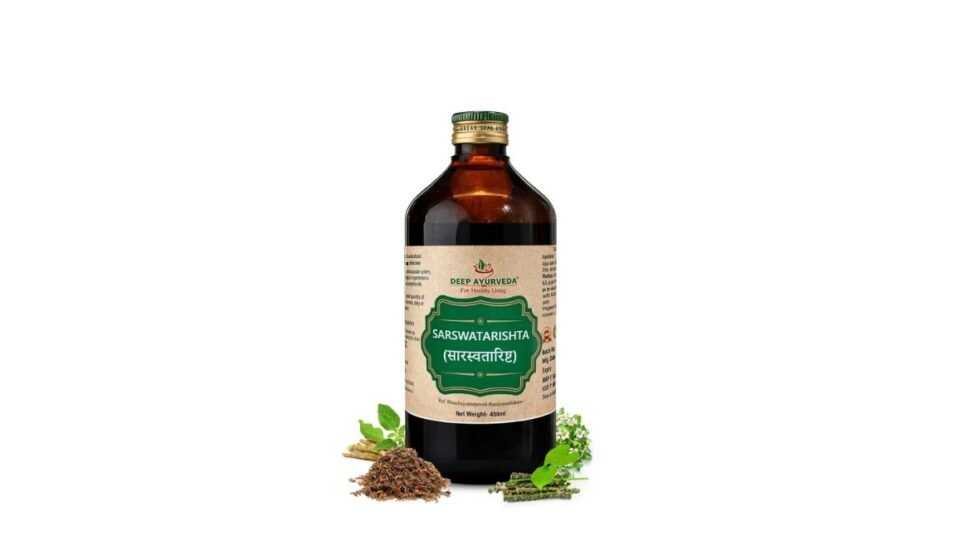
Saraswatharishta: Complete Guide to Uses, Benefits, Ingredients, Dosage & Side Effects

Saraswatharishtam is a classical Ayurvedic fermented herbal formulation (Arishta) traditionally used to support memory, concentration, speech, emotional balance, and nervous system health. It contains herbs such as Brahmi, Shatavari, Vidarikanda, Haritaki, Ginger, Fennel, and Ashwagandha (ingredients may vary slightly by manufacturer). In Ayurveda, it is traditionally recommended to help balance Vata and Pitta doshas, nourish the mind (Manas), and support healthy cognitive function. It should be taken under the guidance of a qualified Ayurvedic practitioner, especially for children, pregnant women, older adults, or individuals with existing medical conditions.
Introduction
Have you ever walked into a room and forgotten why you were there? Struggled to stay focused during long hours of work or study? Or felt mentally exhausted after a stressful day? These occasional experiences are common in today’s fast-paced world. While modern lifestyles place increasing demands on the brain and nervous system, Ayurveda has long emphasized the importance of maintaining mental clarity, emotional balance, and overall cognitive well-being.
One of the classical Ayurvedic formulations traditionally used for these purposes is Saraswatharishtam. Mentioned in Ayurvedic literature, this herbal fermented preparation has been valued for generations for its role in supporting memory, concentration, speech, and nervous system health. Rather than targeting a single symptom, Ayurveda views mental wellness as a reflection of balanced Doshas, healthy digestion (Agni), proper nourishment of body tissues (Dhatus), and a calm, balanced mind (Manas).
Saraswatharishtam combines a blend of carefully selected herbs that work together according to Ayurvedic principles. Through the natural fermentation process used in preparing an Arishta, the formulation is traditionally believed to enhance the availability and absorption of its herbal constituents.
Today, Saraswatharishtam continues to be used by Ayurvedic practitioners as part of a personalized wellness approach. While its traditional uses are well documented in Ayurveda, modern scientific research into its ingredients and potential effects is still evolving. Therefore, it should not be considered a substitute for professional medical diagnosis or treatment.
In this comprehensive guide, you’ll learn:
- What Saraswatharishtam is
- Its traditional Ayurvedic uses
- Key ingredients and how they work
- Potential benefits
- Recommended dosage
- Possible side effects and precautions
- Frequently asked questions
- Practical guidance from an Ayurvedic perspective
Whether you’re new to Ayurveda or looking to better understand this classical formulation, this guide aims to provide clear, evidence-aware information in language that’s easy to follow.
What is Saraswatharishtam?
Saraswatharishtam is a classical Ayurvedic fermented herbal formulation, known as an Arishta, traditionally prepared using a combination of medicinal herbs, natural sweetening agents, and a controlled fermentation process. In Ayurveda, Arishtas are valued because fermentation is believed to help preserve the formulation and support the natural extraction of beneficial plant constituents.
The name Saraswatharishtam is inspired by Goddess Saraswati, who symbolizes knowledge, wisdom, learning, speech, and creativity. Reflecting this association, the formulation has traditionally been used to support cognitive functions such as memory, concentration, learning capacity, speech, and emotional balance.
From an Ayurvedic perspective, mental well-being depends on the harmonious functioning of the Manovaha Srotas (channels associated with the mind), balanced Vata Dosha, healthy Pitta, and proper nourishment of the nervous system. Saraswatharishtam is traditionally prescribed as part of a broader treatment plan tailored to an individual’s constitution (Prakriti), current imbalance (Vikriti), age, lifestyle, and overall health.
Unlike formulations designed for a single condition, Saraswatharishtam is valued in Ayurveda for its holistic approach to supporting both the body and mind. It is often recommended alongside dietary guidance, daily routines, yoga, meditation, and other lifestyle practices to promote overall wellness.
Classical Ayurvedic Background of Saraswatharishtam
Saraswatharishtam is one of the well-known classical fermented Ayurvedic formulations (Arishta) traditionally used to support cognitive wellness, speech, emotional balance, and nervous system health. The formulation has been described in classical Ayurvedic literature and has been prescribed by Ayurvedic physicians for generations as part of a holistic treatment plan based on an individual’s Prakriti (body constitution), Vikriti (current imbalance), age, digestive strength, and overall health.
Unlike modern medicine, where treatment often focuses on managing a single symptom, Ayurveda considers the body and mind as deeply interconnected. According to Ayurvedic principles, mental clarity, memory, concentration, speech, and emotional stability depend on the balanced functioning of the Doshas, healthy digestion (Agni), proper nourishment of body tissues (Dhatus), and unobstructed body channels (Srotas).
Saraswatharishtam is traditionally prepared using a combination of herbs that are believed to work together to nourish the mind, support the nervous system, and promote overall mental well-being. As an Arishta, it undergoes a natural fermentation process that helps preserve the formulation and is traditionally believed to improve the extraction and assimilation of herbal constituents.
Today, Saraswatharishtam continues to be used in Ayurvedic practice as part of a personalized wellness approach. However, its use should always be guided by a qualified Ayurvedic practitioner, especially for individuals with existing medical conditions or those taking prescription medications.
Meaning of Saraswatharishtam
The name Saraswatharishtam is derived from two Sanskrit words:
- Saraswati – the Hindu goddess associated with knowledge, wisdom, learning, speech, creativity, and intellect.
- Arishta – a traditional Ayurvedic fermented herbal preparation.
Together, the name reflects the formulation’s traditional association with supporting learning ability, memory, speech, concentration, and mental clarity. While the name symbolizes these traditional Ayurvedic uses, it should not be interpreted as a guarantee of specific medical outcomes.
What Makes Saraswatharishtam Unique?
Many Ayurvedic formulations focus on a particular body system, such as digestion, joints, or respiratory health. Saraswatharishtam stands out because it is traditionally formulated to support the mind-body connection.
Its uniqueness lies in three important Ayurvedic principles:
1. A Holistic Rather Than Symptom-Based Approach
Instead of addressing a single concern, Saraswatharishtam is traditionally used to support overall cognitive and nervous system health by helping maintain doshic balance and healthy mental function.
2. A Carefully Balanced Herbal Combination
Rather than relying on one “active ingredient,” Saraswatharishtam combines multiple herbs that complement one another. Each herb contributes different traditional Ayurvedic properties, creating a balanced formulation.
3. Natural Fermentation Process
Like other classical Ayurvedic Arishtas, Saraswatharishtam is naturally fermented. Ayurveda traditionally considers this process beneficial for preserving the formulation and enhancing the availability of herbal constituents.
Saraswatharishtam Ingredients
Although slight variations may exist among manufacturers, the classical formulation generally includes herbs traditionally selected to support cognitive wellness, emotional balance, and nervous system health.
Brahmi (Bacopa monnieri)
Brahmi is regarded as one of Ayurveda’s most respected Medhya Rasayana (brain-supporting rejuvenative herbs). Traditionally, it is used to support memory, concentration, learning ability, and mental calmness. It is often considered the cornerstone herb in Saraswatharishtam.
Ashwagandha (Withania somnifera)
Ashwagandha is traditionally valued for promoting strength, vitality, and resilience. In Ayurveda, it is used to help balance Vata dosha and support healthy nervous system function while contributing to overall physical and mental well-being.
Shatavari (Asparagus racemosus)
Shatavari is traditionally known for its nourishing and rejuvenating qualities. Ayurveda describes it as a cooling herb that supports tissue nourishment and helps maintain balance in the body, particularly Pitta dosha.
Vidarikanda (Pueraria tuberosa)
Vidarikanda is traditionally used to nourish body tissues and promote vitality. It is included in Saraswatharishtam to complement other herbs that support overall strength and wellness.
Haritaki (Terminalia chebula)
Haritaki is one of Ayurveda’s most highly regarded herbs for digestive health. Since Ayurveda emphasizes the close relationship between healthy digestion and overall wellness, Haritaki supports the formulation by promoting balanced digestive function.
Ginger (Zingiber officinale)
Ginger is traditionally used to stimulate digestive fire (Agni) and support healthy digestion. Good digestion is considered essential in Ayurveda for proper nourishment of all body tissues, including those associated with mental function.
Fennel (Foeniculum vulgare)
Fennel contributes aromatic properties while traditionally supporting digestion and helping maintain digestive comfort.
Cinnamon (Cinnamomum verum)
Cinnamon adds warming qualities to the formulation and is traditionally used in Ayurveda to support healthy digestion and circulation.
Cardamom (Elettaria cardamomum)
Cardamom is valued for its pleasant aroma and digestive-supporting properties. It helps balance the overall formulation while improving its palatability.
Clove (Syzygium aromaticum)
Clove contributes warming properties and has traditionally been included in Ayurvedic formulations to support digestive health.
Natural Sweetening Agents
Classical Saraswatharishtam is prepared using natural sweetening ingredients such as jaggery or sugar, which serve an important role in the fermentation process. During natural fermentation, beneficial microorganisms convert a portion of the sugars into self-generated alcohol. This naturally occurring alcohol acts as a preservative and supports the extraction of herbal constituents. The alcohol content in traditional Arishtas is generally low and develops naturally rather than being externally added.
Key Ayurvedic Properties of Saraswatharishtam
From an Ayurvedic perspective, Saraswatharishtam is traditionally considered to:
- Support balanced Vata Dosha, which is closely associated with the nervous system and mental activity.
- Help maintain healthy cognitive function and emotional balance.
- Nourish the Manovaha Srotas (channels associated with the mind).
- Promote healthy digestion (Agni), supporting the proper formation of body tissues (Dhatus).
- Function as a Medhya Rasayana, meaning a rejuvenative formulation traditionally used to support intellect and mental wellness.
How Does Saraswatharishtam Work According to Ayurveda?
Ayurveda explains the benefits of Saraswatharishtam through its holistic understanding of body and mind rather than through a single mechanism.
Supports Vata Balance
Vata governs communication within the body, including nerve impulses, movement, and mental activity. When Vata becomes imbalanced, individuals may experience restlessness, poor concentration, disturbed sleep, or forgetfulness. Saraswatharishtam is traditionally used to help maintain healthy Vata balance.
Nourishes the Mind
Ayurveda recognizes the mind (Manas) as an integral part of health. Herbs traditionally classified as Medhya Rasayana are believed to nourish mental faculties, helping support memory, learning, concentration, and emotional stability.
Supports Healthy Digestion
According to Ayurveda, even the best herbs cannot deliver their full benefits if digestion is weak. Ingredients such as ginger, fennel, and Haritaki are included to help maintain healthy digestive function, ensuring proper assimilation of nutrients.
Promotes Tissue Nourishment
Healthy body tissues (Dhatus) provide the foundation for physical and mental well-being. Nourishing herbs like Ashwagandha, Shatavari, and Vidarikanda are traditionally included to support this process.
Encourages Overall Balance
Rather than focusing on one symptom, Saraswatharishtam aims to restore harmony across multiple body systems. This holistic approach is one of the defining characteristics of classical Ayurveda.
Benefits of Saraswatharishtam: Ayurvedic Perspective and Modern Understanding
Saraswatharishtam has been used in Ayurveda for centuries as a Medhya Rasayana—a category of rejuvenative formulations traditionally valued for supporting the mind, intellect, and nervous system. Rather than acting as a quick solution for a single concern, Ayurveda considers Saraswatharishtam a holistic formulation that helps maintain balance within the body and mind.
Many of its herbs, such as Brahmi and Ashwagandha, have also been studied individually for their potential effects on cognitive function, stress response, and nervous system health. However, while some ingredients have encouraging scientific evidence, more high-quality clinical research on the complete Saraswatharishtam formulation is still needed. Therefore, the benefits below are presented from both the traditional Ayurvedic perspective and the current scientific understanding where appropriate.
1. Traditionally Supports Memory and Learning
One of the most well-known traditional uses of Saraswatharishtam is to support memory (Smriti) and learning ability (Medha). Ayurveda associates healthy memory with balanced Vata Dosha, proper nourishment of the nervous system, and a calm, focused mind.
Herbs such as Brahmi are traditionally included to nourish mental faculties and promote cognitive wellness.
Ayurvedic Perspective: Supports Medha, Smriti, and healthy functioning of the Manovaha Srotas (channels associated with the mind).
Modern Understanding: Research on Brahmi suggests it may support certain aspects of memory and information processing, although more studies are needed on Saraswatharishtam as a complete formulation.
2. Helps Maintain Healthy Concentration and Focus
Staying focused can become challenging during periods of prolonged mental work, academic pressure, or emotional stress. Saraswatharishtam is traditionally used to support sustained mental clarity and concentration.
Instead of providing temporary stimulation, Ayurveda aims to promote balanced cognitive function by supporting the body’s natural systems.
This makes Saraswatharishtam a traditional choice for individuals engaged in regular intellectual activities, when recommended by an Ayurvedic practitioner.
3. Supports Nervous System Health
Ayurveda considers the nervous system to be closely linked with Vata Dosha. When Vata becomes imbalanced, it may contribute to feelings of restlessness, mental fatigue, or difficulty maintaining focus.
Saraswatharishtam contains herbs traditionally used to nourish and support healthy nervous system function while helping maintain overall balance.
Rather than targeting isolated symptoms, Ayurveda emphasizes strengthening the body’s resilience through long-term support.
4. Traditionally Used to Support Speech and Communication
The name Saraswati symbolizes wisdom, knowledge, and speech. Reflecting this association, Saraswatharishtam has traditionally been used in Ayurveda to support healthy speech and communication.
Ayurvedic practitioners may include it as part of a personalized treatment plan for individuals requiring comprehensive support for cognitive and speech-related wellness. Its use depends on the individual’s constitution, age, and underlying imbalance.
5. Promotes Emotional Balance
Mental wellness extends beyond memory and concentration. Ayurveda emphasizes emotional harmony as an essential component of overall health.
Saraswatharishtam is traditionally used to help maintain a calm and balanced state of mind by supporting healthy Vata and Pitta balance.
Many of its herbs are valued in Ayurveda for their nourishing and rejuvenating properties, contributing to emotional well-being when combined with appropriate lifestyle practices.
6. Supports Healthy Stress Response
Modern life often exposes people to ongoing mental and emotional challenges. While stress is a natural response, long-term stress may affect overall well-being.
Ayurveda recommends addressing stress through a combination of herbal support, balanced nutrition, adequate sleep, yoga, meditation, and daily routines.
The inclusion of herbs such as Ashwagandha, traditionally regarded as a rejuvenative herb, contributes to Saraswatharishtam’s role in supporting the body’s natural ability to adapt to everyday stress.
7. Helps Maintain Healthy Sleep Quality
Quality sleep plays an important role in memory consolidation, emotional well-being, and nervous system recovery.
From an Ayurvedic perspective, disturbed sleep is often associated with aggravated Vata Dosha. Saraswatharishtam is traditionally used as part of a holistic approach aimed at supporting healthy sleep patterns by promoting mental calmness and doshic balance.
It should not be considered a substitute for medical evaluation of persistent sleep disorders.
8. Supports Overall Cognitive Wellness with Age
Healthy cognitive function remains important throughout life. Ayurveda focuses not only on addressing imbalances but also on preserving wellness through rejuvenation (Rasayana Chikitsa).
Saraswatharishtam is traditionally regarded as a formulation that supports long-term cognitive health when used appropriately under professional guidance and combined with healthy lifestyle habits.
9. Contributes to Healthy Digestion
At first glance, digestion may seem unrelated to brain health. However, Ayurveda teaches that strong digestion (Agni) is the foundation of overall wellness.
If digestion is weak, nutrients may not be properly assimilated, affecting the nourishment of body tissues—including those associated with the nervous system.
Ingredients such as Haritaki, Ginger, Fennel, and Cardamom are traditionally included to support healthy digestion and improve the overall balance of the formulation.
10. Supports Holistic Mind-Body Wellness
One of the distinguishing features of Saraswatharishtam is that it does not focus solely on memory or concentration.
Instead, Ayurveda traditionally values it for supporting:
- Mental clarity
- Emotional balance
- Nervous system health
- Healthy digestion
- Tissue nourishment
- Overall vitality
This holistic philosophy aligns with Ayurveda’s goal of maintaining harmony across the body rather than addressing isolated concerns.
11. Traditionally Used as Part of a Personalized Ayurvedic Wellness Plan
Ayurveda recognizes that every individual has a unique constitution (Prakriti). Therefore, Saraswatharishtam is not intended to be a one-size-fits-all formulation.
An Ayurvedic physician considers several factors before recommending it, including:
- Body constitution
- Age
- Digestive strength
- Lifestyle
- Current dosha imbalance
- Existing health conditions
This personalized approach helps ensure that the formulation is used appropriately and effectively.
Traditional Uses of Saraswatharishtam in Ayurveda
In Ayurveda, Saraswatharishtam is not prescribed based solely on symptoms. Instead, an Ayurvedic physician evaluates the individual’s Prakriti (body constitution), Vikriti (current imbalance), digestive strength (Agni), age, lifestyle, and overall health before recommending any formulation.
Traditionally, Saraswatharishtam is included as part of a personalized Ayurvedic treatment plan to support mental clarity, cognitive wellness, speech, emotional balance, and nervous system health. It is generally used alongside dietary recommendations, lifestyle modifications, yoga, meditation, and other Ayurvedic therapies to promote overall well-being.
Below are some of its traditional Ayurvedic applications.
1. Traditionally Used to Support Cognitive Wellness
One of the primary traditional uses of Saraswatharishtam is to help maintain healthy cognitive function. Ayurveda considers the mind (Manas), intellect (Buddhi), and memory (Smriti) to be closely connected.
When these functions are affected by an imbalance in Vata Dosha, mental fatigue, poor concentration, or forgetfulness may occur. Saraswatharishtam is traditionally used to support balance and nourish these mental faculties.
2. Traditionally Used for Learning and Academic Support
Ayurveda has long emphasized maintaining a healthy mind throughout every stage of life. Saraswatharishtam has traditionally been used to support learning capacity and concentration, particularly during periods of increased mental effort.
However, it should not be viewed as a substitute for healthy study habits, adequate sleep, balanced nutrition, or professional educational support.
3. Traditionally Used to Support Healthy Speech
Speech is regarded in Ayurveda as an important expression of mental clarity and nervous system balance.
Because Saraswatharishtam is associated with Goddess Saraswati, it has traditionally been included in Ayurvedic practice to support healthy speech and communication as part of a broader, individualized treatment approach.
4. Traditionally Used During Mental Fatigue
Long working hours, continuous screen exposure, irregular routines, and emotional stress can leave many people feeling mentally exhausted.
Ayurveda traditionally uses Saraswatharishtam to help restore balance, nourish the nervous system, and promote overall mental well-being when such fatigue is associated with doshic imbalance.
5. Traditionally Used to Support Emotional Well-being
According to Ayurveda, emotional health and physical health are inseparable.
When Vata or Pitta Dosha becomes aggravated, individuals may experience emotional instability, restlessness, or difficulty relaxing. Saraswatharishtam is traditionally used as part of a comprehensive Ayurvedic wellness plan to support emotional balance.
6. Traditionally Used to Promote Healthy Aging
Ayurveda places significant emphasis on maintaining mental and physical vitality as people age.
Because Saraswatharishtam is considered a Medhya Rasayana, it is traditionally used to support healthy aging by nourishing the mind and promoting long-term cognitive wellness under professional guidance.
Who May Benefit from Saraswatharishtam?
Depending on an individual’s constitution and health assessment, an Ayurvedic practitioner may recommend Saraswatharishtam for adults who wish to support:
- Memory and learning
- Concentration during work or study
- Mental clarity
- Emotional balance
- Healthy nervous system function
- General cognitive wellness
- Healthy aging
It is important to remember that Ayurveda emphasizes personalized care. A formulation that is suitable for one person may not be appropriate for another, even if they share similar symptoms.
Recommended Dosage of Saraswatharishtam
The appropriate dosage of Saraswatharishtam varies depending on several factors, including:
- Age
- Body constitution (Prakriti)
- Digestive strength
- Overall health
- Individual health goals
- The advice of a qualified Ayurvedic physician
General Adult Dosage
The commonly recommended adult dosage is:
15–30 ml, mixed with an equal quantity of lukewarm water, twice daily after meals, or as directed by an Ayurvedic practitioner.
Because individual needs vary, self-adjusting the dosage is not recommended.
How to Take Saraswatharishtam
For best results, Saraswatharishtam is traditionally taken:
- Measure the prescribed quantity using a measuring cup.
- Dilute it with an equal amount of lukewarm water unless otherwise advised.
- Consume it after meals.
- Take it consistently at the same time each day.
- Follow the complete course recommended by your Ayurvedic practitioner.
Consistency is generally considered more important than taking larger quantities.
Best Time to Take Saraswatharishtam
In most cases, Ayurvedic physicians recommend taking Saraswatharishtam:
- After breakfast
- After dinner
Taking it after meals may help improve tolerability and aligns with traditional Ayurvedic practice. However, the exact timing may differ depending on the individual’s health condition and treatment plan.
How Long Should Saraswatharishtam Be Taken?
There is no universal duration for taking Saraswatharishtam.
The length of use depends on factors such as:
- The individual’s constitution
- The nature of the health concern
- Response to treatment
- Overall treatment goals
Some individuals may use it for a shorter period, while others may require a longer course under regular supervision. It should not be taken continuously for extended periods without professional advice.
Can Saraswatharishtam Be Taken Daily?
Saraswatharishtam may be taken daily only if recommended by a qualified Ayurvedic practitioner.
Although it is a classical Ayurvedic formulation, this does not mean it is appropriate for long-term self-medication. Regular review helps ensure the formulation remains suitable for your changing health needs.
Diet and Lifestyle Tips While Taking Saraswatharishtam
Ayurveda considers herbal formulations most effective when combined with supportive dietary and lifestyle practices.
Include a Nourishing Diet
Choose freshly prepared, balanced meals that support healthy digestion and provide adequate nutrition. Whole grains, seasonal fruits, vegetables, healthy fats, and protein-rich foods can contribute to overall well-being.
Maintain Regular Meal Times
Eating meals at consistent times helps support Agni (digestive fire), which Ayurveda considers essential for proper nourishment and overall health.
Prioritize Quality Sleep
Aim for 7–9 hours of restful sleep each night. Healthy sleep habits play an important role in memory, concentration, emotional balance, and nervous system recovery.
Stay Physically Active
Regular movement, such as walking, stretching, or yoga, supports circulation, flexibility, and overall wellness. Choose activities that suit your age and fitness level.
Practice Mind-Body Relaxation
Meditation, breathing exercises (Pranayama), and mindfulness practices may help manage everyday stress and support emotional well-being. These practices complement the holistic principles of Ayurveda.
Stay Hydrated
Drink adequate water throughout the day to support normal body functions. Individual hydration needs vary depending on climate, activity level, and health status.
Limit Lifestyle Factors That May Affect Mental Wellness
Where possible, try to:
- Maintain a consistent sleep schedule.
- Reduce prolonged screen time without breaks.
- Manage everyday stress through healthy coping strategies.
- Avoid skipping meals.
- Moderate excessive caffeine intake if it affects sleep or restlessness.
Storage Instructions
To help maintain product quality:
- Store in a cool, dry place away from direct sunlight.
- Keep the bottle tightly closed after each use.
- Use a clean, dry measuring cup.
- Keep out of reach of children.
- Do not use the product after its expiry date.
Side Effects of Saraswatharishtam
Saraswatharishtam is a classical Ayurvedic formulation that has been traditionally used for generations when prescribed appropriately. Most healthy adults tolerate it well when taken in the recommended dosage under the guidance of a qualified Ayurvedic practitioner.
However, like any herbal or conventional medicine, Saraswatharishtam may not be suitable for everyone. Its effects can vary depending on factors such as age, body constitution (Prakriti), digestive strength (Agni), existing medical conditions, and other medications being taken.
It is important to remember that natural does not always mean risk-free. Responsible use and professional guidance are essential.
Possible Side Effects
When used appropriately, Saraswatharishtam is generally well tolerated. However, some individuals may experience mild side effects, particularly if it is taken in excessive amounts or without professional advice.
1. Mild Digestive Discomfort
Some people may experience temporary digestive symptoms, such as:
- Mild stomach discomfort
- Bloating
- Acidity
- Loose stools
These effects are usually temporary and may improve when the formulation is taken after meals with the recommended amount of water.
2. Individual Sensitivity to Herbal Ingredients
Since Saraswatharishtam contains multiple herbs, individuals who are sensitive or allergic to any of its ingredients may experience unwanted reactions.
If you notice symptoms such as skin rash, itching, swelling, or difficulty breathing after taking the formulation, discontinue use immediately and seek prompt medical attention.
3. Unsuitable Self-Medication
Taking Saraswatharishtam without understanding your Ayurvedic constitution or health condition may not provide the desired benefits.
Ayurveda emphasizes personalized treatment rather than a one-size-fits-all approach, which is why professional assessment is important before starting any classical formulation.
Precautions Before Taking Saraswatharishtam
To ensure safe and appropriate use, consider the following precautions.
Pregnancy
There is limited high-quality clinical evidence regarding the safety of Saraswatharishtam during pregnancy.
Pregnant women should not use Saraswatharishtam unless specifically recommended and supervised by a qualified Ayurvedic physician or their healthcare provider.
Breastfeeding
The safety of Saraswatharishtam during breastfeeding has not been well established through modern clinical research.
If you are breastfeeding, consult your Ayurvedic practitioner or healthcare provider before using this formulation.
Children
Although Saraswatharishtam has traditional pediatric applications in certain Ayurvedic contexts, it should never be given to children without professional guidance.
Children require individualized dosage based on their age, body weight, digestive strength, and overall health.
Older Adults
Older adults may benefit from individualized Ayurvedic care; however, they often have multiple health conditions or take prescription medications.
An Ayurvedic physician can determine whether Saraswatharishtam is appropriate and recommend the correct dosage.
People with Diabetes
Classical Saraswatharishtam is prepared using natural sweetening agents such as jaggery or sugar as part of the fermentation process.
Although fermentation converts some of the sugars, the formulation may still contain residual sugars.
Individuals with diabetes or those monitoring their blood glucose levels should consult their healthcare provider before use and follow personalized medical advice.
Liver or Kidney Conditions
People with existing liver or kidney disorders should avoid self-medicating with Saraswatharishtam.
Professional evaluation is recommended to determine whether it is appropriate based on individual health status and current treatment.
Who Should Avoid Saraswatharishtam?
Saraswatharishtam may not be suitable for everyone.
Avoid self-use and seek professional advice if you:
- Are pregnant or breastfeeding.
- Have diabetes requiring regular medication.
- Have chronic liver or kidney disease.
- Have a known allergy to any of its ingredients.
- Are taking multiple prescription medicines.
- Have a serious neurological or psychiatric condition.
- Are planning surgery or recovering from major surgery.
Can Saraswatharishtam Be Taken Alongside Modern Medicines?
Some herbal ingredients may interact with prescription medications, although research on Saraswatharishtam as a complete formulation remains limited.
If you are taking medicines for conditions such as:
- High blood pressure
- Diabetes
- Epilepsy
- Depression or anxiety
- Blood thinning (anticoagulants)
- Sleep disorders
consult your healthcare provider or qualified Ayurvedic practitioner before combining them with Saraswatharishtam.
Never stop or replace prescribed medicines without medical advice.
Conclusion
Saraswatharishtam is a classical Ayurvedic fermented herbal formulation traditionally used to support memory, concentration, speech, emotional balance, and nervous system health. Prepared using a carefully selected combination of herbs, it reflects Ayurveda’s holistic philosophy of promoting balance rather than simply addressing isolated symptoms.
While traditional Ayurvedic knowledge and emerging research on some of its ingredients are encouraging, Saraswatharishtam should be used responsibly and under the guidance of a qualified Ayurvedic practitioner. Individualized recommendations, combined with a balanced diet, regular physical activity, quality sleep, and stress management, remain the foundation of long-term cognitive and overall well-being.
Whether you are exploring Ayurveda for the first time or looking to deepen your understanding of classical formulations, Saraswatharishtam represents a time-honored approach to supporting mind-body health within a personalized and holistic framework.
Frequently Asked Questions
What is Saraswatharishtam traditionally used for?
Saraswatharishtam is traditionally used in Ayurveda to support memory, concentration, speech, emotional balance, and healthy nervous system function as part of a personalized treatment plan.
Is Saraswatharishtam good for memory?
Traditionally, Saraswatharishtam is regarded as a Medhya Rasayana, meaning it is used in Ayurveda to support memory and cognitive wellness. While some of its individual herbs have shown promising results in research, more high-quality studies on the complete formulation are needed.
How should Saraswatharishtam be taken?
Adults are commonly advised to take 15–30 ml, mixed with an equal quantity of water, twice daily after meals, or as directed by an Ayurvedic physician.
Can Saraswatharishtam be taken every day?
Yes, it may be taken daily if recommended by a qualified Ayurvedic practitioner. The dosage and duration should always be individualized.
Does Saraswatharishtam contain alcohol?
Yes. Like other classical Ayurvedic Arishtas, Saraswatharishtam undergoes natural fermentation, producing a small amount of self-generated alcohol. This alcohol is formed naturally during preparation and is not added separately.
Is Saraswatharishtam suitable for children?
It may be recommended in certain situations by an Ayurvedic physician, but children should never take it without professional guidance, as the dosage must be individualized.
Can people with diabetes take Saraswatharishtam?
Because the formulation is prepared using natural sugars during fermentation, individuals with diabetes should consult their healthcare provider before use and monitor their blood glucose as advised.
How long does it take to see results?
The response varies from person to person. Factors such as body constitution, lifestyle, diet, consistency of use, and the underlying health condition all influence the outcome. Ayurveda focuses on gradual, holistic improvement rather than immediate results.