
KSM-66 Ashwagandha: Benefits, Uses, Dosage, Side Effects, Safety & How It Compares to Regular Ashwagandha

Introduction
For centuries, Ashwagandha (Withania somnifera) has been valued in Ayurveda as a rejuvenating herb that helps maintain overall health, vitality, and resilience. Today, it is also one of the most widely researched adaptogenic herbs, attracting attention for its potential role in supporting stress management, cognitive function, physical performance, sleep quality, and general well-being.
Among the many Ashwagandha extracts available, KSM-66 Ashwagandha has gained recognition because it is a full-spectrum root extract developed using a specialized extraction process designed to preserve the herb’s naturally occurring constituents while maintaining a standardized concentration of withanolides.
However, many people still have important questions:
- What exactly is KSM-66 Ashwagandha?
- How is it different from regular Ashwagandha powder or other extracts?
- Is it supported by scientific research?
- What are its potential benefits?
- How should it be taken safely?
- Is it suitable for everyone?
This guide answers these questions in a simple, evidence-informed way. Along with explaining traditional Ayurvedic principles, it also summarizes findings from modern clinical research where available. Rather than relying on marketing claims, the focus is on helping you understand what KSM-66 Ashwagandha is, how it works, who may benefit from it, and the precautions to consider before using it.
Whether you’re exploring Ashwagandha for the first time or comparing different extract forms, this article will help you make a more informed decision based on quality information and realistic expectations.
Quick Facts About KSM-66 Ashwagandha
| Feature | Details |
| Botanical Name | Withania somnifera |
| Common Name | Ashwagandha |
| Extract Type | Full-spectrum root extract |
| Plant Part Used | Root only |
| Traditional System | Ayurveda |
| Standardization | Typically standardized to 5% withanolides |
| Primary Active Compounds | Withanolides and naturally occurring phytochemicals |
| Common Forms | Capsules, tablets, powders, gummies and functional beverages |
| Traditionally Used For | Supporting vitality, resilience, strength and overall wellness |
| Modern Research Focus | Stress response, sleep quality, cognitive function, exercise performance and general well-being |
What Is KSM-66 Ashwagandha?
KSM-66 Ashwagandha is a proprietary full-spectrum extract prepared exclusively from the roots of Withania somnifera. Unlike many conventional extracts that may combine leaves and roots or use different extraction techniques, KSM-66 is produced using a specialized process that aims to preserve the natural balance of bioactive compounds found in the root while avoiding synthetic additives or alcohol-based extraction.
The extract is generally standardized to provide a consistent level of withanolides, which are naturally occurring compounds widely studied for their biological activity. Standardization helps ensure that each batch contains a similar concentration of these compounds, offering greater consistency than raw herbal powder.
From an Ayurvedic perspective, Ashwagandha is traditionally classified as a Rasayana, a group of herbs valued for promoting strength, nourishment, recovery, and long-term vitality. Rather than acting on a single organ or body system, it has historically been used to support overall balance and resilience.
Modern research has explored KSM-66 Ashwagandha in relation to stress management, cognitive performance, sleep quality, physical endurance, muscle recovery, and general wellness. While many findings are promising, responses can vary between individuals, and more research continues to expand our understanding of its long-term effects and optimal use.
One reason KSM-66 has become widely recognized is that numerous published clinical studies have specifically evaluated this standardized extract, making it one of the more extensively researched forms of Ashwagandha available today.
What Makes KSM-66 Ashwagandha Different?
Not all Ashwagandha supplements are the same. Although they come from the same plant, differences in the plant part used, extraction method, standardization, and manufacturing process can influence the composition of the final product.
KSM-66 Ashwagandha stands out because it follows a standardized manufacturing approach focused on preserving the natural profile of compounds found in the root.
Some of its distinguishing characteristics include:
Prepared exclusively from Ashwagandha roots rather than combining roots with leaves.
Produced using a specialized extraction process designed to retain a broad spectrum of naturally occurring constituents.
Commonly standardized to approximately 5% withanolides for batch-to-batch consistency.
Widely studied in clinical research evaluating stress, sleep, cognitive function, physical performance, and general well-being.
Available in a variety of supplement formats, including capsules, tablets, powders, and gummies.
It’s important to note that better does not necessarily mean right for everyone. The most suitable Ashwagandha product depends on factors such as your health goals, overall health status, other medications or supplements you use, and guidance from a qualified healthcare professional.
How Does KSM-66 Ashwagandha Work
To understand how KSM-66 Ashwagandha works, it’s helpful to look at it from two complementary perspectives—the traditional principles of Ayurveda and the findings from modern scientific research. While these approaches use different concepts and terminology, both aim to explain how Ashwagandha may support overall health and well-being.
According to Ayurveda
In Ayurveda, Ashwagandha (Withania somnifera) is regarded as a Rasayana, a category of herbs traditionally used to promote longevity, vitality, strength, and overall wellness. Rather than targeting a single symptom, Rasayana herbs are believed to help maintain balance throughout the body.
Ashwagandha is traditionally used to:
Support the body’s natural response to physical and mental stress: In Ayurveda, Ashwagandha is traditionally used to help the body adapt to everyday physical and emotional challenges, supporting resilience and helping maintain overall balance.
Nourish body tissues (Dhatus) and promote strength: It is considered a nourishing herb that supports healthy body tissues, helping maintain physical strength, stamina, and vitality when combined with a balanced diet and healthy lifestyle.
Help maintain balanced Vata Dosha: Ashwagandha is traditionally valued for balancing Vata Dosha, which is associated with movement, the nervous system, and mental activity. Maintaining Vata balance is believed to support calmness, stability, and overall well-being.
Promote restful sleep and relaxation: Ayurveda has long used Ashwagandha as part of wellness routines to encourage relaxation and support healthy sleep patterns, particularly during periods of occasional stress.
Support overall vitality, recovery, and resilience: As a Rasayana herb, Ashwagandha is traditionally taken to promote long-term wellness, improve resilience, and help the body recover from everyday physical and mental demands.
According to Ayurvedic philosophy, when the body and mind remain balanced, normal physiological functions are better supported. Ashwagandha has therefore been traditionally included in wellness routines to help maintain this balance rather than provide an instant effect.
According to Modern Research
Modern research has focused on the naturally occurring compounds in Ashwagandha, particularly withanolides, along with other plant constituents that may contribute to its biological activity.
Although scientists are still studying its exact mechanisms, current research suggests that KSM-66 Ashwagandha may work through multiple pathways rather than a single mechanism.
Researchers have explored its potential role in supporting:
A healthy physiological response to everyday stress: Clinical research has investigated whether KSM-66 Ashwagandha may help support the body’s natural stress response and promote resilience during everyday physical and mental challenges.
Balanced cortisol levels already within the normal range: Some studies have explored its role in supporting healthy cortisol levels that are already within the normal physiological range, although individual responses may vary.
Normal nervous system function: Research suggests that Ashwagandha may support healthy nervous system function, which plays an important role in maintaining overall mental and physical well-being.
Healthy sleep quality: Clinical studies have evaluated whether KSM-66 may help support restful sleep and improve overall sleep quality as part of a healthy lifestyle.
Cognitive performance, including attention and memory: Researchers have investigated its potential to support cognitive functions such as attention, concentration, memory, and mental clarity in healthy adults.
Exercise performance, endurance, and muscle recovery: Several studies have explored whether KSM-66 may support physical performance, exercise endurance, muscle strength, and post-workout recovery when combined with regular training.
Overall energy and well-being: Research continues to examine how Ashwagandha may contribute to maintaining healthy energy levels, general wellness, and overall quality of life.
These effects are thought to result from the combined action of the herb’s naturally occurring bioactive compounds rather than one isolated ingredient.
Why Standardization Matters
One reason KSM-66 Ashwagandha has been widely studied is its standardized composition. Standardization means the extract is manufactured to contain a consistent level of naturally occurring withanolides in every batch.
This consistency is important because:
Provides consistent product quality: Standardization helps ensure that each batch contains a similar concentration of key bioactive compounds, resulting in more reliable product quality over time.
Supports better scientific research: Using the same standardized extract allows researchers to evaluate a consistent formulation across multiple clinical studies, making the findings easier to compare.
Helps consumers choose a reliable extract: A standardized product gives consumers greater confidence that they are purchasing the same extract composition with each batch, rather than one that varies significantly.
However, it’s important to remember that standardization does not guarantee identical results for every individual. Factors such as age, overall health, diet, lifestyle, sleep habits, existing medical conditions, and concurrent medications may all influence how someone responds to Ashwagandha.
KSM-66 Supports the Body—It Doesn’t Replace Healthy Habits
One common misconception is that KSM-66 Ashwagandha works like a quick-fix solution. In reality, herbal supplements generally provide the greatest benefit when combined with healthy daily habits.
To support overall wellness, consider using KSM-66 Ashwagandha alongside:
Eat a balanced and nutritious diet: A diet rich in whole foods, fruits, vegetables, healthy fats, and quality protein provides the nutrients your body needs to support overall health and complement a wellness routine.
Stay physically active: Regular exercise supports physical fitness, cardiovascular health, and mental well-being, while also helping maximize the benefits of a healthy lifestyle.
Prioritize quality sleep: Getting sufficient restorative sleep each night allows the body to recover, supports normal cognitive function, and contributes to long-term wellness.
Practice healthy stress management: Activities such as yoga, meditation, deep breathing, or mindfulness can help support emotional well-being and work alongside other healthy lifestyle practices.
Maintain proper hydration and a consistent daily routine: Drinking enough water and following a regular sleep, meal, and activity schedule can help support normal body functions and overall health.
Health Expert Insight
Think of KSM-66 Ashwagandha as a supportive wellness ingredient rather than a magic solution. Ayurveda has traditionally valued Ashwagandha for promoting resilience, vitality, and balance, while modern research continues to investigate how its naturally occurring compounds may support stress adaptation, cognitive health, sleep, and physical performance. The best outcomes are generally achieved when it is used consistently, responsibly, and as part of an overall healthy lifestyle rather than as a substitute for medical care or healthy habits.
Potential Benefits of KSM-66 Ashwagandha
KSM-66 Ashwagandha has been the subject of numerous clinical studies exploring its potential role in supporting overall health and well-being. While research findings are encouraging in several areas, it’s important to remember that results may vary from person to person, and no herbal supplement should be considered a substitute for medical treatment or a healthy lifestyle.
Below are some of the most commonly studied and traditionally recognized benefits of KSM-66 Ashwagandha.
1. May Help the Body Adapt to Everyday Stress
One of the best-known uses of KSM-66 Ashwagandha is its potential to support the body’s natural response to everyday physical and mental stress.
Ashwagandha is classified as an adaptogenic herb, meaning it is traditionally used to help the body maintain balance during periods of occasional stress. Modern research has also explored its potential role in supporting healthy cortisol levels that are already within the normal range.
People often choose KSM-66 Ashwagandha to support:
Everyday stress management: It may help the body adapt to everyday stressors and support a balanced response to physical and mental challenges as part of a healthy lifestyle.
Mental resilience: Regular use may support emotional resilience, helping individuals feel better equipped to handle daily responsibilities and changing situations.
Emotional well-being: By supporting the body’s natural stress response, it may contribute to a greater sense of emotional balance and overall well-being.
A greater sense of calm without excessive drowsiness: Unlike products designed to induce sleep, KSM-66 Ashwagandha is generally used to promote relaxation while allowing individuals to remain alert during the day.
It’s important to understand that KSM-66 is not intended to treat anxiety disorders or replace professional mental health care.
2. May Support Healthy Sleep Quality
Quality sleep plays an essential role in physical recovery, cognitive function, and emotional well-being.
Research suggests that KSM-66 Ashwagandha may help support healthy sleep patterns, particularly in individuals experiencing occasional stress that affects sleep. Rather than acting as a sedative, it may promote relaxation by supporting the body’s normal stress response.
Potential sleep-related benefits include:
Supporting restful sleep: It may help promote a more relaxed state that supports restful and refreshing sleep as part of healthy sleep habits.
Helping improve sleep quality: Some studies suggest it may support overall sleep quality, allowing individuals to wake up feeling more refreshed.
Promoting a feeling of relaxation before bedtime: Its adaptogenic properties may help the body unwind naturally, making it easier to transition into sleep.
Supporting next-day alertness through better restorative sleep: Better sleep quality may contribute to improved focus, energy, and productivity during the following day.
Maintaining good sleep hygiene, such as following a consistent sleep schedule and limiting screen time before bed, remains equally important.
3. May Support Physical Performance and Endurance
KSM-66 Ashwagandha has attracted considerable attention among physically active individuals because several studies have evaluated its effects on exercise performance.
Research has explored its potential role in supporting:
Muscular strength: When combined with regular resistance training, it may support improvements in muscle strength and overall physical performance.
Exercise endurance: Some research suggests it may help support endurance during prolonged or high-intensity physical activity.
Physical stamina: Regular supplementation alongside exercise may contribute to maintaining stamina during demanding workouts.
Recovery after workouts: Supporting normal post-exercise recovery may help individuals maintain consistency in their fitness routines.
Overall exercise performance: Combined with proper nutrition and structured training, it may support overall athletic performance and physical fitness.
It’s worth noting that Ashwagandha works best as part of a structured exercise program and balanced nutrition plan rather than as a replacement for either.
4. May Support Muscle Recovery
Recovery is just as important as exercise itself.
Some clinical research suggests that KSM-66 Ashwagandha may help support normal muscle recovery after resistance training or regular physical activity. Faster recovery may allow individuals to maintain consistency in their fitness routines.
Potential areas of support include:
Recovery after exercise: It may support the body’s natural recovery process following strenuous workouts or regular physical activity.
Healthy muscle function: Maintaining normal muscle function can help support ongoing training and everyday movement.
Reduced perception of post-workout fatigue: Some individuals report feeling less fatigued after exercise when recovery is well supported.
Maintaining training consistency: Better recovery may make it easier to stay consistent with long-term fitness goals.
Individual responses can differ depending on exercise intensity, nutrition, sleep, and overall health.
5. May Support Cognitive Function
Healthy brain function depends on many lifestyle factors, including adequate sleep, balanced nutrition, regular exercise, and stress management.
Emerging research has investigated whether KSM-66 Ashwagandha may help support certain aspects of cognitive performance, such as:
Attention: It may help support the ability to stay attentive during daily tasks that require sustained focus.
Concentration: Supporting a balanced stress response may contribute to improved concentration during work or study.
Working memory: Some research has explored its potential role in supporting short-term memory and information processing.
Mental clarity: Many individuals use Ashwagandha as part of their wellness routine to help maintain clear thinking and mental performance.
Processing speed: Preliminary studies have investigated whether it may support the brain’s ability to process information efficiently.
While these findings are promising, more long-term studies are needed to better understand its role in cognitive health across different populations.
6. May Help Support Focus During Busy Lifestyles
Periods of increased workload or mental demands can sometimes affect concentration and productivity.
By supporting a balanced stress response and overall well-being, KSM-66 Ashwagandha may indirectly help individuals maintain focus during demanding days. This potential benefit is likely related to its adaptogenic properties rather than acting as a stimulant.
Potential benefits may include:
Improved daily focus: It may help support concentration during mentally demanding tasks without acting like a stimulant.
Better productivity: Maintaining mental clarity may help individuals stay productive throughout the day.
Reduced mental fatigue: Supporting overall well-being may help reduce the feeling of mental exhaustion associated with busy schedules.
Sustained alertness: Unlike stimulants, it may support steady mental performance without causing sudden spikes or crashes in energy.
Unlike caffeine-based products, Ashwagandha is not typically used to provide an immediate energy boost.
7. May Support Overall Energy and Vitality
In Ayurveda, Ashwagandha has long been valued as a rejuvenating herb that helps maintain strength and vitality.
Modern users often take KSM-66 Ashwagandha as part of their daily wellness routine to support:
Natural energy: It may help support healthy energy levels through improved overall well-being rather than acting as a quick stimulant.
Physical resilience: Regular use may help the body better adapt to everyday physical demands and maintain resilience.
Daily vitality: Traditionally, Ashwagandha has been used to promote strength, stamina, and long-term vitality.
Overall wellness: When combined with healthy lifestyle habits, it may contribute to maintaining overall physical and mental well-being.
Rather than producing a rapid increase in energy, any benefits are generally associated with consistent use over time alongside healthy lifestyle habits.
8. May Support Men’s Reproductive Health
KSM-66 Ashwagandha has been evaluated in several clinical studies related to men’s reproductive health. Researchers have explored its potential effects on areas such as reproductive function, physical performance, and hormonal balance.
Some studies suggest it may support:
Healthy reproductive function: Research has explored its potential role in supporting normal male reproductive health and overall wellness.
Exercise performance: Improved physical performance may indirectly contribute to maintaining an active and healthy lifestyle.
Muscle strength: Some clinical studies have investigated its role in supporting strength when combined with resistance training.
Overall vitality: Traditionally, Ashwagandha has been used to support stamina, energy, and general vitality in men.
Because hormonal health is influenced by many factors, individuals with concerns about fertility or hormone-related conditions should seek advice from a qualified healthcare professional instead of relying solely on supplements.
9. May Support Women’s Overall Wellness
Women also use Ashwagandha as part of a balanced wellness routine.
Research continues to explore its potential role in supporting:
Stress management: It may help support the body’s natural ability to adapt to occasional physical and emotional stress.
Sleep quality: Supporting healthy sleep patterns may contribute to better overall well-being and daily energy.
Energy levels: Some individuals use Ashwagandha to help maintain healthy energy levels throughout the day.
General well-being: When combined with healthy habits, it may support overall physical and emotional wellness.
However, Ashwagandha supplements are generally not recommended during pregnancy unless specifically advised by a qualified healthcare professional. Women who are breastfeeding or planning pregnancy should also seek medical guidance before use.
10. May Support Overall Well-Being
Perhaps the greatest strength of KSM-66 Ashwagandha is that it has been studied across multiple aspects of health rather than focusing on just one area.
When combined with a healthy lifestyle, it may contribute to:
Everyday resilience: It may help the body maintain balance while adapting to everyday physical and mental demands.
Physical wellness: Supporting healthy body function may contribute to long-term physical well-being.
Mental well-being: By promoting a balanced stress response, it may support emotional and psychological wellness.
Healthy sleep habits: Better sleep quality can positively influence overall health, recovery, and daily performance.
Balanced stress response: Its adaptogenic properties may help the body respond more effectively to occasional stress.
Overall quality of life: Consistent use alongside healthy habits may contribute to improved overall wellness and daily functioning.
Its benefits are generally cumulative, meaning they are more likely to develop gradually with regular use rather than immediately after the first dose.
KSM-66 Ashwagandha Uses: When Is It Commonly Used?
KSM-66 Ashwagandha is commonly included in daily wellness routines because of its broad range of potential applications. Unlike supplements designed for a single purpose, it is often chosen to support multiple aspects of physical and mental well-being.
In Ayurveda, Ashwagandha has traditionally been used as a Rasayana (rejuvenative herb) to promote strength, vitality, resilience, and overall balance. Today, standardized extracts such as KSM-66 are also being studied for their role in supporting stress management, cognitive function, sleep quality, and exercise performance.
It’s important to remember that KSM-66 Ashwagandha is intended to support overall wellness and should not be used as a substitute for prescribed medical treatment.
Common Uses of KSM-66 Ashwagandha
People may choose KSM-66 Ashwagandha for a variety of wellness goals. Depending on their lifestyle and health priorities, it is commonly used for the following purposes:
Supporting the body’s natural response to everyday stress: KSM-66 Ashwagandha is often taken to help the body adapt to occasional physical and mental stress while promoting a greater sense of balance and resilience.
Promoting relaxation and emotional well-being: Many people include it in their wellness routine to support relaxation and maintain emotional well-being during busy or demanding periods.
Supporting healthy sleep quality: It may help support restful sleep by encouraging relaxation, making it a popular choice for individuals looking to improve their overall sleep routine.
Helping maintain focus and mental clarity: Some individuals use KSM-66 Ashwagandha to support concentration, mental clarity, and cognitive performance during work, study, or other mentally demanding activities.
Supporting physical performance during regular exercise: Active individuals often choose KSM-66 as part of their fitness routine to support endurance, strength, and overall exercise performance when combined with regular training.
Assisting with post-workout recovery: It may also be used to support healthy recovery after physical activity, helping individuals stay consistent with their exercise goals.
Promoting overall energy and vitality: Rather than providing an instant energy boost, KSM-66 Ashwagandha is commonly taken to support long-term vitality, stamina, and overall well-being.
Supporting a balanced and healthy lifestyle: Many people use it as part of a broader wellness routine that includes balanced nutrition, regular exercise, stress management, and adequate sleep.
The reasons for taking KSM-66 can vary from person to person, depending on individual health goals, lifestyle, and guidance from a qualified healthcare professional.
Who May Consider Taking KSM-66 Ashwagandha?
Although KSM-66 Ashwagandha is not suitable for everyone, some adults may consider it as part of their wellness routine if they are looking for additional support alongside healthy lifestyle habits.
It may be considered by individuals who:
Experience occasional everyday stress: Adults looking for natural support to help manage everyday stress as part of a balanced lifestyle may consider KSM-66 Ashwagandha.
Want to support healthy sleep habits: Individuals who wish to maintain healthy sleep quality alongside good sleep hygiene may find it a useful addition to their routine.
Follow a regular exercise or fitness routine: People involved in strength training, endurance activities, or regular physical exercise often include KSM-66 to complement their overall fitness plan.
Wish to maintain focus during mentally demanding tasks: Students, professionals, and others with mentally demanding schedules may consider it to support concentration and cognitive performance.
Are interested in supporting long-term vitality and overall wellness: Those looking to maintain general health, resilience, and vitality may choose KSM-66 as part of their long-term wellness strategy.
Prefer a standardized Ashwagandha extract with published clinical research: Individuals who value consistency and research-backed formulations often choose KSM-66 because it has been evaluated in multiple clinical studies.
Choosing a supplement should always take into account your individual health status, current medications, and advice from a qualified healthcare professional.
Can You Take KSM-66 Ashwagandha Every Day?
Many KSM-66 Ashwagandha supplements are formulated for daily use, and several clinical studies have evaluated its effects over weeks or months of consistent supplementation.
However, taking it every day does not automatically mean it is appropriate for everyone.
Whether daily use is suitable depends on several factors, including:
Your age and overall health: Individual nutritional needs and health conditions can influence whether daily supplementation is appropriate.
The dosage of the supplement: Following the serving size recommended on the product label or by a healthcare professional helps ensure responsible use.
The reason for taking it: Your wellness goals, whether related to stress support, physical performance, or general well-being, may affect how long you choose to take it.
Existing medical conditions: Individuals with underlying health conditions should consult a healthcare professional before adding any herbal supplement to their routine.
Pregnancy or breastfeeding status: Ashwagandha supplements are generally not recommended during pregnancy unless specifically advised by a qualified healthcare professional. Those who are breastfeeding should also seek medical guidance before use.
Other medicines or supplements you use: Because herbal supplements may interact with certain medications or other dietary supplements, professional advice is recommended before combining them. If you’re considering long-term supplementation, it’s a good idea to review your plan periodically with a healthcare professional to ensure it remains appropriate for your needs.
How Long Does KSM-66 Ashwagandha Take to Work?
This is one of the most common questions people ask before starting KSM-66 Ashwagandha.
Unlike stimulants that produce immediate effects, Ashwagandha is generally considered a supplement that works gradually over time.
Several factors can influence how quickly someone notices changes, including:
Individual metabolism: Every person’s body processes herbal supplements differently, which can influence the time it takes to notice potential effects.
Overall health: General health status, nutritional habits, and existing wellness conditions may affect how the body responds to supplementation.
Daily dosage: Taking the recommended amount consistently is important, as dosage can influence the overall experience.
Lifestyle habits: Regular exercise, balanced nutrition, stress management, and healthy daily routines all contribute to overall wellness outcomes.
Sleep quality: Maintaining consistent, restorative sleep may complement the potential wellness benefits of KSM-66 Ashwagandha.
Diet and physical activity: A healthy diet combined with regular physical activity supports overall health and may influence individual results.
Consistency of use: Like many herbal supplements, KSM-66 is generally intended for consistent use rather than occasional intake to support long-term wellness goals.
Some people report noticing changes within a few weeks, while others may require a longer period of consistent use. Responses vary, and not everyone will experience the same results.
The most important factor is consistent use according to the product label or the advice of a qualified healthcare professional, rather than expecting immediate effects.
Lifestyle Tips to Get the Most from KSM-66 Ashwagandha
Even a high-quality herbal supplement works best when combined with healthy daily habits.
To support your overall wellness, consider:
Eat a balanced, nutrient-rich diet: A diet rich in whole grains, fruits, vegetables, healthy fats, and quality protein provides the nutrients your body needs to function optimally.
Exercise regularly: Regular physical activity supports overall health and complements the wellness goals for which many people choose KSM-66 Ashwagandha.
Get enough quality sleep each night: Consistent, restorative sleep is essential for physical recovery, cognitive function, and maintaining overall well-being.
Manage stress through healthy practices: Activities such as meditation, yoga, deep breathing, or mindfulness can work alongside healthy lifestyle habits to support stress management.
Stay well hydrated: Drinking enough water throughout the day supports normal body functions and contributes to overall health.
Limit excessive alcohol intake and tobacco use: Reducing lifestyle factors that may negatively affect overall wellness can help you maintain healthier long-term habits.
Follow the recommended serving size consistently: Taking KSM-66 Ashwagandha as directed helps support responsible supplementation and allows for consistent use over time.
These habits work together to create an environment where supplements can complement—rather than replace—a healthy lifestyle.
KSM-66 Ashwagandha Dosage: How Much Should You Take?
There is no single dosage that is right for everyone. The appropriate amount of KSM-66 Ashwagandha can vary depending on factors such as your age, overall health, wellness goals, the product formulation, and guidance from a qualified healthcare professional.
Most manufacturers provide recommended serving sizes based on the amount of KSM-66 extract in each capsule, tablet, or scoop. Following the product label is generally the safest place to start unless your healthcare provider recommends otherwise.
General Dosage Considerations
Clinical research on KSM-66 Ashwagandha has evaluated a range of daily doses for different wellness purposes. However, the amount used in research may not be appropriate for every individual.
When deciding on a dosage, consider the following factors:
The concentration of KSM-66 Ashwagandha per serving: Check how much KSM-66 extract is provided in each capsule, tablet, or scoop, as the amount can vary between products.
Whether the supplement contains only KSM-66 or additional ingredients: Some formulations include vitamins, minerals, or other herbal extracts that may influence how the supplement fits into your daily routine.
Your age and body weight: Individual factors such as age, body size, and nutritional needs may affect the serving size that is most appropriate for you.
Your overall health and medical history: Existing health conditions or ongoing medical care should always be considered before starting any new dietary supplement.
Other medications or supplements you are taking: KSM-66 Ashwagandha may not be suitable alongside certain medicines or herbal supplements, so reviewing your current routine is important.
Your healthcare professional’s advice: If you have any medical condition, are pregnant or breastfeeding, or take prescription medications, consult a qualified healthcare professional before use.
If you are new to Ashwagandha, many healthcare professionals recommend beginning with the lowest effective serving suggested on the product label and monitoring how your body responds before making any changes.
Best Time to Take KSM-66 Ashwagandha
One of the most frequently asked questions is whether KSM-66 Ashwagandha should be taken in the morning or at night.
The answer depends on your individual routine and wellness goals, as there is no universally “best” time that works for everyone.
Morning
Some people prefer taking KSM-66 Ashwagandha in the morning because it fits easily into their daily routine.
Morning use may be suitable for individuals who want to:
Support daily resilience: Taking it in the morning may help you include it as part of your regular wellness routine while supporting your body’s response to everyday stress.
Maintain focus during work or study: Some individuals prefer morning supplementation to complement mentally demanding tasks throughout the day.
Include it with breakfast or other daily supplements: Pairing it with your morning routine may make it easier to remember and maintain consistent daily use.
Evening
Others choose to take it later in the day as part of their evening wellness routine.
Evening use may be preferred by people who are focusing on:
Relaxation before bedtime: Some individuals find it convenient to include KSM-66 Ashwagandha in their nighttime routine as part of their relaxation habits.
Supporting healthy sleep habits: Taking it consistently in the evening may complement other healthy sleep practices, such as maintaining a regular bedtime.
Maintaining a consistent nighttime schedule: Choosing the same time each evening can help build a simple and sustainable supplement routine.
Split Serving
Some products recommend dividing the daily serving into two smaller doses, such as one in the morning and one in the evening. Always follow the instructions provided on the product label or the advice of your healthcare professional.
The most important factor is consistency. Taking KSM-66 Ashwagandha at the same time each day may help you establish a regular supplement routine.
Should You Take KSM-66 Ashwagandha With Food?
Many people tolerate KSM-66 Ashwagandha well when taken with or without food. However, taking it with a meal may be a practical option for individuals who have a sensitive stomach or who are taking multiple supplements at the same time.
Taking it with food may also help:
Improve routine adherence: Including your supplement with breakfast, lunch, or dinner can make it easier to remember your daily serving.
Reduce the chance of mild stomach discomfort: Some people with sensitive digestion may find that taking supplements alongside food feels more comfortable.
Support a consistent daily habit: Connecting supplementation with a regular meal can help you stay consistent over the long term.
If your product label includes specific instructions regarding food intake, those recommendations should be followed.
What If You Miss a Dose?
Missing an occasional dose is unlikely to have a significant impact.
If you forget to take your KSM-66 Ashwagandha:
Take it when you remember: If there is still enough time before your next scheduled serving, you can simply take the missed dose.
Skip it if your next serving is due soon: Resume your normal schedule instead of trying to make up for the missed serving.
Avoid taking a double serving: Taking extra amounts at once is generally not recommended unless specifically advised by a healthcare professional.
Maintaining a regular routine is generally more beneficial than trying to compensate for an occasional missed serving.
Can You Take KSM-66 Ashwagandha With Other Supplements?
KSM-66 Ashwagandha is often included in wellness routines alongside vitamins, minerals, and other dietary supplements. However, combining supplements should be done thoughtfully.
Before using KSM-66 with other products, consider:
Whether different supplements contain overlapping herbal ingredients: Using multiple products with similar herbs may increase your overall intake without you realizing it.
Potential interactions with prescription medications: Certain medicines may interact with herbal supplements, making professional guidance important before combining them.
Existing medical conditions: Your overall health and any diagnosed medical conditions should be considered before adding a new supplement to your routine.
Advice from your healthcare professional: Personalized guidance is especially important if you are managing a chronic condition or taking long-term medications.
If you are taking medicines for thyroid disorders, diabetes, blood pressure, autoimmune conditions, or any other ongoing medical condition, consult your healthcare provider before adding KSM-66 Ashwagandha to your routine.
Tips for Safe and Effective Use
Following a few simple practices can help you use KSM-66 Ashwagandha more safely and effectively.
Choose products from reputable manufacturers: Select supplements that clearly mention the amount of KSM-66 extract per serving and provide transparent product information.
Read the complete ingredient list: Check for additional herbs, stimulants, sweeteners, allergens, or inactive ingredients before purchasing.
Follow the recommended serving size: Taking more than the suggested amount does not necessarily increase the potential benefits and may increase the likelihood of unwanted effects.
Store the supplement properly: Keep the product in a cool, dry place and follow the storage instructions printed on the packaging.
Monitor how your body responds: Pay attention to any changes after starting the supplement and discuss persistent or unexpected effects with a qualified healthcare professional.
Support supplementation with healthy lifestyle habits: A balanced diet, regular physical activity, quality sleep, and effective stress management remain the foundation of long-term wellness.
KSM-66 Ashwagandha Side Effects: What You Should Know
KSM-66 Ashwagandha is generally well tolerated by many healthy adults when used as directed. However, like any herbal supplement, it may not be suitable for everyone, and some individuals may experience side effects.
Most reported side effects are mild and temporary, particularly when the supplement is taken according to the recommended serving size. The likelihood of side effects may increase if higher amounts are used, if the product is combined with certain medications, or if an individual has an underlying medical condition.
Understanding the possible side effects and knowing when to seek medical advice can help you use KSM-66 Ashwagandha more safely.
Possible Side Effects of KSM-66 Ashwagandha
Although not everyone experiences side effects, some people may notice the following. Keep in mind that individual responses can vary, and many users do not experience any adverse effects when using the supplement responsibly.
Mild Stomach Discomfort
Some individuals may experience temporary digestive symptoms, especially when starting the supplement or taking it on an empty stomach.
These may include:
Mild stomach upset: You may notice slight stomach irritation or an uneasy feeling during the first few days of use. This usually improves as your body adjusts to the supplement.
Abdominal discomfort: A small number of people may experience mild cramping or discomfort, particularly if they have a sensitive digestive system.
Feeling of fullness: Some users report feeling unusually full after taking the supplement, especially when consumed without enough water or alongside a heavy meal.
Indigestion: Occasional indigestion or mild digestive discomfort may occur in sensitive individuals, but it is generally temporary.
Taking the supplement with food may help reduce stomach irritation in some people.
Nausea
Occasionally, some users may experience mild nausea, particularly when beginning supplementation or consuming larger servings than recommended.
Temporary nausea: This is usually mild and may occur during the initial days of use or when the supplement is taken on an empty stomach.
Persistent nausea: If nausea continues, becomes severe, or is accompanied by vomiting, discontinue use and seek medical advice.
Loose Stools
Ashwagandha may occasionally affect digestion in sensitive individuals, leading to temporary loose stools or changes in bowel habits.
Mild changes in bowel movements: Some people may notice softer stools or a temporary increase in bowel frequency after starting supplementation.
Digestive sensitivity: These symptoms often improve after reducing the serving size or stopping the supplement if necessary.
Drowsiness or Relaxation
Because Ashwagandha may promote relaxation in some individuals, a small number of people may experience:
Feeling unusually relaxed: Some users may notice a greater sense of calm, particularly when taking the supplement later in the day.
Mild daytime drowsiness: A small percentage of people may feel sleepy or less energetic until they understand how the supplement affects them.
Reduced alertness: If you experience decreased alertness, avoid driving, operating machinery, or performing tasks that require full concentration.
Allergic Reactions
Although uncommon, allergic reactions are possible with any herbal product.
Stop using the supplement immediately and seek medical attention if you experience:
Difficulty breathing: Trouble breathing or shortness of breath may indicate a serious allergic reaction that requires immediate medical care.
Swelling of the face, lips, tongue, or throat: Swelling in these areas may be a sign of a severe allergic response and should not be ignored.
Severe skin rash: A widespread rash, redness, or blistering should be evaluated promptly by a healthcare professional.
Persistent itching or hives: Continuous itching or raised, itchy skin welts may indicate an allergic reaction to one or more ingredients.
Who Should Avoid KSM-66 Ashwagandha?
KSM-66 Ashwagandha may not be appropriate for everyone.
You should speak with a qualified healthcare professional before using it if you:
Are pregnant or planning to become pregnant: Ashwagandha is generally not recommended during pregnancy unless specifically advised by a healthcare professional.
Are breastfeeding: There is limited evidence regarding its safety during breastfeeding, so medical guidance is recommended.
Have an autoimmune condition: Because Ashwagandha may influence immune system activity, professional advice is important before use.
Have a thyroid disorder: Ashwagandha may affect thyroid function in some individuals, making medical supervision advisable.
Have liver disease or a history of liver problems: Anyone with liver-related concerns should consult a healthcare provider before starting supplementation.
Have a chronic medical condition requiring regular treatment: If you are managing an ongoing health condition, discuss the supplement with your healthcare professional first.
Are scheduled for surgery: Your healthcare provider may recommend stopping Ashwagandha before certain surgical procedures.
Are under 18 years of age: Children and adolescents should only use Ashwagandha if recommended by a qualified healthcare professional.
Professional medical guidance is especially important if you have an existing health condition or are unsure whether Ashwagandha is appropriate for you.
Can KSM-66 Ashwagandha Interact With Medications?
Yes. Like many herbal supplements, KSM-66 Ashwagandha has the potential to interact with certain medications.
Before taking it, consult your healthcare provider if you use medicines for:
Thyroid disorders: Ashwagandha may influence thyroid hormone activity, so monitoring may be necessary.
Diabetes: It may affect blood sugar regulation, making medical supervision important if you take diabetes medications.
High blood pressure: If you use medicines to manage blood pressure, discuss Ashwagandha with your healthcare provider before use.
Autoimmune conditions: Individuals taking medications that affect immune function should seek professional advice.
Sleep disorders: Combining Ashwagandha with sleep-supporting medications may increase feelings of drowsiness in some people.
Anxiety or mood-related conditions: If you are taking medicines for mental health conditions, consult your healthcare professional before combining them with herbal supplements.
Immunosuppressive therapy: Individuals receiving immunosuppressant medications should avoid self-medicating with herbal products without medical guidance.
Your healthcare provider can evaluate whether Ashwagandha is appropriate based on your medical history and current treatment plan.
Is Long-Term Use Safe?
Several clinical studies have evaluated KSM-66 Ashwagandha for periods ranging from a few weeks to several months, and it has generally shown a favorable safety profile when used as directed.
However, research on very long-term, continuous use is still evolving.
If you plan to take KSM-66 Ashwagandha for an extended period:
Follow the recommended serving size: Taking more than the suggested amount is unlikely to provide additional benefits and may increase the risk of unwanted effects.
Schedule regular health check-ups: Periodic medical reviews can help ensure the supplement continues to be appropriate for your health needs.
Inform your healthcare provider about all supplements: Sharing your complete supplement list helps reduce the risk of interactions with medications or other products.
Stop using it if unusual symptoms occur: Seek medical advice if you develop unexpected symptoms while taking the supplement.
Using any supplement responsibly includes periodically reviewing whether it continues to meet your health needs.
Warning Signs: When to Stop Taking KSM-66 Ashwagandha
Discontinue use and seek medical advice if you experience:
Persistent stomach pain: Ongoing or severe abdominal pain should be evaluated rather than ignored.
Severe nausea or vomiting: Continuous nausea or repeated vomiting may indicate that the supplement is not suitable for you.
Yellowing of the skin or eyes: This may be a sign of a liver-related problem and requires prompt medical attention.
Dark-colored urine: Unusually dark urine should be assessed by a healthcare professional, especially if accompanied by other symptoms.
Unexplained skin rash: A new or worsening rash after starting the supplement should not be overlooked.
Difficulty breathing: Any breathing difficulty requires immediate emergency medical care.
Severe allergic reactions: Swelling, hives, or signs of anaphylaxis require urgent medical treatment.
Any unusual or worsening symptoms: If you notice symptoms that are persistent or concerning, stop using the supplement and consult your healthcare provider.
Although serious reactions are uncommon, they require prompt medical evaluation.
How to Reduce the Risk of Side Effects
Following a few simple precautions can help improve your overall experience with KSM-66 Ashwagandha.
Choose a high-quality product: Select supplements from reputable manufacturers that follow quality testing and clearly identify KSM-66 as the standardized extract.
Follow the recommended serving size: Taking the product exactly as directed helps reduce the likelihood of unnecessary side effects.
Avoid combining multiple Ashwagandha supplements: Using several Ashwagandha products together may increase your total intake without providing additional benefits.
Take it with food if needed: If you have a sensitive stomach, taking the supplement with a meal may improve digestive comfort.
Inform your healthcare provider: Always let your healthcare professional know about any supplements you are taking, especially if you use prescription medications.
Read the ingredient label carefully: Check for additional herbs, allergens, or inactive ingredients to ensure the product is suitable for your individual needs.
KSM-66 Ashwagandha vs Regular Ashwagandha: What’s the Difference?
One of the most common questions people ask is whether KSM-66 Ashwagandha is better than regular Ashwagandha. The answer isn’t as simple as choosing one over the other. Both come from the same medicinal plant—Withania somnifera—but they differ in how they are processed, standardized, and used.
Understanding these differences can help you select a product that best matches your wellness goals.
| Feature | KSM-66 Ashwagandha | Regular Ashwagandha |
| Source | Root-only extract | May be root powder, root extract, or a combination of root and leaf depending on the product |
| Standardization | Typically standardized to 5% withanolides | Varies significantly between products |
| Manufacturing | Proprietary full-spectrum extraction process | Manufacturing methods vary by brand |
| Consistency | Batch-to-batch standardized | May differ from one product to another |
| Clinical Research | Numerous studies specifically conducted on KSM-66 | Research depends on the specific extract or formulation |
| Common Forms | Capsules, tablets, powders, gummies | Powder, capsules, tablets, liquid extracts, teas |
1. Difference in Manufacturing Process
The biggest distinction lies in how the supplement is produced.
KSM-66 is manufactured using a proprietary extraction process designed to retain the natural profile of compounds present in the Ashwagandha root while maintaining a standardized concentration of withanolides.
Regular Ashwagandha products, on the other hand, may use different manufacturing methods depending on the brand. As a result, the quality, composition, and concentration of active compounds can vary from one product to another.
Some common forms of regular Ashwagandha include:
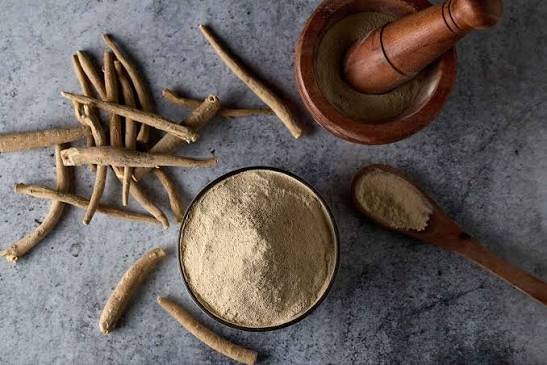
Raw root powder: This is the traditional form of Ashwagandha made by drying and grinding the root. It contains the herb in its natural state without undergoing an extraction process.
Root extracts: These products are made by extracting beneficial compounds from the root to provide a more concentrated form compared to plain root powder.
Root and leaf extracts: Some manufacturers combine both the root and leaves of the plant, which can result in a different phytochemical profile than root-only formulations.
Different extraction methods: Water-based, hydroalcoholic, and other extraction techniques may be used, and each method can influence the composition of the final extract.
Different levels of active compounds: The amount of naturally occurring withanolides and other plant constituents can vary depending on the manufacturing process and standardization method.
Because of these differences, two regular Ashwagandha supplements may not have the same composition, consistency, or manufacturing quality.
2. Root-Only vs Other Plant Parts
KSM-66 is prepared exclusively from Ashwagandha roots, which have traditionally been the primary part used in Ayurveda.
In contrast, regular Ashwagandha supplements may contain different parts of the plant depending on the manufacturer’s formulation.
These may include:
Root only: Many traditional Ayurvedic preparations and standardized extracts are made exclusively from the root, which has a long history of traditional use.
Leaf only: Some modern formulations use Ashwagandha leaves because they naturally contain withanolides, although these products differ from traditional root-based preparations.
Root and leaf combination: Certain supplements combine both plant parts to create a formulation with a broader range of naturally occurring plant compounds.
The plant part used can influence the overall phytochemical profile of the finished product. Reading the ingredient label carefully helps you understand exactly which part of the plant is included in the supplement.
3. Standardization and Consistency
Standardization is one of the reasons KSM-66 is widely recognized.
A standardized extract is manufactured to provide a consistent level of naturally occurring withanolides in each batch.
This approach offers several advantages, including:
More consistent product quality: Standardization helps maintain a similar composition from one batch to another, making the product more predictable.
Greater manufacturing reliability: Controlled production methods help ensure that each batch meets defined quality standards.
Better reproducibility in clinical research: Researchers can evaluate the same standardized extract across different studies, making scientific findings easier to interpret.
Easier comparison between studies: Using a standardized extract allows researchers and healthcare professionals to compare research results more accurately.
Regular Ashwagandha products may also be standardized, but the degree of standardization, quality testing, and manufacturing practices can differ considerably between brands.
4. Clinical Research
Another important difference is the amount of research available for the specific extract.
KSM-66 Ashwagandha has been evaluated in numerous published clinical studies investigating its potential role in various aspects of health and wellness.
Research has explored its use in areas such as:
Stress management: Several studies have examined its potential role in supporting the body’s natural response to everyday stress.
Sleep quality: Researchers have investigated whether it may help support healthy sleep patterns and overall sleep quality.
Exercise performance: Clinical studies have evaluated its potential to support endurance, strength, and physical performance alongside regular training.
Muscle recovery: Some research has explored its role in supporting recovery following resistance exercise and physical activity.
Cognitive function: Studies continue to investigate its potential effects on attention, memory, focus, and mental performance.
General well-being: Researchers have also examined its possible contribution to overall vitality, resilience, and quality of life.
It is important to understand that these findings relate specifically to the KSM-66 extract evaluated in research. Results from one standardized extract should not automatically be applied to every Ashwagandha supplement available on the market.
5. Which One Should You Choose?
There is no universal answer because the best choice depends on your personal health goals, preferences, and the type of product you are looking for.
You may prefer KSM-66 Ashwagandha if you are looking for:
A standardized extract: You prefer a product with a consistent concentration of naturally occurring withanolides across different batches.
A root-only formulation: You want an extract prepared exclusively from Ashwagandha roots in line with traditional Ayurvedic use.
A product supported by published clinical studies: You value choosing a formulation that has been evaluated in multiple human clinical trials.
Consistent manufacturing quality: You prefer a product manufactured using standardized quality-control processes.
A regular Ashwagandha product may be suitable if you:
Prefer traditional root powder: You would rather use the herb in its more traditional, minimally processed form.
Are looking for a less processed herbal preparation: Some individuals prefer whole-herb products instead of concentrated extracts.
Have been advised by an Ayurvedic practitioner: Your practitioner may recommend a specific formulation based on your individual constitution and wellness needs.
Prefer combination herbal formulas: Some products combine Ashwagandha with complementary Ayurvedic herbs as part of a broader wellness approach.
The most important consideration is choosing a supplement from a reputable manufacturer that provides transparent information about its ingredients, standardization, and quality practices.
Is KSM-66 Stronger Than Regular Ashwagandha?
This is a common misconception.
KSM-66 is not necessarily “stronger.” Instead, it is more standardized and consistent than many conventional Ashwagandha products.
The effectiveness of any Ashwagandha supplement depends on several important factors, including:
The type of extract used: Different extracts may vary in composition, manufacturing process, and standardization, which can influence the final product.
The serving size: Taking the appropriate amount according to the product label or healthcare guidance is more important than choosing the highest dose.
Product quality: The quality of raw materials, manufacturing practices, and testing standards all contribute to the reliability of a supplement.
Individual health status: Age, existing medical conditions, diet, and overall health can affect how an individual responds to supplementation.
Consistency of use: Benefits are generally associated with regular, long-term use rather than occasional supplementation.
Overall lifestyle habits: A balanced diet, regular exercise, quality sleep, and stress management remain essential for supporting overall wellness.
Rather than asking which product is stronger, a better question is:
Which formulation best matches my wellness goals and is supported by quality manufacturing and appropriate research?
Things to Check Before Buying Any Ashwagandha Supplement
Regardless of whether you choose KSM-66 or another Ashwagandha product, reviewing the product label carefully can help you make a more informed decision.
Before purchasing, check for the following:
Botanical name (Withania somnifera): This confirms that the supplement contains the correct plant species traditionally used as Ashwagandha.
Plant part used: Check whether the product contains root, leaf, or a combination of both, as this can influence the formulation.
Standardization details: A standardized extract provides greater consistency by specifying the level of naturally occurring withanolides or other marker compounds.
Amount of extract per serving: Knowing how much extract is present in each serving helps you compare products more accurately.
Complete ingredient list: Review all active and inactive ingredients to identify added herbs, allergens, fillers, or other substances.
Quality certifications: Look for products manufactured according to recognized quality standards or tested for purity and consistency where applicable.
Directions for use and safety information: Clear dosage instructions, storage recommendations, and safety warnings indicate transparent product labeling.
Avoid selecting a supplement based solely on marketing claims, attractive packaging, or the highest advertised withanolide percentage. Instead, focus on product quality, transparency, scientific support, and suitability for your individual wellness needs.
How to Choose a High-Quality KSM-66 Ashwagandha Supplement
Not all dietary supplements are manufactured to the same quality standards. Even if a product contains KSM-66 Ashwagandha, factors such as ingredient transparency, manufacturing practices, formulation, and testing can influence its overall quality.
Choosing a reputable supplement helps ensure that you know what you’re taking, how much you’re taking, and whether the product meets recognized quality standards.
Below are the key factors to consider before purchasing a KSM-66 Ashwagandha supplement.
1. Confirm That It Contains Genuine KSM-66 Ashwagandha
The first step is to verify that the product actually contains KSM-66 Ashwagandha rather than a generic Ashwagandha extract.
A quality supplement should clearly mention:
KSM-66 Ashwagandha: Check that the label specifically states KSM-66, as not every Ashwagandha supplement contains this standardized extract.
Withania somnifera (Botanical Name): The scientific name should be listed on the label to confirm the identity of the herb used in the product.
Root Extract: KSM-66 is made exclusively from the Ashwagandha root, so the label should clearly mention that it contains a root extract.
Amount of KSM-66 Per Serving: Look for the exact quantity of KSM-66 provided in each serving so you know how much you’re consuming.
Avoid products that simply state “Ashwagandha extract” without specifying the type of extract used.
2. Check the Amount Per Serving
Different supplements provide different amounts of KSM-66 Ashwagandha in each serving.
Instead of comparing the number of capsules, compare:
Amount of KSM-66 Per Serving: Compare the actual quantity of KSM-66 listed on the label instead of assuming every capsule contains the same amount.
Serving Size: Check whether one serving equals one capsule, two capsules, or one scoop, as this can vary between brands.
Number of Servings Per Container: This helps you understand how long the supplement will last and makes it easier to compare overall value.
This helps you accurately compare products from different manufacturers.
3. Read the Complete Ingredient List
Many supplements combine KSM-66 Ashwagandha with additional herbs, vitamins, minerals, or flavoring agents.
Review the label carefully for:
Added Herbal Ingredients: Some products combine KSM-66 with other herbs, so check whether these ingredients suit your wellness goals.
Artificial Colors or Flavors: If you prefer a simpler formulation, choose products with minimal artificial additives.
Sweeteners: Gummies and flavored powders may contain added sugars or sweeteners, so review the ingredient list carefully.
Fillers or Unnecessary Additives: Some supplements include inactive ingredients that may not provide any nutritional benefit.
Potential Allergens: Always check for allergens such as soy, dairy, gluten, or nuts if you have food sensitivities or allergies.
If you prefer a single-ingredient supplement, choose a formulation that contains only KSM-66 Ashwagandha with minimal inactive ingredients.
4. Look for Transparent Labeling
A trustworthy manufacturer provides detailed product information instead of relying on vague marketing claims.
The label should clearly state:
Botanical Name (Withania somnifera): This confirms the exact plant used in the supplement.
Plant Part Used (Root): Since KSM-66 is a root-only extract, the label should clearly mention this information.
Extract Type: The product should specify that it contains a standardized KSM-66 Ashwagandha extract.
Standardized Extract Information: Standardization helps provide consistency from one batch to another.
Serving Size: The recommended serving should be clearly displayed to support appropriate daily use.
Storage Instructions: Proper storage information helps maintain the supplement’s quality throughout its shelf life.
Expiry Date: Always check the expiry date before purchasing or using the product.
Batch or Lot Number: A batch number reflects manufacturing traceability and quality control practices.
Transparent labeling reflects a manufacturer’s commitment to product quality and consumer confidence.
5. Choose Supplements Manufactured Under Quality Standards
Quality manufacturing plays an important role in supplement safety and consistency.
When evaluating a product, look for information indicating that it has been manufactured in facilities that follow recognized quality standards, such as:
Good Manufacturing Practices (GMP): GMP-certified facilities follow established manufacturing procedures designed to support product quality and consistency.
Quality Control Procedures: Reliable manufacturers perform routine quality checks throughout the production process.
Batch Consistency Testing: Batch testing helps ensure that each production lot meets the manufacturer’s quality specifications.
While these standards do not guarantee effectiveness, they help support product quality and manufacturing consistency.
6. Consider Third-Party Testing
Some manufacturers voluntarily have their products tested by independent laboratories.
Third-party testing may evaluate factors such as:
Identity of the Ingredients: Confirms that the product contains the ingredients listed on the label.
Purity: Helps verify that the supplement meets acceptable purity standards.
Heavy Metals: Independent testing may screen for heavy metals to support product safety.
Microbial Contamination: Products may be tested for microorganisms that could affect quality.
Ingredient Consistency: Testing helps ensure the supplement maintains consistent quality across different batches.
Although not every high-quality supplement undergoes third-party testing, independent verification can provide additional confidence in product quality.
7. Choose the Right Supplement Form
KSM-66 Ashwagandha is available in several forms, allowing you to choose the one that best fits your preferences.
Capsules
Capsules are convenient for daily use and provide a pre-measured serving without the need for measuring or mixing.
They are a practical choice for people who prefer a quick and consistent supplement routine.
Tablets
Tablets offer a measured serving similar to capsules and are often available at a cost-effective price.
They may be suitable for individuals who are comfortable swallowing solid supplements.
Powder
Powder can be mixed into smoothies, water, or other beverages, offering flexibility in how it is consumed.
It may appeal to those who prefer adjusting serving formats, although it has a naturally earthy taste.
Gummies
Gummies are easy to consume and may be a convenient option for people who dislike swallowing capsules or tablets.
Before purchasing, check the label for added sugars, sweeteners, or artificial ingredients.
The best format is the one that you can take consistently according to the recommended directions.
8. Don’t Choose Based on Marketing Claims Alone
Some supplement labels use phrases such as:
Maximum Strength: This phrase is often used for marketing and does not necessarily indicate a higher-quality supplement.
Ultra Potent: Potency claims should always be supported by clear ingredient information rather than promotional wording.
Super Concentrated: A concentrated extract is not automatically better if the product lacks transparency about its formulation.
Premium Formula: Look beyond marketing terms and evaluate the actual ingredients, manufacturing standards, and product labeling.
Instead, focus on objective information such as:
Ingredient Transparency: Choose products that clearly disclose all active and inactive ingredients.
Standardized Extract: A standardized extract helps provide consistent quality and composition.
Manufacturing Quality: Look for supplements produced according to recognized quality standards.
Clear Labeling: A complete and accurate label helps you make an informed purchasing decision.
Evidence-Based Formulation: Select products that provide factual information instead of relying on exaggerated health claims.
A product with honest labeling is generally more trustworthy than one relying heavily on promotional language.
Final Thoughts
KSM-66 Ashwagandha is a standardized, full-spectrum root extract of Withania somnifera that has been widely studied for its potential role in supporting the body’s response to everyday stress, healthy sleep, cognitive function, physical performance, and overall well-being. Unlike many generic Ashwagandha products, it offers a consistent formulation that has been evaluated in multiple clinical studies.
While KSM-66 Ashwagandha may be a valuable addition to a balanced wellness routine, it should not replace a healthy diet, regular exercise, quality sleep, or professional medical care. Choosing a high-quality supplement, following the recommended dosage, and consulting a qualified healthcare professional when appropriate can help you use it safely and effectively.
Frequently Asked Questions
1. What is KSM-66 Ashwagandha?
KSM-66 Ashwagandha is a proprietary full-spectrum extract made exclusively from the roots of Withania somnifera. It is typically standardized to provide a consistent level of naturally occurring withanolides and has been evaluated in multiple clinical studies related to stress, sleep, cognitive function, exercise performance, and overall well-being.
2. Is KSM-66 Ashwagandha better than regular Ashwagandha?
Not necessarily. KSM-66 and regular Ashwagandha both come from the same plant, but they differ in their manufacturing process, standardization, and composition. KSM-66 is known for its root-only standardized extract and published clinical research, while regular Ashwagandha products may vary depending on the formulation and manufacturer.
3. What are the potential benefits of KSM-66 Ashwagandha?
Research suggests that KSM-66 Ashwagandha may support the body’s response to everyday stress, healthy sleep quality, cognitive function, physical performance, muscle recovery, and overall vitality when combined with healthy lifestyle habits. Individual responses may vary.
4. How long does KSM-66 Ashwagandha take to work?
There is no fixed timeline. Some individuals may notice changes within a few weeks of consistent use, while others may require more time. Factors such as dosage, overall health, lifestyle, and individual response can all influence the results.
5. Can I take KSM-66 Ashwagandha every day?
Many products are intended for daily use when taken according to the manufacturer’s instructions. Whether daily supplementation is appropriate depends on your health status, wellness goals, medications, and advice from a qualified healthcare professional.
6. What is the best time to take KSM-66 Ashwagandha?
KSM-66 Ashwagandha can be taken in the morning or evening, depending on your daily routine and wellness goals. The most important factor is taking it consistently according to the product label or your healthcare provider’s recommendations.
7. Should KSM-66 Ashwagandha be taken with food?
Many people tolerate it well with or without food. However, taking it with a meal may help reduce mild stomach discomfort in individuals with a sensitive digestive system.
8. Does KSM-66 Ashwagandha have side effects?
KSM-66 Ashwagandha is generally well tolerated when used as directed. Some individuals may experience mild side effects such as stomach discomfort, nausea, loose stools, or drowsiness. If severe or persistent symptoms occur, discontinue use and seek medical advice.
9. Can KSM-66 Ashwagandha be taken with other supplements?
It may be used alongside certain dietary supplements, but combinations should be reviewed carefully. If you take prescription medications or have an ongoing medical condition, consult your healthcare provider before adding KSM-66 Ashwagandha to your routine.
10. Who should avoid KSM-66 Ashwagandha?
It may not be suitable for everyone. Individuals who are pregnant, breastfeeding, have autoimmune or thyroid disorders, liver disease, or are taking certain medications should seek medical advice before using KSM-66 Ashwagandha.
11. Is KSM-66 Ashwagandha the same as Ashwagandha root powder?
No. KSM-66 is a standardized full-spectrum root extract, whereas Ashwagandha root powder is the dried and ground root with a naturally variable concentration of active compounds. They differ in processing, consistency, and formulation.
Medical Disclaimer
This article is for educational and informational purposes only and should not be considered medical advice, diagnosis, or treatment. KSM-66 Ashwagandha is a dietary supplement and is not intended to diagnose, treat, cure, or prevent any disease.
Always consult a qualified healthcare professional before using KSM-66 Ashwagandha or any dietary supplement, especially if you are pregnant, breastfeeding, have a medical condition, or are taking any medications. Individual results may vary based on personal health and lifestyle.
References
The information presented in this article is based on traditional Ayurvedic literature, peer-reviewed scientific studies, and evidence-based health resources. The following references were used to develop and verify the content:
- National Center for Complementary and Integrative Health (NCCIH). Ashwagandha: Usefulness and Safety.
NCCIH – Ashwagandha: Usefulness and Safety
A trusted government resource covering the uses, safety, side effects, and current evidence on Ashwagandha. - Cheah KL, Norhayati MN, Yaacob LH, et al. Effect of Ashwagandha (Withania somnifera) Extract on Sleep: A Systematic Review and Meta-analysis. PLOS ONE. 2021.
PubMed – Systematic Review on Ashwagandha and Sleep
A systematic review and meta-analysis evaluating the effects of Ashwagandha extracts on sleep quality and related outcomes. - Mukherjee PK, Banerjee S, Biswas S, et al. Withania somnifera (L.) Dunal – Modern Perspectives of an Ancient Rasayana from Ayurveda. Journal of Ethnopharmacology.
Available through the NCCIH reference list: NCCIH Reference List for Ashwagandha Research - Speers AB, Cabey KA, Soumyanath A, et al. Effects of Withania somnifera (Ashwagandha) on Stress and Stress-Related Neuropsychiatric Disorders. Current Neuropharmacology.
Available through the NCCIH reference list: NCCIH Scientific References - Tandon N, Yadav SS. Safety and Clinical Effectiveness of Withania somnifera (Linn.) Dunal Root in Human Ailments. Journal of Ethnopharmacology.
Available through the NCCIH reference list: NCCIH – Clinical References on Ashwagandha - KSM-66 Ashwagandha – Official Scientific Research Library.
KSM-66 Official Research Library
Official source summarizing published clinical studies conducted on the standardized KSM-66 Ashwagandha extract.