


Shatavari (Asparagus racemosus) is one of Ayurveda’s most respected herbs — especially for women’s wellness, lactation, hormonal balance and immunity. With new clinical studies emerging in 2024–2025, interest in this ancient root has surged again. This in-depth guide explains what Shatavari is, how it works, clinically supported benefits, dosage, side effects, and how to choose a good product in India.
What Is Shatavari?
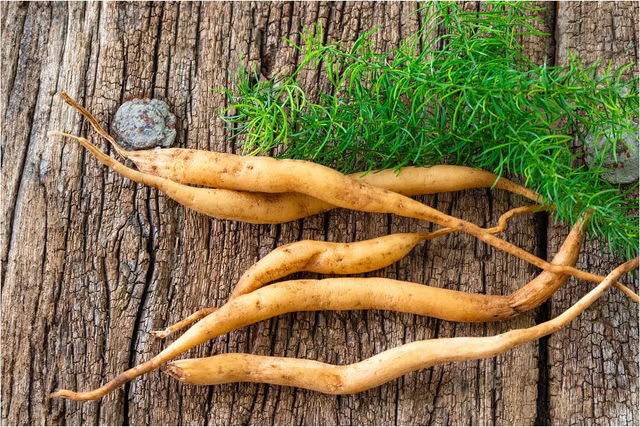
Shatavari comes from the root of Asparagus racemosus, a plant native to India, Nepal and Sri Lanka. In Ayurveda, it is considered a Rasayana — a rejuvenating herb that supports longevity, vitality and reproductive health.
The name “Shatavari” translates to “she who possesses a hundred husbands”, highlighting its traditional use for female wellness. The root contains steroidal saponins (Shatavarins), alkaloids and antioxidants that contribute to hormonal support, immunity and overall vitality.
Modern science is now exploring Shatavari’s traditional uses, and early clinical trials confirm many of its potential benefits.
How Shatavari Works (Science + Ayurveda)
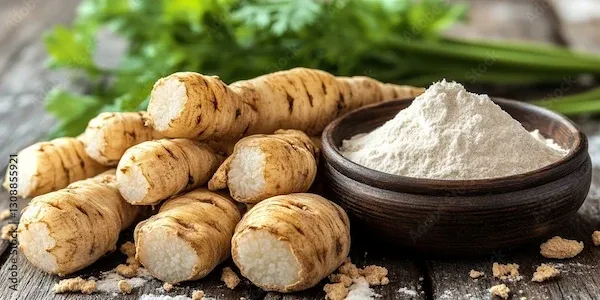
Shatavari’s main active compounds — Shatavarins (steroidal saponins) — behave like natural phytoestrogens. These may help regulate estrogen pathways in the body. Ayurveda connects Shatavari with:
Balya (strengthening)
Stanya-janana (promotes lactation)
Swasthya-rakshana (maintains wellbeing)
Vata-Pitta balancing
Scientific mechanisms noted in studies include:
Hormone modulation
Anti-inflammatory action
Antioxidant protection
Immune system regulation
Gastroprotective effect
This combination explains why Shatavari is beneficial across various stages of a woman’s life — from menstruation to menopause.
Top 7 Evidence-Backed Shatavari Benefits
1. Supports Women’s Reproductive Health & Fertility

Shatavari is widely used for reproductive health:
Helps regulate menstrual cycles
May support ovulation
Improves uterine health
Traditionally used for fertility
Early clinical and preclinical studies show improved ovarian function and hormone modulation, but more large-scale human trials are needed. Women with hormonal issues often pair Shatavari with Ashoka, Lodhra or Yashtimadhu under Ayurvedic supervision.
2. Natural Lactation Booster

Shatavari is one of India’s most trusted herbs for increasing breast milk production. Many doctors, midwives and lactation consultants recommend it postpartum.
Studies indicate:
Increased milk volume
Improved nutrition content
Better maternal recovery
It is available in powders, capsules and lactation-based formulations. Never start any supplement in the breastfeeding phase without consulting your paediatrician.
3. Relief From Menopause & Perimenopause Symptoms

Recent trials show Shatavari may help with:
Hot flashes
Night sweats
Mood fluctuations
Disturbed sleep
Vaginal dryness
Because of its mild phytoestrogenic action, many women use it as a natural alternative to hormone regulating supplements — especially during perimenopause.
4. Improves Immunity & Overall Vitality

Shatavari contains antioxidants that help:
Strengthen immune response
Reduce inflammation
Protect against oxidative stress
Improve resilience during seasonal changes
It is often used as a daily health tonic alongside other Rasayana herbs such as Guduchi, Ashwagandha and Amla.
5. Supports Digestion & Gut Health

Ayurvedic texts describe Shatavari as a soothing, cooling herb that supports the digestive tract.
Benefits include:
Reduced acidity
Relief from gastritis
Gastroprotective action
Support for healthy gut lining
People with acid reflux often take Shatavari with ghee or milk before bedtime.
6. Good for Skin, Wound Healing & Anti-Ageing
Because of its antioxidant profile, Shatavari may help:
Slow down premature ageing
Improve skin hydration
Support wound healing
Reduce inflammation
It is included in many Ayurvedic skincare blends for glow and nourishment.
7. Helps With Stress, Sleep & Mood

As an adaptogenic herb, Shatavari is known for:
Calming the nervous system
Reducing stress
Supporting better sleep
Stabilizing mood
Many people take Shatavari at night to promote relaxation.
Shatavari Dosage & How to Use It
Forms available in India:
Powder (Churna)
Capsules / Tablets
Syrup
Granules (popular for lactation)
Classical formulations (Kalpa, Arishta, Ghrta)
General dosage guidelines (adults):
Powder: ½ – 1 teaspoon (500 mg – 2 g) twice daily
Capsules: 250 – 500 mg 1–2 times a day
Syrup: As per label instructions
Granules: Often 1–2 teaspoons twice a day in warm milk
Always follow your doctor, BAMS practitioner or product guidelines. Effects are usually seen after 4–8 weeks of consistent use.
Side Effects & Safety Precautions
Shatavari is generally safe, but consider the following:
Possible side effects
Bloating or mild digestive upset
Allergic reactions (rare)
Lower blood sugar (caution for diabetics)
Avoid or consult doctor if:
You are pregnant
You are on hormone therapy
You have kidney stones
You are allergic to asparagus
You are taking diuretics or diabetes medication
Breastfeeding mothers should use it only under medical guidance.
How to Choose a Good Shatavari Product in India

Look for:
✔ Standardized extract (Shatavarin percentage mentioned)
✔ GMP / ISO certified manufacturer
✔ Clean ingredient list — no fillers
✔ Third-party lab tested
✔ Reputed Ayurvedic or nutraceutical brand
Avoid extremely cheap powders with no testing information.
3 Simple & Effective Indian Ways to Use Shatavari
1. Shatavari Milk
Mix ½ teaspoon Shatavari powder in hot milk + honey.
Take at night for sleep, hormonal balance & digestion.
2. Postpartum Recovery Drink
1 teaspoon Shatavari granules in warm milk, twice a day (doctor-guided).
3. Daily Capsule Routine
One capsule after breakfast for overall wellness.
Shatavari is a versatile Ayurvedic herb with strong traditional use and growing modern scientific support. From hormonal balance and fertility to digestion, immunity and emotional wellbeing — it offers gentle but effective benefits when used correctly.
For best results:
Choose a high-quality product
Follow the right dosage
Take it consistently
Use it under medical supervision if pregnant, breastfeeding or on medication
Shatavari can be a powerful addition to your daily wellness routine — especially for women across all life stages.
Final Words
Shatavari is a powerful herb with a long history of supporting health and well-being. Whether you’re looking to boost your energy, improve digestion, balance hormones, or strengthen your immunity, Shatavari can be a gentle and natural option. As with any supplement, it’s best to choose good-quality products and talk to a healthcare professional if you have any health concerns. With regular use and the right guidance, Shatavari can be a helpful addition to your daily routine.
FAQ
1. Can men take Shatavari?
Yes. It supports immunity, digestion and stress relief. Some studies show benefits for male fertility as well.
2. How long does Shatavari take to work?
Most benefits appear in 4–8 weeks with consistent usage.
3. Can I take Shatavari and Ashwagandha together?
Yes, they pair well and are used together in many Ayurvedic formulations.
4. Is Shatavari good for PCOS?
Some women find relief with hormonal balance and cycle regularity, but PCOS treatment needs a personalised plan from an Ayurvedic doctor.
5. Can pregnant women take Shatavari?
Only if prescribed by a qualified practitioner.
